
From soul-stirring vocals to electrifying guitar solos, women have always been the beating heart of classic rock. These trailblazers shattered barriers and defined the sound of a generation. Ready to see if your favorite icon made the list?
Janis Joplin
Janis Joplin changed the landscape of the late 60s music scene with a raspy, unrestrained vocal style that demanded attention. Performing alongside Big Brother and the Holding Company, she commanded the stage at Monterey Pop and Woodstock, cementing her legacy in music history. She reportedly gave everything to her live performances, leaving audiences mesmerized by her raw emotional delivery. The Texas native drew heavy inspiration from blues legends, integrating their soulful phrasing into the burgeoning psychedelic movement.
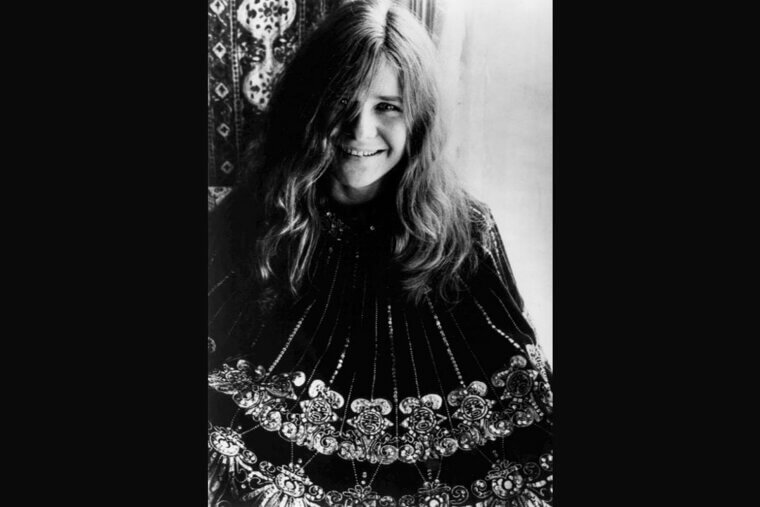
Her posthumous album Pearl reached number 1 on the Billboard charts in 1971, featuring the iconic hit Me and Bobby McGee. Her fearless approach paved the way for future generations of female singers to embrace their authentic voices without compromise.
Stevie Nicks
Stevie Nicks brought a mystical aesthetic and poetic songwriting to Fleetwood Mac, helping propel the band to astronomical commercial heights. Joining the group in 1975, her distinctive vibrato and ethereal stage presence immediately captured the public imagination. She penned some of the most enduring tracks of the era, including Dreams and Rhiannon, which showcased her talent for blending personal heartbreak with universal themes. Fans reportedly resonated with her gypsy-inspired wardrobe, consisting of flowing shawls, platform boots, and layered lace.
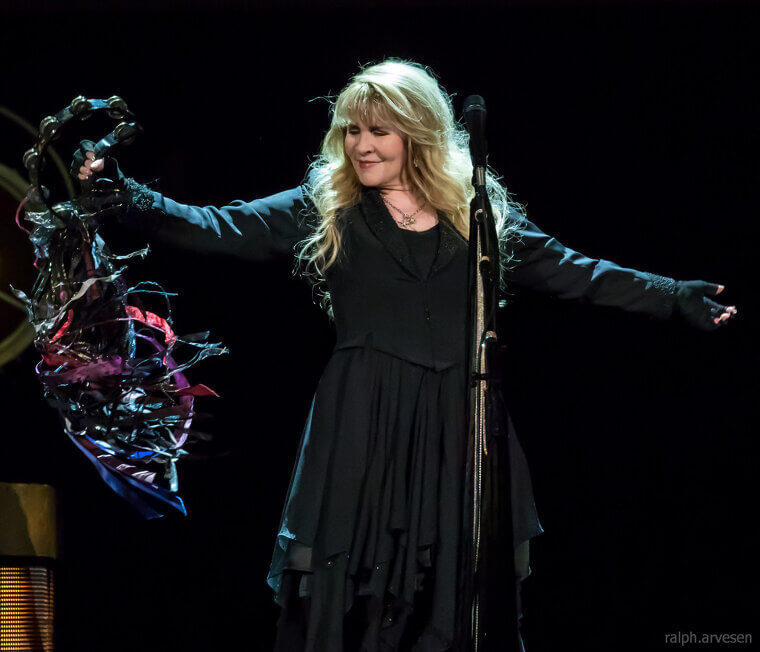
Beyond her collaborative work, she launched a massive solo career in 1981 with the album Bella Donna, producing hits like Edge of Seventeen. She holds the rare distinction of being inducted into the Rock and Roll Hall of Fame twice.
Joan Jett
Joan Jett earned her reputation as a relentless force in the music industry by forming the Runaways as a teenager and subsequently launching a wildly successful solo career. She embraced a tough, leather-clad image that challenged traditional expectations of women in mainstream media during the 70s and 80s. When major labels rejected her solo efforts, she allegedly sold records out of the trunk of her car before founding Blackheart Records. This entrepreneurial spirit gave her complete control over her creative output.
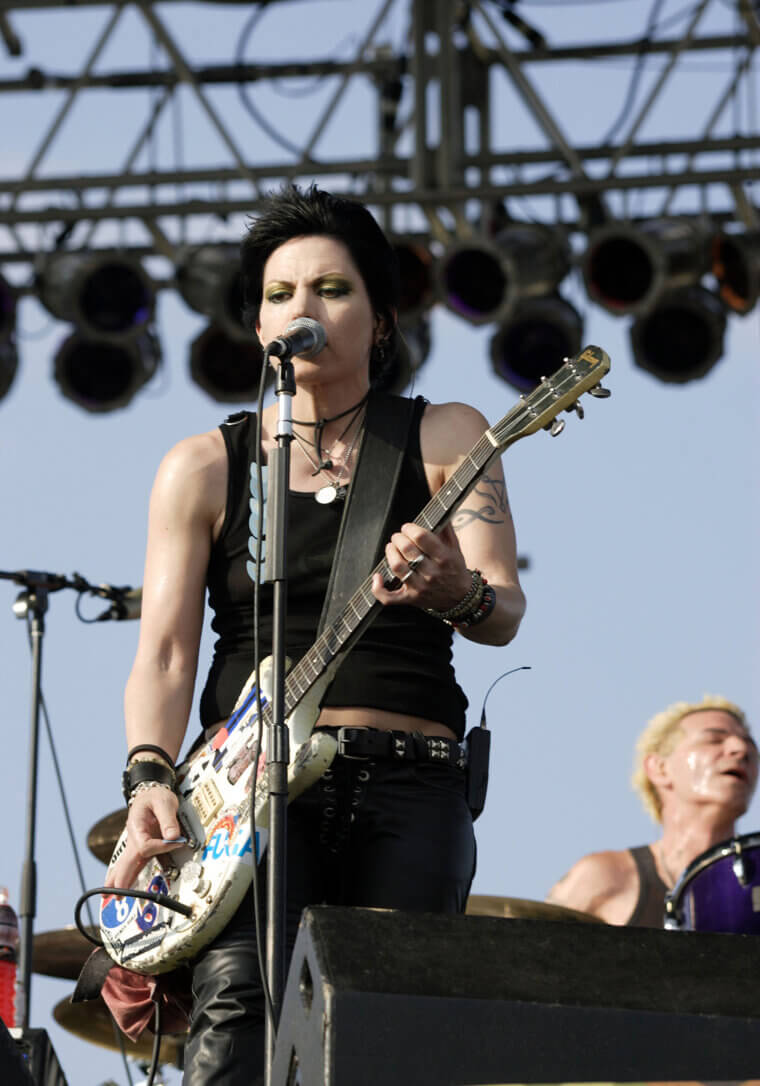
With her band the Blackhearts, she delivered the definitive anthem I Love Rock 'n' Roll, which dominated radio waves in 1982. Her aggressive rhythm guitar playing and sneering vocal delivery continue to inspire modern punk and alternative artists.
Pat Benatar
Pat Benatar combined operatic vocal training with hard-hitting arena rock to become one of the defining voices of the MTV generation. Armed with a staggering multi-octave range, she delivered empowering anthems that resonated with young audiences across the globe. Her breakthrough debut album In the Heat of the Night established her signature sound, blending melodic pop sensibilities with heavy guitar riffs. She consistently pushed back against industry pressure to soften her image, maintaining a fierce and uncompromising public persona.
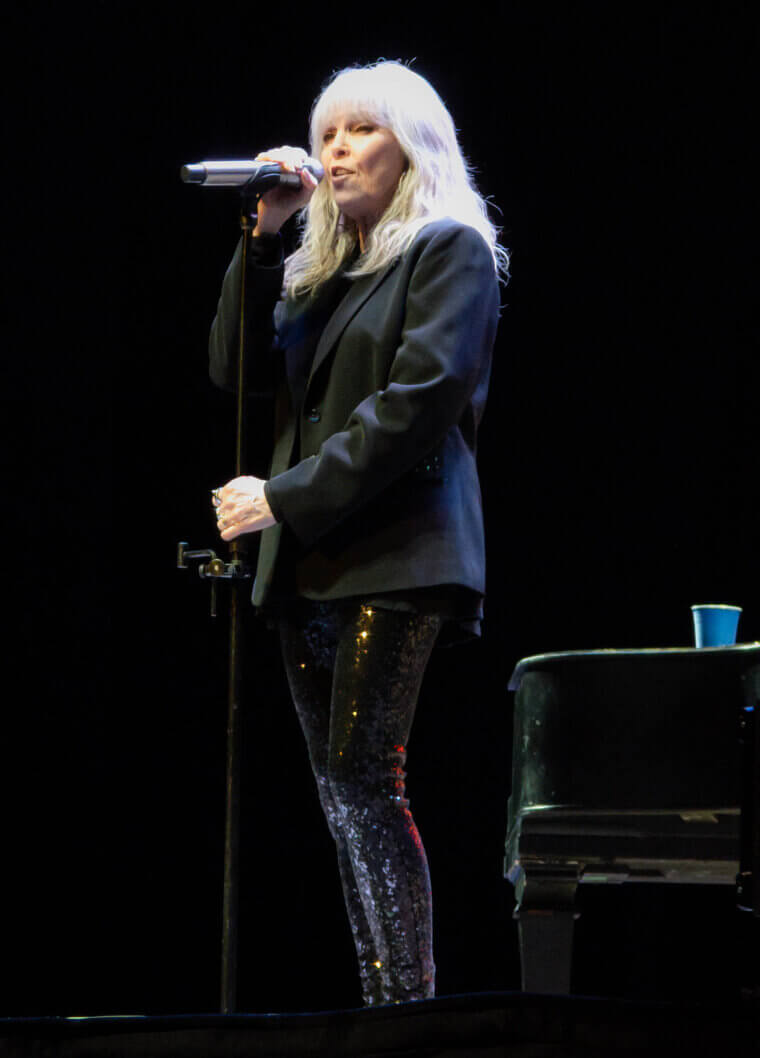
Scoring massive hits like Hit Me with Your Best Shot and Heartbreaker, she secured 4 consecutive Grammy Awards for Best Female Rock Vocal Performance. Her pioneering music videos helped establish the visual language of modern pop culture.
Ann Wilson
Ann Wilson serves as the powerhouse lead vocalist for Heart, utilizing a dramatic and soaring vocal range that remains unmatched in the genre. Alongside her sister, she broke significant barriers in a male-dominated industry by fronting a hard rock band that wrote its own material and played its own instruments. Her dynamic performances on epics like Crazy on You and Magic Man demonstrated a rare blend of theatricality and genuine emotional depth. Critics frequently cite her as one of the greatest singers in popular music.
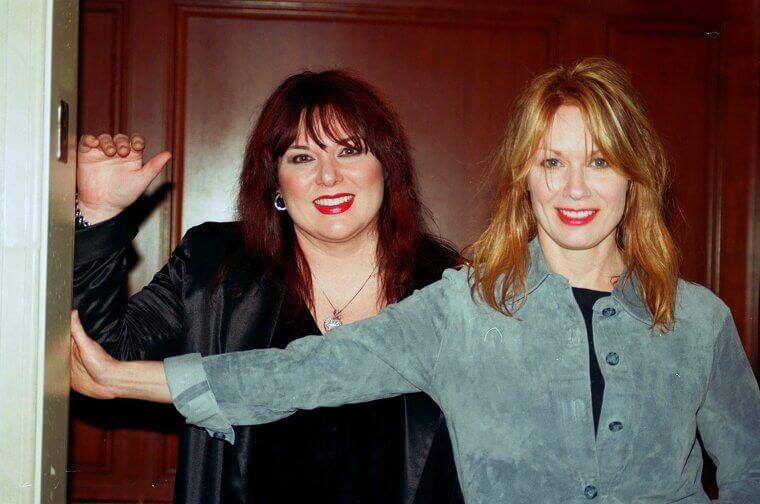
She guided the band through multiple decades of success, seamlessly transitioning from 70s folk-infused rock to 80s arena pop. Her enduring vocal stamina continues to amaze audiences during live performances today.
Debbie Harry
Debbie Harry seamlessly blended punk attitude with disco rhythms as the magnetic frontwoman of Blondie, becoming a definitive icon of the late 70s New York scene. Her cool, detached vocal delivery and striking visual style helped the band cross over from underground clubs to international pop stardom. She possessed a unique ability to traverse genres, incorporating elements of reggae, rap, and electronic music into mainstream hits. Photographers and fashion designers reportedly clamored to work with her, drawn to her photogenic features and streetwise edge.

Songs like Heart of Glass and Call Me dominated global charts, solidifying her status as a cultural trendsetter. Her influence extends far beyond music, impacting fashion and visual arts for decades.
Christine McVie
Christine McVie provided the steady, blues-rooted foundation for Fleetwood Mac, contributing some of their most commercially successful and enduring melodies. While her bandmates often commanded the spotlight with dramatic personal lives, she quietly crafted perfect pop-rock compositions from behind her keyboard. Her warm, smoky alto voice offered a grounding contrast to the other vocalists in the group. She drew heavily from her early experiences in the British blues boom, translating those traditional structures into accessible contemporary hits.
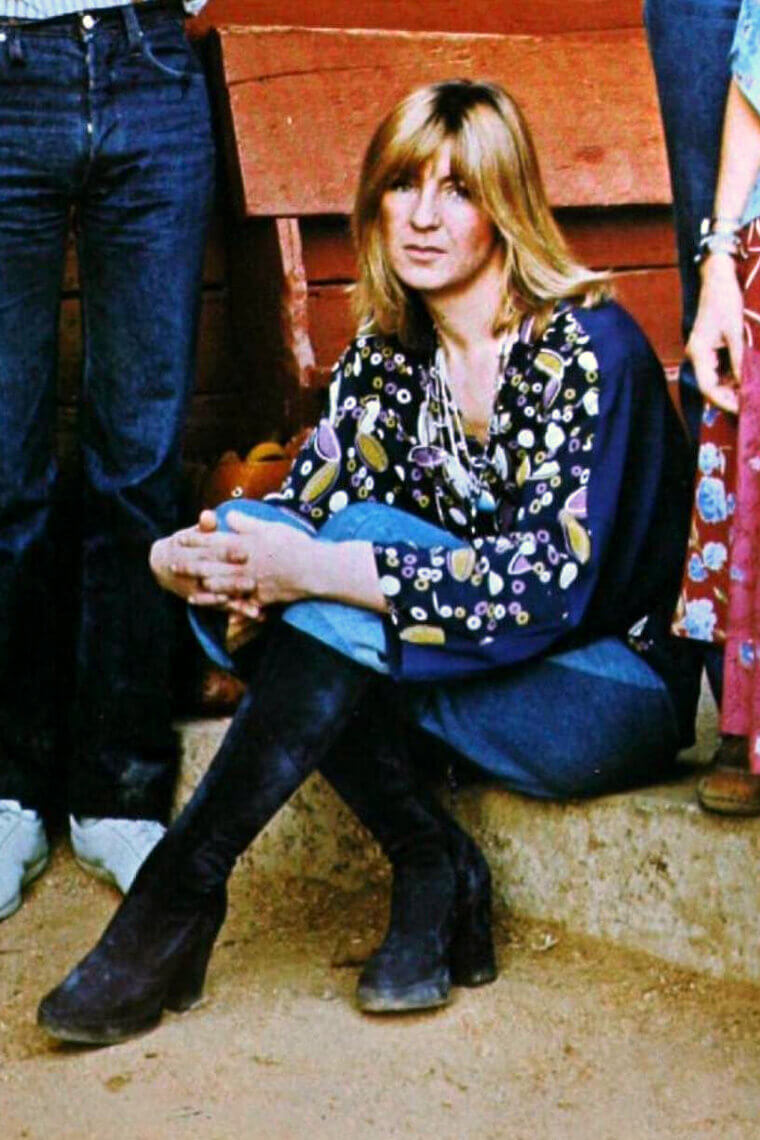
She penned massive chart-toppers including Don't Stop, You Make Loving Fun, and Everywhere, ensuring the band's continued relevance through the 80s. Her recent passing highlighted her immense, often understated impact on the architecture of popular music.
Grace Slick
Grace Slick emerged as a pivotal figure in the 60s counterculture movement, lending her powerful, clarion voice to Jefferson Airplane. She brought crucial material to the band, including the era-defining anthems Somebody to Love and White Rabbit, which she originally penned for her previous group. Her biting lyrical wit and confrontational stage banter set her apart from other performers of the era. She allegedly never shied away from political controversy, openly challenging societal norms and authority figures during live television broadcasts.
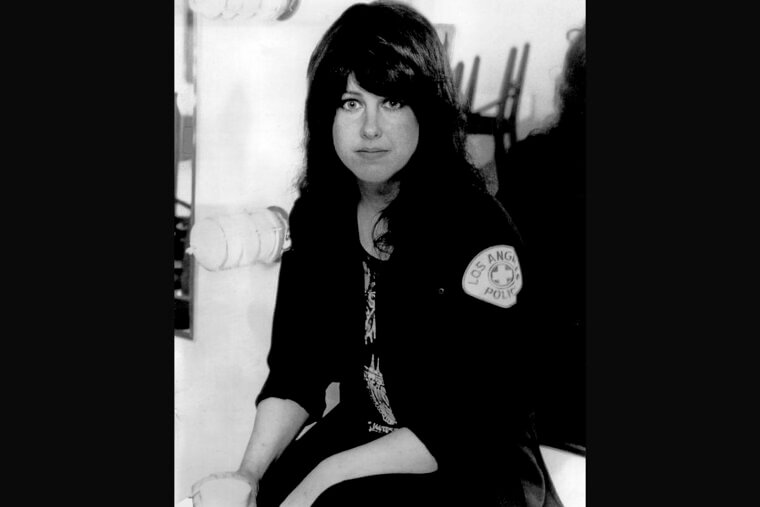
She continued to adapt her style as the band transitioned into Jefferson Starship and later Starship, securing number 1 hits in the 80s. Her distinctive vocal timbre remains instantly recognizable on any playlist.
Suzi Quatro
Suzi Quatro shattered expectations by becoming the first prominent female bass player to front a major rock band, paving the way for countless successors. She cultivated a tough, leather-jumpsuit-wearing persona that resonated deeply with teenage fans in the UK and Australia during the glam rock era. Her aggressive playing style and shouting vocals resulted in massive international hits like Can the Can and Devil Gate Drive. She reportedly influenced a generation of young women to pick up instruments rather than just microphones.
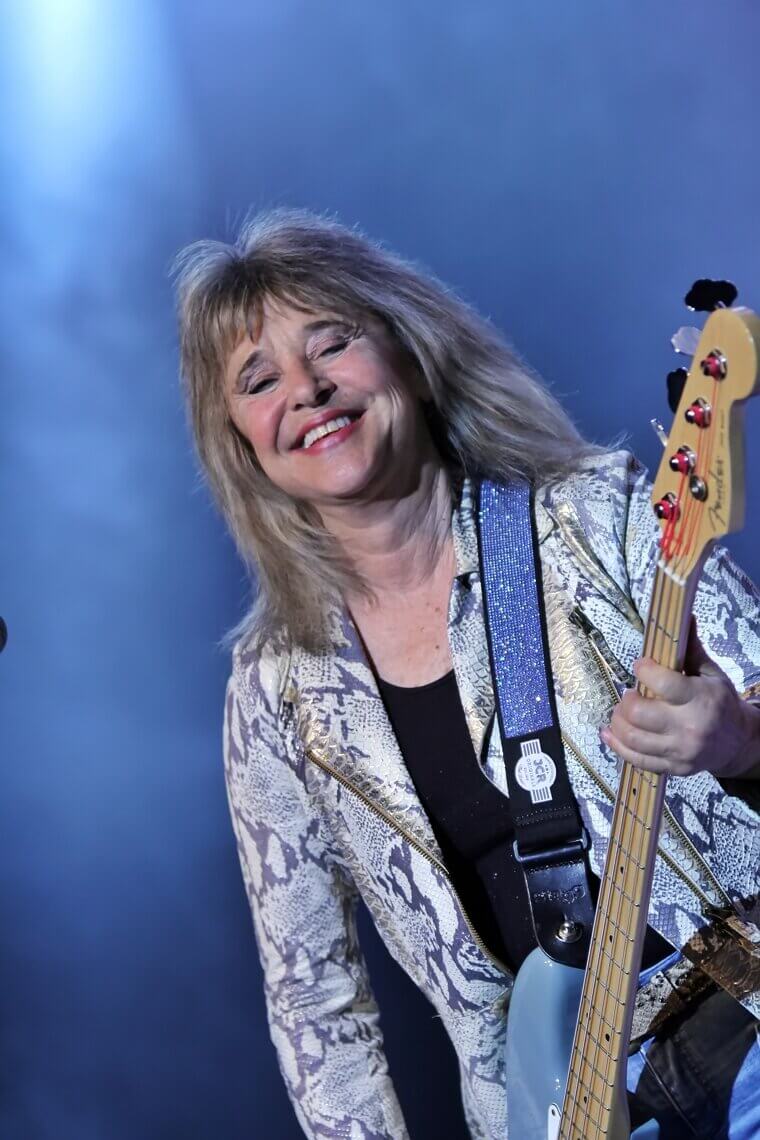
While she achieved massive stardom overseas, American audiences largely knew her from a recurring acting role on the sitcom Happy Days. She continues to tour and release new music, maintaining her trailblazing energy.
Linda Ronstadt
Linda Ronstadt possessed an incredibly versatile soprano voice that allowed her to effortlessly transition between folk, country, rock, and Latin music. During the 70s, she became the highest-paid woman in rock, packing arenas and dominating the airwaves with her impeccable interpretations of other writers' songs. She had a unique talent for discovering emerging songwriters, bringing mainstream attention to artists like Warren Zevon and Elvis Costello. Her backing band famously spun off to form the Eagles, highlighting her exceptional ear for musical talent.
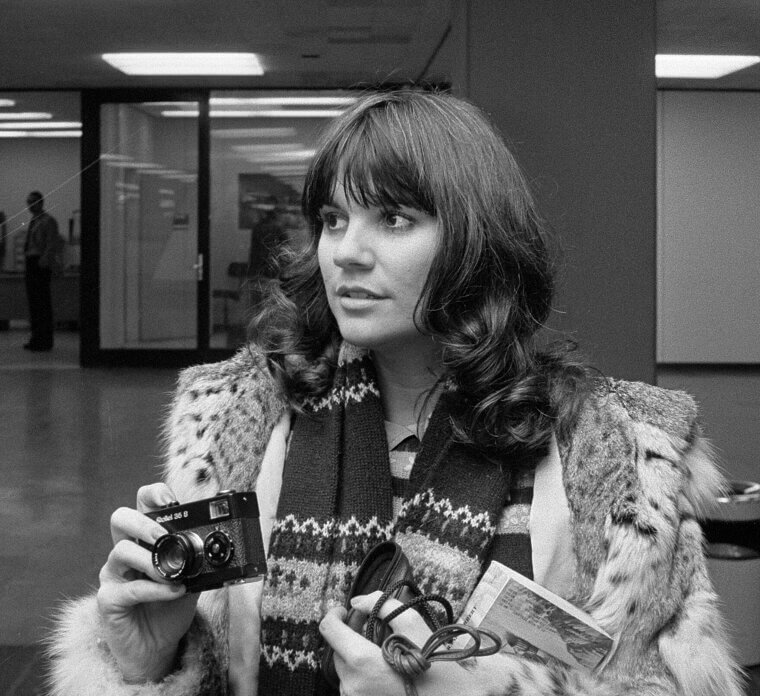
Albums like Heart Like a Wheel and Simple Dreams achieved multi-platinum status, setting sales records for female artists. Though illness forced her retirement, her pristine vocal recordings remain a gold standard.
Patti Smith
Patti Smith fused beat poetry with minimalist three-chord garage rock, earning her the title of the punk poet laureate of New York City. Her groundbreaking 1975 debut album Horses challenged conventional song structures and lyrical themes, featuring her impassioned, spoken-word delivery. She approached music as an extension of her literary work, drawing inspiration from French symbolists and Beat Generation writers. Her raw, unpolished aesthetic deliberately rebelled against the highly produced corporate rock dominating the mainstream charts at the time.
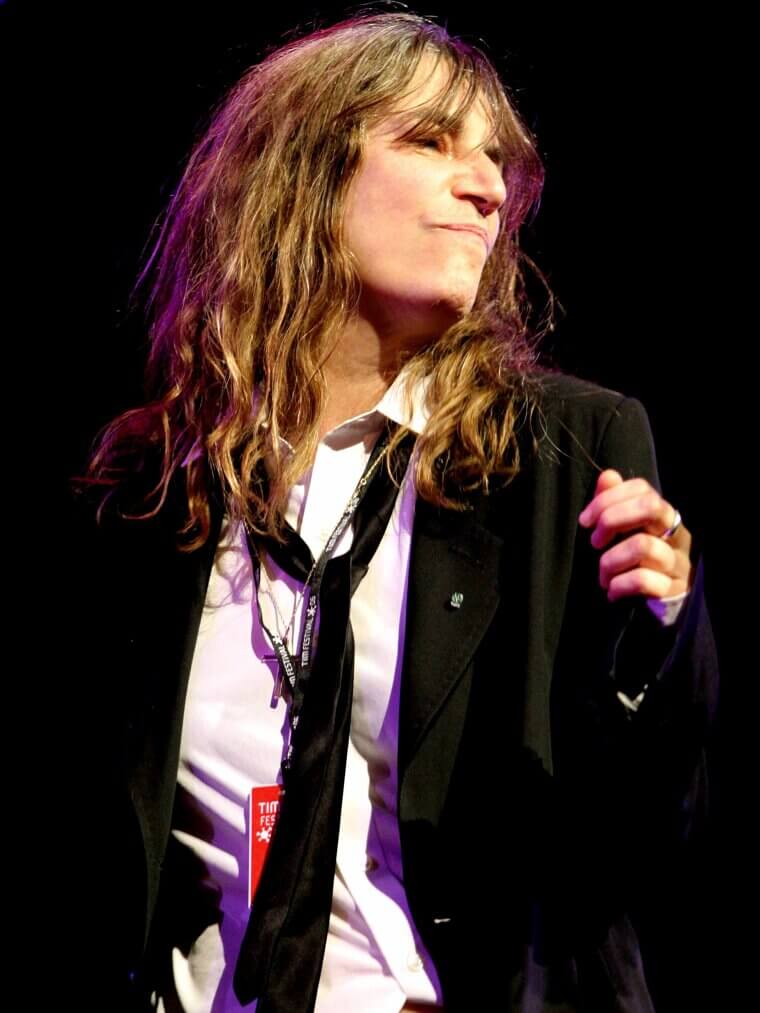
She achieved her biggest commercial success with Because the Night, co-written with Bruce Springsteen. Her unwavering commitment to artistic integrity continues to inspire avant-garde musicians and writers around the world.
Bonnie Raitt
Bonnie Raitt built a formidable career on the foundation of traditional blues, gaining respect for her masterful slide guitar playing and soulful vocal delivery. For years, she operated as a critically acclaimed cult favorite, touring relentlessly and collaborating with legendary bluesmen. She allegedly struggled against record label attempts to commercialize her sound, choosing to stay true to her roots. Her perseverance paid off spectacularly with the release of Nick of Time in 1989, which swept the Grammy Awards and topped the charts.
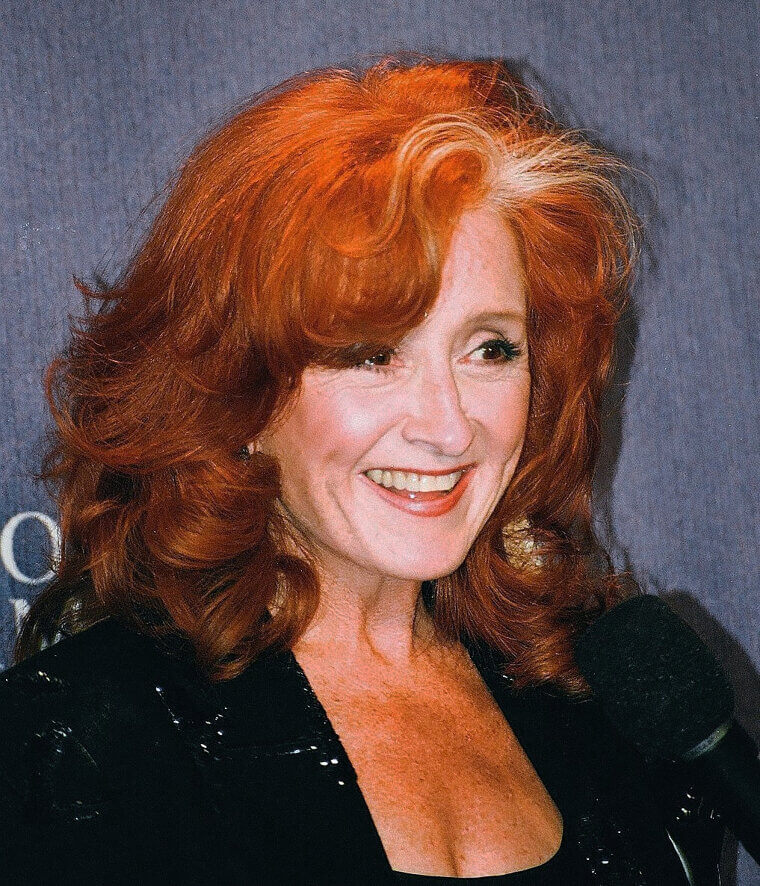
She followed this breakthrough with numerous successful albums, solidifying her place as a premier roots-rock artist. Her tasteful, emotive guitar work ensures she is consistently ranked among the greatest instrumentalists in history.
Tina Turner
Tina Turner overcame immense personal and professional obstacles to claim her title as the undisputed Queen of Rock and Roll. She initially gained fame delivering explosive, high-energy performances alongside the Ike and Tina Turner Revue, setting a new standard for live entertainment. After launching a solo comeback in her 40s, she achieved unprecedented global success with the album Private Dancer in 1984. Her signature raspy voice and electrifying dance moves captivated millions, proving that age and background are no barrier to reinvention.
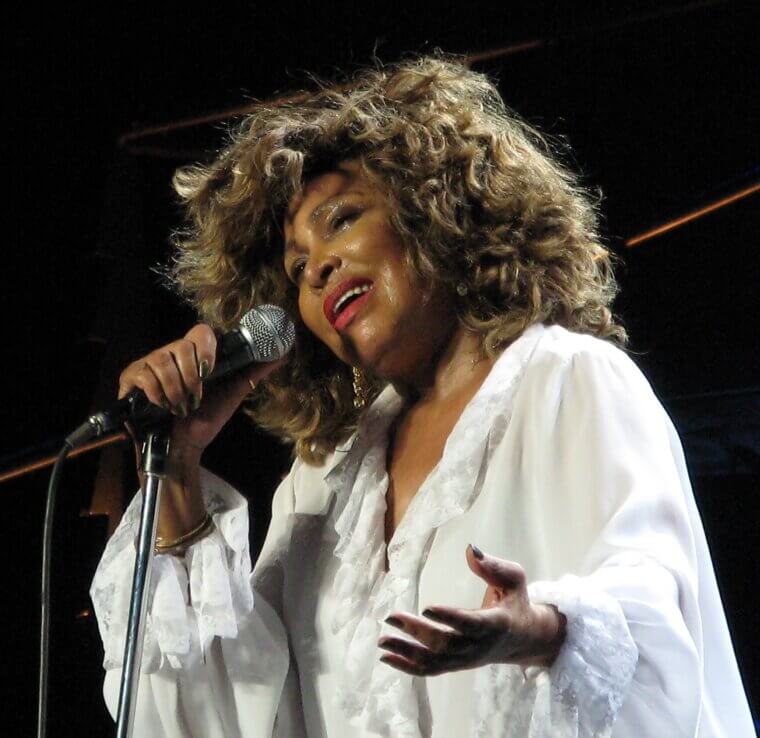
She packed stadiums worldwide, setting records for ticket sales while delivering hits like The Best and What's Love Got to Do with It. Her resilience and commanding stage presence make her a true musical legend.
Chrissie Hynde
Chrissie Hynde brought a tough, unsentimental approach to songwriting as the leader and primary creative force behind the Pretenders. Relocating from Ohio to London during the nascent punk scene, she absorbed the rebellious energy of the city while maintaining a strong melodic sensibility. Her distinctive, vibrato-heavy alto voice effortlessly delivered both cynical observations and vulnerable confessions. She commanded respect with her sharp rhythm guitar playing and uncompromising leadership, navigating the band through the tragic loss of two founding members.
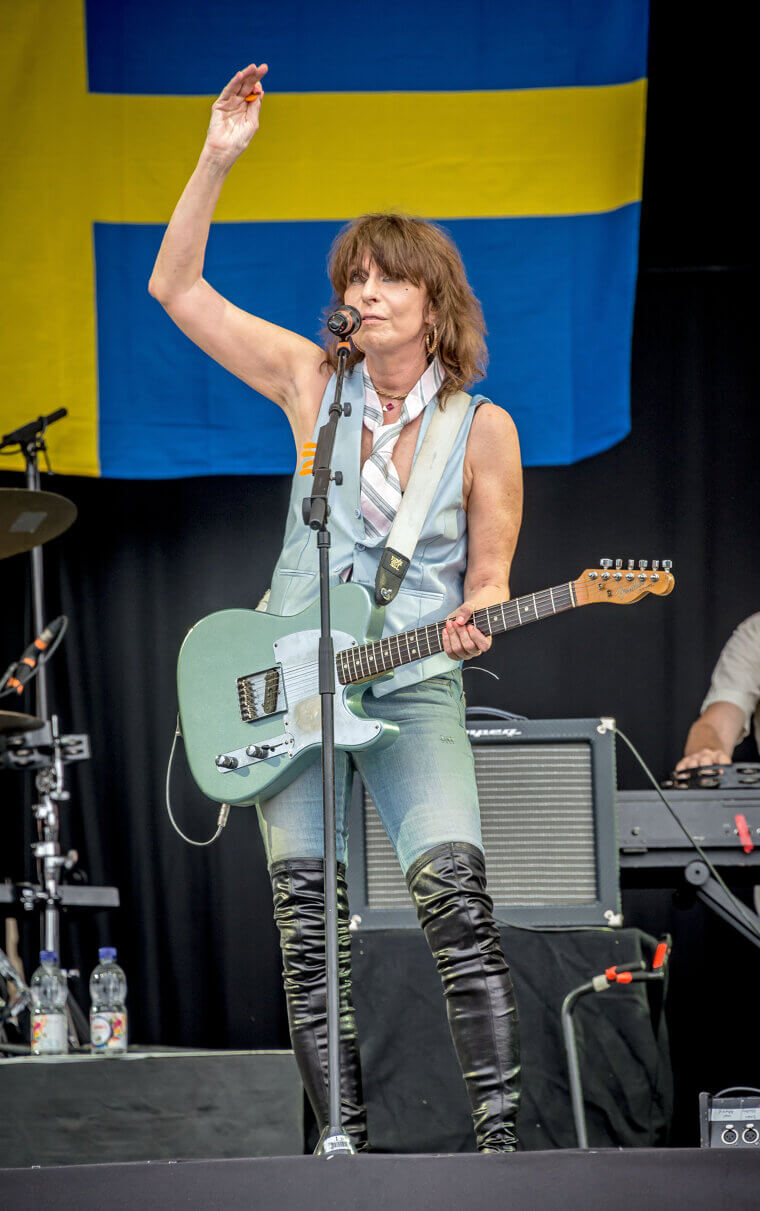
Hits like Brass in Pocket and Back on the Chain Gang showcase her brilliant fusion of punk energy and pop songcraft. She remains a fiercely independent voice in the music industry.
Lita Ford
Lita Ford emerged from the pioneering teenage band the Runaways to establish herself as a formidable lead guitarist in the heavy metal scene. She embraced the theatricality of 80s glam metal, combining technical shredding abilities with catchy, radio-friendly hooks. She allegedly faced intense sexism in the guitar community but repeatedly silenced critics with her undeniable playing skills. Her solo career reached its zenith with the album Lita, which featured massive crossover hits and heavy rotation on MTV.
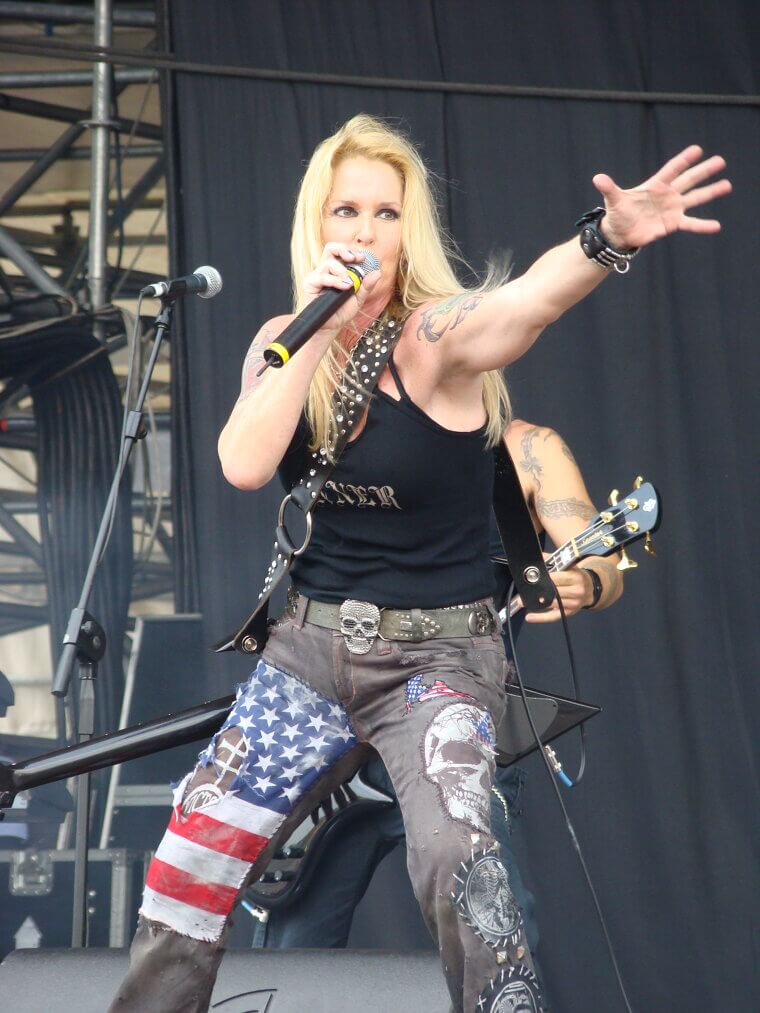
The power ballad Close My Eyes Forever, a duet with Ozzy Osbourne, became a defining track of the decade. Her success proved that women could compete and thrive in the heaviest subgenres of rock.
Nancy Wilson
Nancy Wilson redefined the role of female instrumentalists by serving as the lead guitarist, backing vocalist, and primary co-writer for Heart. Her intricate acoustic fingerpicking and aggressive electric riffs provided the foundational sound for the band's biggest hits. She reportedly spent countless hours mastering the acoustic guitar intro to Crazy on You, which has since become a staple of classic rock radio. By stepping into a prominent instrumental role, she challenged the stereotype that women were primarily suited to be lead singers.
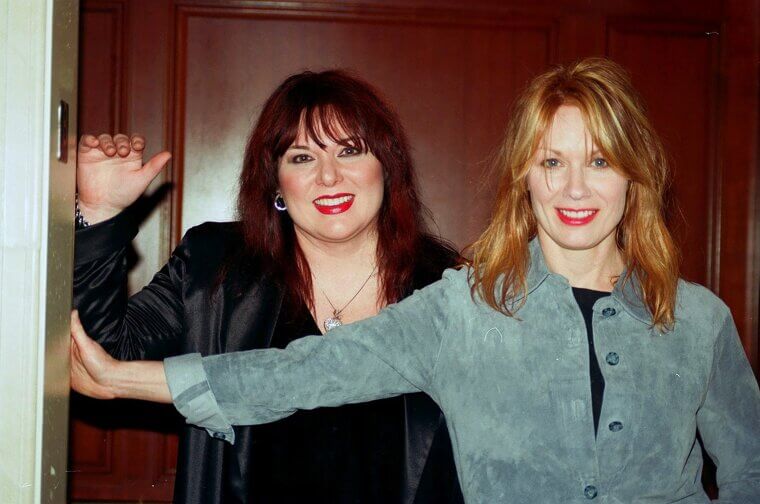
She also found success composing scores for major motion pictures, expanding her artistic repertoire beyond traditional song structures. Her stage kicks and energetic presence remain a defining visual element of the band's live shows.
Carole King
Carole King shaped the sound of an entire generation by transitioning from a behind-the-scenes pop songwriter to a hugely successful solo artist. Before stepping into the spotlight, she penned numerous chart-topping hits for other artists out of the famous Brill Building in New York. Her monumental 1971 album Tapestry stripped away heavy production in favor of intimate piano arrangements and deeply personal lyrics. It resonated with millions, holding the record for most weeks at number 1 by a female artist for decades.
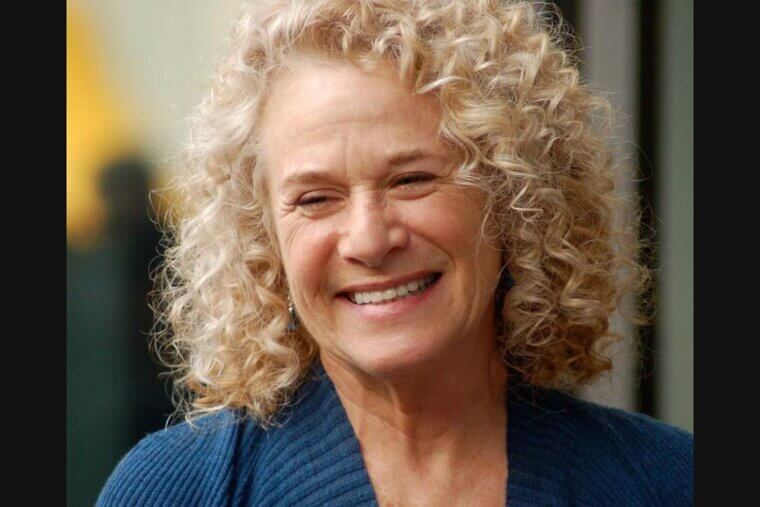
Songs like It's Too Late and I Feel the Earth Move remain essential listening for any fan of the singer-songwriter movement. Her compositional genius earned her an enduring place in musical history.
Joni Mitchell
Joni Mitchell utilized complex open guitar tunings and sophisticated jazz-inflected melodies to elevate folk-rock into high art. Her lyrics explored the intricacies of romance, environmentalism, and social disillusionment with unprecedented poetic depth. She famously refused to be confined by genre expectations, continually pushing her sound toward experimental jazz collaborations in the late 70s. Her album Blue is widely considered a masterpiece of emotional vulnerability and precise musical craftsmanship.
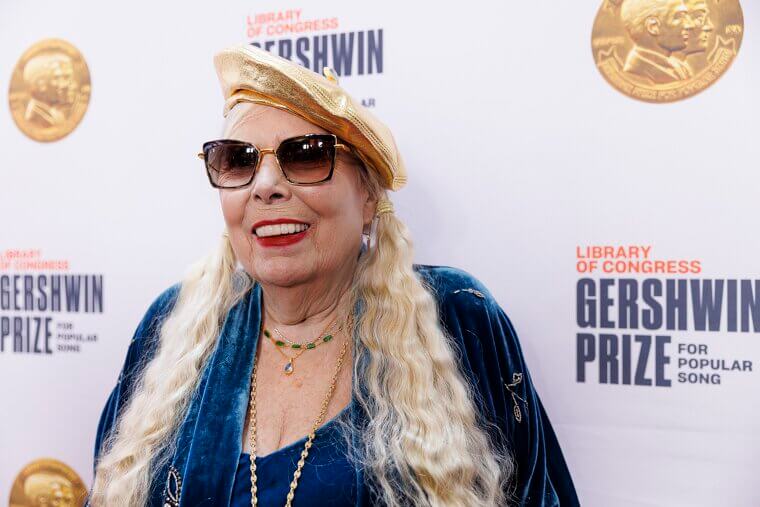
She wrote the definitive anthem Woodstock, capturing the spirit of a generation despite not attending the festival herself. Her innovative approach to harmony and storytelling influences virtually every modern artist who picks up an acoustic guitar.
Carly Simon
Carly Simon delivered sophisticated, introspective pop-rock that captured the complex personal dynamics of the 70s singer-songwriter era. Her rich, resonant alto voice perfectly suited her confessional lyrics, which often explored the nuances of relationships and self-discovery. She achieved immense cultural impact with You're So Vain, a biting character study that kept the public guessing about its subject for decades. She allegedly preferred the controlled environment of the recording studio over the chaotic nature of live touring.
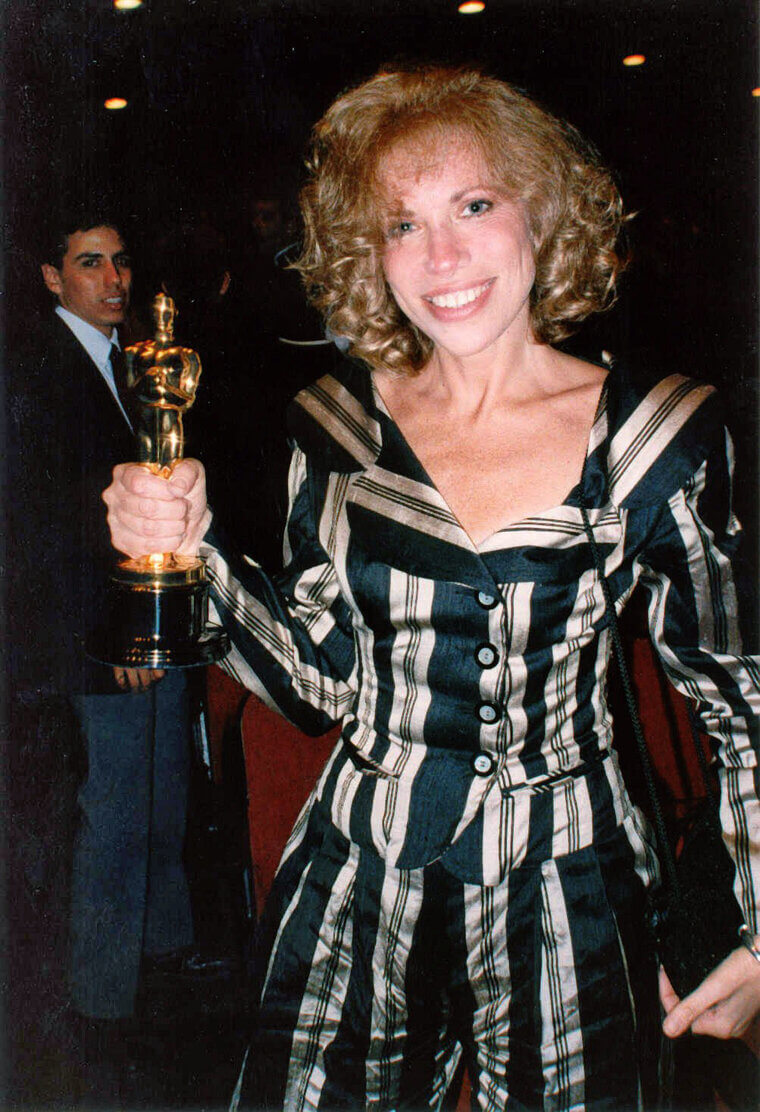
She also became the first artist to win a Grammy, an Academy Award, and a Golden Globe for a song composed and performed by a single individual. Her catalog remains a testament to sharp, intelligent songcraft.
Tina Weymouth
Tina Weymouth provided the funky, minimalist basslines that defined the avant-garde sound of Talking Heads and Tom Tom Club. As a founding member of the New York new wave scene, her self-taught playing style prioritized rhythm and groove over technical flashiness. She famously played with a pick, creating a sharp, percussive tone that drove tracks like Psycho Killer and Once in a Lifetime. She reportedly faced initial skepticism from bandmates but quickly proved indispensable to their groundbreaking sound.
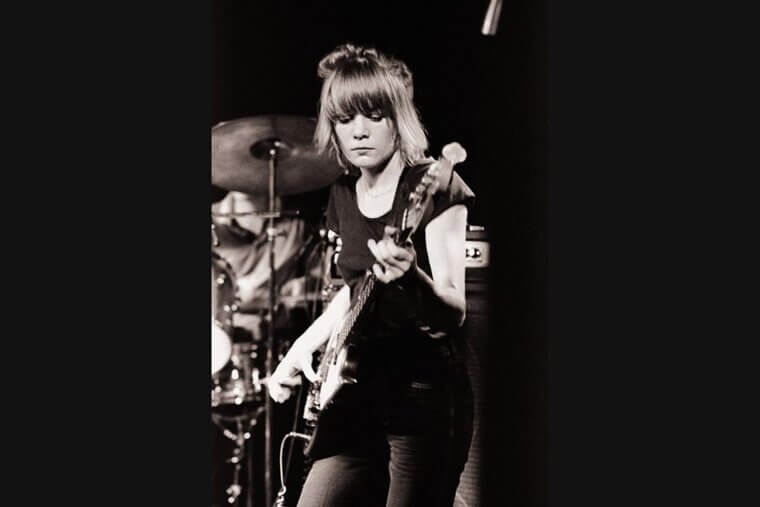
With Tom Tom Club, she achieved massive success with the heavily sampled hit Genius of Love. Her innovative bass work deeply influenced the development of alternative rock and early hip-hop.
Ronnie Spector
Ronnie Spector possessed an instantly recognizable, powerful voice that served as the focal point for the Ronettes during the early 60s. Her tough yet vulnerable vocal delivery provided the perfect vehicle for the era's grand, symphonic pop productions. She commanded the stage with her towering beehive hair and dramatic eye makeup, establishing a visual style that countless artists would later emulate. She allegedly endured significant personal hardships offstage but maintained her fierce artistic spirit.
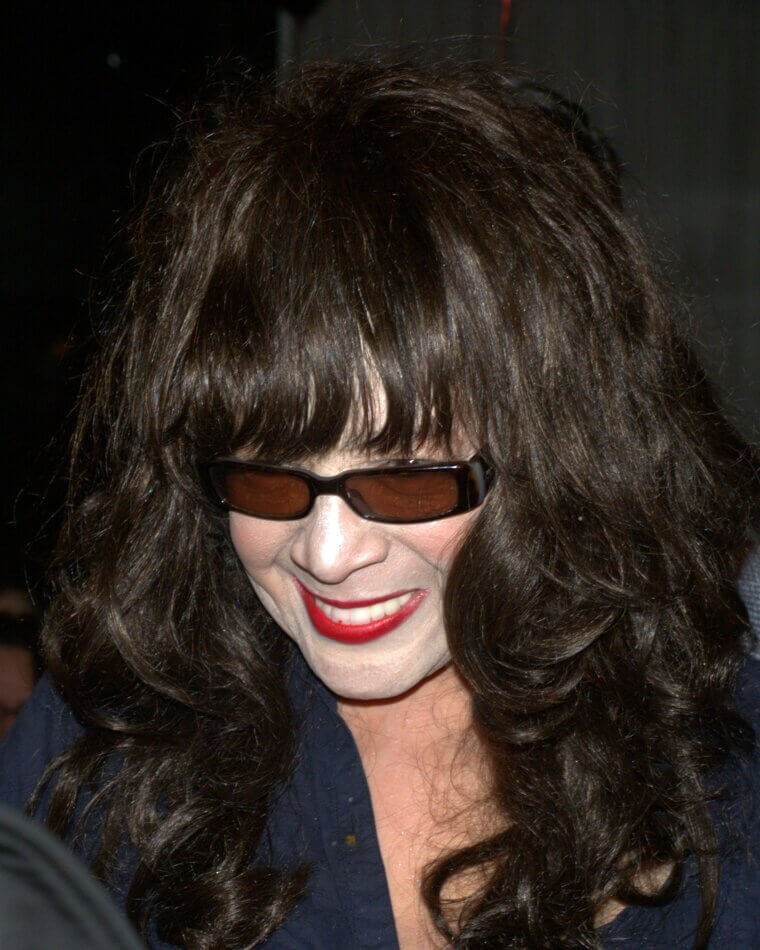
The iconic hit Be My Baby remains a masterclass in vocal performance and pop structure. She later found a new generation of fans collaborating with artists like Eddie Money on Take Me Home Tonight.
Cass Elliot
Cass Elliot brought incredible warmth and vocal precision to the folk-rock harmonies of the Mamas and the Papas. Her soaring solo sections on tracks like California Dreamin' and Monday, Monday anchored the group's signature sound. She possessed a sharp wit and charismatic personality, making her a beloved figure in the Laurel Canyon music community during the late 60s. She reportedly hosted legendary gatherings that brought together the era's most influential songwriters and musicians.
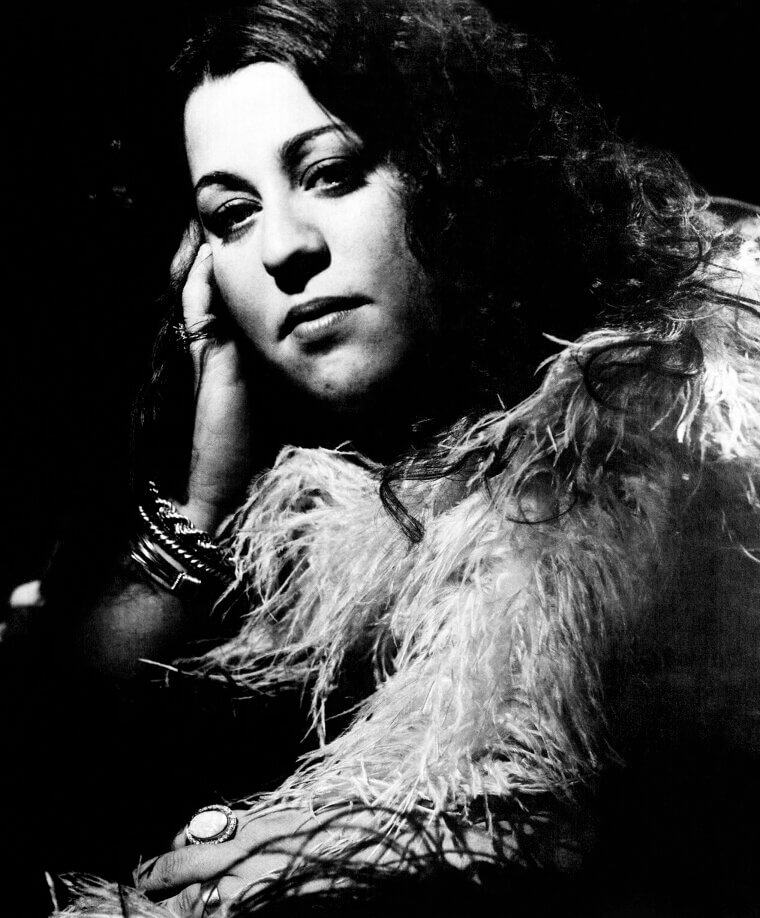
Transitioning to a solo career, she achieved success with hits like Make Your Own Kind of Music, which enjoys continued popularity today. Her distinct vocal tone and joyful delivery remain unmatched in the genre.
Michelle Phillips
Michelle Phillips contributed crystalline high harmonies and essential songwriting to the Mamas and the Papas during their explosive rise to fame. She co-wrote the quintessential hit California Dreamin', drawing on her own experiences of homesickness during a cold New York winter. Her ethereal look and effortless style made her an enduring symbol of the 60s folk-rock aesthetic. She famously navigated intense interpersonal conflicts within the group, which ultimately fueled the emotional resonance of their music.
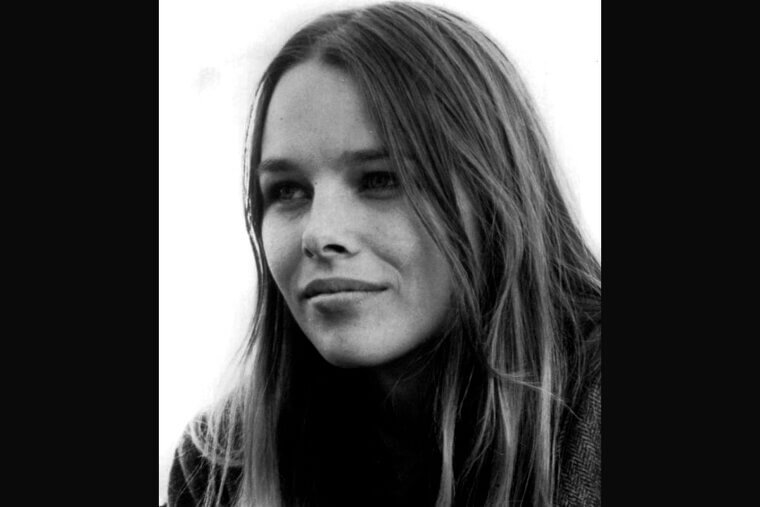
After the band dissolved, she successfully transitioned into a long-running acting career on television and in film. Her vocal blend was crucial to defining the sunny yet melancholic sound of West Coast pop.
Marianne Faithfull
Marianne Faithfull evolved from a teenage pop sensation into a raspy-voiced interpreter of dark, atmospheric rock music. She first gained attention in the 60s with her hit As Tears Go By, projecting an angelic image that belied her eventual artistic depth. Following severe personal struggles, she completely reinvented herself with the landmark 1979 album Broken English. Her voice had matured into a fractured, expressive instrument perfectly suited for exploring themes of disillusionment and survival.
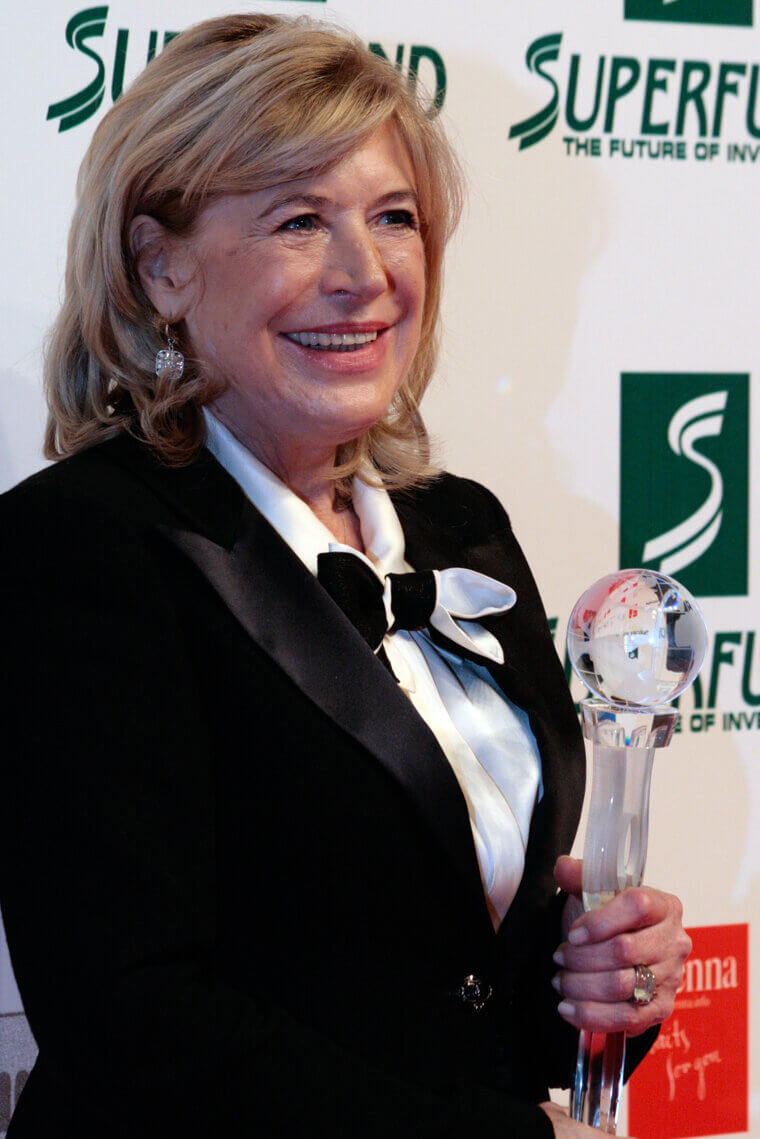
She consistently collaborated with cutting-edge musicians, maintaining relevance across multiple decades of changing trends. Her journey from pop muse to respected auteur makes her a fascinating figure in music history.
Maureen Tucker
Maureen Tucker revolutionized rock percussion by employing an unconventional, minimalist drumming style for the Velvet Underground. She famously played standing up, utilizing mallets instead of traditional sticks, and frequently omitted cymbals entirely from her drum kit. This tribal, hypnotic approach provided the perfect rhythmic pulse for the band's avant-garde explorations of noise and repetition. She reportedly preferred the sound of garbage cans and heavy floor toms to standard snare drums, creating a unique sonic footprint.
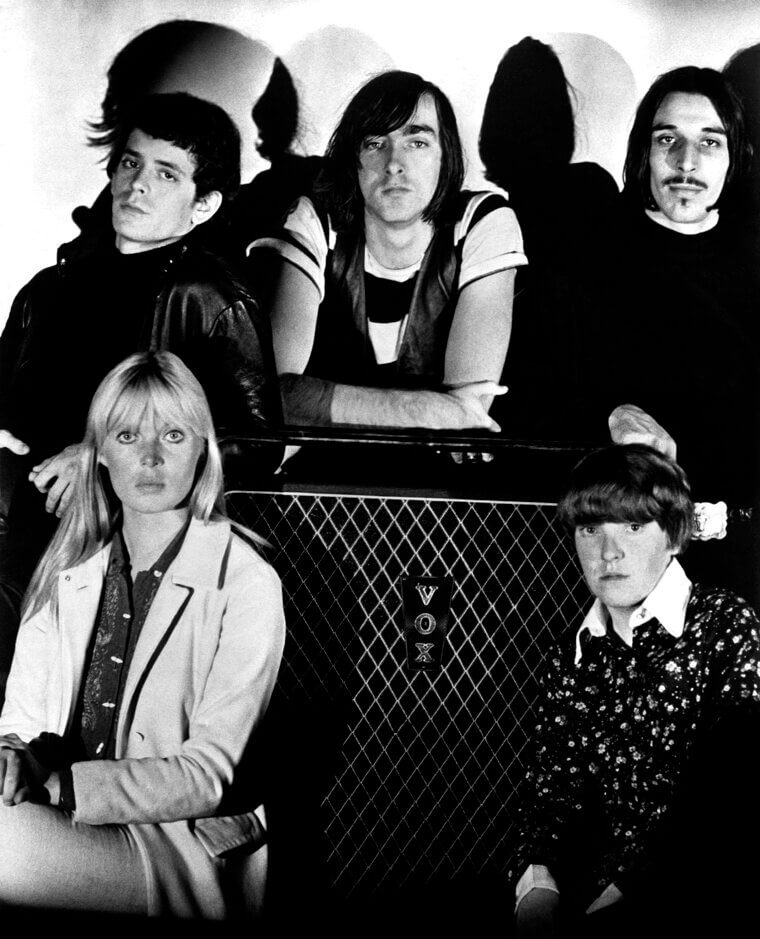
Her lack of formal training allowed her to invent a completely original approach to rhythm that heavily influenced punk and alternative music. She also contributed occasional lead vocals, adding a charmingly plainspoken element to the group's catalog.
Carol Kaye
Carol Kaye operated as one of the most prolific and influential bassists in the history of recorded music, playing on thousands of hit sessions. As a key member of the legendary Wrecking Crew, her inventive basslines powered massive hits for the Beach Boys, Simon and Garfunkel, and countless others. She originally started as a jazz guitarist but switched to bass, bringing a melodic, pick-driven approach that completely changed how the instrument functioned in pop music. She allegedly created the iconic opening bass riff for Good Vibrations.
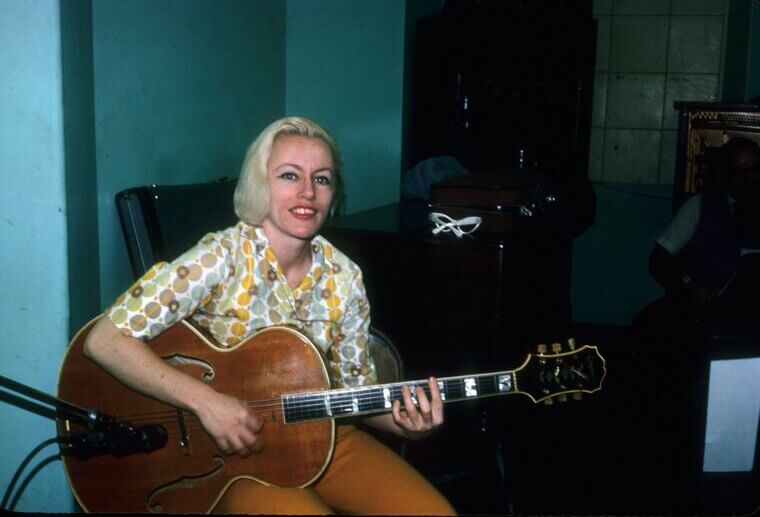
Though largely uncredited on the record sleeves, her rhythmic genius defined the sound of 60s and 70s radio. She later published highly respected instructional books to share her methods.
June Millington
June Millington broke significant ground as the lead guitarist and founding member of Fanny, one of the first all-female rock bands to sign with a major label. She delivered blistering guitar solos and tight rhythmic parts that earned the respect of heavyweights like David Bowie. The band released several critically acclaimed albums in the early 70s, showcasing their exceptional musicianship and songwriting abilities. She reportedly dedicated herself to mentoring younger female musicians after leaving the mainstream industry.
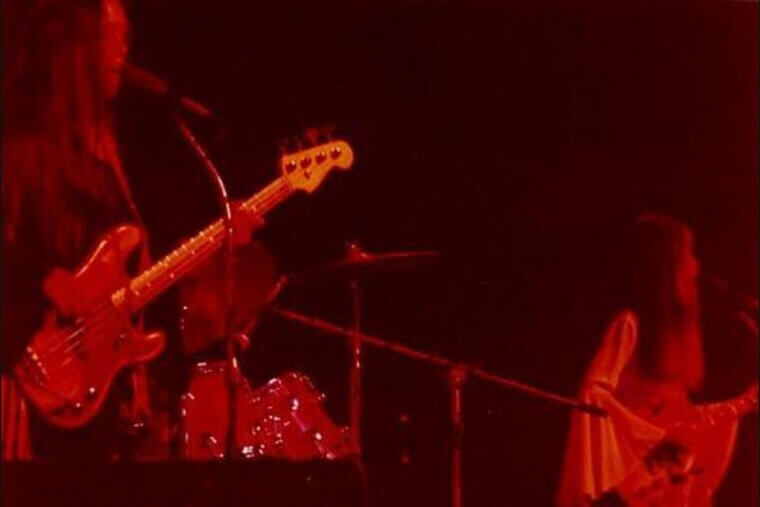
She co-founded the Institute for the Musical Arts, creating a supportive environment for women and girls in the recording arts. Her pioneering fretwork laid the foundation for future generations of women in hard rock.
Kate Bush
Kate Bush combined literary lyrics, theatrical vocal acrobatics, and complex progressive rock arrangements to create a wholly unique artistic universe. She burst onto the scene in 1978 with Wuthering Heights, becoming the first female artist to achieve a UK number 1 with a self-penned song. She fiercely guarded her creative independence, often spending years meticulously producing her albums in private studios. She allegedly pioneered the use of the Fairlight CMI synthesizer, integrating sampling technology into mainstream pop music.
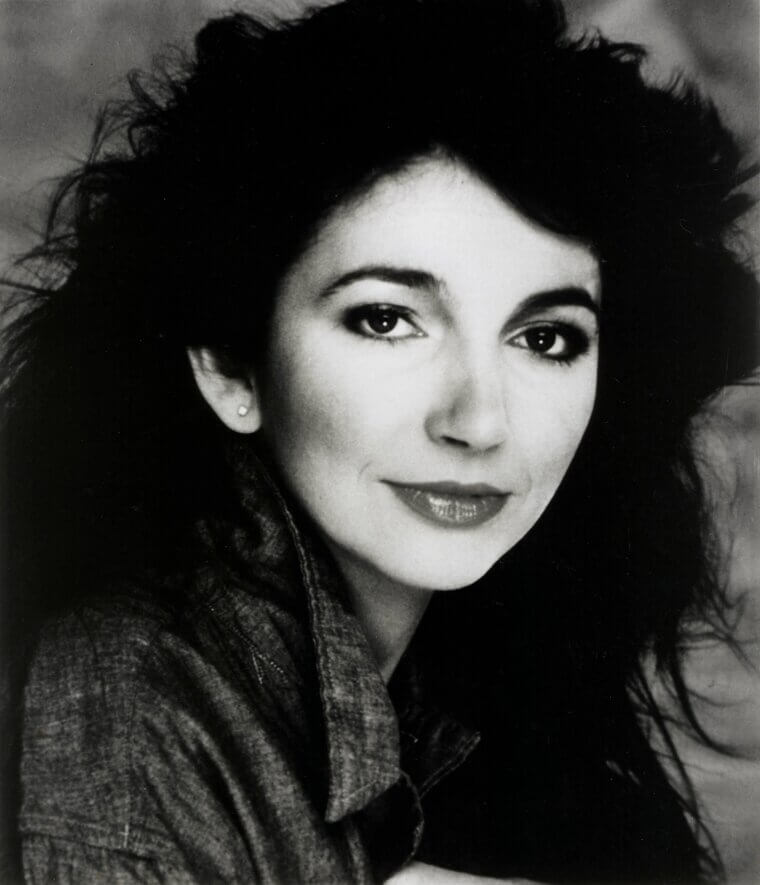
Her masterpiece Hounds of Love showcased her genius for blending avant-garde electronics with sweeping emotional melodies. Her recent resurgence in popularity highlights the timeless and innovative nature of her catalog.
Cherie Currie
Cherie Currie provided the explosive focal point for the Runaways, channeling teenage rebellion into a powerful stage persona. Wearing her signature corset, she delivered gritty, snarling vocals on the defining anthem Cherry Bomb, shocking conservative audiences in the late 70s. She possessed a natural charisma that commanded attention, perfectly complementing the heavy, aggressive instrumentation of her bandmates. She reportedly navigated a chaotic and demanding touring schedule while still in her mid-teens.

Her fearless performance style challenged the prevailing norms of how young women were expected to behave in the entertainment industry. She later pursued acting and chainsaw carving, proving her immense creative versatility.
Kim Shattuck
Kim Shattuck served as the driving creative force behind the Muffs, delivering a perfect blend of sweet pop melodies and shredding punk rock distortion. Her signature raspy scream became one of the most recognizable and thrilling sounds in the 90s alternative rock landscape. She consistently wrote incredibly catchy, aggressive songs that defied simple categorization, influencing a massive wave of indie rock musicians. She allegedly maintained a fiercely independent attitude, refusing to compromise her abrasive sound for mainstream success.
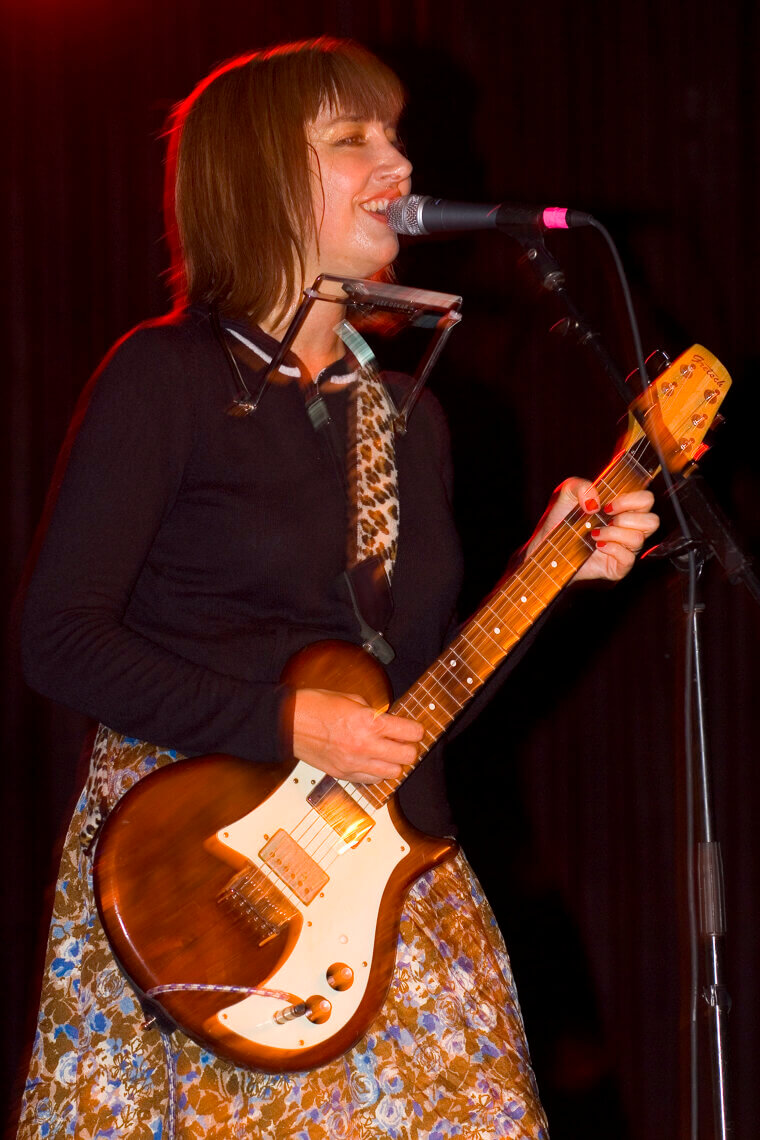
Her cover of Kids in America gained widespread fame through its inclusion in major motion picture soundtracks. Her passing left a significant void in the pop-punk community, but her vital recordings endure.
Darlene Love
Darlene Love provided the powerhouse lead vocals for some of the greatest pop-rock anthems of the 60s, despite often being denied proper credit. Her booming, joyful voice drove monumental hits like Christmas (Baby Please Come Home) and He's a Rebel. She fell victim to deceptive industry practices, frequently recording lead parts that were subsequently released under other groups' names. She reportedly fought tirelessly for decades to reclaim her name and royalties, demonstrating immense personal strength.
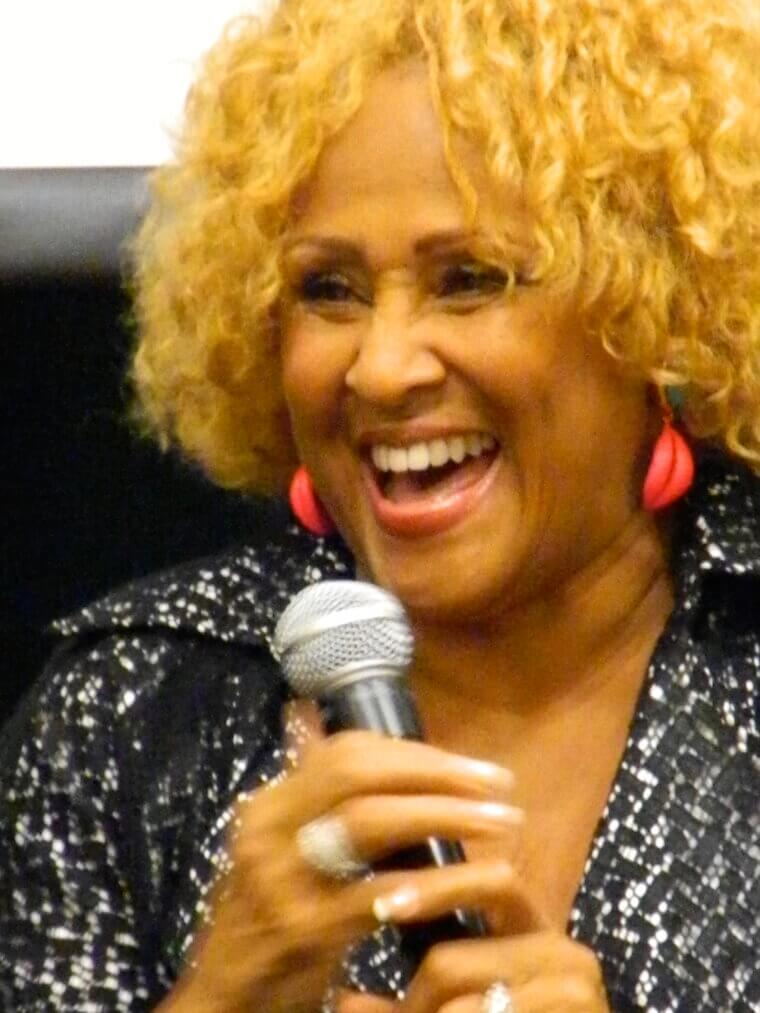
Her eventual induction into the Rock and Roll Hall of Fame served as a long-overdue correction to music history. She continues to perform with astonishing vocal power well into her 80s.
Sandy Denny
Sandy Denny possessed a haunting, crystalline voice that became the definitive sound of the British folk-rock movement in the late 60s and 70s. As the frontwoman for Fairport Convention, she seamlessly blended traditional Celtic melodies with electric instrumentation. She wrote the classic song Who Knows Where the Time Goes, a masterpiece of melancholic reflection that has been covered by countless artists. She famously holds the distinction of being the only guest vocalist to ever appear on a Led Zeppelin studio album.
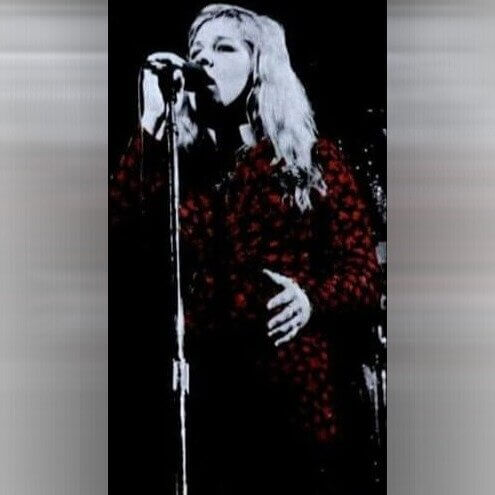
Her duet with Robert Plant on The Battle of Evermore showcased her ability to match the intensity of hard rock legends. Her tragic early passing cut short one of the most remarkable careers in British music.
Grace Jones
Grace Jones obliterated boundaries between music, fashion, and visual art with her bold, androgynous image and pioneering new wave sound. Her commanding, talk-sung vocal delivery perfectly suited the icy, reggae-infused grooves of her seminal albums like Nightclubbing. She cultivated a fierce, unapproachable stage persona, turning every performance into a striking piece of avant-garde theater. She reportedly intimidated talk show hosts and industry executives alike with her unpredictable behavior and striking physical presence.
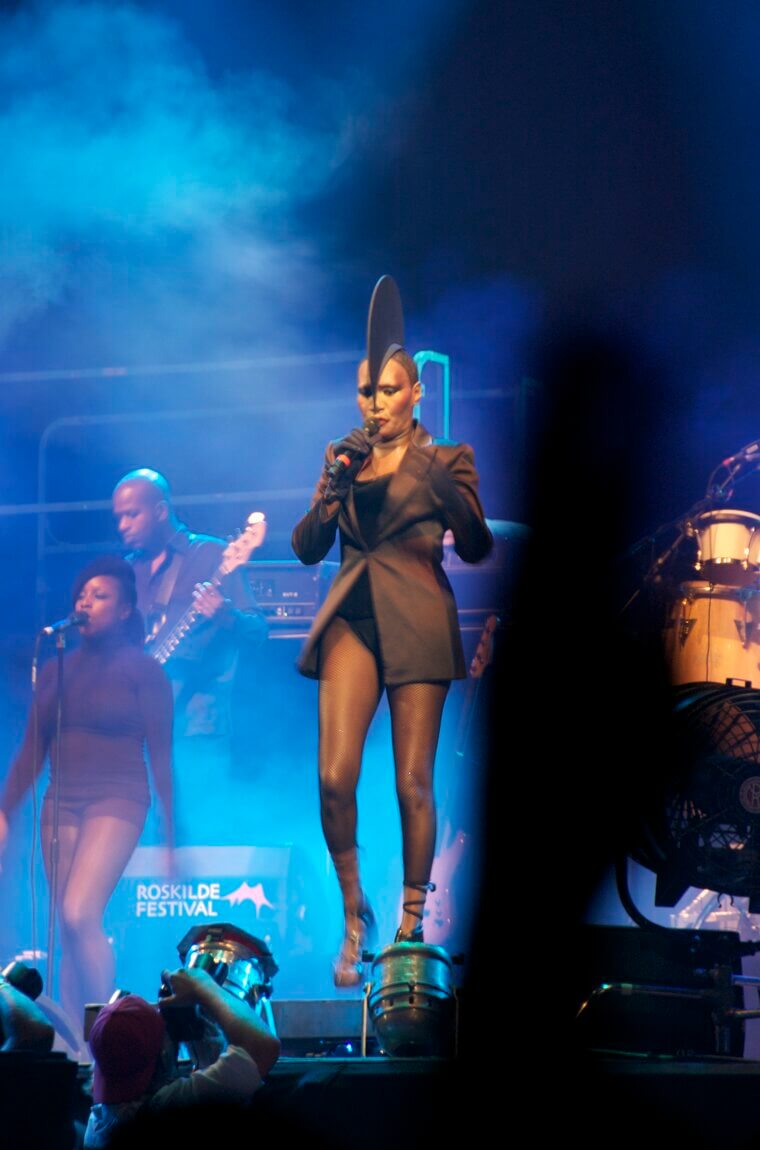
Her innovative use of synthesizers and dub production techniques deeply influenced the development of alternative and dance music. She remains a singular icon of fearless self-expression.
Melissa Etheridge
Melissa Etheridge delivered heartland rock with immense emotional intensity, utilizing her raspy, powerful voice to convey raw vulnerability. She broke into the mainstream with her self-titled debut, featuring driving acoustic guitars and deeply personal, confessional lyrics. She bravely publicly acknowledged her sexuality early in her career, becoming a vital representative for the LGBTQ community in mainstream rock. She allegedly poured her most painful personal experiences into her songwriting, resulting in intensely relatable anthems.

Her blockbuster album Yes I Am spawned massive hits like Come to My Window and I'm the Only One. Her passionate live performances continue to draw dedicated crowds around the world.
Cyndi Lauper
Cyndi Lauper combined New Wave quirkiness with incredible vocal power to become one of the defining artists of the 1980s. Her debut album She's So Unusual broke records, making her the first female artist to achieve four top-five hits from a single release. She utilized her impressive four-octave range to effortlessly transition from playful pop anthems to devastatingly emotional ballads. She reportedly fought hard to maintain her colorful, eclectic image against executives who wanted a more traditional pop star.
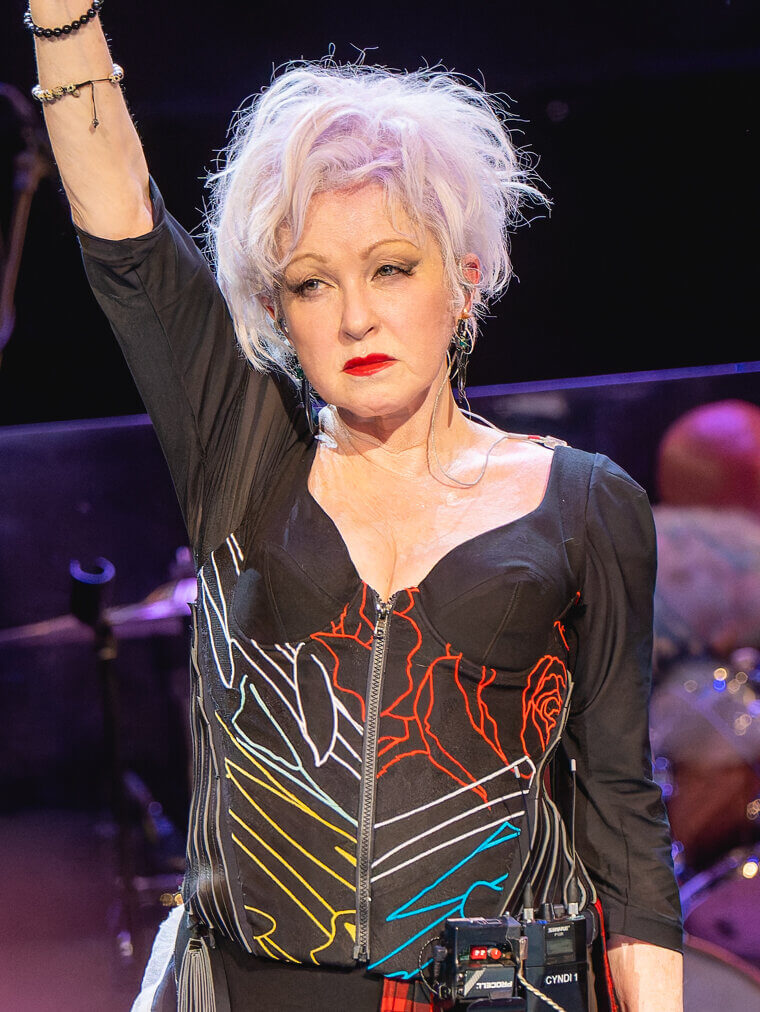
Songs like Time After Time and Girls Just Want to Have Fun remain enduring cultural touchstones. She later achieved massive success on Broadway, winning a Tony Award for writing the score to Kinky Boots.