
We all have those tunes that instantly make us reach for the dial. From inescapable radio play to irritating choruses, some tracks simply wear out their welcome. Ready to see if your most skipped track made our list?
Starship - We Built This City
This polarizing track from the mid-1980s quickly became a massive staple on FM radio stations across the globe. Listeners frequently point to the synthesizer-heavy production and corporate-sounding lyrics as primary reasons for their immediate frustration. Critics allegedly claimed the tune felt disconnected from the genuine spirit of earlier rock movements, trading authentic emotion for synthesized commercial appeal. Despite hitting the top of the charts, many music fans reportedly find the looping chorus grating after multiple plays.
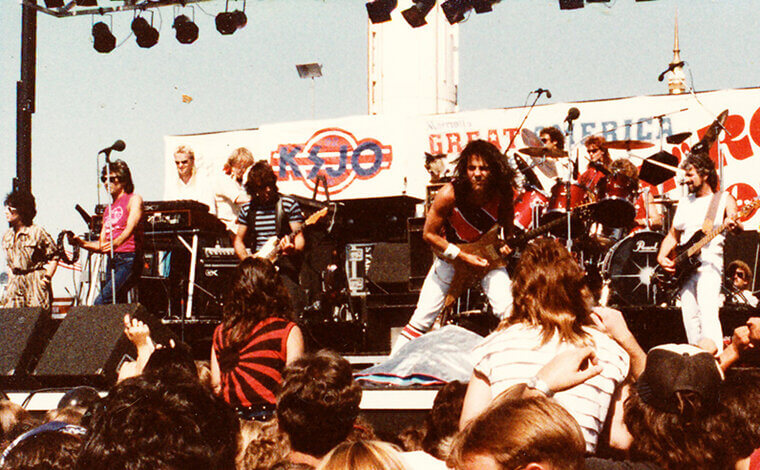
The relentless upbeat tempo somehow manages to drain the energy from a room instead of igniting it, leaving a legacy that remains widely debated among enthusiasts.
Chumbawamba - Tubthumping
Released in the late 1990s, this pub anthem found its way into countless sporting events, movies, and late-night parties. People often cite the overwhelmingly redundant verses as the main factor driving them up the nearest wall. Reviewers reportedly noted that the arrangement relies heavily on a single catchy hook, which quickly loses its charm after the initial few listens. Even though it achieved massive global success, listeners allegedly grow tired of the constant shouting and boisterous energy that never seems to pause.

The song's refusal to evolve throughout its runtime ultimately turns a fun singalong into a grueling endurance test for trapped commuters.
4 Non Blondes - What's Up?
This acoustic-driven hit from the early 1990s is instantly recognizable thanks to its unique vocal delivery and strumming pattern. However, audiences regularly express annoyance at the soaring, almost strained chorus that dominates the second half of the recording. Industry insiders allegedly observed that the sheer volume of the lead singer's wailing can be jarring, especially when it unexpectedly comes on a relaxing playlist. While the message of the narrative resonates with a specific generation, the delivery reportedly grates on the nerves of modern listeners who prefer subtlety.

The cyclical phrasing in the bridge only adds to the rising frustration for everyday radio consumers.
Spin Doctors - Two Princes
Bursting onto the scene with a bouncy rhythm and rapid-fire vocals, this jam dominated the early 1990s radio waves. Many listeners quickly grew tired of the relentlessly cheerful beat and the singer's scat-style vocal improvisations. Critics reportedly pointed out that the instrumental arrangement felt overly simplistic, lacking the depth found in other alternative hits of that specific era. Despite its undeniable catchiness and widespread commercial appeal, folks allegedly find the snare drum sound remarkably piercing and quite grating over time.

The upbeat nature of the melody often clashes with a relaxed mood, causing irritated listeners to eagerly change the station before verse two kicks in.
Lenny Kravitz - Fly Away
Featuring a driving guitar riff and straightforward lyrics, this late-1990s release captured massive attention upon its initial debut. Detractors frequently mention the overly simplistic rhyming scheme as a major source of their irritation. Music reviewers allegedly argued that the track felt somewhat lazy compared to the artist’s previous, more complex works, relying heavily on a basic backing groove. While the song secured numerous industry awards and heavy rotation on music television channels, fans reportedly get annoyed by the monotonous repetition of the central theme.

The lack of lyrical progression makes the listening experience feel stagnant, prompting many enthusiasts to reach for the volume dial.
The Knack - My Sharona
Exploding onto the late 1970s scene, this iconic rock tune is defined by its stuttering vocal hook and unmistakable bassline. Many people cite the cyclical nature of the main chorus as the primary reason it gets on their nerves so incredibly quickly. Critics reportedly noted that the extended guitar solo, while technically proficient, drags on much longer than necessary for a standard radio hit. Even though the single sold millions of copies worldwide, contemporary listeners allegedly find the lyrical content and vocal delivery surprisingly tedious.
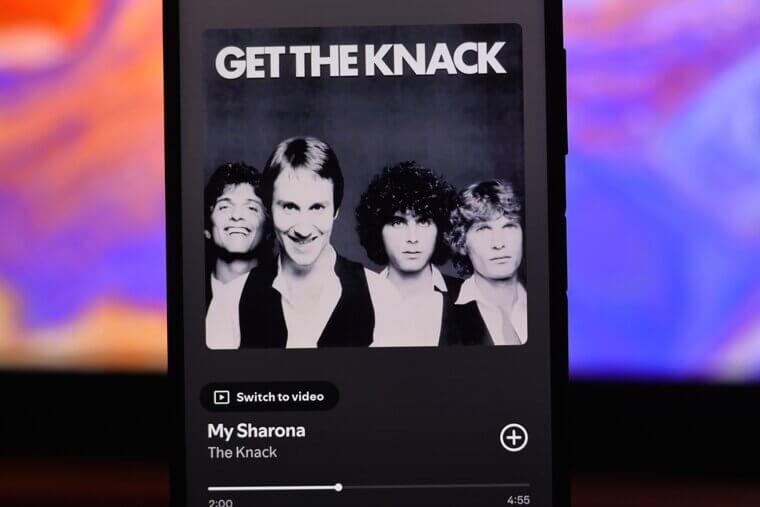
The relentless pounding of the drum beat throughout the track rarely offers any dynamic variation, leaving audiences thoroughly exhausted.
Europe - The Final Countdown
Known for its bombastic synthesizer intro, this 1980s anthem is permanently etched into the cultural consciousness of modern society. Audiences often express frustration with the sheer theatricality and over-the-top production that defines the entire recording. Reviewers allegedly claimed that the keyboard riff is so aggressive it overshadows any actual rock elements the band attempted to include in the mix. Despite its status as a legendary arena stadium staple, modern fans reportedly cringe at the dated sound and dramatic vocal performance.

The song’s tendency to get stuck in your head for days on end only amplifies the annoyance, making it a track that many actively avoid.
Bloodhound Gang - The Bad Touch
This late-1990s novelty hit combined electronic beats with highly suggestive lyrics, taking over popular radio formats around the world. Listeners frequently complain about the spoken-word delivery and the aggressively juvenile humor scattered throughout the various verses. Industry critics allegedly dismissed the track as a fleeting gimmick that offered very little musical substance beyond initial shock value. While the chorus is undeniably catchy, purists reportedly find the blending of techno elements with alternative styles deeply irritating.

The continuous loop of the primary synthesizer line becomes noticeably tedious over time, causing folks to frantically search for another station rather than endure the remaining punchlines.
Smash Mouth - All Star
Propelled by its inclusion in a massive animated film franchise, this upbeat anthem became inescapable at the turn of the millennium. Detractors often highlight the bouncy, almost cartoonish production style as a significant source of daily annoyance. Critics reportedly felt that the arrangement leaned too heavily into pop territory, alienating fans of the band's earlier ska-punk roots. Even with its enduring internet meme status and nostalgic value, many people allegedly roll their eyes the moment they hear the opening whistle.

The relentless optimism embedded in the narrative and melody can feel overwhelming, leading listeners to skip the track in favor of something slightly more grounded.
Crazy Town - Butterfly
Mixing heavy guitar samples with a hip-hop beat, this turn-of-the-century hit dominated music video channels for several consecutive months. Audiences regularly voice their irritation over the whispered vocal delivery and the unyielding nature of the underlying sample. Music journalists allegedly argued that the song felt incredibly out of place within the broader nu-metal movement of that specific time. Despite reaching the highest chart positions, listeners reportedly find the overly sweet lyrics and shifting tones jarring when played alongside heavier acts.

The echoing chorus has a tendency to linger uncomfortably, prompting many fans to quickly mute their devices whenever the familiar electronic intro starts playing.
Nickelback - Photograph
Emerging in the mid-2000s, this nostalgic ballad dominated mainstream airwaves for what felt like an absolute eternity to some. Audiences frequently express annoyance with the gravelly vocal delivery and the highly sentimental nature of the primary lyrics. Reviewers allegedly noted that the production felt overly polished, stripping away the raw edge that fans expected from a standard rock group. Despite achieving massive commercial success globally, listeners reportedly find the constant reminiscing about high school days a bit tiresome after repeated plays.

The mid-tempo instrumental arrangement offers very little variety, causing many rock fans to immediately switch stations rather than endure another trip down memory lane.
Creed - With Arms Wide Open
This dramatic rock ballad secured massive chart success during the late 1990s and early 2000s across multiple radio formats. Listeners often cite the overly theatrical vocal performance as the main reason the track gets on their nerves today. Music critics reportedly argued that the self-serious tone and grandiose musical arrangement made the recording feel incredibly heavy-handed for daily listening. Even though it won prestigious industry awards, many people allegedly grow tired of the slow, plodding tempo that dominates the runtime.

The soaring chorus demands a level of emotional investment that casual listeners rarely want to give, making it a frequent target for the skip button.
Limp Bizkit - Nookie
Combining heavy guitar riffs with rhythmic vocal delivery, this turn-of-the-century anthem became a staple of the rising nu-metal genre. Audiences frequently complain about the grating chorus and the aggressive, almost confrontational energy of the shouted verses. Industry insiders allegedly observed that the track relied too heavily on juvenile themes, alienating older rock fans who preferred more lyrical substance. While it enjoyed heavy rotation on music television programs, listeners reportedly find the blending of hip-hop beats with loud guitars surprisingly abrasive over time.

The lack of lyrical maturity makes the listening experience feel tedious, prompting many people to quickly search for a completely different station.
Puddle of Mudd - She Hates Me
Hitting the airwaves in the early 2000s, this acoustic-driven tune quickly became a widely recognized, albeit frustrating, breakup anthem. Listeners often point to the highly repetitive chorus and simplistic rhyming structure as significant sources of their irritation. Reviewers reportedly mentioned that the transition from a quiet verse to a shouting climax felt predictable and increasingly jarring. Despite its catchy nature at first glance, fans allegedly grow tired of the juvenile lyrical content and the somewhat whiny vocal delivery.

The continuous repetition of the song’s main phrase offers no musical progression, leading many folks to mute the track before the final bridge even properly begins.
Hinder - Lips of an Angel
This mid-2000s rock ballad gained massive popularity for its raspy vocals and incredibly dramatic narrative regarding past relationships. Audiences regularly voice their annoyance over the lyrical content, which heavily focuses on infidelity and secret late-night phone calls. Critics reportedly noted that the musical arrangement felt like a blatant attempt to recreate the glory days of 1980s hair metal. Even though it dominated the radio, listeners allegedly find the overly emotional delivery somewhat disingenuous and surprisingly grating.

The slow tempo drags the story out longer than necessary, causing many enthusiasts to change the channel rather than sit through another chorus of illicit, whispered longing.
Buckcherry - Crazy Bitch
Released in the mid-2000s, this hard rock track gained significant attention for its unapologetically explicit nature and aggressive tone. Listeners frequently express frustration with the highly repetitive chorus and the sleazy atmosphere that permeates the entire studio recording. Music reviewers reportedly argued that the tune leaned entirely on shock value, offering very little in terms of actual musical innovation or skill. Despite becoming a popular weekend club anthem, many people allegedly find the vocal performance grating and entirely devoid of any subtle nuance.

The relentless pounding beat and crude lyrical themes often make it a track that fans actively avoid when listening in mixed social company.
Hoobastank - The Reason
This 2004 alternative rock ballad became a massive crossover hit, dominating both standard rock and pop radio formats simultaneously. Audiences often cite the overly melodramatic vocal delivery and the repetitive lyrical apologies as the primary reasons for their persistent annoyance. Critics reportedly noted that the song felt entirely disconnected from the band’s heavier, more energetic earlier studio releases. Even with its massive commercial success, fans allegedly grow tired of the slow, plodding tempo and the severe lack of dynamic shifts throughout the runtime.

The soaring chorus demands a level of emotional exhaustion that prompts many listeners to quickly reach for the modern skip button.
Papa Roach - Last Resort
Exploding onto the mainstream scene in the year 2000, this nu-metal anthem became instantly recognizable thanks to its frantic guitar riff. Listeners frequently complain about the highly aggressive vocal delivery and the dark, heavy subject matter dominating the opening verses. Industry insiders allegedly observed that the track’s intense energy feels exhausting when played alongside more balanced rock radio hits. While it achieved legendary status within its specific niche genre, modern audiences reportedly find the constant shouting and lack of traditional melody surprisingly grating.

The relentless pacing leaves absolutely no room to breathe, causing many folks to change the station to find some much-needed peace.
Three Days Grace - I Hate Everything About You
This early 2000s post-grunge track quickly found a permanent home on active rock radio stations practically everywhere across the nation. Audiences regularly express irritation over the overwhelmingly negative lyrics and the repetitive nature of the main, distorted chorus. Reviewers reportedly mentioned that the aggressive tone feels somewhat juvenile, relying heavily on generalized angst rather than specific, relatable storytelling. Despite its impressive long-term chart performance, listeners allegedly find the grinding guitar riffs and shouted vocals tedious after multiple casual plays.

The continuous loop of the song’s central grievance offers zero resolution, leading many enthusiasts to eagerly hit the mute button before the final verse even starts.
Kid Rock - All Summer Long
Fusing two classic rock samples into a single nostalgic track, this 2008 release dominated summer outdoor playlists globally for months. Listeners frequently highlight the blatant borrowing of familiar melodies as a major source of their immediate, undeniable frustration. Critics allegedly argued that the tune relied entirely on the emotional weight of older hits rather than presenting any original musical ideas. Even though it achieved widespread radio play, many people reportedly find the laid-back, conversational vocal style incredibly grating over extended periods of time.

The cyclical reminiscing about past summers eventually wears thin, prompting audiences to seek out the original songs instead of this modern mashup.
Journey - Don't Stop Believin'
Despite being an undeniable karaoke favorite, this legendary 1981 release has suffered from massive overexposure across all media formats. Listeners frequently mention that hearing the opening piano chords evokes a sense of dread rather than joyful musical anticipation. Critics allegedly noted that its inclusion in countless movies and television finales stripped the track of its original emotional resonance. While the vocal performance is undeniably impressive, many fans reportedly find the optimistic lyrics cloying after hearing them at every single social gathering.

The gradual build-up to the final chorus feels incredibly drawn out, leading exhausted audiences to seek out less ubiquitous classic rock alternatives instead.
Survivor - Eye of the Tiger
Forever associated with cinematic boxing montages, this energetic 1980s hit has become a cliché soundtrack for athletic motivation worldwide. People regularly complain about the relentless, chugging guitar riff that loops without any significant variation throughout the entire recording. Reviewers reportedly pointed out that the aggressive, marching tempo can feel stressful rather than inspiring during a casual daily commute. Even though it perfectly captured the spirit of its era, contemporary listeners allegedly grow weary of the dramatic vocal delivery and predictable rhyming structure.

The sheer repetition of the title phrase eventually becomes a grating endurance test, causing many to forcefully skip to the next available track.
Bon Jovi - Livin' on a Prayer
This iconic stadium anthem defined an entire decade of popular music with its soaring key changes and distinctive talk-box guitar intro. Audiences often express extreme fatigue regarding the inescapable nature of the song at sporting events and crowded local bars. Industry professionals allegedly observed that the sheer vocal effort required to hit the high notes makes the track sound strained and overly theatrical. While the working-class narrative resonated deeply upon release, modern fans reportedly find the singalong chorus overwhelmingly loud and highly disruptive.

The constant demand for listener participation ultimately transforms a catchy pop-rock tune into a demanding and exhausting auditory chore for everyday folks.
Def Leppard - Pour Some Sugar On Me
Dripping with 1980s excess, this glam rock staple relies heavily on a booming drum beat and heavily layered vocal harmonies. Listeners frequently cite the nonsensical lyrics and overtly suggestive undertones as primary reasons for their immediate annoyance and frustration. Critics allegedly argued that the highly polished studio production removed any sense of authentic grit that the genre desperately needed. Despite dominating MTV during its heyday, many people reportedly find the slow, stomping rhythm incredibly tedious and lacking in dynamic movement.

The chorus repeats so many times that the core message loses all meaning, prompting listeners to swiftly change the dial in search of substance.
KISS - Rock and Roll All Nite
Serving as the ultimate party declaration, this simplistic tune has been a cornerstone of the band's live performances for decades. Detractors regularly highlight the sheer lack of musical complexity and the mind-numbingly repetitive nature of the singular central chorus. Reviewers reportedly claimed that the recording feels more like a commercial jingle than a genuine artistic statement from a serious group. Even with its massive cultural footprint, modern audiences allegedly find the rebellious message incredibly dated and surprisingly hollow.

The unrelenting party atmosphere embedded in the track offers zero emotional depth, leading many rock purists to actively avoid it during their daily music consumption routines.
Joan Jett & The Blackhearts - I Love Rock 'n Roll
Built around one of the most recognizable guitar riffs in history, this cover song became a massive phenomenon in the early 1980s. Listeners often complain that the heavy, stomping beat feels incredibly sluggish, dragging the energy down instead of lifting it up. Critics allegedly noted that the track relies entirely on attitude, offering very little vocal variation or melodic development throughout its runtime. While it remains a staple of classic radio formats, fans reportedly grow tired of hearing the exact same chorus repeated endlessly without any instrumental diversion.

The gritty delivery eventually loses its initial charm, leaving many folks eager for a much faster tempo.
George Thorogood & The Destroyers - Bad to the Bone
Defined by its stuttering vocal delivery and blues-inspired guitar riff, this track has been heavily utilized in numerous action films. Audiences frequently express annoyance at the incredibly macho posturing and the cartoonish swagger that saturates the entire studio recording. Industry insiders allegedly observed that the song operates almost entirely as a one-note joke, lacking any sort of meaningful musical progression. Despite its enduring popularity among certain demographics, listeners reportedly find the repetitive saxophone blasts and overly confident lyrics quite grating.

The unyielding reliance on a single musical motif makes the listening experience feel surprisingly monotonous, prompting many to quickly skip ahead to something else.
Guns N' Roses - Sweet Child O' Mine
Featuring a legendary opening guitar lick, this late 1980s mega-hit catapulted the band into international superstardom almost overnight. Many people cite the piercing, nasal quality of the lead vocal performance as a massive source of daily auditory irritation. Reviewers reportedly mentioned that the extended instrumental sections, while technically impressive, bloat the runtime far beyond what is necessary for radio. Even though it is widely considered a masterpiece of its era, contemporary fans allegedly find the dramatic shifts in tone slightly disorienting and exhausting.

The soaring, wailing climax demands a level of attention that casual listeners often refuse to give, resulting in frequent track skips.
Warrant - Cherry Pie
Bursting with hair metal clichés, this early 1990s single was accompanied by a highly memorable, albeit controversial, music video. Listeners regularly point to the blatantly suggestive lyrics and the lack of any artistic subtlety as the main drivers of their annoyance. Critics allegedly argued that the tune represented everything wrong with the commercialization of the genre, favoring crude humor over actual talent. While it achieved significant commercial success at the time, many folks reportedly cringe at the dated production values and the overwhelmingly loud chorus.

The sheer obnoxious energy of the track rarely fits into a relaxed listening environment, making it incredibly easy to passionately despise.
Oasis - Wonderwall
This acoustic Britpop anthem from the mid-1990s became an inescapable cultural touchstone for an entire generation of angsty teenagers. Audiences frequently complain about the whiny vocal delivery and the incredibly repetitive strumming pattern that anchors the entire musical arrangement. Industry professionals allegedly noted that the song’s massive popularity led to countless amateur renditions, forever ruining the track for the general public. Despite its critical acclaim and chart dominance, modern listeners reportedly find the vague, nonsensical lyrics highly pretentious and deeply frustrating.

The droning nature of the melody offers very little variation, causing many to aggressively lunge for the skip button whenever the first chord strikes.
Train - Hey, Soul Sister
Driven by a plucky ukulele melody, this inescapable 2009 pop-rock crossover hit dominated shopping malls and radio stations for years. Detractors often highlight the bizarre, borderline nonsensical lyrical choices as the primary reason for their intense, lingering frustration. Reviewers reportedly felt that the overly quirky vocal delivery and the relentlessly cheerful instrumental arrangement were completely lacking in genuine emotional depth. Even with its record-breaking digital sales, many people allegedly find the high-pitched chorus incredibly piercing and remarkably difficult to ignore.
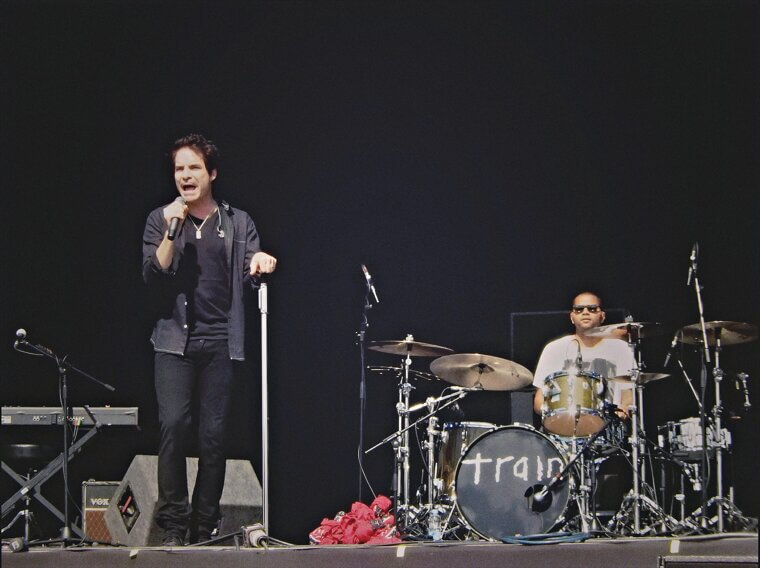
The aggressively sunny disposition of the track can feel highly artificial, prompting exhausted listeners to frantically search for music with a bit more grounded authenticity.
Plain White T's - Hey There Delilah
This stripped-down acoustic ballad captured the hearts of millions during the mid-2000s with its simple narrative of long-distance longing. Listeners frequently express severe fatigue regarding the whispering vocal style and the incredibly slow, plodding tempo of the entire recording. Critics allegedly argued that the highly sentimental lyrics bordered on obsessive, making the underlying message feel slightly uncomfortable upon closer critical inspection. While it was a massive commercial triumph, modern fans reportedly find the lack of percussion and instrumental variety deeply boring after multiple casual plays.

The quiet, repetitive nature of the melody ultimately transforms a sweet love song into a deeply tedious auditory experience for many.
Aerosmith - I Don't Want to Miss a Thing
Commissioned specifically for a massive blockbuster film, this grandiose power ballad represented a significant departure for the legendary rock group. Audiences regularly voice their irritation over the highly melodramatic string arrangement and the overly theatrical vocal gymnastics displayed throughout. Industry insiders allegedly observed that the track felt incredibly manufactured, stripping the band of their signature gritty, blues-rock edge completely. Despite debuting at the top of the charts, listeners reportedly find the soaring, emotionally manipulative chorus incredibly grating and exhausting.
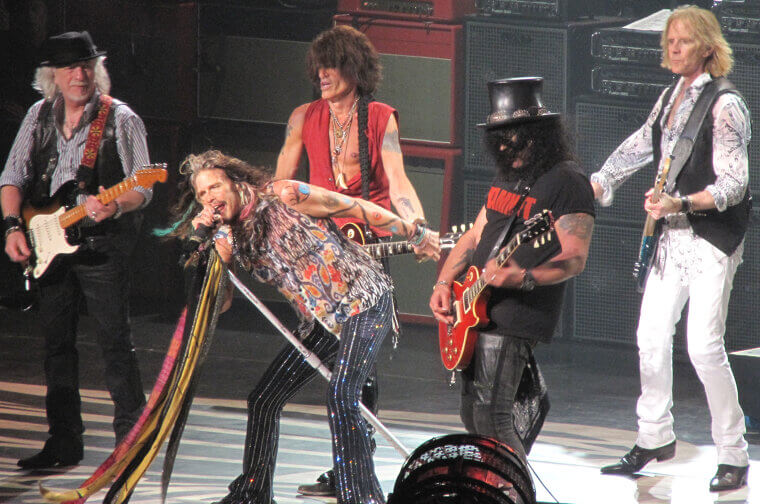
The constant escalating tension within the musical arrangement rarely provides any satisfying release, causing many folks to actively avoid the tune whenever it randomly appears.
Jet - Are You Gonna Be My Girl
Propelled by a catchy tambourine beat and a driving bassline, this early 2000s garage rock revival hit was absolutely everywhere. People often cite the extreme similarity between its core riff and older classic rock songs as a major point of lingering contention. Reviewers reportedly pointed out that the aggressive, shouting vocal delivery quickly becomes abrasive when listened to at a reasonably high volume. Even though it soundtracked numerous popular commercials, contemporary fans allegedly grow weary of the lack of dynamic shifts during the brisk runtime.

The relentless, high-energy pacing offers no moments of quiet reflection, leaving listeners feeling drained rather than genuinely energized and excited.
The Darkness - I Believe in a Thing Called Love
Bringing falsetto vocals and glam rock aesthetics back into the mainstream, this 2003 single was a massive, unexpected novelty success. Listeners frequently complain that the piercingly high vocal performance is incredibly tough to endure for an entire three-minute studio recording. Critics allegedly noted that while the guitar work is undeniably impressive, the overall execution feels more like a comedic parody than a serious release. While it enjoyed a brief period of massive cultural relevance, many people reportedly find the over-the-top theatricality completely exhausting and highly irritating today.
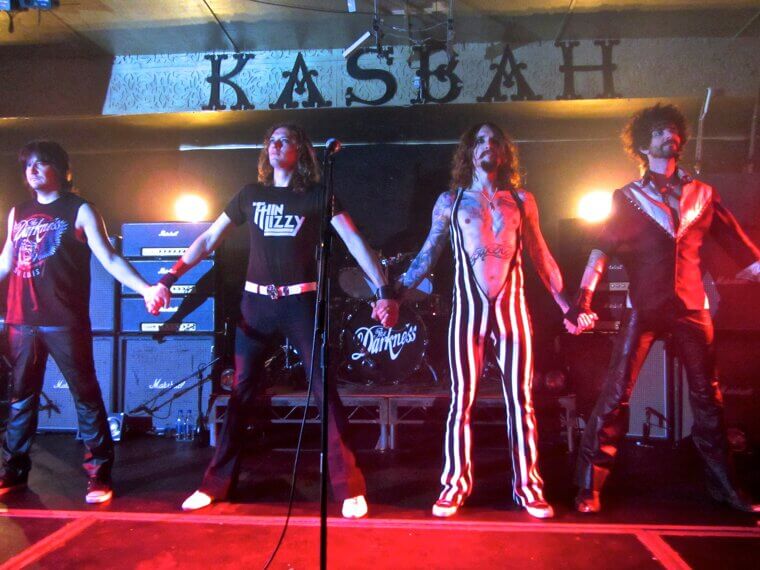
The shrill chorus requires a very specific mood to appreciate, making it a frequent casualty of the skip button.
U2 - Vertigo
Launching with a bilingual countdown, this energetic 2004 track was heavily utilized in massive global advertising campaigns for digital music players. Audiences often express frustration with the highly repetitive guitar riff and the slightly disjointed nature of the central lyrical narrative. Industry professionals allegedly argued that the song felt like a calculated attempt to manufacture a stadium anthem rather than an organic creative artistic expression. Despite winning prestigious awards, modern listeners reportedly find the relentless, driving tempo and shouting chorus somewhat abrasive and incredibly loud.
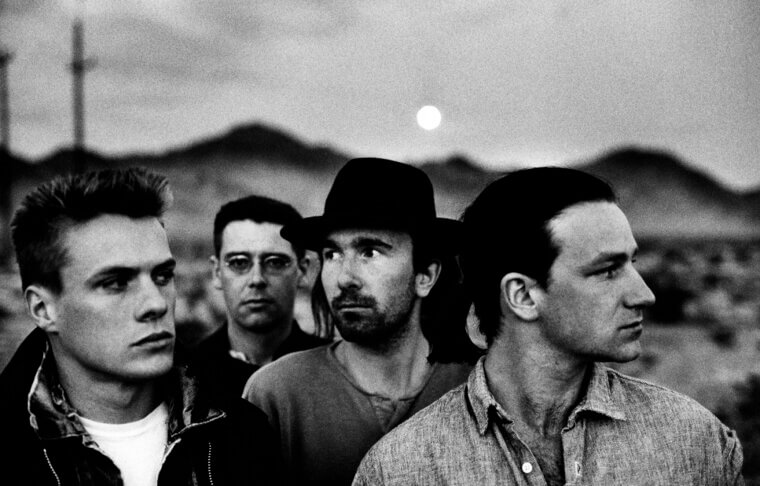
The lack of subtle melodic variation throughout the arrangement ultimately leaves many rock enthusiasts feeling surprisingly underwhelmed and eager to move on.
Coldplay - Yellow
This soaring, acoustic-driven single from the year 2000 helped launch the band into the upper echelons of global superstardom very quickly. Detractors regularly highlight the incredibly whiny vocal delivery and the overly simplistic rhyming structure as primary sources of their deep annoyance. Reviewers reportedly mentioned that the highly sentimental, vague lyrics offer very little substance, relying instead on sweeping instrumental crescendos for emotional impact. Even with its massive, enduring legacy, many folks allegedly find the slow, dragging tempo deeply tedious during casual daily listening sessions.
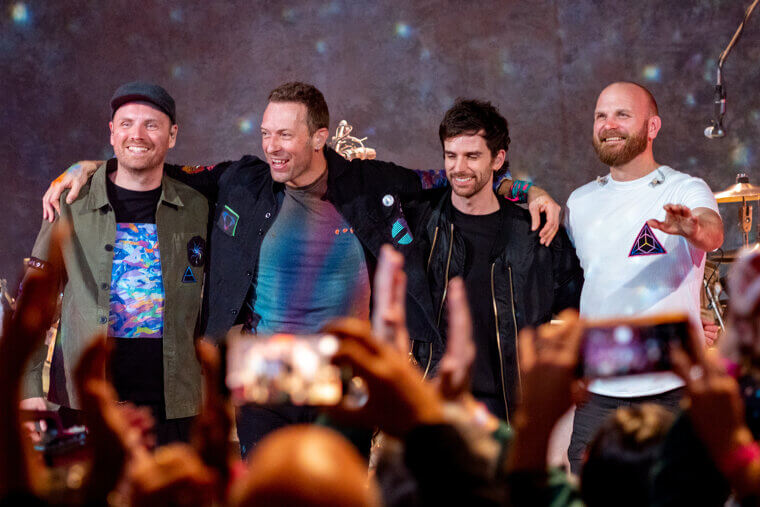
The continuous, shimmering guitar tone can feel somewhat cloying over time, prompting listeners to seek out slightly more energetic alternative options.
Red Hot Chili Peppers - Dani California
Serving as the lead single for a massive double album, this 2006 track heavily referenced the band's own extensive musical mythology. Listeners frequently point out that the chord progression sounds remarkably similar to several older rock hits, leading to widespread accusations of unoriginality. Critics allegedly noted that the vocal delivery relies heavily on rhythmic nonsense words, which quickly becomes grating after just a few plays. While it achieved massive radio success globally, fans reportedly grow tired of the predictable transition from a funky verse to a loud, distorted chorus.

The sheer ubiquity of the recording upon its release permanently ruined the listening experience for many casual rock fans.
Good Charlotte - Lifestyles of the Rich & Famous
This early 2000s pop-punk anthem took aim at celebrity culture with bouncy guitars and a highly polished, radio-friendly studio production. Audiences regularly voice their irritation over the incredibly whiny vocal tone and the hypocritical nature of the core lyrical messaging. Industry insiders allegedly observed that the band’s wealthy status made their complaints about high society feel deeply disingenuous and surprisingly tone-deaf. Despite dominating youth-oriented television channels for months, modern listeners reportedly find the catchy, repetitive chorus incredibly annoying and exceptionally immature.

The simplistic, aggressive drumming offers zero nuance, causing many adults to quickly change the station to avoid the intense wave of unwanted, nostalgic teenage angst.
Simple Plan - Perfect
Closing out countless early 2000s concerts, this emotional pop-punk ballad focused entirely on the heavy burden of intense parental disappointment. Listeners often cite the overly dramatic, sobbing vocal delivery as the main reason the track gets on their nerves so easily. Reviewers reportedly argued that the lyrics were so incredibly hyper-focused on teenage rebellion that they alienated anyone outside of that very specific demographic. Even though it resonated deeply with its target audience originally, many people allegedly find the slow, depressing tempo incredibly draining today.
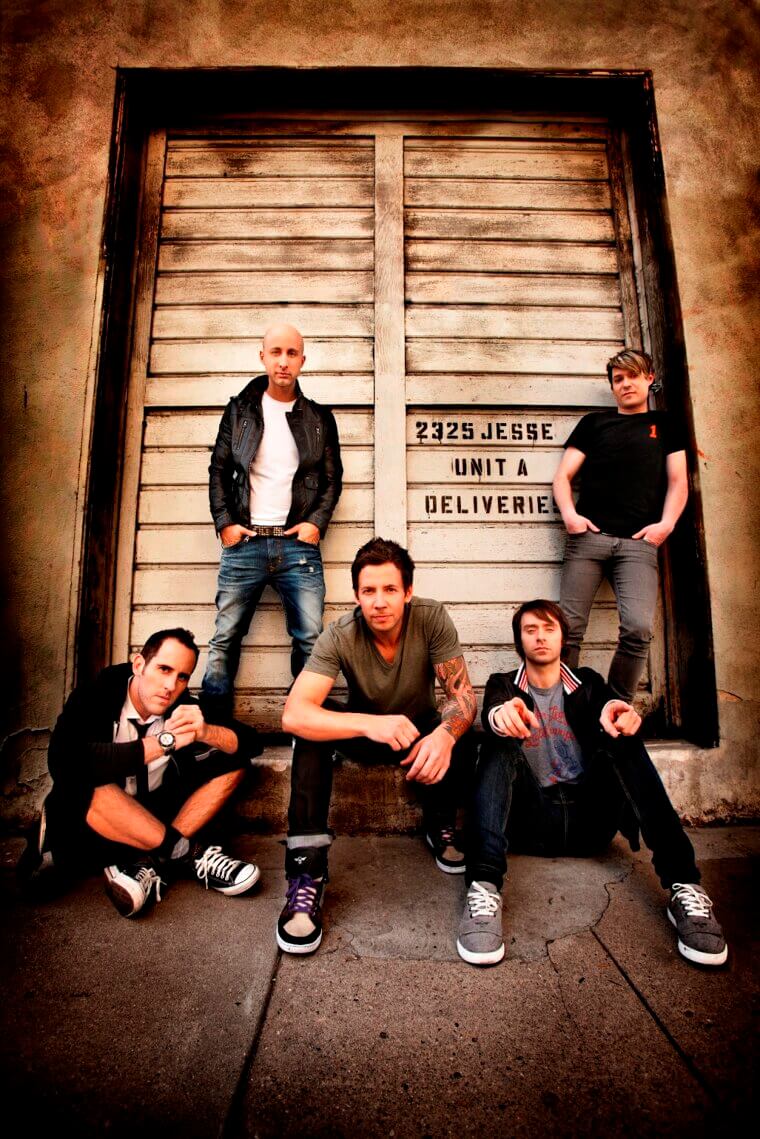
The constant complaining embedded within the narrative offers absolutely no hopeful resolution, leading exhausted listeners to forcefully hit the skip button.