
Have you ever wondered how some of the most famous classic rock hits were actually created? You might be surprised to learn that a bunch of them were penned in less than an hour! Keep reading to discover which legendary anthems were written in the blink of an eye.
Black Sabbath, Paranoid, 1970
Reportedly, the band needed a quick 3-minute filler track for their upcoming album to meet specific label requirements and pad out the runtime. Tony Iommi started playing a fast-paced, driving riff while the other members were resting at a local pub down the street. When his bandmates returned, they immediately joined in, and Ozzy Osbourne allegedly improvised the memorable vocal melody right there on the spot. Geezer Butler quickly penned the lyrics, reflecting on heavy feelings of alienation, paranoia, and mental heaviness.
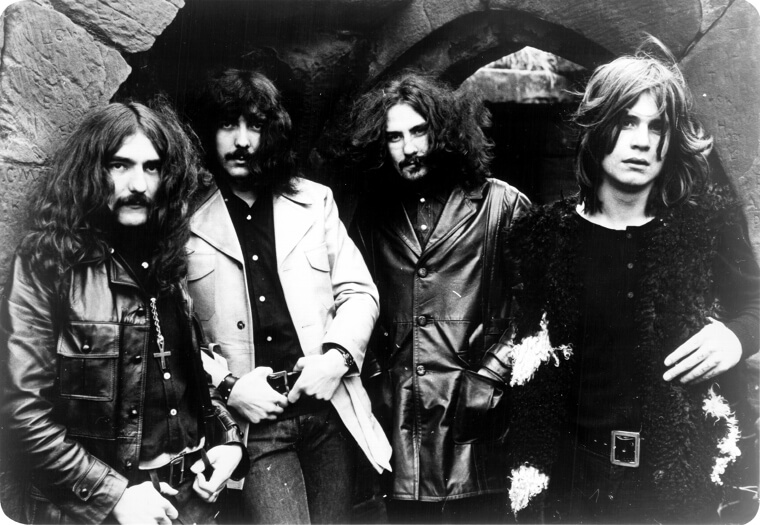
The entire creative process took roughly 25 minutes from start to finish. Fans embraced the heavy, driving rhythm immediately, turning a hasty afterthought into a massive cultural hit. The group did not expect this last-minute addition to define their early career. It ultimately became their highest-charting single, cementing their incredible legacy in heavy metal history without extensive planning or agonizing rewrites.
Queen, Crazy Little Thing Called Love, 1979
Freddie Mercury allegedly wrote this catchy rockabilly tribute in just 10 minutes while lounging in a bathtub at a luxury hotel in Munich. He asked his trusted roadie to bring him an acoustic guitar so he could work out the foundational chords before the inspired idea vanished. Mercury only knew a few chords on the instrument, which he claimed actually helped him focus on crafting a catchy, straightforward melody rather than overcomplicating the arrangement.
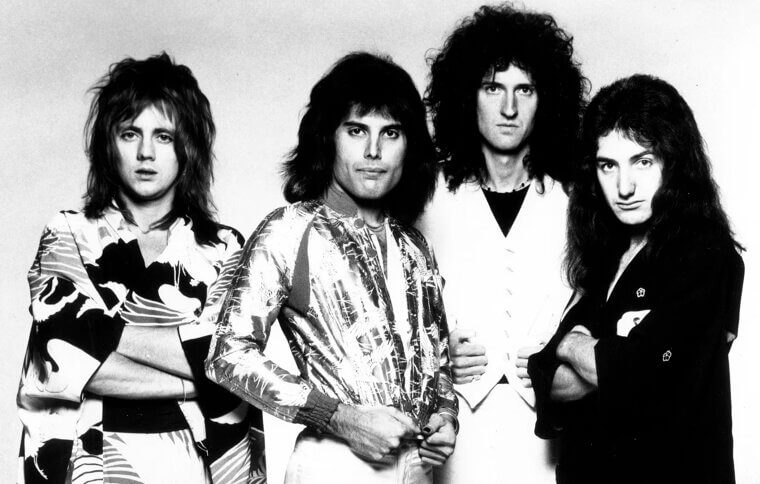
The band rushed to the recording studio to capture the track quickly, wanting to preserve that raw, spontaneous energy. Producer Reinhold Mack reportedly captured the entire backing track in a single, highly productive afternoon. The final result resonated globally, securing the group their first number 1 hit on the United States charts and proving that simplicity often leads to undeniable brilliance.
The Rolling Stones, (I Can't Get No) Satisfaction, 1965
Keith Richards famously woke up in the middle of the night in a Florida hotel room with a very specific, undeniable riff stuck in his head. He reportedly grabbed his acoustic guitar, turned on a portable cassette recorder, played the iconic notes, and muttered the famous opening line before falling right back asleep. The resulting tape allegedly contained roughly 2 minutes of actual music followed by 40 minutes of his snoring.

Mick Jagger later took the basic musical concept and wrote the remaining lyrical verses by a swimming pool, finishing them in a few productive hours. This spontaneous late-night spark transformed into a definitive, world-conquering cultural anthem for an entire generation. It perfectly captured a pervasive sense of frustration and commercial fatigue that resonated with millions of listeners worldwide, firmly defining their rebellious, anti-establishment image.
The Beatles, Yesterday, 1965
Paul McCartney claimed he woke up 1 morning with a fully formed, beautiful melody playing vividly in his mind. He quickly went to a nearby piano to figure out the exact chords, fearing he had unknowingly stolen the tune from someone else's work. For several weeks, he reportedly played the melody for friends and industry colleagues, repeatedly asking if they recognized the music. During this uncertain phase, he used temporary, nonsensical lyrics about scrambled eggs just to remember the vocal phrasing.
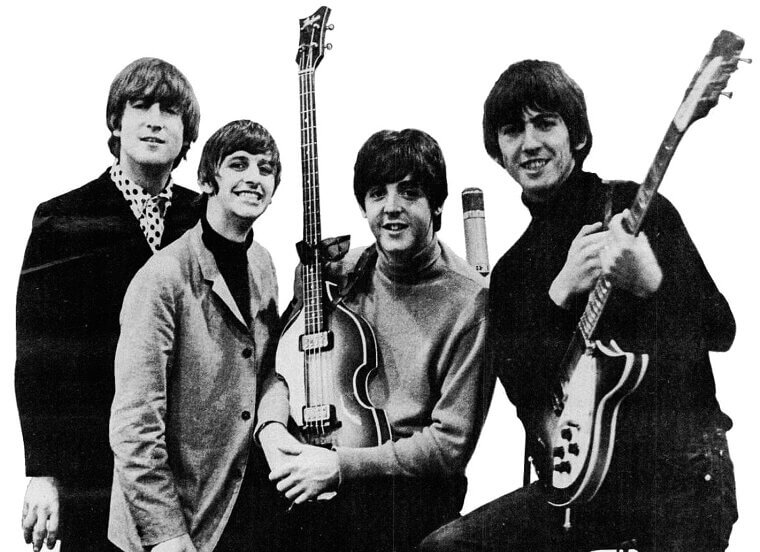
Once he felt confident the music was entirely original, he penned the heartfelt, melancholic lyrics during a long car ride in Portugal. The resulting acoustic ballad diverged significantly from the band's usual upbeat pop sound at the time. It eventually became 1 of the most covered tracks in modern music history, showcasing his extraordinary, unparalleled compositional instincts.
Tom Petty, Free Fallin', 1989
During a casual, relaxed studio session, Tom Petty and his collaborator Jeff Lynne were sitting around playing with a very simple, repetitive keyboard riff. Petty started improvising vocal lines merely to make Lynne laugh, randomly singing about a good girl who loves her mother and horses. The melody flowed incredibly naturally, and Lynne strongly encouraged him to continue along that specific narrative path. They allegedly finished the primary chord structure and the majority of the lyrics in about 20 minutes.
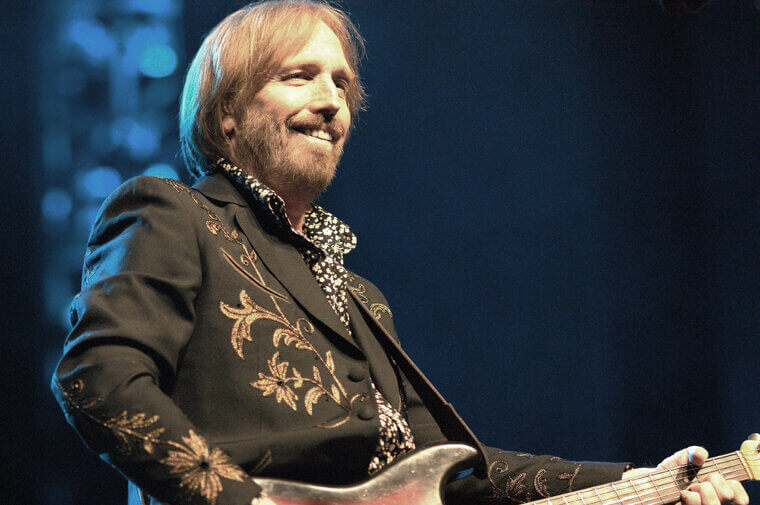
Despite its incredibly rapid creation, Petty hesitated to record it, feeling it might be much too straightforward for a major album release. The track ultimately defined his debut solo project and heavily dominated radio airways for many consecutive months. Its breezy, atmospheric vibe perfectly captured a distinct Southern California spirit that continues to engage diverse audiences decades after its initial release.
Ray Charles, What'd I Say, 1959
In late 1958, Ray Charles desperately needed to fill remaining time during a live show after completely exhausting his planned setlist. He reportedly told his dedicated backup singers to simply repeat whatever he sang and began improvising a rhythmic, bluesy electric piano riff. The highly spontaneous call-and-response vocal lines immediately energized the weary crowd, creating an electric, unforgettable atmosphere in the venue. After the phenomenal performance, excited fans immediately asked where they could buy the record, prompting him to record it formally.
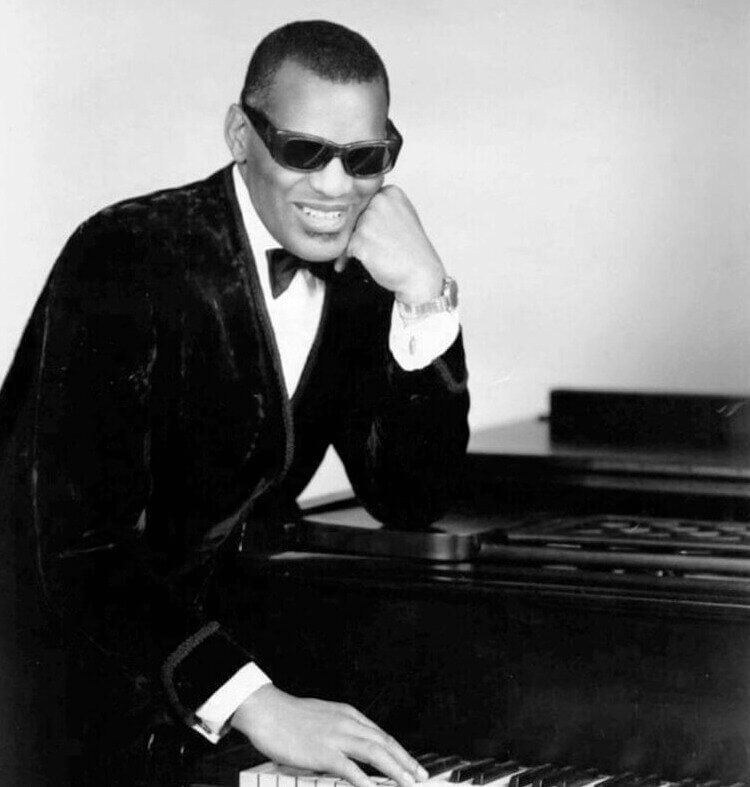
The subsequent studio version perfectly captured the lively, unpolished essence of that impromptu stage moment. It seamlessly blended gospel, blues, and early rock elements into a pioneering, heavily influential sound. The resulting track became a landmark release, proving that unscripted musical intuition can generate enduring masterpieces even when working under intense pressure.
Led Zeppelin, Rock and Roll, 1971
While struggling mightily to record a complex, multi-layered track, drummer John Bonham spontaneously started playing an energetic drum intro based on a classic 1950s rhythm. Jimmy Page immediately jumped in with a frantic, blues-based guitar riff, and the rest of the talented band quickly followed suit. Robert Plant reportedly grabbed a microphone and began enthusiastically improvising lyrics on the spot, deeply channeling the spirit of early rock pioneers. They allegedly composed the core structure of the track in roughly 15 minutes.
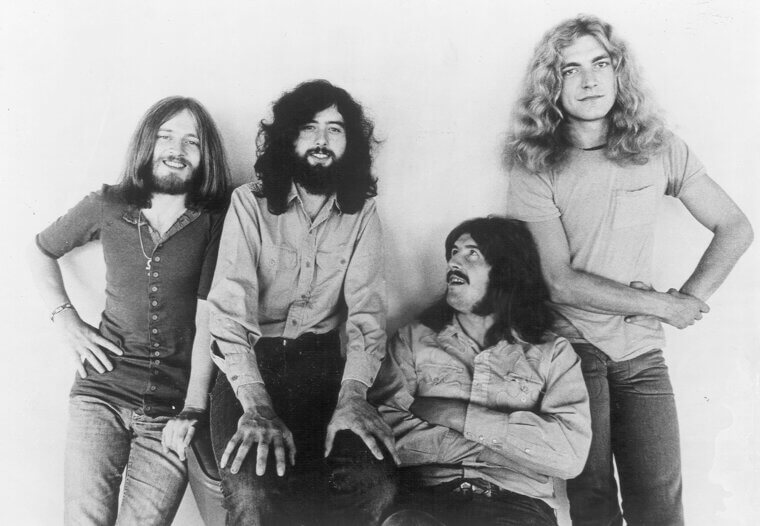
Relieved by this sudden, welcome burst of creativity, they decided to record the new composition immediately to capture the vibe. This impromptu jam session provided a very necessary, cathartic release from their ongoing studio frustrations. The high-energy anthem eventually became a permanent staple of their legendary live performances and a defining track of the entire musical era.
John Lennon, Instant Karma! , 1970
John Lennon urgently sought to release a brand new single as quickly as possible to capture a very specific mood and cultural message. He reportedly woke up, wrote the highly optimistic lyrics, and composed the accompanying piano melody within just 1 hour. Determined to maintain his creative momentum, he booked expensive studio time for that exact same afternoon and enlisted George Harrison and Phil Spector to help. They recorded multiple intense takes and fully mixed the final version well before midnight.
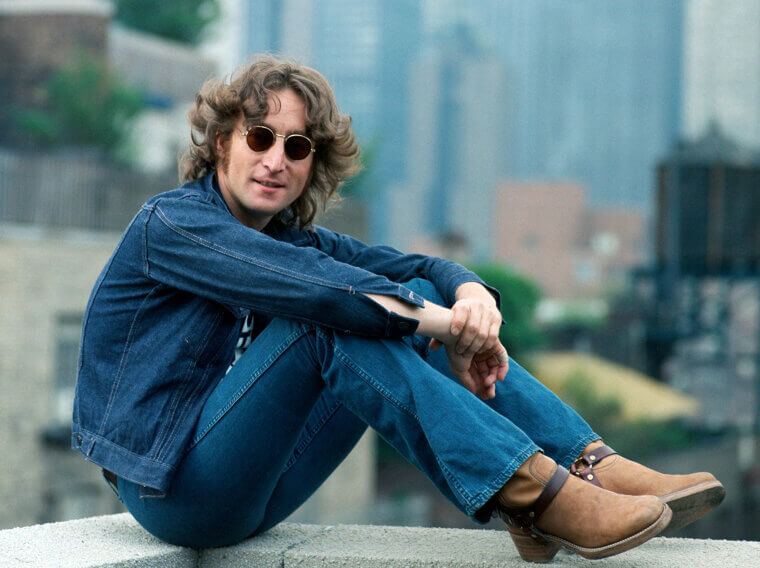
Lennon allegedly stated he fiercely wanted the release to reach record stores faster than a daily newspaper. The remarkably rapid turnaround showcased his strong belief in capturing raw, unfiltered emotion without overthinking the tedious production process. The track became a massive, undeniable success, standing as a true testament to his ability to translate sudden inspiration into a polished commercial hit.
Elton John, Your Song, 1970
Brilliant lyricist Bernie Taupin reportedly scribbled the enduring words to this beloved ballad on a stained piece of paper over breakfast in just 15 minutes. He handed the lyric sheet to Elton John, who promptly sat down at a piano and composed the accompanying, gorgeous music in roughly 20 minutes. John later described the entire collaborative process as effortless, noting that the melody naturally presented itself as he read the earnest, innocent lyrics.
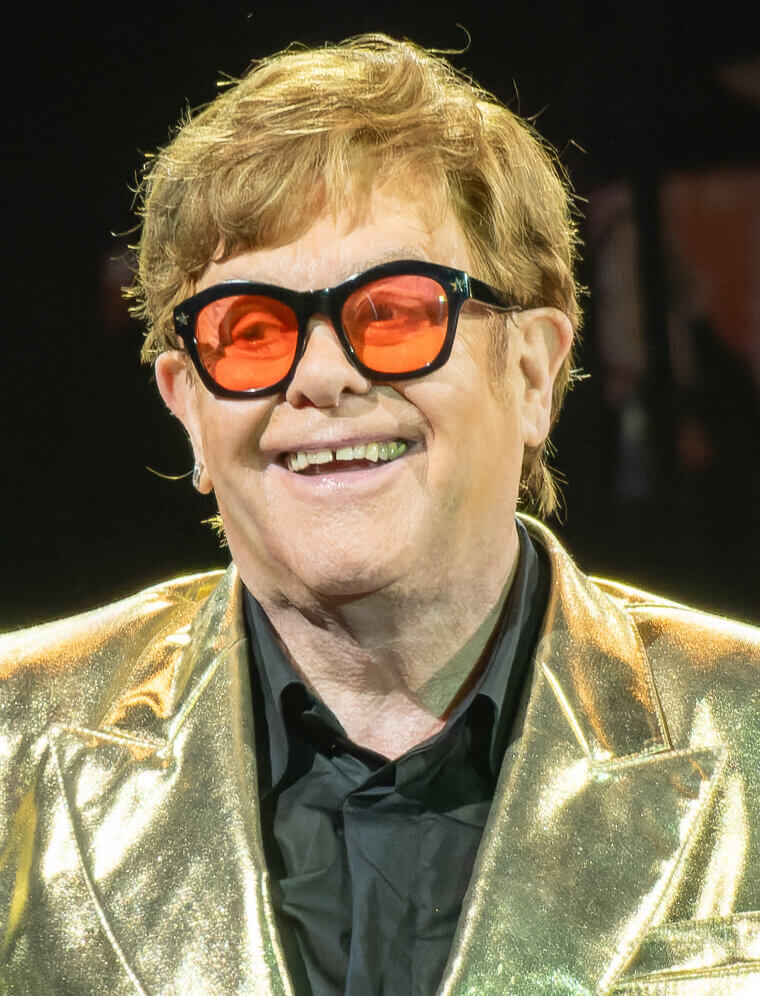
The duo allegedly did not alter the original musical arrangement much at all, heavily preferring to preserve its pure, unpretentious charm. This remarkably swift collaboration resulted in a massive breakthrough hit that officially launched their incredibly long and successful songwriting partnership. The track remains a universally beloved timeless classic, beautifully demonstrating how authentic emotion can translate into universally recognized art in a matter of mere minutes.
Jimi Hendrix, Little Wing, 1967
Just before performing at a major European festival venue, Jimi Hendrix reportedly penned this ethereal, breathtaking masterpiece in just a few short minutes backstage. He drew profound inspiration from the vibrant atmosphere of the event and the overwhelming feeling of freedom he experienced while touring extensively. The highly intricate guitar work seamlessly blends lead and rhythm techniques flawlessly, creating a unique, gorgeous sonic landscape that feels both deeply intimate and massively expansive.
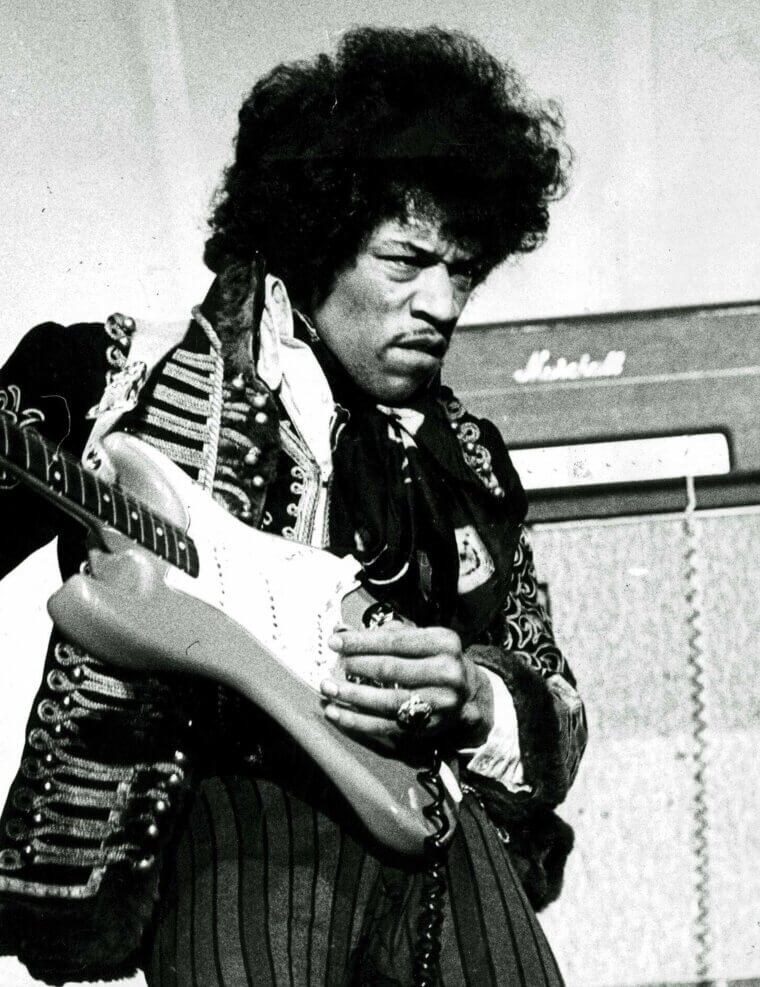
He allegedly recorded the legendary studio version shortly after, perfectly capturing the delicate balance of the composition in just a few focused takes. Despite its surprisingly brief running time of well under 3 minutes, the track remains highly, undeniably influential among serious musicians. Its concise, highly poetic structure heavily highlights his undeniable genius for translating fleeting emotions into enduring musical statements without requiring lengthy, grueling writing sessions.
ZZ Top, Tush, 1975
During a routine, somewhat boring soundcheck before a lively concert in Alabama, the band casually started jamming just to warm up their stage equipment. Billy Gibbons reportedly began playing a very catchy, driving Texas blues riff, and the locked-in rhythm section quickly fell into a remarkably tight groove. Gibbons allegedly improvised the brief, punchy, memorable lyrics right there on the stage, successfully completing the entire arrangement in under 10 minutes.
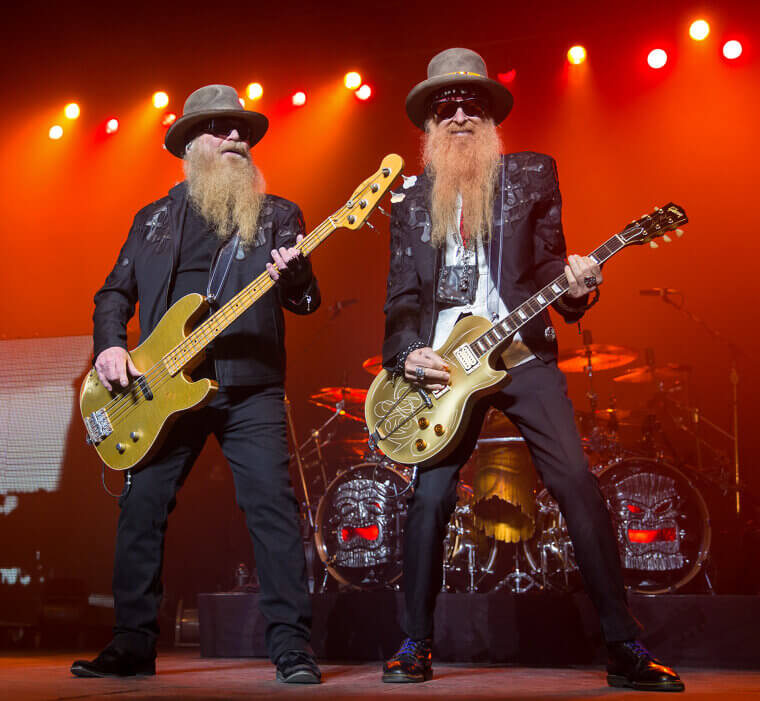
They immediately recognized the strong commercial potential of the spontaneous track and decisively decided to include it on their highly anticipated upcoming album. The resulting recording heavily features a raw, unpolished energy that perfectly and accurately represents their signature, beloved Texas blues-rock sound. It quickly became their very first national top 20 hit, clearly proving that a simple, effective groove can easily outshine weeks of meticulous studio overdubbing and arrangement.
The Who, Pinball Wizard, 1969
Pete Townshend reportedly panicked quite a bit when a prominent, influential music critic openly expressed doubts about his highly ambitious rock opera project. Knowing the specific critic was a massive, dedicated fan of pinball, Townshend quickly and cleverly decided to incorporate the game into the overarching storyline to win his favor. He allegedly wrote the galloping, highly recognizable acoustic riff and the thematic, story-driven lyrics in well under 1 hour.
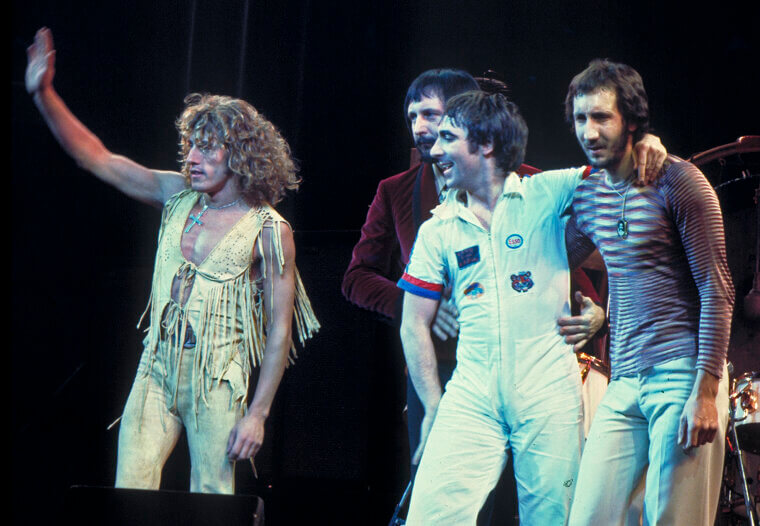
The frantic, relentlessly driving rhythm perfectly captured the chaotic, loud energy of a busy arcade setting. When he proudly presented the newly minted track to the rest of the band, they immediately recognized its undeniable commercial potential. The song successfully bridged the conceptual gap in the narrative and provided a massive, much-needed radio hit. This hasty, strategic addition became 1 of the most recognizable and enduring anthems in their extensive catalog.
Bruce Springsteen, Hungry Heart, 1980
After a brief, chance encounter with punk legend Joey Ramone in New Jersey, Bruce Springsteen was politely asked to write a track for the Ramones. He reportedly went home that very same evening and penned the upbeat, catchy melody and reflective, melancholic lyrics in roughly 10 minutes. However, his astute manager strongly advised him to carefully keep the catchy tune for his own upcoming double album instead of giving it away.
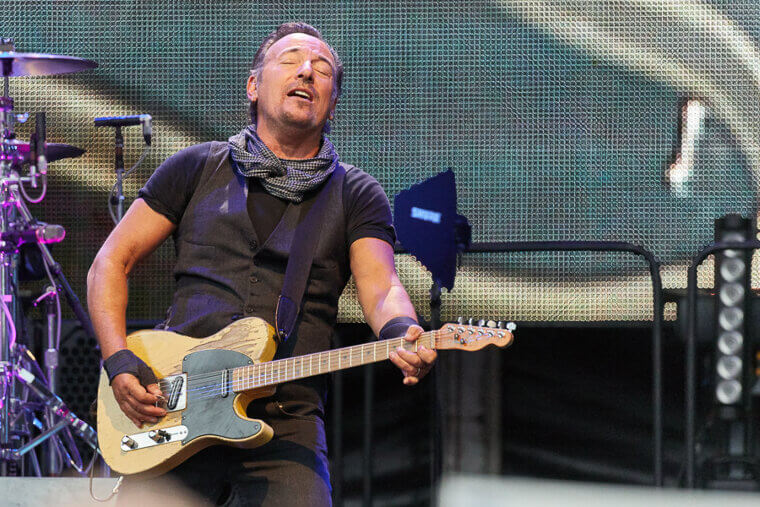
Springsteen wisely agreed, deciding to record it with a slightly different, smoother vocal approach to properly fit the pop-oriented musical arrangement. The track allegedly became his very first significant mainstream pop radio hit, quickly reaching the prestigious top 10 on the national charts. Its quick creation contrasted sharply with his typically rigorous, painstaking songwriting process, revealing a highly natural talent for crafting immediate, hook-driven pop anthems.
Bob Dylan, Blowin' in the Wind, 1963
Sitting quietly in a small, bustling café in Greenwich Village, Bob Dylan reportedly adapted a traditional, old spiritual melody to carry his brand new poetic verses. He allegedly wrote the highly introspective, deeply questioning lyrics in about 10 minutes, hastily scribbling them down on a random scrap of paper. The powerful words perfectly captured the burgeoning civil rights movement and the restless, questioning spirit of the era without relying on overly specific political rhetoric.
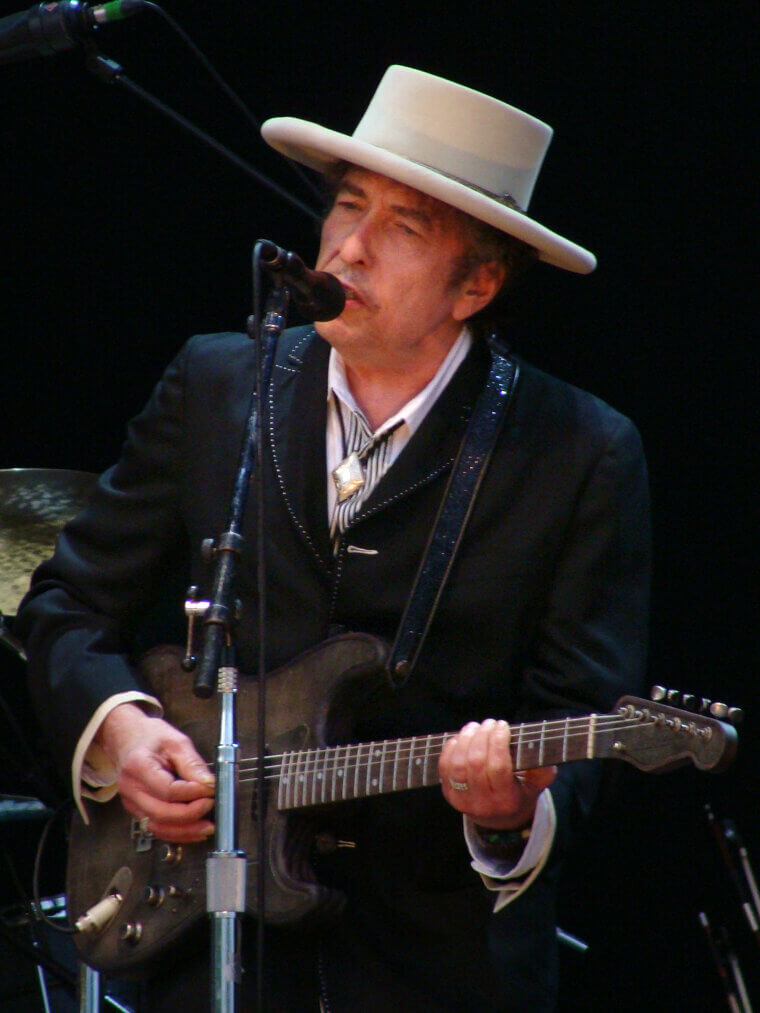
When he first performed it on a small stage shortly after, the attentive audience immediately recognized its profound cultural significance. The track quickly became a massive, unifying anthem for social change, famously covered by numerous other artists who successfully amplified its universal message. Its remarkably rapid composition highlighted his highly unique ability to gracefully distill complex societal issues into simple, enduring folk arrangements.
Neil Young, Ohio, 1970
Upon seeing horrifying, impactful photographs in a prominent national magazine detailing a tragic, deadly event at a university campus, Neil Young was moved to immediate action. He reportedly grabbed his acoustic guitar and passionately wrote the fiery, intensely protesting lyrics in a matter of mere minutes. He immediately contacted his trusted bandmates, strongly insisting they record the aggressive track right away to accurately capture his raw anger and profound sorrow.
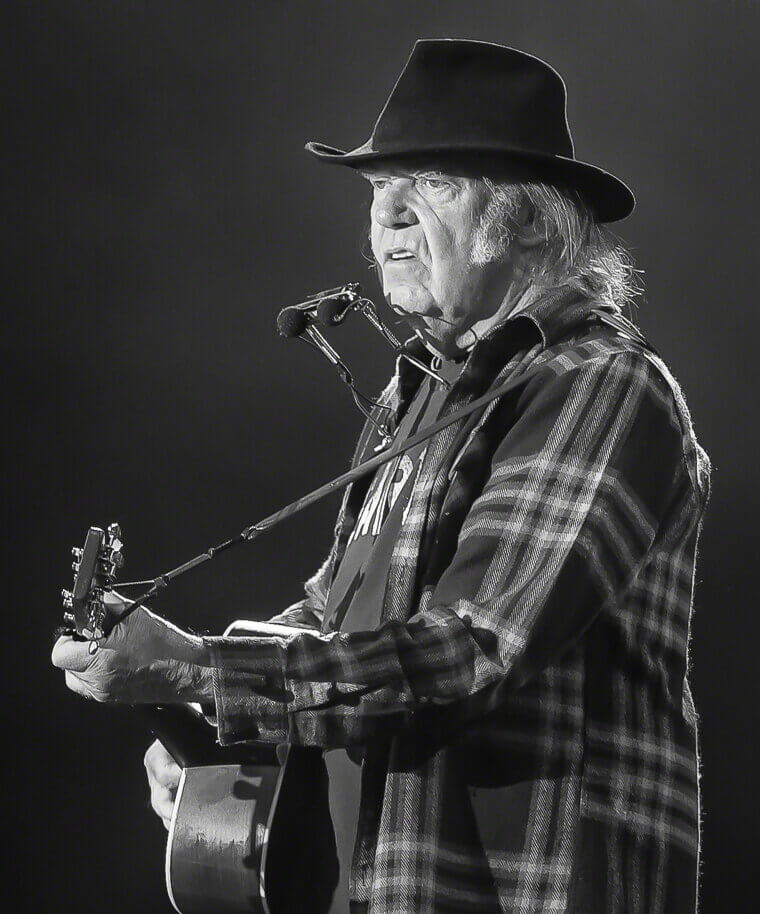
They allegedly laid down the heavy instrumental and highly emotional vocal tracks in a single, intense studio session the very following day. The heavily rush-released single hit the radio airways incredibly rapidly, deeply resonating with a highly divided nation violently struggling with anti-war sentiments. The undeniable immediacy of the writing and recording process ensured the track remained a powerful, historical snapshot of a highly volatile moment in modern history.
The Troggs, Wild Thing, 1966
Songwriter Chip Taylor reportedly received an urgent request to provide a catchy, simple track for a new rock band's upcoming studio session. With very little actual time to properly prepare, he allegedly strummed a very basic chord progression and mumbled the straightforward, suggestive lyrics in about 15 minutes. He later openly admitted he did not think much of the simple composition at all, merely considering it a hurried, disposable demo.
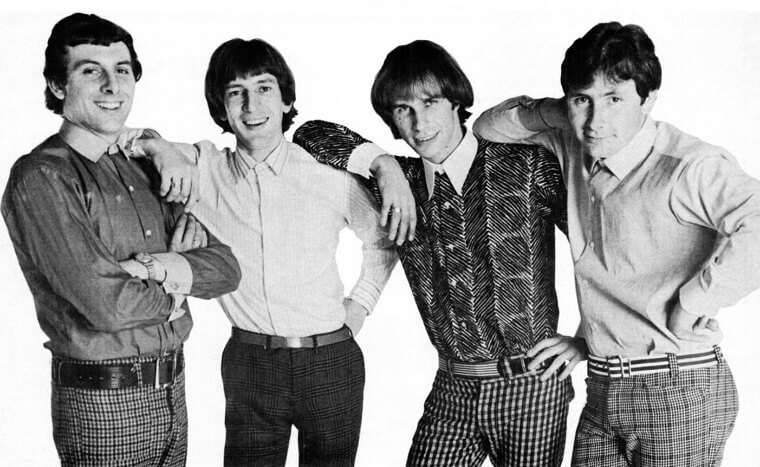
However, the enthusiastic band adopted the primitive, heavy rhythm and delivered a highly memorable vocal performance completely full of undeniable attitude. The minimalist, aggressive approach deeply resonated with young listeners, quickly turning the uncomplicated riff into a massive, defining garage rock anthem. This fast-paced, unpretentious songwriting exercise yielded a massive international hit, clearly demonstrating that raw energy often triumphs over complex musical arrangements in the rock genre.
U2, 40, 1983
Facing the highly stressful end of their strictly allocated studio time for an important album, the group desperately needed 1 final track to complete the tracklist. Their dedicated bass player had already left the recording building, forcing the highly adaptable guitarist to switch instruments temporarily to finish the session. Lead singer Bono reportedly opened a Bible to a very specific psalm and hastily adapted the ancient text into fitting lyrics on the spot.
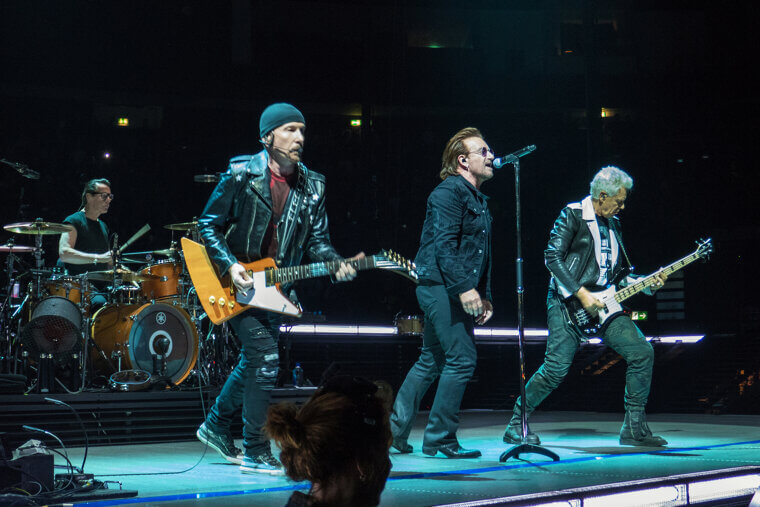
They allegedly arranged, fully recorded, and mixed the highly atmospheric track in roughly 40 minutes just before the angry studio manager forcefully shut them down. The resulting, highly spiritual song became a deeply beloved staple of their live concerts, very often used as a beautifully unifying closing anthem. The intense pressure of the ticking clock fostered a wonderful moment of spontaneous brilliance, capturing the earnest spirit of their early recording years.
Creedence Clearwater Revival, Proud Mary, 1969
John Fogerty reportedly felt an overwhelming, massive sense of personal relief after finally receiving his official discharge papers from active military service. He immediately returned to his home, joyfully picked up his guitar, and enthusiastically channeled his joyful energy into a brand new chord progression. He allegedly crafted the highly evocative narrative about a scenic riverboat journey and a humble working-class lifestyle in less than 1 hour. The eager band recorded the upbeat track shortly after, perfectly capturing the highly distinct swamp-rock sound that officially became their trademark.
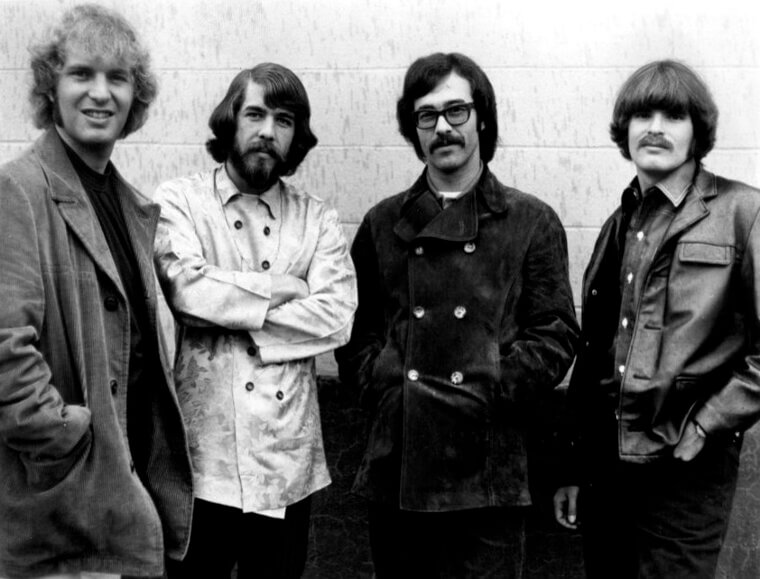
The resulting hit single charted incredibly high globally and firmly cemented their sterling reputation as a premier rock act. Its quick, inspired genesis beautifully showcased his natural ability to transform personal emotion into a universally appealing, highly visual narrative. The track remains a highly celebrated piece of musical Americana, covered by true legends across multiple genres.
The Knack, My Sharona, 1979
Lead vocalist Doug Fieger reportedly met a young, captivating woman who immediately deeply inspired him, prompting a sudden, massive burst of creative energy. He eagerly collaborated with his talented guitarist, who had been patiently holding onto a very catchy, driving rhythm pattern for quite a while. They allegedly seamlessly combined the signature, highly recognizable stuttering vocal hook and the intensely energetic instrumental backing in about 15 minutes. The excited band played it live very soon after, and the massively positive crowd reaction immediately confirmed they had crafted something truly special.
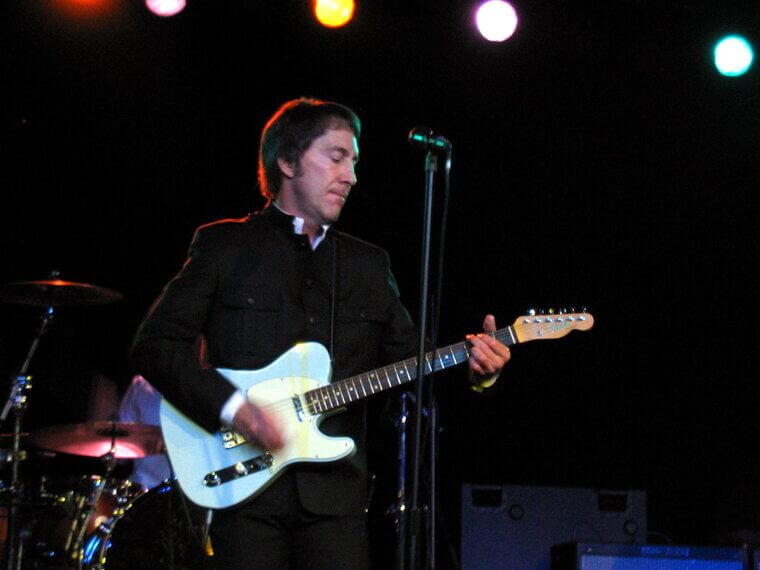
The resulting polished studio recording heavily dominated commercial radio stations and eventually became the absolute biggest selling single of the entire year. The incredibly rapid, highly inspired songwriting process beautifully captured the breathless excitement of a sudden, intense infatuation, smoothly translating that raw emotion into a timeless pop-rock masterpiece.
Peter Frampton, Show Me the Way, 1975
While spending relaxing time in the beautiful Bahamas, Peter Frampton decided to dedicate a single afternoon to strictly writing brand new material. He reportedly sat down comfortably with an acoustic guitar right after lunch and smoothly composed the upbeat, highly melodious track in roughly 20 minutes. He allegedly felt very relaxed and completely unburdened by outside pressure, which allowed the highly optimistic lyrics and truly memorable hooks to flow completely naturally.

The highly innovative introduction of the talk-box effect later added a very unique, widely recognizable sonic signature to the official recording. The subsequent live version of this swiftly written, breezy composition became a truly monumental success, completely transforming him into a massive, global stadium headliner. The beloved track stands as a truly prime example of how a very relaxed environment can heavily foster immediate, enduring musical creativity.
The Guess Who, American Woman, 1970
During a lively, packed concert in Canada, the main guitarist unfortunately broke a string and desperately needed extra time to replace it on stage. The rest of the highly professional band started improvising a very heavy, bluesy riff merely to keep the restless audience entertained during the awkward delay. The charismatic lead singer reportedly rushed back to the main microphone and spontaneously belted out aggressive lyrics exactly as they actively came to him.
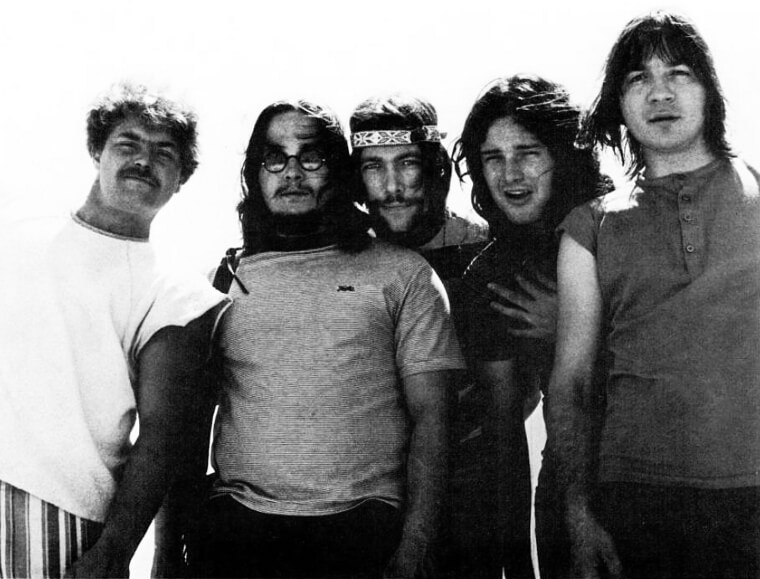
He allegedly improvised the entire, highly memorable vocal arrangement, drawing heavily on the tense cultural climate of the era, in just a few short minutes. A dedicated fan recording the entire show generously provided the band with a tape, allowing them to perfectly recreate the stage magic in the studio. This highly unscripted, impromptu stage jam amazingly evolved into their absolute most iconic and massively commercially successful release.
R.E.M., Losing My Religion, 1991
Guitarist Peter Buck recently bought a mandolin and was eagerly trying to teach himself how to properly play it while relaxing at his home. He reportedly recorded his casual practice session, heavily playing a very simple chord progression while actively figuring out the instrument's unique tuning. The lead singer closely heard the acoustic playback and immediately felt deeply inspired by the highly melancholic, heavily folk-tinged sound. He allegedly wrote the cryptic lyrics, which heavily address deep themes of unrequited love and extreme emotional vulnerability, in roughly 10 minutes.
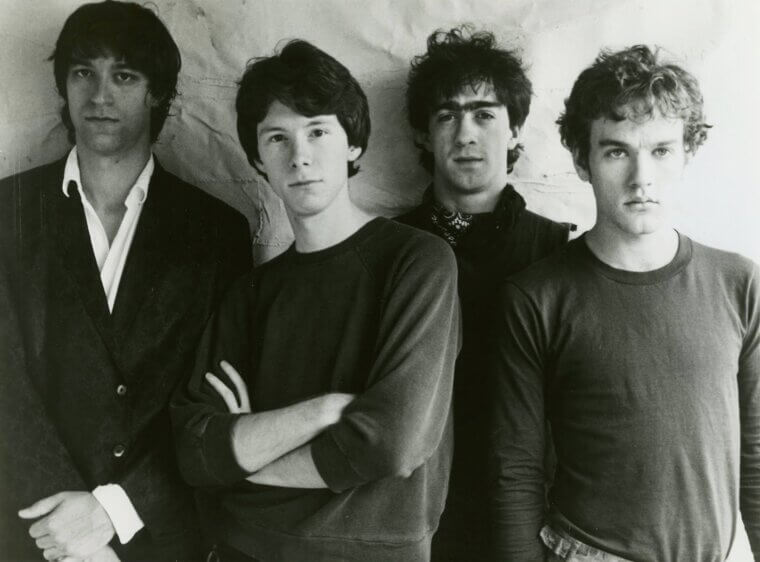
The tight band quickly built a highly sparse, very atmospheric arrangement carefully around the primary, unforgettable mandolin hook. Despite obviously lacking a highly traditional chorus, the remarkable track became a truly monumental global hit. The happy, accidental nature of its creation beautifully highlights how actively experimenting with brand new tools can easily yield incredible, totally unforeseen results.
Aerosmith, Walk This Way, 1975
While patiently waiting for a routine soundcheck in Hawaii, the bored band casually started messing around with a highly funky, syncopated rhythm. The talented guitarist allegedly created the truly iconic, bouncing opening riff right on the spot, and the skilled drummer quickly established a remarkably tight groove. The energetic singer reportedly wrote the rapid-fire, highly rhythmic lyrics later that same night, desperately attempting to perfectly match the energetic bounce of the instrumental track.
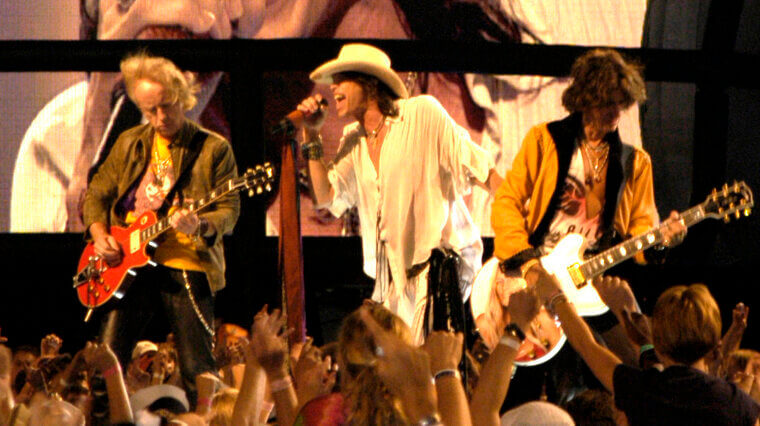
He happily claimed the entire overarching lyrical concept smoothly came together in well under 1 hour, heavily inspired by a funny line from a highly popular comedy film. The resulting, massively successful song beautifully showcased a highly unique, seamless blend of aggressive hard rock and groovy funk elements. It successfully revitalized their entire career and later played a truly pivotal role in successfully bridging the gap between rock and emerging hip-hop genres.
Heart, Barracuda, 1977
Following a highly successful concert in Michigan, Ann Wilson was aggressively confronted by a sleazy promoter who made a highly inappropriate comment about her close relationship with her sister. Furious and deeply offended, she reportedly retreated immediately to her private hotel room to heavily channel her intense anger into writing. She allegedly penned the highly aggressive, fiercely biting lyrics in mere minutes, very directly addressing the extremely sleazy, manipulative nature of the modern music industry.
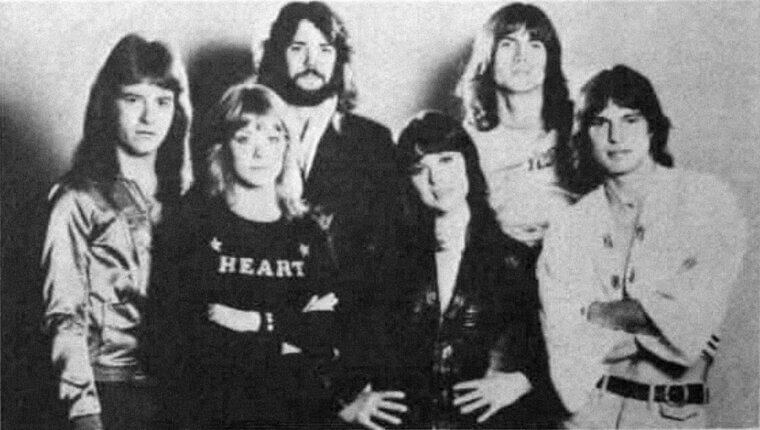
The skilled guitarist quickly and seamlessly paired her angry words with a galloping, incredibly heavy riff that perfectly matched the intense emotion of the passionate vocal delivery. The remarkably rapid fusion of pure lyrical venom and driving, aggressive hard rock created an absolutely instant classic. The iconic track remains a truly powerful statement of bold defiance and easily 1 of their absolute most beloved and highly enduring anthems.
David Bowie, Life on Mars?, 1971
After a previous, highly anticipated lyrical translation project was unexpectedly rejected and subsequently turned into a massive, global hit by another artist, David Bowie felt fiercely determined to heavily prove his songwriting skills. He reportedly sat at a large grand piano and smoothly composed this incredibly sweeping, highly theatrical ballad in roughly 1 single afternoon, though some close sources claim the actual core structure took well under 1 hour. He allegedly aimed specifically to create a clever parody of highly traditional pop standards while heavily infusing it with deeply surreal, highly cinematic imagery.

The resulting, brilliant track features a highly complex chord progression and incredibly vivid, dreamlike lyrics. It truly stands as a highly brilliant showcase of his incredibly innovative, unique approach to modern songwriting. The remarkably swift execution beautifully proved his undeniable ability to seamlessly transform deep professional frustration into undeniable, soaring artistic triumph.
Lynyrd Skynyrd, Sweet Home Alabama, 1974
During a highly casual, relaxed rehearsal space gathering, guitarist Gary Rossington slowly started picking a very catchy, heavily Southern-flavored riff. Ronnie Van Zant reportedly heard the distinctive progression from another room and immediately walked in with a highly complementary melody already in his head. He allegedly wrote the fiercely defensive, highly prideful lyrics in about 15 minutes, very directly responding to harsh criticisms heavily leveled at the South by other highly famous musicians.
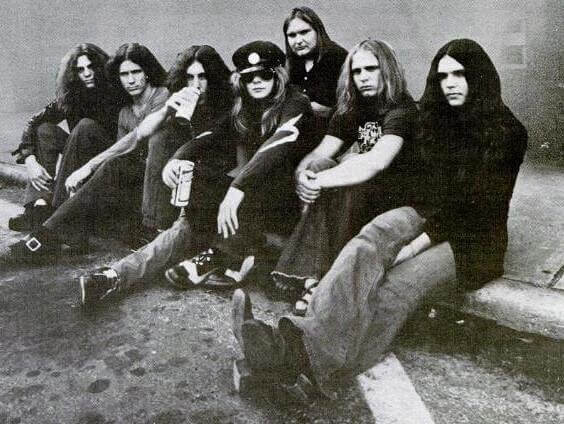
The skilled band quickly and easily worked out the complex vocal harmonies and rhythm structure, immediately recognizing the new track's incredibly infectious groove. The resulting, highly defiant anthem quickly became their absolute highest-charting single and a truly definitive piece of Southern rock culture. Its incredibly rapid assembly beautifully highlights the undeniable, strong chemistry between the talented band members and their unique ability to perfectly capture regional pride in a succinct, powerful arrangement.
Deep Purple, Smoke on the Water, 1972
While temporarily stationed in scenic Switzerland to properly record an album, the band watched a massive casino literally burn down during a loud concert across the lake. The highly visible, dark smoke steadily drifting over the water easily provided a truly striking visual that heavily stuck in their minds. The brilliant guitarist reportedly came up with the highly heavy, absolutely defining 4-note riff very shortly after the incident. The passionate singer allegedly wrote the highly autobiographical lyrics thoroughly detailing the actual fire on a simple napkin in a matter of mere minutes.
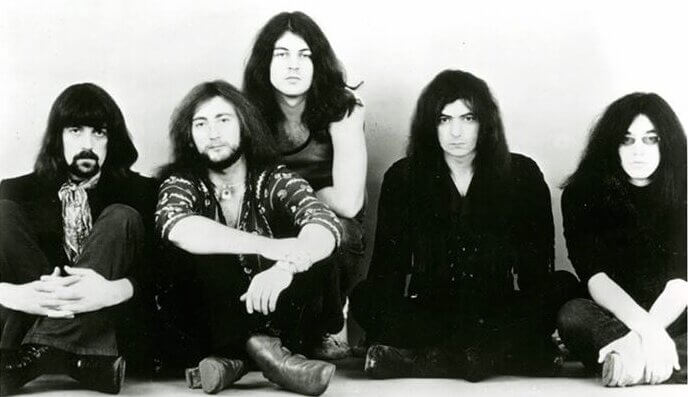
They successfully recorded the heavy track using a highly mobile studio setup, heavily relying on the immediate, raw energy of the highly intense moment. The iconic song features arguably the absolute most recognizable guitar riff in rock history. Its surprisingly spontaneous documentation of a real-life disaster completely turned a highly stressful situation into a legendary musical milestone.
The Kingsmen, Louie Louie, 1963
Original talented songwriter Richard Berry reportedly desperately needed a quick, catchy B-side for a highly anticipated upcoming single release in the late 1950s. He allegedly hurriedly scribbled the highly calypso-inspired rhythm and very basic, simple lyrics onto a napkin while patiently waiting in a venue lobby, happily finishing in just a few short minutes. Years later, a highly energetic young garage rock band adopted the obscure track, successfully recording a famously raw and highly chaotic version in a single, unpolished take.
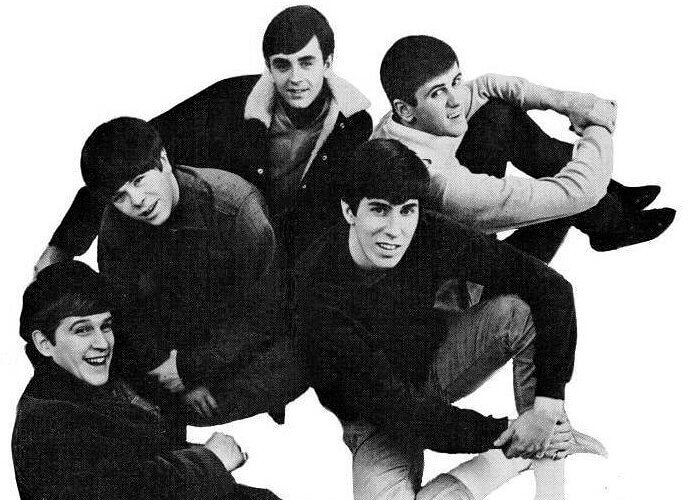
Their incredibly unpolished rendition heavily featured heavily slurred vocals and very rough instrumentation, unexpectedly sparking wild, massive rumors about the supposed lyrical content. The resulting, highly publicized controversy heavily propelled the track to massive, unforeseen success on the national charts. This incredibly hastily written, simple song incredibly became a deeply foundational pillar of early punk and heavily influential garage rock aesthetics.
The Animals, House of the Rising Sun, 1964
While heavily touring alongside legendary rock pioneer Chuck Berry, the ambitious group desperately needed a truly distinctive track to properly set themselves apart during their highly energetic live performances. They boldly decided to arrange a very traditional, old folk tune, heavily aiming to completely infuse it with a very dark, brooding electric energy. The talented keyboardist reportedly brilliantly devised the highly iconic, incredibly haunting arpeggio intro in roughly 15 minutes while casually riding on a train.
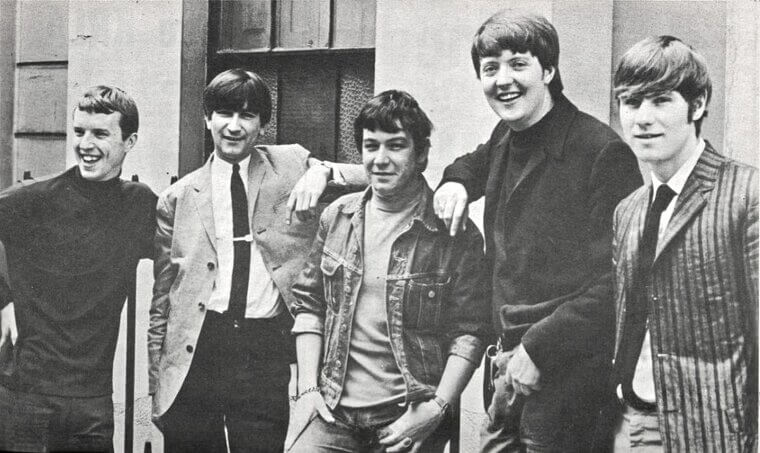
They allegedly successfully recorded the highly definitive version in just 1 single, perfect take, flawlessly capturing a truly powerful, brooding vocal performance that completely captivated listeners. The massive track shattered all conventional radio rules regarding acceptable song length and dark subject matter. Its remarkably swift, highly inspired arrangement successfully transformed an old, forgotten standard into a truly pioneering folk-rock milestone that heavily influenced countless future musicians.
Paul McCartney, Maybe I'm Amazed, 1970
Following the incredibly difficult, highly public dissolution of his truly legendary previous band, Paul McCartney desperately sought deep emotional comfort in his private home studio. He reportedly sat down heavily at his piano and passionately poured his highly complicated feelings into a brand new, deeply personal composition. He allegedly wrote the incredibly heartfelt, highly sprawling ballad in well under 1 hour, beautifully dedicating it to his supportive partner who consistently provided crucial emotional support.
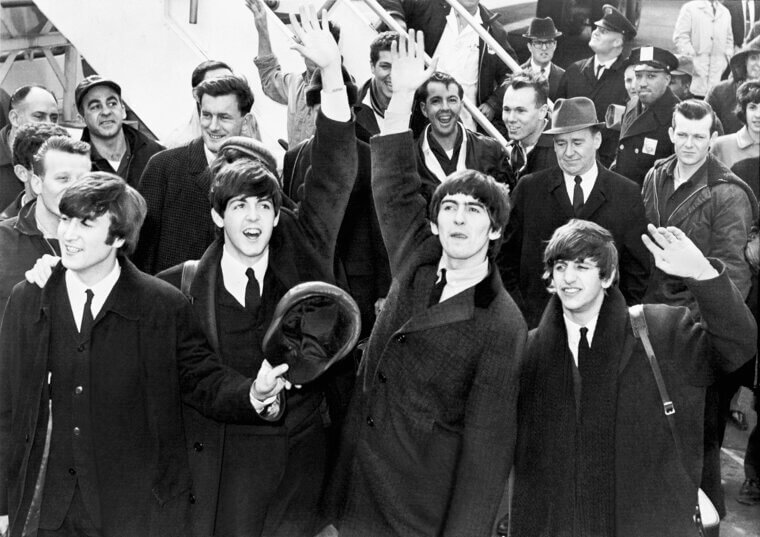
Masterfully playing all the various instruments entirely by himself, he successfully recorded the track very quickly to properly capture the incredibly raw, deeply vulnerable atmosphere of his highly emotional writing session. The resulting, highly acclaimed recording is widely considered 1 of his absolute greatest solo achievements. It perfectly and beautifully demonstrates his truly unparalleled ability to smoothly craft highly emotionally resonant, structurally complex melodies in a very short amount of time.
AC/DC, You Shook Me All Night Long, 1980
Newly hired, highly nervous vocalist Brian Johnson heavily felt immense pressure to properly deliver strong lyrics during his very first full day in the studio with the legendary band. The skilled guitarists loudly played him a very driving, incredibly catchy mid-tempo riff they had been heavily working on for a while. He reportedly looked nervously around the room, slowly took a very deep breath, and wrote the highly memorable, double-entendre-filled lyrics in about 15 minutes.
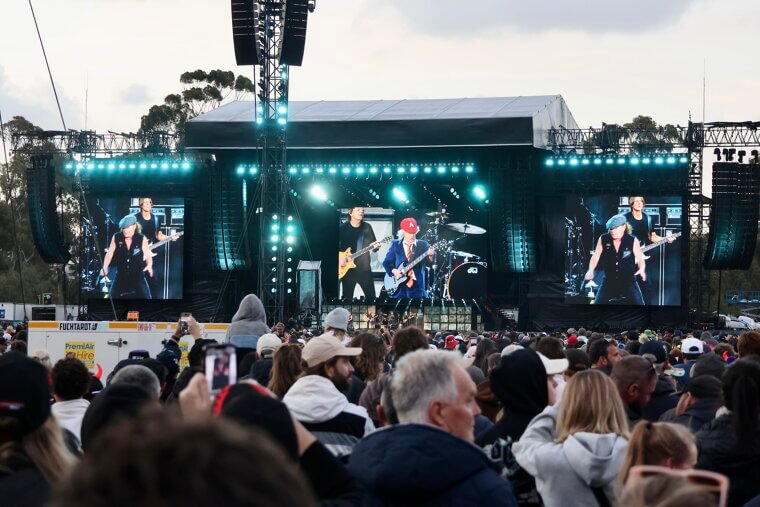
He allegedly drew heavy inspiration from his deep fascination with American cars and the incredibly energetic, wild live shows he had previously witnessed. The resulting, massive track quickly became an absolute undisputed hard rock anthem, highly celebrated for its incredibly catchy chorus and completely relentless energy. This incredibly rapid, high-pressure writing session firmly solidified his permanent place in the group and heavily helped seamlessly launch their absolute most successful album.
Cheap Trick, Surrender, 1978
Talented guitarist Rick Nielsen reportedly wrote this highly infectious, incredibly beloved power-pop anthem very quickly, heavily focusing on the large generational divide between rebellious teenagers and their conservative parents. He allegedly crafted the highly upbeat chord progression and the very quirky, story-driven narrative lyrics in well less than 1 hour. The incredibly catchy track brilliantly explores deep themes of teenage rebellion and highly surprising parental behavior with a very distinct, highly humorous edge.

The excited band quickly recognized its massive potential immediately and successfully refined the musical arrangement to properly highlight the massive, undeniable singalong chorus. It ultimately became their absolute signature track and a truly permanent staple of their highly praised, massively successful live album. The remarkably swift compositional process flawlessly captured a very youthful, highly energetic spirit that beautifully continues to deeply resonate with fans of melodic rock across many different eras.
The Kinks, You Really Got Me, 1964
Searching desperately for a truly raw, highly aggressive sound to successfully follow up their initial, highly unsuccessful singles, Ray Davies sat heavily at a piano. He reportedly banged out the incredibly heavy, aggressive 2-chord progression in a matter of mere minutes, attempting heavily to closely mimic a distinctive jazz style. His skilled brother allegedly successfully transferred the rough idea to guitar, creatively slicing the speaker cone of his amplifier to seamlessly create a highly distorted, incredibly gritty tone.
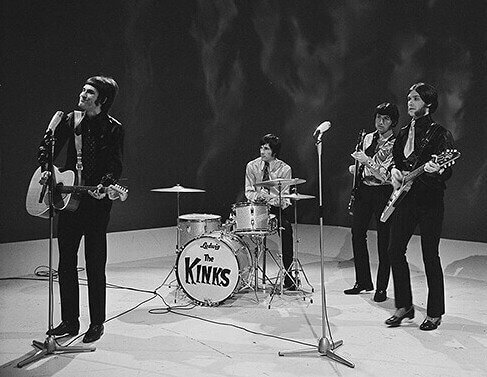
They enthusiastically recorded the frantic, fiercely driving track very quickly, successfully establishing a brand new sound that fundamentally altered the entire rock landscape forever. The resulting, massive hit heavily influenced the rapid development of both the heavy metal and energetic punk rock genres. This incredibly hurried, raw writing session miraculously produced a truly legendary riff that strongly remains a heavy cornerstone of the entire British Invasion movement.
Blue Öyster Cult, (Don't Fear) The Reaper, 1976
Talented lead guitarist Donald Roeser reportedly wrote this incredibly haunting, massively beloved classic while deeply contemplating his own mortality and the truly enduring nature of profound love. He allegedly smoothly composed the highly intricate, heavily cyclical guitar riff and the deeply philosophical lyrics in roughly 45 minutes at his quiet home. The brilliant song beautifully approaches a highly dark subject with a surprisingly, incredibly melodic and highly accessible musical arrangement.

The innovative band later added the highly infamous, massively popular percussion element during the recording process, smoothly enhancing the highly driving rhythm. Despite its somewhat morbid, dark theme, the atmospheric track happily achieved truly massive commercial success and widespread, heavy radio play. The remarkably quick, deeply inspired writing process gracefully resulted in an absolutely atmospheric masterpiece that strongly remains their highly recognizable and massively critically acclaimed contribution to heavy rock history.
The Eagles, Life in the Fast Lane, 1976
While casually warming up for a routine rehearsal, highly skilled guitarist Joe Walsh slowly started playing a highly complex, incredibly funky riff he had been actively practicing. Don Henley reportedly heard the infectious groove and immediately recognized its absolutely massive potential for a brand new, highly energetic track. Henley allegedly matched the funky rhythm with dark lyrics heavily inspired by a truly frightening, high-speed car ride he had recently personally experienced, successfully finishing the primary narrative in well under 1 hour.
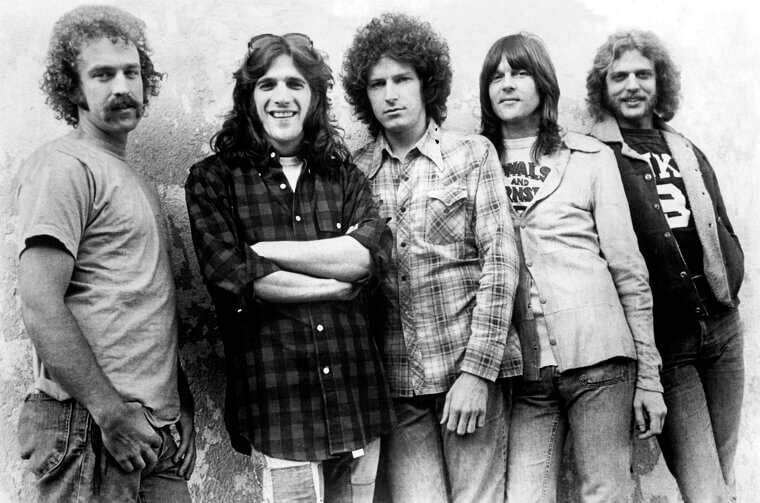
The skilled band smartly structured the musical arrangement to properly highlight the dark cautionary tale of extreme excess and the fast-paced lifestyle of the tumultuous era. The resulting, highly energetic song successfully provided a very necessary, sharp edge to their incredibly meticulously produced, massive hit album. It easily stands as a truly powerful testament to their unique ability to seamlessly transform a simple, fleeting warm-up exercise into a truly definitive cultural statement.