
Ever wonder what real-life drama fueled your favorite vintage vinyl records? We’ve rounded up unexpected stories behind the most legendary tracks that defined a generation. Turn up the volume and dive into the history below!
Ohio by Crosby, Stills, Nash & Young - The 1970 Kent State University Tragedy
On May 4, 1970, members of the Ohio National Guard fired into a crowd of unarmed college students at Kent State University in Ohio. The students had gathered to protest the United States military campaign in Cambodia, an expansion of the ongoing Vietnam War. This tragic confrontation resulted in 4 students losing their lives and 9 others sustaining injuries. The event sent shockwaves across the nation, reportedly triggering a massive student strike that closed hundreds of educational institutions. Musician Neil Young saw the photos published in a major magazine and reportedly felt compelled to respond immediately.
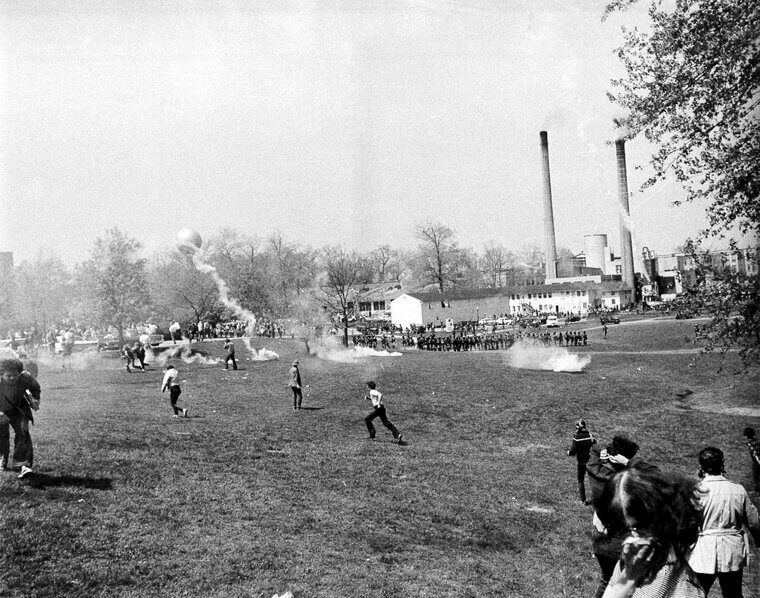
He sat down and quickly penned the lyrics to this protest anthem. The band recorded the track live in just a few takes, and the record label released it less than 3 weeks after the actual event occurred.
Smoke on the Water by Deep Purple - The 1971 Montreux Casino Fire
During December 1971, the band set up camp in Montreux, Switzerland, intending to record a new album at a local entertainment complex. While they were there, Frank Zappa and his band held a performance at the venue. Suddenly, a fan allegedly fired a flare gun into the rattan covered ceiling, igniting a massive blaze that quickly engulfed the entire structure. The musicians watched from their hotel window across Lake Geneva as the massive fire destroyed the building. A thick layer of smoke drifted across the surface of the nearby lake, creating an unforgettable visual scene.

Bass player Roger Glover woke up the next morning and uttered the famous title phrase aloud. The group then composed the iconic guitar riff and documented their harrowing experience in the memorable lyrics.
The Wreck of the Edmund Fitzgerald by Gordon Lightfoot - The 1975 Sinking of a Great Lakes Freighter
The SS Edmund Fitzgerald was a massive freighter operating on the North American Great Lakes, primarily transporting iron ore. On November 10, 1975, the vessel encountered a severe winter storm on Lake Superior, facing hurricane force winds and waves exceeding 35 feet in height. Despite the efforts of the experienced crew, the ship sank abruptly without sending a distress signal. All 29 crew members perished in the icy waters, making it the most severe maritime disaster in the recorded history of Lake Superior. The incident left coastal communities searching for answers regarding the sudden catastrophe.
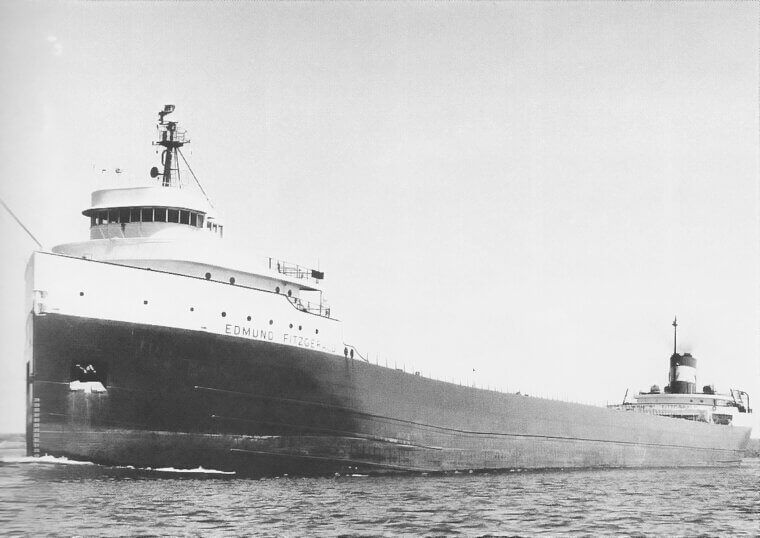
After reading a detailed news article about the maritime tragedy, the folk rock artist composed this haunting ballad. The track served as a respectful tribute to the sailors who lost their lives on that fateful November evening.
Sunday Bloody Sunday by U2 - The 1972 Bogside Incident in Northern Ireland
On January 30, 1972, British soldiers opened fire on a crowd of unarmed civil rights protesters in the Bogside area of Derry, Northern Ireland. The march had been organized to protest the government policy of interning suspected Irish nationalists without trial. The confrontation resulted in 14 civilian casualties, heightening hostilities and fueling further conflict during the era known as the Troubles. Investigations into the incident spanned decades, with subsequent inquiries revealing severe misjudgments by the military forces. The tragic event became a defining moment in modern Irish history, permanently altering the political landscape of the region.
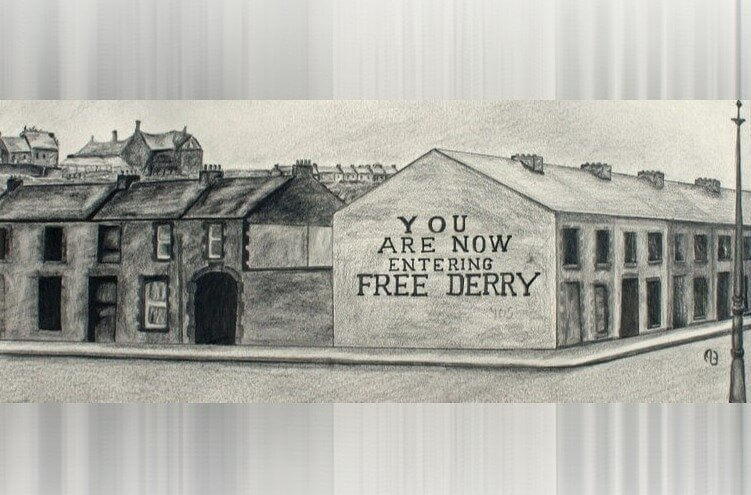
The Irish rock band channeled their frustration over the endless cycle of conflict into this powerful anthem. The drumbeat mimics a militaristic march, emphasizing the urgent call for peace and an end to the widespread sectarian divisions.
Hurricane by Bob Dylan - The 1966 Arrest of Boxer Rubin Carter
In 1966, professional middleweight boxer Rubin Carter and another man were arrested in New Jersey for a triple homicide at a local tavern. Despite numerous inconsistencies in the evidence and questionable witness testimonies, a jury convicted both men, handing them life sentences. Supporters argued that the investigation was severely flawed and tainted by racial prejudice. The athlete maintained his innocence throughout his incarceration, eventually publishing a book detailing his experiences and the perceived injustices of his trial. The case attracted significant attention from civil rights advocates who demanded a thorough review of the legal proceedings.
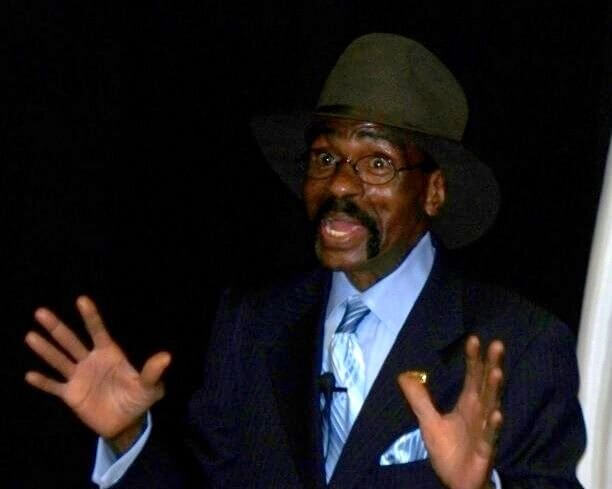
After reading the boxer's autobiography and visiting him in prison, the legendary folk singer co-wrote this sprawling narrative track. The song raised immense public awareness, though it took until 1985 for a federal judge to overturn the original convictions.
American Pie by Don McLean - The 1959 Plane Crash Taking 3 Rock Pioneers
On February 3, 1959, a small aircraft carrying musicians Buddy Holly, Ritchie Valens, and J.P. Richardson crashed in a snowy Iowa field shortly after takeoff. The performers were traveling between tour stops during a grueling winter concert schedule. All 3 artists and the pilot perished in the wreckage, abruptly ending the careers of some of early rock music's brightest rising stars. The tragedy devastated fans across the country, marking a sudden end to an era of innocence in popular culture. The incident is frequently cited as a major turning point in the history of American music.
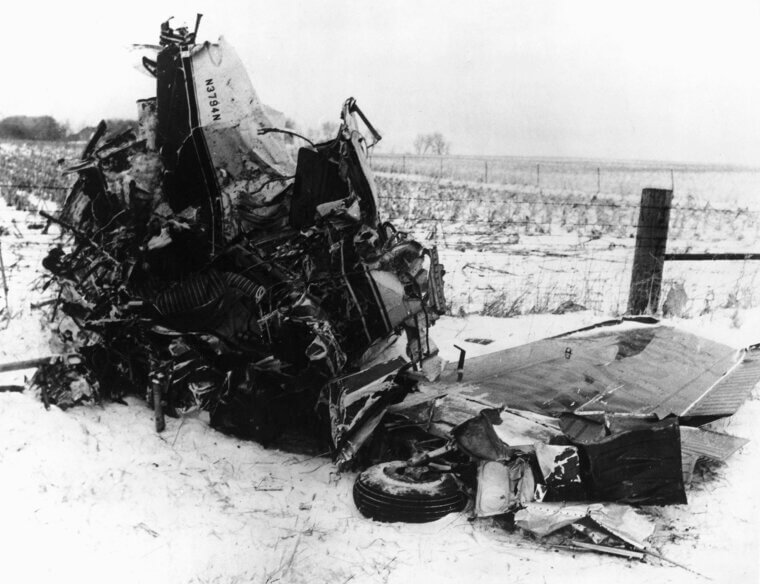
The singer songwriter famously dubbed this tragic event the day the music died in his magnum opus. The lengthy track serves as a complex allegory for the cultural shifts and loss of innocence experienced throughout the subsequent decade.
Pride (In the Name of Love) by U2 - The 1968 Loss of Martin Luther King Jr.
On April 4, 1968, civil rights leader Martin Luther King Jr. was assassinated while standing on the balcony of the Lorraine Motel in Memphis, Tennessee. He had traveled to the city to support striking sanitation workers, continuing his lifelong campaign for economic justice and racial equality. The assassination sparked widespread mourning and led to uprisings in over 100 cities across the United States. His passing deprived the civil rights movement of its most prominent voice and left a lasting void in American leadership. Decades later, his legacy of nonviolent resistance continues to influence global human rights campaigns.
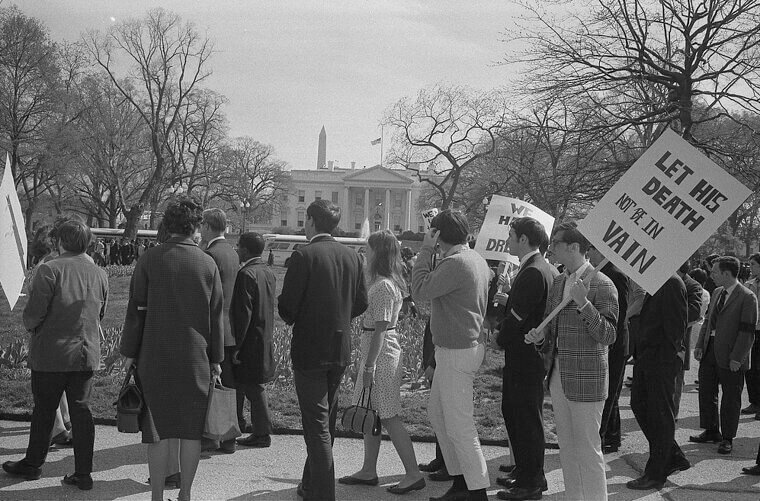
Originally intended as a critique of a former American president, the lyrics evolved into a tribute to the slain civil rights icon. The track celebrates individuals who choose paths of nonviolent resistance despite facing insurmountable opposition and personal danger.
Enola Gay by Orchestral Manoeuvres in the Dark - The 1945 Atomic Bombing of Hiroshima
On August 6, 1945, a United States military bomber dropped an atomic weapon on the Japanese city of Hiroshima. The aircraft, named after the pilot's mother, carried a payload that instantly devastated the urban center and claimed tens of thousands of lives. The catastrophic event ushered in the nuclear age and effectively hastened the end of the Second World War. The long term effects of radiation caused widespread suffering among the survivors for decades following the initial blast. The historical implications of this decision remain a subject of intense debate among scholars and military historians worldwide.
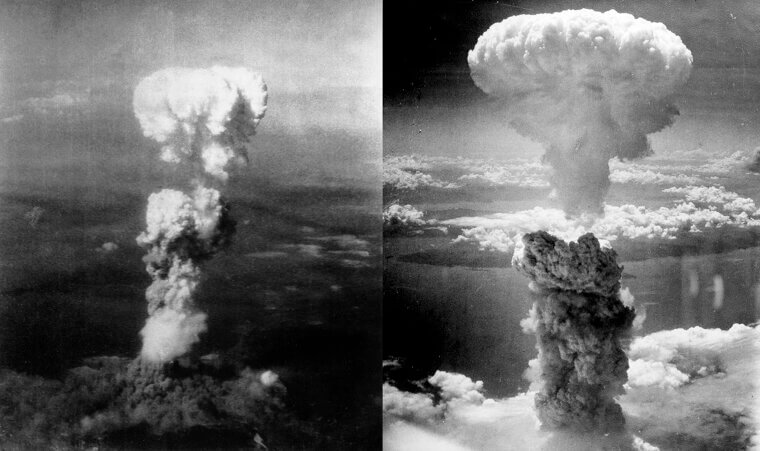
The British electronic group contrasted upbeat synthesized melodies with somber lyrics questioning the morality of the historic bombing. The song title directly references the specific airplane that carried out the mission, highlighting the lasting impact of technological warfare.
Zombie by The Cranberries - The 1993 Warrington Bombings
In March 1993, two explosive devices detonated in the commercial district of Warrington, England, an act attributed to the Provisional Irish Republican Army. The blasts claimed the lives of 2 young children and left dozens of innocent bystanders with severe injuries. The unprovoked attack caused widespread public outrage across the United Kingdom and the Republic of Ireland, leading to massive peace rallies. Citizens from all walks of life demanded an immediate end to the paramilitary campaigns that had plagued the region for decades. The tragedy highlighted the devastating toll that the ongoing political conflict took on civilian populations.

Lead singer Dolores O'Riordan channeled her anger and sorrow into writing this heavy, grunge inspired rock track. The passionate vocal delivery condemns the seemingly endless cycle of generational trauma and the destructive nature of the lingering political conflicts.
Gimme Shelter by The Rolling Stones - The 1969 Turmoil and Altamont Free Concert
The late 1960s were marked by widespread social upheaval, international conflicts, and significant cultural shifts across Western societies. As the Vietnam War escalated and protests grew more intense, a general sense of unease permeated the public consciousness. This era of tension culminated for many at the Altamont Free Concert in December 1969, an event marred by fatal clashes and poor organization. The festival, originally envisioned as a peaceful gathering, devolved into chaos, symbolizing the darker realities of the counterculture movement. The widespread disillusionment felt during this period profoundly influenced the artistic output of many contemporary musicians.
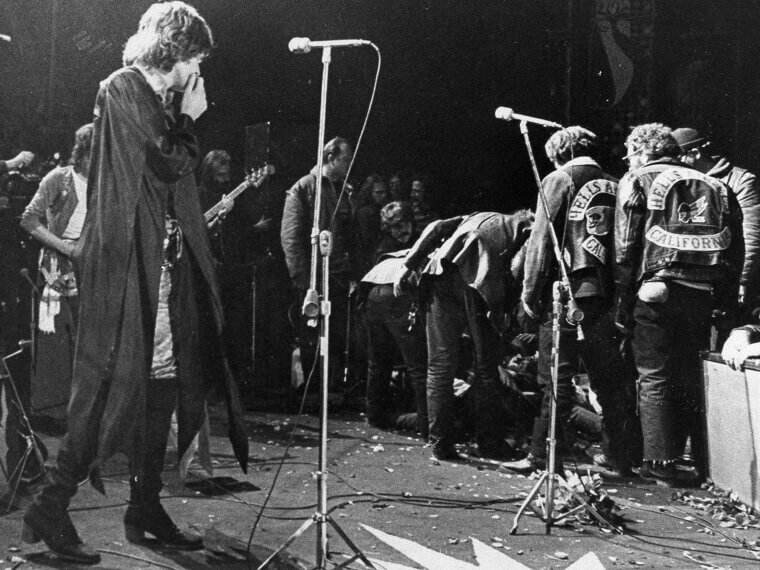
The iconic British band captured this pervasive atmosphere of dread and impending doom in their classic track. The haunting guest vocals by Merry Clayton elevate the urgency of the lyrics, reflecting a desperate plea for safety amidst societal collapse.
For What It's Worth by Buffalo Springfield - The 1966 Sunset Strip Curfew Clashes
In late 1966, local authorities in Los Angeles implemented strict curfews to curb traffic congestion and noise around the vibrant Sunset Strip. Young music fans, feeling unfairly targeted and restricted from accessing their favorite clubs, gathered in large numbers to protest the new ordinances. The peaceful demonstrations soon escalated into clashes with law enforcement, resulting in numerous arrests and heightened tensions between the youth and city officials. These skirmishes highlighted a growing generational divide and a rising culture of youth activism in California. The events served as a microcosm for the larger societal shifts occurring across the nation.
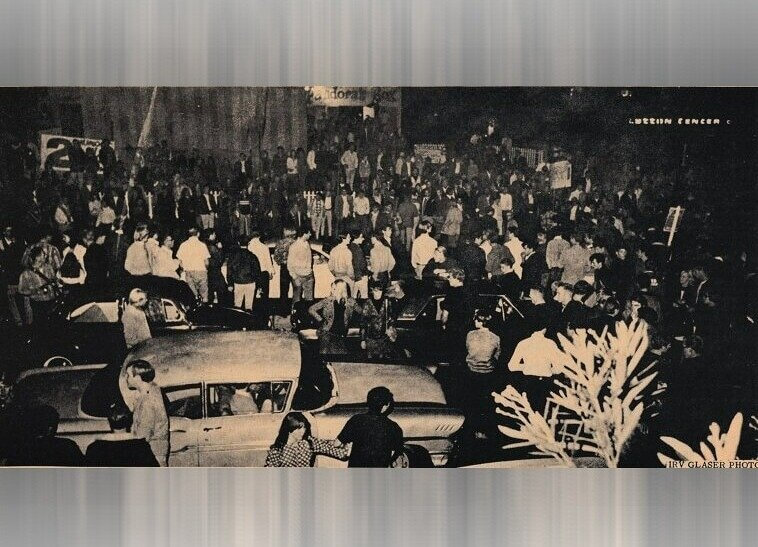
Stephen Stills observed the unrest from a distance and quickly composed this enduring track. Although often mistaken for an anti-war anthem, the song was directly inspired by the local confrontations over civil liberties in his own neighborhood.
Fortunate Son by Creedence Clearwater Revival - The 1968 Vietnam War Draft Controversies
During the height of the Vietnam War, the United States utilized a conscription system that many citizens viewed as fundamentally unfair. Wealthy or well connected individuals often secured deferments by enrolling in higher education or obtaining medical exemptions, while working class youths were sent to the front lines. The marriage of former President Dwight Eisenhower's grandson to the daughter of Richard Nixon in 1968 further highlighted the divide between the political elite and ordinary citizens. This systemic inequality bred massive resentment among communities that bore the brunt of the military casualties. Protests against the draft system became a central pillar of the anti-war movement.
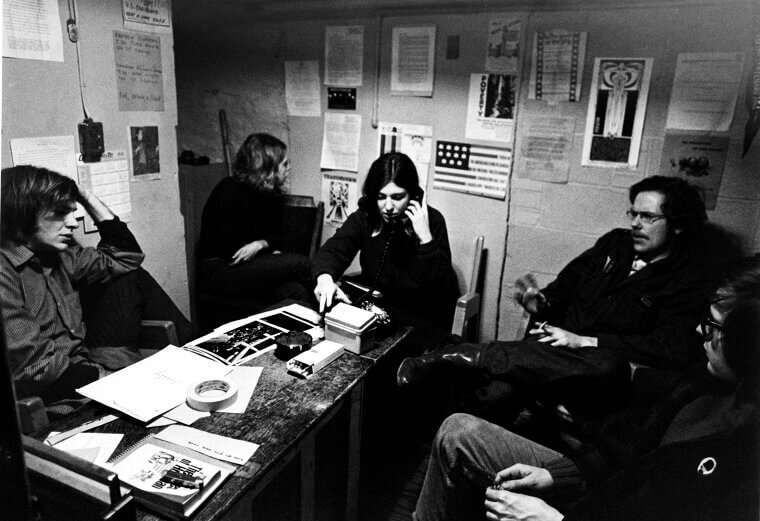
John Fogerty channeled his frustration regarding class privilege into this aggressive, swamp rock masterpiece. The lyrics explicitly criticize the politicians and military leaders who declare conflicts but rely on the working class to fight their battles.
Born in the U.S.A. by Bruce Springsteen - The Struggles of Returning Vietnam Veterans in the 1980s
Following the conclusion of the Vietnam conflict, thousands of American service members returned home to face a complex and often hostile environment. Unlike previous generations of veterans, they received little public celebration and frequently struggled to reintegrate into a society plagued by economic downturns. Many dealt with severe physical injuries, psychological trauma, and a stark lack of adequate government support or employment opportunities. Industrial towns across the country witnessed a steady decline in manufacturing jobs, further exacerbating the challenges faced by the returning soldiers. The lingering effects of the war left a profound impact on a generation of working class citizens.
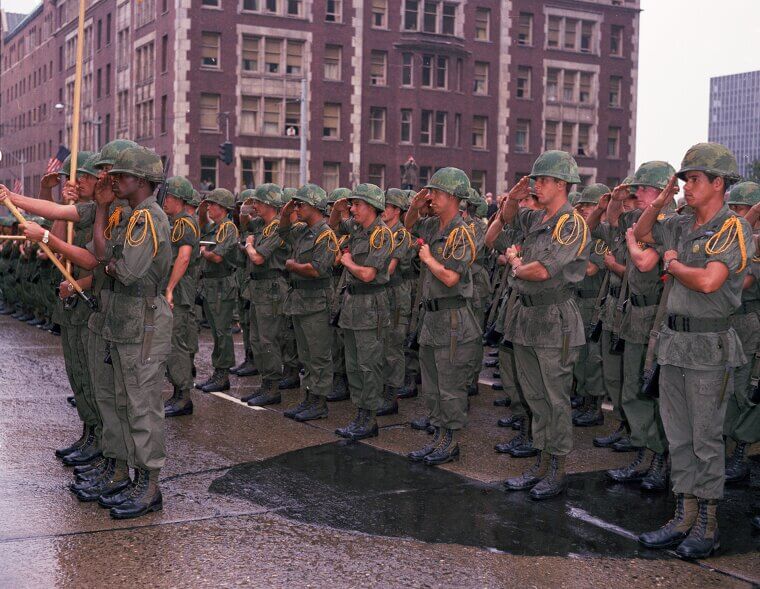
Often misinterpreted as a blind patriotic anthem, this legendary track is actually a harsh critique of the government's treatment of its veterans. The driving synthesizer melody masks a bleak narrative about a soldier discarded by the system.
Chicago by Graham Nash - The 1968 Democratic National Convention Clashes
The 1968 Democratic National Convention in Illinois became the site of massive protests and subsequent clashes between demonstrators and local police. Thousands of activists had gathered to voice their opposition to the ongoing Vietnam policies and demand a shift in the political establishment. Law enforcement officers, allegedly acting under strict orders from the mayor, utilized aggressive tactics to disperse the crowds, resulting in hundreds of injuries. The ensuing legal proceedings against the protest organizers, known as the Chicago Seven, captivated the nation and highlighted severe divisions within the justice system. The chaotic events severely damaged public trust in governmental institutions.
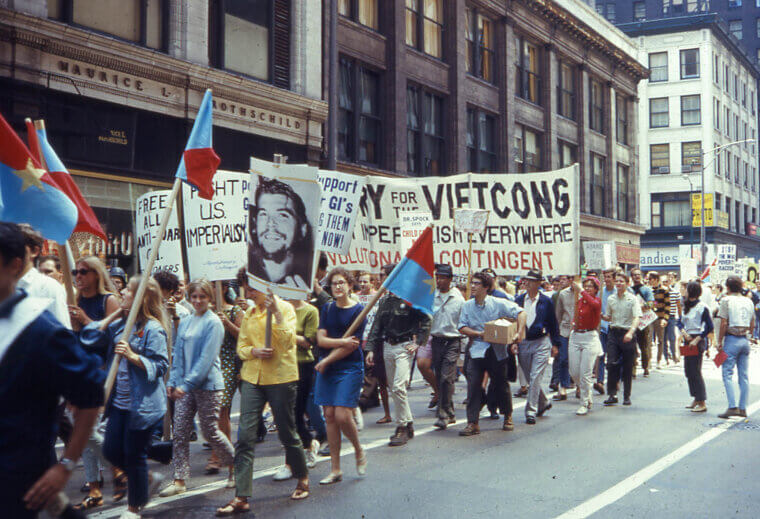
The British singer songwriter penned this track as an urgent plea to his bandmates to visit the city and support the defendants. The lyrics encourage political engagement and unity in the face of perceived government overreach and injustice.
Abraham, Martin and John by Dion - The Tragic Losses of 4 American Leaders in the 1960s
The 1960s proved to be a tumultuous decade for American politics, marked by the targeted killings of several prominent national figures. The country grieved the losses of President John F. Kennedy in 1963, civil rights leader Martin Luther King Jr. in April 1968, and Senator Robert F. Kennedy just 2 months later. These successive tragedies deeply traumatized the nation, leaving citizens feeling disillusioned and uncertain about the future of social progress. The parallels drawn between these modern leaders and the historic loss of Abraham Lincoln underscored a recurring pattern of political turbulence. The collective grief significantly altered the trajectory of the civil rights and anti-war movements.
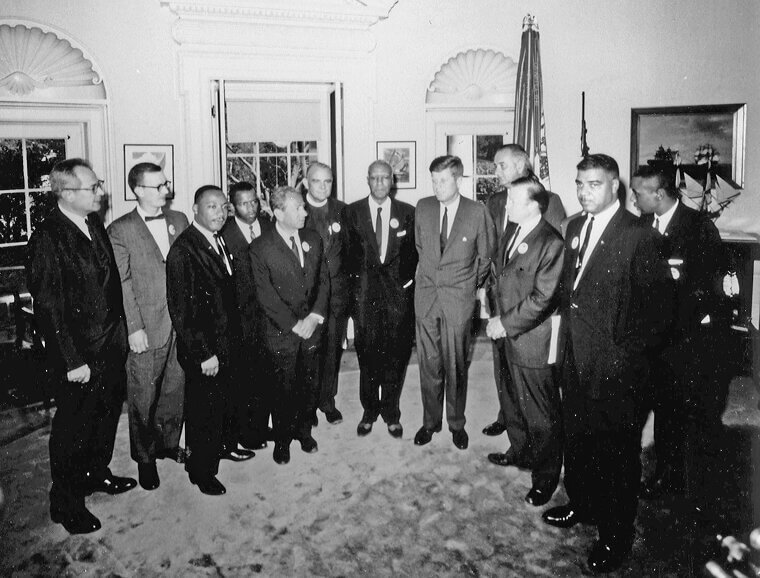
Written by Dick Holler and popularized by a famous pop artist, this gentle ballad reflects on the shared visions of the fallen leaders. The poignant melody captures the collective sorrow of a generation grappling with profound loss.
The Night They Drove Old Dixie Down by The Band - The 1865 Fall of Richmond Virginia
In the final stages of the American Civil War during 1865, the Confederate capital of Richmond, Virginia, finally fell to Union forces. The surrounding campaigns severely depleted the local resources, cutting off vital supply lines and leaving the regional infrastructure in ruins. Southern civilians faced immense hardship as their agricultural systems collapsed and starvation became a widespread reality. The ultimate surrender at Appomattox Court House officially ended the large scale military operations, concluding years of devastating conflict. The subsequent reconstruction era brought massive societal changes and lingering resentment among the rural populations across the southern states.
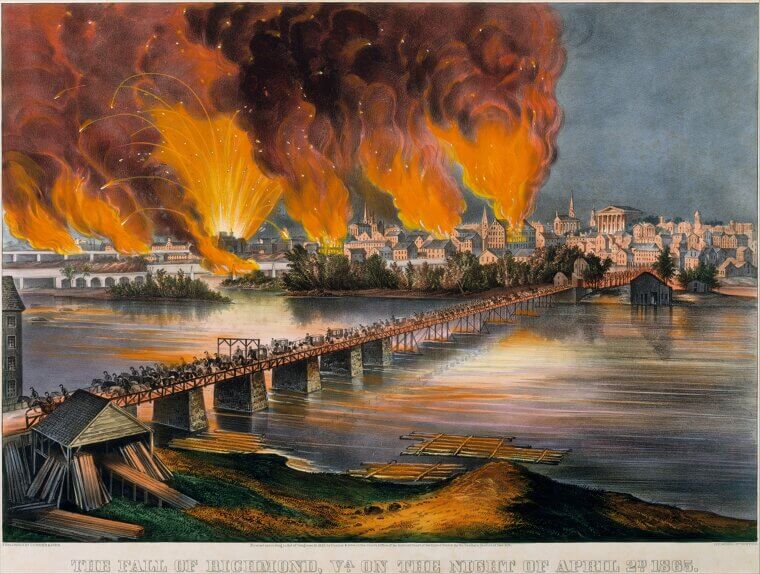
Robbie Robertson crafted this historical narrative from the perspective of a fictional southern farmer struggling through the final days of the war. The authentic storytelling and acoustic instrumentation helped cement the group's reputation as pioneers of the Americana genre.
Spanish Bombs by The Clash - The 1930s Spanish Civil War Conflict
Between 1936 and 1939, Spain was engulfed in a brutal civil war fought between the Republican government forces and the Nationalist faction. The conflict drew international attention, with various foreign powers intervening and supplying weapons to their preferred sides. Urban centers suffered heavy aerial bombardments, most notably the devastating attack on the town of Guernica, which caused immense civilian casualties. The struggle became a broader ideological battleground, pitting anti-fascist volunteers from around the world against entrenched conservative military forces. The eventual Nationalist victory led to a decades long dictatorship that heavily suppressed political opposition and cultural expression.
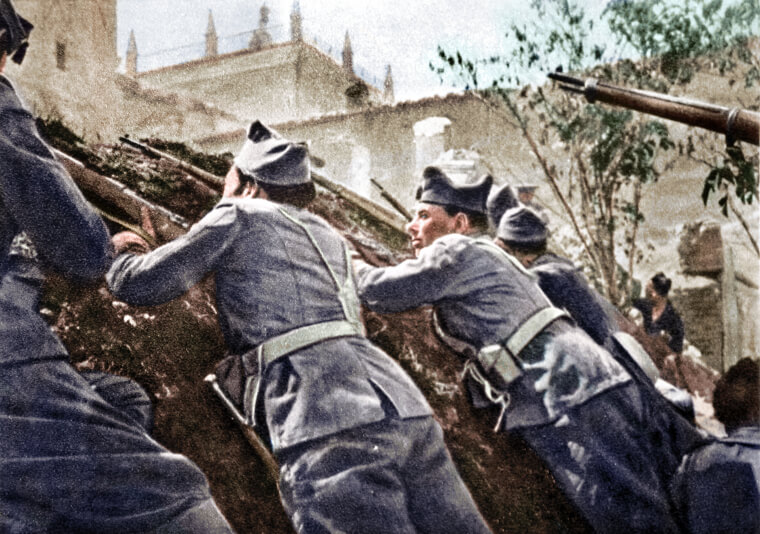
Joe Strummer drew parallels between the historic European conflict and modern instances of political unrest occurring during the late 1970s. The punk rock track features a mix of English and Spanish lyrics, praising the bravery of the historical resistance fighters.
London Calling by The Clash - The 1979 Three Mile Island Nuclear Accident
In March 1979, the United States experienced its most significant commercial nuclear power plant accident at a facility in Pennsylvania. A combination of equipment malfunctions, design related problems, and worker errors led to a partial meltdown of the reactor core. The incident resulted in the release of radioactive gases into the atmosphere, prompting widespread panic and emergency evacuations in the surrounding communities. Although major health consequences were reportedly averted, the event drastically reduced public support for the expansion of nuclear energy worldwide. Regulatory agencies responded by implementing much stricter safety protocols across the entire industry.
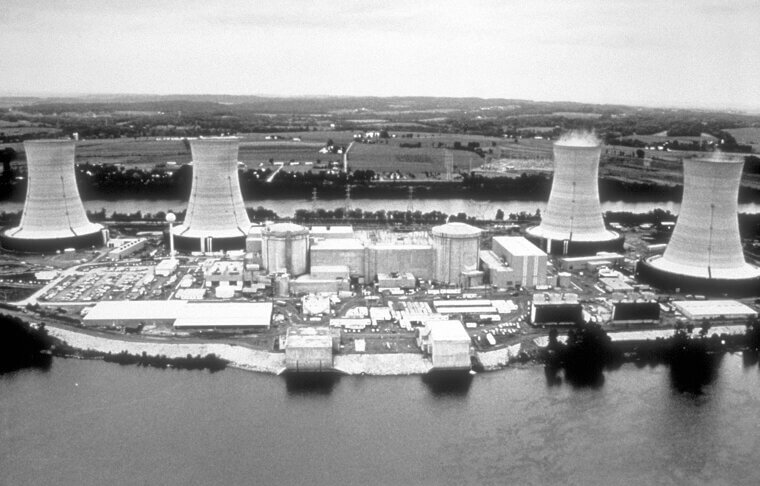
The apocalyptic title track from the band's landmark album references the nuclear mishap among a litany of other modern anxieties. The driving rhythm and urgent vocals perfectly capture the paranoia and existential dread prevalent at the end of the decade.
New Year's Day by U2 - The 1981 Polish Solidarity Movement
In December 1981, the government of Poland enacted martial law in an attempt to crush political opposition and suppress the independent trade union known as Solidarity. Authorities arrested thousands of activists, restricted travel, and heavily censored communication networks across the nation. The leader of the labor movement, Lech Walesa, was interned along with many of his prominent supporters, sparking international condemnation. Citizens faced harsh curfews and severe economic shortages during this oppressive period, yet the spirit of resistance remained unbroken. The ongoing struggle of the Polish workers became a global symbol of the fight against authoritarian regimes.
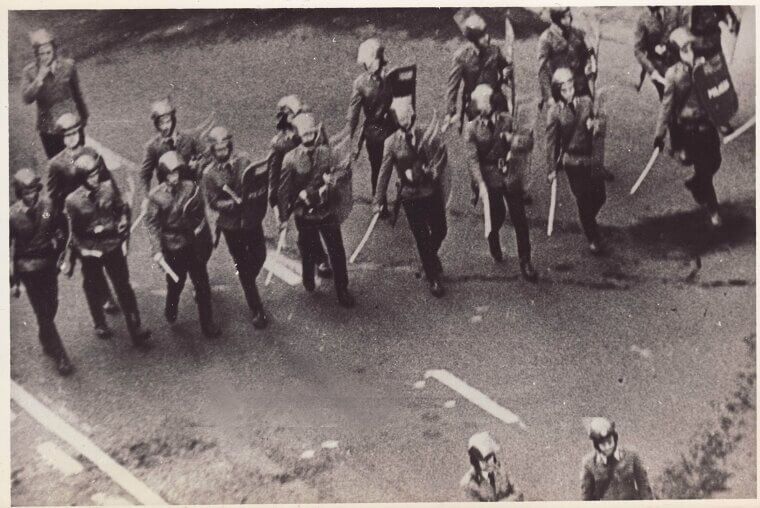
Bono originally started writing the lyrics as a love song to his wife, but the narrative shifted after he viewed footage of the European labor protests. The track became the band's first major international hit, showcasing their trademark atmospheric guitar sound.
Biko by Peter Gabriel - The 1977 Passing of Activist Steve Biko
During the peak of the Apartheid regime in South Africa, a prominent anti-apartheid activist named Steve Biko was arrested by state police in 1977. While in custody, he was reportedly subjected to severe interrogations and sustained massive head injuries. Authorities then transported him nearly 700 miles in the back of a vehicle without medical assistance, leading to his tragic passing shortly after arriving at a prison hospital. The government initially claimed his death resulted from a hunger strike, a narrative quickly debunked by investigative journalists. The incident sparked immense international outrage and drew massive global attention to the oppressive governmental policies.
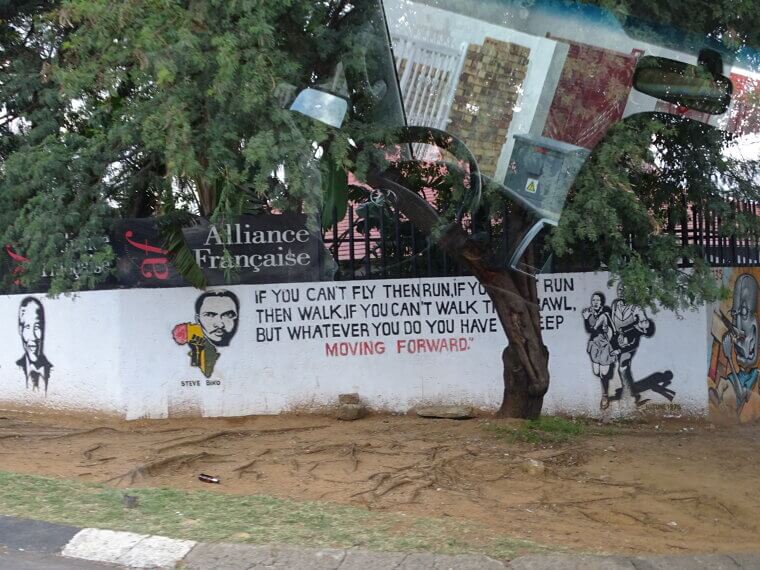
The former Genesis frontman composed this haunting tribute after hearing about the activist's untimely death on the news. The track features a powerful, repetitive drum rhythm and incorporates traditional African vocal chants to honor the fallen leader.
Empty Garden (Hey Hey Johnny) by Elton John - The 1980 Loss of Musician John Lennon
On the evening of December 8, 1980, former Beatles member John Lennon was tragically shot and killed outside his residential building in New York City. The acclaimed musician was returning home from a recording studio session with his wife when an obsessed fan approached him. The sudden and senseless act of violence sent shockwaves around the globe, prompting millions of fans to hold impromptu vigils. The loss of such a prominent advocate for peace and artistic innovation deeply affected the international music community. Colleagues and admirers spent years grappling with the immense void left by his sudden departure.
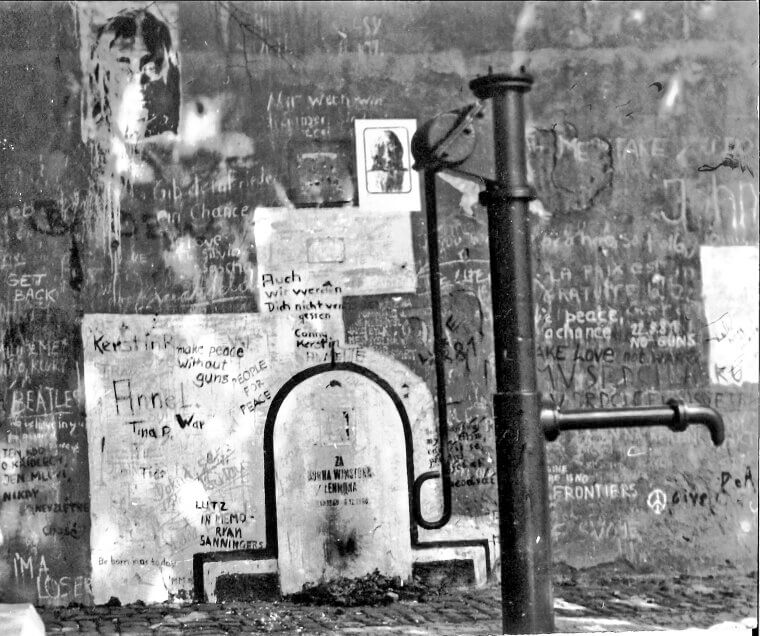
Working with his longtime lyricist Bernie Taupin, the legendary piano player crafted this emotional tribute to his close friend. The lyrics use the metaphor of a neglected landscape to convey the profound sense of absence felt by his peers.
The Lonesome Death of Hattie Carroll by Bob Dylan - The 1963 Sentencing of William Zantzinger
In February 1963, a wealthy young tobacco farmer attended a formal social gathering at a prominent hotel in Baltimore, Maryland. During the event, he reportedly acted belligerently and struck a 51 year old hotel barmaid with a cane after demanding faster service. The woman, who suffered from preexisting health conditions, tragically passed away the following day due to complications related to the assault. Despite the severity of the incident, a panel of judges ultimately convicted the assailant of a lesser charge and handed down a mere 6 month sentence. The lenient punishment sparked outrage among civil rights advocates who pointed to systemic racial disparities in the justice system.
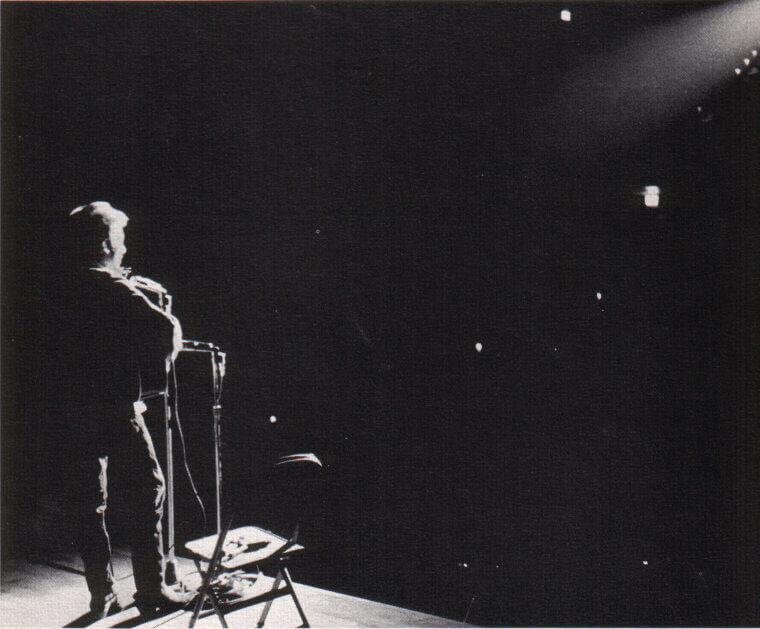
The folk icon penned this journalistic acoustic track to document the glaring inequalities within the American legal system. The repetitive chorus emphasizes the tragic irony of the light sentence handed to the wealthy perpetrator.
Cortez the Killer by Neil Young - The 1521 Fall of the Aztec Empire
In the early 16th century, Spanish explorer Hernan Cortes led an expedition that eventually caused the complete collapse of the powerful Aztec Empire in modern day Mexico. The European forces utilized advanced weaponry, forged alliances with rival indigenous groups, and inadvertently introduced devastating diseases like smallpox to the local populations. The campaign resulted in the destruction of the magnificent capital city of Tenochtitlan and the massive subjugation of the native inhabitants. The wealth extracted from the conquered territories significantly enriched the Spanish crown while decimating a complex and ancient civilization. The historical consequences of this conquest permanently altered the cultural landscape of the Americas.
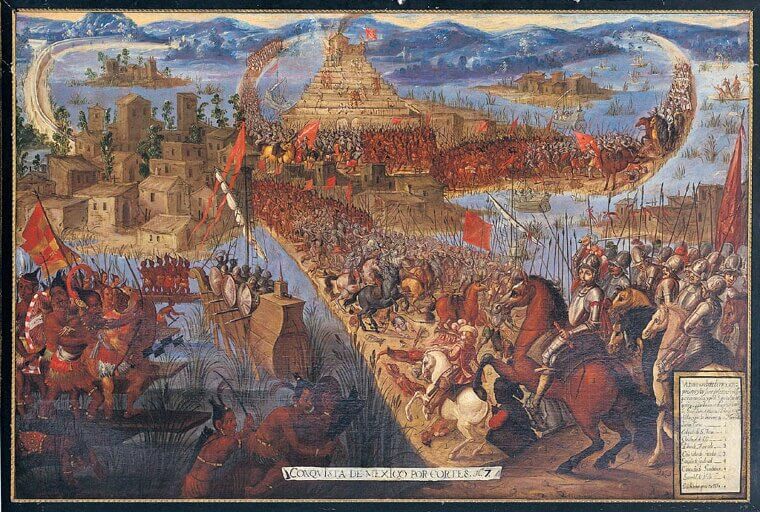
The Canadian rocker utilized sprawling, distorted guitar solos to musically represent the epic and tragic scale of the historical conquest. The lyrics romanticize the indigenous civilization while painting a bleak picture of the ruthless European explorers.
Mothers of the Disappeared by U2 - The 1976 Events in Argentina Involving Political Prisoners
Following a military coup in 1976, the ruling junta in Argentina initiated a brutal campaign known as the Dirty War to eliminate political dissent. Over the course of 7 years, state security forces secretly abducted, tortured, and killed an estimated 30,000 citizens suspected of left wing sympathies. The victims were taken from their homes or workplaces in the middle of the night and simply vanished without official records. In response, a brave group of women known as the Madres de Plaza de Mayo began holding weekly marches in the capital to demand information about their missing children. Their peaceful protests brought crucial international attention to the massive human rights violations.
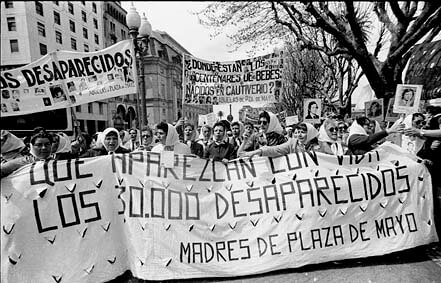
Inspired by a trip to Central America, the band's frontman wrote this somber closing track to highlight the ongoing struggles of the grieving families. The minimalist musical arrangement emphasizes the sorrowful themes of loss and political repression.
Bullet the Blue Sky by U2 - The 1980s United States Intervention in El Salvador
During the 1980s, the Central American nation of El Salvador was engulfed in a vicious civil war between the military led government and a coalition of left wing guerrilla groups. The conflict was characterized by extreme brutality, including the widespread use of death squads that targeted civilians, religious leaders, and political activists. Fearing the spread of communism in the region, the United States government provided massive financial and military assistance to the Salvadoran authorities. Critics vehemently opposed this foreign policy, pointing to the horrific human rights abuses committed by the foreign military forces using American funded weaponry. The lengthy conflict displaced hundreds of thousands of citizens.
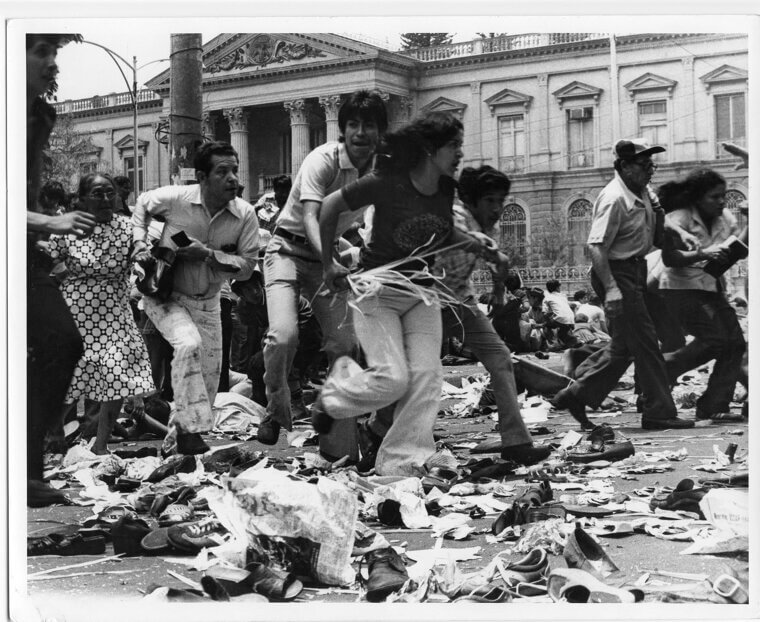
After witnessing the military operations firsthand during a visit to the region, Bono instructed his guitarist to create a sound mimicking fighter jets. The resulting track features a blistering rhythm section and spoken word passages condemning the aggressive foreign interventions.
Miss Sarajevo by U2 - The 1993 Siege During the Bosnian War
Beginning in 1992, the capital city of Bosnia and Herzegovina endured the longest siege in modern military history, lasting nearly 4 years. Forces surrounding the city cut off essential supplies, electricity, and water, subjecting the residents to constant artillery bombardment and sniper fire. Amidst the daily terror and immense destruction, the citizens resiliently attempted to maintain a semblance of normal life by organizing underground concerts and cultural events. In 1993, a local beauty pageant was held in a basement venue, where the contestants famously held up a banner asking the international community to prevent their destruction. The surreal event highlighted the absurdity of the conflict.
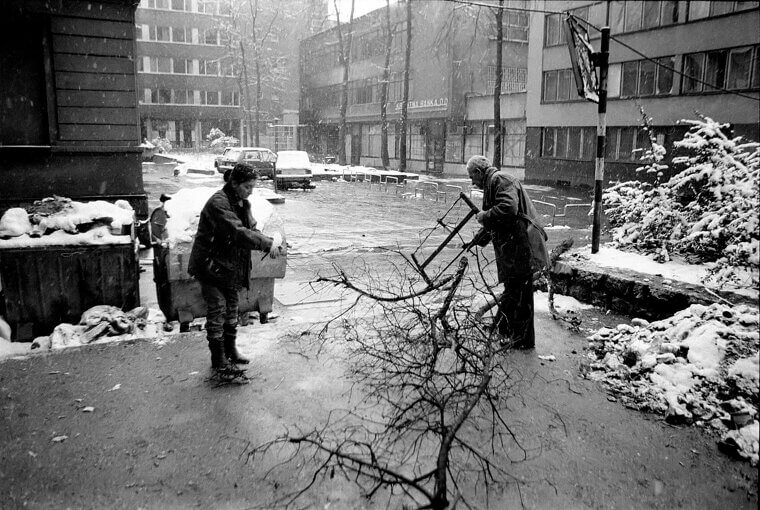
Collaborating with renowned opera singer Luciano Pavarotti, the band released this soaring track under a different project name. The accompanying documentary footage brought the plight of the besieged citizens directly to an international audience.
Russians by Sting - The 1980s Cold War Tensions Between Superpowers
During the mid 1980s, diplomatic relations between the United States and the Soviet Union reached a precarious low point, fueled by aggressive political rhetoric and an escalating nuclear arms race. Citizens across the globe lived under the constant, looming threat of mutually assured destruction, creating a pervasive atmosphere of geopolitical anxiety. Both superpowers engaged in massive proxy conflicts and expanded their vast military arsenals, terrifying populations on both sides of the Iron Curtain. Despite the ideological differences promoted by the respective governments, ordinary people globally shared a universal desire for peace and survival. The era required delicate diplomatic maneuvering to prevent a catastrophic global war.
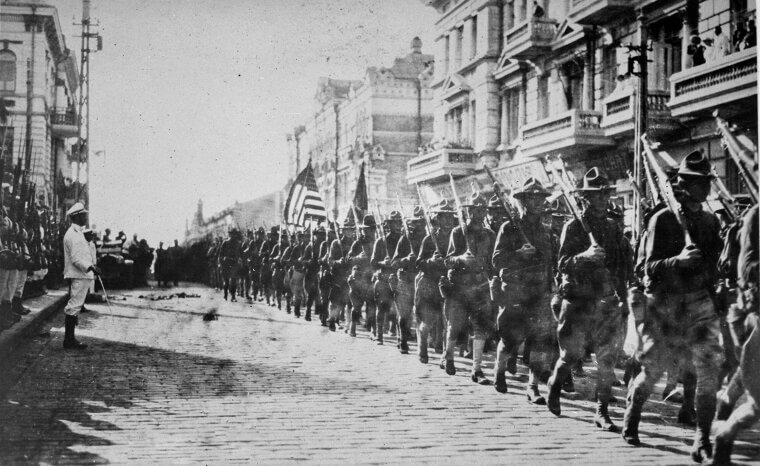
The acclaimed solo artist incorporated a classical melody from a Russian composer to underscore his plea for international deescalation. The lyrics poignantly argue that the shared love for children is the only thing that can save humanity from total annihilation.
They Dance Alone by Sting - The 1970s Disappearances Under the Pinochet Regime in Chile
In 1973, a military coup in Chile ousted the democratically elected government, installing General Augusto Pinochet as the supreme authoritarian leader. His regime immediately implemented severe repressive measures, detaining, torturing, and disappearing thousands of political opponents, union leaders, and ordinary civilians. The families of the missing victims faced strict censorship and the constant threat of violent retaliation if they spoke out against the military authorities. In a powerful display of silent protest, female relatives would pin photographs of their missing loved ones to their clothing and dance the traditional cueca alone in public squares. This poignant gesture drew global awareness to the ongoing atrocities.
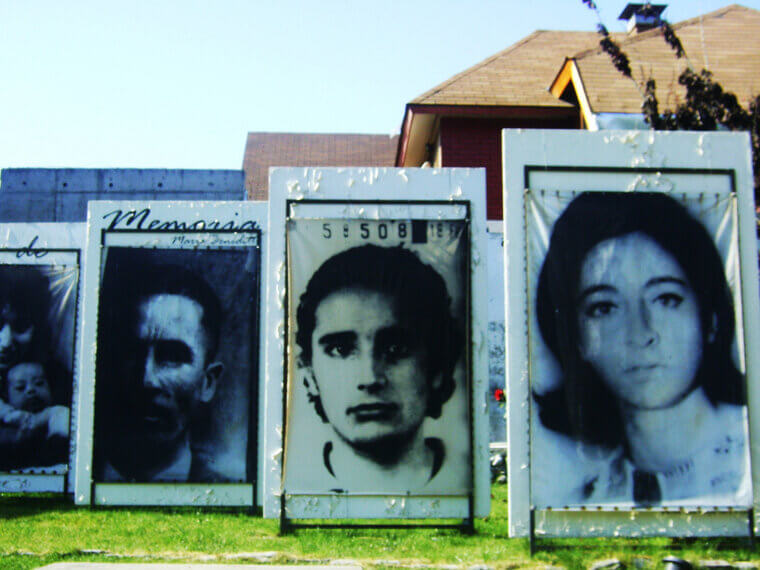
Moved by the bravery of the Chilean women, the British musician composed this beautiful yet sorrowful tribute. The track features acoustic guitars and a gentle rhythm, providing a respectful backdrop to the tragic narrative of political suppression.
Allentown by Billy Joel - The 1980s Decline of the American Manufacturing Industry
Throughout the late 1970s and early 1980s, the United States experienced a massive shift in its economic landscape, heavily impacting traditional industrial regions. Cities in states like Pennsylvania, which had thrived for generations on steel production and coal mining, faced sudden and massive factory closures. Working class families lost their primary sources of income as large corporations relocated their manufacturing operations to cheaper overseas markets. The rapid deindustrialization shattered local economies, leading to soaring unemployment rates and widespread disillusionment among blue collar workers who felt abandoned by the system. The era marked the painful transition of the region into what became known as the Rust Belt.
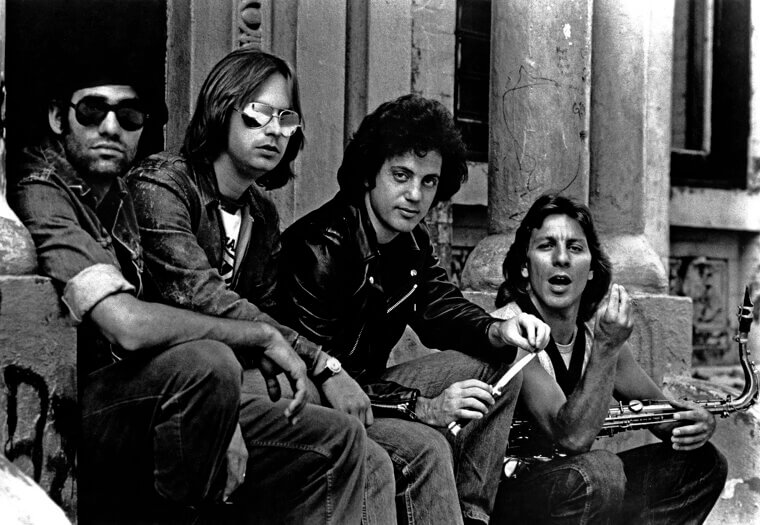
The famous piano man perfectly captured the frustration of the American working class in this upbeat but lyrically cynical pop rock hit. The use of industrial sound effects in the rhythm track highlights the mechanical nature of the fading factory towns.
Goodnight Saigon by Billy Joel - The 1960s Combat Experiences of United States Marines in Vietnam
The Vietnam War subjected American military personnel to unprecedented combat conditions, characterized by dense jungle environments and unconventional guerrilla warfare tactics. Young recruits, many of whom were drafted straight out of high school, were thrust into a confusing and highly dangerous theater of operations. The troops faced constant threats from hidden traps, ambushes, and challenging weather, fostering a profound sense of camaraderie and shared trauma among the units. Upon finishing their tours of duty, the soldiers returned to a deeply divided nation that offered them very little emotional support. The psychological toll of the conflict affected the veterans for the remainder of their lives.
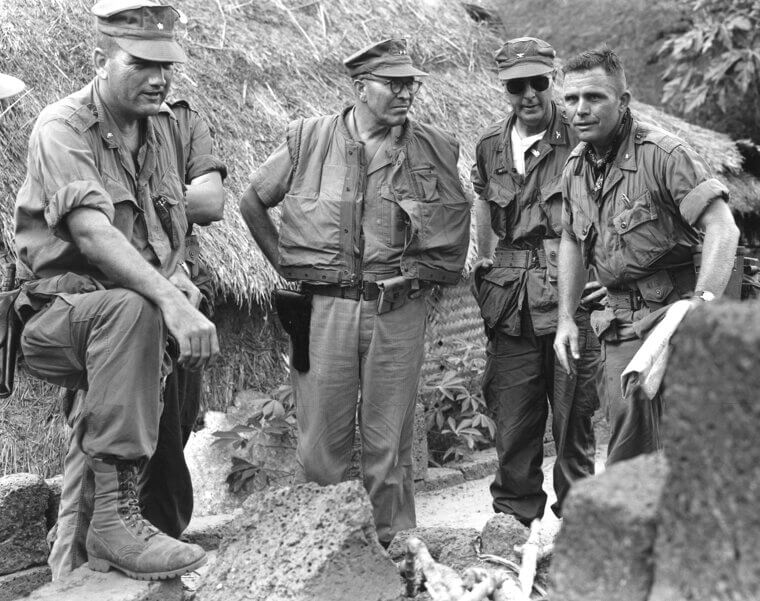
Drawing on the personal stories of his friends who served overseas, the songwriter crafted this intense, cinematic track. The repetitive chorus of the song highlights the unbreakable bonds forged between the young soldiers during their harrowing tours of duty.
Leningrad by Billy Joel - The Decades Long Cold War Divide Between East and West
Following the conclusion of the Second World War, an ideological and political barrier known as the Iron Curtain divided the European continent for over 4 decades. This separation bred intense mutual suspicion and massive propaganda campaigns, convincing citizens in the West and the Soviet Union to view each other as inherent enemies. Travel restrictions and strict censorship prevented ordinary people from understanding the daily lives and common struggles of those living on the opposing side. It was not until the cultural exchanges of the late 1980s that these rigid misconceptions began to slowly break down. The eventual collapse of the Soviet structures allowed for renewed human connections.
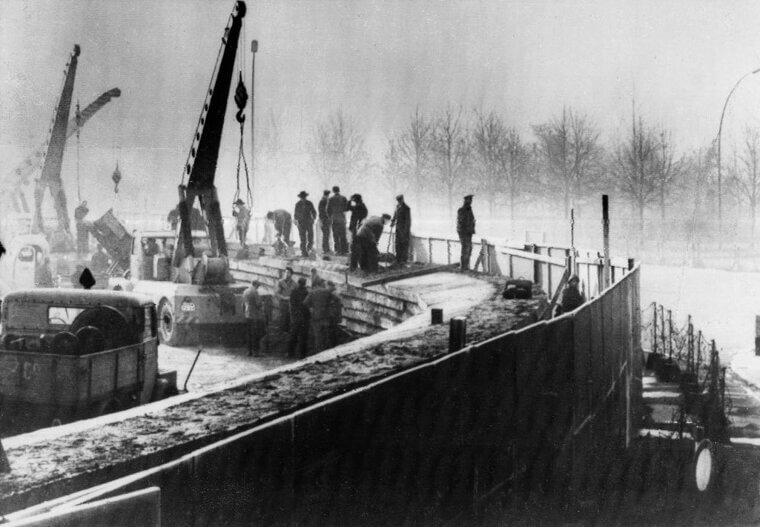
Inspired by a chance meeting with a Russian circus performer during his historic 1987 Soviet tour, the artist penned this biographical ballad. The lyrics skillfully contrast his own American upbringing with the difficult childhood of his new foreign friend.
Let Him Dangle by Elvis Costello - The 1953 Execution of Derek Bentley in the United Kingdom
In 1952, two young men were involved in a botched burglary in London that resulted in the fatal shooting of a police officer. The shooter was a minor, meaning he could not legally face the ultimate punishment, leaving his 19 year old accomplice, Derek Bentley, to face the harshest legal consequences. Bentley, who reportedly possessed significant cognitive impairments, was convicted of murder based largely on a highly disputed phrase he allegedly shouted during the confrontation. Despite widespread public appeals for clemency and severe doubts regarding his mental capacity, the authorities proceeded with his execution in early 1953. The controversial case heavily influenced the eventual abolition of the practice in Britain.
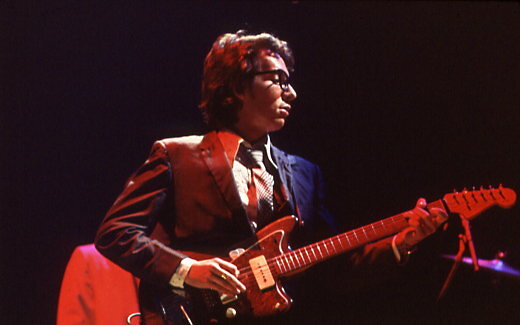
The outspoken British rocker used this historical miscarriage of justice to construct a fierce argument against capital punishment. The track features a relentless, driving rhythm that mirrors the unstoppable and flawed machinery of the historical legal system.
Oliver's Army by Elvis Costello - The 1970s Conflicts Involving British Forces Globally
During the 1970s, the United Kingdom deployed significant military forces to various global hotspots, most notably to Northern Ireland during the height of the Troubles. The government frequently recruited young men from economically disadvantaged areas, placing them on the front lines of complex and highly dangerous political conflicts. The presence of heavily armed troops in civilian neighborhoods exacerbated tensions and led to decades of sustained violence. Critics argued that the military policies effectively exploited working class youths to maintain controversial geopolitical strategies. The pervasive nature of these ongoing conflicts deeply influenced the cultural and political discourse across the entire nation.
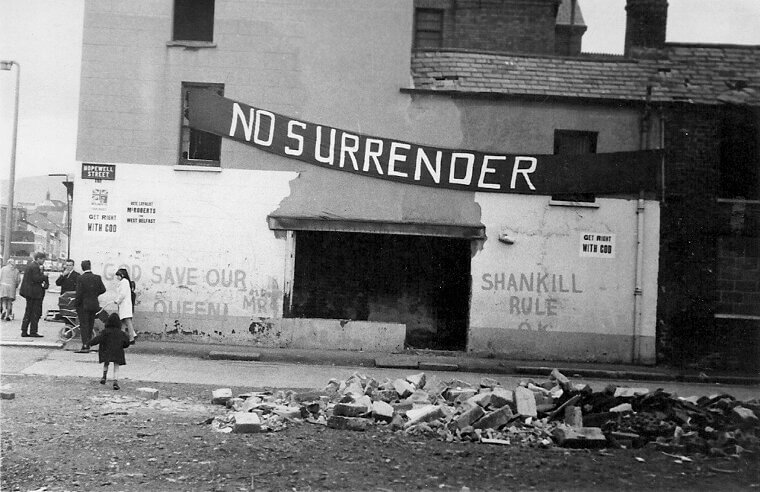
Contrasting a cheerful, piano driven pop melody with deeply cynical lyrics, the artist created one of his most successful international hits. The song criticizes the long history of imperialism and the systemic exploitation of lower class youths for military gain.
Black Day in July by Gordon Lightfoot - The 1967 12th Street Riot in Detroit Michigan
In July 1967, a police raid on an unlicensed weekend social club in Detroit rapidly escalated into one of the most destructive urban uprisings in United States history. Years of systemic inequality, police brutality, and severe housing discrimination had created a volatile atmosphere within the city's marginalized neighborhoods. The unrest lasted for 5 days, resulting in 43 fatalities, thousands of injuries, and the complete destruction of over 2000 commercial and residential buildings. Local authorities were quickly overwhelmed, requiring the deployment of the National Guard and federal troops to eventually restore order. The catastrophic event drastically altered the demographic and economic future of the major industrial hub.

The Canadian folk artist watched the tragic events unfold on television and quickly penned this somber, journalistic account of the riots. Radio stations in America reportedly banned the track, fearing it might incite further violence in other volatile cities.
Cry Freedom by Dave Matthews Band - The 1970s Struggle Against Apartheid in South Africa
For decades, the government of South Africa enforced a strict system of institutionalized racial segregation and discrimination known globally as Apartheid. The oppressive policies completely disenfranchised the majority Black population, denying them basic civil rights, dictating where they could live, and severely restricting their economic opportunities. Throughout the 1970s and 1980s, the resistance movement gained massive momentum despite facing brutal crackdowns, imprisonments, and targeted killings by the state security apparatus. International activists organized massive boycotts and widespread divestment campaigns to financially pressure the regime into abandoning its racist foundations. The relentless struggle eventually paved the way for democratic elections and societal reform in the 1990s.
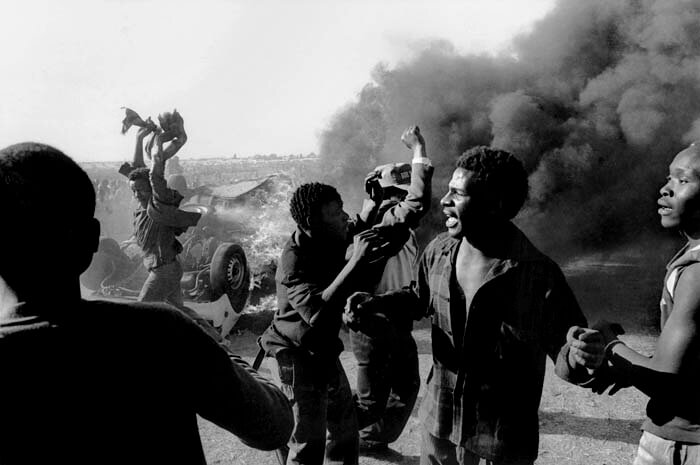
Although recorded slightly later, the acoustic driven track was heavily inspired by the historical struggles of the South African resistance leaders. The lyrics serve as a poignant meditation on the enduring human spirit in the face of systemic oppression.