
Ever wondered about the real-life romances and fascinating human stories that inspired classic rock's timeless anthems? From high-fashion muses to quiet backstage connections, these iconic figures shaped music history forever. Dive in now to discover the true muses behind the hits!
Eric Clapton's Wild Love For Pattie Boyd Inspired Derek and the Dominos' "Layla"
Pattie Boyd is arguably the most legendary muse in classic rock history, inspiring some of the greatest love songs ever recorded. As a top fashion model in swinging London, she initially captured the heart of Beatles guitarist George Harrison, reportedly inspiring their iconic ballad "Something." However, Harrison’s close friend Eric Clapton also fell deeply in love with Boyd. His intense, unrequited longing for her allegedly inspired him to write the monumental rock masterpiece "Layla" with his group, Derek and the Dominos.
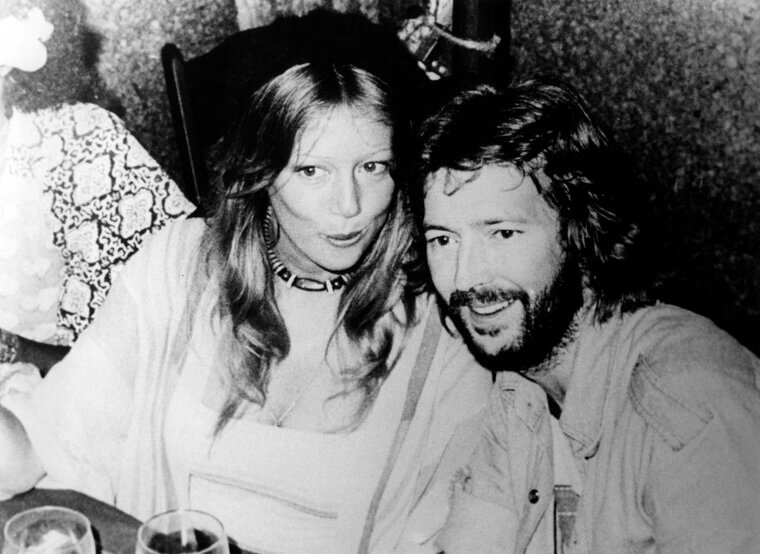
Boyd and Clapton eventually married years later, and her enduring charm went on to inspire yet another timeless solo hit for Clapton, "Wonderful Tonight." Her unique place in rock lore remains entirely unmatched to this day.
Doug Fieger's Intense Passion For Teenager Sharona Alperin Inspired The Knack's "My Sharona"
Sharona Alperin was a seventeen-year-old high school student in Los Angeles when she met Doug Fieger, the lead singer and songwriter of The Knack. Fieger was reportedly so completely smitten from the very first moment he saw her that he began writing songs about her almost immediately. The most famous outcome of his intense fascination was the infectious late-seventies hit "My Sharona," which topped music charts across the globe. Alperin allegedly even posed for the iconic single cover while holding the record.

Today, Alperin works as a highly successful real estate agent in Los Angeles, but she remains warmly proud of her legendary role in creating one of rock's catchiest power-pop anthems.
Paul Simon's Complex Romance With Carrie Fisher Inspired Paul Simon's "Hearts and Bones"
Before she became globally famous as Princess Leia, Carrie Fisher was the primary muse for celebrated singer-songwriter Paul Simon. The couple shared a deeply passionate, highly publicized, and often tumultuous relationship that spanned several years, culminating in a brief marriage. Their complex bond reportedly inspired several of Simon's most introspective and deeply personal songs. The title track of his album "Hearts and Bones" beautifully chronicles the emotional highs and lows of their time together, describing the tender connection between a restless musician and a brilliant actress.
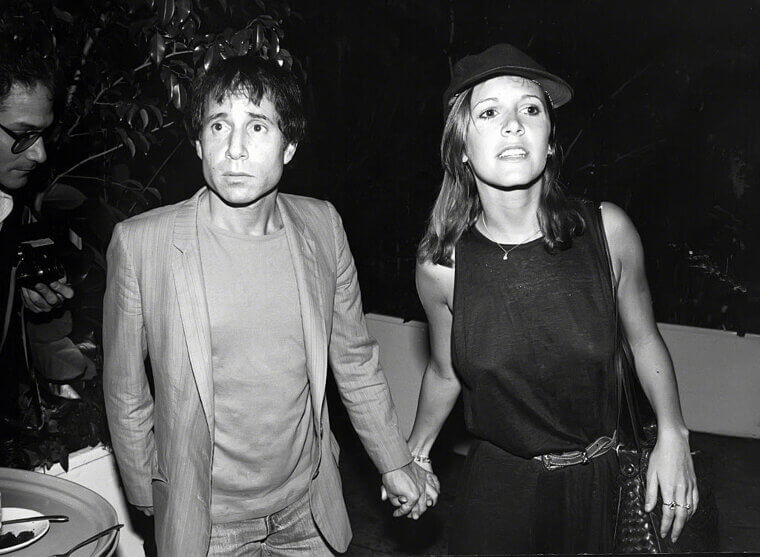
Although their romantic relationship eventually ended, Fisher’s incredible wit and vibrant spirit left a lasting mark on Simon's body of work, resulting in one of his finest poetic ballads. This incredible and remarkably enduring story remains a highly vital, completely unforgettable piece of classic rock history that fans everywhere still cherish.
Peter Gabriel's Deep Connection With Rosanna Arquette Inspired Peter Gabriel's "In Your Eyes"
Actress Rosanna Arquette captivated Hollywood in the nineteen-eighties, but she also left a profound mark on the music world through her romance with Peter Gabriel. The couple dated for several years during a creatively vibrant period in Gabriel's career. His soaring, deeply romantic anthem "In Your Eyes" was allegedly written about his profound devotion to Arquette. The song reached iconic cultural status after being featured in the famous boombox scene of the hit romantic movie Say Anything.
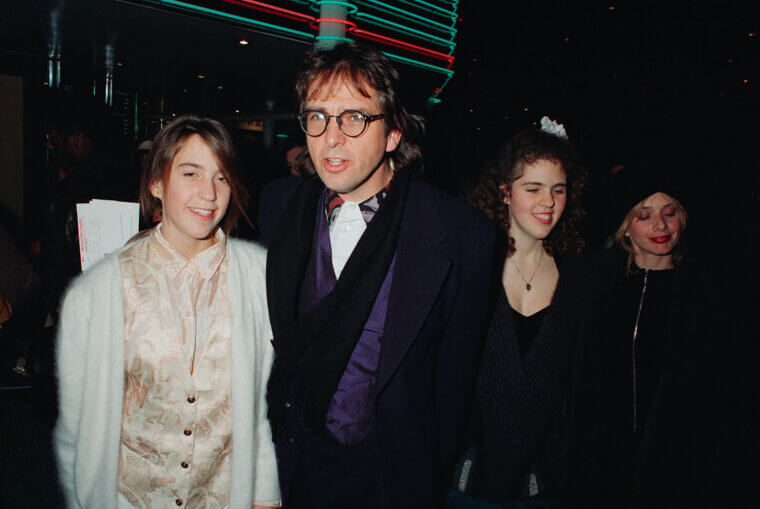
Although their relationship eventually ran its course, the breathtaking emotional depth of the track remains a heartwarming tribute to their bond. Arquette’s radiant presence helped inspire a universally beloved ballad that still moves listeners everywhere.
Axl Rose's Intense Romance With Erin Everly Inspired Guns N' Roses' "Sweet Child O' Mine"
Erin Everly, the daughter of Don Everly of the famous Everly Brothers, inspired one of the biggest rock anthems of the late nineteen-eighties. While dating Guns N' Roses frontman Axl Rose, she reportedly became the primary inspiration for the band's breakout hit "Sweet Child O' Mine." Rose allegedly wrote the heartfelt lyrics as a sincere expression of love and comfort while reflecting on their passionate relationship. What began as a simple guitar exercise quickly transformed into a stadium-sized classic that topped charts worldwide.
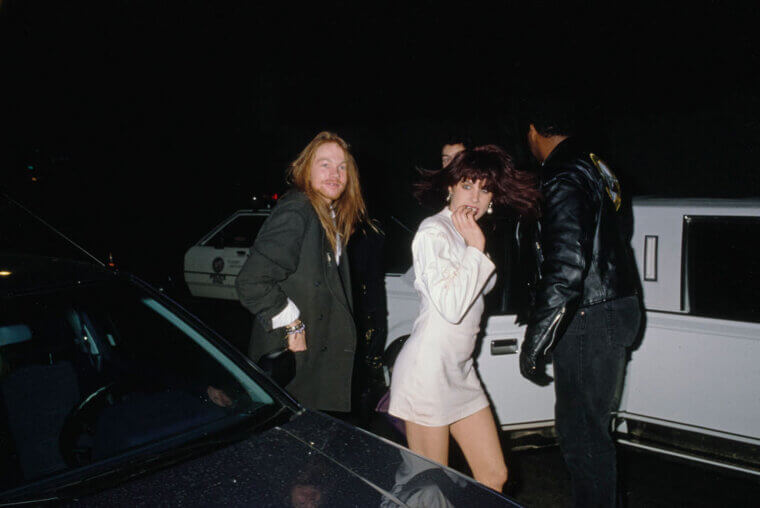
Everly even appeared in the song's iconic music video, permanently tying her image to the legendary track. Though their relationship had its share of difficulties, her influence helped create an unforgettable masterpiece.
Leonard Cohen's Idyllic Mediterranean Romance With Marianne Ihlen Inspired Leonard Cohen's "So Long, Marianne"
Marianne Ihlen was a young Norwegian woman living on the idyllic Greek island of Hydra when she met aspiring writer Leonard Cohen in the early nineteen-sixties. Their peaceful years together in the sunny Mediterranean provided Cohen with immense creative inspiration as he transitioned from poetry to songwriting. Ihlen became his primary muse and devoted companion, inspiring several of his early classics, most notably "So Long, Marianne." The tender song poetically reflects on the bittersweet reality of their parting as Cohen pursued his burgeoning music career.
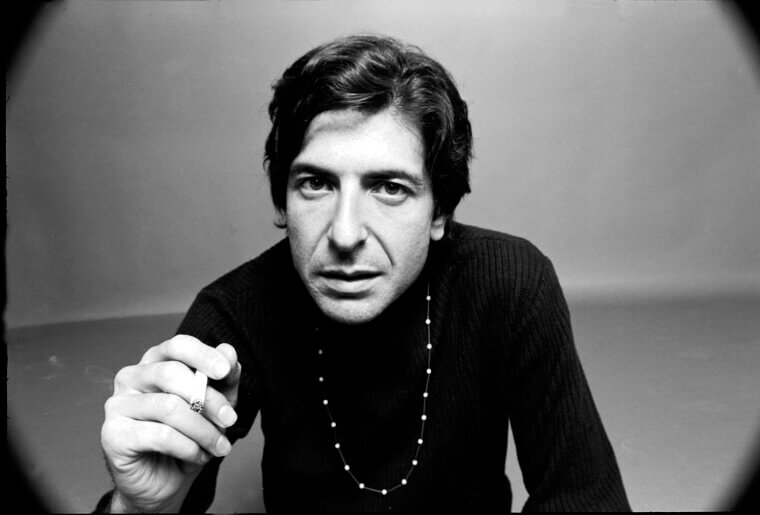
Despite moving on in life, the two maintained a remarkably deep, lifelong bond. Shortly before Ihlen passed away years later, Cohen sent her a deeply touching letter honoring their enduring love.
Leonard Cohen's Quiet Friendship With Suzanne Verdal Inspired Leonard Cohen's "Suzanne"
Suzanne Verdal was the free-spirited partner of a sculptor friend of Leonard Cohen in Montreal. Cohen often visited her bohemian apartment overlooking the St. Lawrence River, where the two spent quiet afternoons drinking tea, eating oranges, and sharing meaningful conversations. Though their relationship was reportedly entirely platonic, Cohen was deeply enchanted by her graceful nature and her unique, serene perspective on life. His admiration inspired the mesmerizing folk masterpiece "Suzanne," which beautifully details their tranquil hours together by the river.
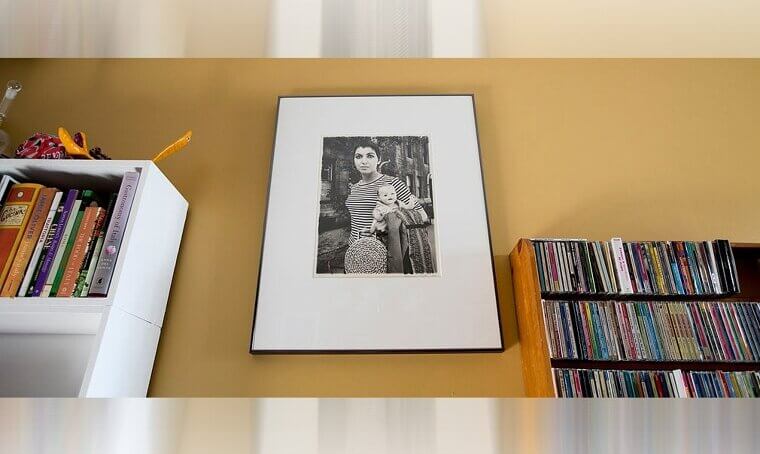
Verdal later expressed surprise at becoming the subject of such a famous track, which stands as a quiet, poetic celebration of pure human connection and atmospheric storytelling that continues to captivate listeners worldwide.
Paul McCartney's Swinging Sixties Romance With Jane Asher Inspired The Beatles' "And I Love Her"
British actress Jane Asher was a major figure in London’s cultural scene when she began dating Paul McCartney at the height of Beatlemania. Their five-year relationship heavily influenced McCartney’s songwriting during a crucial period of artistic growth for The Beatles. Living with Asher’s cultured family introduced McCartney to new artistic influences, inspiring several classic tracks. Among them was the tender ballad "And I Love Her," which McCartney reportedly penned specifically about his deep affection for Asher.
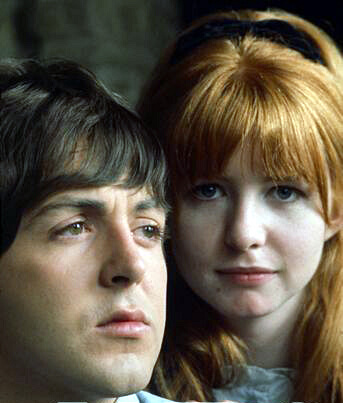
The track features some of his most sweet and straightforward lyrics of the era. Though the couple eventually parted ways, Asher’s sophisticated influence helped shape the band's musical evolution during their most revolutionary sixties period.
Paul McCartney's Gratitude For Linda Eastman Inspired Paul McCartney's "Maybe I'm Amazed"
Linda Eastman came into Paul McCartney’s life during an exceptionally turbulent era as The Beatles were quietly falling apart. Her steady support, unconditional love, and comforting presence gave McCartney the emotional grounding he needed to navigate the overwhelming stress of the band's breakup. Deeply moved by her unwavering devotion, McCartney wrote the soaring rock ballad "Maybe I'm Amazed" for his debut solo album. The song serves as an incredibly passionate thank-you note, honoring Linda for helping him pull through a dark personal period.
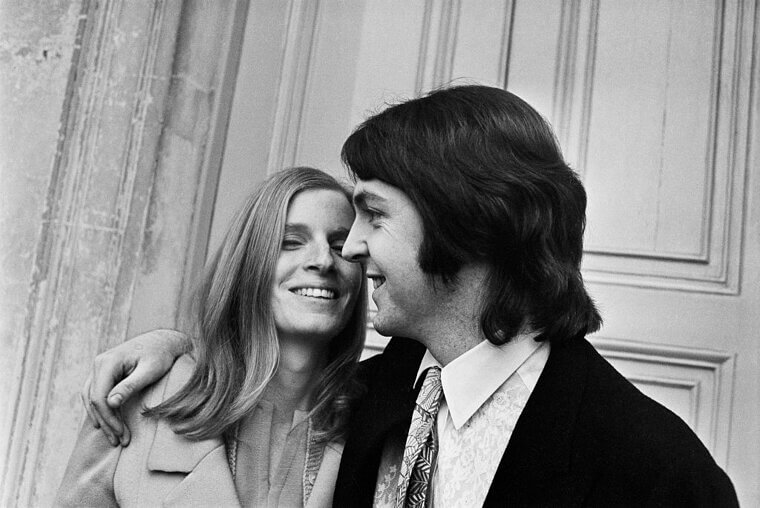
The couple went on to enjoy a remarkably loving, long-lasting marriage and musical collaboration, making this powerful track a legendary tribute to true partnership and romantic devotion. This incredible and remarkably enduring story remains a highly vital, completely unforgettable piece of classic rock history that fans everywhere still cherish.
Stephen Stills' Bittersweet Separation From Judy Collins Inspired Crosby, Stills & Nash's "Suite: Judy Blue Eyes"
Folk icon Judy Collins shared a brief but intensely passionate romance with musician Stephen Stills in the late nineteen-sixties. As their relationship began to fracture due to conflicting careers and personal differences, Stills channeled his complicated feelings of heartbreak and lingering devotion directly into his music. The result was "Suite: Judy Blue Eyes," a sprawling, multi-part masterpiece that served as the breakthrough track for Crosby, Stills & Nash. The song’s soaring harmonies and intricate acoustic work beautifully capture the emotional highs and bittersweet lows of their romance.
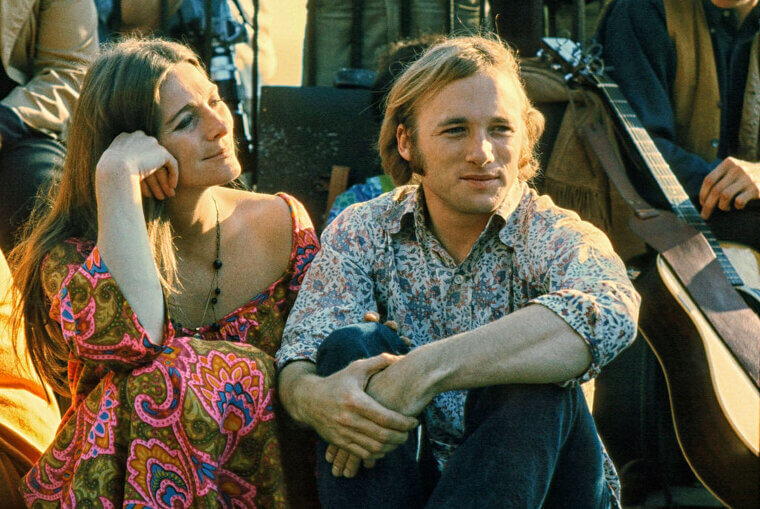
Collins later recalled being deeply touched when Stills played the track for her, and the song remains a monumental high point in classic rock history. This incredible and remarkably enduring story remains a highly vital, completely unforgettable piece of classic rock history that fans everywhere still cherish.
Paul McCartney's Heartfelt Empathy For Young Julian Lennon Inspired The Beatles' "Hey Jude"
Not all great songs are inspired by romantic partners; some spring from deep empathy for a child. When John Lennon and his first wife Cynthia were going through a painful divorce, Paul McCartney felt deeply concerned for their young son, Julian. While driving out to visit them, McCartney began humming a comforting melody, initially singing "Hey Jules, don't make it bad" to offer the boy reassurance during a confusing time.
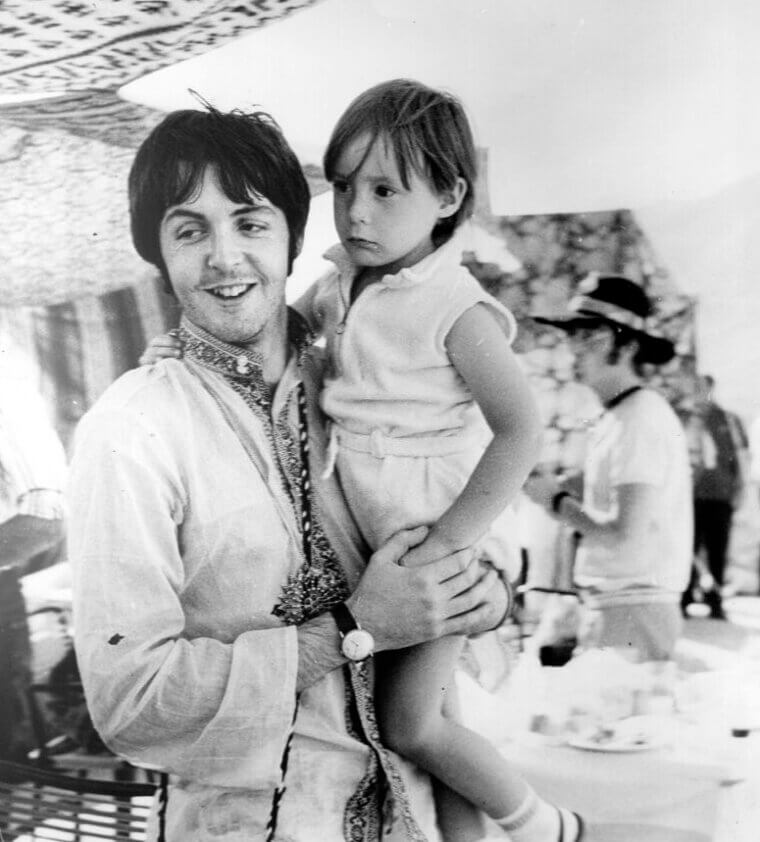
He later tweaked the title to "Hey Jude" for better phrasing, expanding the track into an epic, uplifting rock ballad. Julian Lennon has expressed gratitude for McCartney's thoughtful gesture, which resulted in one of the most universally loved singles in pop music history.
John Lennon's Gentle Care For Prudence Farrow Inspired The Beatles' "Dear Prudence"
Prudence Farrow, sister of actress Mia Farrow, traveled to India with The Beatles in 1968 to study transcendental meditation at an ashram. Farrow became so intensely committed to her spiritual practice that she rarely emerged from her private quarters, spending nearly all her time meditating in isolation. Concerned for her well-being, John Lennon and George Harrison were tasked with gently encouraging her to come outside and enjoy the sunshine with everyone else.
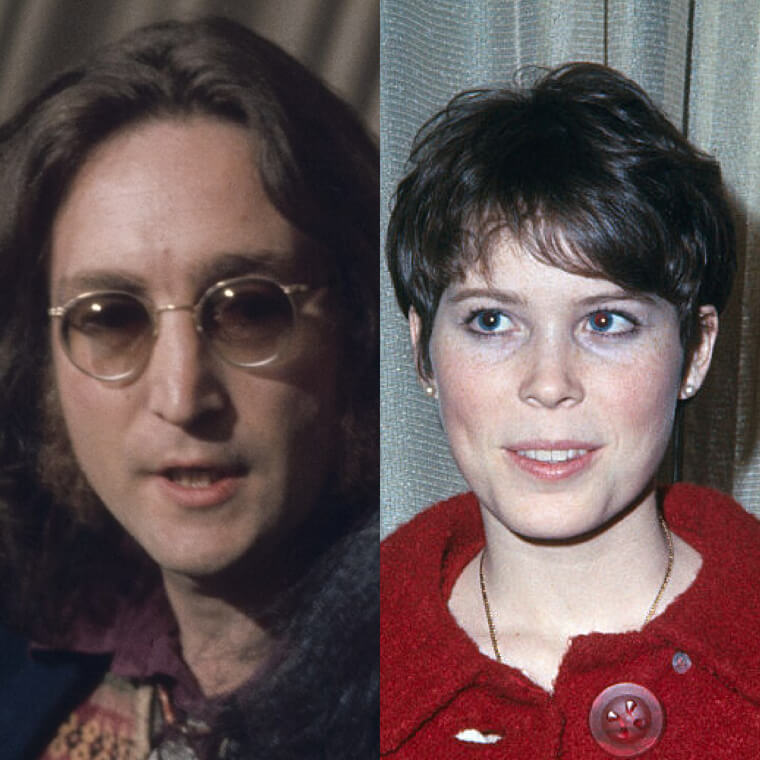
Inspired by her quiet intensity, Lennon wrote the beautiful acoustic song "Dear Prudence," inviting her to step out and greet the day. Farrow later expressed great fondness for the heartwarming song, which beautifully highlights Lennon's lighter, caring creative side.
Jimi Hendrix's Argument With Kathy Etchingham Inspired The Jimi Hendrix Experience's "The Wind Cries Mary"
Kathy Etchingham was a prominent figure in sixties London and the girlfriend of legendary guitarist Jimi Hendrix. The couple shared a warm bond, though like any young pair, they occasionally had misunderstandings. According to Etchingham, after a small argument over her home cooking, she angrily stormed out of their apartment. When she returned the next day, Hendrix had already channeled his remorse into a new composition titled "The Wind Cries Mary"—using her middle name, Mary.
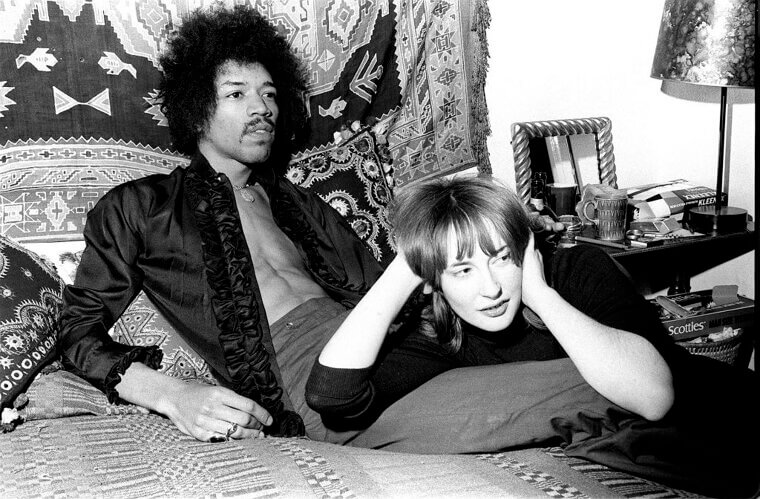
The track’s poetic lyrics and gentle guitar phrasing express a quiet sadness and longing for reconciliation. Etchingham was deeply moved by the song, which remains one of the most soul-stirring ballads in Hendrix's legendary career.
Freddie Mercury's Unconditional Love For Mary Austin Inspired Queen's "Love of My Life"
Mary Austin was the central figure in Freddie Mercury’s life from the early days of Queen through his final years. Though their romantic relationship eventually transitioned into a deep, lifelong friendship, Mercury always considered Austin his closest confidante and true soulmate. To celebrate their extraordinary bond, he penned the heartbreakingly beautiful piano ballad "Love of My Life." Featuring sweeping melodies and emotional vocals, the song stands as a powerful declaration of enduring devotion.
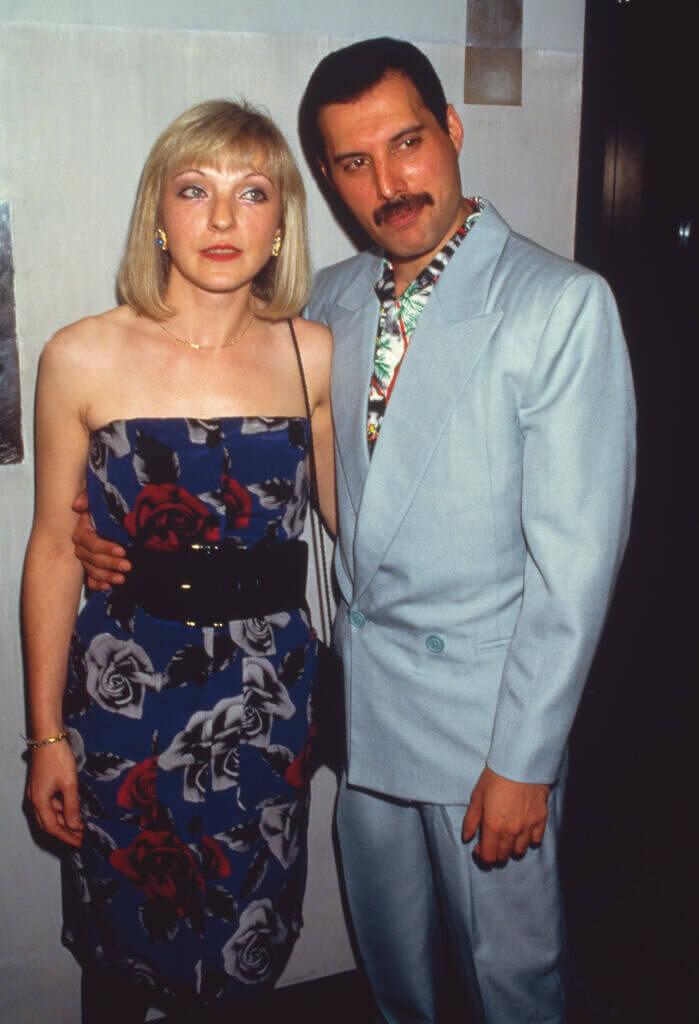
Mercury famously stated that no romantic partner could ever replace Austin in his heart. Today, the song is performed live by audiences worldwide as a fitting tribute to one of rock music's most unique and heartwarming real-life relationships.
Bob Dylan's Heartfelt Separation From Suze Rotolo Inspired Bob Dylan's "Don't Think Twice, It's All Right"
Suze Rotolo played a major role in Bob Dylan’s early life in Greenwich Village, famously walking arm-in-arm with him on the iconic cover of The Freewheelin' Bob Dylan. However, their young romance faced significant strains when Rotolo traveled to Italy for several months to study art. The emotional distance and uncertainty of their future inspired Dylan to write the folk classic "Don't Think Twice, It's All Right." The song brilliantly blends gentle acoustic picking with lyrics that capture a blend of tender regret, subtle sarcasm, and lingering affection.

Rotolo's intelligence and artistic sensibility profoundly influenced Dylan's early worldview, leaving an undeniable mark on his songwriting during a pivotal creative era. This incredible and remarkably enduring story remains a highly vital, completely unforgettable piece of classic rock history that fans everywhere still cherish.
Bob Dylan's Fascination With Socialite Edie Sedgwick Inspired Bob Dylan's "Just Like a Woman"
Edie Sedgwick was a dazzling style icon and superstar in Andy Warhol's famous studio scene during the mid-sixties. Her brief but memorable connection with Bob Dylan generated widespread curiosity throughout the New York art world. Many music historians believe her delicate, high-society persona and inner struggles directly inspired several tracks on Dylan's masterpiece album Blonde on Blonde. The most celebrated example is "Just Like a Woman," a track that depicts a complex, vulnerable figure navigating social pressure and heartbreak.
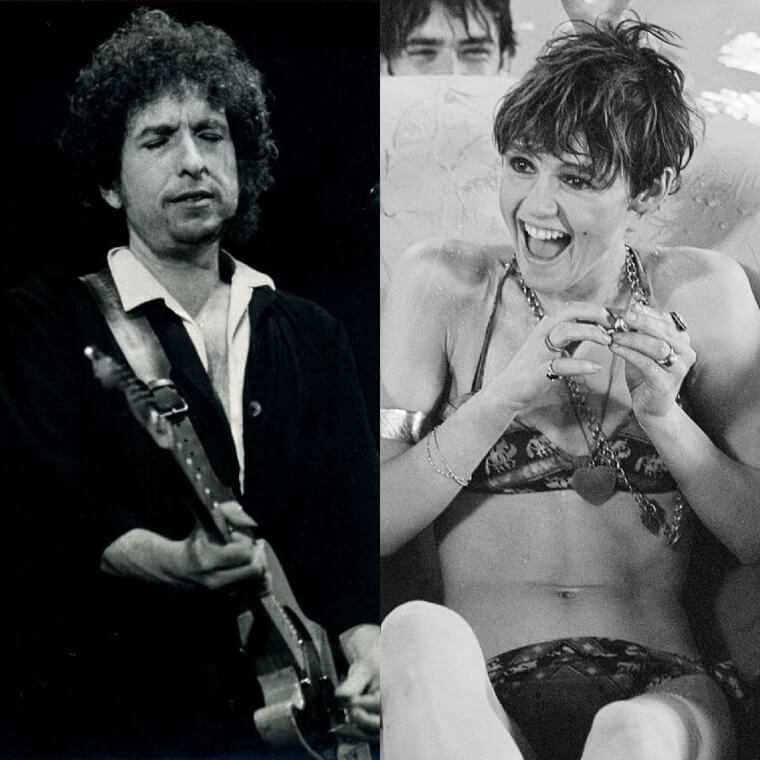
While Dylan rarely confirms the exact subjects of his songs, close acquaintances have long maintained that Sedgwick's captivating presence provided the spark for this remarkably nuanced, melodic classic. The remarkable legacy of this profound connection continues to deeply resonate with passionate music fans around the world today.
Bob Dylan's Devotion To Wife Sara Lownds Inspired Bob Dylan's "Sad Eyed Lady of the Lowlands"
Sara Lownds brought much-needed stability and calm to Bob Dylan’s life when they secretly married in 1965. Her quiet elegance and supportive nature deeply inspired the legendary songwriter during one of his most prolific creative periods. Her impact culminated in "Sad Eyed Lady of the Lowlands," an ambitious, epic composition that took up an entire side of the Blonde on Blonde vinyl album. Dylan poured his deepest admiration into the song's poetic imagery, crafting a sprawling tribute to his bride.
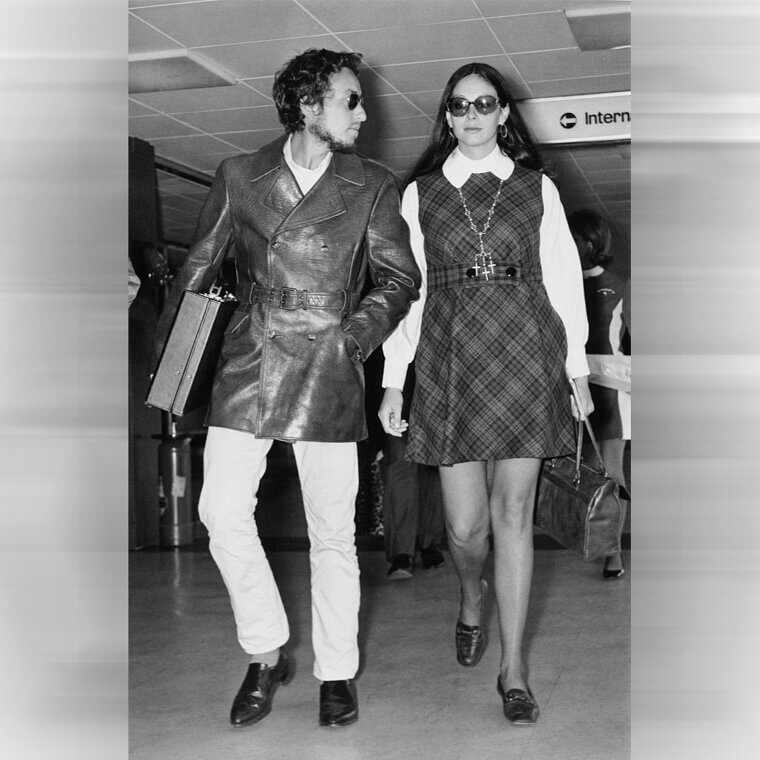
Years later, he explicitly referenced writing the masterpiece for her in another song, confirming her status as one of his greatest muses during a golden era of his musical journey.
Neil Diamond's Memory Of Caroline Kennedy's Photo in a Magazine Inspired Neil Diamond's "Sweet Caroline"
"Sweet Caroline" is one of the most beloved sing-along anthems in pop music history, and its origins trace back to a simple photograph. Neil Diamond was flipping through a magazine when he spotted a charming picture of young Caroline Kennedy, daughter of President John F. Kennedy, riding a horse. The innocent image stayed with him for years, eventually blending with his memories to inspire a joyful love song. Diamond used the name Caroline because it fit the song's rhythmic meter perfectly.
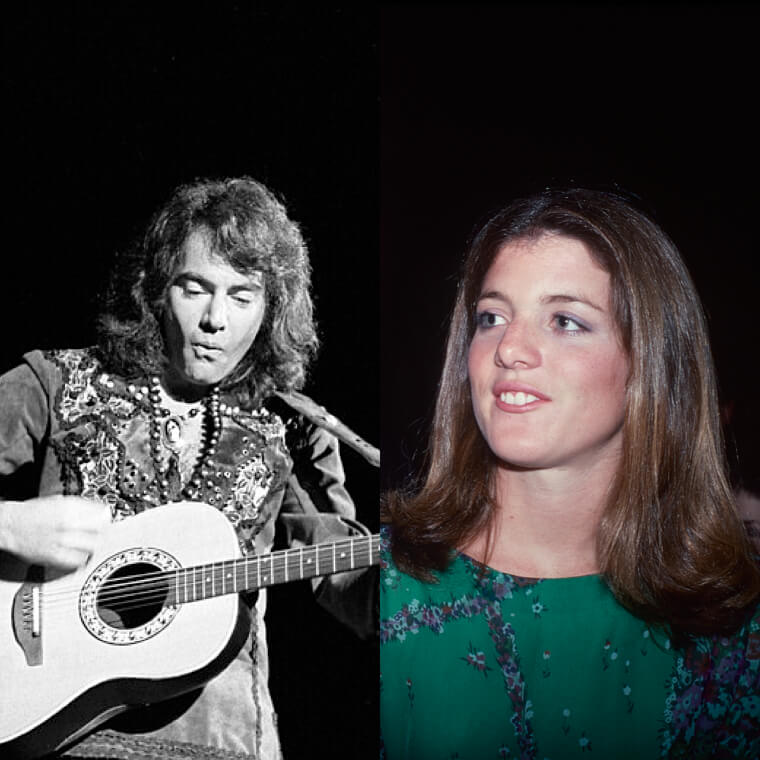
Decades later, Diamond had the pleasure of performing the track live for Caroline Kennedy at her birthday celebration, revealing the sweet story behind one of music's biggest crowd-pleasers. The remarkable legacy of this profound connection continues to deeply resonate with passionate music fans around the world today.
Lindsey Buckingham's Raw Emotion Over Stevie Nicks Inspired Fleetwood Mac's "Go Your Own Way"
The dramatic breakup of Fleetwood Mac bandmates Lindsey Buckingham and Stevie Nicks resulted in some of the most emotionally intense music ever recorded. As their relationship dissolved during the making of the album Rumours, Buckingham channeled his anger and frustration into the driving rock anthem "Go Your Own Way." The lyrics directly address Nicks, presenting a fiery narrative of their parting. Nicks famously admitted that performing the song on stage alongside Buckingham was emotionally challenging, yet the band's commitment to their music never wavered.
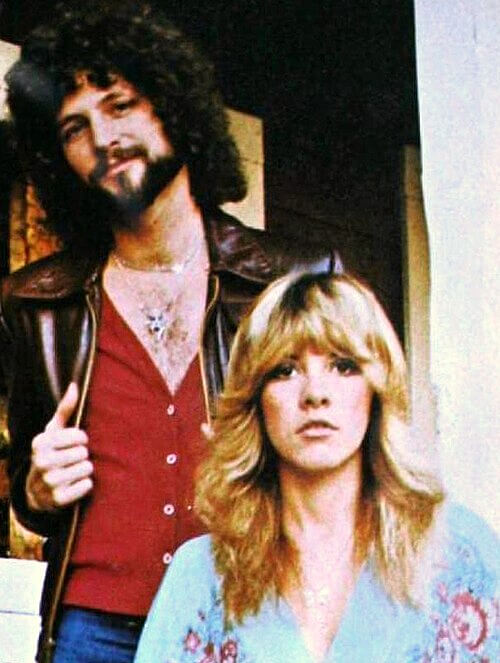
The raw honesty of the track helped propel the album to global success, turning personal heartbreak into a legendary classic rock staple. The remarkable legacy of this profound connection continues to deeply resonate with passionate music fans around the world today.
Stevie Nicks' Hypnotic Response To Lindsey Buckingham Inspired Fleetwood Mac's "Dreams"
During the tense recording sessions for Fleetwood Mac's Rumours, Stevie Nicks retreated to a quiet studio room with a keyboard to write her response to her breakup with Lindsey Buckingham. In just a short session, she composed "Dreams," a smooth, reflective track that offered a calm contrast to Buckingham's fiery anthem. The lyrics gently warn her former partner about the bittersweet loneliness that follows a major breakup. When she presented the song to the band, Buckingham crafted a signature arrangement that elevated the track into a massive hit.
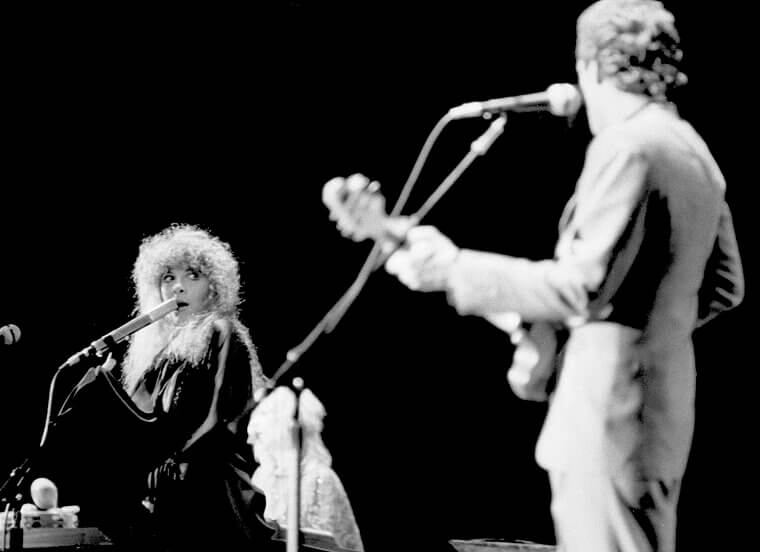
It became Fleetwood Mac's only number-one single in the United States, showcasing Nicks' phenomenal songwriting gift. The remarkable legacy of this profound connection continues to deeply resonate with passionate music fans around the world today.
Christine McVie's Secret Affair With the Band's Lighting Director Inspired Fleetwood Mac's "You Make Loving Fun"
While personal drama surrounded her bandmates, Fleetwood Mac keyboardist and singer Christine McVie was navigating her own romantic transition. Separated from her husband, bassist John McVie, she began a secret romance with Curry Grant, the band's lighting director. The excitement and joy of this new love inspired her to write the upbeat, infectious hit "You Make Loving Fun." To maintain harmony within the group during studio sessions, McVie initially told her husband that the song was written about her pet dog.

The joyful track provided a bright, optimistic light on an emotionally heavy album, standing out as one of McVie's most beloved pop-rock contributions. The remarkable legacy of this profound connection continues to deeply resonate with passionate music fans around the world today.
Carly Simon's Playful Teasing Of Warren Beatty Inspired Carly Simon's "You're So Vain"
For decades, pop music fans speculated endlessly about the mysterious identity behind Carly Simon's smash hit "You're So Vain." Simon kept the secret close to her chest, dropping subtle hints over the years while letting the mystery grow. She eventually confirmed that the song's second verse was written specifically about actor Warren Beatty, with whom she had a brief romance. Beatty's legendary self-assurance matched the lyric's suave subject perfectly. In a humorous twist, Simon shared that Beatty called her to thank her for the song, assuming the entire track was about him.

The brilliant, witty hit remains the ultimate cheeky anthem for calling out an oversized ego. The remarkable legacy of this profound connection continues to deeply resonate with passionate music fans around the world today.
Billy Joel's Whirlwind Romance With Christie Brinkley Inspired Billy Joel's "Uptown Girl"
Billy Joel's lively homage to sixties vocal groups was inspired by his experiences dating supermodels in the early nineteen-eighties, culminating in his high-profile romance with Christie Brinkley. Joel playfully contrasted his own working-class Long Island roots with Brinkley's glamorous, high-fashion world. Brinkley famously starred as the lead in the song's fun music video, playing a refined customer visiting Joel's auto repair shop. The catchy track and its memorable video became a massive global hit, capturing the public's imagination.
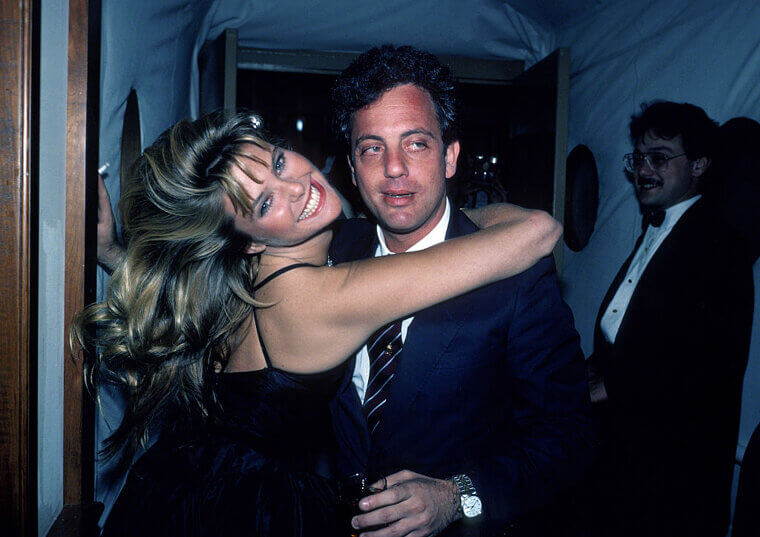
Their eventual marriage made them one of the decade's iconic celebrity couples, and the energetic song remains a high point of Joel's celebrated catalog. The remarkable legacy of this profound connection continues to deeply resonate with passionate music fans around the world today.
John Lennon's Delight In Son Julian's Artwork Inspired The Beatles' "Lucy in the Sky With Diamonds"
Despite popular speculation that the title of "Lucy in the Sky with Diamonds" contained a hidden reference, John Lennon insisted the origin was entirely innocent. His four-year-old son, Julian, brought home a colorful drawing from nursery school depicting his classmate, Lucy Vodden. When Julian proudly explained that it showed "Lucy in the sky with diamonds," Lennon was immediately struck by the poetic imagery. He used the phrase as the launching pad for a lush, dreamlike song filled with whimsical landscapes and fantastical scenes.
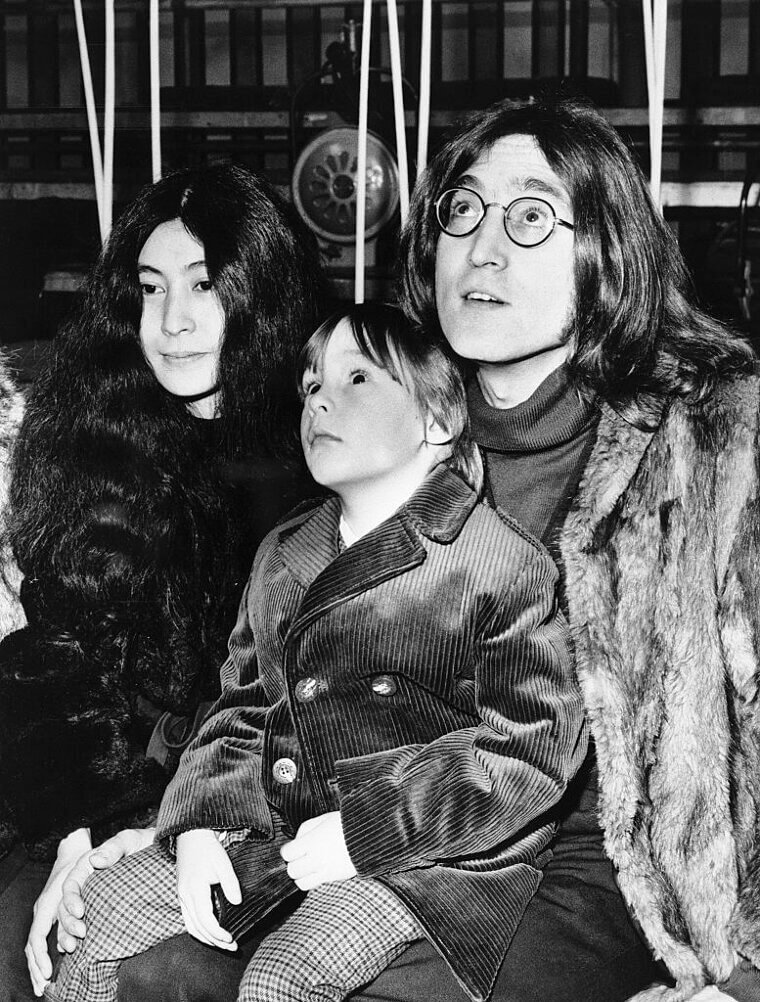
Lucy Vodden later recalled her childhood connection to the song, which remains a monument to how everyday family moments can inspire psychedelic art. The remarkable legacy of this profound connection continues to deeply resonate with passionate music fans around the world today.
Syd Barrett's Whimsical Connection With Teen Groupie Emily Young Inspired Pink Floyd's "See Emily Play"
Before Pink Floyd became progressive rock titans, original frontman Syd Barrett led the group through the colorful world of sixties British psychedelia. Barrett often drew inspiration from the free-spirited characters in London's underground art scene. The band's early hit single "See Emily Play" was inspired by Emily Young, a creative teenager known in local artistic circles as the "psychedelic schoolgirl." Barrett was enchanted by her lively energy and unique fashion sense, weaving those observations into a playful, melodic song.
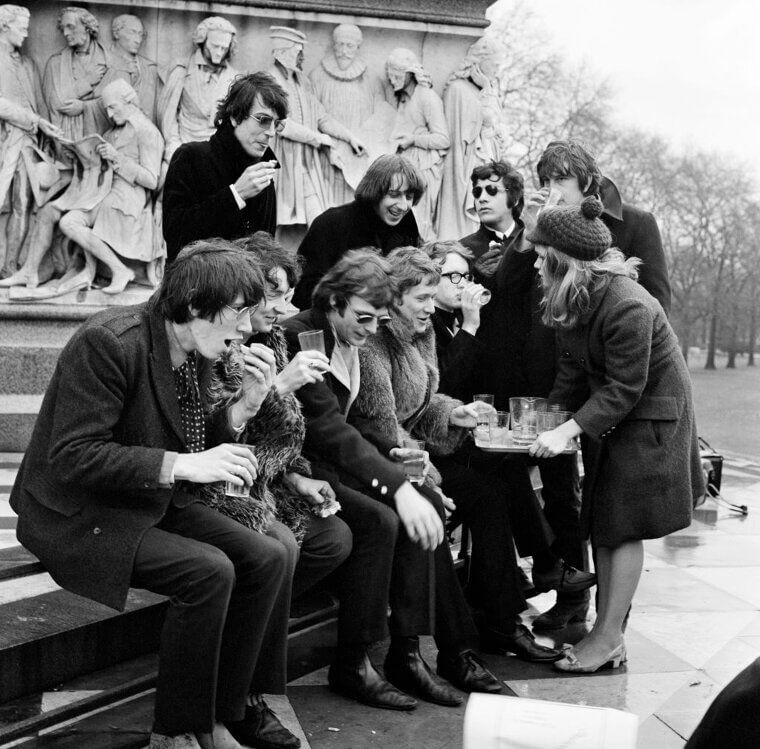
The track helped establish Pink Floyd's early reputation, and Young went on to achieve international acclaim as a world-renowned sculptor, keeping her creative spirit alive. The remarkable legacy of this profound connection continues to deeply resonate with passionate music fans around the world today.
Arlo Guthrie's Unbelievable Thanksgiving Adventure With Alice Brock Inspired Arlo Guthrie's "Alice's Restaurant Massacree"
Arlo Guthrie's epic eighteen-minute talking blues song is based entirely on a hilarious, real-life series of events centered around his friend Alice Brock. Alice lived in a converted church in Massachusetts and ran a small local restaurant where friends frequently gathered. After enjoying a generous Thanksgiving feast at her home, Guthrie offered to haul away her trash, leading to an unexpected run-in with local law enforcement over littering. Guthrie transformed the absurd incident into a legendary, humorous anti-establishment saga.
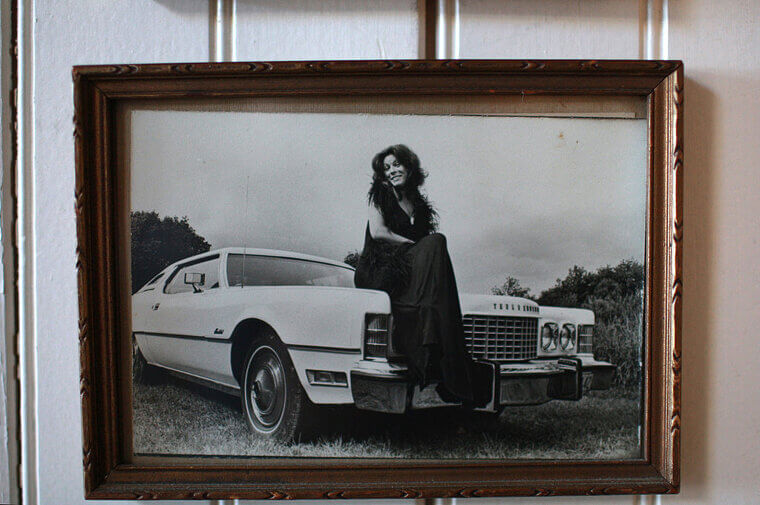
Brock's warm hospitality and unique restaurant became famous overnight, and the song remains an enduring holiday radio tradition enjoyed by generations of folk and rock fans. The remarkable legacy of this profound connection continues to deeply resonate with passionate music fans around the world today.
Keith Richards' Melancholy Farewell To Linda Keith Inspired The Rolling Stones' "Ruby Tuesday"
Linda Keith was a stylish London model who played a prominent role in the mid-sixties rock world. As the girlfriend of Keith Richards, she influenced his personal style and introduced him to new musical circles. However, as their relationship began to drift apart while she embraced the bohemian lifestyle of Greenwich Village, Richards channeled his bittersweet feelings into song. The result was "Ruby Tuesday," a hauntingly beautiful ballad about an independent woman who refuses to be tied down.
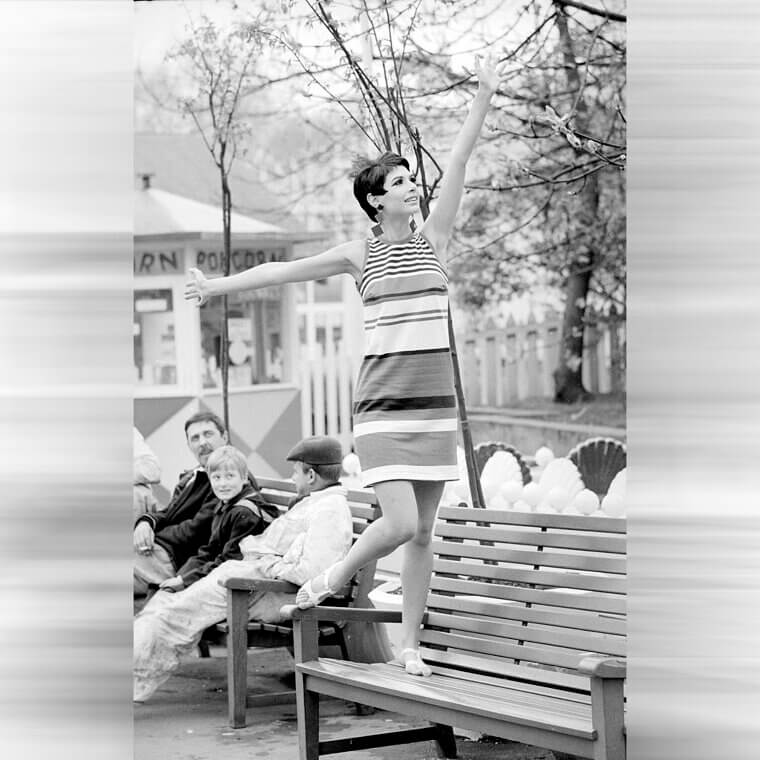
Keith's impact extended beyond the Stones, as she also helped discover guitar legend Jimi Hendrix, proving her exceptional ear for talent alongside her role as a rock muse. The remarkable legacy of this profound connection continues to deeply resonate with passionate music fans around the world today.
Shel Silverstein's Heartbreaking Phone Call With Sylvia Jance Inspired Dr. Hook's "Sylvia's Mother"
The emotional drama of Dr. Hook's hit single "Sylvia's Mother" was born from a painful real-life encounter experienced by songwriter Shel Silverstein. When his relationship with a young woman named Sylvia Jance ended, a heartbroken Silverstein tried calling her from a payphone to ask for one last chance. However, Sylvia's mother answered the phone and firmly refused to let him speak to her daughter, urging him to accept that the romance was over.

Silverstein captured the agonizing, operator-assisted phone call in vivid detail within the lyrics. The song became a massive international hit, resonating deeply with anyone who has ever experienced the sting of unrequited love and sudden closure. The remarkable legacy of this profound connection continues to deeply resonate with passionate music fans around the world today.
Joan Baez's Reflective Nostalgia For Bob Dylan Inspired Joan Baez's "Diamonds & Rust"
While Bob Dylan is famous for writing songs about his muses, he was also the subject of one of folk music's most moving tributes. Joan Baez and Dylan shared a high-profile romantic and professional partnership during the early nineteen-sixties. Years after their paths diverged, Baez received an unexpected telephone call from Dylan out of the blue. The conversation sparked a wave of nostalgic reflection, inspiring her to write "Diamonds & Rust." The song's evocative lyrics look back on their complex history with a mix of warmth, melancholy, and sharp insight.
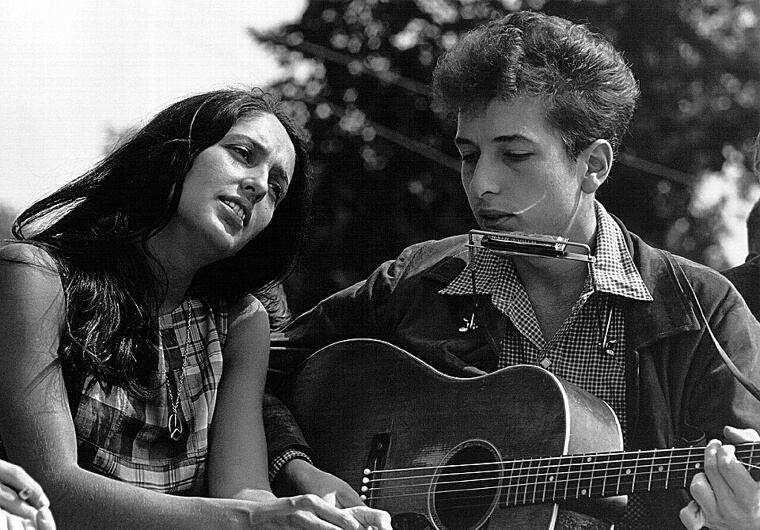
It remains Baez's most celebrated original composition, offering an intimate look at two music legends. The remarkable legacy of this profound connection continues to deeply resonate with passionate music fans around the world today.
Gwen Stefani's Emotional Heartbreak Over Tony Kanal Inspired No Doubt's "Don't Speak"
Gwen Stefani turned personal heartbreak into global success with No Doubt's smash hit "Don't Speak." After a seven-year relationship with bandmate and bassist Tony Kanal came to an end, Stefani was devastated. She reworked the song's original upbeat lyrics into a vulnerable, haunting ballad detailing the painful realization that a deep love affair is ending. Performing the tender song together on tour night after night required immense professionalism from both Stefani and Kanal.

However, their shared dedication turned a painful personal experience into a universally loved anthem that topped music charts worldwide and defined nineties alternative pop-rock. The remarkable legacy of this profound connection continues to deeply resonate with passionate music fans around the world today.
Alanis Morissette's Fiery Breakup With Dave Coulier Inspired Alanis Morissette's "You Oughta Know"
Alanis Morissette took the music world by storm with her blistering single "You Oughta Know," an uncompromising anthem detailing the pain of an abrupt romantic breakup. Listeners and journalists spent years speculating about the identity of the former partner who inspired the fiery track. The most common candidate identified by media reports was actor Dave Coulier, known for his role on a beloved television sitcom. While Morissette has maintained a sense of mystery surrounding the song's exact subject, Coulier has acknowledged in interviews that he recognized shared experiences in the lyrics.
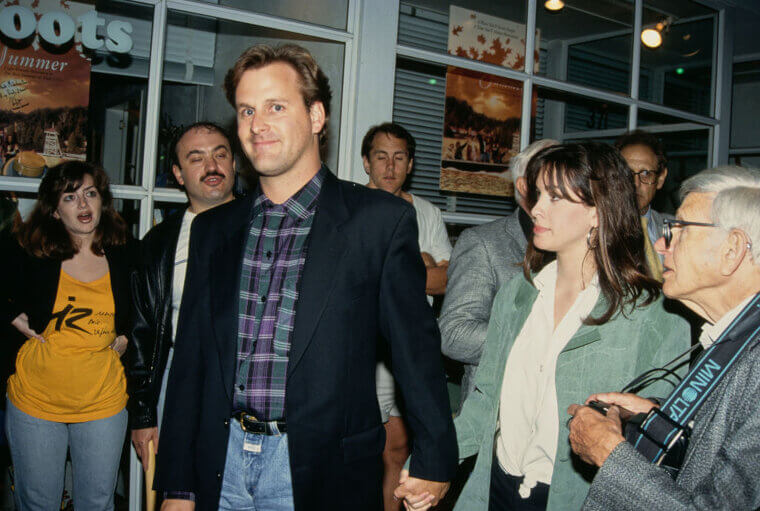
Regardless of the exact inspiration, the track remains an iconic expression of post-breakup empowerment. The remarkable legacy of this profound connection continues to deeply resonate with passionate music fans around the world today.
Michael Brown's Unrequited Crush On Renée Fladen-Kamm Inspired The Left Banke's "Walk Away Renee"
"Walk Away Renee" by The Left Banke is one of baroque pop's greatest treasures, born from a teenage musician's intense, unrequited infatuation. Band member Michael Brown was hopelessly smitten with Renée Fladen-Kamm, the girlfriend of the group's bass player. Brown was reportedly so nervous in her presence that he found it difficult to play his keyboard during recording sessions when she was in the room. He funneled his longing into writing the song's memorable melody and melancholic lyrics, urging himself to walk away from his feelings.
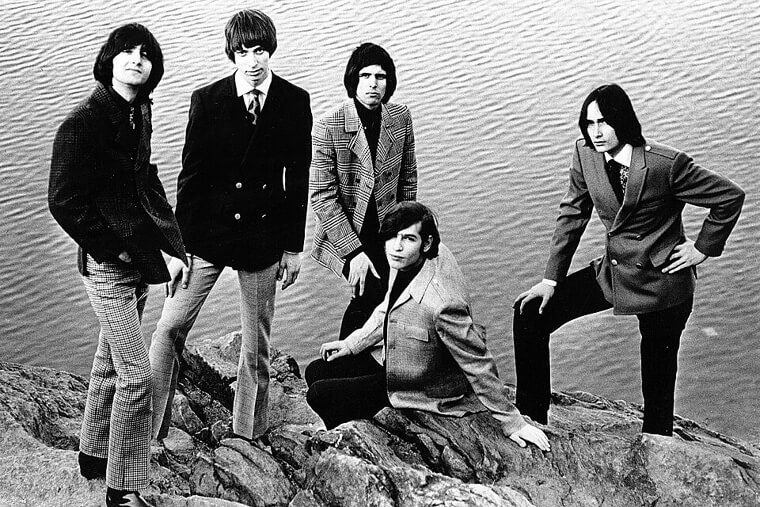
The resulting track became an enduring sixties classic, beautifully capturing the bittersweet ache of loving someone from afar. The remarkable legacy of this profound connection continues to deeply resonate with passionate music fans around the world today.
Buddy Holly's Friendly Favor For Jerry Allison Inspired Buddy Holly's "Peggy Sue"
Buddy Holly's rock classic "Peggy Sue" originally carried a completely different title. Holly initially wrote the catchy track as "Cindy Lou," named after his young niece. However, his band's drummer, Jerry Allison, had recently separated from his high school girlfriend, Peggy Sue Gerron. Desperate to win her back, Allison asked Holly to rename the song after her as a romantic gesture. Holly agreed, and the updated track became a massive hit across the nation.
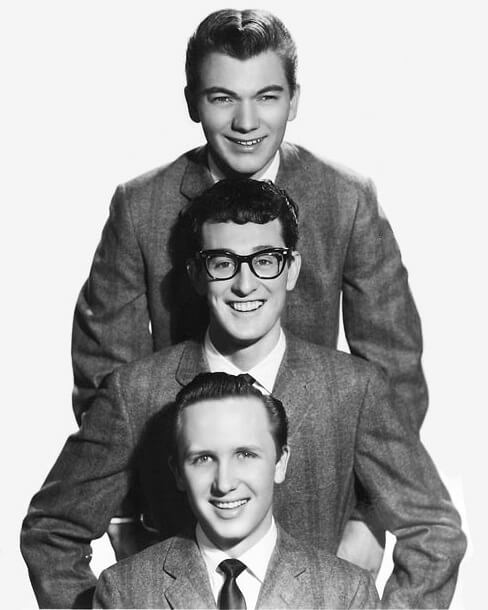
The thoughtful gesture worked wonders off the stage as well: Allison and Peggy Sue reconciled, eventually got married, and secured her place in rock and roll history forever. The remarkable legacy of this profound connection continues to deeply resonate with passionate music fans around the world today.
Ritchie Valens' Sweet High School Romance With Donna Ludwig Inspired Ritchie Valens' "Donna"
Ritchie Valens was a talented teenager when he wrote "Donna," a heartfelt tribute to his high school sweetheart, Donna Ludwig. The young couple faced opposition from Ludwig's father, who initially disapproved of their romance, forcing them to meet quietly in secret. Valens channeled his innocent affection into a sweeping ballad that showcased his tender vocal style. The song became a massive national hit, climbing the charts just as Valens gained national fame.
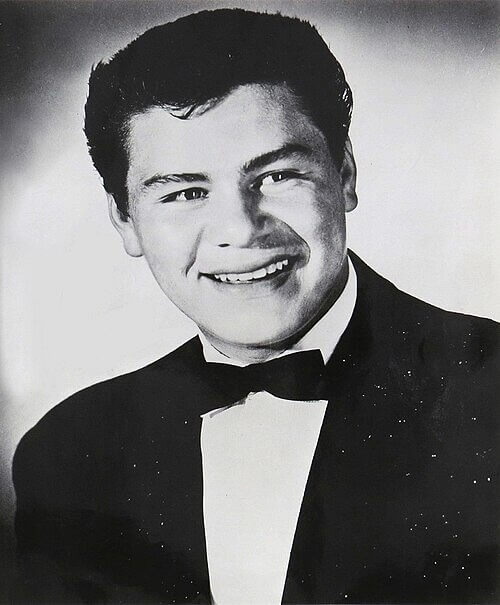
Though Valens' life was tragically cut short, the timeless song remains a touching celebration of young love, forever linking the real-life sweethearts in music history. The remarkable legacy of this profound connection continues to deeply resonate with passionate music fans around the world today.
Keith Richards' Joyful Celebration Of Baby Dandelion Inspired The Rolling Stones' "Angie"
For years, fans speculated about the identity behind The Rolling Stones' haunting ballad "Angie," with rumors suggesting it was written about high-profile social figures of the seventies. However, guitarist Keith Richards cleared up the mystery in his autobiography. He wrote the gentle acoustic melody and title while staying at a quiet countryside retreat, inspired by the peaceful moment following the birth of his daughter, Dandelion Angela Richards. The title echoed her middle name, bringing a sense of warmth and hope during a challenging personal transition.
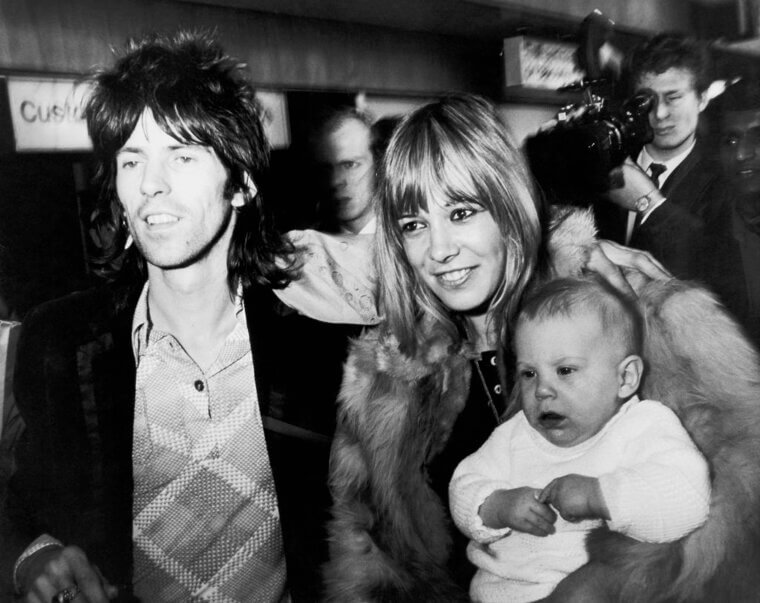
The gorgeous track went on to become one of the band's most enduring and universally beloved acoustic hits. The remarkable legacy of this profound connection continues to deeply resonate with passionate music fans around the world today.