
Do you remember rocking out in your room to these massive stadium hits? We all belted out the lyrics, but you might be shocked to learn what they actually meant. Check out the surprising hidden meanings behind these legendary '80s anthems!
"Born in the U. S. A. " by Bruce Springsteen - A Scathing Critique of Veteran Mistreatment
When this stadium track hit the airwaves, politicians and casual listeners quickly adopted it as a triumphant celebration of national pride. The booming synthesizer and massive drum beats masked the much darker reality hidden within the lyrics. Bruce Springsteen reportedly wrote the track as a severe indictment of how the government treated veterans returning from foreign conflicts. The narrative follows a working-class man who gets shipped off to fight, only to return home and find 0 jobs, 0 support, and a society that has seemingly turned its back on his sacrifices. The contrast between the upbeat melody and the heavy subject matter remains 1 of the greatest ironies in modern broadcasting history.
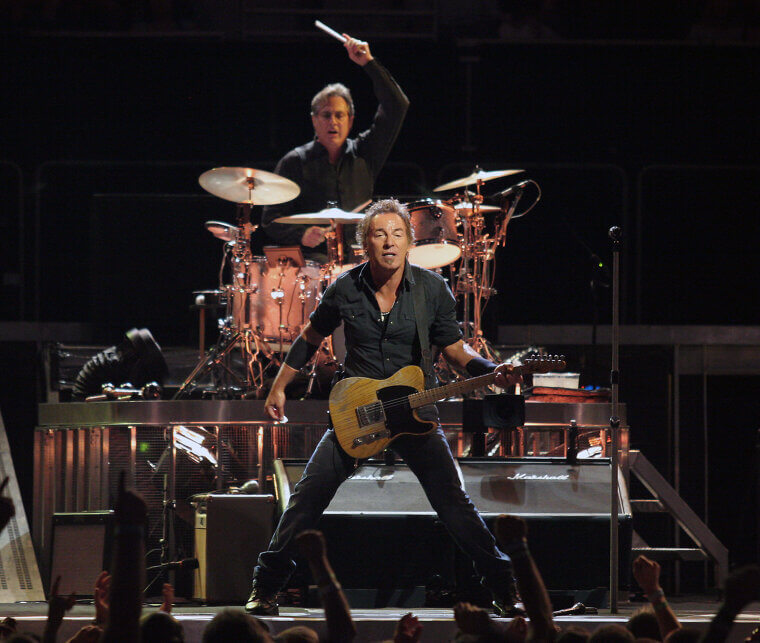
Listeners often shout the chorus while missing the verses detailing economic despair, severe isolation, and a crumbling industrial hometown that offers 0 future for its residents.
"Every Breath You Take" by The Police - A Sinister Tale of Obsessive Stalking
Generations of fans have mistakenly selected this chart-topping ballad for wedding dances and romantic dedications. The soothing melody and smooth vocal delivery create a deceivingly gentle atmosphere that hides a deeply unsettling narrative. Sting allegedly composed the lyrics while retreating to a desk in the Caribbean following the messy collapse of his marriage. Instead of expressing unwavering devotion, the narrator acts as a relentless observer who tracks every single move his former partner makes. The lyrics detail a chilling surveillance campaign where the singer monitors every step, vow, and smile with an alarming possessiveness. He maintains that the narrator is undeniably sinister.
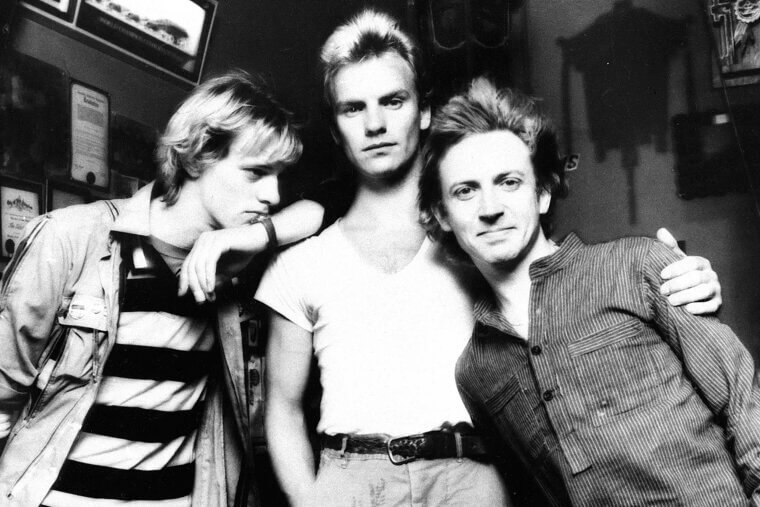
The creator has repeatedly expressed confusion over how audiences interpret a track about dark obsession and surveillance as a heartwarming expression of everlasting romantic commitment.
"In the Air Tonight" by Phil Collins - Bitter Anger Over a Painful Divorce
Urban legends circulated for decades claiming this atmospheric hit involved a man watching someone fail to rescue a drowning swimmer. The reality behind the iconic drum fill and brooding synthesizer lines remains much more grounded in personal heartbreak. Phil Collins reportedly penned the track while navigating the bitter fallout of his first divorce, using the studio as an outlet for his immense frustration. The lyrics reflect the raw anger, profound betrayal, and lingering resentment he felt during the separation process. Rather than recounting a literal crime scene, the narrative uses dark metaphors to describe the end of a relationship and the chilling realization that a once-trusted partner has become a stranger.

The famous drum break acts as a musical release for all that pent-up hostility and emotional turmoil. The eerie vocal delivery simply amplifies the overwhelming sense of betrayal.
"Sweet Child o' Mine" by Guns N' Roses - Started as a Tedious String Skipping Exercise
Millions of guitarists have spent countless hours trying to master the opening riff of this legendary track. The band members themselves initially viewed that famous melodic introduction as nothing more than a playful joke. Slash reportedly created the intricate pattern as a string-skipping warm-up exercise meant to prepare his fingers before rehearsals. Axl Rose happened to hear the intricate playing from another room and immediately requested that the group build an entire arrangement around the riff. What began as a circus-like melody used merely for practice transformed into their biggest commercial success. The final production remains an undeniable masterpiece of late twentieth-century stadium rock.

The lyrics were subsequently crafted using a poem the singer had been working on, combining a technical guitar drill with heartfelt reflections on childhood innocence and early memories.
"Livin' on a Prayer" by Bon Jovi - Harsh Realities of Economic Struggles Under Reaganomics
Stadium crowds everywhere belt out the chorus of this track as a unifying anthem of hope and perseverance. Beneath the soaring vocals and catchy talk-box guitar riff lies a gritty story about the working class struggling to survive during the 1980s. The characters Tommy and Gina represent everyday people dealing with the harsh realities of economic policies from that specific era, often referred to as Reaganomics. Tommy finds himself unemployed after union strikes at the docks, while Gina works tirelessly at a diner just to keep the lights on. The band reportedly crafted the narrative to reflect the genuine financial hardships their own families and neighbors experienced in New Jersey.
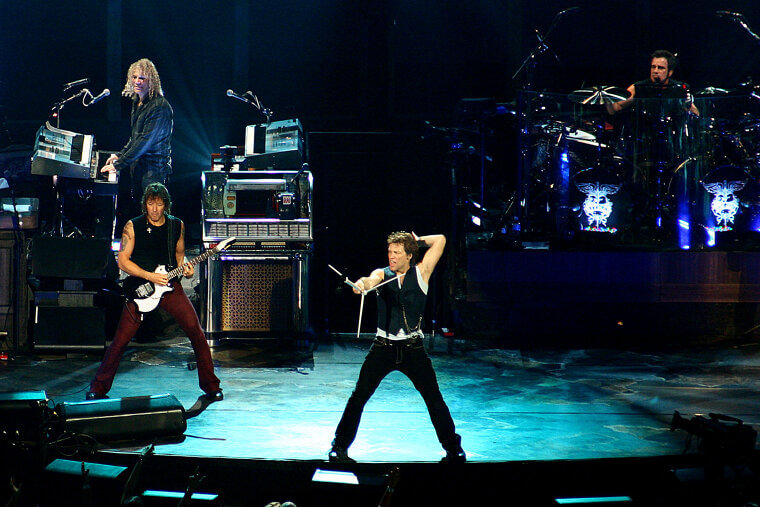
The track highlights the desperate need for emotional reliance when financial stability completely vanishes. The final key change serves as a musical representation of prevailing despite the odds.
"Money for Nothing" by Dire Straits - Direct Quotes from an Appliance Store Employee
The biting sarcasm and iconic guitar riff of this hit track have solidified its place in music history. Mark Knopfler reportedly found the inspiration for the lyrics during a visit to a local appliance store in New York. He stood near the television display wall and listened to a delivery worker complaining while watching MTV broadcasts. The employee made disgruntled comments about musicians wearing makeup, playing guitars, and seemingly getting paid handsomely for doing very little actual labor. Knopfler allegedly grabbed a notepad and wrote down the worker's exact phrases right there in the store. It remains a hilariously accurate time capsule of evolving entertainment culture.
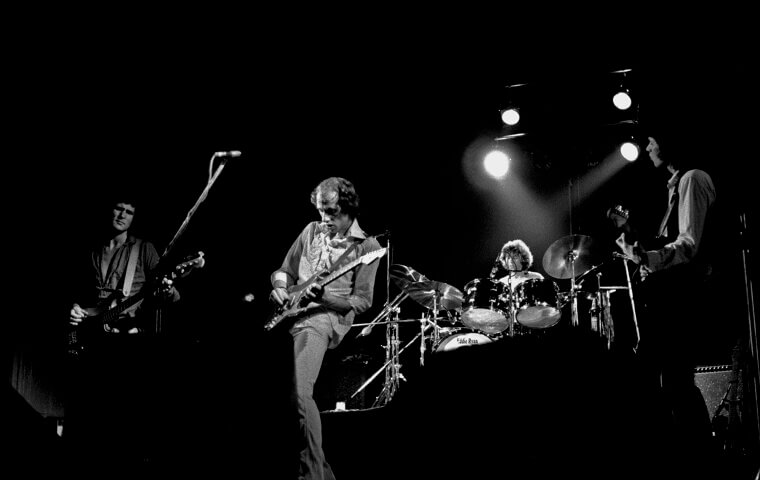
The resulting track serves as a fascinating documentation of how blue-collar workers viewed the emerging, glamorous era of music video stars during the early days of the network.
"Don't You (Forget About Me)" by Simple Minds - A Forced Studio Track the Band Initially Refused
This definitive cinematic anthem defined an entire generation of teenagers after featuring prominently in a legendary high school detention movie. The band that brought the track to life actually wanted absolutely nothing to do with it during the initial production stages. The song was written by a producer and an external composer, and the group felt it did not align with their established artistic direction. They reportedly rejected the track multiple times before finally agreeing to record a quick version just to appease their record label.

It ironically became their biggest global hit and the sole track they are most widely remembered for today. The dramatic vocal intro still echoes through nostalgic playlists everywhere.
"I Love Rock 'N Roll" by Joan Jett - A Defiant Rebuttal to the Rolling Stones
This stomping, aggressive track feels like the ultimate declaration of independence and female empowerment in a male-dominated industry. The song was actually a cover of a lesser-known track originally performed by a British band called The Arrows. The original writers reportedly crafted the tune as a direct response to the Rolling Stones releasing "It's Only Rock 'n Roll (But I Like It)." The creators felt the Stones' track lacked genuine passion and wanted to write something that truly celebrated the visceral energy of the genre. When Joan Jett discovered the song on a television show, she recognized its immense potential and transformed it into a massive cultural phenomenon.

Her gritty vocal delivery turned a polite rebuttal into a legendary rallying cry. The raw, unapologetic attitude of the final recording changed the landscape of popular broadcasting.
"Africa" by Toto - Inspired Entirely by Late-Night Television Commercials
The lush synthesizer arrangements and intricate vocal harmonies transport listeners to the expansive landscapes of a beautiful, distant continent. The primary songwriter, David Paich, had actually never set foot on the continent when he penned the famous lyrics. He reportedly found his inspiration while staying up late and watching television documentaries about the region's struggles and beauty. He imagined a romanticized version of the landscape based solely on the glowing images broadcast into his living room. The haunting flute solo adds an incredible layer of mystique to the fictionalized journey.
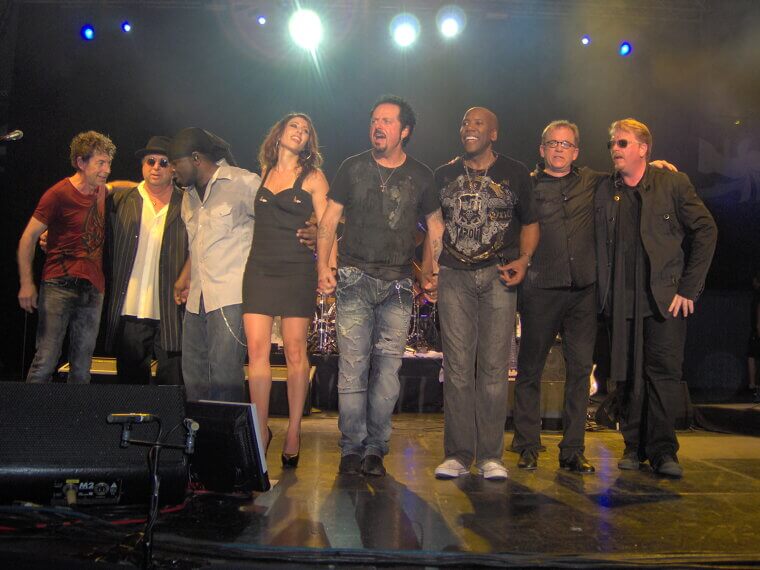
The track essentially serves as a geographical fantasy created by a studio musician relying entirely on his imagination and a handful of late-night television broadcasts to paint a vivid, globally beloved musical picture.
"Don't Stand So Close to Me" by The Police - Inappropriate Academic Dynamics Inspired by Literature
Catchy reggae-rock rhythms disguise the highly controversial subject matter at the core of this memorable tune. The lyrics tell the story of a young female student who harbors an intense infatuation for her older male teacher, creating a tense classroom environment. Sting allegedly drew inspiration from his own previous career as an educator, though he maintains the specific scenario was purely fictional. The track also features a direct lyrical reference to the famous author Vladimir Nabokov, serving as a nod to his controversial novel Lolita. It perfectly captures the paranoia, guilt, and societal judgment surrounding inappropriate age-gap relationships within an academic setting.
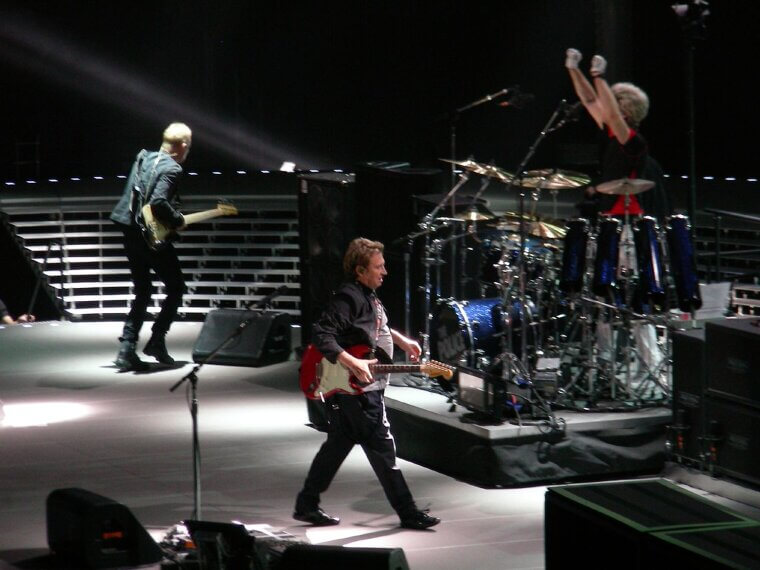
Listeners routinely tap their feet to the infectious beat without realizing they are grooving to a story about severe professional misconduct. The narrator clearly wrestles with temptation while attempting to maintain professional boundaries.
"Wanted Dead or Alive" by Bon Jovi - Comparing Modern Touring Musicians to Old West Outlaws
The acoustic guitar intro and dramatic lyrical delivery give this track a distinct cinematic quality reminiscent of classic cowboy films. Jon Bon Jovi reportedly wrote the song while struggling to cope with the immense physical and mental toll of performing hundreds of shows in a single year. He began to draw distinct parallels between the lifestyle of modern rock bands and the existence of historical outlaws riding across the American frontier. The lyrics cleverly replace horses with massive tour buses made of steel, and equate holding a guitar to carrying a loaded weapon.

The narrative highlights the severe isolation, the transient nature of the lifestyle, and the heavy burden of constantly performing for crowds of strangers. The western motif created a unique aesthetic that helped differentiate the band from their colorful contemporaries.
"Separate Ways (Worlds Apart)" by Journey - Navigating Real-Life Band Divorces While on Tour
The heavy synthesizer riff and aggressive guitar chords set a surprisingly dark and dramatic tone for this massive radio hit. The emotional weight of the vocal performance stems directly from real-life turmoil occurring within the band during a highly stressful touring cycle. Both the guitarist and the bass player were reportedly going through extremely painful and complicated divorces simultaneously while traveling across the country. Steve Perry and Jonathan Cain wrote the track as an empathetic tribute to their bandmates, attempting to capture the crushing reality of watching a family unit fall apart. The dramatic tension established in the opening sequence builds relentlessly until the final resolving chord.
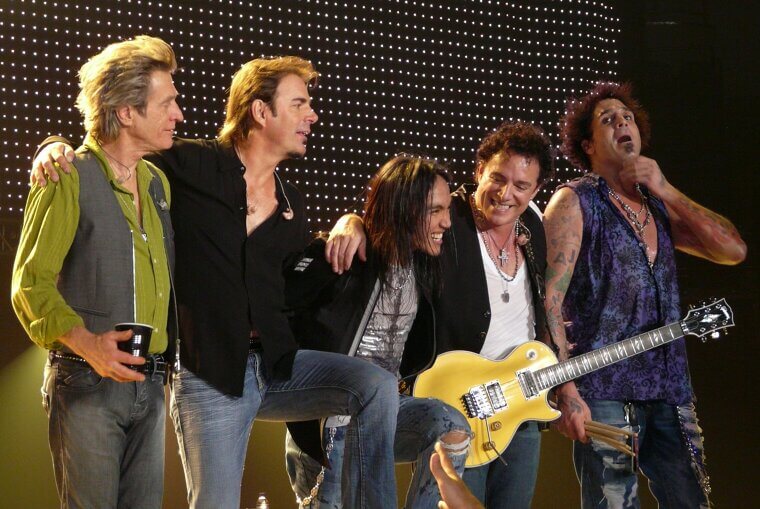
The lyrics offer a sense of somber resignation, acknowledging that even when love fails and paths diverge, there remains a lingering hope for mutual healing.
"Jack & Diane" by John Mellencamp - Altered From a Story About Heavy Racial Tensions
Listeners widely regard this acoustic-driven track as the ultimate nostalgic celebration of innocent teenage romance in the rural American heartland. The song's original draft explored much darker, more socially conscious themes before industry interference. John Mellencamp reportedly initially wrote the narrative as a poignant story about an interracial couple navigating severe racial prejudice and societal pressure in a small, conservative town.
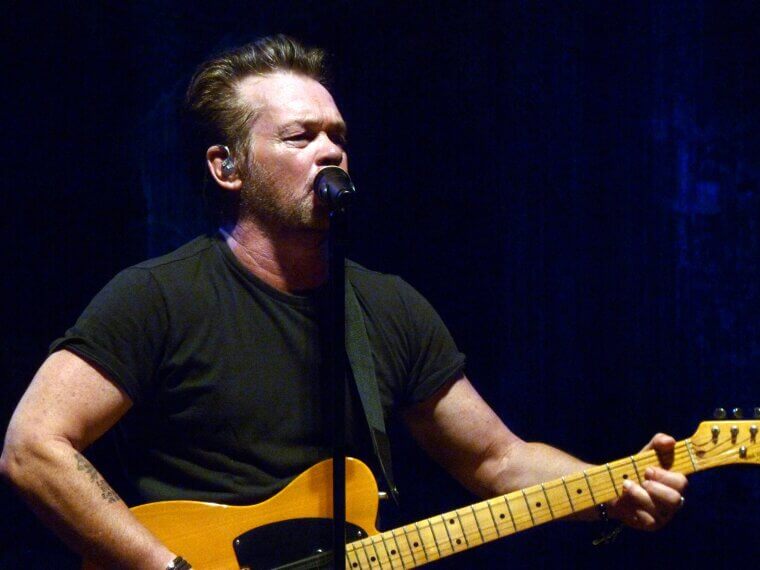
The creator said he was never pressured to change the song from that original idea; he changed it because it was too chaotic and "cluttered." Instead, he turned it into a sanitized, widely acceptable pop hit about ordinary kids growing up and facing the mundane realities of adulthood.
"Back in Black" by AC/DC - A Mournful Tribute Hidden in a Hard Rock Riff
The heavy, crunching guitar chords that open this track are universally recognized as an iconic symbol of rebellious energy and unyielding toughness. The song actually serves as a deeply emotional and mournful tribute to the band's recently deceased original lead singer, Bon Scott. Instead of writing a slow, depressing ballad to honor their fallen friend, the group reportedly decided to create a massive, triumphant celebration of his wild spirit. The lyrics emphasize resilience, returning from the brink of defeat, and refusing to surrender to tragedy. The title directly references the traditional color of mourning, cleverly disguised as a statement of enduring strength.
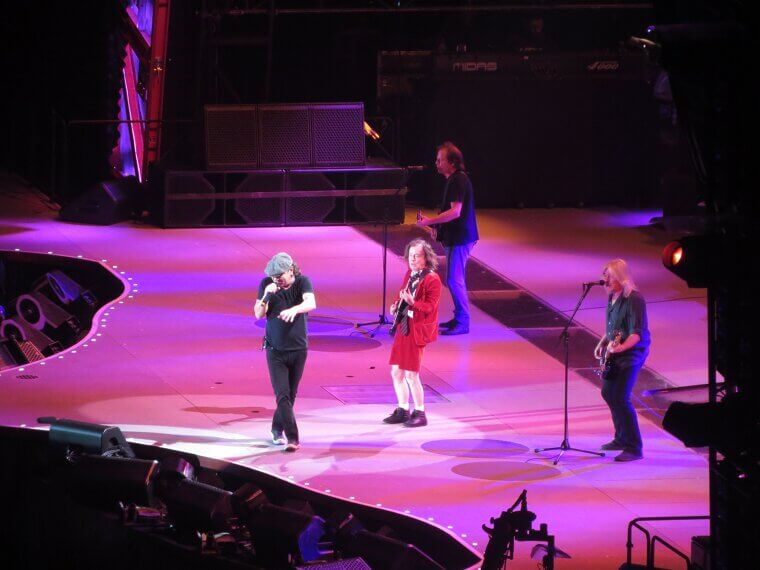
It remains 1 of the most successful and loudest musical eulogies ever recorded in history. The relentless groove perfectly honors the memory of a frontman who lived life at maximum volume.
"Radio Ga Ga" by Queen - A Toddler's Babbling Response to Background Noise
The pulsating electronic beat and massive stadium chorus serve as a powerful commentary on the rise of music television and the potential death of traditional broadcasting. The profound societal message actually originated from the unexpected babbling of a small child. Drummer Roger Taylor reportedly heard his young son complaining about a bad song playing in the background by stating the words "radio caca." Taylor found the toddler's blunt assessment amusing and locked himself in a room to build a synthesizer track around a slightly altered version of the phrase. The synchronized clapping sequences featured in the music video became an iconic staple of their live performances.
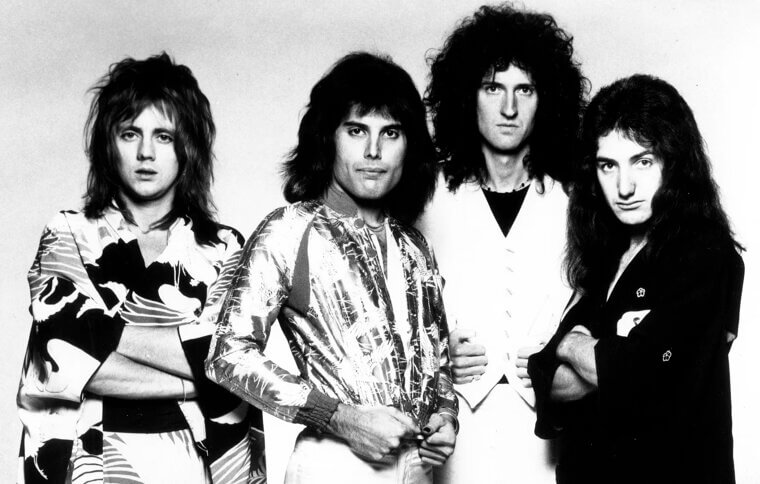
What began as a child's random vocalization evolved into a massive, thought-provoking hit that successfully predicted how visual mediums would eventually dominate the entire entertainment industry in the coming decades.
"Rosanna" by Toto - A Convenient Name Chosen Merely to Fit the Chorus Meter
The complex drum shuffle and intricate instrumental solos helped this track dominate the prestigious music awards ceremonies upon its release. Fans and journalists spent decades assuming the lyrics were a direct, heartfelt dedication to the famous actress Rosanna Arquette, who was dating a band member at the time. The primary songwriter, David Paich, reportedly debunked this romantic myth by explaining the practical reality of the creative process. The band simply needed a feminine name containing exactly 3 syllables to fit the specific rhythmic meter of the bouncing chorus. The flawless studio production highlights the immense technical skill possessed by every member.

They borrowed the actress's name purely out of convenience, while the actual narrative combined experiences from several different past relationships into a fictional story about longing and lost love.
"Jump" by Van Halen - Inspired by a Tragic News Report of a Jumper
The upbeat synthesizer hook and energetic rhythm make this classic rock staple feel like an ultimate party anthem designed to get crowds moving. David Lee Roth reportedly found the inspiration for the lyrics while watching a television news broadcast about a very grim situation. The news anchor was reporting on an individual standing on the ledge of a tall building, contemplating a tragic leap. Thankfully, this is mere legend, as Roth has repeatedly stated that it was always about skydivers and taking that "leap of faith".
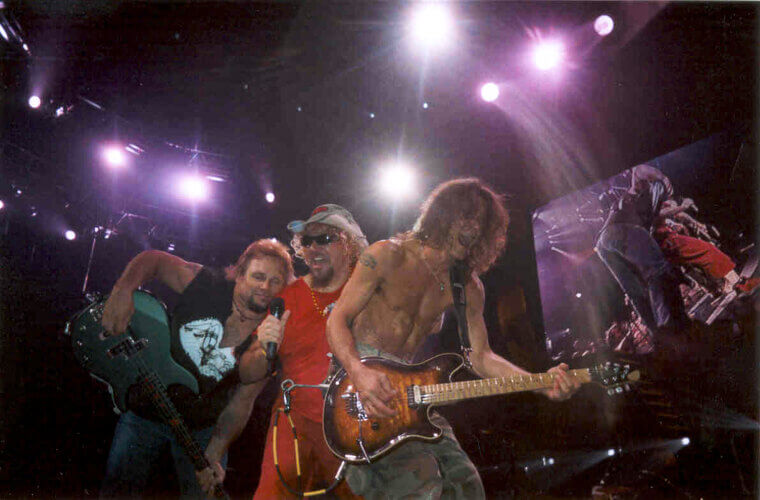
Regardless of the inspiration, the band turned the song into 1 of the decade's biggest hits. The bouncy keyboard intro provides an incredible contrast to the heavy source material.
"Total Eclipse of the Heart" by Bonnie Tyler - Originally Penned as a Vampire Love Story
The dramatic orchestration and powerful vocal performance make this track a staple of dramatic karaoke nights everywhere. Jim Steinman reportedly wrote the epic ballad with a very specific, supernatural storyline in mind that rarely gets discussed. Rock lore says the track was originally titled "Vampires in Love" and was intended for a musical adaptation of the classic horror film Nosferatu. However, this was simply romanticizing. It's simply a song about the yearning of love.

The song eventually went to Bonnie Tyler and became a massive mainstream pop hit.
"Pour Some Sugar on Me" by Def Leppard - Nonsensical Phonetic Phrases Stitched Together Over Tea
Fans often search for deep metaphors or hidden romantic meanings within the suggestive lyrics of this rock staple. The truth behind the writing process reveals a much more chaotic and random approach to songcraft. Lead singer Joe Elliott and producer Mutt Lange reportedly sat around a studio drinking tea and tossing out random words that simply sounded good together rhythmically. The resulting stadium shaker proves that catching a groove is sometimes more important than poetry.
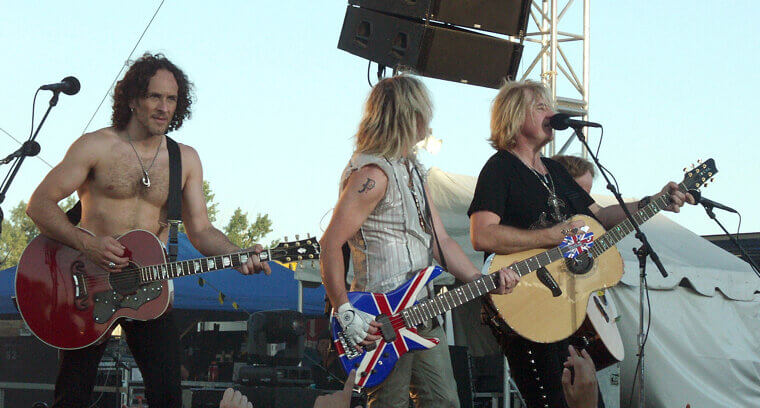
The track essentially serves as a masterclass in how vowel sounds and rhythm can create a massive hit, even when the actual sentences make almost 0 logical sense.
"Under Pressure" by Queen and David Bowie - The Heavy Weight of Modern Societal Expectations
This legendary collaboration happened almost by accident when two massive musical forces found themselves working in the same Swiss recording studio. The iconic bassline and escalating vocal performances emerged from a late-night marathon jam session fueled by wine and spontaneous creativity. The lyrics evolved into a profound commentary on the crushing expectations placed upon individuals by modern society and capitalism. Both artists reportedly wanted to explore how the stress of daily survival slowly destroys families, friendships, and basic human compassion. The track shifts from describing the terror of a collapsing world to a desperate plea for love and empathy as the only viable solutions.
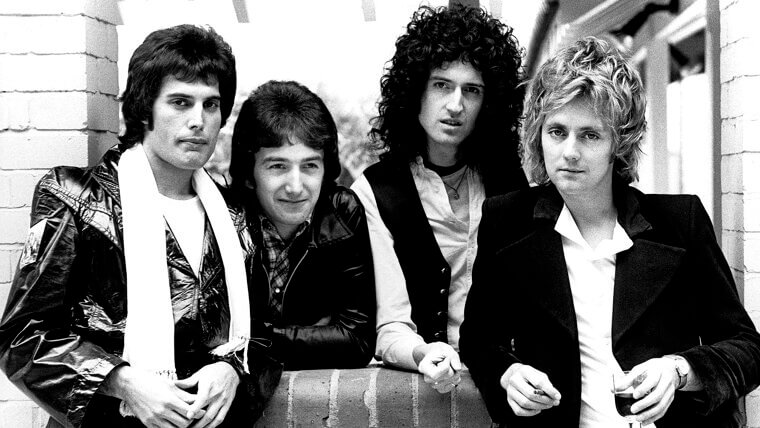
It remains 1 of the most poignant vocal duets regarding mental health and societal strain produced during that decade. The raw emotion conveyed by both singers still resonates strongly with modern listeners.
"Free Fallin'" by Tom Petty - A Humorous Attempt to Amuse a Famous Producer
The breezy acoustic chords and vivid imagery of Los Angeles make this track sound like a carefully constructed singer-songwriter masterpiece. The origins of the song were actually much more spontaneous and comedic than listeners might expect. Tom Petty reportedly started ad-libbing the lyrics while sitting in the studio with producer Jeff Lynne, simply trying to make his friend laugh. Petty began naming various random locations around the San Fernando Valley and inventing a fictional narrative about a "good girl" who loves her mother. The exaggerated, soaring vocal delivery on the chorus was initially done as a joke to see if Lynne would chuckle at the dramatic shift.
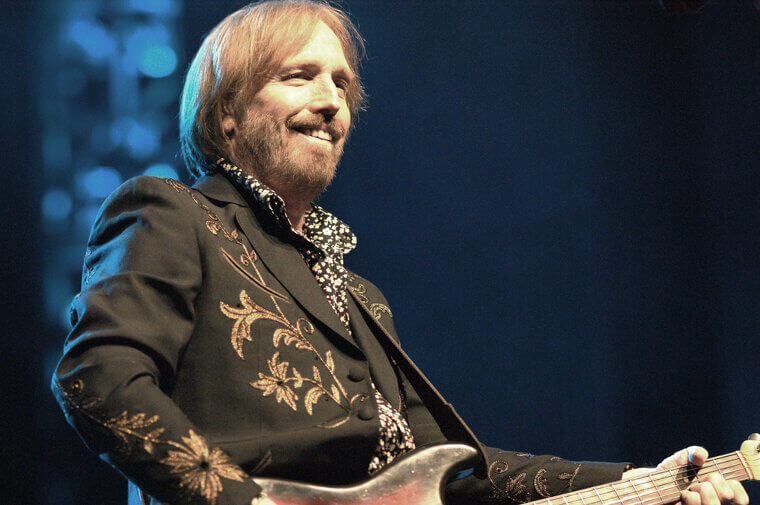
The producer recognized the accidental brilliance of the melody and convinced Petty to finish the track properly. It stands as a brilliant example of how playful improvisation can yield timeless art.
"Rock You Like a Hurricane" by Scorpions - The Endless Exhaustion of Touring and Hotel Life
The driving guitar riffs and aggressive vocal delivery make this track sound like an unstoppable force of nature tearing through a city. The underlying narrative actually addresses the grueling reality and disorienting nature of living on the road as a touring musician. The lyrics detail the cycle of waking up in unfamiliar hotel rooms, facing endless travel schedules, and preparing to expend massive amounts of energy on stage every single night. The band reportedly wanted to capture the feeling of arriving in a new town, causing a massive disruption with their loud performance, and then leaving just as quickly as they arrived.
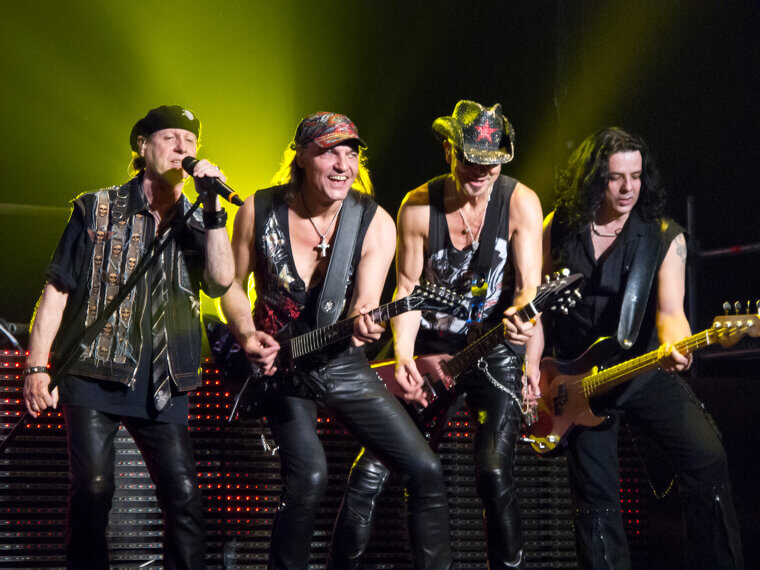
It serves as a metaphorical description of the exhausting, chaotic life of international entertainers constantly in motion. The blistering guitar solos reflect the chaotic frenzy of the touring environment.
"The Final Countdown" by Europe - A Basic Keyboard Riff Meant Merely for Show Openings
Sporting arenas around the world constantly utilize this bombastic synthesizer track to hype up crowds before major athletic events. The band originally never intended for the song to be released as a commercial single or receive any radio airplay. Joey Tempest reportedly composed the iconic brass-like keyboard melody years earlier simply to serve as a dramatic instrumental opening for their live concerts. The group eventually decided to expand the brief riff into a full composition, drawing heavy lyrical inspiration from David Bowie's themes of space exploration and leaving Earth behind. The catchy instrumental hook remains instantly recognizable across multiple generations.
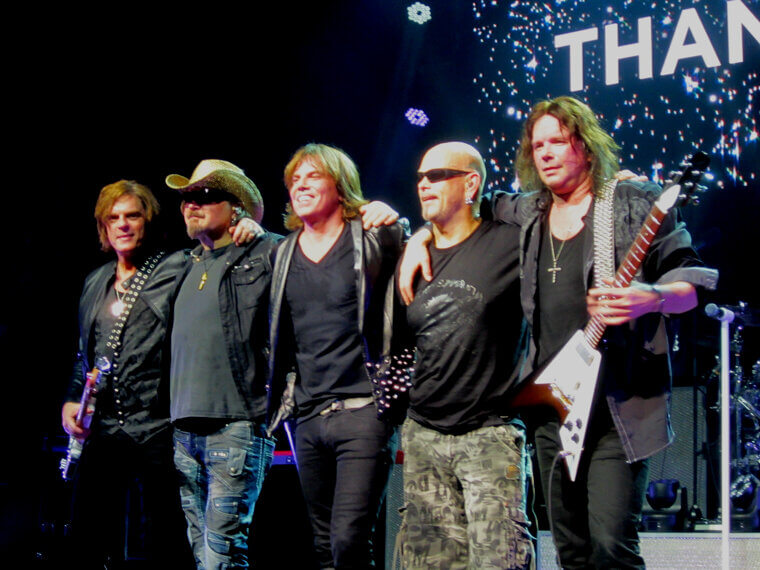
The result was a dramatic, sci-fi infused rock opera that unintentionally transformed a brief warm-up melody into a massive global phenomenon that defined their entire career.
"Eye of the Tiger" by Survivor - A Backup Plan When Rights to a Queen Song Fell Through
Boxing enthusiasts and fitness junkies have utilized this motivational track as the ultimate workout soundtrack for over 4 decades. The song only exists because Sylvester Stallone encountered a major licensing hurdle while editing his highly anticipated sports film sequel. The actor originally wanted to use Queen's "Another One Bites the Dust" for the crucial training montage scenes in Rocky 3. When the legendary British band declined the request, Stallone commissioned a relatively unknown rock group to create a brand new original piece with a similar driving tempo. The band reportedly matched the heavy guitar chords to the exact rhythm of a boxer throwing punches.

The resulting creation not only saved the movie sequence but also earned an Academy Award nomination. It quickly became an inescapable cultural phenomenon that defined the sound of cinematic triumph.
"Sister Christian" by Night Ranger - A Brother's Concern About Growing Up Too Fast
Many listeners assume this power ballad tells the story of a religious figure or perhaps a forbidden romantic encounter. The actual inspiration is simply the band seeing the youth culture of LA, and the phrase "motoring" was used as local slang for teenagers driving around aimlessly looking for excitement.

The singer altered the name to "Christian" simply because it sounded better when belted out over the heavy piano chords, transforming a protective older brother's observations into a massive radio hit.
"Keep On Loving You" by REO Speedwagon - Enduring Despite Heartbreaking Betrayal and Infidelity
The soaring vocals and lush piano intro give this track the distinct feel of a traditional, fairy-tale romance anthem. A closer examination of the lyrics reveals a much more complicated and painful narrative regarding a fractured relationship. Kevin Cronin reportedly wrote the track after discovering that his wife had engaged in an affair prior to their marriage. Instead of walking away, the lyrics detail his conscious choice to acknowledge the painful betrayal, address the hidden secrets, and commit to the relationship anyway. The narrator openly admits to knowing about the infidelity but promises to stay steadfast in his devotion regardless.

It turns a standard love song into a raw, unfiltered admission of vulnerability and the difficult choices people make to preserve a broken bond. The swelling guitar solos add a sense of emotional triumph to the heavy lyrical content.
"Here I Go Again" by Whitesnake - The Lonely Journey Through a Heartbreaking Divorce
The massive choruses and flashy music videos featuring sports cars helped propel this track to the top of the charts globally. The original conception of the song was rooted in deep personal tragedy rather than glamorous rock star posturing. David Coverdale reportedly wrote the lyrics in a small rented room while enduring the painful dissolution of his first marriage. The narrative captures the profound loneliness and daunting reality of having to start life over as a single individual after years of partnership. The band originally released a slower, more blues-oriented version of the track years earlier. The underlying message of solitary perseverance struck a chord with millions of listeners worldwide.
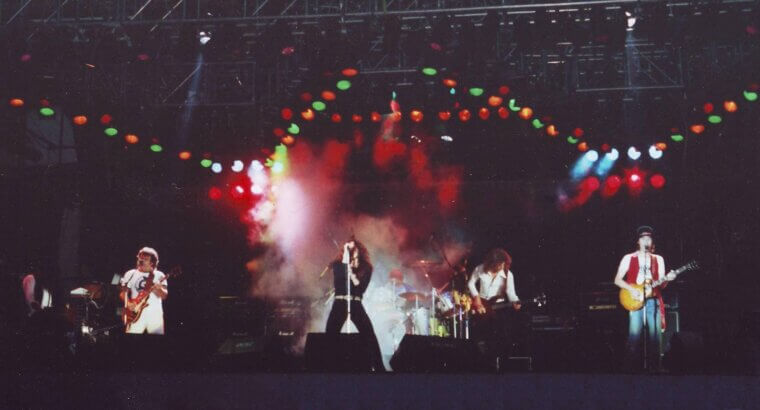
They only re-recorded the famous upbeat version later to capitalize on the emerging pop-metal trend, dressing up a sorrowful divorce lament with glossy synthesizers and loud guitars.
"Summer of '69" by Bryan Adams - Pure Nostalgia and Reflecting on the Best Days of Youth
Countless fans have assumed this upbeat rock tune was specifically written about the historical events and cultural shifts that occurred during a specific year in the late 1960s. The artist was actually only 9 years old during that calendar year, making a literal interpretation highly unlikely. Bryan Adams and his co-writer Jim Vallance reportedly crafted the track to capture the universal feeling of looking back on the carefree days of youth, forming early garage bands, and experiencing initial romances. The original working title for the project was actually "Best Days of My Life" before they settled on the final, more evocative phrase.

It stands as a timeless exploration of how memories of our younger years often feel brighter and more significant than the present. The energetic arrangement perfectly mirrors the boundless enthusiasm of being a teenager with an electric guitar.
"Don't Stop Believin'" by Journey - A Midnight Walk Through a Non-Existent City District
This beloved piano-driven track holds the record for being 1 of the most downloaded catalog songs in digital history. The evocative opening lines describe a lonely boy born and raised in "South Detroit" taking a midnight train going anywhere. The geographical reference has confused local residents for decades because Detroit does not actually possess an area officially known by that specific directional name. Steve Perry reportedly chose the phrase simply because the syllables sounded incredibly musical and fit the rhythm perfectly during the songwriting session. The gradual buildup of the arrangement mimics the hopeful anticipation of starting a new life.
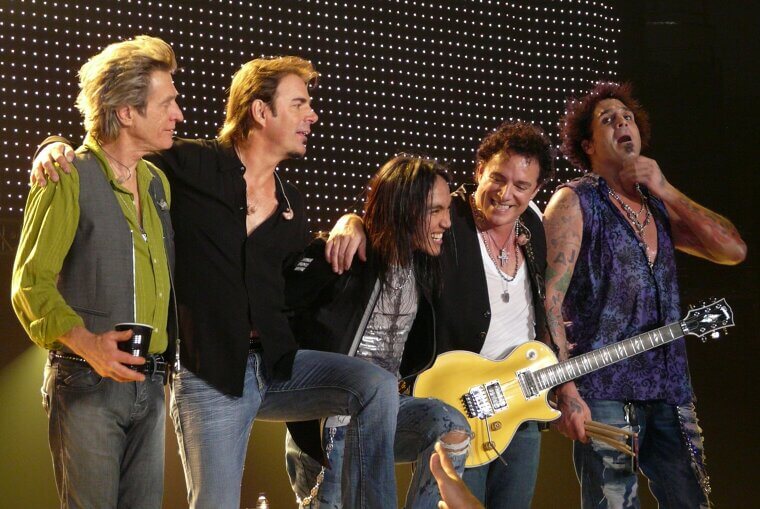
The narrative was inspired by the keyboardist experiencing a wave of homesickness while staring out of a hotel window during a grueling tour, creating a universal tale of dreamers seeking connection in an isolating world.
"Any Way You Want It" by Journey - Heavily Influenced by Irish Bass Rhythms and Poetry
The rapid-fire vocal delivery and driving guitar rhythms make this track 1 of the most energetic offerings in the band's extensive catalog. The inspiration behind the unique arrangement actually came from interacting with a completely different style of rock music. Steve Perry reportedly wrote the track after spending time on the road with the Irish band Thin Lizzy. He was deeply fascinated by the way their frontman, Phil Lynott, combined rapid, poetic lyrical phrasing with heavy, driving basslines. Perry attempted to replicate that specific Celtic-infused rhythmic approach while adapting it to Journey's signature melodic sound.
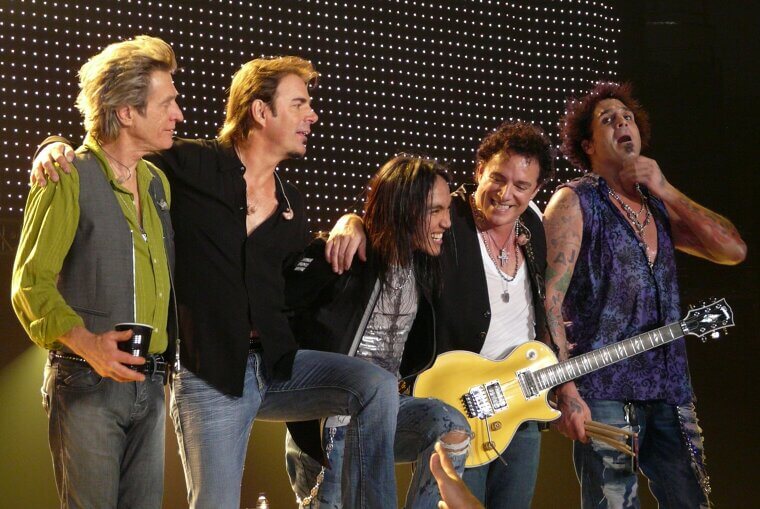
The resulting track successfully blended intricate lyrical timing with stadium-ready guitar chords, creating a distinctively upbeat and infectious piece of music. The layered vocal harmonies in the chorus demonstrate the group's impressive technical prowess.
"We're Not Gonna Take It" by Twisted Sister - Melody Lifted Directly from a Traditional Holiday Carol
This rebellious teenage anthem became the ultimate soundtrack for challenging authority and fighting back against strict generational rules. The driving rhythm and aggressive vocal delivery hide a very surprising and traditional musical foundation. Dee Snider reportedly wrote the famous, defiant chorus by heavily borrowing the primary melody from the classic Christmas carol "O Come, All Ye Faithful." The singer realized that the traditional, uplifting intervals of the holiday standard could be easily manipulated into a fist-pumping, aggressive rock chant. The theatrical music video further cemented the song's status as a humorous but potent symbol of youthful defiance.
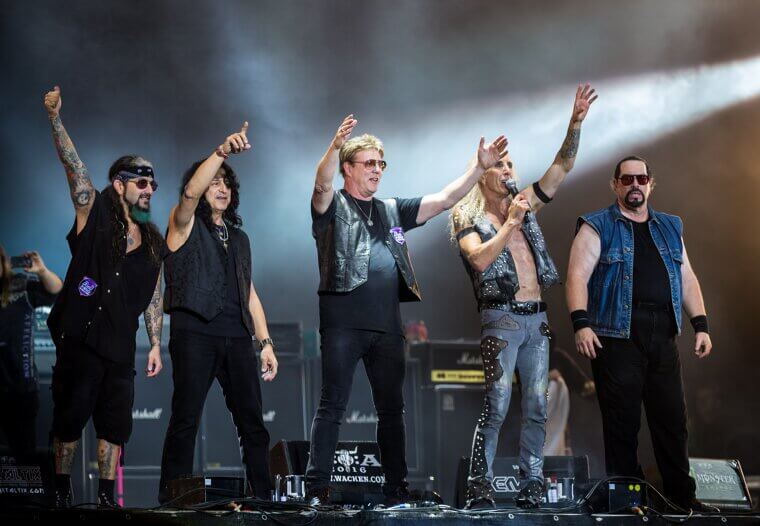
By simply speeding up the tempo, adding distorted guitars, and changing the lyrics to focus on youthful rebellion, the band managed to disguise a centuries-old religious hymn as a dangerous, controversial piece of modern heavy metal.
"Panama" by Van Halen - Defending Lyrical Choices by Writing About a Fast Car
The roaring guitar effects and high-energy vocals make this track feel like a wild celebration of an exotic, tropical destination. The song actually has absolutely 0 connection to the Central American country or the famous canal located there. David Lee Roth reportedly wrote the lyrics after a music critic accused him of only ever singing about partying and wild lifestyles. The frontman realized he had never actually written a song about a fast vehicle, a classic trope in the genre. The resulting track offers a pure, unadulterated rush of adrenaline.

He named the track after a specific racing car he saw competing in Las Vegas called "Panama Express." The heavy, revving guitar sounds in the middle section were created by actually bringing a customized vehicle into the studio and recording the exhaust pipes.
"Start Me Up" by The Rolling Stones - Originally Conceived as a Slow Reggae Track
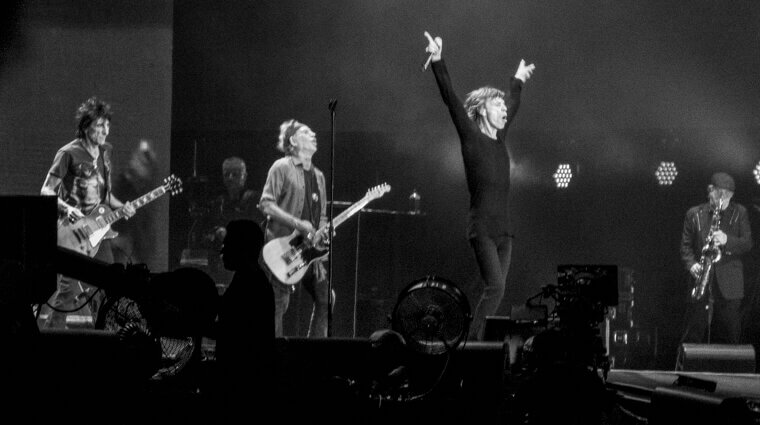
This track features 1 of the most recognizable guitar riffs in music history and serves as a quintessential example of driving, straightforward rock. The journey to the final version was remarkably complicated and spanned several years of abandoned recording sessions. The band reportedly first attempted to record the song in 1978 under the working title "Never Stop," playing it entirely as a slow, rhythmic reggae tune. The group struggled to make the Jamaican-inspired arrangement work and eventually shelved the project completely. That discarded, impromptu rock take was polished and released, becoming a massive global hit.
Years later, an engineer dug up a single, forgotten take where the band had briefly played the track as a straight rock song. It proves that artistic persistence eventually uncovers the perfect arrangement.
"Run to the Hills" by Iron Maiden - A Dual Perspective on Tragic Westward Expansion
The galloping bassline and soaring vocal acrobatics make this track a staple of the heavy metal genre's golden era. Unlike many songs of the time that focused on fictional monsters or superficial themes, this complex piece serves as a heavy historical critique. Steve Harris reportedly wrote the lyrics to examine the brutal realities of European colonization and the tragic displacement of Indigenous populations during the American westward expansion. The unique narrative structure divides the storytelling, with the first half told entirely from the perspective of the native tribes facing an overwhelming invasion. The thunderous drum patterns flawlessly echo the chaotic violence of the historical conflict.
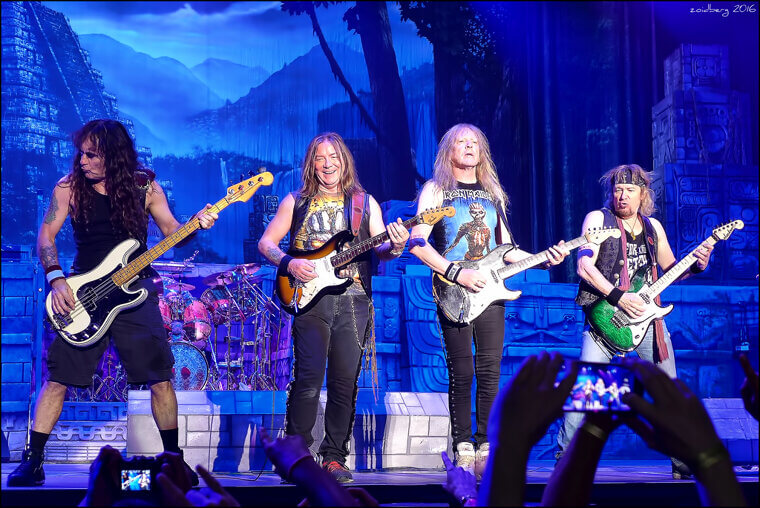
The second half shifts to the viewpoint of the ruthless colonizers, creating a surprisingly nuanced and educational historical lesson disguised as a blistering, high-tempo rock anthem.
"Walk of Life" by Dire Straits - Almost Scrapped for Sounding Like a Cheerful Polka
The bouncy synthesizer melody and infectious rhythm turned this track into a massive commercial success and a staple at sporting events. The song came remarkably close to never seeing the light of day during the final mixing stages of the album. The primary producer reportedly strongly disliked the tune, arguing that its overly cheerful, almost polka-like rhythm clashed horribly with the moody, sophisticated tone of the rest of the record. The band's manager had to step in and forcefully demand that the track remain on the final pressing. The catchy instrumental hook provides an irresistible urge to tap along.
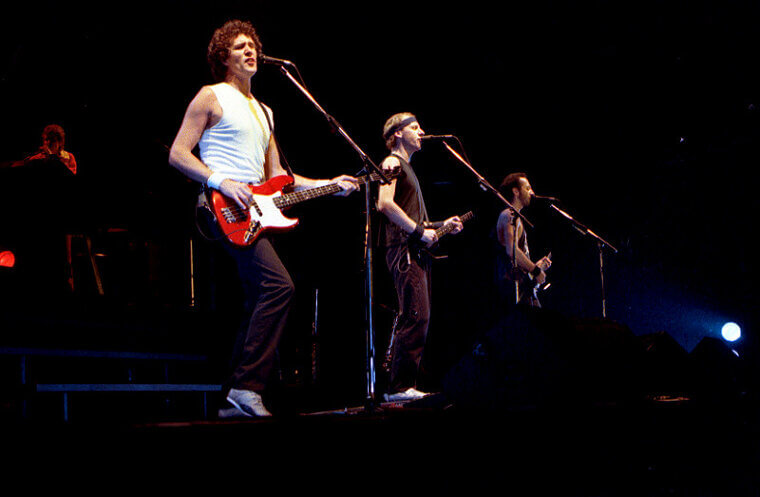
The song serves as a lyrical tribute to buskers and street musicians, celebrating their dedication to performing simple melodies for passing crowds, and ironically became 1 of the band's most lucrative creations.