
We all have those classic 70s rock tracks we belt out in the car, thinking we know exactly what they’re about. But what if your favorite feel-good jam is actually a bitter revenge song? Dive into these surprising true stories behind the music.
Hotel California, 1976, Eagles, this legendary track explores the dark underbelly of the California dream rather than a literal haunted building
Many listeners assume this famous anthem recounts a terrifying stay at a supernatural inn or references obscure practices. The reality proves far more grounded in the music industry itself. Don Henley and Glenn Frey reportedly wrote the track to critique the rampant greed and self-destructive lifestyle prevailing in Los Angeles during that era. It serves as a brilliant metaphor for the loss of innocence and the superficial nature of the American dream.
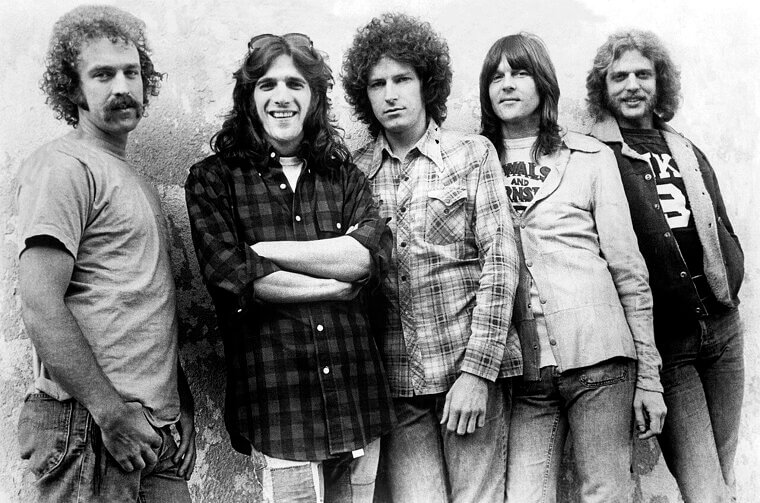
The band members wanted to capture the hedonistic atmosphere they experienced firsthand. They utilized vivid imagery to illustrate how immense success can become a beautiful but inescapable prison for young artists navigating fame. Ultimately, the narrative reflects societal decay instead of paranormal events. This iconic release remains a cautionary tale about excess.
Born to Run, 1975, Bruce Springsteen, this energetic tune expresses desperation to escape a suffocating hometown instead of serving as a triumphant patriotic anthem
Countless fans misinterpret this sweeping stadium favorite as a joyous celebration of American youth and endless freedom. In truth, the songwriter penned these lyrics from a place of deep frustration and feeling trapped in New Jersey. The protagonist is pleading with his partner to flee their current life before it destroys their spirits. The roaring motorcycles and highways represent a literal getaway vehicle from a bleak future. This sense of urgency stems from the artist feeling pressure to succeed after earlier commercial disappointments.

The resulting masterpiece captures the anxiety of a final chance at redemption. Listeners now appreciate the raw vulnerability hidden behind the majestic wall of sound. The roaring guitars mask a profound existential panic.
The Joker, 1973, Steve Miller Band, this groovy hit amalgamates the artist's previous fictional characters rather than introducing a brand new persona
Audiences frequently view the protagonist of this laid-back tune as a fresh, standalone character created just for this release. However, the songwriter ingeniously referenced various personas from his own back catalog to construct the lyrics. Mentions of the space cowboy, the gangster of love, and Maurice are direct callbacks to earlier tracks. He reportedly did this as an inside joke for his most dedicated followers who would recognize the intertwined universe.

The track ultimately functions as a clever self-tribute masking itself as a simple radio single. Its massive commercial success ironically made these obscure references mainstream. The breezy melody perfectly conceals the intricate lyrical puzzle pieced together from years of prior artistic experimentation. It remains a fascinating easter egg for fans.
One Way or Another, 1978, Blondie, this catchy pop tune details a relentless admirer following the lead singer rather than a playful romantic pursuit
People often sing along to this upbeat classic assuming it portrays a quirky, harmless crush or an enthusiastic flirtation. The actual inspiration stems from a highly unsettling personal experience endured by Debbie Harry. She was allegedly targeted by a relentless admirer who continuously followed her around, causing significant distress. Instead of succumbing to fear, she decided to reclaim her power by writing a track from the perspective of the pursuer.
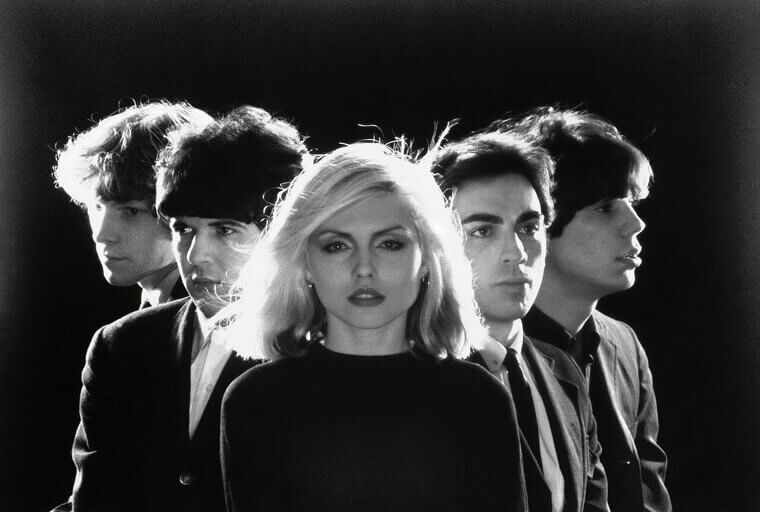
Injecting the lyrics with infectious energy helped mask the frightening reality behind the words. This creative coping mechanism transformed a dark situation into a massive commercial triumph. The upbeat tempo masterfully distracts audiences from the surprisingly intense and serious subject matter lurking within the verses. Her resilience is incredibly inspiring.
Barracuda, 1977, Heart, this aggressive rocker targets deceitful music executives spreading false rumors instead of depicting a literal dangerous fish
A significant portion of the public believes this heavy riff-driven anthem simply uses marine biology as a metaphor for a tough, unyielding woman. The actual catalyst was immense anger directed at sleazy industry representatives. Ann and Nancy Wilson reportedly became furious after a promoter created a fabricated, highly inappropriate promotional campaign regarding their personal relationship. Channeling their outrage into the studio, they crafted a blistering response to the predatory nature of the entertainment business.

The predatory fish serves as an avatar for greedy managers trying to exploit young talent. Their fierce vocal delivery genuinely reflects the real-life betrayal they felt at the time. This powerful declaration of independence cemented their status as formidable forces in the industry. It stands as a warning to manipulators.
Go Your Own Way, 1977, Fleetwood Mac, this soaring track serves as a bitter farewell during a band breakup rather than an amicable mutual parting
Casual listeners might interpret the upbeat tempo and soaring harmonies as a positive, empowering message about independence and self-discovery. In reality, Lindsey Buckingham wrote these biting lyrics as a direct, angry message to Stevie Nicks during their chaotic separation. He reportedly included specific lines designed to provoke her, resulting in immense tension during recording sessions and live performances. The bright acoustic guitars intentionally contrast with the harsh accusations embedded in the vocals.
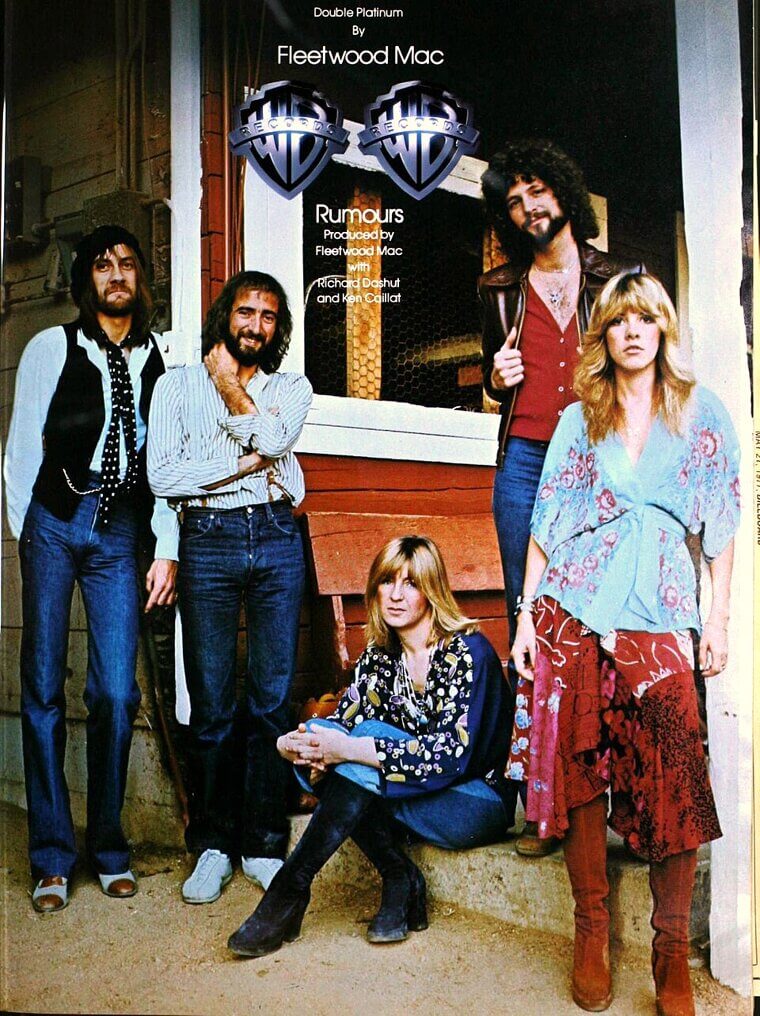
Forcing his former partner to sing backup on a track criticizing her behavior added an extra layer of complexity to the band's dynamic. This unique situation created unparalleled emotional authenticity that resonated worldwide. The finished product remains a testament to channeling personal turmoil into artistic brilliance. The behind-the-scenes drama fueled undeniable musical genius.
Smoke on the Water, 1972, Deep Purple, this heavy metal foundational piece provides a literal retelling of a casino fire instead of an abstract metaphor
Many aspiring guitarists learn this iconic riff without ever realizing the lyrics function as a straightforward journalistic account of a real disaster. The band was situated in Montreux, Switzerland, intending to record a new project using a mobile studio. During a performance by Frank Zappa, a flare was allegedly fired into the venue ceiling, causing the entire casino to burn down. The musicians watched the massive blaze from their hotel across Lake Geneva, inspiring the famous title.

Every verse systematically details the events of that chaotic day, including the heroic efforts of the event organizer. Rather than crafting poetic imagery, they simply documented their immediate surroundings. This literal approach birthed one of the most recognizable musical themes ever recorded. History transformed into legendary sound.
You're So Vain, 1972, Carly Simon, this legendary mystery tune amalgamates the traits of multiple arrogant men instead of targeting one specific individual
For decades, pop culture enthusiasts have obsessively debated the identity of the single egotistical lover described in this timeless release. The songwriter eventually clarified that the verses actually describe three distinct men from her past, combined into a singular composite character. While Warren Beatty reportedly inspired the second verse, the other two subjects remain closely guarded secrets. This clever narrative technique allowed her to critique the broader culture of narcissistic behavior prevalent among the elite during that era.

The speculation surrounding the subject ironically amplified the track's central theme of self-absorption. Her ability to keep the public guessing ensured the song maintained its cultural relevance for generations. The brilliant lyrical ambiguity remains a masterclass in songwriting. It perfectly captures the vanity of the era.
Lola, 1970, The Kinks, this catchy acoustic tune details a confusing encounter with a transgender individual at a club instead of a traditional romance
Radio audiences frequently hum along to the memorable chorus believing it narrates a standard tale of boy meets girl on a night out. The true story reportedly involves the band's manager dancing with a striking woman in a dimly lit Soho venue, only to discover she was biologically male. Ray Davies observed the entire interaction and brilliantly transformed the situation into a lighthearted, accepting narrative. Rather than mocking the scenario, the lyrics celebrate the unpredictability of nightlife and the blurring of conventional boundaries.
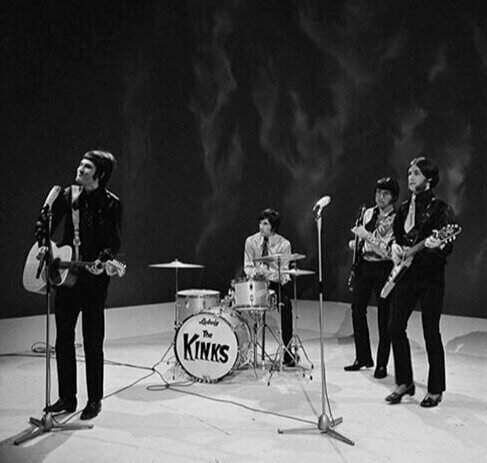
The track faced minor pushback but ultimately triumphed due to its infectious melody and charming storytelling. It stands as a surprisingly progressive milestone for mainstream entertainment during a conservative era. The playful tone perfectly captured the shifting cultural landscape. Music brought people together effortlessly.
Walk This Way, 1975, Aerosmith, this iconic funky rocker draws inspiration from a comedic movie quote rather than genuine street slang
Fans generally assume the gritty vocal delivery and swaggering rhythm reflect authentic urban experiences or gritty tales from the road. The surprising truth is that the band hit a creative wall during a recording session until they took a break to watch the film Young Frankenstein. A specific visual gag involving Marty Feldman instructing Gene Wilder to mimic his unusual gait left the musicians in stitches. They returned to the studio and immediately built the entire groove around that hilarious cinematic moment.
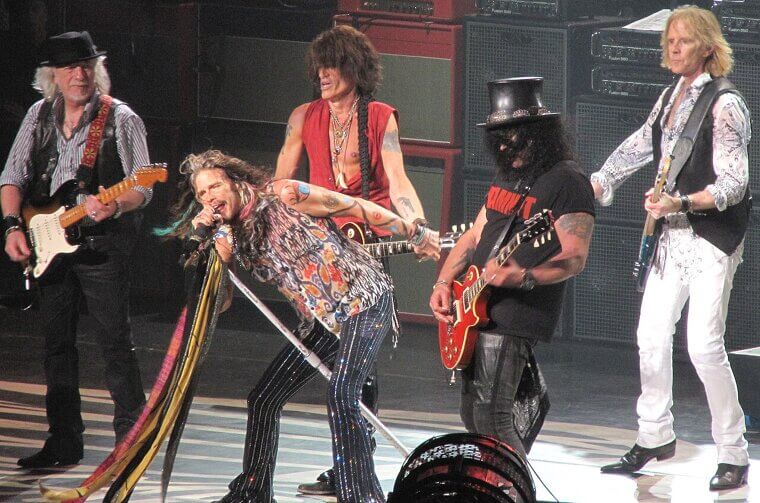
Transforming a piece of slapstick comedy into a phenomenal hard-rocking hit required immense talent and vision. The resulting track single-handedly elevated their career trajectory. It proves that inspiration can strike from the most unlikely and ridiculous sources. A magnificent fusion of humor and heavy rhythms.
Heart of Glass, 1979, Blondie, this definitive disco classic originated as a slow reggae tune about annoyance rather than a glamorous dance floor celebration
Clubgoers around the world embraced this polished track as the ultimate chic soundtrack for late-night partying and fashionable escapism. However, the band originally conceived the piece years earlier as a sluggish, reggae-infused demo tentatively titled 'Once I Had a Love'. The lyrics expressed weary irritation toward a passive partner, not the shimmering glamour associated with the final version. A producer reportedly convinced them to revamp the arrangement using a driving synthesizer beat, completely transforming the mood.
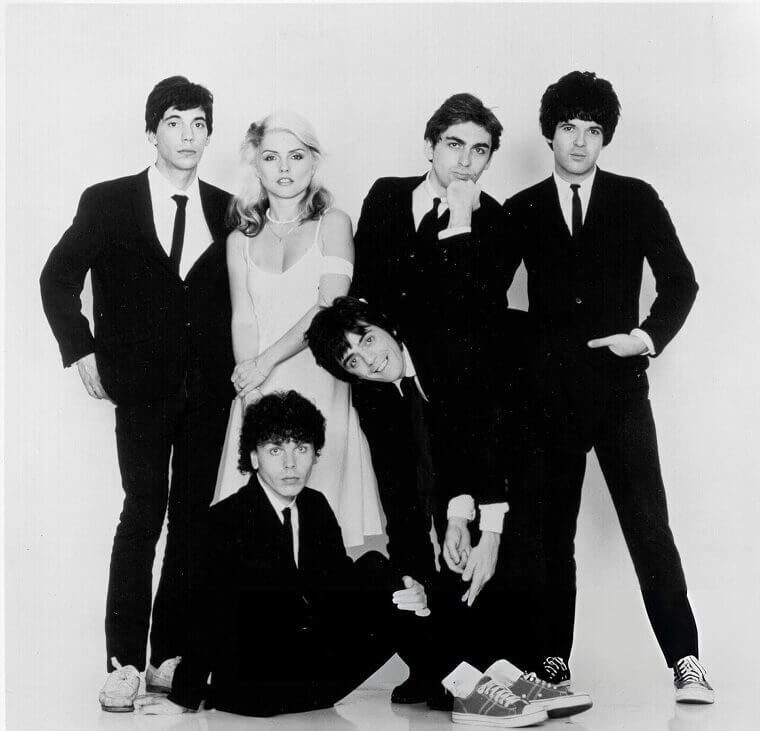
This unexpected stylistic shift propelled them to international stardom, despite alienating some of their early punk supporters. The underlying cynical lyrics create a fascinating contrast with the joyful, pulsating electronic instrumentation. This juxtaposition remains a key element of their enduring appeal. Reinvention birthed a timeless cultural phenomenon.
Sweet Home Alabama, 1974, Lynyrd Skynyrd, this famous southern anthem serves as a direct rebuttal to Neil Young instead of a simple showcase of regional pride
Countless listeners view this upbeat track as an uncomplicated celebration of southern living and beautiful rural landscapes. The actual motivation behind the lyrics was a pointed response to two specific songs released by Neil Young, which harshly criticized the historical actions of the American South. Ronnie Van Zant reportedly felt those critiques were overly generalized and decided to pen a fiery defense of his homeland's complex heritage. By explicitly mentioning the Canadian rocker by name, the band initiated one of the most famous musical dialogues of the decade.
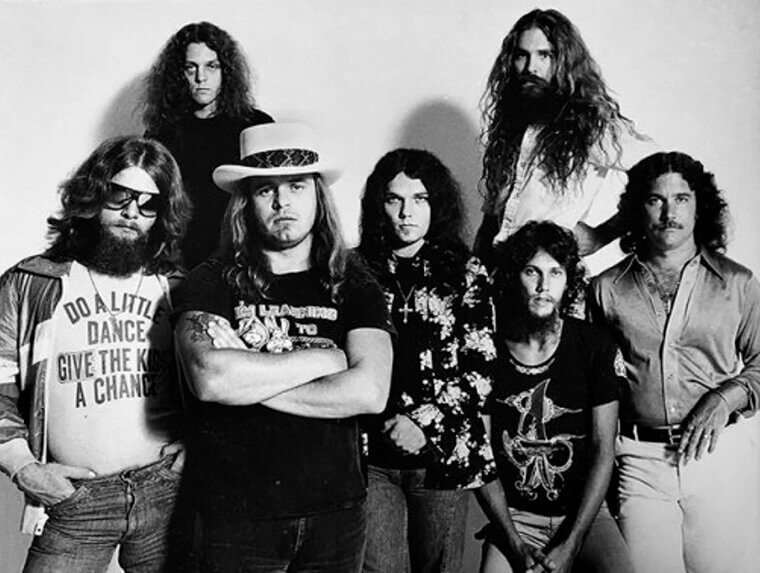
Despite the perceived feud, the musicians actually held deep mutual respect for each other. The resulting hit transcended the initial argument to become a globally recognized cultural touchstone. A masterclass in musical debate disguised as pop.
London Calling, 1979, The Clash, this urgent punk masterpiece voices fears of Thames flooding and nuclear errors rather than just generic urban rebellion
The aggressive guitar chops and snarling vocals lead many to classify this track as a standard anti-establishment punk declaration. In reality, Joe Strummer was deeply terrified by contemporary news reports regarding a potential meltdown at Three Mile Island and the precarious state of the River Thames defenses. The lyrics vividly describe a looming apocalyptic scenario where the city is submerged and technology fails humanity. This pervasive sense of dread reflects the genuine anxieties of the Cold War era and environmental instability.

The band elevated their sound beyond simple three-chord structures, incorporating reggae and rockabilly elements to match the apocalyptic weight of the words. It remains a chillingly accurate time capsule of late-seventies geopolitical paranoia. The apocalyptic vision feels surprisingly relevant even today.
Maggie May, 1971, Rod Stewart, this breakthrough solo hit narrates losing innocence at a jazz festival rather than a fictional bittersweet romance
Listeners often assume the protagonist is merely a character in a carefully crafted, poignant story about an older woman and a younger man. The singer eventually revealed that the narrative closely follows his own real-life experience at the 1961 Beaulieu Jazz Festival. He reportedly slipped away from his friends to share a brief, memorable encounter with a significantly older stranger. The lyrics capture the conflicting emotions of feeling used yet fascinated by the sudden transition into adulthood.
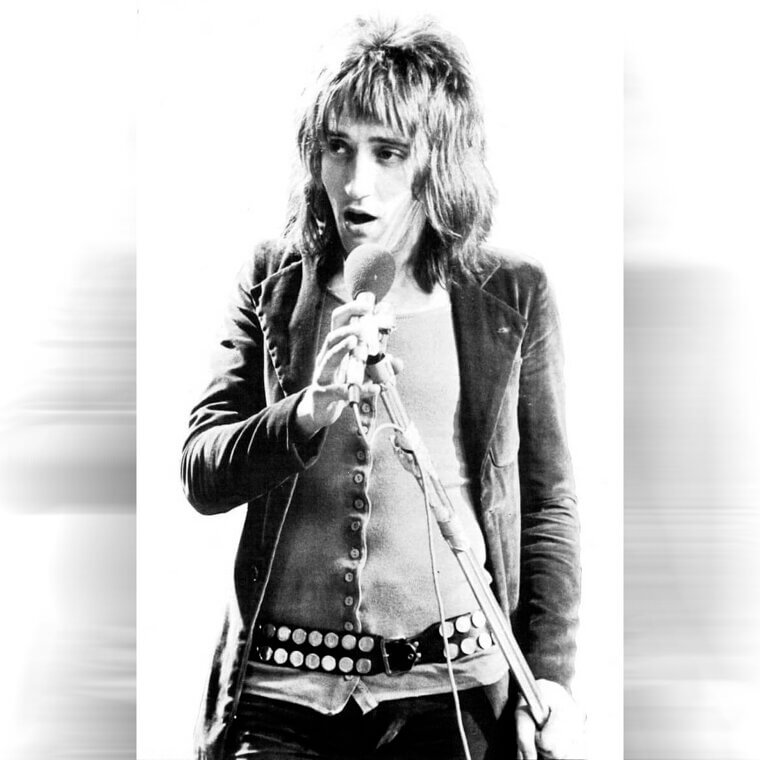
The raw honesty embedded in the vocal performance helped the track resonate with millions of fans globally. Interestingly, it was originally relegated to the B-side of a single before radio DJs realized its immense potential. This accidental masterpiece defined his entire career. A youthful mistake became musical gold.
Blinded by the Light, 1976, Manfred Mann's Earth Band, this confusing chart-topper alters Bruce Springsteen's teenage memories with bizarre lyrical changes
Generations of fans have debated the perplexing lyrics of this massive hit, often mishearing the chorus in hilarious ways. The original composition was penned by a young Bruce Springsteen, who filled it with autobiographical references to his youth and local characters from his hometown. When the British progressive rock group decided to cover it, they reportedly altered several key words and shifted the arrangement, creating a dizzying, almost nonsensical atmosphere.

Changing a simple phrase about a 'deuce' to something entirely different sparked endless rumors and playground debates. The resulting cover became a far bigger commercial success than the original recording. It highlights how a completely different musical interpretation can transform a grounded story into a surreal auditory journey. It remains a joyous puzzle for classic rock lovers.
Iron Man, 1970, Black Sabbath, this heavy metal staple describes a time traveler warning the future rather than the famous comic book superhero
Because the title shares a name with a prominent fictional character, massive numbers of people assume the song pays tribute to the billionaire vigilante. The actual narrative crafted by the band is a tragic science fiction tale about a man who travels to the future and witnesses the apocalypse. Upon returning to the present to warn humanity, a magnetic field reportedly turns his skin to steel, rendering him mute. When the public mocks his attempts to communicate, he becomes enraged and ironically causes the very destruction he sought to prevent.
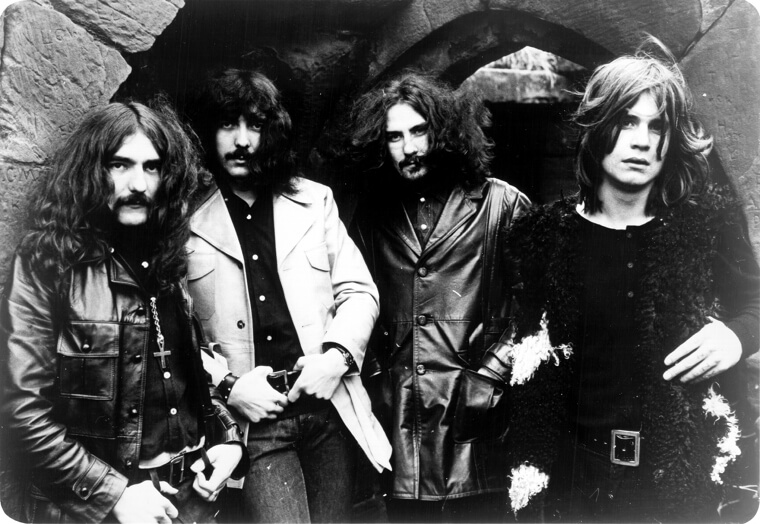
The sludgy, menacing guitar riff perfectly mirrors the heavy, robotic footsteps of the doomed protagonist. This imaginative storytelling established the group as pioneers of dark, conceptual songcraft. A fascinating exploration of self-fulfilling prophecies.
Changes, 1971, David Bowie, this stuttering piano classic reflects on the struggle with artistic reinvention rather than a generic anthem about youth
While the catchy chorus is frequently utilized in films to signify teenagers growing up or generic life transitions, the meaning is deeply personal. The legendary performer wrote it as a self-aware manifesto regarding his constant need to discard old personas and evolve creatively. He was allegedly responding to critics who found his rapid stylistic shifts confusing and unauthentic. The lyrics assert that true artistry requires embracing the unknown and refusing to stagnate, even if it alienates early supporters.
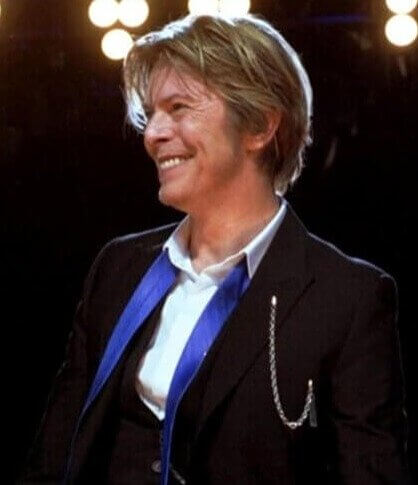
By challenging the audience to accept his fluidity, he laid the groundwork for his entire chameleonic career. The track remains a brilliant defense of creative freedom against the pressures of commercial conformity. It serves as the ultimate declaration of artistic independence. A timeless anthem for creative minds everywhere.
Rebel Rebel, 1974, David Bowie, this iconic guitar riff explores gender fluidity and glam style rather than standard teenage rebellion against parents
Teenagers have blasted this infectious track for decades, interpreting it as a straightforward rallying cry against strict authority figures. However, the lyrics offer a profound celebration of androgyny and the blurring of traditional societal roles. The subject of the track is praised for mixing masculine and feminine traits, causing confusion and fascination among onlookers. The artist reportedly aimed to empower marginalized youth who felt they did not fit into conventional boxes.

Wrapping this progressive message in an irresistibly catchy rock and roll package allowed it to infiltrate mainstream radio seamlessly. It became a vital cultural touchstone for self-expression and identity exploration during a restrictive era. The stomping beat demands absolute attention and respect. The message of self-acceptance remains incredibly powerful today.
Riders on the Storm, 1971, The Doors, this moody atmospheric piece was partly inspired by a mysterious hitchhiker rather than a simple weather metaphor
The gentle sound of rain and thunder lulls many listeners into believing this track is purely a poetic reflection on nature and traveling. The unsettling truth involves a chilling reference to a real-life individual named Billy Cook, who went on a terrible spree in the early 1950s. Jim Morrison reportedly integrated this dark historical figure into the lyrics to explore the chaotic, unpredictable nature of existence. The idea that a deadly stranger could be waiting on a quiet road perfectly encapsulates the underlying dread of the late sixties.
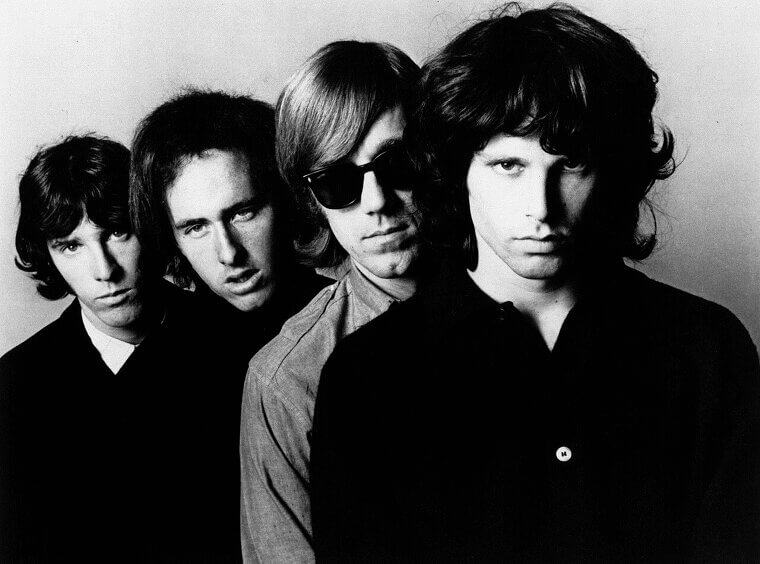
The contrast between the smooth jazz-influenced keyboard solo and the morbid subject matter creates a uniquely haunting experience. This final recording sessions yielded a masterpiece of psychological tension. It perfectly captures the dual nature of the universe.
Dancing Queen, 1976, ABBA, this flawless pop construction celebrates the pure joy of the dance floor without any hidden melancholy
Due to the complex harmonies and sweeping string arrangements, modern critics often search for deep sorrow or tragic undertones hidden within the lyrics. The songwriters have consistently maintained that the track is an entirely earnest, straightforward celebration of youthful exuberance and the magic of a Friday night. There are reportedly no cynical metaphors or sad realities lurking behind the infectious chorus. The band simply wanted to capture the exact feeling of freedom one experiences when the perfect rhythm drops in a crowded room.
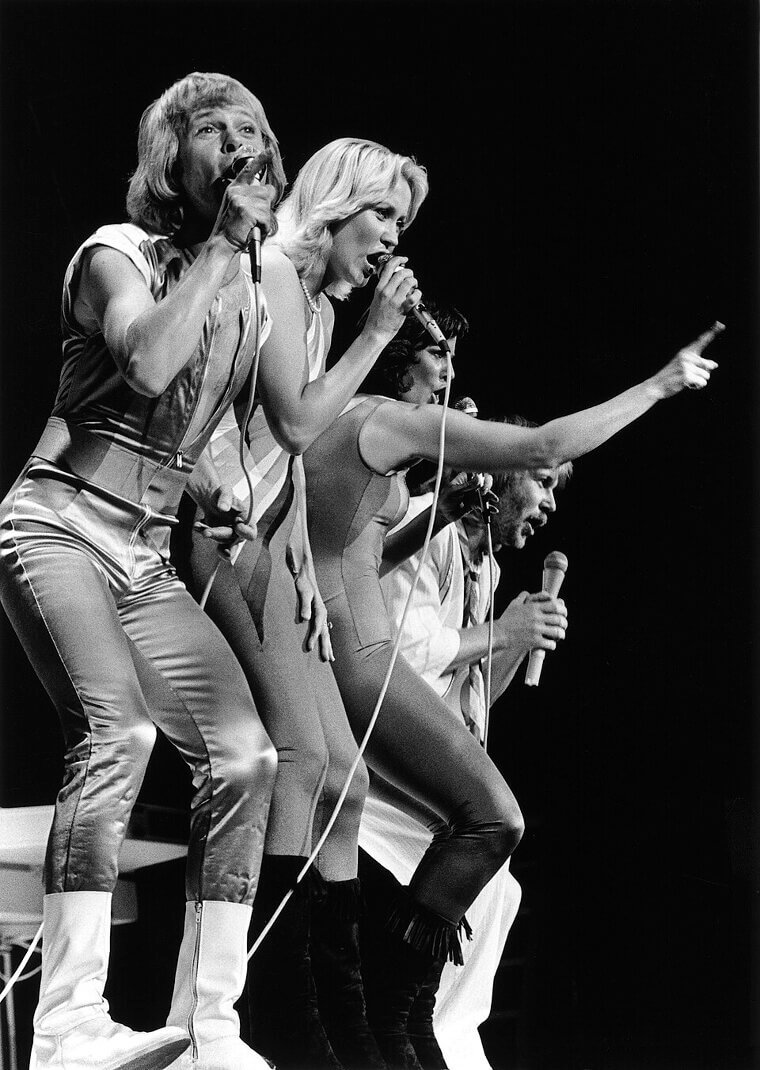
Achieving such pure, unadulterated joy in a musical composition is incredibly difficult, making this achievement rare and special. The sheer perfection of the production guarantees its place in history. Sometimes a beautiful moment is exactly what it appears to be. A beacon of positive energy.
Don't Fear The Reaper, 1976, Blue Öyster Cult, this hypnotic rock staple explores eternal love transcending realms rather than endorsing early endings
The haunting vocal delivery and morbid title led many concerned groups to accuse the band of promoting a deeply troubling agenda regarding mortality. The primary songwriter explicitly clarified that the lyrics actually conceptualize a love so powerful it survives beyond the physical world. He was allegedly contemplating what would happen to his marriage if he were to face a sudden medical emergency. Drawing inspiration from classic literature, the track portrays the end of life as a natural transition rather than a terrifying conclusion.
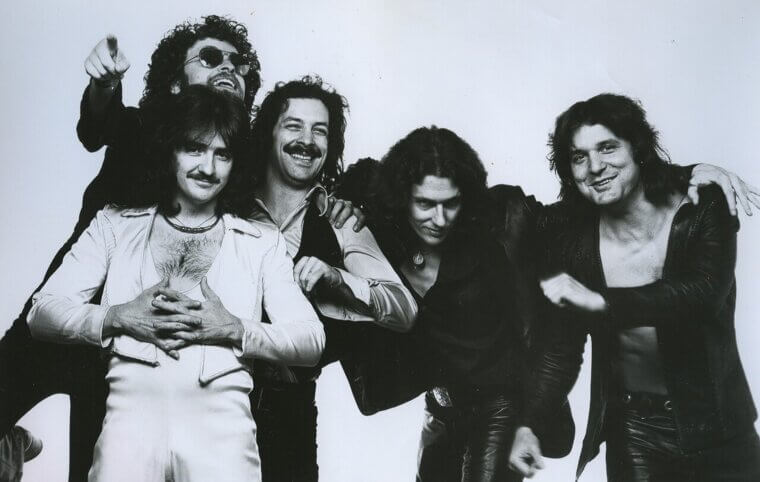
The inclusion of the famously prominent cowbell adds an unexpected lightness to the heavy philosophical themes. This mesmerizing balance of dark atmosphere and romantic devotion creates a truly unforgettable listening experience. It remains a beautiful tribute to enduring commitment. A misunderstood classic of legendary proportions.
My Sharona, 1979, The Knack, this explosive power pop hit details an intense infatuation with a younger muse rather than a generic pop romance
The stuttering vocals and driving rhythm suggest a fun, harmless party track designed for maximum radio play and catchy singalongs. In reality, the lead singer was documenting his overwhelming, highly specific obsession with a seventeen-year-old girl he met at a clothing store. He reportedly wrote the fiercely passionate lyrics in a matter of minutes, channeling his immediate emotional turmoil into the aggressive guitar riff. The sheer intensity of the performance borders on unsettling, reflecting the uncontrollable nature of his fixation.
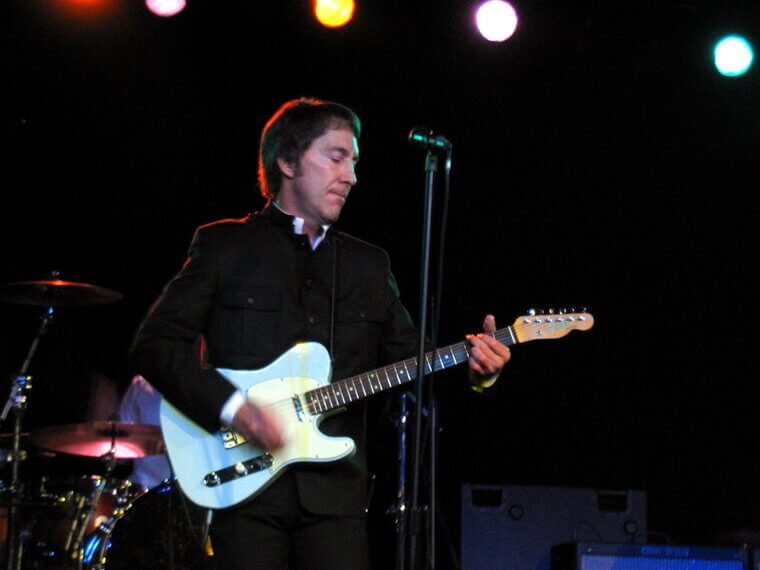
Despite the potentially uncomfortable age gap, the track dominated the charts through its undeniable musical hooks. The raw, unfiltered honesty of the lyrics provides a fascinating glimpse into an artist's unhinged creative process. The resulting single defined a massive musical era. The manic energy is impossible to ignore.
Brass in Pocket, 1979, The Pretenders, this sultry new wave classic utilizes Northern English slang for confidence rather than focusing on actual money
The catchy title leads many international listeners to assume the song revolves around wealth, greed, or financial success in the music industry. The lead singer, Chrissie Hynde, reportedly adopted a specific regional phrase she overheard a bandmate using to describe having a confident, assertive attitude. The lyrics function as a powerful mantra of self-assurance, detailing a woman demanding attention and respect on her own terms. The smooth, slinky guitar lines perfectly complement the vocal swagger, creating an atmosphere of effortless cool.
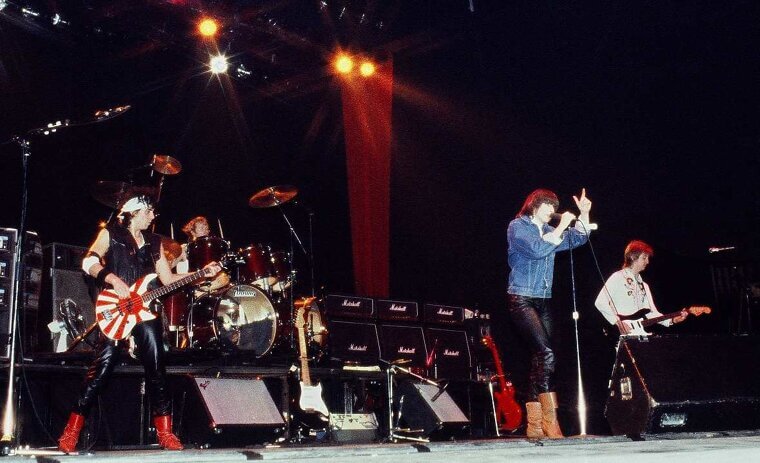
Interestingly, the artist initially disliked the track and had to be convinced to release it as a single. Her vulnerability hidden beneath the bold posturing makes the performance incredibly compelling. It remains a definitive statement of female empowerment in rock. The subtle groove is absolutely captivating.
Always a Woman, 1977, Billy Joel, this tender piano ballad serves as a tribute to a spouse's ruthless negotiation skills rather than just her beauty
The beautiful melody and soft vocal delivery convince audiences they are listening to a traditional, uncomplicated ode to a romantic partner's physical perfection. The actual inspiration was the artist's frustration with how music industry executives treated his wife, who also acted as his uncompromising manager. The lyrics celebrate her ability to be fierce, calculating, and unapologetically difficult in business meetings to protect his career. He reportedly admired her strength and wanted to write a song validating her complex personality in a male-dominated field.

The contrast between the delicate acoustic arrangement and the lyrical descriptions of her sharp edges is brilliant. This nuanced portrayal of a multifaceted partner elevates the track above standard love songs. It is a profound declaration of respect. A fascinating subversion of romantic tropes.
I Shot the Sheriff, 1973, Bob Marley, this reggae masterpiece allegedly functions as a metaphor for opposing controversial medical prescriptions rather than outlaw justice
Most fans interpret the narrative as a thrilling fictional story about a marginalized individual fighting back against corrupt local authorities. However, individuals close to the artist have claimed the song contains a deeply hidden critique of specific birth control methods pushed upon developing communities. The sheriff supposedly represents a doctor prescribing controversial treatments, and the protagonist's resistance symbolizes a fight for natural autonomy. The songwriter reportedly disguised this highly sensitive political message within a compelling Western-style shootout to ensure international radio play.
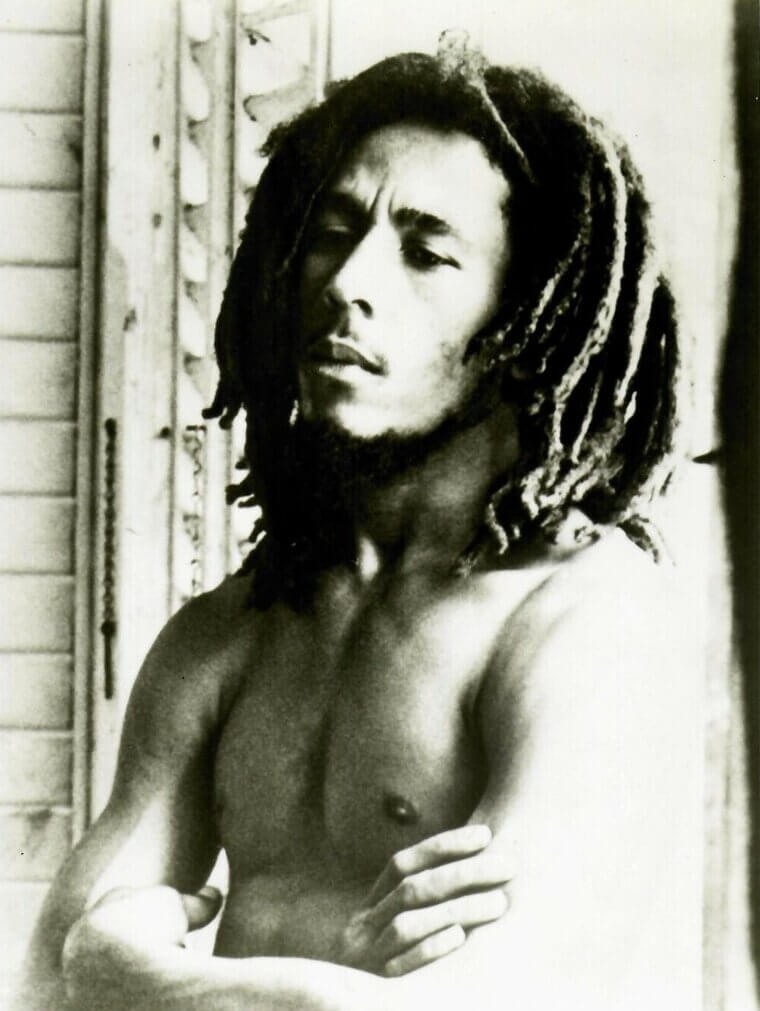
This incredibly clever misdirection allowed the infectious rhythm to spread subversive ideas globally without immediate censorship. The track perfectly showcases his unparalleled ability to blend catchy melodies with profound social commentary. The hidden layers reward careful historical analysis. A brilliant example of musical activism.
Roxanne, 1978, The Police, this breakthrough hit was inspired by observing ladies of the night in Paris rather than a typical romantic relationship
The passionate vocal pleas and tight reggae-rock rhythm lead many to believe this is a standard tale of jealousy and heartbreak between young lovers. The primary songwriter actually conceptualized the lyrics after wandering around a red-light district near the band's dilapidated hotel in France. He reportedly imagined a scenario where he fell in love with one of the working women and desperately begged her to abandon the profession. The name itself was lifted from a vintage poster hanging in the hotel lobby, completing the fictional narrative.

The track struggled initially due to its unconventional subject matter before gaining massive traction abroad. This unique observational storytelling established the group as intellectual heavyweights in the rock scene. It transformed a gritty reality into pop perfection. The raw emotion remains universally relatable.
All Right Now, 1970, Free, this timeless stadium rocker was written out of pure frustration after a bad gig to create a guaranteed crowd-pleaser
The effortless groove and confident lyrics suggest the band was casually documenting a successful night out filled with romance and celebration. The truth is the musicians had just finished a disastrous, poorly attended show and felt deeply discouraged by the audience's apathetic reaction. The bass player reportedly started humming the upbeat rhythm in the dressing room simply to lift their spirits and break the gloomy silence. They purposefully engineered the incredibly simple, catchy chorus to ensure future audiences would have no choice but to clap along.
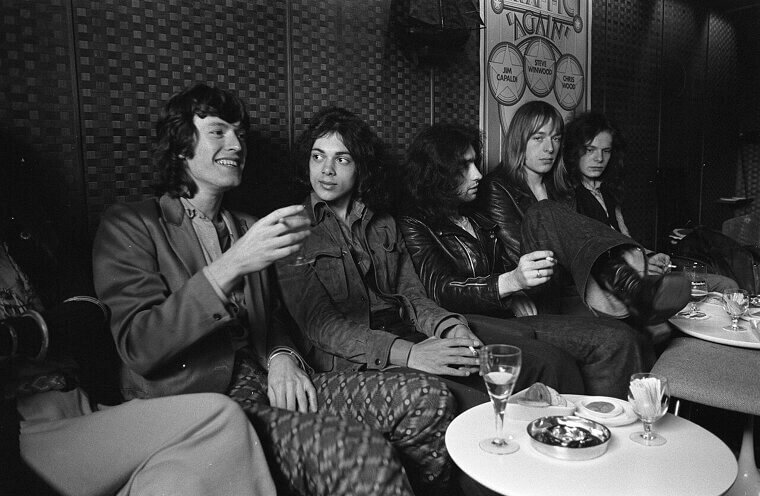
This calculated attempt at writing a commercial smash hit worked perfectly, securing their place in rock history. The track proves that immense commercial success can sometimes stem from profound professional disappointment. The driving beat remains universally irresistible. A brilliant triumph over creative adversity.
Bohemian Rhapsody, 1975, Queen, this monumental rock opera reportedly reflects the singer's hidden identity struggles rather than just being a nonsensical theatrical experiment
The astonishing vocal layering and bizarre lyrical references lead many to dismiss the words as purely abstract, theatrical nonsense designed to sound impressive. While the band maintained a strict policy of lyrical secrecy, close friends suggest the track serves as Freddie Mercury's dramatic, veiled coming-out confession. The narrative of a young man throwing his life away and facing judgment allegedly mirrors his anxiety about leaving his former life behind to embrace his true self.
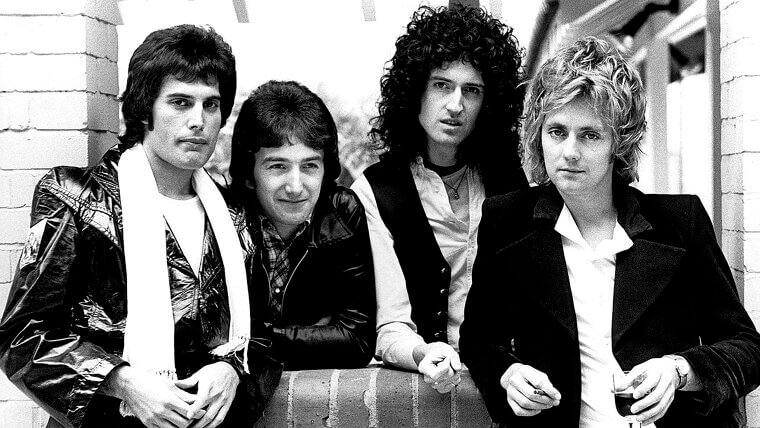
The shifting musical sections perfectly represent the emotional turmoil, moving from sorrow to chaotic trial, and finally reaching peaceful acceptance. This profound vulnerability disguised beneath a grand, cinematic arrangement makes the composition even more remarkable. The sheer ambition required to mix these elements remains unparalleled. It is a masterpiece of personal expression. An immortal anthem of self-discovery.
Free Bird, 1973, Lynyrd Skynyrd, this legendary guitar epic combines a tribute to a fallen musician with a deep fear of romantic commitment
The massive instrumental finale often overshadows the poignant lyrics, leading people to view the track purely as an excuse for an extended technical solo. The opening lines were actually inspired by a genuine question posed by a band member's girlfriend regarding the longevity of their relationship. The songwriter reportedly merged this theme of wandering independence with a heartfelt homage to the recently deceased guitar virtuoso Duane Allman. The soaring, intertwined guitars in the second half are meant to simulate a bird in flight, representing ultimate freedom from earthly constraints.
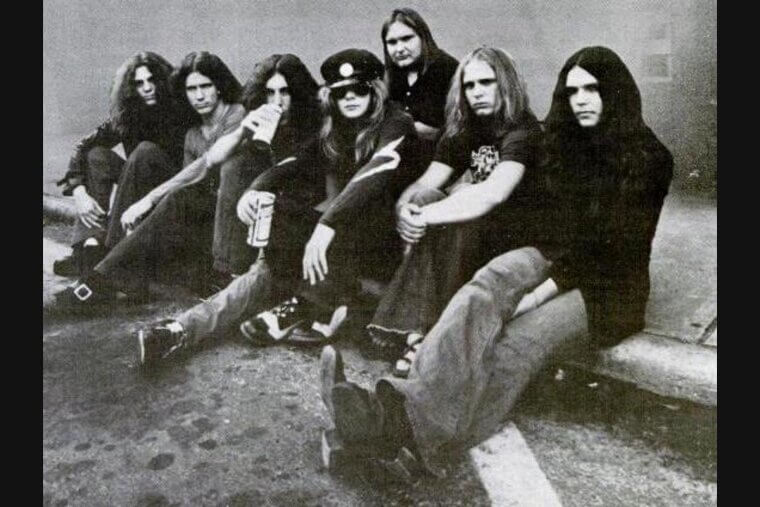
This combination of intimate relationship anxiety and grand musical tribute creates a remarkably emotional journey. The structural shift from a slow ballad to a blazing jam perfectly captures the desire to escape. It remains an essential cultural cornerstone. A flawless fusion of grief and wanderlust.
Layla, 1970, Derek and the Dominos, this frantic slide-guitar masterpiece acts as a desperate plea in a legendary rock love triangle rather than typical fiction
The roaring intensity of the central riff convinces casual listeners they are hearing a standard, energetic rock anthem about a generic fiery woman. The astonishing reality is that Eric Clapton wrote the lyrics while entirely consumed by his unrequited love for his close friend George Harrison's wife. He reportedly used the title, drawn from a classic Persian tale of forbidden love, to slightly veil his incredibly direct, pleading message. The raw anguish in his vocal performance is completely genuine, reflecting the immense personal torment he was experiencing at the time.
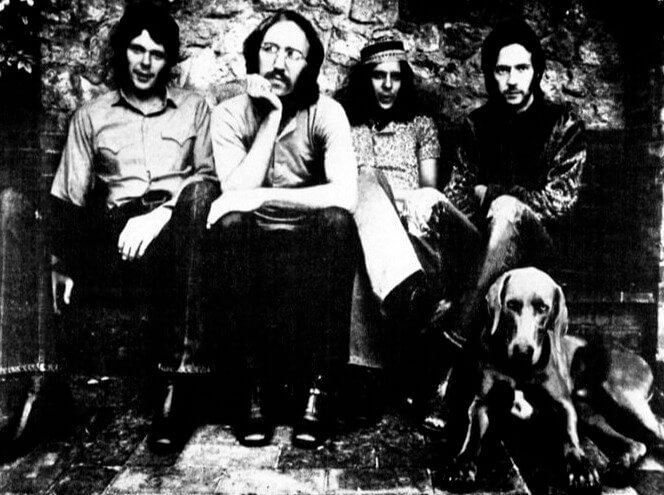
The contrasting piano coda in the second half provides a heartbreaking, mournful resolution to the aggressive first act. This messy, real-life drama fueled one of the greatest musical achievements of the era. The emotional stakes are undeniably real. A brilliant channeling of personal agony.
Imagine, 1971, John Lennon, this beautiful piano ballad functions as a radical societal manifesto disguised as a soft, comforting lullaby
Millions of people sing this delicate melody at peaceful gatherings, believing it to be a harmless, universally agreeable wish for simple harmony. The creator himself later proudly admitted that the lyrics are virtually a communist manifesto, suggesting the abolition of religion, property, and borders. He reportedly realized that wrapping dangerous, revolutionary ideas inside a sweet, non-threatening arrangement was the only way to get them broadcasted globally. The gentle vocal delivery lulls the listener into agreeing with concepts that would normally spark massive controversy.

This brilliant act of musical subversion successfully planted radical thoughts into the mainstream consciousness for decades. The track proves that a whisper can sometimes be significantly more powerful than a scream. It remains a masterclass in strategic songwriting. The velvet glove hiding an iron fist.
American Pie, 1971, Don McLean, this extensive folk-rock journey mourns the total loss of cultural innocence following a tragic plane crash
The cryptic verses and catchy chorus lead many to treat this lengthy epic as a fun, meaningless puzzle full of random pop culture references. The deeply sorrowful core of the narrative actually stems from the devastating 1959 plane crash that claimed the lives of several prominent early rockers. The songwriter used this personal trauma as a starting point to allegorically map the turbulent cultural shifts and shattered idealism of the entire subsequent decade.

The changing musical styles mentioned reflect a society losing its straightforward optimism and plunging into complex darkness. Despite the heavy subject matter, the upbeat musical arrangement keeps the listener engaged through the lengthy runtime. This incredible balancing act cemented the track as a definitive historical document. It beautifully captures the end of an era. A flawless tribute to fallen pioneers.
Tangled Up in Blue, 1975, Bob Dylan, this energetic acoustic journey utilizes shifting narratives inspired by cubist paintings rather than straightforward storytelling
The driving rhythm and impassioned vocals suggest a traditional, albeit lengthy, folk tale about a man reflecting on a lost relationship. The revolutionary aspect of the lyrics is that the songwriter was actively studying visual art and attempted to write a song that defied linear time. He reportedly scrambled the pronouns, timelines, and perspectives to simulate the experience of looking at a multifaceted painting where all angles are visible simultaneously.
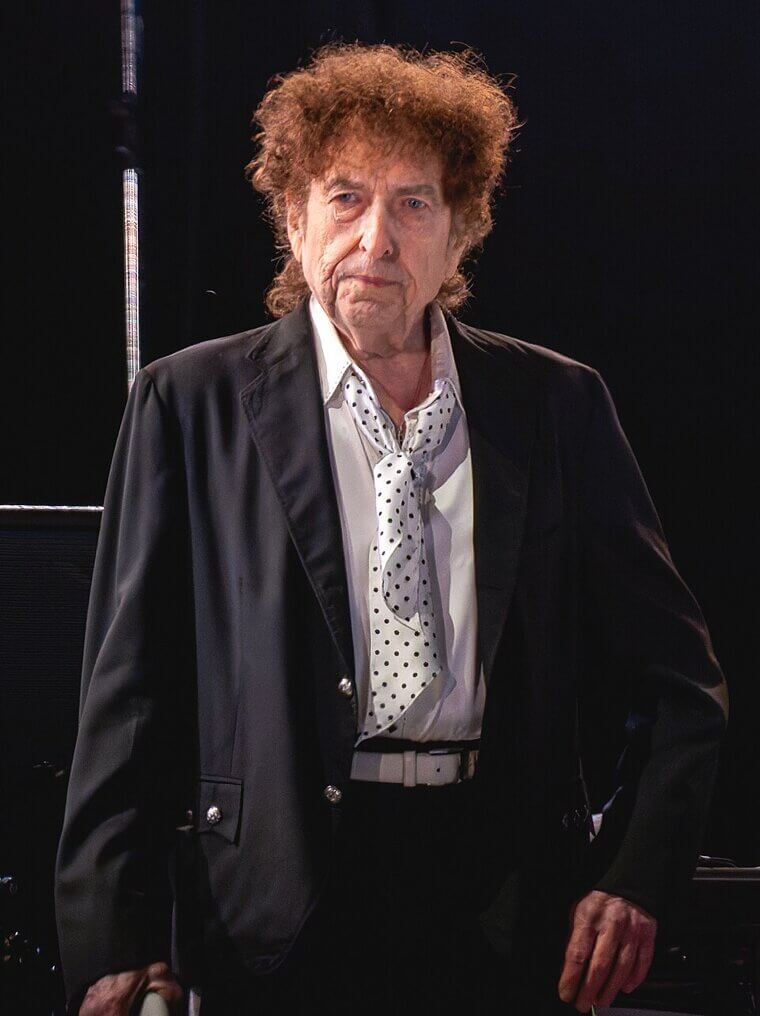
The listener is forced to piece together the emotional truth of the romance without relying on a standard chronological sequence. This incredible structural experiment elevated his already legendary songwriting to entirely new literary heights. The emotional resonance shines clearly through the intentionally confusing timeline. It perfectly captures the messy reality of memory. An artistic triumph of unprecedented complexity.
Dreams, 1977, Fleetwood Mac, this incredibly smooth groove serves as a calm but razor-sharp response to bandmate hostility during chaotic recording sessions
The flawless, relaxing rhythm section makes this classic track sound like a peaceful, airy meditation on life and love. The true context reveals a highly tense environment where Stevie Nicks wrote the lyrics as a direct rebuttal to the vicious musical insults hurled by her former partner. While he screamed his frustrations through aggressive guitar playing, she reportedly retreated to a small side room and crafted this quiet, devastatingly accurate critique of his behavior.

The lyrics elegantly predict his future loneliness while maintaining a composed, almost mystical detachment from the drama. Her ability to weaponize serenity proved far more effective than matching his anger. This profound emotional intelligence created their sole number-one hit in the country. The gentle melody hides an incredibly resilient spirit. A stunning victory of grace under pressure.