
Think you know everything about the Fab Four? We dug past the typical trivia to find the most surprising and obscure stories from the legendary band's history. Read on to discover the wild secrets behind your favorite classic tracks!
One Morning, Paul McCartney Woke Up With The Melody For "Yesterday" In His Head
Paul McCartney famously woke up one morning with the full melody for the hit track Yesterday playing in his mind. He quickly went to his piano to figure out the chords before the dream faded away into nothingness. For weeks, he played the tune for friends and industry professionals, asking if they had ever heard it before, fearing he had unintentionally plagiarized an existing work. Once he was certain the composition was original, he began writing the lyrics we know today.
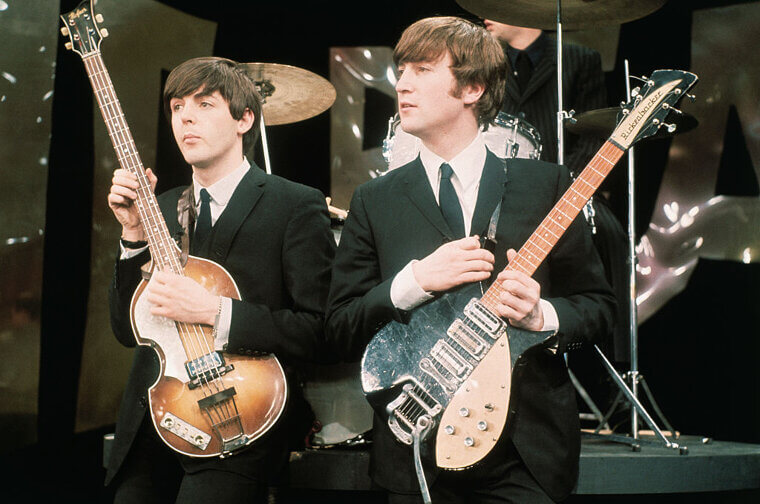
During the initial drafting phase, he used the working title Scrambled Eggs to maintain the rhythm and phrasing. The final acoustic recording became one of the most covered tracks in modern music history.
Decca Records Infamously Passed On Signing The Band
The group auditioned for Decca Records on January 1, 1962, performing 15 separate tracks in just under 1 hour. Executives at the label ultimately decided to pass on signing the musicians, reportedly telling their manager Brian Epstein that guitar bands were on their way out of style. This decision is widely considered one of the biggest mistakes in music industry history, costing the company untold millions in potential revenue. Epstein did not give up after this rejection, eventually securing a vital meeting with George Martin at Parlophone, a subsidiary of EMI.
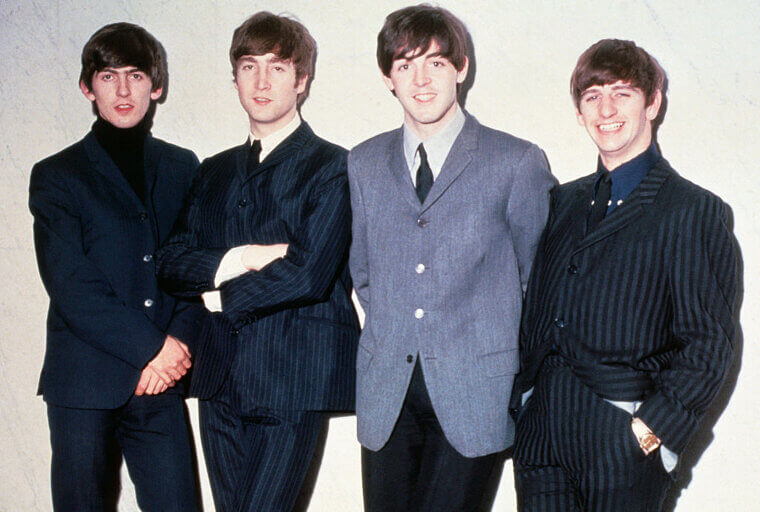
Martin saw vast potential in the raw energy of the boys and signed them to a modest contract. This pivotal moment changed the trajectory of popular culture forever.
George Harrison Survived A Terrifying Home Intrusion In 1999
Late at night on December 30, 1999, an intruder broke into George Harrison's Friar Park estate near Henley on Thames. The musician and his wife Olivia were awakened by the sound of breaking glass and went to investigate the disturbance. An assailant attacked George with a knife, inflicting multiple stab wounds and a punctured lung during a chaotic struggle. Olivia valiantly defended her husband by striking the attacker with a heavy fireplace poker, successfully incapacitating him until local law enforcement arrived at the scene.
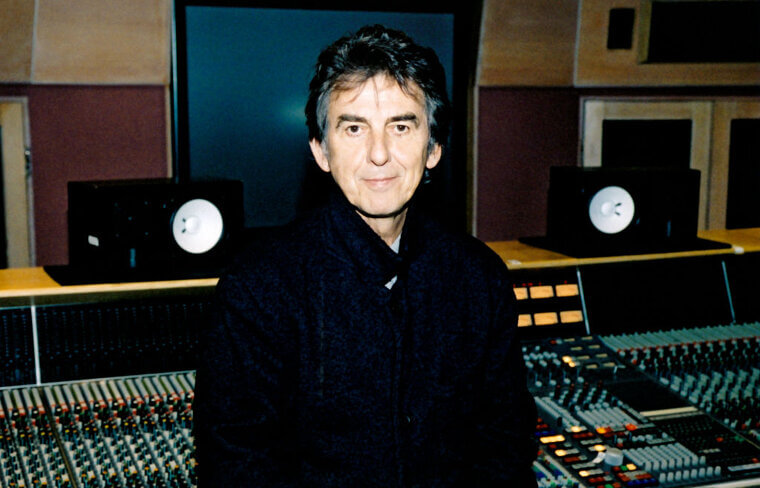
George spent several days recovering in the hospital from the traumatic ordeal but miraculously survived the terrifying incident. The attacker was later found not guilty by reason of insanity and sent to a secure facility.
The Epic Track Hey Jude Was Written For Julian Lennon
During the highly publicized and messy divorce between John Lennon and his first wife Cynthia, Paul McCartney drove out to their home in Weybridge to offer his personal support. On the long car ride there, McCartney started improvising a comforting melody meant for John's young son Julian, who was struggling with the difficult family separation. He initially sang the words Hey Jules, encouraging the young boy to take a sad song and make it better.
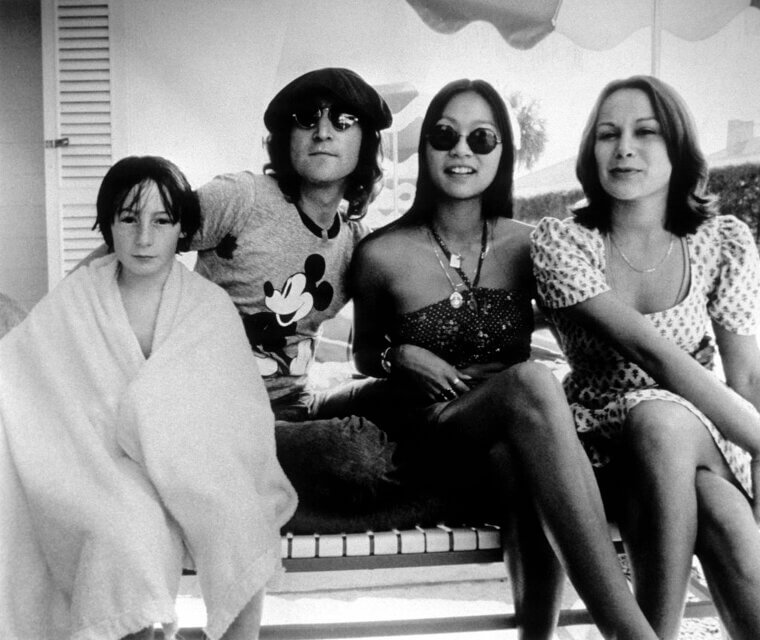
Paul later changed the name to Jude because he thought it sounded slightly better and more musical for the recording. John Lennon famously believed the song was actually a subconscious message from Paul approving of his new controversial relationship with avant garde artist Yoko Ono.
George Harrison Wrote His First Song While Recovering In Bed
George Harrison's very first solo songwriting contribution to the band's catalog was born out of frustration and physical illness. In the summer of 1963, the young guitarist was confined to a dark hotel room in Bournemouth, England, suffering from a severe case of the flu. A journalist friend challenged him to prove he could write a commercial hit just like John and Paul had been doing successfully. Using his acoustic guitar in bed, Harrison penned the moody track Don't Bother Me to reflect his miserable physical condition and desire to be left alone.
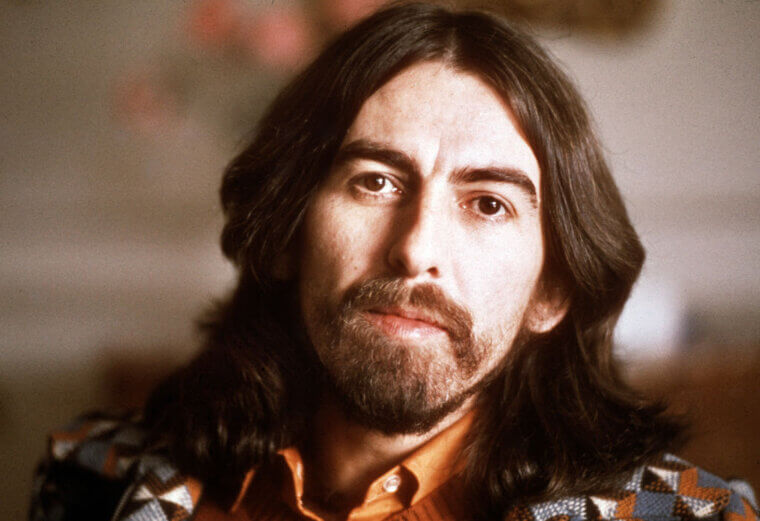
He later dismissed the track as a mediocre exercise, but it proved he was capable of contributing valuable original material to their rapidly expanding repertoire.
Paul McCartney Secretly Recorded The Drum Track For "Back In The USSR"
Tensions within the studio reached a dangerous boiling point during the recording of the White Album, leading to sudden personnel changes. When Ringo Starr temporarily quit the band out of frustration, the remaining members were stuck in the middle of tracking the energetic opening rocker Back in the U.S.S.R. Rather than wait for their drummer to calm down and return, Paul McCartney simply sat down at the drum kit and recorded the driving percussion parts himself.
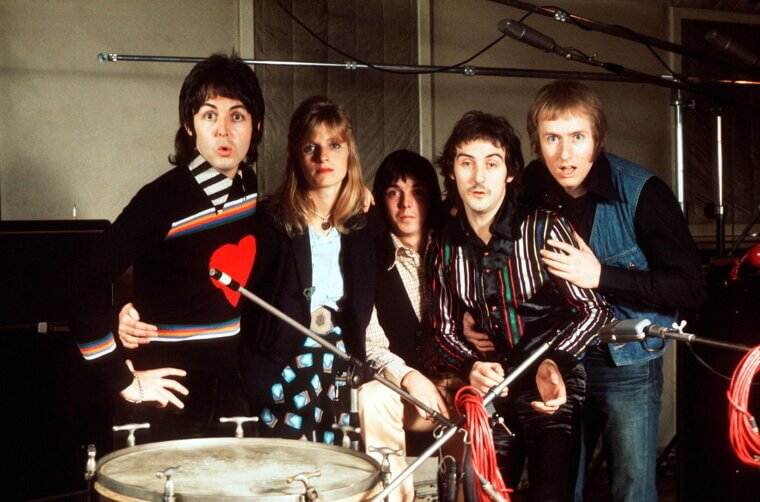
John Lennon and George Harrison also added supplementary layers of snare and bass drum overdubs to beef up the final rhythmic texture. The resulting composite rhythm track perfectly captured the aggressive, surf rock parody vibe McCartney was originally aiming to achieve.
The Band Required A Dedicated Police Escort Just To Use The Bathroom
At the peak of their global fame in 1964, the sheer hysteria of the crowds created dangerous logistical nightmares for the band's management team. The frantic fans were determined to get close to the musicians that local police departments had to employ extreme tactical measures to ensure their physical safety. During their massive tour of Australia, the musicians literally could not leave their hotel rooms without a heavily armed police escort forming a tight protective circle around them.
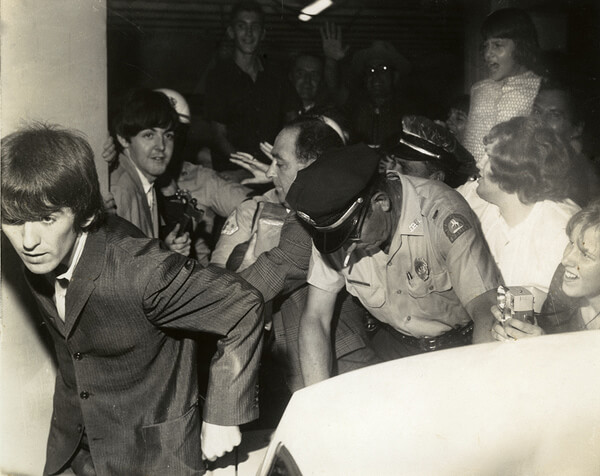
It was reported that even a simple trip down the hotel hallway to use a shared bathroom facility required coordinating a tactical movement with several uniformed officers to prevent fans from ambushing them in the corridors.
Fans Pelted The Stage With Hard Jelly Beans
During the height of their early fame, a casual comment turned into a sticky and somewhat painful situation for the band. George Harrison reportedly mentioned in an interview that he enjoyed Jelly Babies, a soft British candy. American fans, unable to find the soft candies, began throwing hard jelly beans onto the stage during their concerts. The small, hard candies acted like tiny projectiles when thrown with enthusiasm by thousands of screaming teenagers.
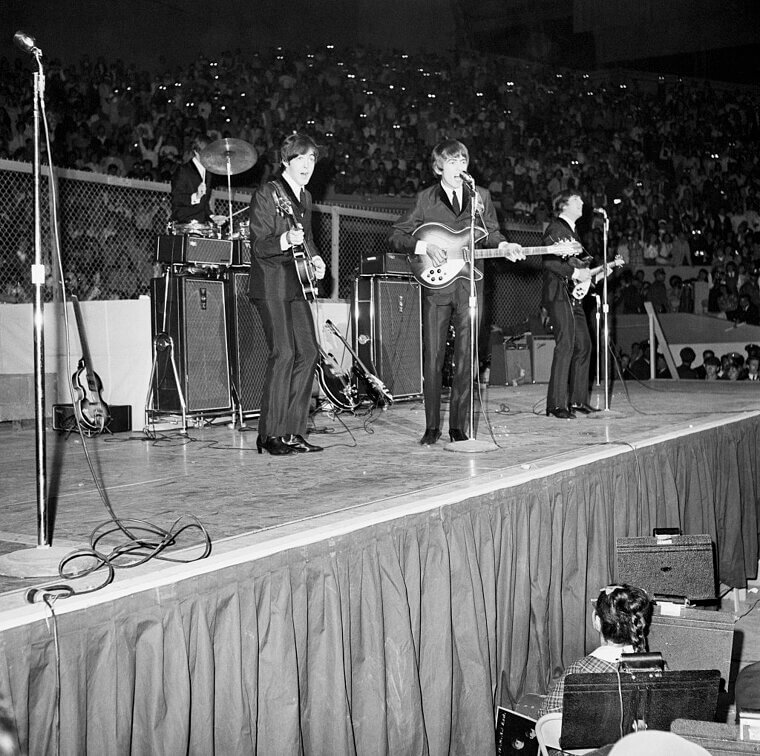
The musicians would frequently walk off stage covered in sticky residue and tiny bruises. They eventually had to release statements begging their dedicated fans to stop throwing confectioneries at them.
They Wanted To Star In A Lord Of The Rings Movie
In the late 1960s, John Lennon became completely obsessed with J.R.R. Tolkien's fantasy epic and pitched a bizarre concept to his bandmates. He wanted the group to star in a live action film adaptation of The Lord of the Rings, utilizing their massive fame to secure funding. Lennon envisioned himself playing the corrupted creature Gollum, while Paul McCartney would portray the heroic Frodo Baggins. Ringo Starr would take on the role of Samwise Gamgee, and George Harrison would play the wise wizard Gandalf.
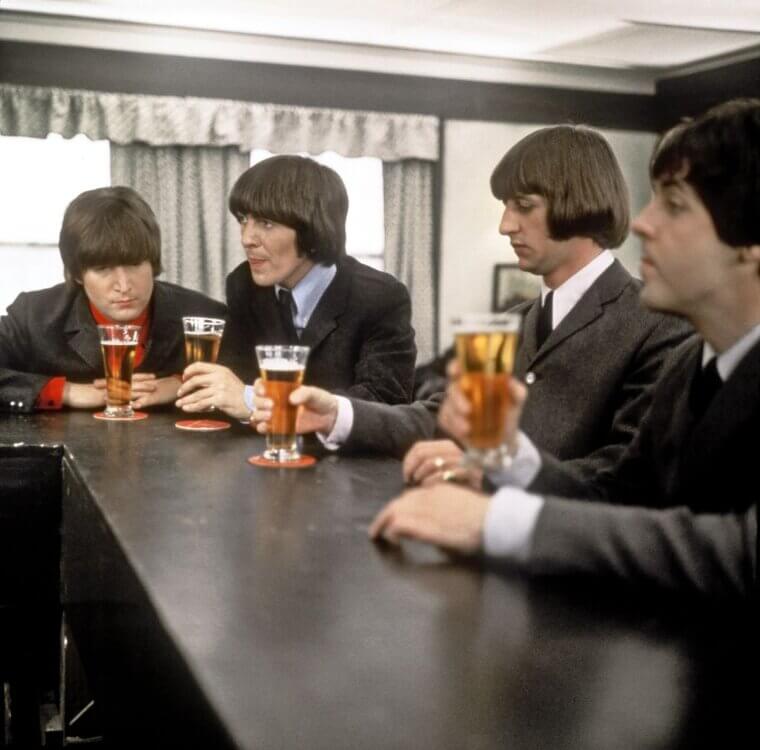
They even approached legendary director Stanley Kubrick to helm the ambitious project, but he quickly declined their offer. The fascinating details of this unique situation continue to surprise loyal fans and music scholars around the entire world to this very day, preserving their legacy.
They Refused To Play For Segregated Audiences In America
During their massive tours of the United States in the mid 1960s, the group encountered the stark reality of racial segregation in certain southern venues. The musicians were completely appalled by this practice and took a firm moral stance against the discriminatory policies. They officially added a strict clause to their performance contracts stating they would absolutely not perform in front of segregated crowds under any circumstances. When local promoters threatened to cancel a massive show in Florida over this rule, the band held their ground until the venue finally relented.
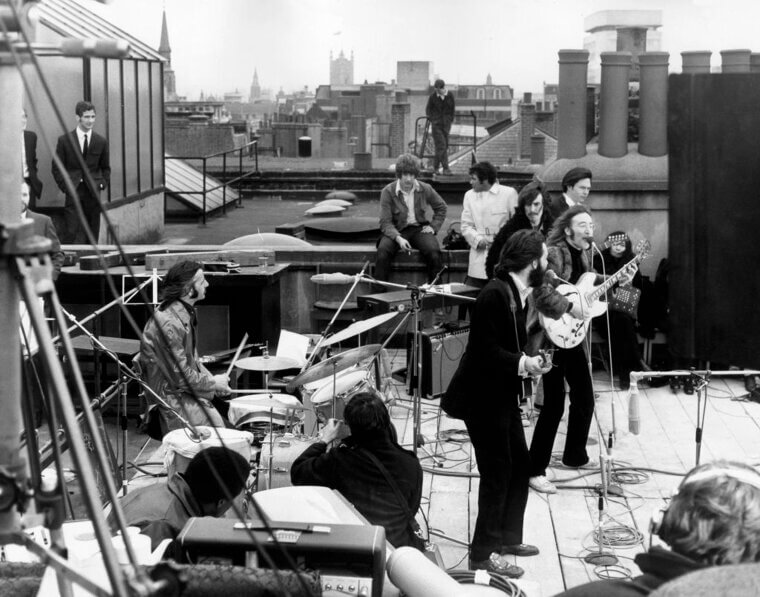
This principled stand earned them widespread respect from civil rights leaders. The fascinating details of this unique situation continue to surprise loyal fans and music scholars around the entire world to this very day, preserving their legacy.
John Lennons Toilet Was Actually Sold At A Public Auction
When John Lennon and Yoko Ono were renovating their luxurious Tittenhurst Park estate in 1971, they decided to replace the plumbing fixtures. Instead of throwing the old ceramic toilet away, Lennon supposedly gifted it to a local builder named John Hancock, jokingly telling him to use it as a plant pot. Hancock kept the bizarre piece of rock history stored inside a shed for nearly four decades until he passed away.
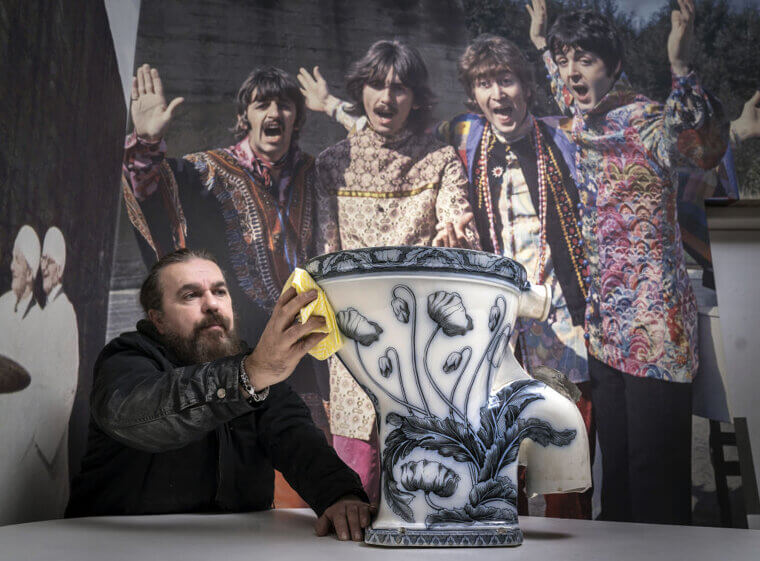
In 2010, the historic porcelain fixture was unexpectedly put up for public auction and sold to a private collector for an astonishing sum of nearly 10,000 pounds. It remains one of the weirdest items of memorabilia ever purchased.
Paul McCartney Witnessed the 9/11Tragedy From An Airplane
On the morning of September 11, 2001, Paul McCartney was sitting aboard a commercial airplane sitting on the tarmac at John F. Kennedy International Airport in New York. As he looked out the window of the aircraft, he clearly witnessed the devastating attacks unfolding across the city skyline in real time. The terrifying and surreal experience left him completely grounded in New York City alongside thousands of other stranded travelers.
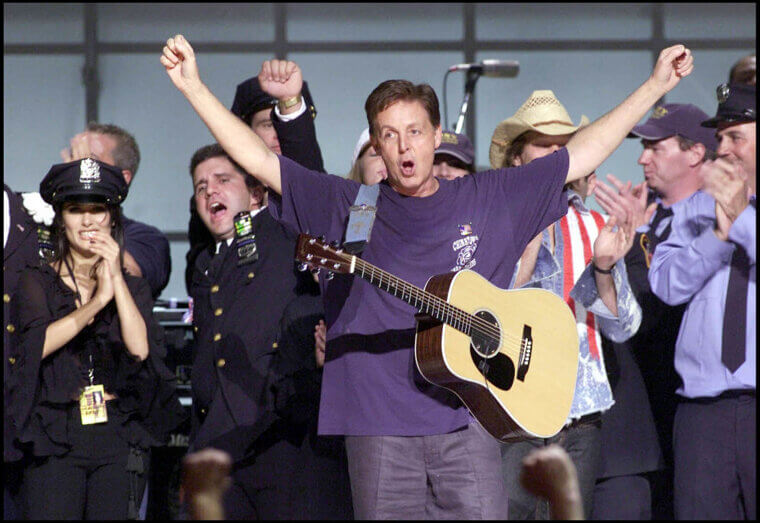
Deeply moved by the bravery of the first responders, he quickly organized the Concert for New York City to help raise massive funds for the families of the victims. This remarkable piece of rock and roll history highlights the bizarre reality of global fame, showing exactly how the band members navigated unprecedented public attention. Today, dedicated historians and devoted fans continue to analyze these strange occurrences, actively preserving the expansive mythology that surrounds the most famous musical group in modern history.
John Lennon Legally Changed His Middle Name To Honor His Wife
John Lennon was originally given the middle name Winston by his parents in honor of the famous British Prime Minister Winston Churchill. However, as he grew older and more politically active, he began to deeply resent the patriotic association with the conservative historical figure. In 1969, he held a brief legal ceremony on the roof of the Apple Corps building to officially change his middle name to Ono, paying tribute to his beloved wife Yoko.
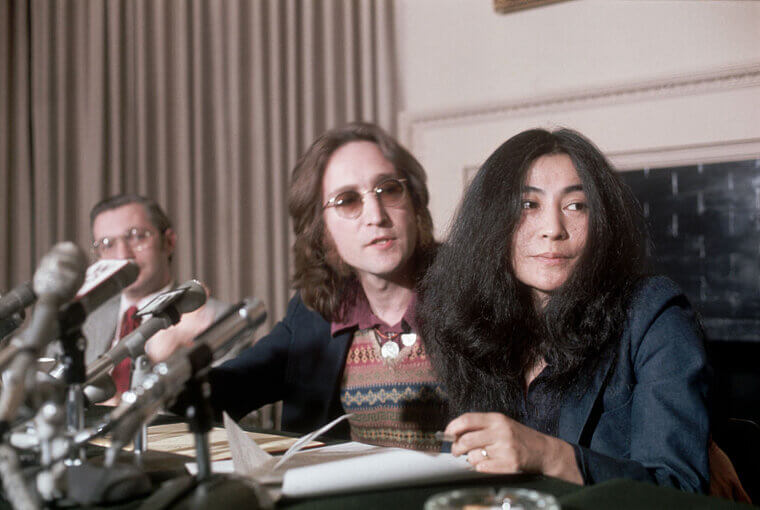
Although British law technically did not allow him to entirely drop his original birth name, he proudly identified himself as John Ono Lennon for the rest of his life.
A Trumpet Was Actually Paul McCartneys First Real Instrument
While he is globally recognized as one of the most innovative bassists and guitarists in rock history, Paul McCartney's musical journey started with a completely different instrument. For his fourteenth birthday, his father Jim McCartney bought him a shiny nickel plated trumpet to encourage his interest in music. However, Paul quickly realized that he could not sing while playing a brass instrument, which was a major priority for the young aspiring frontman.
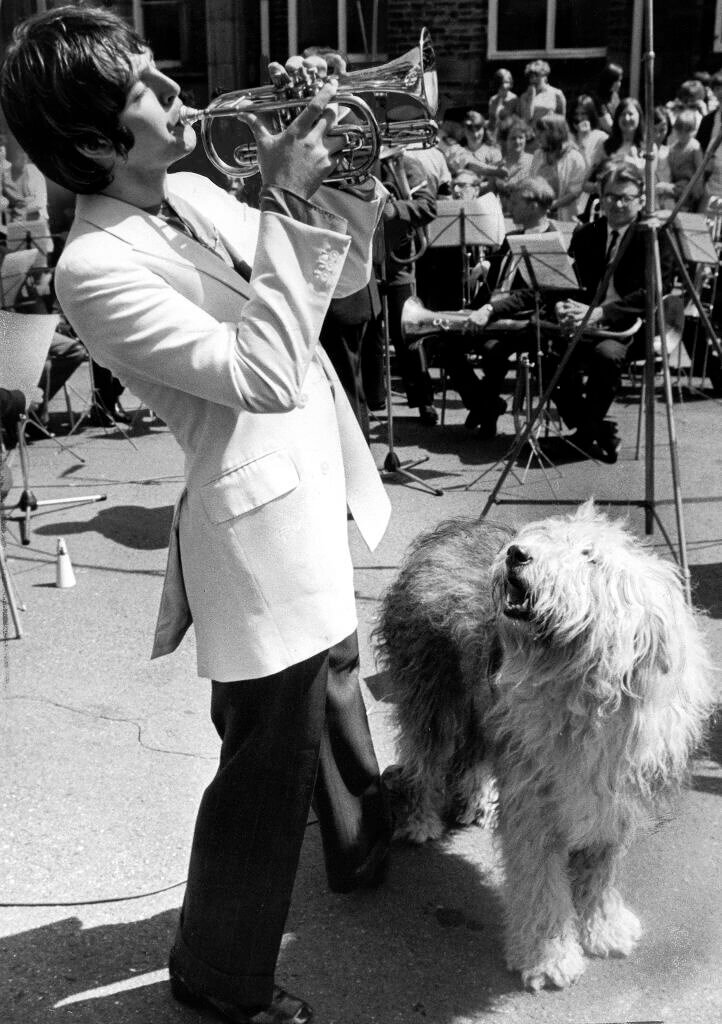
He eventually convinced the local music shop owner to let him trade the expensive trumpet for a simple acoustic guitar, forever changing the course of popular music history.
The Band Briefly Owned An Island Chain In The Mediterranean Where They All Intended to Live Together
Seeking an escape from screaming fans and relentless press intrusion, the group formed a wild plan in 1967 to purchase a cluster of private islands in Greece. They genuinely intended to build an exclusive communal living space where their families could reside together in absolute peace. They flew to Athens and spent several days sailing around the Aegean Sea on a luxury yacht, scoping out potential real estate properties to purchase outright.
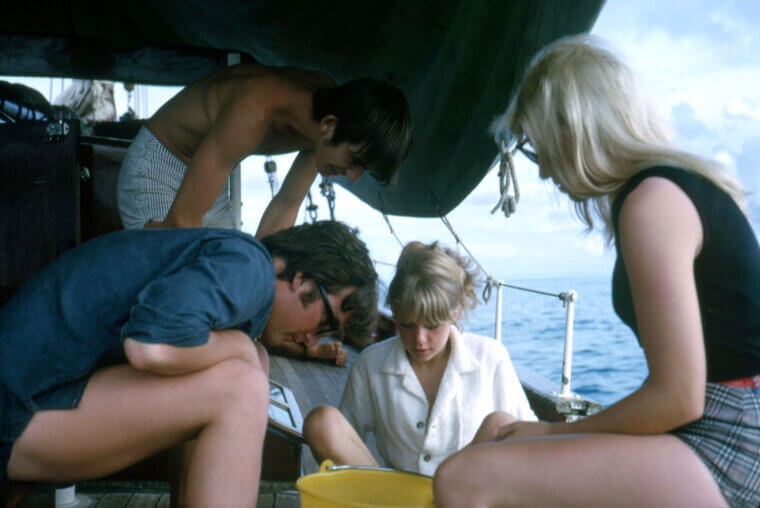
They eventually bought a suitable island with several smaller surrounding landmasses. However, returning to the rainy reality of London caused their collective enthusiasm to wane, and they later sold the property.
None Of The Four Members Could Read Standard Sheet Music
Despite composing some of the most complex, innovative, and structurally fascinating pop music of the twentieth century, not a single member of the group could actually read or write traditional musical notation. They relied entirely on their incredible natural ears, raw intuition, and basic chord charts to construct their legendary albums. When working with orchestral musicians on complex arrangements, they would simply hum the melodies they wanted to their producer George Martin, who would then transcribe the notes onto proper sheet music for the classical players.
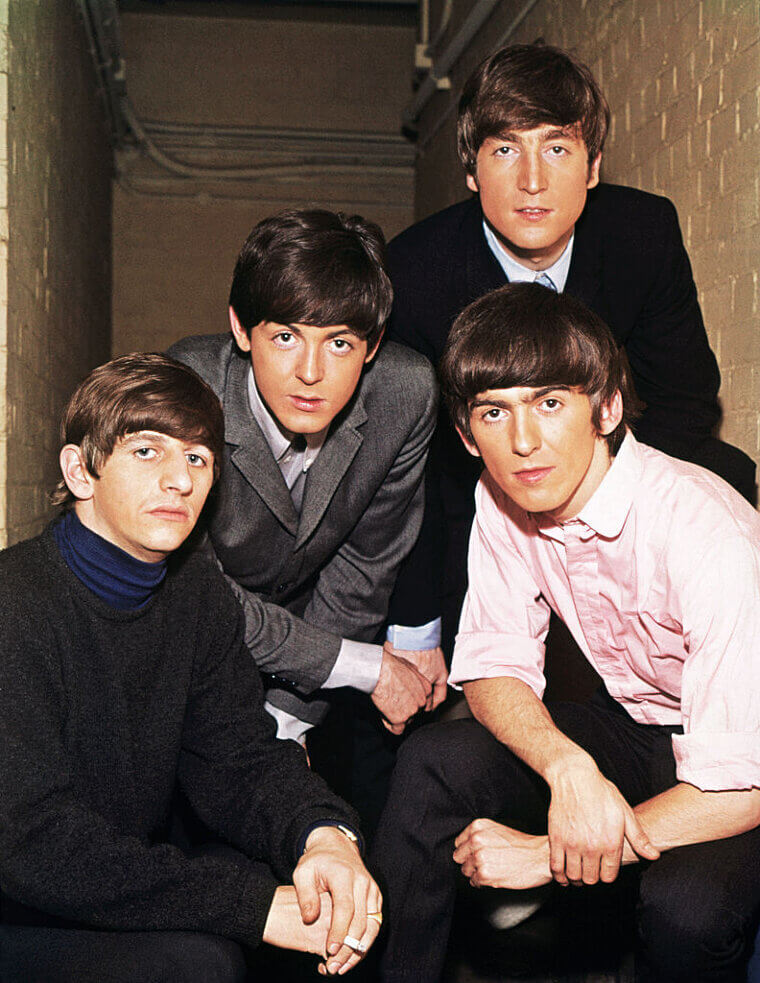
Their lack of formal training allowed them to break traditional rules and invent new sonic textures. The fascinating details of this unique situation continue to surprise loyal fans and music scholars around the entire world to this very day, preserving their legacy.
Paul McCartney Was Detained In Tokyo For Contraband Luggage Items
In January 1980, Paul McCartney arrived at Narita International Airport in Japan for a highly anticipated concert tour with his rock band Wings. During a routine customs inspection, officials discovered roughly half a pound of unauthorized botanical substances hidden deep inside his personal luggage. The famous musician was immediately arrested and thrown into a local detention center, facing a potential prison sentence of up to seven years for smuggling contraband into the strict country.
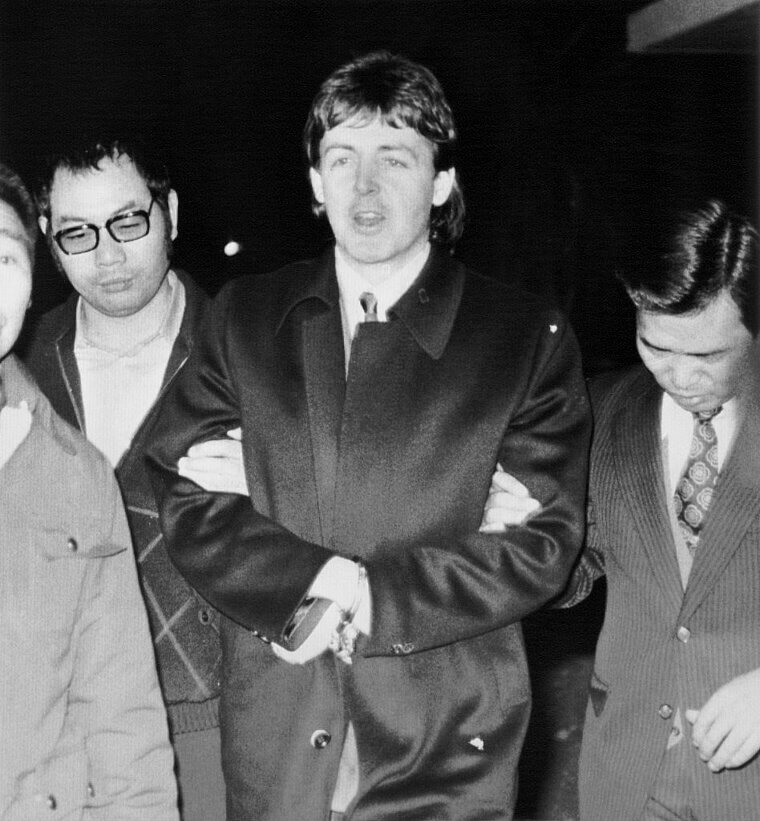
He spent nine grueling days isolated in a small cell before authorities ultimately decided to deport him, leading to the immediate cancellation of the lucrative international tour.
John Lennon Claimed To Have Seen A Flying Saucer In Manhattan
On August 23, 1974, John Lennon had a completely unexplainable extraterrestrial encounter while standing on the balcony of his New York City apartment building. He stated that he observed a large, silent, saucer shaped craft hovering ominously close to the surrounding buildings, adorned with brilliant red flashing lights. He quickly called his assistant May Pang out to the balcony, and she officially corroborated the bizarre sighting in several later interviews.
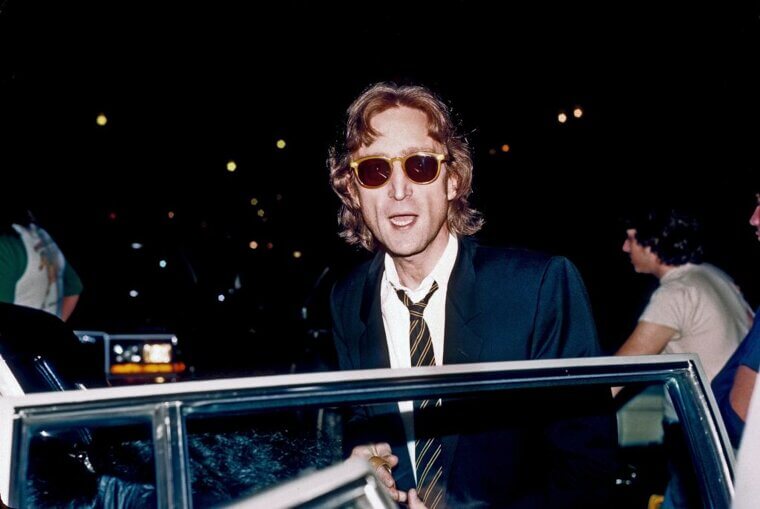
Lennon was so convinced of what he saw that he actually called the local police to report the incident, only to learn that multiple other residents had phoned in similar strange reports.
John Lennon Mailed His Prestigious Royal Medal Back To The Queen
In 1965, the four members of the band were awarded the prestigious Member of the Order of the British Empire medal by Queen Elizabeth II for their massive contributions to national exports. Four years later, John Lennon decided to return his heavy metal cross to Buckingham Palace as a dramatic act of political protest. He included a sarcastic handwritten letter explaining that he was returning the award to protest British involvement in global conflicts and the poor chart performance of his recent single Cold Turkey.
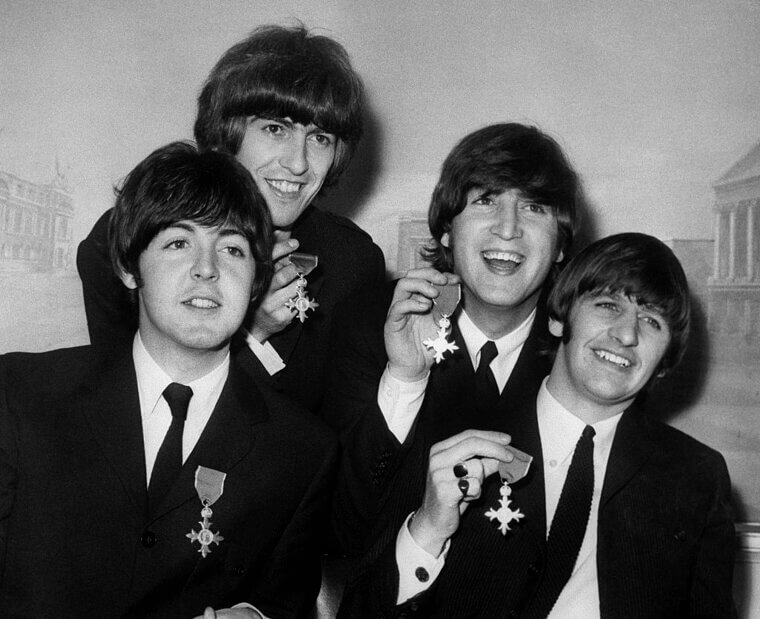
The bold political stunt shocked the conservative British establishment and alienated many of his older, more traditional fans. The fascinating details of this unique situation continue to surprise loyal fans and music scholars around the entire world to this very day, preserving their legacy.
A Devoted Teenage Fan Snuck Into Their Private Hotel Closet
The intense devotion of their teenage fanbase often resulted in severe security breaches that left the musicians feeling completely vulnerable and exposed in their private spaces. During a massive concert tour of the United States in the 1960s, a highly determined young female fan managed to bypass a massive wall of security guards at their luxury hotel. She secretly slipped inside the band's private suite and quietly hid herself inside a small closet for several hours waiting for them to return.
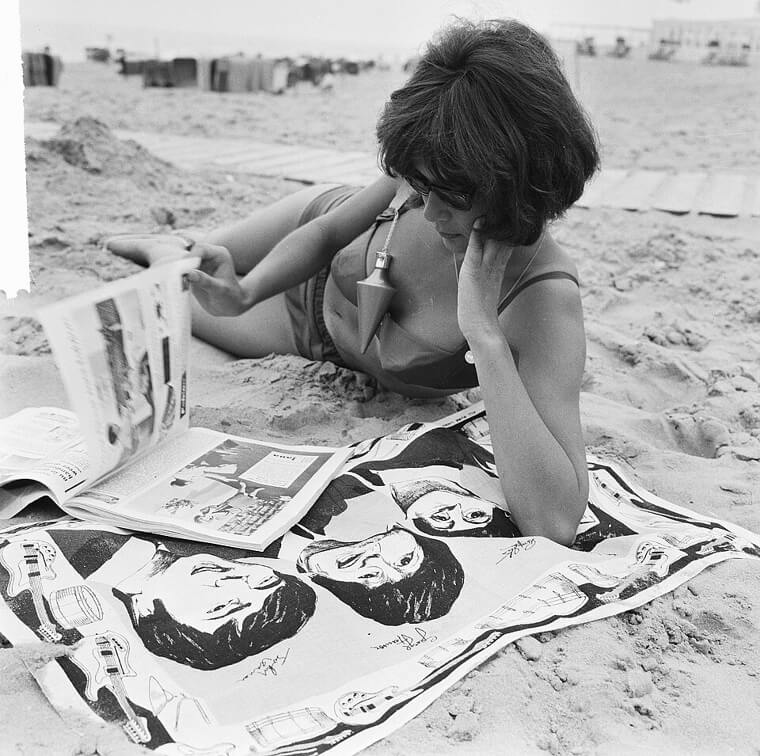
When they finally opened the door to hang up their heavy coats, they were completely shocked to find the terrified girl hiding among the clothes.
A College Newspaper Sparked The Wild Paul Is Dead Rumor
One of the most elaborate and enduring conspiracy theories in pop culture history began as a satirical article published in an American college newspaper in 1969. The student author jokingly suggested that Paul McCartney had tragically died in a car crash three years earlier and was secretly replaced by an identical lookalike named William Campbell. The bizarre theory claimed the surviving band members left hidden clues about his demise backward in their audio recordings and scattered throughout their album artwork.
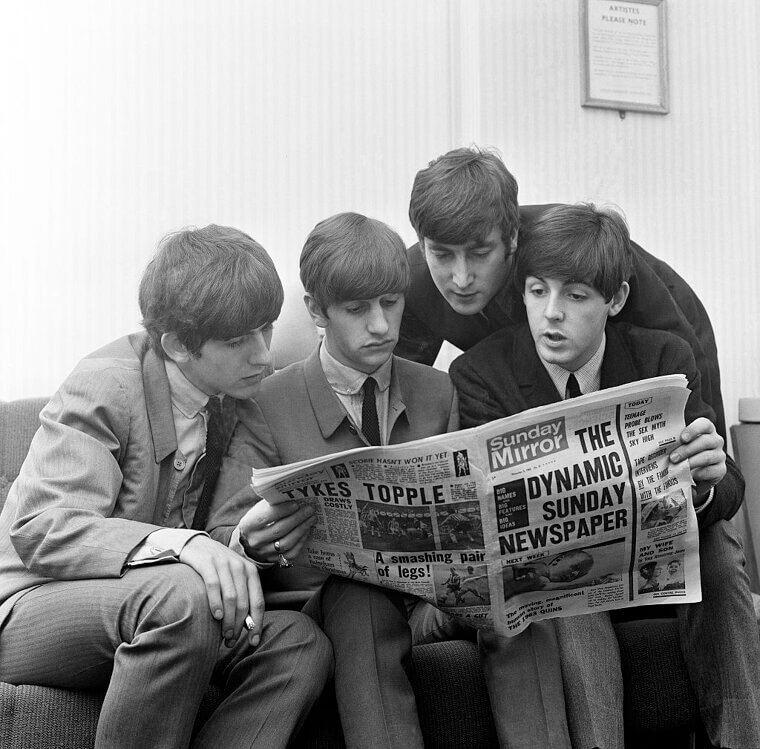
The strange rumor spread like wildfire across international media outlets, forcing McCartney to eventually step out of hiding to prove he was still alive. The fascinating details of this unique situation continue to surprise loyal fans and music scholars around the entire world to this very day, preserving their legacy.
Ringo Starr Was The First Member To Temporarily Quit The Group
During the tense recording sessions for the White Album in 1968, Ringo Starr became the first member to officially walk out on the group. Feeling unappreciated and struggling with the hostile studio atmosphere, he abruptly left London and flew to Sardinia for a spontaneous family vacation with actor Peter Sellers. While lounging on a boat in the Mediterranean, he learned about the fascinating habits of octopuses, which inspired him to write the classic tune Octopus's Garden.
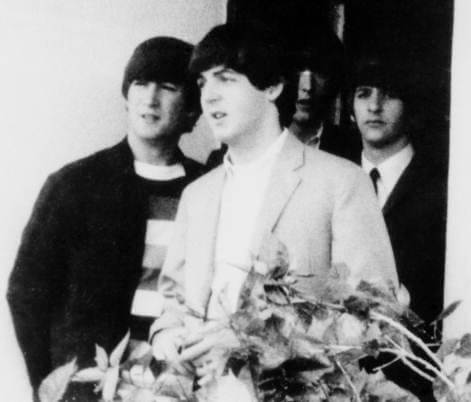
Meanwhile, the remaining members realized how essential his drumming and agreeable personality were to the group dynamic. They sent him multiple telegrams begging for his return, eventually welcoming him back to the studio with his drum kit covered in beautiful flowers.
A Mundane Breakfast Cereal Commercial Inspired Good Morning Good Morning
John Lennon frequently relied on random daily occurrences and television broadcasts to spark his unique songwriting process during the Sgt. Pepper recording sessions. One afternoon, while sitting at his piano and struggling to find inspiration, he heard a television commercial for Kellogg's Corn Flakes playing in the background. The advertisement featured a cheerful voice repeatedly saying good morning over the sound of a crowing rooster. Lennon took this mundane corporate slogan and transformed it into a frantic, chaotic track about the depressing monotony of suburban daily life.
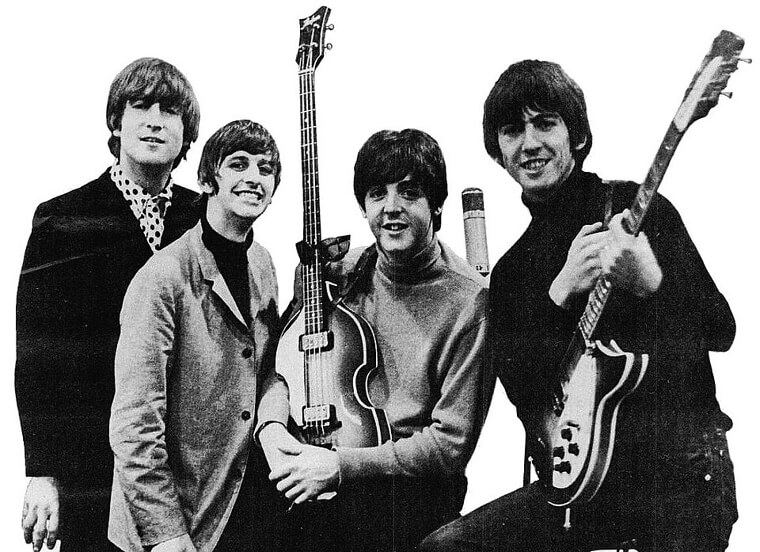
He even requested that the studio engineers append a series of wildly aggressive animal noises to the end of the final mix, culminating in a chicken clucking sound.
A Disastrous Trip To Manila Led To A Hasty Escape
In 1966, the band visited the Philippines for a series of highly anticipated concerts that quickly turned into a terrifying international incident. They unintentionally snubbed First Lady Imelda Marcos by politely declining a formal invitation to a breakfast reception at the presidential palace. Local media outlets immediately reported the incident as a massive insult to the entire nation, leading to a total withdrawal of their police protection. Angry mobs formed around their hotel, and the musicians were reportedly pushed and shoved by hostile crowds as they desperately tried to board their departing flight.
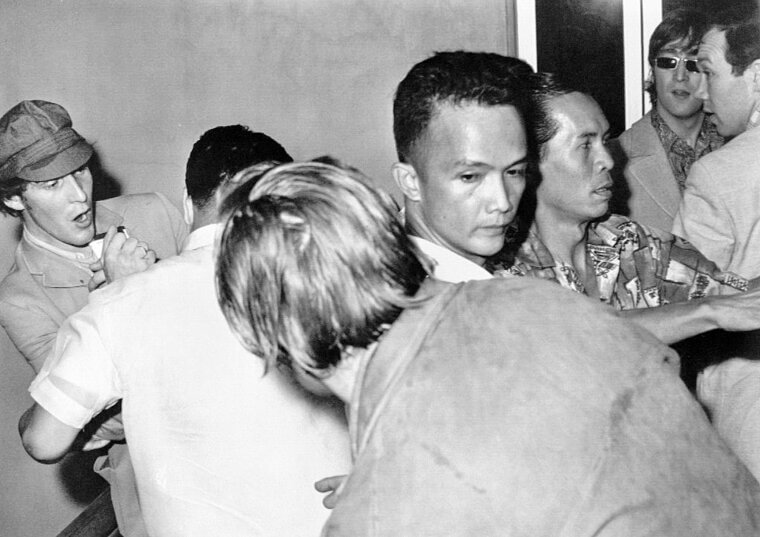
They swore never to return to the country. The fascinating details of this unique situation continue to surprise loyal fans and music scholars around the entire world to this very day, preserving their legacy.
A German Art Student Helped Popularize Their Iconic Haircut
The distinctive mop top haircut that defined the early visual aesthetic of the band was heavily influenced by the avant garde art scene in Germany. While performing a grueling residency in Hamburg, the musicians befriended a young local photographer and art student named Astrid Kirchherr. She had a unique, forward thinking sense of style and began giving several members of the group informal haircuts that brushed their bangs forward over their foreheads.
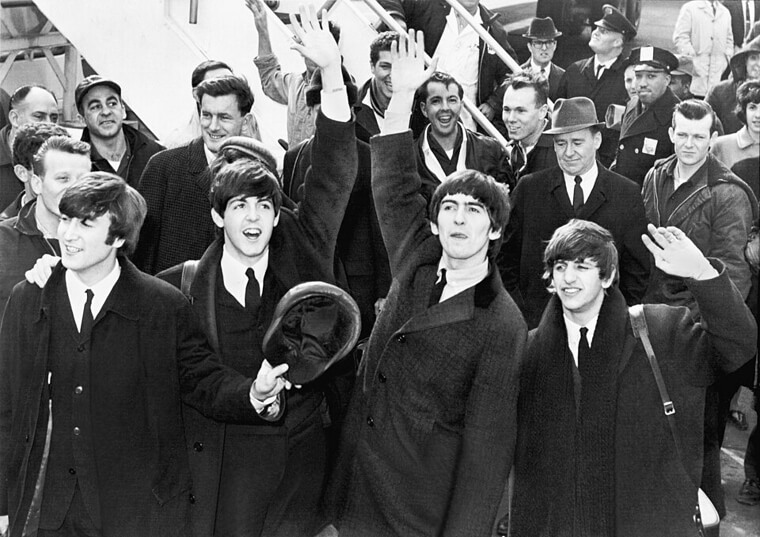
Although they initially resisted the unusual styling, they eventually embraced the unkempt look because it drastically separated them from the slicked back pompadour styles worn by other rock bands.
Their Famous Drop T Logo Was Sketched In A Few Minutes
The globally recognized logo featuring an elongated capital letter T was not created by an expensive corporate marketing firm or a famous graphic designer. In 1963, Ringo Starr needed a new drum kit and visited a local London music shop called Drum City to purchase a Ludwig set. The shop owner, Ivor Arbiter, negotiated a deal to provide the drums for free as long as the store's name was painted on the front head.
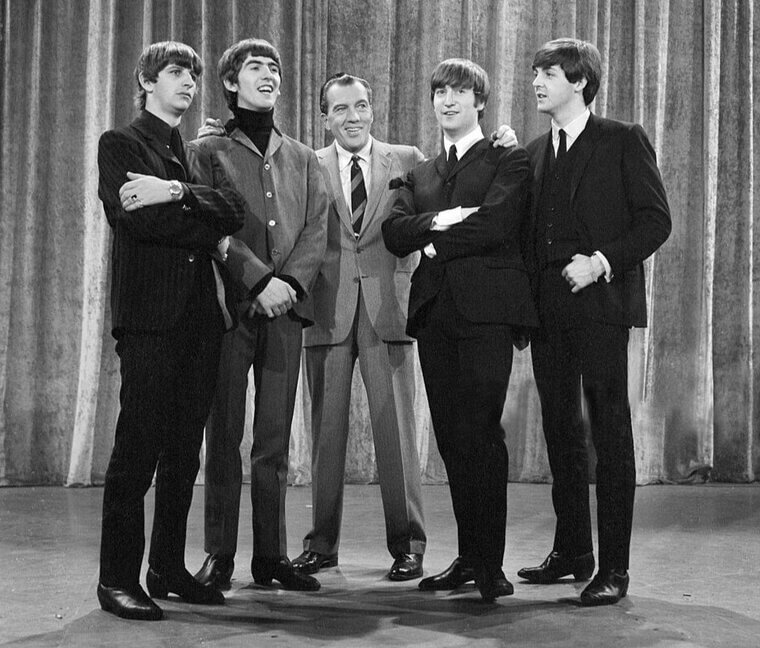
Arbiter hastily sketched out a simple design featuring the band's name with a larger T to emphasize the word beat, creating an iconic logo completely by accident.
They Were The Very First Band To Play A Stadium Concert
When the group performed at Shea Stadium in New York on August 15, 1965, they unknowingly invented the concept of the modern stadium rock concert. Prior to this historic event, most musical acts performed in small theaters, auditoriums, or local dance halls. Over 55,000 screaming fans packed the massive baseball venue, creating an environment so loud that the musicians literally could not hear themselves playing over the rudimentary public address system.
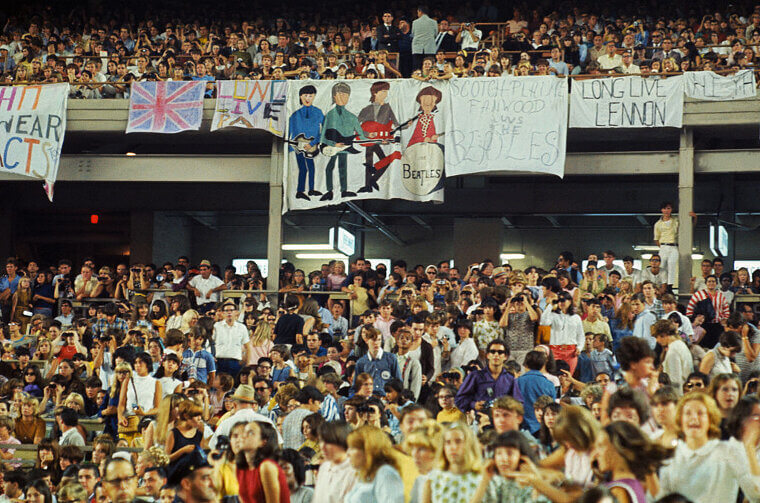
The groundbreaking performance proved that popular music could successfully fill massive outdoor sports arenas, paving the way for the massive touring industry that dominates the entertainment business today. This remarkable piece of rock and roll history highlights the bizarre reality of global fame, showing exactly how the band members navigated unprecedented public attention. Today, dedicated historians and devoted fans continue to analyze these strange occurrences, actively preserving the expansive mythology that surrounds the most famous musical group in modern history.
George Harrison Considered Himself A Professional Landscape Gardener
After stepping away from the chaotic spotlight of global fame, George Harrison dedicated an enormous amount of his time and energy to transforming the sprawling grounds of his Friar Park estate. He purchased the massive property in 1970 and spent decades meticulously planting trees, designing elaborate floral gardens, and restoring the complex underground caves on the premises. He reportedly loved the physical labor so much that he often jokingly listed his primary occupation as gardener rather than musician on official government documents.
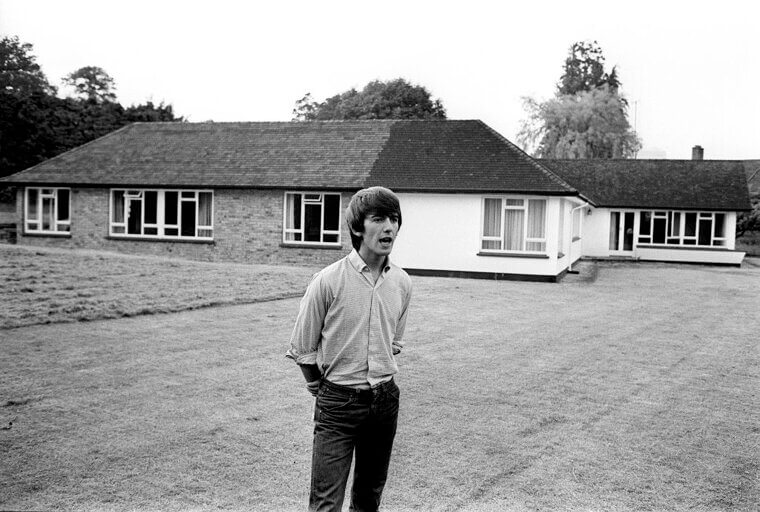
The incredible botanical sanctuary provided him with the quiet peace and spiritual isolation he desperately craved after the intense touring years. The fascinating details of this unique situation continue to surprise loyal fans and music scholars around the entire world to this very day, preserving their legacy.
Ringo Starr Changed His Name Because It Sounded More Flashy
The man the world knows as Ringo Starr was actually born with the very traditional English name Richard Starkey in Liverpool in 1940. When he began playing drums for popular skiffle bands in the late 1950s, he decided to adopt a flashy stage name to help him stand out in the crowded local music scene. He chose the nickname Ringo because he was notoriously fond of wearing numerous heavy rings on his fingers during his live performances.
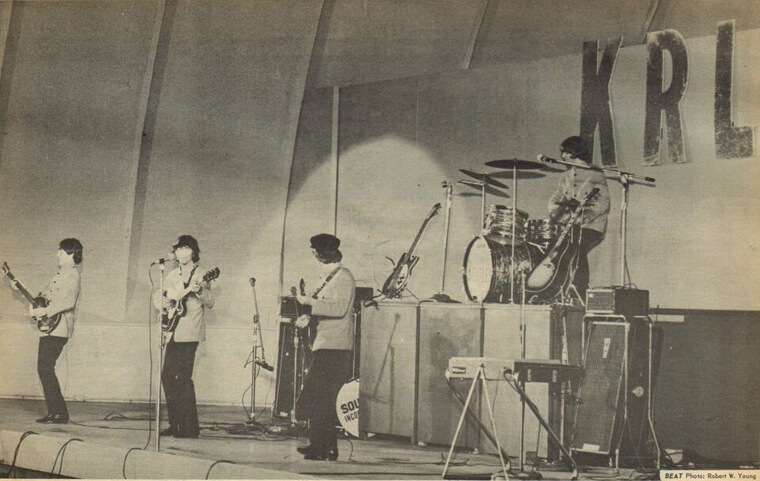
He shortened his last name to Starr simply because he thought it sounded much more like a professional entertainer than his mundane birth name. The fascinating details of this unique situation continue to surprise loyal fans and music scholars around the entire world to this very day, preserving their legacy.
The Final Chord In A Day In The Life Was Played On 3 Pianos
The haunting, lingering final note of A Day in the Life required an unusual studio technique to capture its immense depth. John Lennon, Paul McCartney, Ringo Starr, and their road manager Mal Evans sat at 3 separate grand pianos in the Abbey Road studio. On a specific count, they all slammed their hands down on an E major chord simultaneously to create a massive wall of sound. As the natural resonance of the instruments began to fade, the audio engineers slowly pushed the faders up on the recording console to capture every last vibrating frequency.
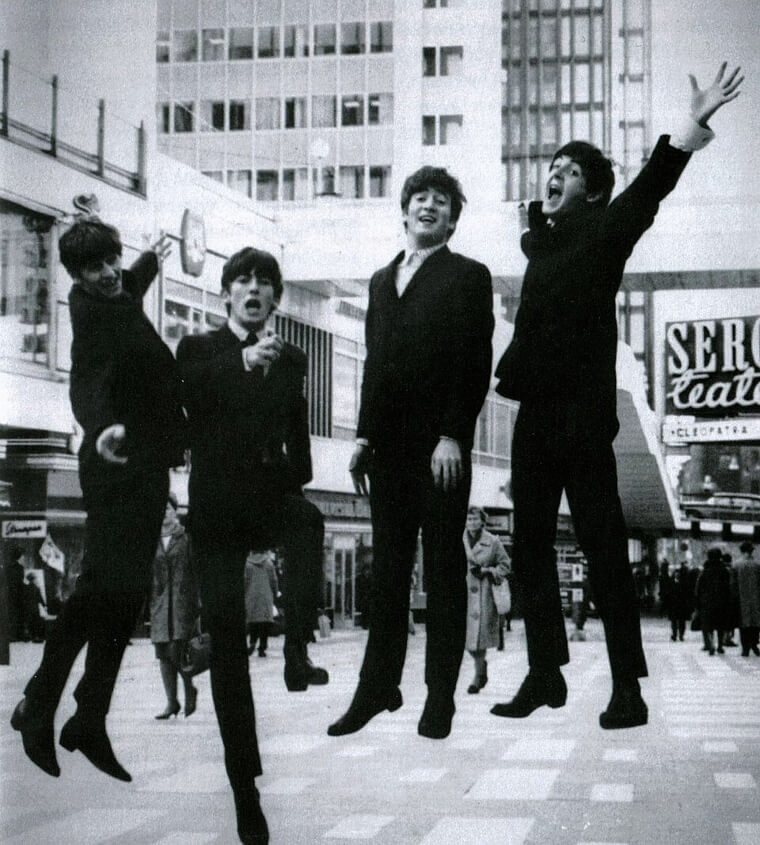
The sound reportedly lasts for over 40 seconds before fading into silence, providing a perfect dramatic ending to the Sgt. Pepper album. The fascinating details of this unique situation continue to surprise loyal fans and music scholars around the entire world to this very day, preserving their legacy.
George Harrison Discovered The Sitar On Set for "Help! "
During the filming of their second feature film Help! in 1965, the band shot an elaborate scene in a restaurant that featured an Indian classical music ensemble playing in the background. George Harrison was immediately captivated by the unusual physical appearance and hypnotic droning sound of the sitar being used by the session musicians. He awkwardly picked up the massive stringed instrument between takes and attempted to figure out its complex tuning system.
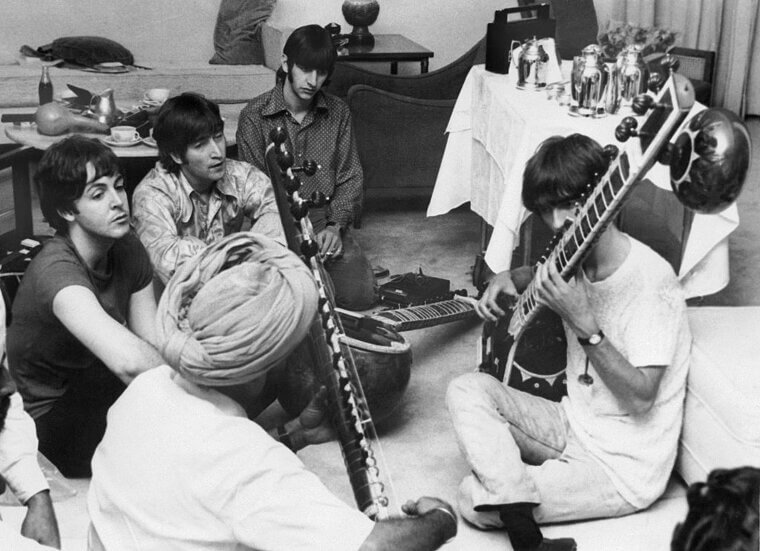
Intrigued by the microtonal possibilities, he purchased a cheap model from a London shop shortly after filming wrapped. He quickly incorporated it into the track Norwegian Wood, marking one of the very first times the instrument was used in a Western pop music recording.
Penny Lane Was An Actual Bus Shelter Location In Liverpool
The beloved track Penny Lane was named after a real street and important transit hub in the band's hometown of Liverpool. Paul McCartney wrote the nostalgic lyrics to capture the vibrant daily life and colorful characters he remembered from his youth. The specific location served as a major bus terminus where John, Paul, and George would frequently transfer routes to visit each other. Many of the whimsical details mentioned in the verses, such as the barber showing photographs and the banker with a motorcar, were based on actual local figures who lived and worked in the neighborhood.
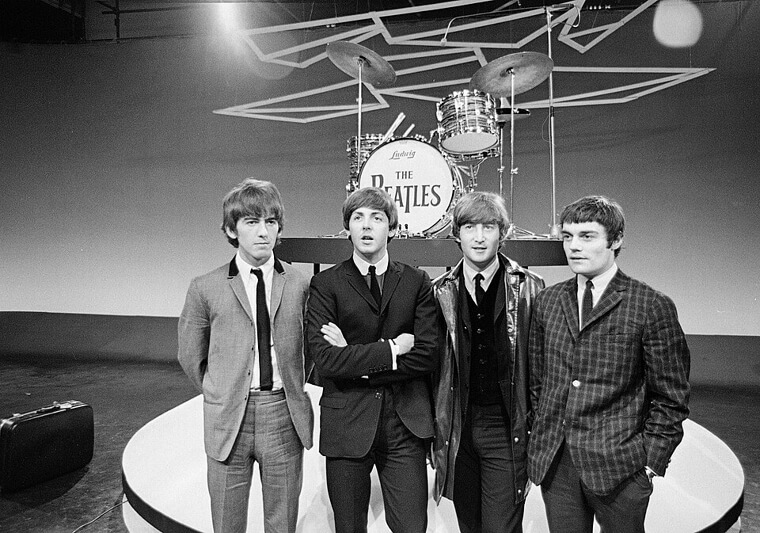
Today, the street remains a massive tourist attraction, with the local council constantly replacing stolen road signs taken by eager fans. The fascinating details of this unique situation continue to surprise loyal fans and music scholars around the entire world to this very day, preserving their legacy.
Strawberry Field Was A Real Salvation Army Childrens Home
The psychedelic masterpiece Strawberry Fields Forever was directly inspired by a Salvation Army children's home located near John Lennon's childhood house in Woolton, Liverpool. As a young boy, Lennon frequently hopped over the property wall to play in the wooded gardens with his friends, finding a sense of peace and isolation. He also attended the annual summer garden parties held on the grounds with his Aunt Mimi, enjoying the lively brass bands that performed there.
When he wrote the song years later in Spain, he used the location as a metaphor for his own nostalgic childhood memories and complex emotional landscape. The original gates of the property became a famous pilgrimage site for devoted listeners worldwide.
A Casual Interview Quote Sparked A Massive International Controversy
In early 1966, John Lennon gave a casual interview to a British journalist where he frankly discussed the declining influence of traditional religion among modern youth. He offhandedly remarked that Christianity would vanish and that his band was currently more popular than Jesus. The comment barely caused a ripple in the United Kingdom, but when an American teen magazine reprinted the quote months later, absolute chaos ensued across the conservative southern United States.
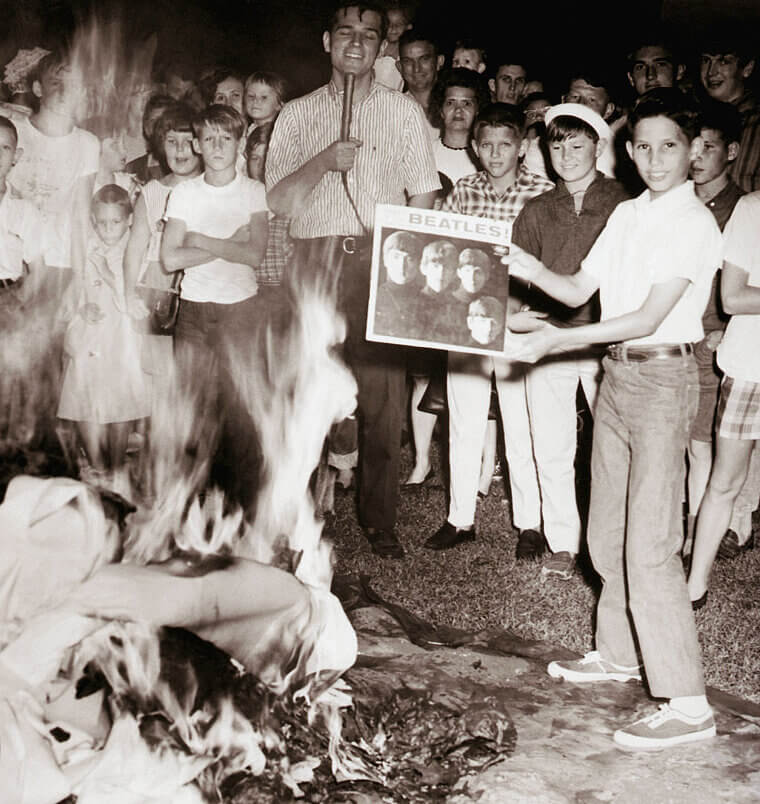
Radio stations organized massive bonfires to burn the group's vinyl records, and radical groups openly threatened the musicians with physical violence during their upcoming tour. The intense backlash traumatized the members and heavily influenced their decision to stop touring later that year.