
Classic rock is full of legendary music, but the behind-the-scenes drama is often just as fascinating. From sudden walkouts to shocking firings, these lineup changes changed music history forever. Let’s dive into the most controversial band exits you need to see to believe!
Pink Floyd: Syd Barrett Replaced by David Gilmour: Alleged Erratic Actions and Mental Health Decline
Syd Barrett founded Pink Floyd and guided their early psychedelic sound, but his time in the spotlight was tragically short. As the band gained fame, his behavior reportedly became unpredictable, often leaving him unable to perform during live shows. Witnesses claimed he would stand on stage playing 1 single chord or sometimes nothing at all. The remaining members eventually brought in David Gilmour to cover guitar duties, initially hoping Barrett could stay on as a primary songwriter. This plan proved unworkable.
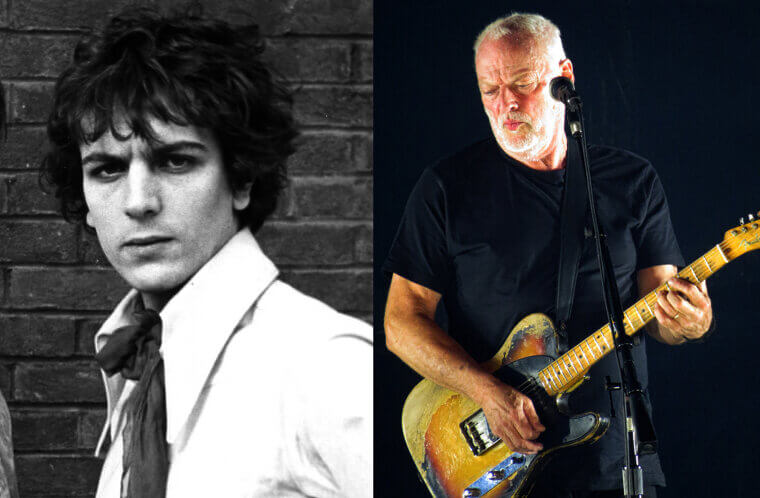
They simply stopped picking him up for gigs in 1968. Gilmour stepped into the permanent role, fundamentally shifting the musical trajectory of the group. Pink Floyd went on to achieve massive global success, though the lingering shadow of their original frontman influenced their greatest albums for decades to come.
Rolling Stones: Brian Jones Ousted for Mick Taylor Amidst Reported Lifestyle Struggles
The Rolling Stones relied heavily on Brian Jones during their formative years, as his multi-instrumental talents gave them a distinct edge. However, as the 1960s progressed, his reliability reportedly plummeted due to personal struggles and alleged substance habits. He began missing recording sessions and became increasingly alienated from Mick Jagger and Keith Richards. Management eventually informed him that he was no longer a functional part of the touring unit, leading to his swift exit from the iconic group.
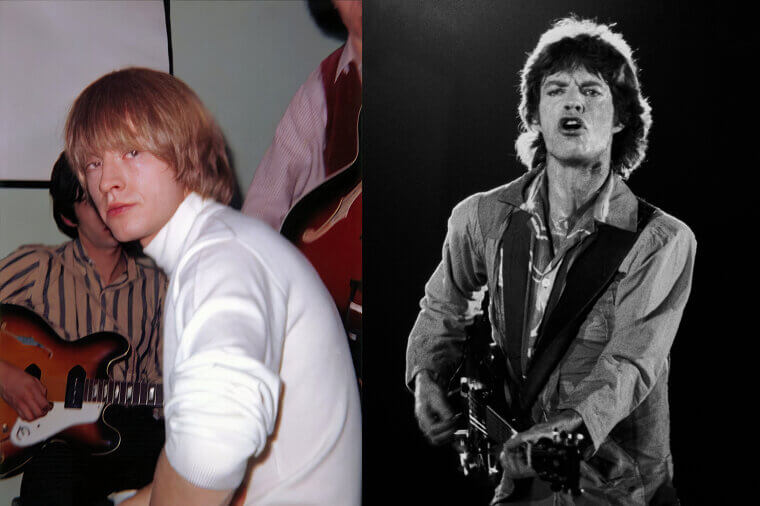
The band quickly recruited Mick Taylor, a virtuoso guitarist who brought a bluesy, melodic precision to their next string of legendary albums. Jones passed away tragically shortly after his dismissal, leaving a complicated legacy. Taylor helped propel the band into their most critically acclaimed era before leaving himself just a few years later.
The Rolling Stones' Sudden Shift: Mick Taylor Quits, Ronnie Wood Rescues The Rhythm
Mick Taylor shocked the music world in 1974 when he suddenly exited The Rolling Stones. Despite playing on amazing masterpieces like Sticky Fingers and Exile on Main St, he felt frustrated with his lack of songwriting credits. The grueling touring schedule and the heavy lifestyle surrounding the band also took a massive toll on his overall well-being. He abruptly quit at a party, leaving Mick Jagger and Keith Richards scrambling for a replacement right before a major recording project began.
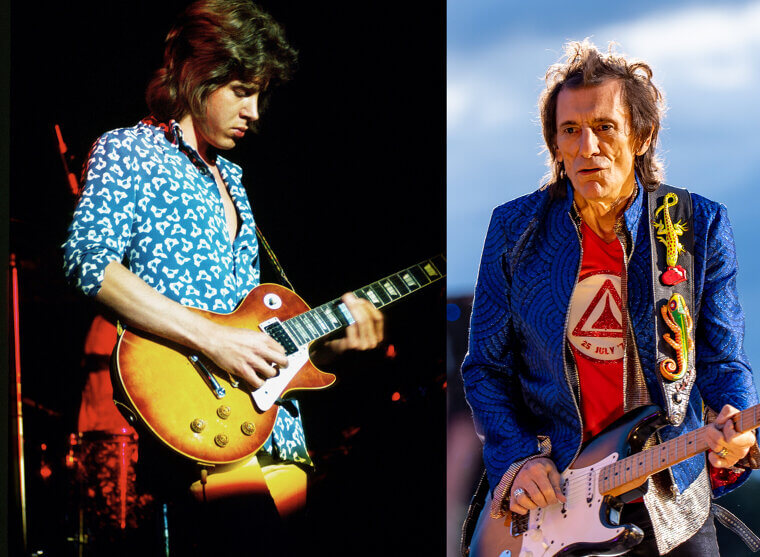
Ronnie Wood stepped in, initially as a temporary fix, but his easygoing personality and solid rhythm playing made him a perfect permanent fit. Wood brought a renewed sense of camaraderie that helped stabilize the chaotic atmosphere within the legendary act. He has remained a vital piece of their enduring legacy for nearly 5 decades.
Genesis Loses Their Theatrical Leader: Peter Gabriel Exits, Phil Collins Takes The Mic
Genesis established themselves as progressive rock titans largely due to the theatrical stage presence of Peter Gabriel. Fans were stunned when he announced his departure in 1975 right after the massive Lamb Lies Down on Broadway tour. Gabriel cited a desire to spend more time with his family following the difficult birth of his 1st child, along with a growing feeling of being trapped by the machinery of the band. The group auditioned numerous vocalists to take his place immediately.

After an exhaustive search, they realized their drummer, Phil Collins, possessed the perfect voice to take over the microphone. This internal promotion drastically altered their sound, transforming them from complex progressive artists into global pop-rock superstars over the next decade. Gabriel also achieved massive solo success, proving the split benefited everyone involved.
Black Sabbath's Heavy Metal Shakeup: Ozzy Osbourne Fired, Ronnie James Dio Enters
Black Sabbath created heavy metal, but by the late 1970s, their internal dynamics were fractured beyond repair. Ozzy Osbourne reportedly struggled immensely with personal demons, leading to missed rehearsals and wildly inconsistent performances. The rest of the group felt they could no longer function and made the difficult decision to fire their iconic frontman. Guitarist Tony Iommi recruited Ronnie James Dio, who brought a soaring vocal range and a different lyrical focus to the legendary heavy metal project.
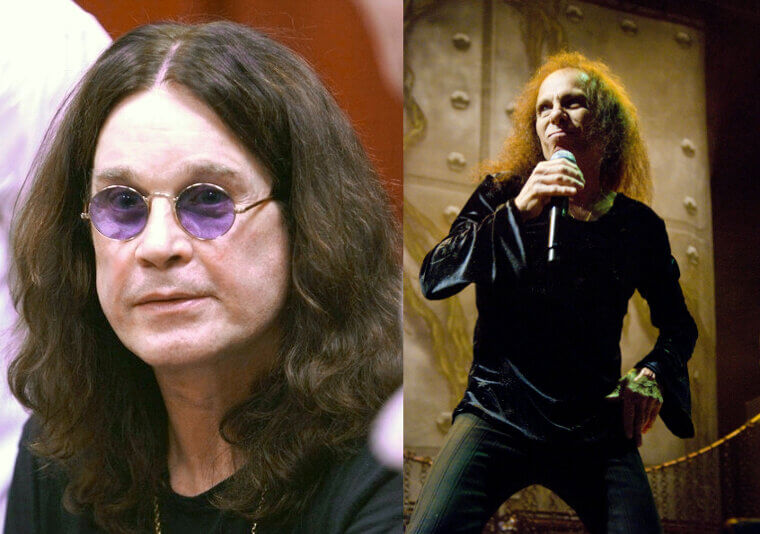
The resulting album, Heaven and Hell, revitalized their career and proved they could survive without their original singer. Osbourne rebounded with an immensely successful solo career, meaning fans ultimately got 2 incredible musical entities out of 1 messy breakup. This era remains a fascinating chapter in heavy metal history.
Van Halen: David Lee Roth Leaves Over Film Ambitions and Ego Clashes, Sammy Hagar Steps up
Van Halen conquered the world with their landmark album 1984, but behind the scenes, tensions between Eddie Van Halen and David Lee Roth reached a breaking point. Roth reportedly wanted to pursue a movie career and focus on theatrical pop, while Eddie desired a more serious musical direction. The flamboyant frontman abruptly left to start a solo project, assuming the band would fold without his larger-than-life persona. The remaining members refused to quit and began searching for a new voice.
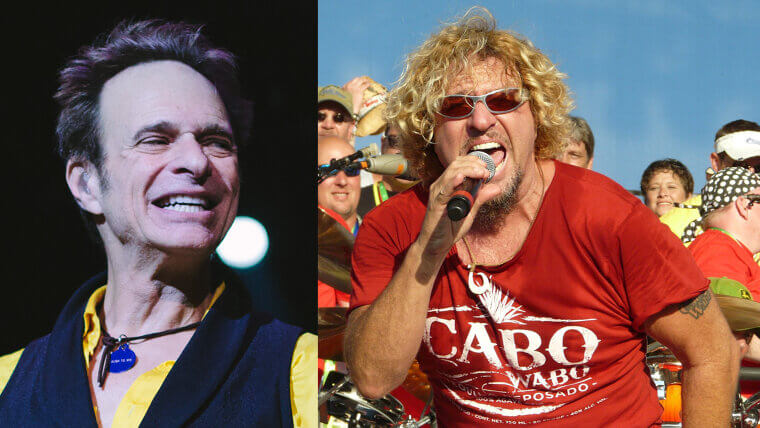
They hired Sammy Hagar, an established rocker who brought stronger vocal chops and a collaborative attitude. The new era yielded 4 consecutive number 1 albums, defying expectations. Fans still debate which lineup was superior, making this 1 of the most famous personnel swaps in history.
Fleetwood Mac's Phone Call Firing: Lindsey Buckingham Out, Mike Campbell Joins The Drama
Fleetwood Mac is no stranger to internal drama, but firing Lindsey Buckingham in 2018 still sent shockwaves through the industry. The visionary guitarist and producer reportedly clashed with Stevie Nicks over touring schedules and the future plans for the group. Rumors circulated that Nicks gave the rest of the band an ultimatum, resulting in Buckingham being unceremoniously dismissed via a phone call. To fill the massive void, they brought in Mike Campbell from Tom Petty's Heartbreakers and Neil Finn.
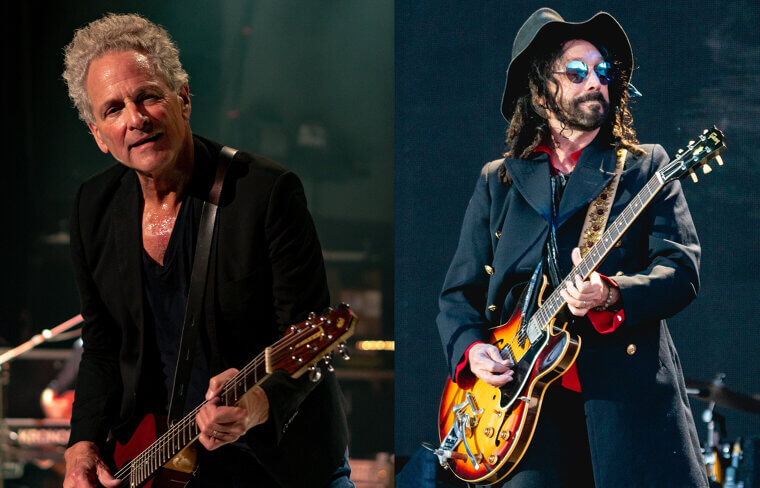
This unique combination allowed them to tour successfully, though many fans missed Buckingham's intricate fingerpicking and intense stage presence. The situation remains a polarizing topic among dedicated followers of the legendary group, highlighting the fragile nature of long-standing musical partnerships.
Journey's Impatient Pivot: Steve Perry Left Behind, Steve Augeri Mimics The Magic
Journey reached astronomical heights with Steve Perry at the helm, but the physical toll of their success was severe. In the late 1990s, Perry required hip surgery and was hesitant to commit to a rigorous touring schedule. The rest of the band, eager to get back on the road, reportedly grew impatient with the delays. They eventually decided to move forward without their signature voice, hiring Steve Augeri, who possessed a remarkably similar vocal tone to their former frontman.

Augeri successfully fronted the group for nearly a decade, keeping the classic catalog alive for thousands of concertgoers. Perry chose a quiet life away from the spotlight for many years, though his distinct melodies remain the definitive sound of the arena rock era.
Kiss Removes The Catman: Peter Criss Booted, Eric Carr Brings New Heavy Energy
Kiss built an empire on their makeup and theatrical shows, but the original 4 members struggled to maintain their chemistry. Drummer Peter Criss reportedly suffered from declining musical abilities and alleged unpredictable behavior that frustrated Gene Simmons and Paul Stanley. By 1980, the situation became untenable, and Criss was officially ousted from the group he helped found. Enter Eric Carr, a talented drummer who adopted the Fox persona and brought a heavier, more precise playing style to the rhythm section.
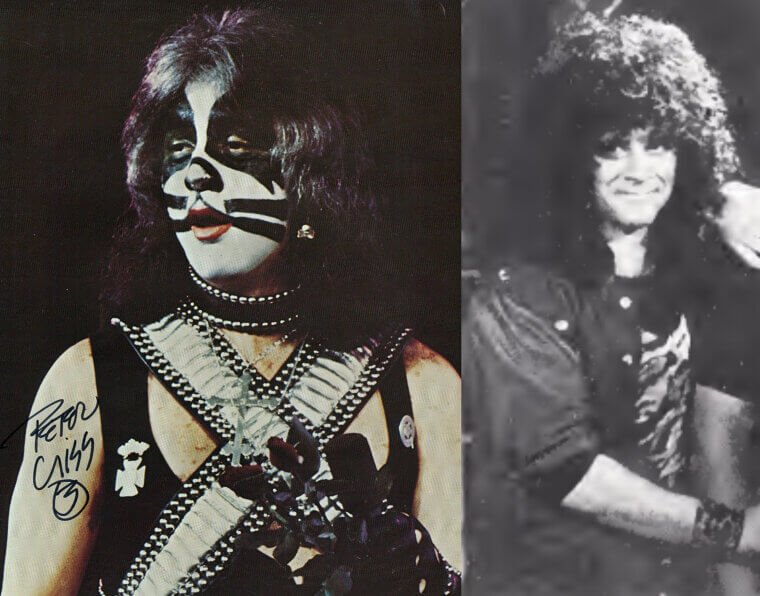
Carr revitalized their live performances and helped steer them through the difficult transition of removing their makeup. His tragic passing years later affected the rock community, cementing his legacy as a beloved figure in their extensive history.
Kiss Loses The Spaceman: Ace Frehley Quits Over Pop Sound, Vinnie Vincent Hired
The turmoil in Kiss did not stop with their drummer, as lead guitarist Ace Frehley also grew increasingly unhappy. Frehley disliked the pop-oriented sound the band pursued on albums like Unmasked and Music from The Elder. He allegedly began skipping recording sessions, forcing the group to rely on studio musicians to finish their tracks. In 1982, he formally departed, and Vinnie Vincent was brought in as the Ankh Warrior to fill his famous platform boots and provide lead guitar.
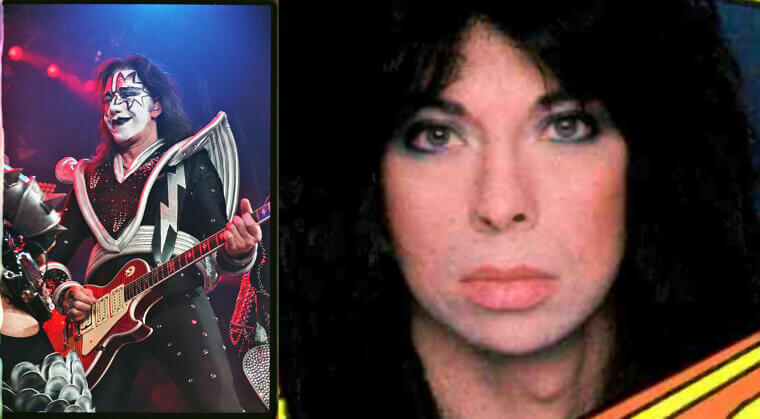
Vincent contributed heavily to the songwriting on their next few records, helping them reclaim a harder edge. However, his tenure was short-lived due to contract disputes and personal clashes, making him another controversial chapter in their long career.
Deep Purple's Funky Frustration: Ritchie Blackmore Abruptly Quits, Tommy Bolin Takes Over
Deep Purple experienced a major stylistic shift in the mid-1970s, much to the dismay of legendary guitarist Ritchie Blackmore. He disliked the funky, soul-influenced direction that David Coverdale and Glenn Hughes were pushing the band toward. Feeling alienated from his own creation, Blackmore abruptly quit in 1975 to form Rainbow. The remaining members took a massive gamble by hiring Tommy Bolin, a versatile American guitarist with a background in jazz fusion. Bolin brought a fresh perspective to their music.

Bolin guided the Come Taste the Band album, though his live performances were reportedly inconsistent due to personal struggles. The group disbanded shortly after, ending a tumultuous but fascinating era of their legendary career.
Deep Purple's Vocal Burnout: Ian Gillan Exits, Unknown Boutique Worker David Coverdale Hired
Before Blackmore left Deep Purple, the band had already survived the shocking departure of iconic vocalist Ian Gillan in 1973. Gillan reportedly suffered from extreme vocal exhaustion and felt burned out by the relentless touring schedule. He also constantly clashed with management and Blackmore over the musical direction and business decisions. Seeking a fresh start, the band hired an unknown singer named David Coverdale, who was working at a boutique at the time. Coverdale possessed a rich, bluesy baritone.
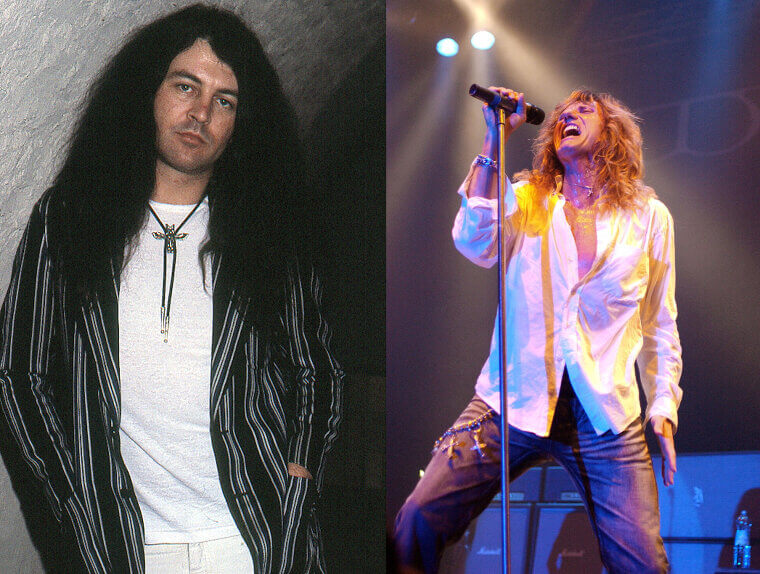
This unique vocal style altered the dynamic of the group's sound, pushing them into new territories. He eventually went on to form Whitesnake, becoming a massive superstar in his own right during the next decade.
AC/DC's Tragic Transition: Bon Scott Passes Away, Brian Johnson Honors The Legacy
AC/DC was on the verge of global superstardom following the release of Highway to Hell, but tragedy struck in early 1980. Frontman Bon Scott passed away unexpectedly after a night of reportedly heavy drinking, leaving the band devastated. The surviving members considered quitting, but decided Scott would have wanted them to continue making music. They quickly auditioned Brian Johnson, whose powerful, gravelly voice perfectly matched their high-voltage energy. The resulting tribute album, Back in Black, became a massive phenomenon.

This landmark record stands as 1 of the best-selling albums in human history. Johnson has remained the voice of the band for over 4 decades, honoring the legacy of his predecessor at every single show.
The Who's Heartbreaking Loss: Keith Moon's Sudden Passing, Kenney Jones Tries To Keep Time
The Who revolutionized the role of the drummer in rock music thanks to the chaotic brilliance of Keith Moon. His frantic, explosive style was the engine that drove their most famous anthems. Sadly, Moon passed away in 1978 due to an accidental overdose of prescription medication he was taking to manage alcohol withdrawal. The surviving trio chose to carry on, recruiting Kenney Jones of The Small Faces to take over the daunting position. Jones brought a much tighter approach.
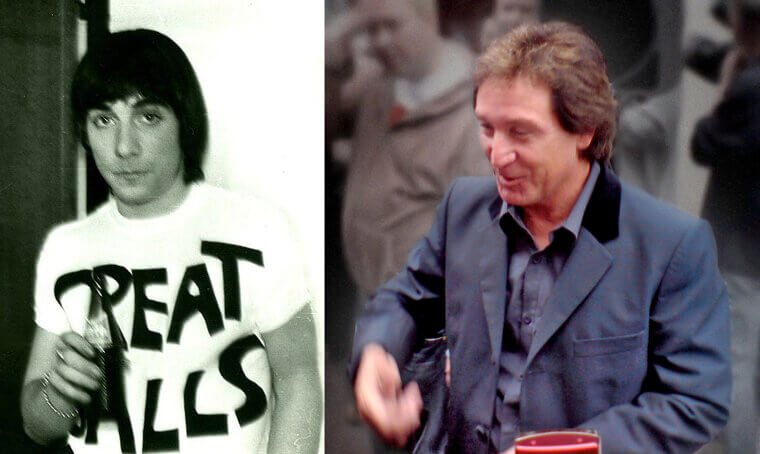
This disciplined rhythm section fundamentally changed the dynamic of their live performances. While fans missed the unpredictable danger of the original lineup, the band managed to produce 2 more studio albums before initially disbanding.
Eagles' Bitter Legal Battle: Don Felder Terminated, Steuart Smith Hired As A Touring Ghost
The Eagles are famous for their pristine harmonies and ruthless business practices, which ultimately led to the dismissal of Don Felder in 2001. The guitarist, who famously co-wrote Hotel California, reportedly demanded a larger share of the touring revenue and questioned the financial arrangements managed by Don Henley and Glenn Frey. This resulted in a bitter legal battle and his permanent termination from the lucrative reunion tours. The band hired Steuart Smith to cover his complex guitar parts.

They opted not to make him an official member, despite his massive contributions. Smith flawlessly replicated the iconic solos night after night, ensuring the concert experience remained perfect for fans while keeping the core partnership intact.
Eagles' Beer Pouring Walkout: Bernie Leadon Quits In Frustration, Joe Walsh Brings The Edge
Before Felder's dramatic exit, the Eagles experienced another sudden change when founding member Bernie Leadon quit in 1975. Leadon felt exhausted by the relentless touring and was unhappy with the group shifting away from their country-rock roots toward a heavier stadium sound. Tensions allegedly boiled over when he poured a beer over Glenn Frey's head in frustration before walking out. To complete their transformation, the band hired Joe Walsh, a wild card guitarist known for his gritty playing.

Walsh provided the exact rock edge they needed for their next massive project, solidifying their status as the biggest band in America. His quirky personality also brought a much-needed sense of humor to the serious group.
Eagles' High Note Anxiety: Randy Meisner Flees The Pressure, Timothy B. Schmit Smooths Things Over
The Eagles underwent yet another major lineup shift when bassist Randy Meisner reached his breaking point in 1977. Meisner reportedly suffered from intense performance anxiety, specifically dreading the nightly requirement to hit the extreme high notes on his signature song, Take It to the Limit. Exhausted and physically ill, he refused to sing the track during a concert, leading to a physical altercation with Glenn Frey backstage. He quit shortly after, seeking a quieter life away from the massive pressure.

The band conveniently replaced him with Timothy B. Schmit, who had previously replaced Meisner in the band Poco years earlier. Schmit brought a soothing presence and flawless vocal abilities that fit their polished sound perfectly.
The Clash's Punk Betrayal: Joe Strummer Fires Mick Jones, Nick Sheppard Fails To Save Them
The Clash earned the title of the only band that mattered, but internal politics eventually tore them apart. By 1983, Joe Strummer felt that guitarist Mick Jones was drifting too far into electronic and hip-hop influences, betraying their punk roots. After a period of intense arguments and alleged unprofessional behavior, Strummer and bassist Paul Simonon shockingly fired Jones from his own group. They recruited Nick Sheppard and Vince White to fill the void, attempting to return to a raw sound.
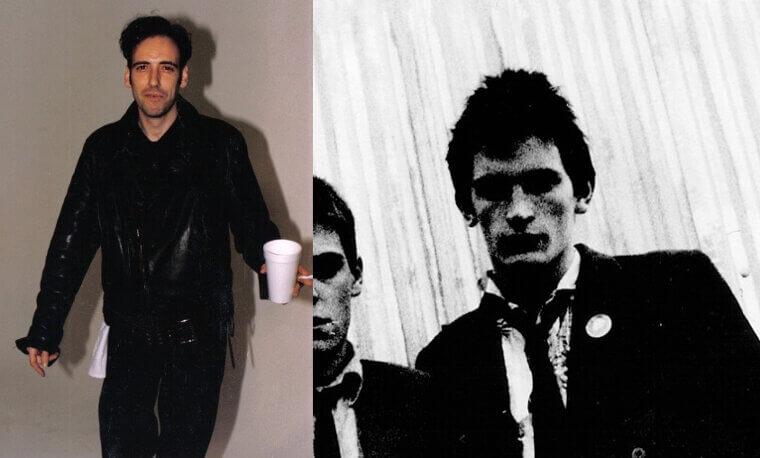
The resulting album, Cut the Crap, was widely panned by critics and fans alike, leading to the permanent dissolution of the legendary act shortly afterward. Jones went on to form Big Audio Dynamite with massive success.
Allman Brothers' Fax Machine Firing: Dickey Betts Suspended, Derek Trucks Injects Youthful Energy
The Allman Brothers Band survived numerous tragedies, but the unceremonious exit of Dickey Betts in 2000 remained highly controversial. The founding guitarist wrote many of their biggest hits, but the rest of the group reportedly felt his live performances were deteriorating due to personal issues. They sent him a fax informing him he was suspended for the upcoming summer tour, prompting Betts to pursue legal action and permanently sever ties. To fill his massive shoes, they brought in young prodigy Derek Trucks.

This new guitar duo injected an incredible amount of fresh energy into the veteran jam band, propelling them through another highly successful decade of touring. Fans slowly embraced the modern era of the iconic southern rock institution.
Allman Brothers' Tragic Pivot: Duane Allman's Motorcycle Accident, Chuck Leavell Shifts The Sound To Keys
The original incarnation of the Allman Brothers Band was tragically cut short in 1971 when visionary guitarist Duane Allman passed away in a motorcycle accident. He was the undisputed leader of the group, and his pioneering slide guitar work defined their early masterpieces. Instead of trying to find another guitarist to replicate his genius, the remaining members boldly decided to hire a keyboardist. Chuck Leavell joined the fold, shifting the instrumental dynamic from twin guitars to a complex interplay.
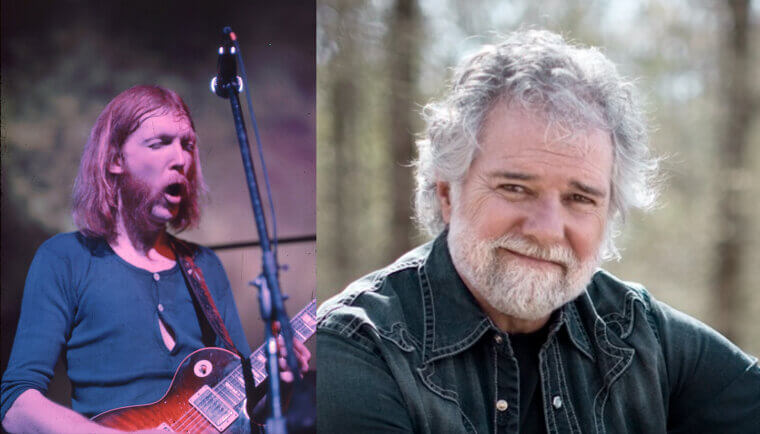
This new lineup recorded Brothers and Sisters, which ironically became their most commercially successful record and proved their remarkable resilience. The piano additions brought a bouncy, upbeat flavor to their extended instrumental jams.
Beach Boys' Mid-Flight Breakdown: Brian Wilson Stops Touring, Glen Campbell Briefly Steps In
The Beach Boys created joyous surf anthems, but the pressure of composing and touring took a severe toll on Brian Wilson. In late 1964, the brilliant songwriter suffered a reported nervous breakdown while on a flight to a concert, realizing he could no longer handle the stress of the road. He decided to stop touring to focus exclusively on writing and producing in the studio. To cover his vocal and bass duties on stage, the band briefly hired renowned session musician Glen Campbell.
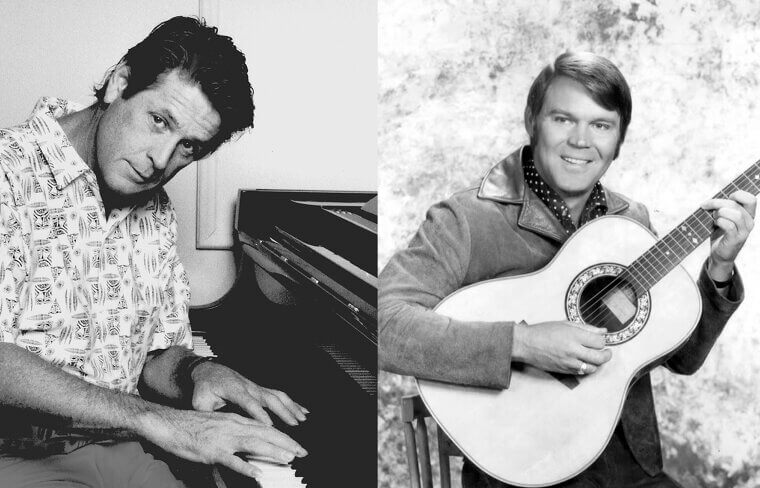
Campbell flawlessly integrated into their complex harmonies for several months before leaving to pursue his own highly successful solo career. This arrangement allowed Wilson the freedom to create his masterpiece, Pet Sounds.
Styx's Impatient Decision: Dennis DeYoung Needs Time, Lawrence Gowan Takes His Spot Forever
Styx achieved massive success blending progressive rock with theatrical pop, but internal divisions ultimately split the classic lineup. In 1999, frontman Dennis DeYoung requested a delay in touring as he recovered from a debilitating viral illness that made him sensitive to light. The rest of the band, eager to capitalize on a recent resurgence in popularity, reportedly refused to wait. They hired Canadian singer Lawrence Gowan to take over keyboard and vocal duties, moving forward without their founding member.

Gowan has remained with the group ever since, while DeYoung continues to perform his classic songs as a solo artist. Fans remain divided over the situation, making it a sensitive topic in the rock community.
Yes's Pop Duo Invasion: Jon Anderson Walks Away, Trevor Horn Drastically Alters Their Sound
Yes defined the expansive possibilities of progressive rock, but their lineup changes are notoriously convoluted. In 1980, the band fractured over financial disputes and extreme disagreements regarding their musical direction. Vocalist Jon Anderson and keyboardist Rick Wakeman both abruptly walked away, leaving the remaining members in a desperate situation. They surprisingly recruited Trevor Horn and Geoff Downes from the pop duo The Buggles to fill the vacancies. This drastically altered their sound, resulting in the polarizing Drama album.

While the touring was difficult due to fans demanding Anderson's return, this strange lineup transition ultimately paved the way for their massive 1980s commercial comeback. The progressive rockers proved they could adapt to changing musical landscapes.
Yes's Boredom And Curry: Rick Wakeman Quits Over Bloated Songs, Patrick Moraz Hired
Rick Wakeman's 1st departure from Yes in 1974 occurred for different reasons. Following the massive success of their early records, the band decided to record Tales from Topographic Oceans, a sprawling double album with only 4 extremely long tracks. Wakeman reportedly hated the concept, finding the music bloated and uninspiring. He famously spent time during live performances eating curry on his keyboards out of sheer boredom before finally quitting. The band hired Swiss virtuoso Patrick Moraz to replace him.
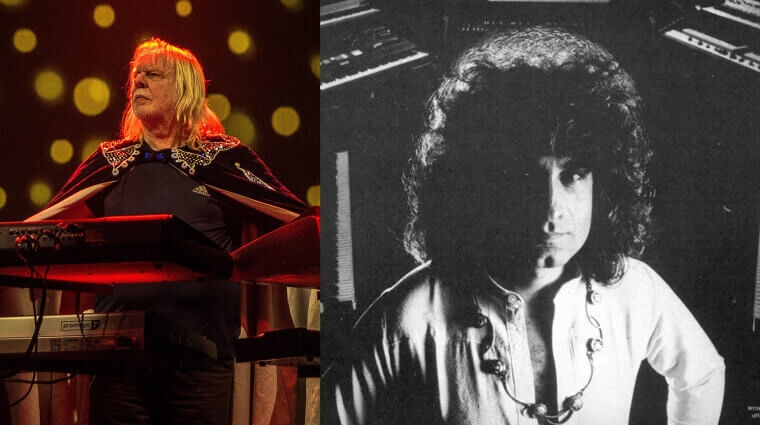
Moraz brought a frantic, jazz-infused energy to the subsequent Relayer album. Wakeman eventually returned a few years later, beginning a long cycle of leaving and rejoining the iconic progressive act over the next few decades.
Metallica's Bus Ticket Banishment: Dave Mustaine Fired Unceremoniously, Kirk Hammett Flown In
Metallica was on the verge of releasing their debut album when they made a drastic personnel change that altered metal history. Lead guitarist Dave Mustaine was reportedly struggling with severe substance issues, leading to violent outbursts that alienated the rest of the group. 1 morning, they simply woke him up, handed him a bus ticket back to California, and fired him on the spot. They quickly flew in Kirk Hammett from the band Exodus, who had to learn the entire setlist immediately.

Hammett brought a slightly more melodic soloing style to their thrash sound. Mustaine channeled his intense anger into forming Megadeth, creating a legendary rivalry that fueled the heavy metal scene for decades.
The Beatles' Awkward Ousting: Pete Best Fired By The Manager, Ringo Starr Secures The Throne
The Beatles had secured a recording contract, but producer George Martin was reportedly unhappy with the drumming abilities of Pete Best. He informed the band that he intended to use a session drummer for their actual recordings, which created an awkward situation. The other members decided it was easier to fire Best, relying on manager Brian Epstein to deliver the difficult news. They immediately recruited Ringo Starr from a rival Liverpool group, cementing the iconic Fab Four lineup.
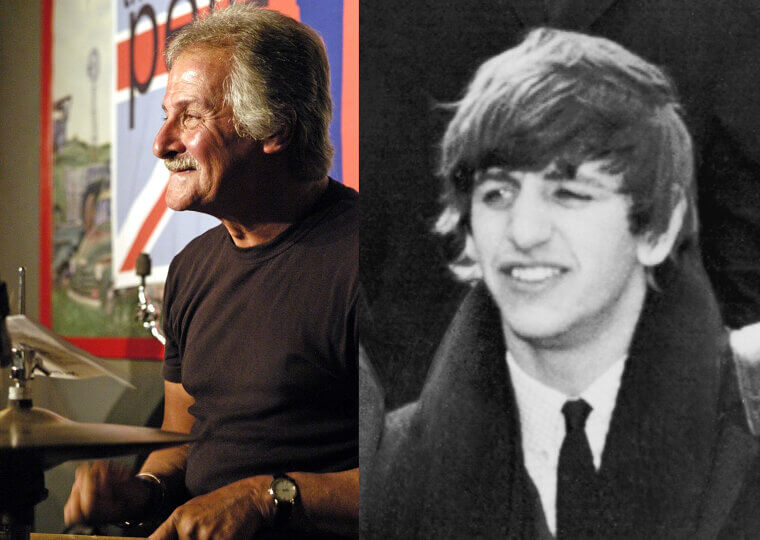
Starr provided the perfect swinging groove and affable personality the group needed to conquer the globe. Best faded into obscurity, missing out on the biggest cultural phenomenon of the century by a mere matter of weeks.
The Beatles' Reluctant Bassist: Stuart Sutcliffe Chases Art, Paul McCartney Takes Over The Strings
Before Ringo arrived, The Beatles experienced another early shift when original bassist Stuart Sutcliffe decided to leave in 1961. Sutcliffe was a talented painter who joined the band primarily because he was best friends with John Lennon, not because he was a skilled musician. During their grueling residency in Hamburg, Germany, he fell in love with photographer Astrid Kirchherr and decided to focus on his art career. With no other options, Paul McCartney reluctantly took over bass duties.
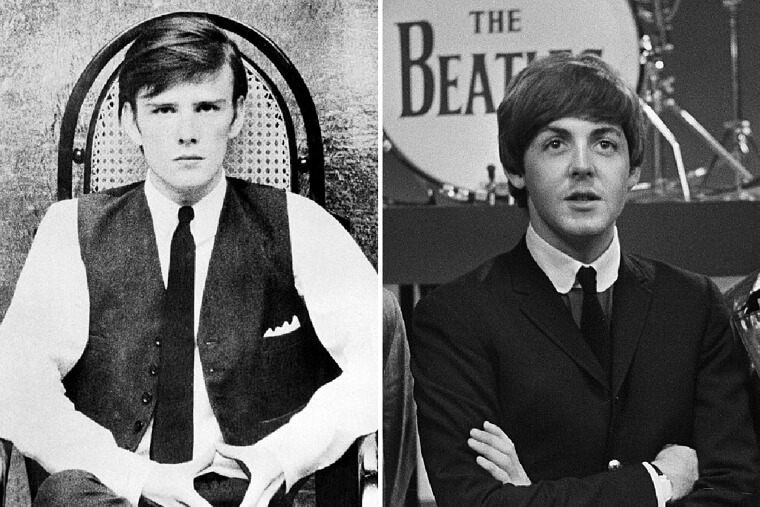
This forced transition inadvertently turned McCartney into 1 of the most melodic and influential bassists in the history of popular music. Sutcliffe tragically passed away from a brain hemorrhage just a short time later.
Fleetwood Mac's Quiet Retreat: Christine McVie Retires To The Country, Bekka Bramlett Tries To Fill The Void
Fleetwood Mac survived decades of internal drama, but the quiet departure of Christine McVie in 1998 felt like the end of an era. Following the massive success of their reunion live album, The Dance, McVie decided she had enough of the touring lifestyle. She reportedly developed a severe fear of flying and wanted to retire to a quiet life in the English countryside. The band chose to continue, recruiting Bekka Bramlett and Billy Burnette to fill the massive void left by her absence.

While the new members were talented, fans missed McVie's warm vocals and incredible pop songwriting sensibilities. She eventually overcame her fears and triumphantly rejoined the group 16 years later for a massive world tour.
Red Hot Chili Peppers' Fame Overload: John Frusciante Quits In Japan, Dave Navarro Brings The Dark Edge
The Red Hot Chili Peppers exploded into mainstream superstars with Blood Sugar Sex Magik, but the sudden attention affected guitarist John Frusciante. He reportedly felt overwhelmed by the massive crowds and the expectations of fame, preferring the band's earlier underground status. During a tour in Japan in 1992, he abruptly quit, refusing to play another show. After trying a temporary replacement, the group surprisingly hired Jane's Addiction guitarist Dave Navarro. Navarro brought a darker, heavier psychedelic edge to the band.

The One Hot Minute album created a highly unique entry in their catalog. The pairing ultimately did not last, and Frusciante eventually returned to write their biggest hits during their next major era of success.
Red Hot Chili Peppers' Tragic Grief: Jack Irons Walks Away After Hillel's Passing, Chad Smith Anchors The Groove
The Chili Peppers dealt with an even darker lineup change in 1988 following the tragic passing of founding guitarist Hillel Slovak. Drummer Jack Irons was devastated by the loss of his close friend and felt he could no longer remain in the band. He blamed the chaotic lifestyle surrounding the group for the tragedy and walked away to protect his own mental health. Anthony Kiedis and Flea decided to persevere, eventually holding auditions that led to the discovery of Chad Smith.
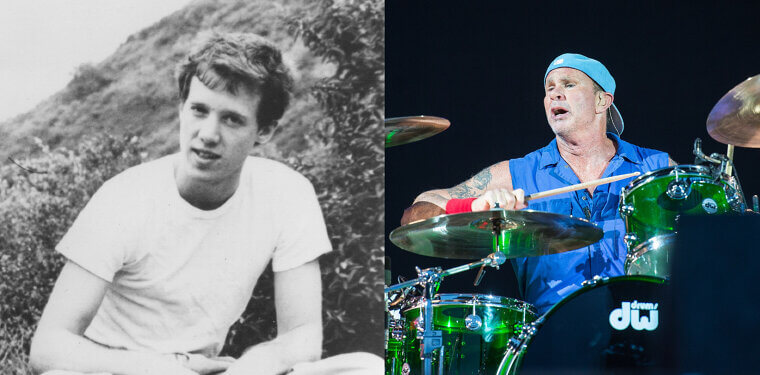
Smith brought a powerful, funk-driven groove that perfectly anchored their evolving sound. Irons later found massive success drumming for Pearl Jam, proving his incredible resilience in the face of unimaginable personal tragedy.
Roxy Music's Flamboyant Feud: Brian Eno Quits Over Stage Presence, Eddie Jobson Hired
Roxy Music combined avant-garde experimentation with glamorous pop, largely driven by the tension between Bryan Ferry and Brian Eno. Ferry was the smooth, traditional frontman, while Eno manipulated synthesizers while wearing flamboyant costumes. Eno reportedly began drawing more attention from the press and audiences, which allegedly infuriated Ferry. The growing rivalry reached a breaking point, and Eno left the group after just 2 albums to pursue an influential solo career. The band hired teenager Eddie Jobson to play keyboards and violin.

This shift moved their sound toward a smoother, more refined style. The split allowed both original members to define different corners of the musical landscape for decades, proving beneficial for the entire music industry.
Iron Maiden's Stamina Concerns: Paul Di'Anno Dismissed Over Lack of Vocal Stamina and Lifestyle Choices, Bruce Dickinson Brings Operatic Fire
Iron Maiden established themselves as leaders of the new wave of British heavy metal with vocalist Paul Di'Anno. His raw, punk-infused delivery gave their 1st 2 albums a distinct, aggressive energy. However, as the band prepared to conquer the globe, management reportedly grew concerned about his vocal stamina and unpredictable lifestyle choices. They made the difficult decision to dismiss him in 1981, seeking a singer who could handle massive arena tours. Enter Bruce Dickinson, a powerhouse vocalist with an operatic range.

His boundless theatrical energy and incredible stage presence were exactly what the band needed. His debut on the Number of the Beast album transformed the group into undisputed metal gods on a global scale.
Yes's Shocking Defection: Bill Bruford Quits At Their Peak, Alan White Learns The Set In Days
Yes achieved unbelievable progressive milestones with the drumming of Bill Bruford, whose jazz-influenced playing defined their complex arrangements. Astonishingly, right after recording the masterpiece Close to the Edge in 1972, Bruford decided to quit. He reportedly felt the band had peaked creatively and wanted to challenge himself by joining King Crimson instead. The remaining members were stunned and had only days to find a replacement before a massive tour. They recruited Alan White, who had famously played with John Lennon.
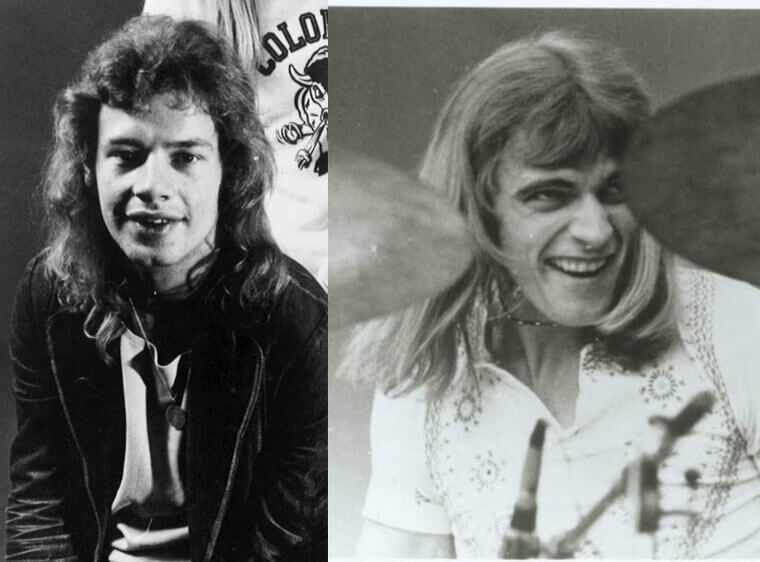
White learned the difficult material in a matter of days and remained the steady heartbeat of the group. He played on all their subsequent albums for the next 50 years, proving his massive dedication.
Depeche Mode's Fame Discomfort: Vince Clarke Abruptly Leaves, Alan Wilder Pushes A Darker Industrial Sound
Depeche Mode started as a bouncy synth-pop act driven by the songwriting of Vince Clarke. After their debut album became a massive hit, Clarke reportedly felt uncomfortable with the sudden fame and the demanding promotional schedules. He abruptly left in 1981, leading many critics to assume the band would fold without their primary architect. The remaining trio proved everyone wrong, recruiting classically trained musician Alan Wilder to fill the massive gap. Wilder helped steer the group into a much darker sound.
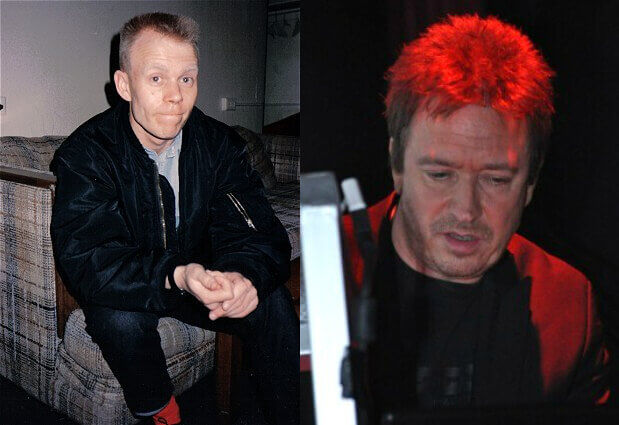
This industrial approach defined their greatest works throughout the 1980s and 1990s. Clarke went on to form Yazoo and Erasure, proving his pop genius was unstoppable regardless of which musical project he pursued.