
Ever wonder what happened to the legendary voices that soundtracked our youth? From off-grid living and organic farming to rescuing classic cars, you won't believe what your favorite '70s and '80s rock stars are up to now.
Steve Perry, Journey: Rescues and Restores Classic Vehicles in His Free Time
The unmistakable voice behind massive anthems like Don't Stop Believin' stepped away from the grueling stadium tours at the height of his fame due to severe burnout and health struggles. Instead of chasing more platinum records, he sought a quieter existence away from the flashing cameras. He spent years focusing on personal healing and rediscovering his passion for life outside the demanding music industry bubble. His time away allowed for much-needed reflection and peace after decades of relentless touring.
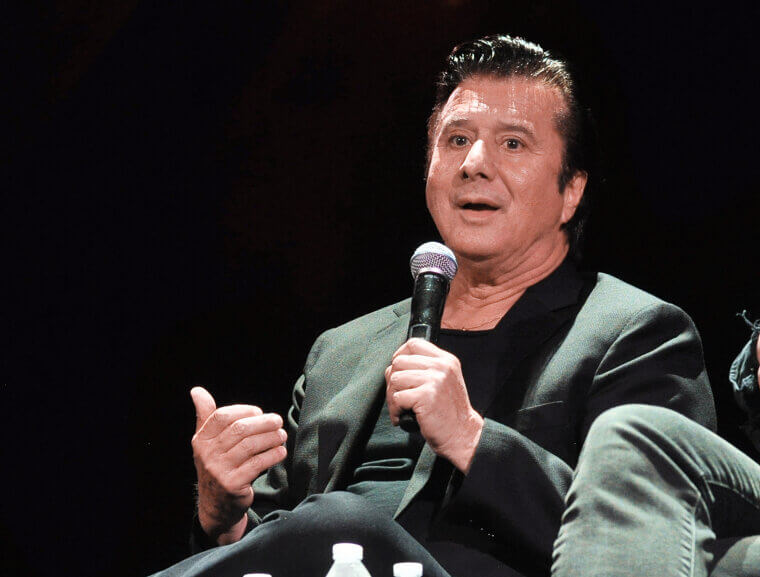
Nowadays, he reportedly spends his free time rescuing and restoring classic vehicles. This unexpected hobby provides a peaceful contrast to the chaotic energy of his former touring days, keeping his hands busy and his mind entirely focused on mechanical perfection.
Grace Slick, Jefferson Starship: Paints Literal White Rabbits and Enjoys a Quiet Life
Known for her powerful vocals on counterculture hits such as Somebody to Love, this iconic frontwoman officially retired from the rock and roll lifestyle in the late 1980s. She claimed that rock music was meant for younger generations and felt no desire to perform into her later years. Leaving behind the intense public scrutiny, she channeled her formidable creative energy into a completely different artistic medium that didn't require late-night gigs or exhausting rehearsals. She fully committed to this new, quiet life.
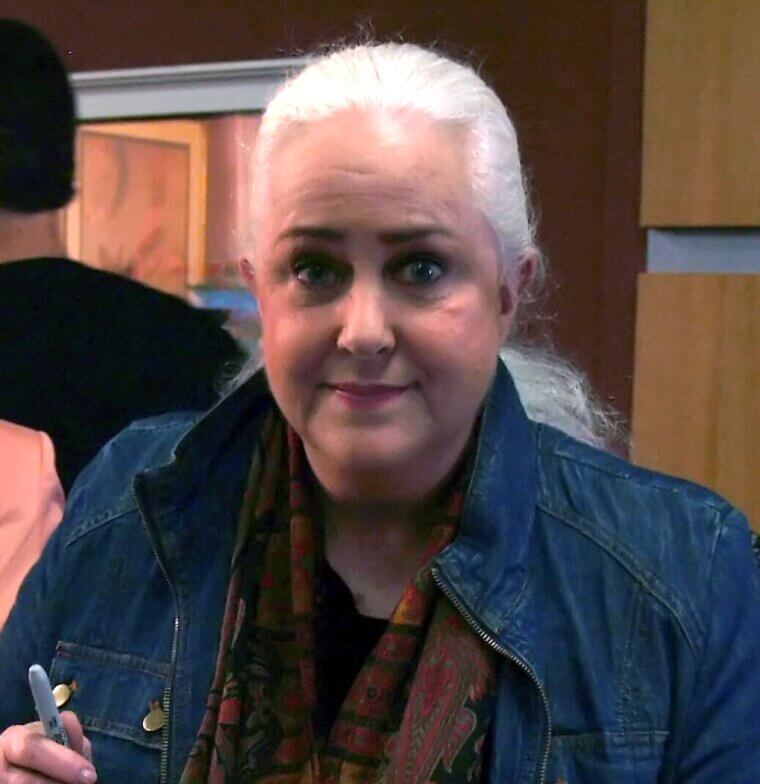
She launched a successful career in visual arts, specifically focusing on painting. Many of her popular art pieces feature literal white rabbits, offering a clever nod to her defining musical era while showcasing her impressive brushwork skills.
Peter Cetera, Chicago: Lives Completely Off the Grid in Rural Idaho
After defining the soft rock sound of the 1970s and 1980s with soaring ballads, this talented bassist and vocalist left his wildly successful group to pursue solo projects. Eventually, even the solo spotlight felt too restrictive for him. He grew tired of the relentless promotional cycles and media demands associated with mainstream success. Seeking ultimate privacy, he relocated far from the entertainment hubs of Los Angeles and New York to find solace in the mountains. He wanted a complete break from the noise.
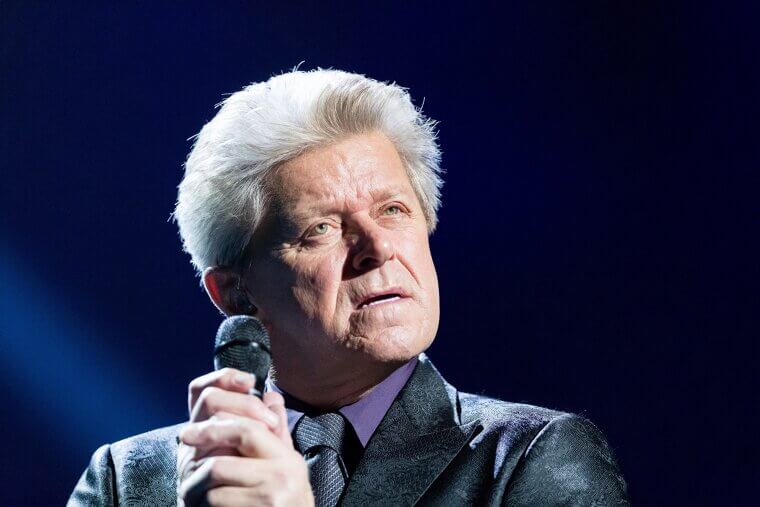
He now resides in rural Idaho, enjoying a remarkably private, almost off-the-grid lifestyle. Locals allegedly see him running routine errands, living miles away from his former platinum-selling rockstar persona and embracing a much simpler daily routine.
John Deacon, Queen: Lives as a Strict Recluse in a Quiet London Neighborhood
Creating iconic basslines for global stadium anthems like Another One Bites the Dust, this quiet musician was always the most reserved member of his legendary quartet. Following the tragic loss of his bandmate in 1991, he found it impossible to continue performing. The magic was gone for him, prompting a deep withdrawal from public life. He fulfilled a few final tribute obligations before officially hanging up his instrument and severing ties with the modern music business. He chose complete anonymity over continued fame.
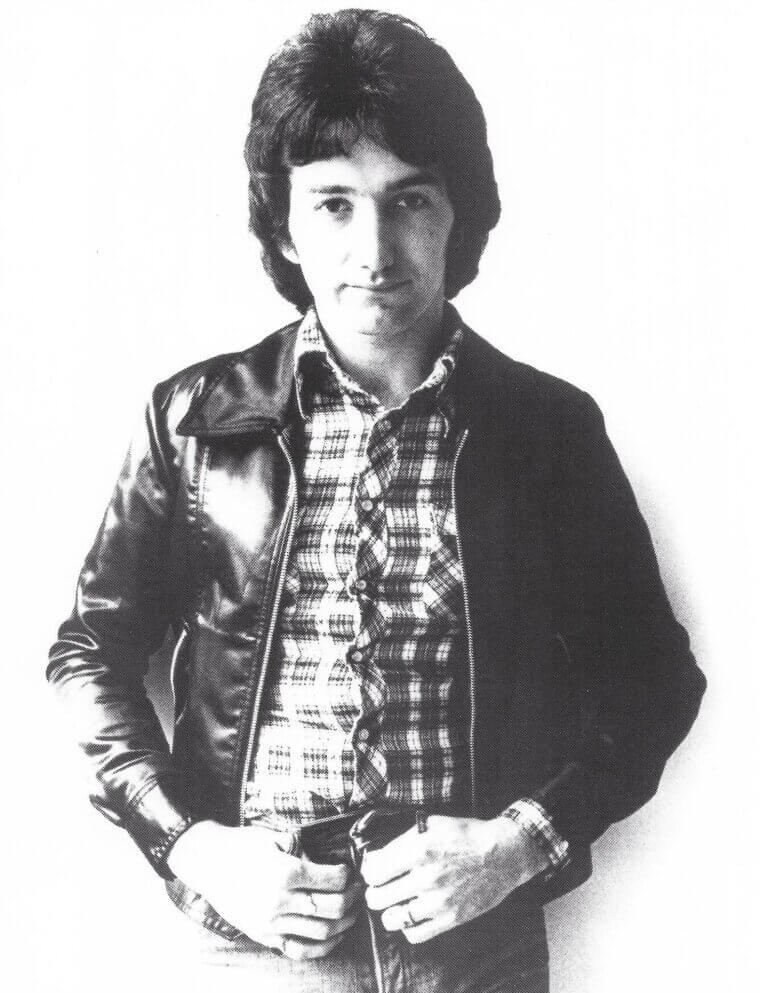
He currently lives as a strict recluse in a quiet neighborhood in London. He reportedly never attends industry events or band premieres, choosing instead to focus solely on his family and peaceful neighborhood walks.
Christine McVie, Fleetwood Mac: Spent Her Quiet Years Meticulously Restoring a 17th-Century Manor
Providing the grounding force and writing some of the biggest hits for a notoriously volatile band, this beloved keyboardist needed a break from the constant interpersonal drama. In 1998, she developed a severe fear of flying and decided to quit touring altogether. She sold her California properties and moved back to her native England. The quiet countryside offered a stark contrast to the excess of her mid-career stadium tours and endless promotional parties. She traded backstage chaos for historical preservation.
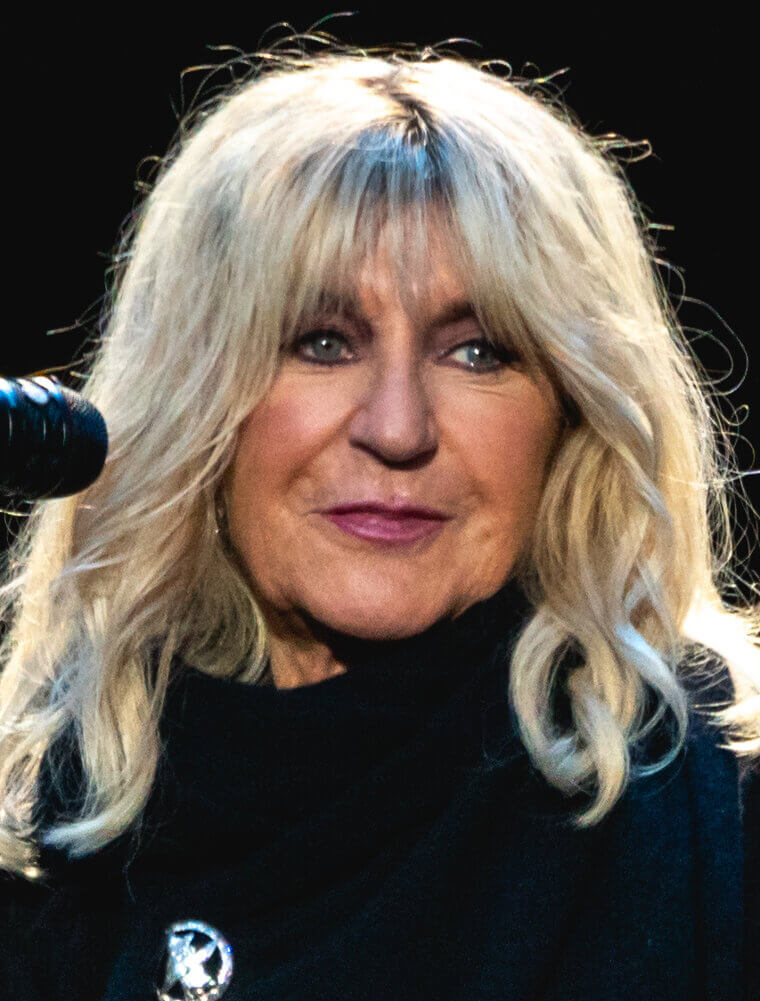
She spent nearly two decades out of the public eye, meticulously restoring a massive 17th-century manor house in Kent. She passed away in 2022, leaving behind a beautifully quiet legacy and a deeply impactful musical catalog.
Bill Withers, Solo: Dedicated His Time to Advocating for Stuttering Foundations
Despite writing timeless classics like Ain't No Sunshine, this soulful singer walked away from the music business entirely in 1985. He grew increasingly frustrated with studio executives attempting to control his artistic direction and sound. Rather than compromise his creative integrity, he simply stopped recording and returned to a normal life. He never regretted leaving the industry, maintaining that his peace of mind was far more valuable than securing another hit record. He valued his personal principles above commercial success.
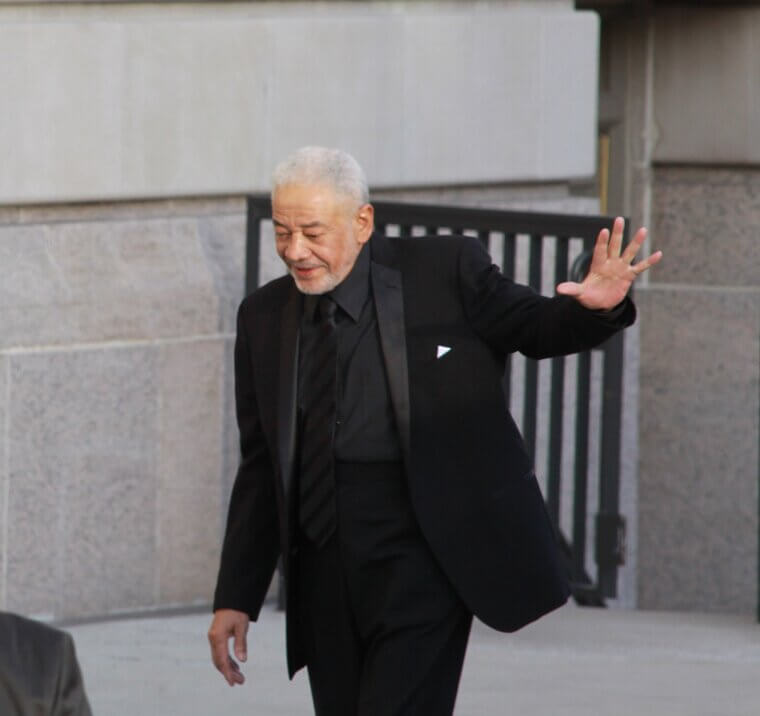
Before his passing in 2020, he dedicated significant time to advocating for stuttering foundations. Having overcome a stutter himself, he reportedly found immense fulfillment in helping children navigate similar speech challenges away from the glare of Hollywood.
Brad Delp, Boston: Joined a Beatles Tribute Band Called Beatlejuice and Played Small Local Gigs
Blessed with an incredibly versatile vocal range that defined arena rock, this frontman remained surprisingly humble despite massive album sales. He never quite embraced the typical rockstar ego, preferring to stay grounded and connected to his local community. When his main group experienced long hiatuses between albums, he didn't seek out high-profile solo fame. Instead, he preferred smaller, intimate gigs where he could interact directly with fans without the pressure of arena expectations. He found joy in simple performances.
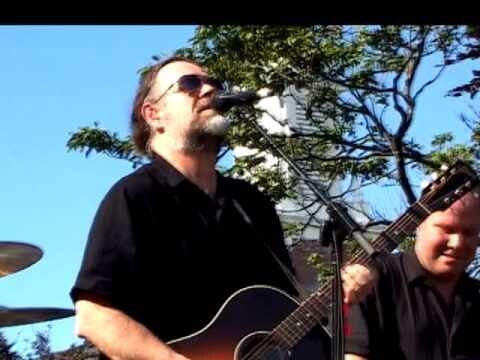
He spent years passionately performing in a local Beatles tribute band called Beatlejuice. Additionally, he was a dedicated vegetarian who reportedly championed animal rights causes until his tragic death in 2007.
Roger Hodgson, Supertramp: Moved To the Countryside And Started an Organic Farm
As the primary voice and songwriter behind quirky progressive pop hits like The Logical Song, he abruptly left his internationally famous group in 1983. He wanted to prioritize raising his children over embarking on endless global tours. Moving his family out of the bustling city environment, he sought a deeply spiritual and nature-oriented existence. He built a home studio to record at his own pace, completely detached from the typical album cycle pressures. He found true balance in rural solitude.
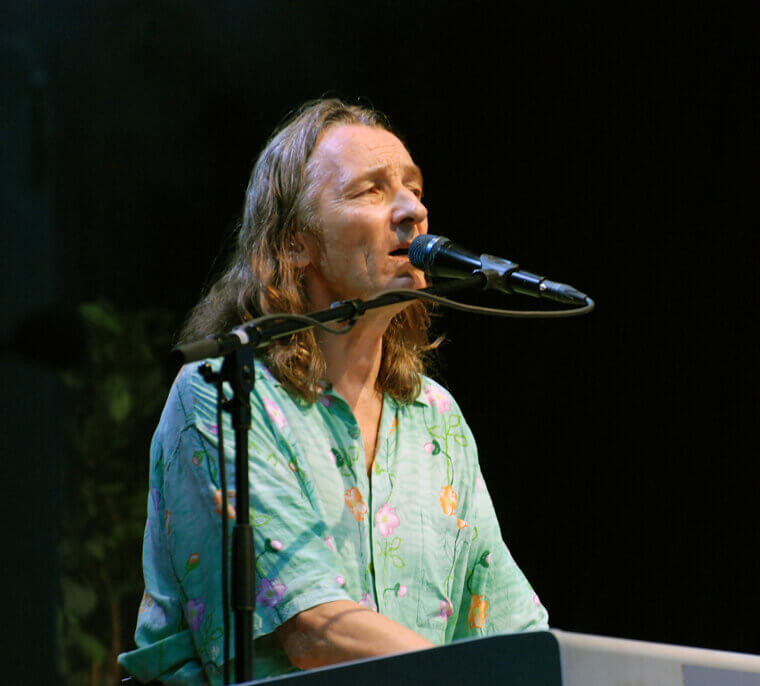
He settled in the hills of Northern California, where he reportedly spends considerable time cultivating expansive organic gardens. This tranquil environment allows him to connect with nature while occasionally playing intimate solo acoustic shows.
Dennis DeYoung, Styx: Shifted Gears to Write and Compose Full-Length Stage Musicals
Taking theatrical rock to new heights with concept albums and dramatic stage shows, this keyboardist and vocalist always had a flair for the dramatic. After parting ways with his bandmates due to creative differences, he refused to abandon his love for storytelling. Instead of forming a new rock group, he shifted his focus entirely toward traditional stage productions. This pivot allowed him to utilize his classical influences without having to compromise with rock guitarists. He embraced the dramatic arts fully.
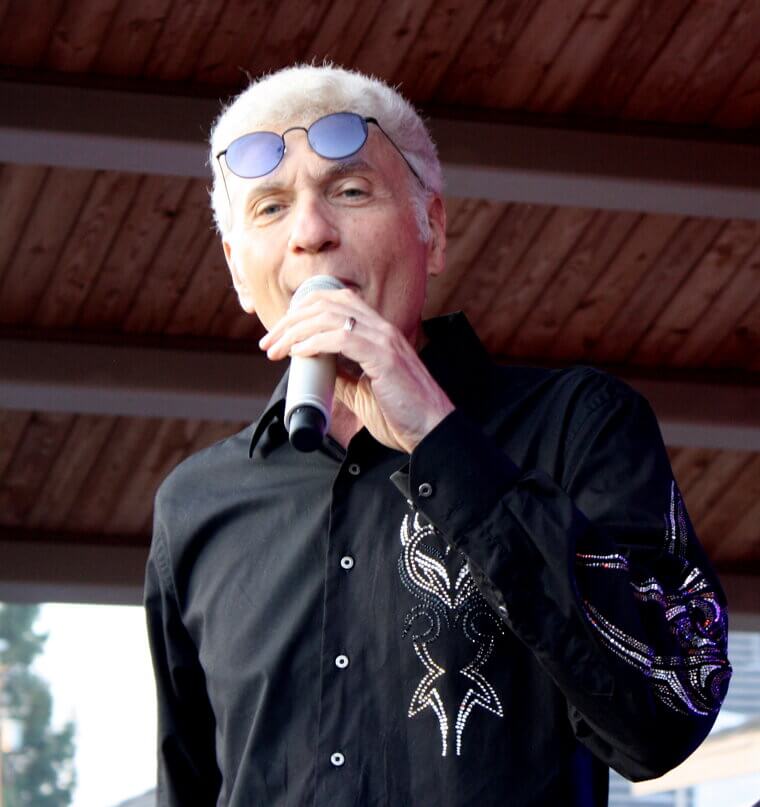
He channeled his theatrical inclinations into composing full-length stage musicals, including an adaptation of The Hunchback of Notre Dame. He reportedly enjoys the disciplined structure of theater much more than the unpredictable rock touring circuit.
Steve Winwood, Traffic: Lives on a Sprawling Estate Producing Wine in the Cotswolds
A musical prodigy who conquered multiple genres across three decades, this multi-instrumentalist eventually tired of the grueling promotional machine. After achieving massive solo success in the 1980s, he intentionally scaled back his public appearances. He desired a traditional English country life, far removed from the neon lights of MTV and constant press junkets. Moving back to the United Kingdom, he fully embraced rural traditions and the slow pace of agricultural life. He traded platinum plaques for rolling green hills.
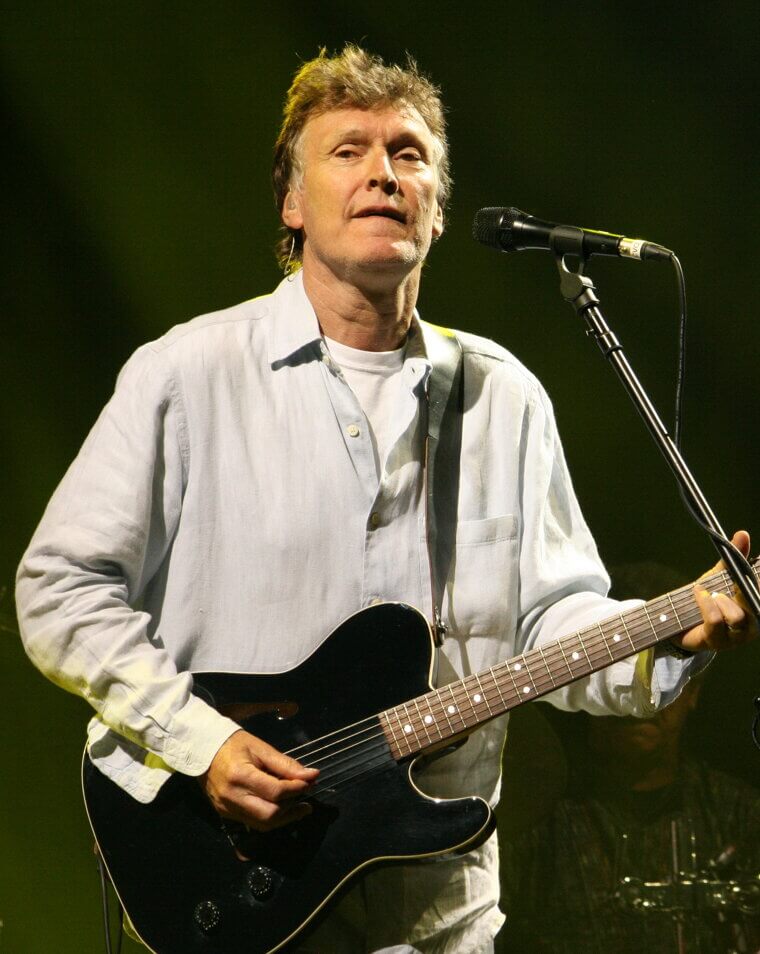
He resides on a sprawling estate in the Cotswolds where he allegedly produces his own wine and tends to farm animals. The serene countryside setting perfectly matches his current preference for privacy and quiet contemplation.
Jon Anderson, Yes: Spends His Days Painting Elaborate and Surrealist Landscapes
Known for his angelic tenor and deeply mystical lyrics, this progressive rock pioneer faced health challenges that forced him to slow his frantic touring pace. Respiratory issues required him to step away from his legendary band, leading him to explore alternative forms of creative expression. He embraced meditation and holistic healing practices to regain his strength. During this recovery period, he discovered a profound passion for visual arts that matched his cosmic musical themes. He poured his imagination onto canvas.

He now spends a significant portion of his days painting elaborate, surrealist landscapes. He reportedly finds that blending colors on a canvas provides the same spiritual fulfillment as composing intricate twenty-minute symphonies.
Ian Anderson, Jethro Tull: Runs Successful Farms Cultivating Extremely Hot Chili Peppers
Famous for playing the flute while standing on one leg, this progressive folk-rock mastermind always possessed a wonderfully eccentric personality. While he still occasionally performs, he has heavily diversified his interests away from the recording studio. He purchased sprawling agricultural land in the United Kingdom, eager to tackle complex farming challenges. His meticulous nature translated perfectly from composing intricate time signatures to managing diverse agricultural ecosystems and specialty crops. He became a highly knowledgeable agricultural expert.

He runs several successful farms and allegedly specializes in cultivating rare, extremely hot chili peppers. He approaches botany with the same intense dedication that he applied to mastering classical woodwind instruments.
Geddy Lee, Rush: Amassed One of the World's Largest Collections of Rare Baseball Memorabilia
With a distinctive vocal register and unparalleled bass skills, this progressive rock titan helped redefine musicianship for a generation. Following the retirement and subsequent passing of his beloved bandmate, he completely stepped away from large-scale touring. He found solace in his lifelong secondary passion, diving deep into the history of America's pastime. His analytical mind, which previously memorized complex arrangements, shifted seamlessly toward archiving historical sports artifacts and statistics. He treated sports history with academic reverence.
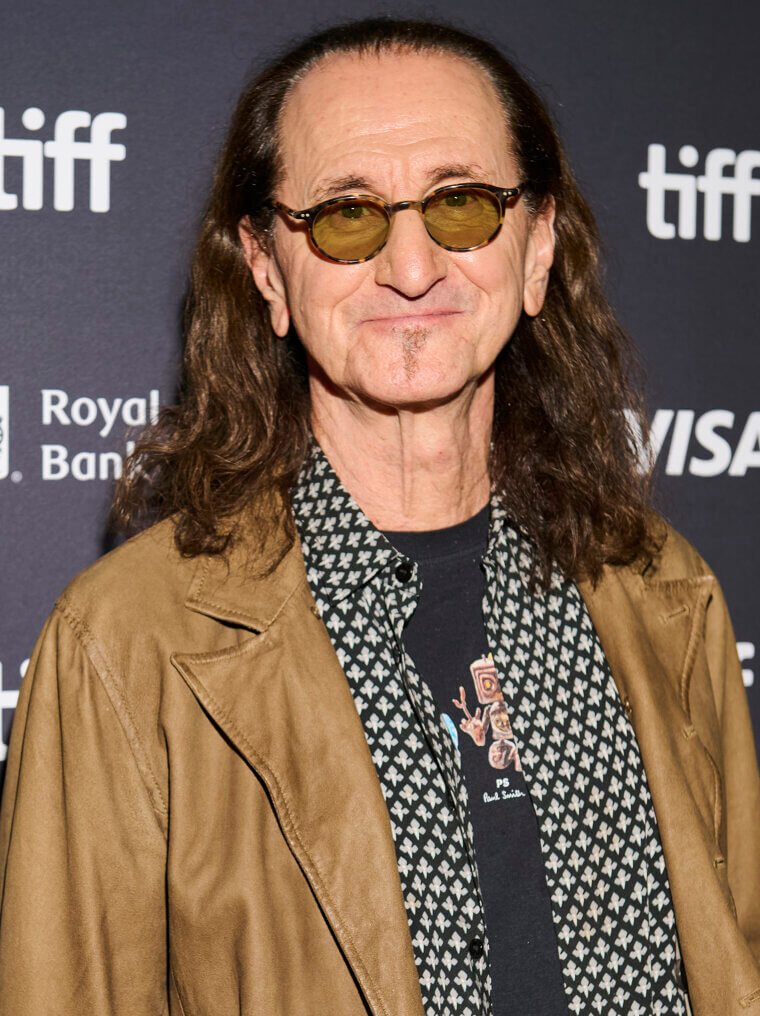
He boasts one of the most extensive collections of rare baseball memorabilia in the world. He reportedly frequently travels to niche sports auctions, blending in with other historians while securing historically significant artifacts.
Mark Knopfler, Dire Straits: Spends His Downtime Collecting and Riding Vintage British Motorcycles
Possessing a finger-picking guitar style that defined the late 1970s and 1980s, this reluctant frontman never quite enjoyed the immense global fame his band achieved. He dismantled his stadium-filling group at the peak of their popularity because the scale of operations felt overwhelming and impersonal. He preferred intimate recording sessions and scoring films over playing massive outdoor arenas. This pivot allowed him to reclaim his personal life and focus on his mechanical interests. He chose artistic freedom over commercial demands.
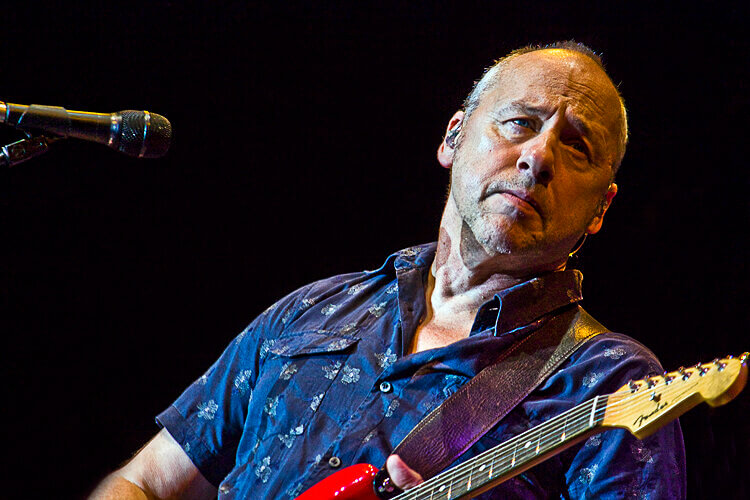
He spends much of his downtime collecting and riding vintage British motorcycles. He allegedly enjoys the solitary nature of riding through rural landscapes, which provides a stark contrast to his former life performing for millions.
David Lee Roth, Van Halen: Trained and Worked as a Licensed Emergency Medical Technician in New York
The ultimate flamboyant showman of the late 1970s and 1980s hard rock scene always craved high-adrenaline experiences. After parting ways with his legendary band, he sought out unique challenges completely detached from the entertainment world. He wanted to contribute to society in a meaningful, anonymous way, far removed from spandex and stage dives. Relocating to the East Coast, he committed himself to rigorous medical training, proving his dedication to public service. He wanted to make a tangible, immediate impact.
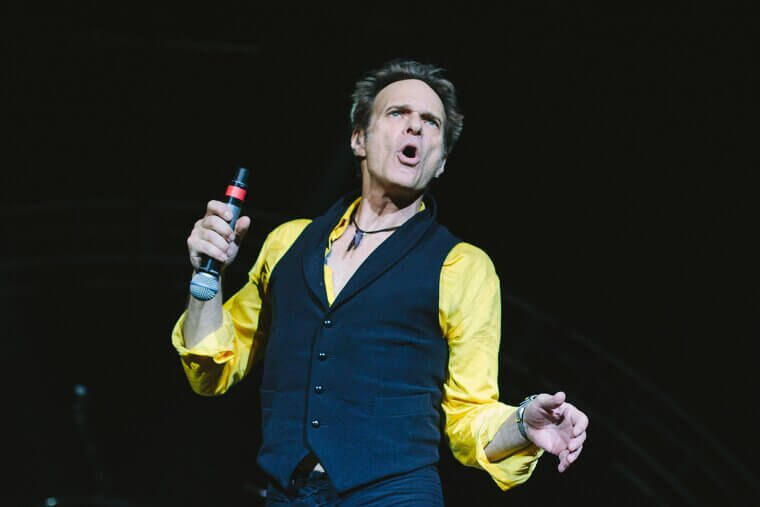
In the early 2000s, he reportedly trained and worked as a licensed Emergency Medical Technician in New York City. He allegedly responded to numerous emergency calls without patients ever recognizing the famous rockstar saving their lives.
Rik Emmett, Triumph: Accepted a Position Teaching Music Theory at a Local Community College
A virtuosic guitarist and vocalist who helped pioneer Canadian hard rock, he eventually burned out on the relentless album-tour-album cycle. He left his successful trio to pursue a more stable, grounded life that allowed him to explore diverse musical genres like jazz and classical. Recognizing the value of his extensive industry experience, he decided to pass his knowledge down to the next generation. He stepped off the stadium stages and into the classroom. He wanted to give back to young artists.
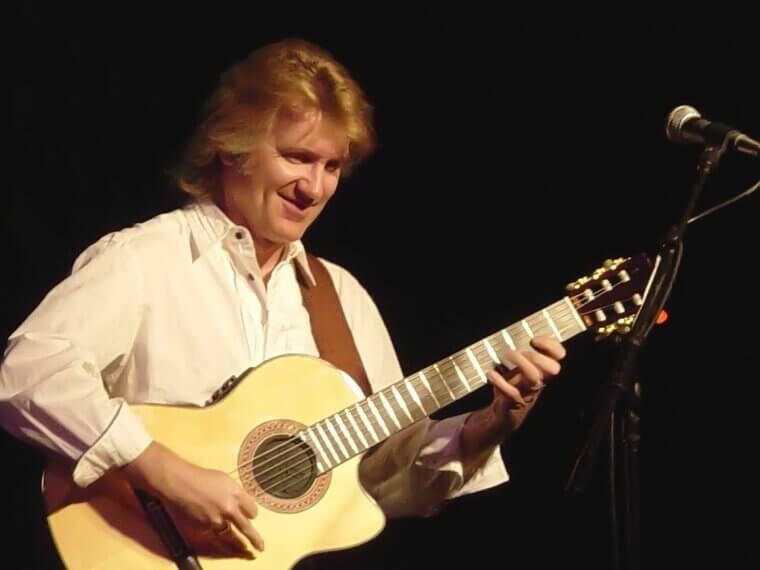
He accepted a position teaching music theory and music business at a local community college. He reportedly loved mentoring young musicians, offering them practical advice on surviving the notoriously difficult entertainment industry.
Robin Zander, Cheap Trick: Manages a Sprawling Family Farm and Raises Livestock in Florida
Often hailed as the man of a thousand voices due to his incredible vocal versatility, this charismatic frontman remains a defining figure of power pop. While his band never officially stopped touring, he drastically changed his living situation to escape the typical rockstar environment. He traded urban luxury for rural simplicity, purchasing substantial acreage in the southern United States. This environment provided a grounding sanctuary for his family amidst his chaotic travel schedule. He built a quiet haven away from the tour bus.
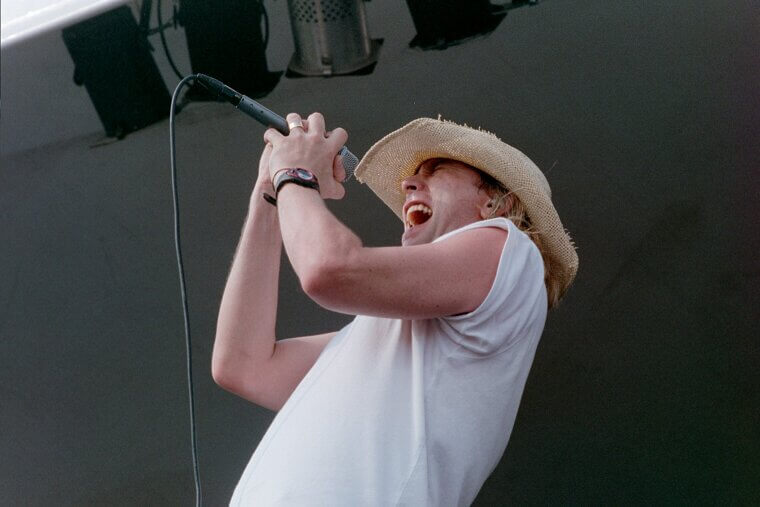
He manages a sprawling family farm in Florida, where he reportedly raises livestock and grows seasonal crops. He allegedly enjoys waking up at dawn to handle farm chores before heading out on his next tour.
Joe Walsh, Eagles: Became an Extremely Active Amateur Ham Radio Operator
Renowned for his blistering guitar solos and wonderfully eccentric public persona, this legendary musician survived the notoriously wild excesses of the 1970s rock scene. After achieving sobriety and a newfound sense of clarity, he fully embraced his lifelong fascination with electronics and communication technology. He set up elaborate antenna systems at his residences, utilizing his technical knowledge to connect with people globally. This hobby provided a safe, engaging outlet for his restless energy. He found a new community across the airwaves.

He is an extremely active amateur ham radio operator, holding an extra class license. He reportedly spends hours conversing with fellow radio enthusiasts worldwide, many of whom have no idea they are speaking to a rock legend.
Michael McDonald, Doobie Brothers: Passionately Advocates for Funding Music Programs in Public Schools
Bringing a distinctively smooth, soulful edge to mainstream rock, his voice became ubiquitous on the radio during the late 1970s. As he transitioned into his later career, he shifted his focus toward philanthropy and educational initiatives. He strongly believed that early access to music education fundamentally shaped his life and kept him out of trouble. Consequently, he dedicated his time and resources to ensuring future generations had those same critical opportunities. He wanted to pay his success forward.
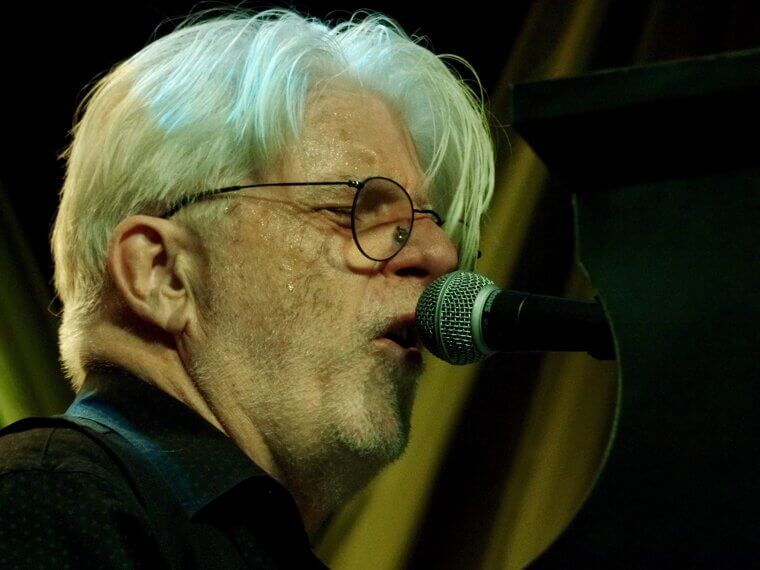
He passionately advocates for funding music programs in public schools. He reportedly lobbies local governments and organizes charity concerts to ensure instruments are placed in the hands of underprivileged youth across the country.
Kenny Loggins, Solo: Authored Successful Children's Books Based on His Gentle Acoustic Songs
The undisputed king of 1980s movie soundtracks delivered some of the most energetic pop-rock hits of the decade. As he grew older and started a family, his creative priorities naturally shifted toward more gentle, family-oriented projects. He wanted to create art that resonated with his children and provided positive, comforting messages. This led him to adapt some of his most famous, heartwarming lyrics into beautifully illustrated narratives for young readers. He transformed stadium ballads into bedtime stories.
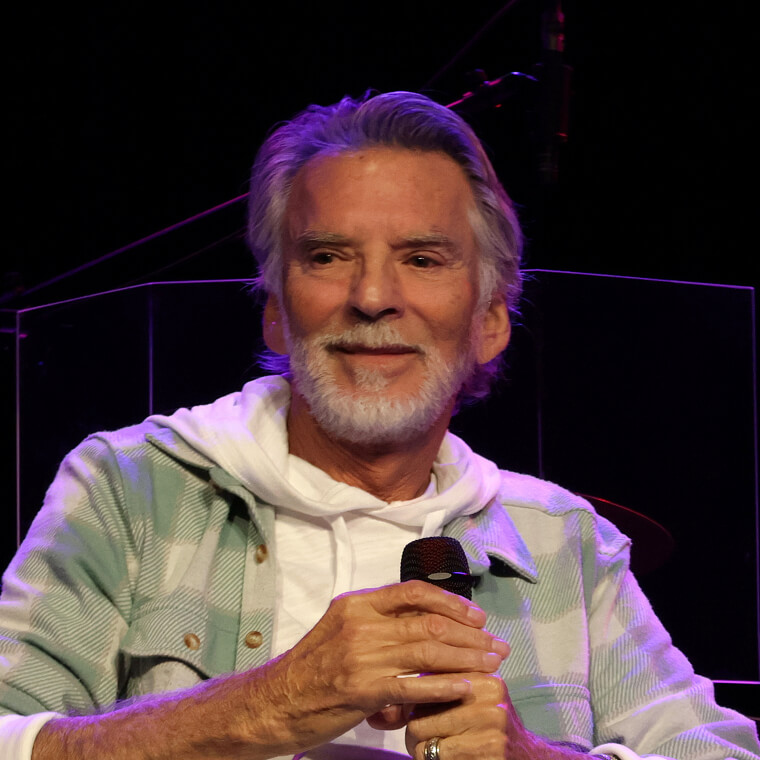
He authored several successful children's books, adapting the lyrics of his gentle acoustic songs into bedtime stories. He reportedly finds immense joy in knowing his words help parents soothe their children to sleep.
Christopher Cross, Solo: Became Heavily Involved in Amateur Auto Racing on Local Tracks
Exploding onto the scene with a record-breaking sweep at the Grammy Awards, this soft-rock pioneer experienced an incredibly rapid rise to fame. When the musical landscape abruptly shifted in the mid-1980s, his mainstream popularity waned. Rather than desperately chasing modern trends, he embraced the freedom that came with a lower profile. He channeled his competitive spirit and need for speed into a thrilling new hobby that required intense physical and mental focus. He traded the recording studio for the racetrack.
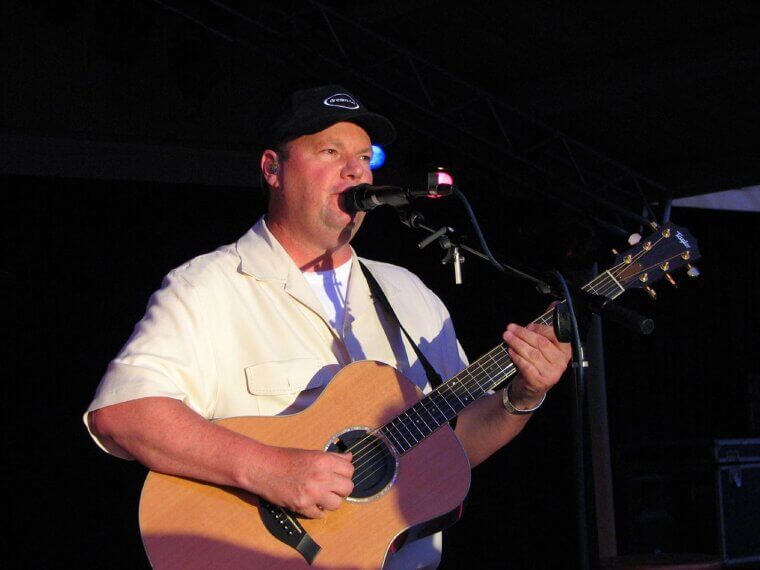
He became heavily involved in amateur auto racing, competing on local tracks. He allegedly spent years modifying engines and perfecting his driving technique, finding a completely different kind of rush behind the steering wheel.
Gerry Rafferty, Stealers Wheel: Lived as a Strict Recluse and Created Abstract Paintings
Crafting timeless, jazz-inflected pop hits like Baker Street, this Scottish singer-songwriter possessed a brilliant but deeply troubled mind. He famously despised the music industry, loathing the promotional interviews and live performances required to sustain a career. He actively sabotaged his own success to avoid the spotlight, eventually retreating entirely from public view. He found solace only in his private creative endeavors, isolating himself in his home away from fans and executives. He chose complete artistic isolation.
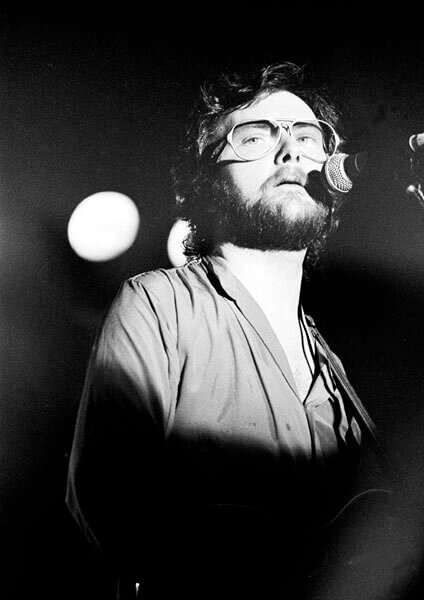
Before his passing in 2011, he lived as a strict recluse and spent his days creating abstract paintings. He reportedly refused to sell his artwork, viewing it solely as a personal therapeutic exercise.
Dan McCafferty, Nazareth: Recorded Deeply Personal Solo Acoustic Folk Music Before His Passing
Possessing one of the most wonderfully gravelly voices in hard rock history, he fronted his Scottish band for over four decades. Eventually, severe respiratory issues forced him to permanently step down from singing heavy, demanding rock anthems. Refusing to let his illness completely silence him, he adapted his musical approach to accommodate his physical limitations. He stripped away the heavy distortion and pounding drums, exploring a much more vulnerable and intimate sound. He proved his musicality transcended heavy amplification.
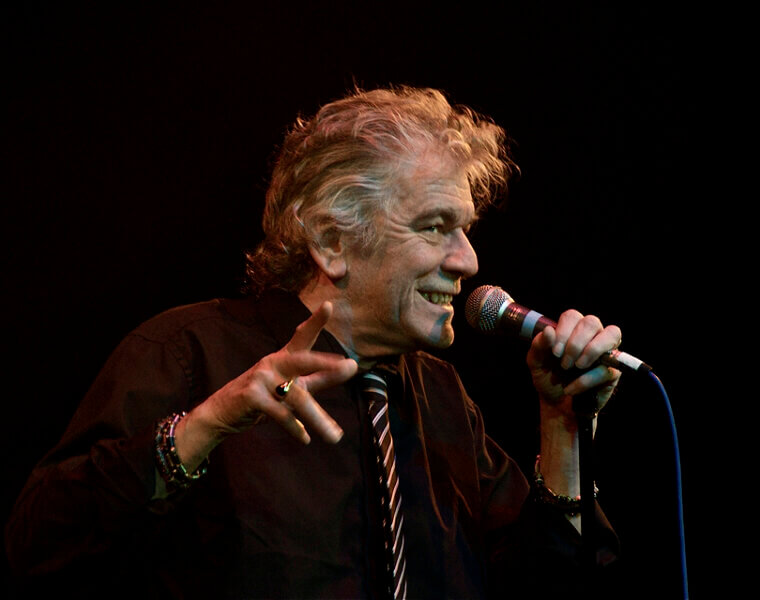
Before he passed away in 2022, he recorded deeply personal solo acoustic folk music. He reportedly used customized recording techniques that allowed him to capture his raspy, emotional vocals without overexerting his fragile lungs.
Phil Collins, Genesis: Amassed the World's Largest Private Collection of Battle of the Alamo Artifacts
Transitioning from a progressive rock drummer to a global pop superstar, he dominated the charts throughout the 1980s. A lifelong fascination with American history provided a welcome distraction from his exhausting international tours. He became completely obsessed with a specific Texas historical event, devouring books and seeking out original documents. He utilized his massive financial resources to hunt down incredibly rare historical items, eventually building a world-class historical archive. He became a leading expert on the subject.
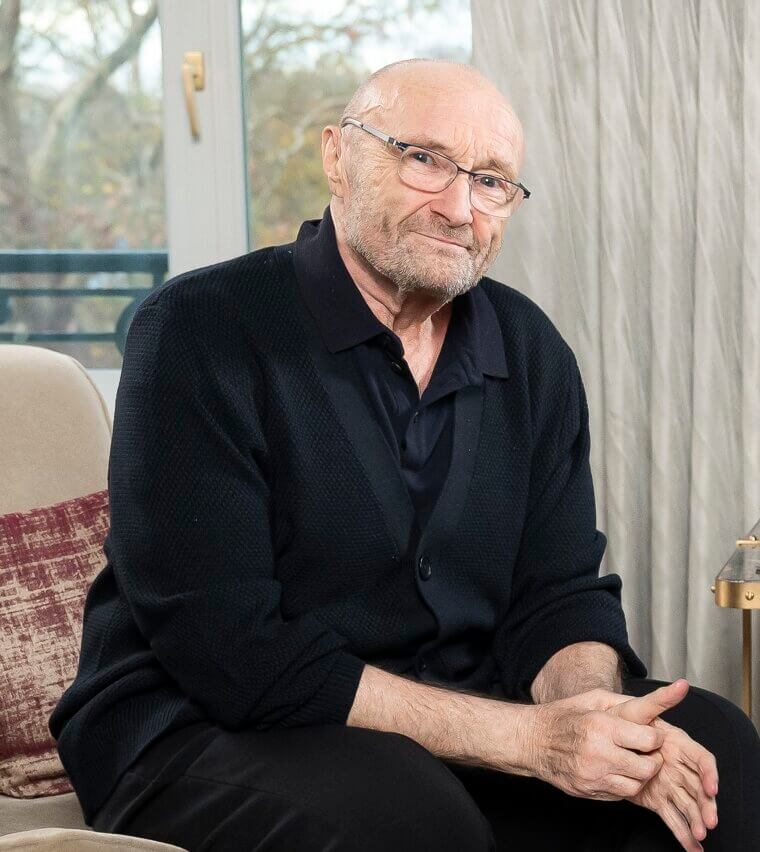
He amassed the world's largest private collection of artifacts related to the Battle of the Alamo. He reportedly donated the entire multi-million dollar collection to a Texas museum, cementing his legacy as a serious historian.
Brian Johnson, AC/DC: Successfully Hosted Television Series Dedicated to Classic Cars and Auto Racing
Taking over vocal duties for the biggest hard rock band in the world under tragic circumstances, he secured his place in music history. Despite screaming over massive Marshall amplifiers for decades, his true passion always involved screaming engines. Hearing loss temporarily sidelined his music career, allowing him to fully pivot into the automotive world. He combined his natural, working-class charisma with his encyclopedic knowledge of motorsports to forge a new entertainment path. He found a new way to entertain audiences globally.
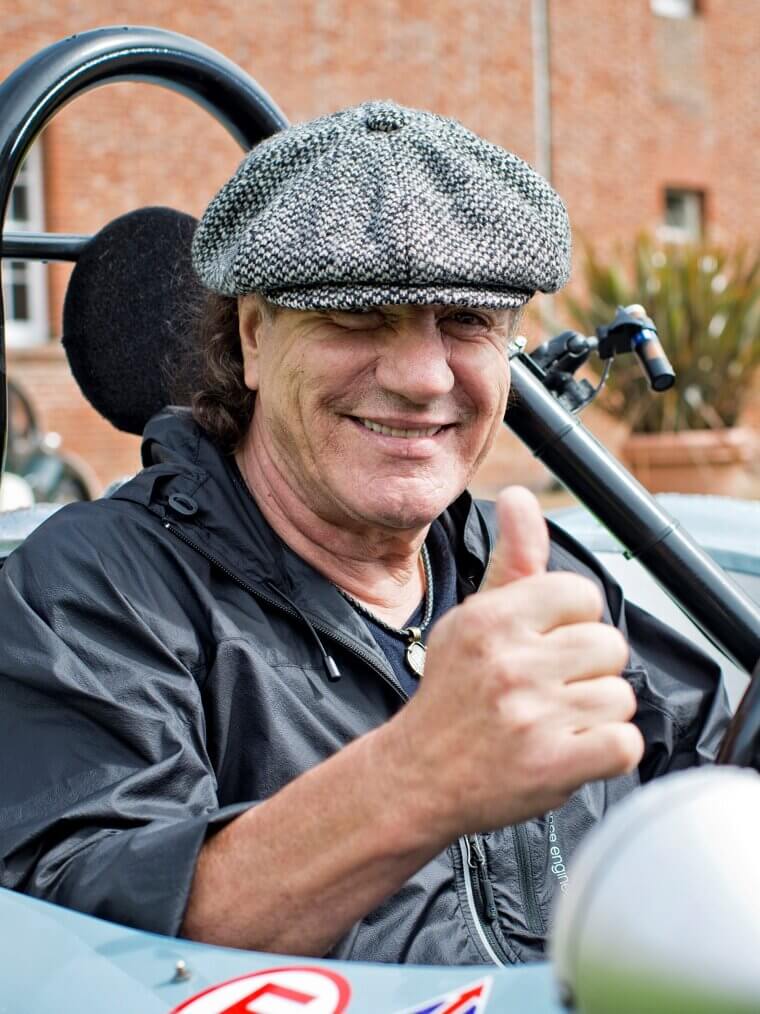
He successfully hosted several television series dedicated to classic cars and auto racing. He reportedly enjoys interviewing mechanics and test-driving vintage race cars just as much as performing in front of stadium crowds.
John Fogerty, CCR: Became an Unexpected Social Media Star Making Wholesome Family TikToks
Writing the definitive soundtrack to the late 1960s and early 1970s, this roots-rock legend endured decades of bitter legal battles over his publishing rights. After finally resolving his long-standing lawsuits and regaining control of his catalog, his entire demeanor lightened. He embraced modern technology as a fun, stress-free way to share music directly with younger generations. The global lockdowns prompted him to collaborate heavily with his children, showcasing a delightfully playful side. He found joy in simple, homemade performances.
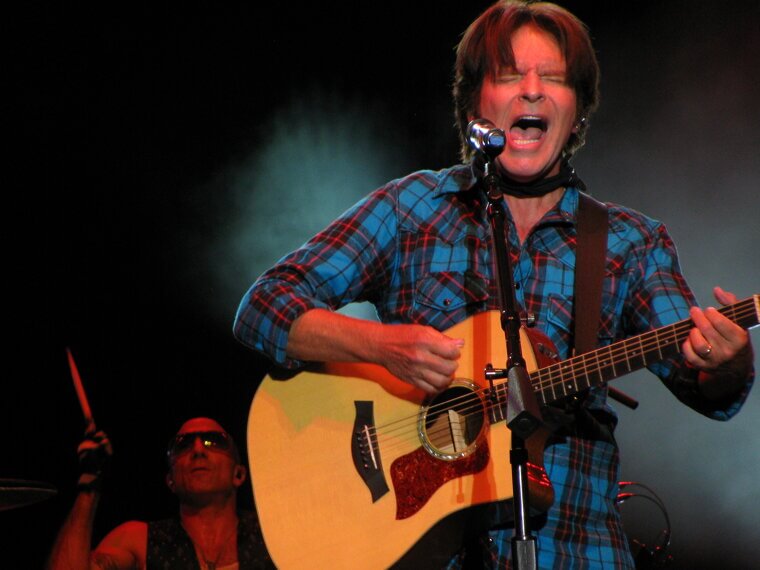
He became an unexpected social media star, regularly posting wholesome family TikTok videos. He allegedly loves performing casual, living-room acoustic jams with his kids, proving that rock and roll can be beautifully domesticated.
Suzi Quatro, Solo: Hosted Incredibly Popular Documentary and Music Programs for BBC Radio
Breaking down massive gender barriers as a pioneering female bass player and vocalist, she dominated the European and Australian charts. While she never stopped playing live shows, she seamlessly transitioned into the broadcasting world. Her vast personal experience and deep knowledge of musical history made her a natural fit for radio. She provided fascinating behind-the-scenes anecdotes, offering listeners a unique perspective that only a seasoned touring musician could deliver. She proved to be a masterful storyteller.

She spent many years hosting incredibly popular documentary and music programs for BBC Radio. She reportedly excelled at interviewing her famous peers, putting them at ease with her insider knowledge and casual conversational style.
Lita Ford, The Runaways: Spent Several Years Living Completely Off the Grid on a Deserted Island
As a trailblazing lead guitarist in a legendary all-female teenage rock group, she later achieved massive solo success with heavy metal anthems. The extreme highs and lows of the Los Angeles metal scene eventually took a severe toll on her personal life. Seeking a total reset, she abandoned the Hollywood lifestyle entirely and relocated to an incredibly remote location. She desired absolute solitude, forcing herself to learn extreme survival skills away from civilization. She traded glamorous parties for pure survival.

She spent several years living on a remarkably remote island in the Caribbean, completely off the grid. She allegedly survived by fishing and building her own shelter, proving her toughness extended far beyond playing heavy metal.
Lou Gramm, Foreigner: Actively Curates an Impressive Collection of High-Performance American Muscle Cars
Delivering flawless vocal performances on some of the biggest arena rock ballads in history, he survived a severe health crisis that fundamentally changed his perspective. After recovering from a life-threatening brain tumor, he stepped away from the massive touring machine to prioritize his well-being. He reconnected with his childhood love of American automotive engineering, finding therapeutic value in mechanical restoration. He frequented local car shows, quietly admiring the craftsmanship of classic vehicles. He focused on healing through his hobbies.
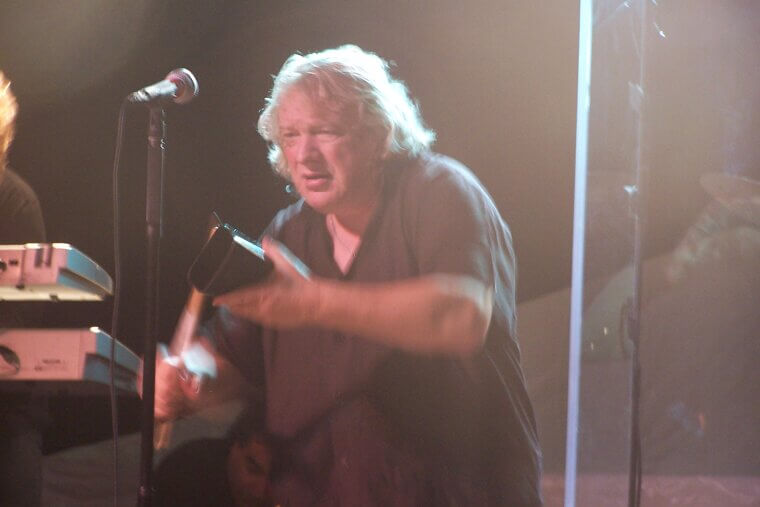
He actively curates an impressive collection of high-performance American muscle cars. He reportedly spends his weekends attending regional auto shows in upstate New York, happily discussing engine specifications with fellow gearheads instead of music industry gossip.
Ann Wilson, Heart: Converted a Massive Tour Bus Into a Mobile Recording Studio and Home
Possessing a gale-force voice that shattered the male-dominated hard rock landscape, she fronted one of the most successful sibling acts in history. While she never lost her drive to create, she grew entirely exhausted by traditional corporate recording studios. She wanted the freedom to capture inspiration whenever and wherever it struck without booking expensive studio time. She radically altered her living situation to ensure she was always surrounded by recording equipment. She built a life completely centered around immediate creation.
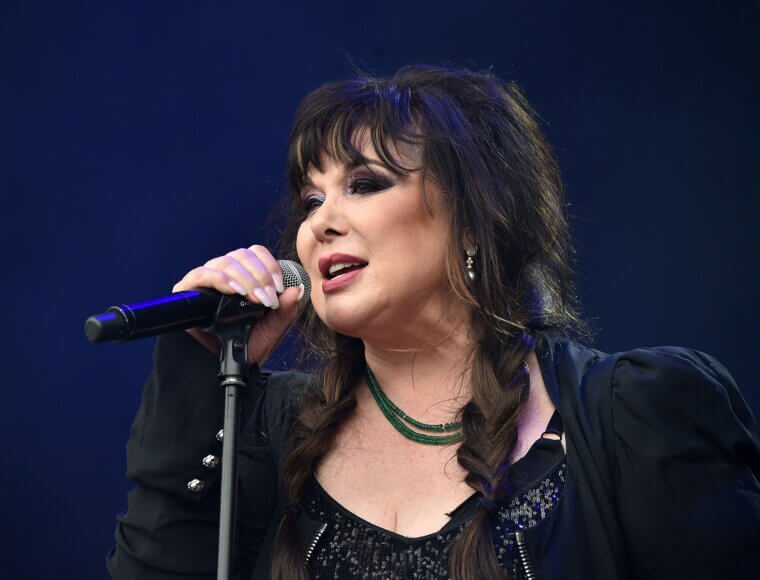
She converted a massive tour bus into a state-of-the-art mobile recording studio where she currently lives and works. She allegedly travels the country recording new tracks while parked in incredibly scenic, inspiring natural landscapes.