
Get ready to rock! From wild hair to rebellious leather, dive into the most iconic fashion moments that defined classic rock history. Ready to see which legendary looks made the cut?
David Bowie's Ziggy Stardust Red Mullet
During the early 1970s, this visionary artist debuted a vibrant, flaming red hairstyle that altered the music fashion landscape. The asymmetrical cut, paired with shaved eyebrows and pale makeup, became a symbol of theatrical rebellion in the glam rock era. This visual reinvention reportedly stemmed from his fascination with avant-garde theater and Japanese kabuki culture. Fans resonated with the alien-like persona, adopting the striking look to express individuality during a time of rigid social norms.
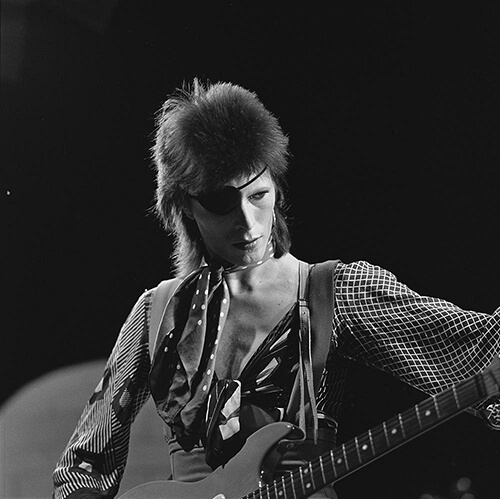
It remains a legendary pop culture milestone, referenced by modern designers seeking to capture that boundary-pushing artistic energy. He allegedly used a specific brand of German dye to achieve the unnatural, radioactive glow. That bold choice showcased a dedication to character building that went far beyond mere wardrobe changes.
Slash's Signature Black Top Hat and Curls
Emerging from the gritty 1980s Los Angeles music scene, the lead guitarist adopted a look that became synonymous with his musical identity. He paired a battered, leather-belted top hat with an untamed mane of dark curls that constantly obscured his face. Allegedly, he shoplifted the hat from a vintage store and customized it himself before a breakthrough gig. This mysterious, shadowed aesthetic complemented his blues-heavy, aggressive playing style. Generations of aspiring guitarists have since replicated the silhouette, proving its lasting power as a symbol of dangerous, effortless rock cool that still influences streetwear today.
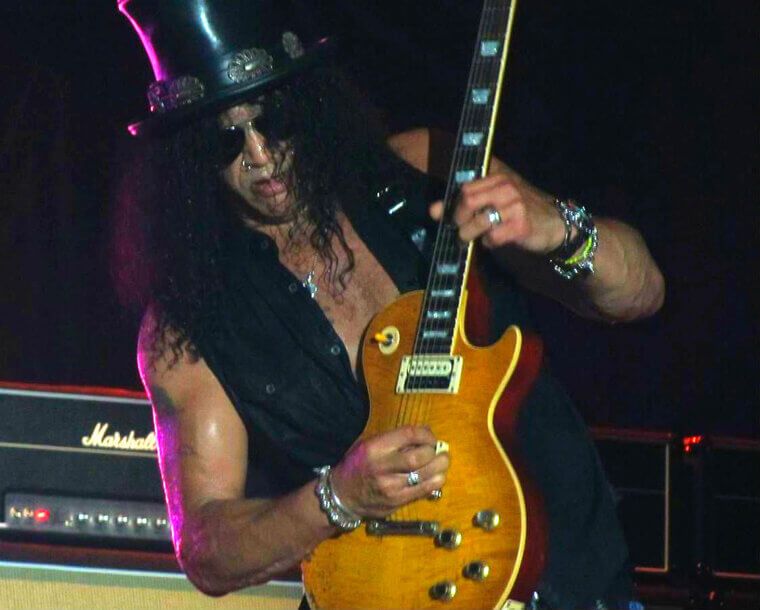
The headwear also practically served to hide his stage fright early in his career, allowing him to focus entirely on delivering intricate solos without making eye contact with the audience.
Stevie Nicks' Ethereal Bohemian Shawls
The beloved singer cultivated an enchanting, mystical stage presence that captivated audiences throughout the late 1970s. She consistently draped herself in layers of flowing chiffon, lace, and velvet, creating a silhouette that spun gracefully as she performed. This aesthetic drew inspiration from Victorian fashion and fantasy folklore, helping her project an aura of a witchy storyteller. Devoted followers embraced the flowing garments, turning her concerts into gatherings of similarly dressed free spirits. Her romantic, darkly feminine style laid the foundation for the boho-chic movement, inspiring modern festival wear and remaining a staple for anyone seeking a whimsical vintage aesthetic.
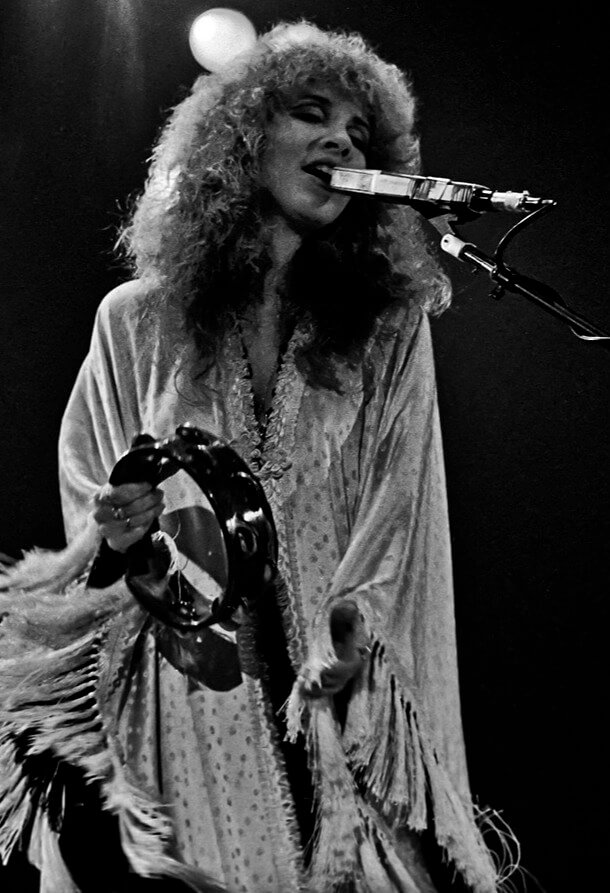
She reportedly worked closely with a trusted designer to ensure every piece provided maximum movement on stage, turning her clothing into a dynamic extension of the music.
Jimi Hendrix's Embellished Military Jackets
In the late 1960s, the virtuoso guitarist began wearing antique Hussar jackets heavily adorned with gold braiding and brass buttons. He paired these striking uniform pieces with bright silk shirts, crushed velvet pants, and large wide-brimmed hats. The juxtaposition of formal military attire with psychedelic, free-flowing counterculture garments made a profound anti-war statement during a tumultuous decade. Admirers adopted the thrift-store aristocratic look, making it a defining style of the hippie movement. Today, high-end fashion houses routinely reinterpret these ornate vintage coats, proving the enduring legacy of his eclectic approach to personal presentation.
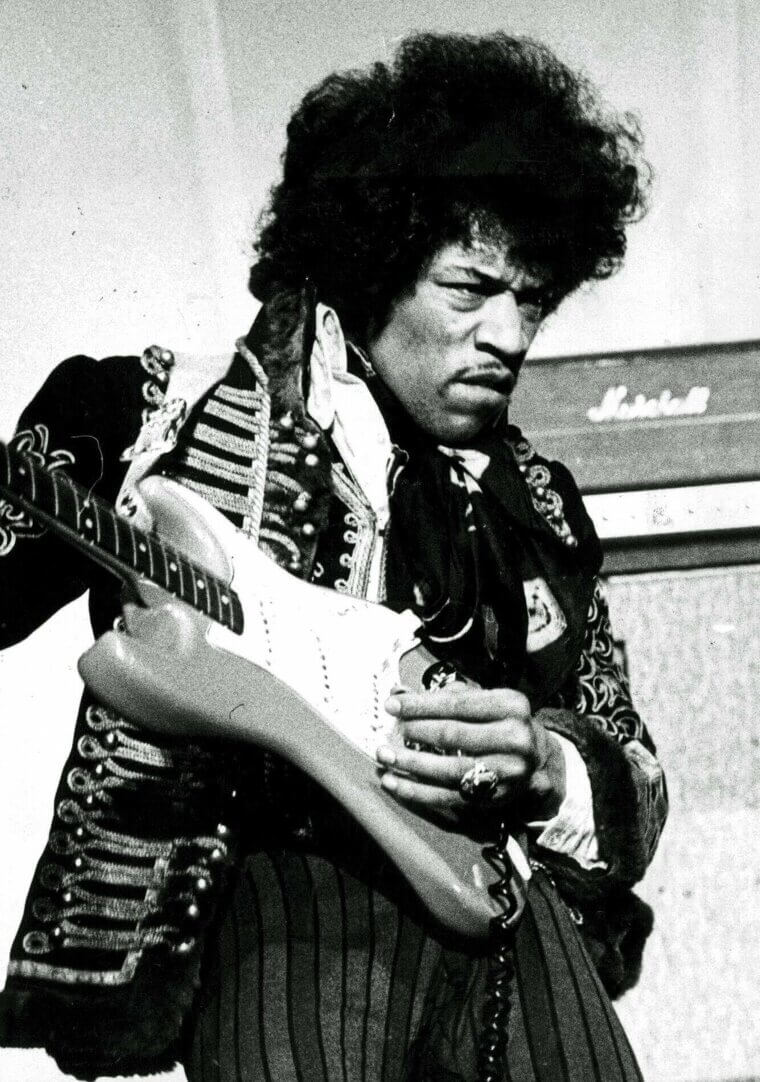
He allegedly purchased his most famous jacket from a boutique in Notting Hill, sparking a massive trend among young London musicians looking to blend historical tailoring with modern rebellion.
Joan Jett's Shaggy Black Leather Aesthetic
Breaking through in a male-dominated industry, the fierce guitarist popularized a tough, street-smart look built around a customized motorcycle jacket. She combined her scuffed leather outerwear with a razor-chopped, jet-black shag haircut and heavy eyeliner to project raw, uncompromising power. This deliberate rejection of traditional femininity aligned with her aggressive, punk-infused rock sound. Her unapologetic appearance inspired countless young women to embrace a rebellious, hard-edged style that prioritized attitude over conventional beauty standards. The fusion of rock energy and dark apparel established a permanent template for female rockers, resonating strongly in current grunge revivals.
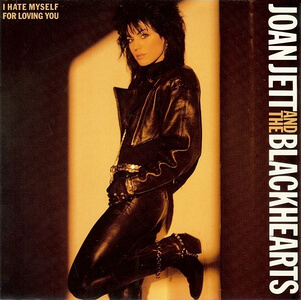
She consistently maintained this signature look throughout her long career, proving that authenticity and a refusal to conform can outlast any fleeting fashion cycle.
Freddie Mercury's White Tank Top and Studded Armband
For a monumental 1985 stadium performance, the charismatic frontman commanded the stage in a deceivingly simple yet unforgettable outfit. He wore a crisp white undershirt tucked into light wash denim jeans, accessorized with a studded leather armband and matching belt. This stripped-down, athletic look marked a stark departure from the elaborate, theatrical costumes of his earlier career. The outfit highlighted his boundless physical energy and allowed him to connect directly with the massive crowd. That specific ensemble has become one of the most recognizable in music history, recreated for Halloween costumes and celebrated in biographical films.
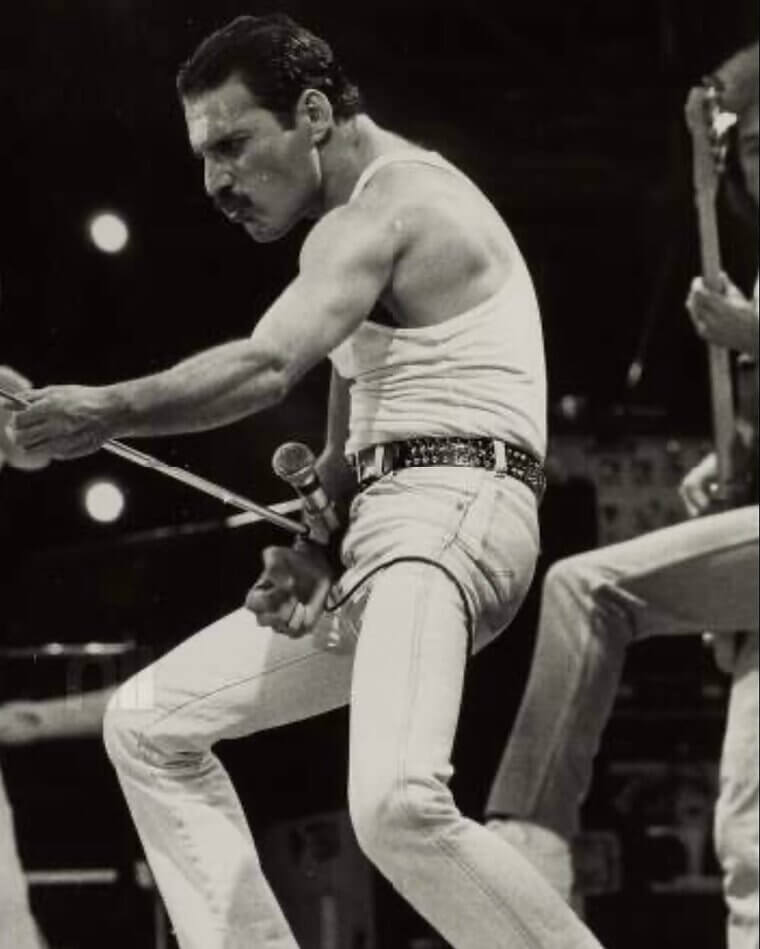
By shedding the glamorous velvet and sequins, he proved that true star power relies on raw talent and stage presence rather than extravagant wardrobe pieces.
Angus Young's Velvet Schoolboy Uniform
The energetic lead guitarist found his permanent visual trademark when he stepped on stage wearing a traditional Australian school uniform. Consisting of a tailored blazer, white shirt, tie, and shorts, the outfit created a bizarre but brilliant contrast with his frantic, sweat-drenched guitar solos. His sister reportedly suggested the concept, leaning into his reputation for acting like a hyperactive child during rehearsals. The uniform transformed into an essential piece of the band's iconography, recognizable to fans worldwide.
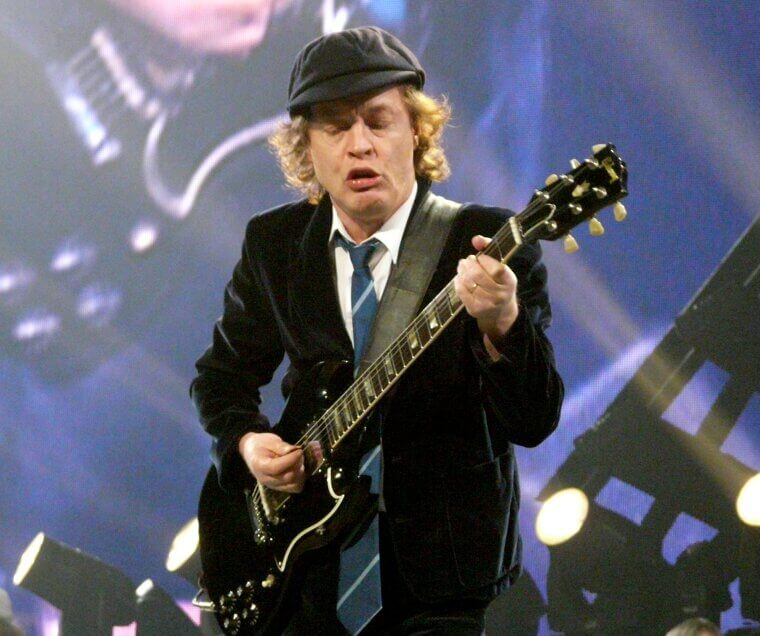
It remains a beloved novelty in rock history, demonstrating how a humorous visual gimmick can endure for decades in popular culture. Over the years, he has worn versions in various colors, from dark blue to bright red, always maintaining the signature cap and satchel.
Elton John's Extravagant Oversized Sunglasses
Throughout the 1970s, the piano prodigy became nearly as famous for his extensive collection of eccentric eyewear as his chart-topping hits. He commissioned custom glasses in outrageous shapes, incorporating features like miniature windshield wipers, blinking lights, and intricate rhinestone patterns. These accessories served as armor for the naturally shy performer, allowing him to adopt a flamboyant, larger-than-life persona while on stage. Audiences eagerly anticipated his wardrobe changes, treating his fashion as a crucial part of the concert experience.
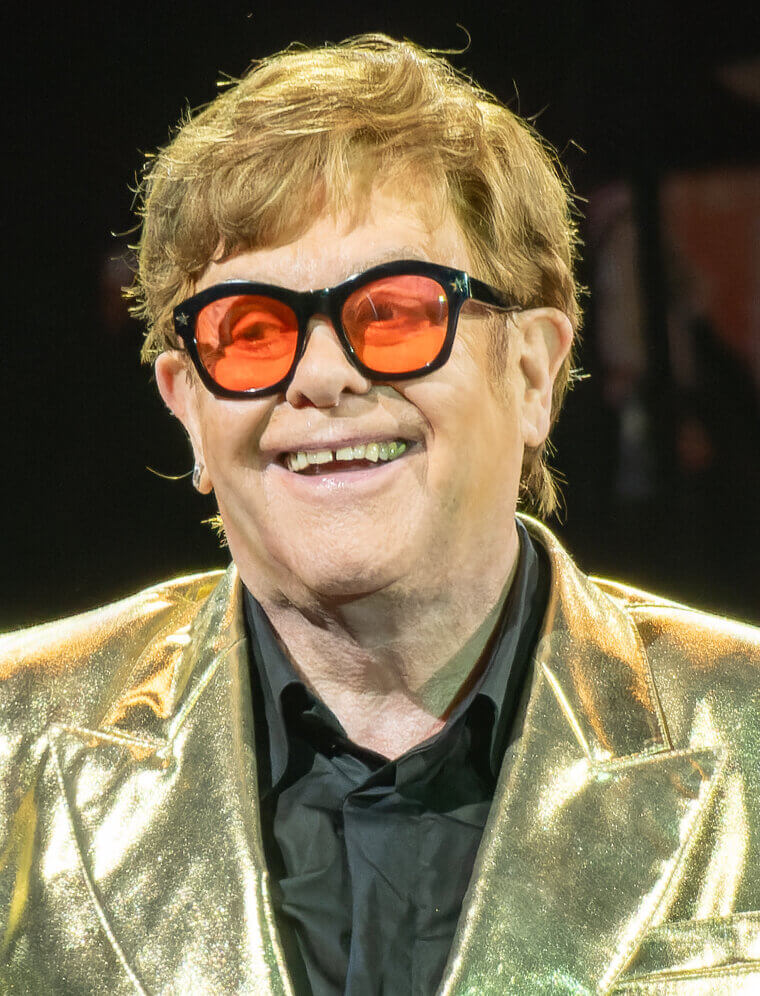
The legacy of his daring accessory choices continues to inspire contemporary artists to use bold eyewear as a key element of their visual identity. He reportedly amassed thousands of pairs during his peak touring years, storing them in specially designed temperature-controlled closets.
Janis Joplin's Psychedelic Round Glasses and Feather Boas
The powerhouse vocalist championed a wildly eclectic, thrift-store aesthetic that captured the spirit of the late 1960s counterculture. She accessorized with oversized tinted circular lenses, layered beaded necklaces, and vibrant feather boas that moved wildly with her uninhibited performances. Her unkempt hair and mismatched vintage clothing rejected polished, commercialized pop star standards of the era. Fans felt connected to her authentic, unpolished appearance, seeing it as a reflection of her raw, emotional vocal delivery. This pioneering hippie aesthetic continues to influence modern bohemian fashion, representing the ultimate expression of artistic freedom and nonconformity.
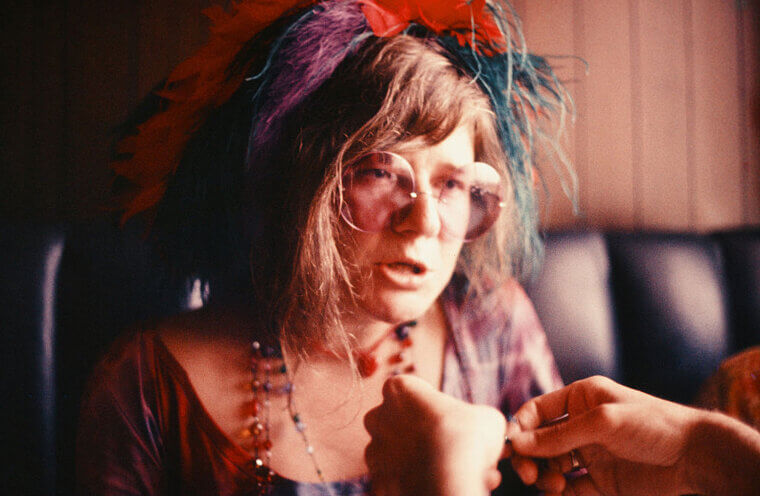
She frequently incorporated velvet pants and customized vests into her rotation, cementing her status as the ultimate muse for generation of free-spirited festival attendees.
Mick Jagger's Form-Fitting Jumpsuits
During early 1970s stadium tours, the legendary frontman began utilizing tailored, heavily studded jumpsuits designed to maximize his stage mobility. These garments, often featuring plunging necklines and intricate lacing, accentuated his famously energetic, strutting dance moves. The sleek, androgynous designs blurred gender lines and brought an element of high-fashion theatricality to gritty rock performances. Audiences were captivated by the sheer audacity of the outfits, which matched the band's decadent, glamorous era. These iconic one-piece garments paved the way for future generations of frontmen to embrace bold, custom-made stage wear instead of standard casual clothing.
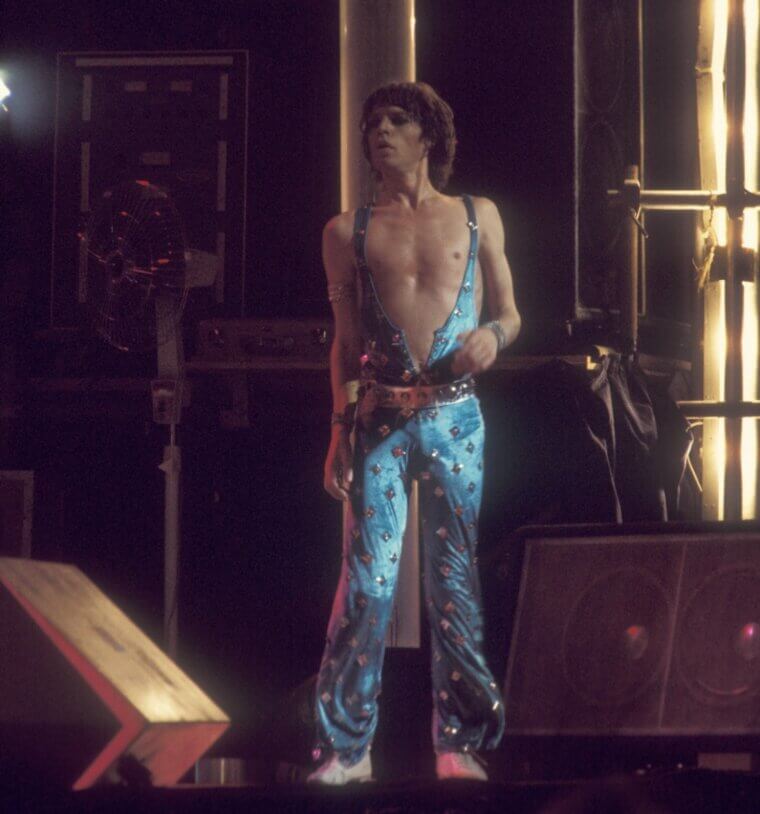
He reportedly collaborated closely with renowned designers to ensure the fabrics could withstand the physical demands of his rigorous, two-hour nightly aerobic workouts.
Alice Cooper's Theatrical Dark Eye Makeup
Pioneering the shock rock genre, this theatrical performer utilized heavy, smudged black face paint to create a deeply unsettling, villainous stage persona. The jagged, running eyeliner resembled cracked porcelain or a dark carnival character, complementing his horror-themed stage productions. This bold cosmetic choice reportedly drew inspiration from classic horror cinema and expressionist art, designed to provoke strong reactions from conservative audiences. The dark aesthetic created a massive cult following, laying the vital groundwork for the visual development of gothic, glam, and metal subcultures.
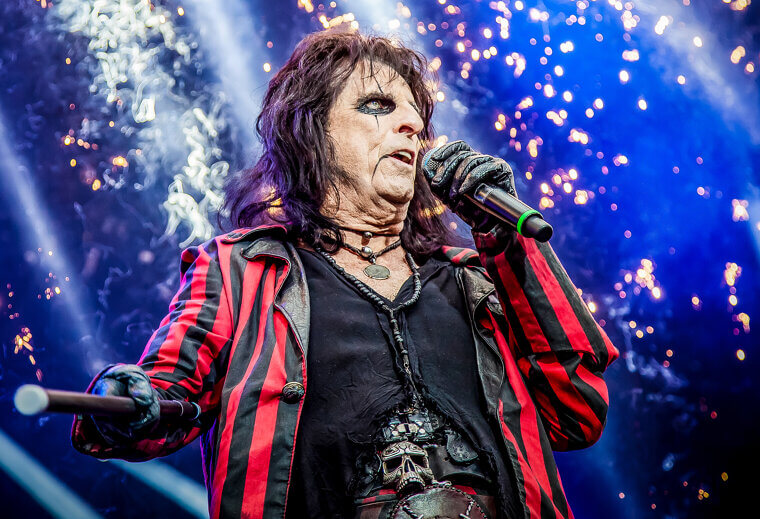
His pioneering use of dramatic cosmetics proved that makeup could be a powerful tool for musical storytelling and intimidation. He applied the signature paint himself before every show, using it as a psychological trigger to enter his macabre alter ego.
Bruce Springsteen's Blue Collar Denim and White T-Shirt
In the mid-1980s, the acclaimed songwriter adopted a utilitarian, working-class aesthetic that resonated with middle America. His uniform consisted of rolled-up jeans, a plain white undershirt, and a well-worn leather jacket, projecting an image of rugged, authentic Americana. This unpretentious look mirrored his lyrical themes of factory workers, lost dreams, and everyday struggles. Fans appreciated the relatable, grounded appearance, which stood in stark contrast to the flamboyant glam metal styles dominating that era. This timeless, classic American silhouette remains influential, defining the standard for effortless, masculine casual wear to this day.
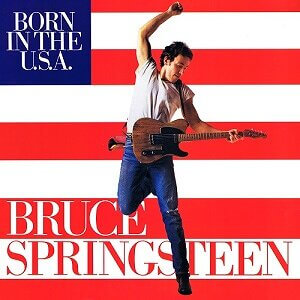
The specific faded denim he wore on his most famous album cover sparked a nationwide resurgence in traditional workwear brands that lasted for the rest of the decade.
Steven Tyler's Flowing Mic Stand Scarves
The charismatic lead singer developed a dynamic visual signature by tying dozens of long, colorful scarves to his microphone stand. As he moved frantically across the stage, the fabric trailed behind him, creating a mesmerizing visual extension of his frenetic performance style. Allegedly, this habit began as a practical way to hide a stage prop, but quickly evolved into a crucial element of his bohemian, rock-star aesthetic. The scarves matched his eclectic wardrobe of tight animal prints and flowing blouses.
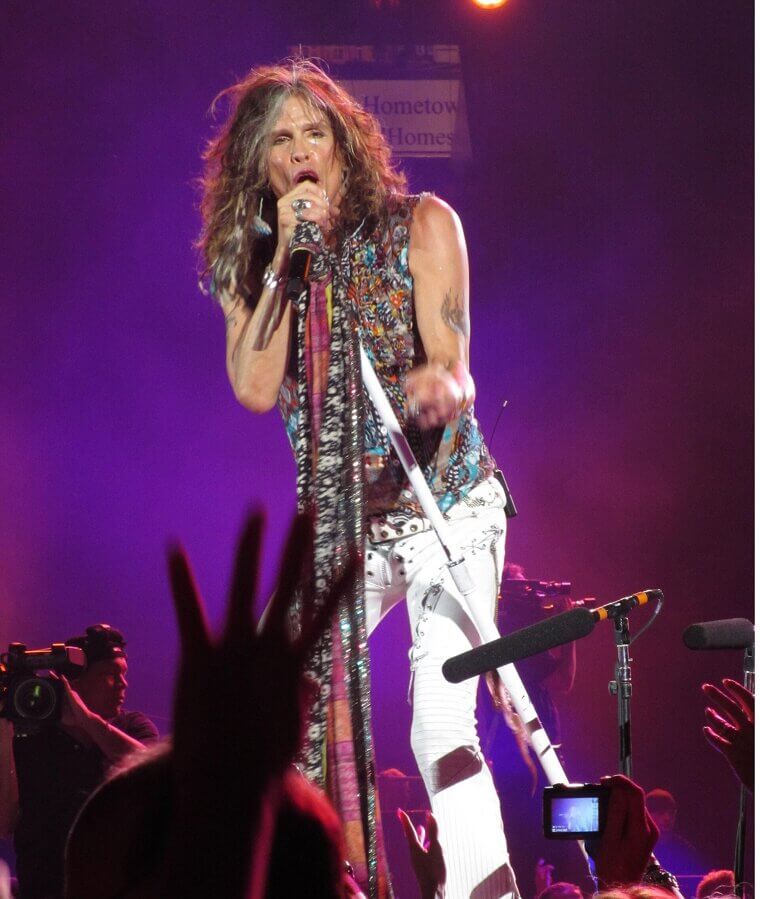
This unique prop styling remains a celebrated visual trope, copied by numerous frontmen trying to add kinetic energy to their live shows. He reportedly curates his collection from vintage stores around the world, ensuring no two stage setups look exactly the same.
Kurt Cobain's Oversized Grunge Cardigan Sweaters
In the early 1990s, the reluctant voice of a generation popularized a thrift-store aesthetic that accidentally revolutionized global fashion. He frequently performed in slouchy, heavily worn cardigans, mismatched layers, and distressed jeans, rejecting the polished glamour of the previous decade. This anti-fashion statement reflected his punk rock ethos and discomfort with massive commercial success. Teenagers worldwide embraced the accessible, comfortable look, turning regional Pacific Northwest thrift styles into a massive international movement. The effortless, unkempt cardigan remains a powerful symbol of alternative music history, frequently appearing on modern runways that continue to draw heavily from 90s grunge culture.
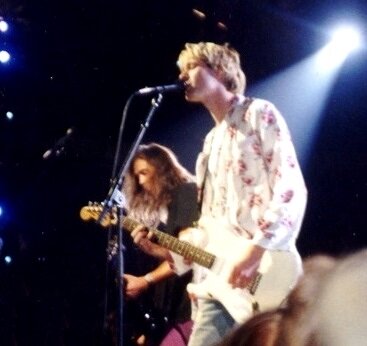
The specific fuzzy green sweater he wore during his legendary acoustic television performance later sold at auction for a record-breaking sum.
Axl Rose's Red Bandana and Kilts
The unpredictable frontman created a highly distinct visual identity by pairing aggressive rock elements with unexpected, traditional garments. He frequently performed wearing a tightly tied red bandana over long hair, combined with heavy combat boots and pleated tartan kilts. This aggressive yet unusual combination captured the dangerous, chaotic energy of the late 1980s hard rock scene. Fans were fascinated by the bold wardrobe choices, which managed to look simultaneously confrontational and stylish. The fusion of punk-inspired tartan with heavy metal aesthetics left a lasting mark on rock fashion, inspiring contemporary designers to mix traditional patterns with rebellious silhouettes.
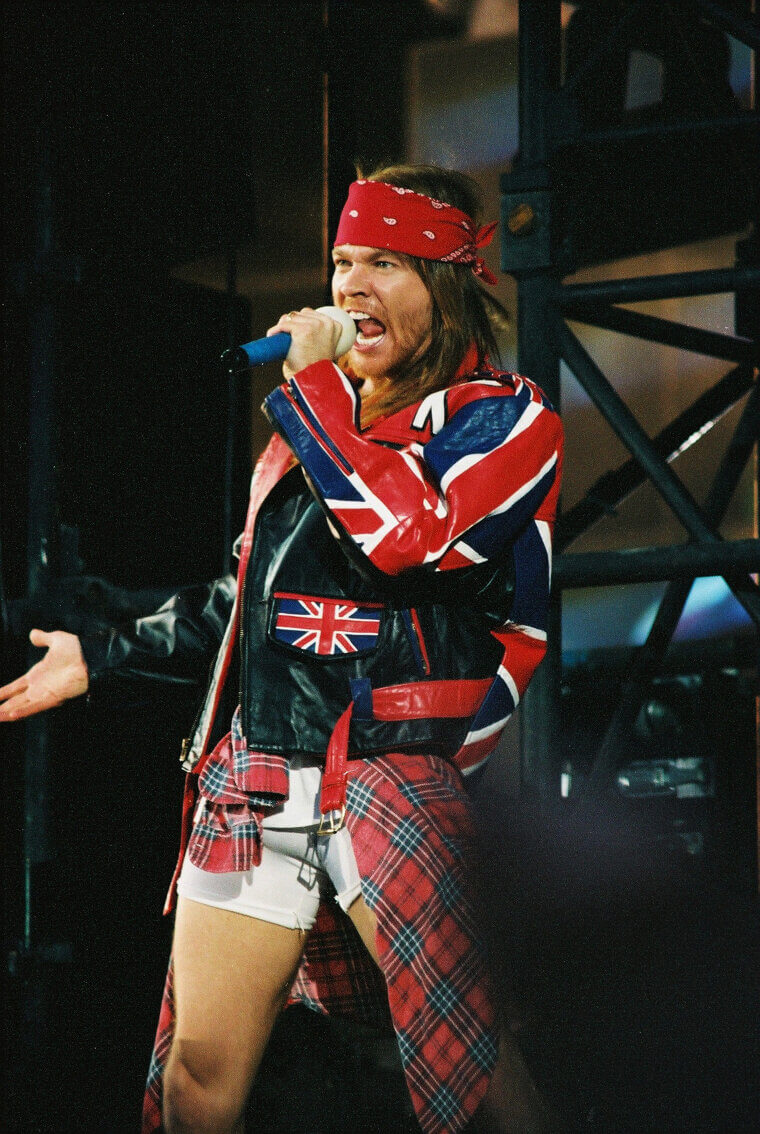
He allegedly started wearing the kilt to allow for better mobility during his signature serpentine dance moves across massive stadium stages.
Prince's Purple Velvet Trench Coats
The musical genius crafted a legendary visual aesthetic centered heavily around ornate tailoring and a specific regal color palette. He famously wore elaborate, high-collared velvet trench coats adorned with ruffles and lace, cultivating an image of a modern, androgynous aristocrat. The extravagant outerwear was often paired with heeled boots, allowing the diminutive star to command absolute attention on any stage. Audiences marveled at his commitment to this lush, mysterious aesthetic, which matched his genre-blending, deeply sensual music.
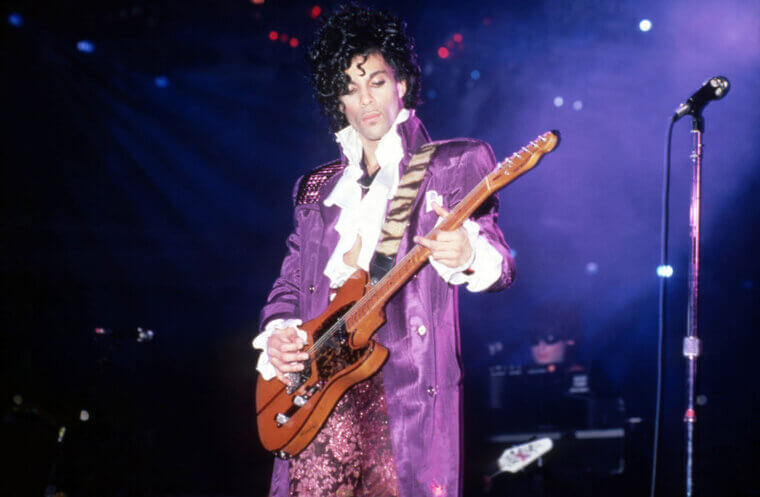
This dedication to a single, signature color and opulent fabric remains a masterclass in musical branding and high-fashion presentation. The artist reportedly had an entire wing of his massive estate dedicated solely to storing his custom-made, intricately tailored violet wardrobe pieces.
Brian May's Voluminous Curly Perm
The legendary guitarist has maintained an incredibly distinct, gravity-defying mane of tight curls since his band's inception in the 1970s. The massive, spherical silhouette of his hair became just as recognizable as his custom-built guitar and melodic playing style. Unlike many peers who constantly changed their looks to chase trends, he kept this natural, untamed style throughout multiple decades of changing musical fashions. Admirers have always respected this visual consistency, viewing it as a symbol of his unwavering dedication to his classical rock roots.
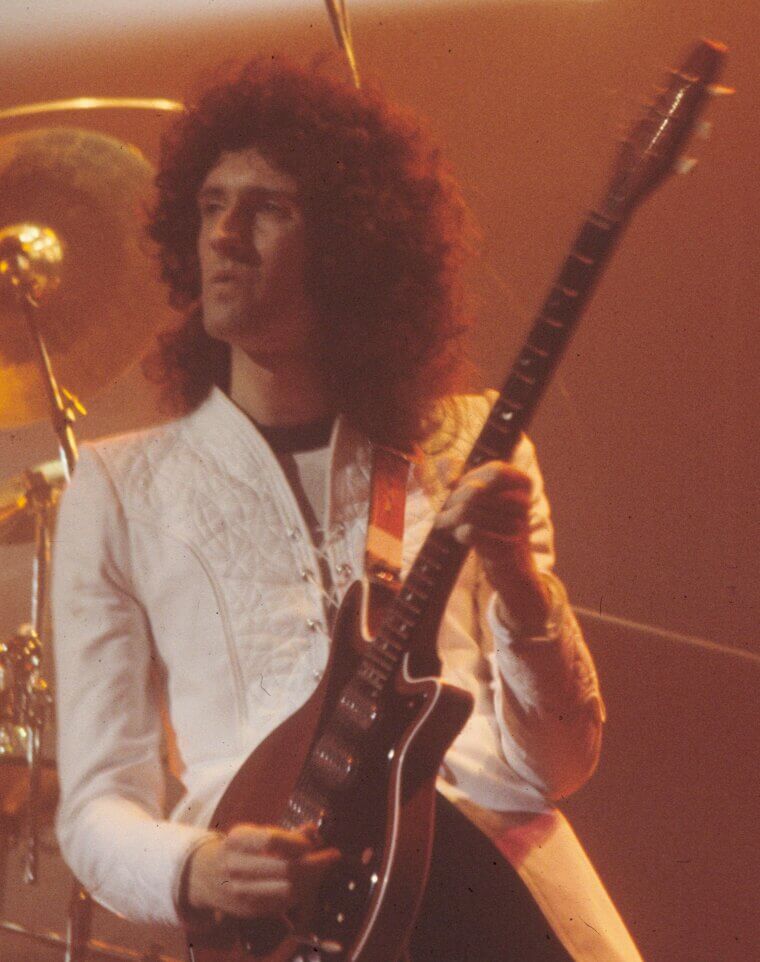
His signature curls stand as a testament to the power of finding one perfect, memorable look and sticking with it. Fans often marvel that his famous hairstyle has barely shifted even as he transitioned into an elder statesman of music.
Debbie Harry's Two-Toned Bleached Hair
As the face of the late 70s new wave movement, the cool and calculated frontwoman debuted a choppy, peroxide-blonde haircut with dark, visible roots. This intentionally unpolished, DIY approach to hair coloring bridged the gap between raw punk energy and glamorous pop appeal. The striking contrast highlighted her sharp cheekbones and photogenic features, making her a ubiquitous presence in fashion magazines of the era. Young fans rushed to replicate the edgy, achievable style, moving away from perfectly coiffed salon looks.
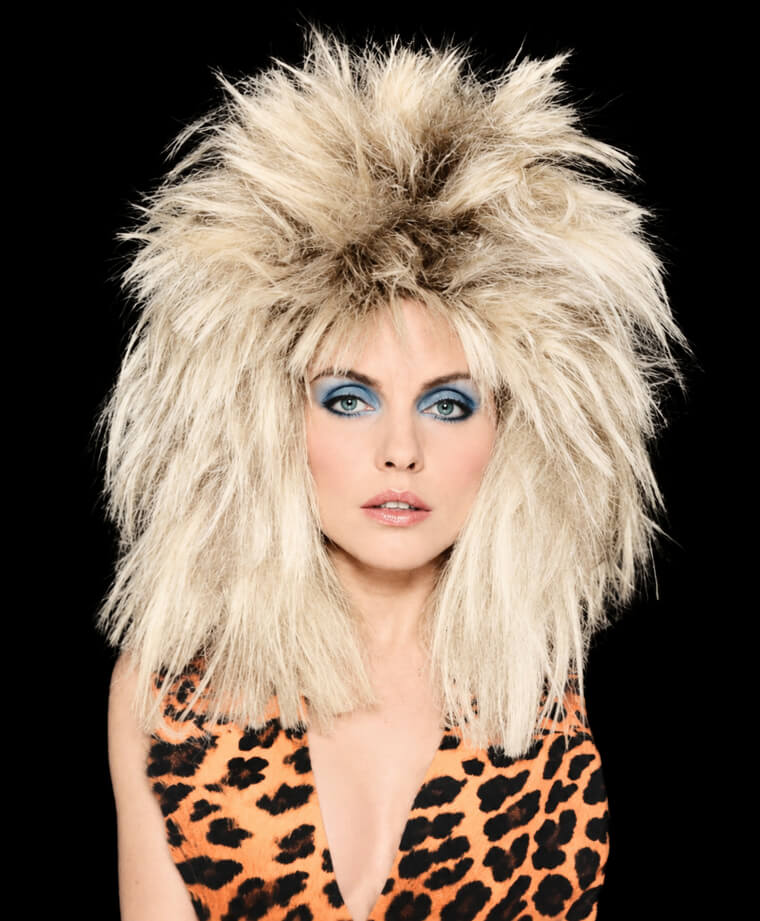
The dark-rooted bleach blonde remains a staple in modern beauty, celebrated for its effortless, rebellious chic. She allegedly achieved the look initially by accident, lacking the funds to visit a professional salon during her early days struggling in the downtown club scene.
Lemmy Kilmister's Cavalry Hats and Mutton Chops
The gravel-voiced bassist defined the gritty, uncompromising spirit of heavy metal through his singular, rugged appearance. He exclusively wore customized military cavalry hats, paired with extensive facial hair that connected his sideburns directly to his mustache. This intimidating, road-worn aesthetic matched his band's breakneck speed and deafening volume. He allegedly maintained this exact style for 40 years, refusing to adapt to any passing fashion trends. The distinctive facial hair configuration remains iconic within the metal community, widely recognized as the ultimate badge of authentic, hard-living rock and roll dedication.
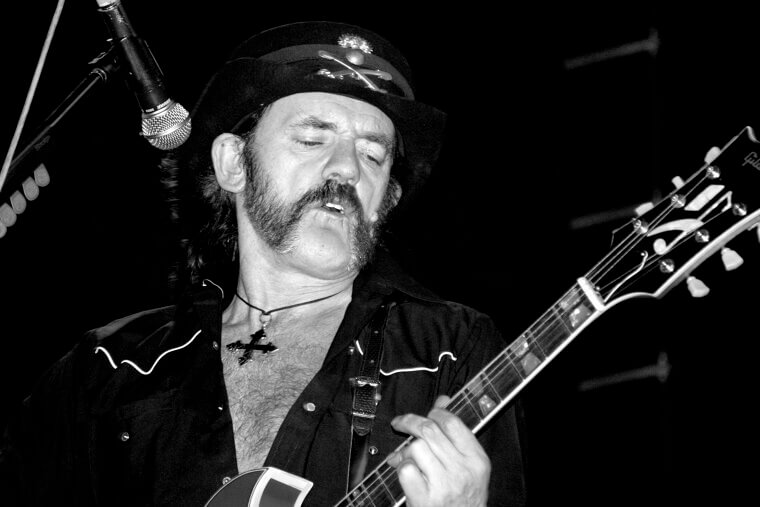
His customized headwear often featured various pins and insignias collected during extensive global tours, serving as a wearable scrapbook of his decades spent relentlessly traveling the world.
ZZ Top's Chest-Length Beards and Cheap Sunglasses
The blues-rock trio pulled off one of the most brilliant visual transformations in music history during the early 1980s. The two frontmen grew identical, massive chest-length beards, paired with dark sunglasses and tailored suits, creating an recognizable, almost cartoonish silhouette. This unique branding was so effective that they became MTV staples, standing out brilliantly against a sea of brightly colored pop stars. Fans delighted in the visual joke that the only member without a beard was the drummer named Frank Beard.
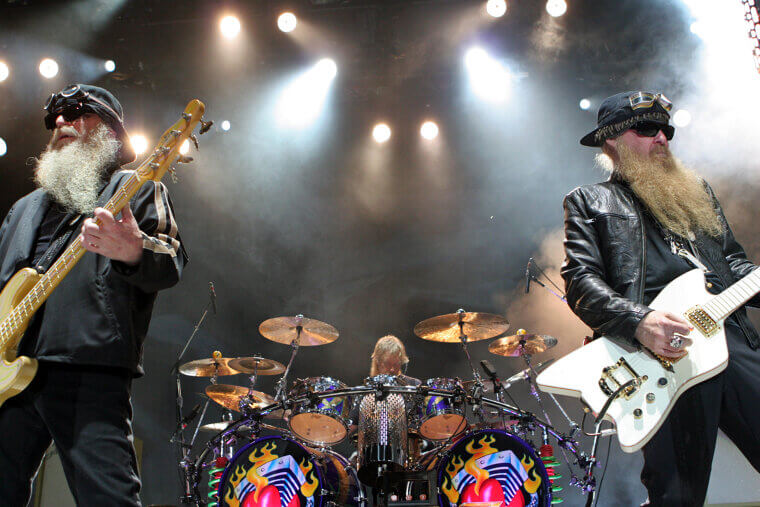
This legendary facial hair remains the gold standard for dedicated, long-term visual branding in the entertainment industry. They reportedly turned down a massive corporate endorsement deal that would have required them to shave their signature facial hair for a television commercial.
Keith Richards' Pirate-Inspired Bandanas and Rings
The legendary rhythm guitarist cultivated a delightfully disheveled, bohemian outlaw aesthetic that has spanned over half a century. He layered his look with frayed scarves, skull rings, and colorful bandanas tied haphazardly around his messy hair. This eccentric, heavily accessorized style directly inspired the visual design of modern cinematic pirates, bringing his rock-and-roll attitude to the silver screen. Fans have long admired his ability to make chaotic, mismatched garments look sophisticated and effortlessly cool. His enduring, survivalist chic continues to influence designers who try to capture that authentic, lived-in rock aesthetic.
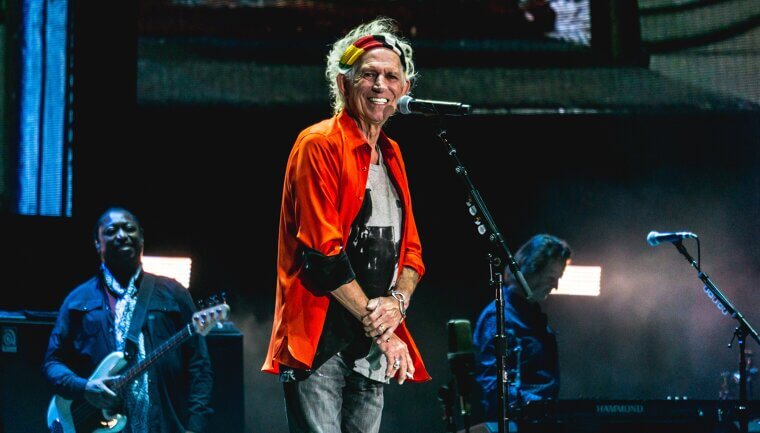
He allegedly considers his vast collection of silver jewelry to be lucky charms, refusing to step onto a concert stage without his trademark skull ring securely fastened to his right hand.
Robert Plant's Unbuttoned Blouses and Tight Jeans
The golden-haired vocalist defined the quintessential 1970s rock god silhouette with his flamboyant and revealing wardrobe choices. He regularly performed in heavily embroidered, open-chested peasant blouses tucked tightly into famously restrictive denim jeans. This look combined masculine swagger with feminine delicacy, projecting a mythical, commanding presence during marathon stadium concerts. The bold stylistic choices helped establish the visual template for heavy metal frontmen for the next two decades. His pioneering blend of mystical, folk-inspired tops with aggressive, tight bottoms remains a fundamental reference point for vintage rock styling.
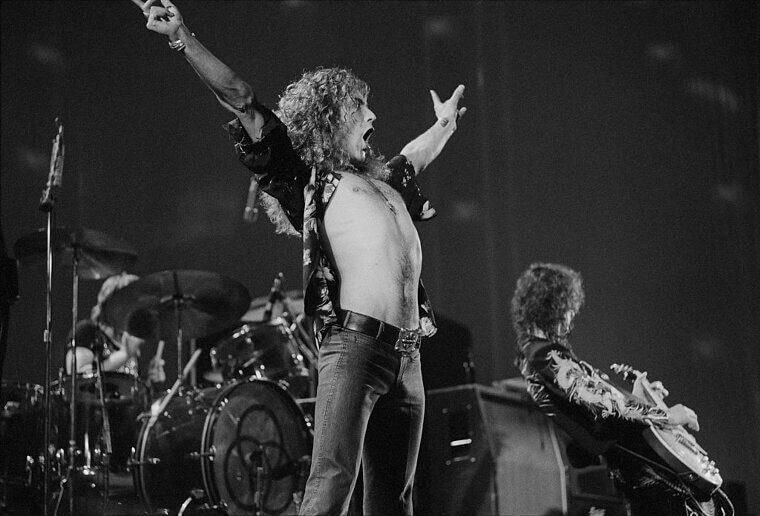
He reportedly sourced many of his elaborate embroidered tops from small boutiques while traveling through remote parts of Wales, adding authentic Celtic flair to his massive arena performances.
Gene Simmons' Demon Armor and Platform Boots
The commanding bass player designed a terrifying, comic-book inspired stage costume that revolutionized the concept of live concert theatrics. His outfit featured massive spiked armor, bat-like wings, and towering platform boots designed to make him look like a monstrous, hulking gargoyle. Coupled with his intricate black-and-white face paint, the ensemble was meant to strike fear and awe into massive stadium audiences. This level of extreme visual dedication helped spawn a massive merchandising empire and a legion of devoted followers.
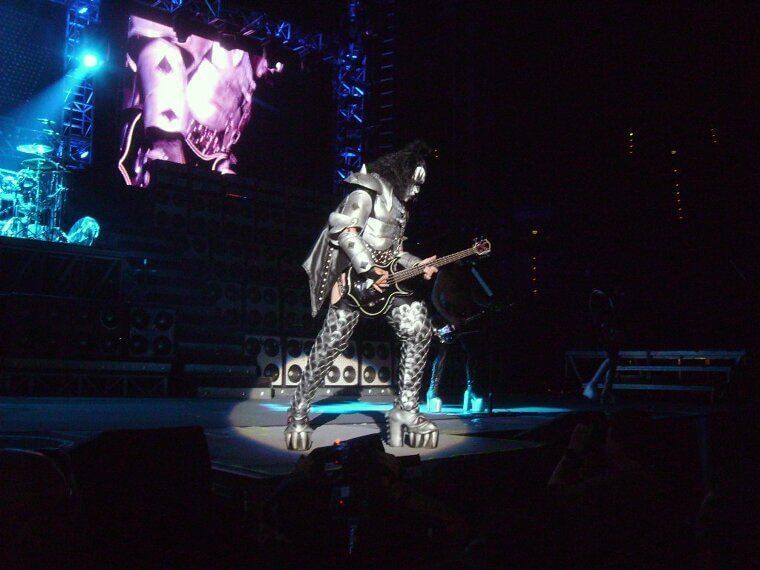
The theatrical costume continues to set the benchmark for shock rock and heavy metal visual presentation. The elaborate boots reportedly weighed over 10 pounds each, requiring immense physical stamina to stomp across the stage during grueling two-hour performances.
Iggy Pop's Bare-Chested Stage Presence
The godfather of punk stripped rock performance down to its absolute most primal, aggressive essence. He notoriously performed almost exclusively wearing only low-slung, tight denim jeans, completely abandoning shirts to showcase his sinewy, contorted physique. This extreme minimalism was not just a fashion choice; it was a physical necessity for his chaotic, self-destructive stage dives and frantic movements. Audiences were mesmerized by his raw vulnerability and unmatched kinetic energy. The simple, shirtless aesthetic has been widely adopted by countless aggressive frontmen who want to project pure, unfiltered aggression and physical stamina on stage.
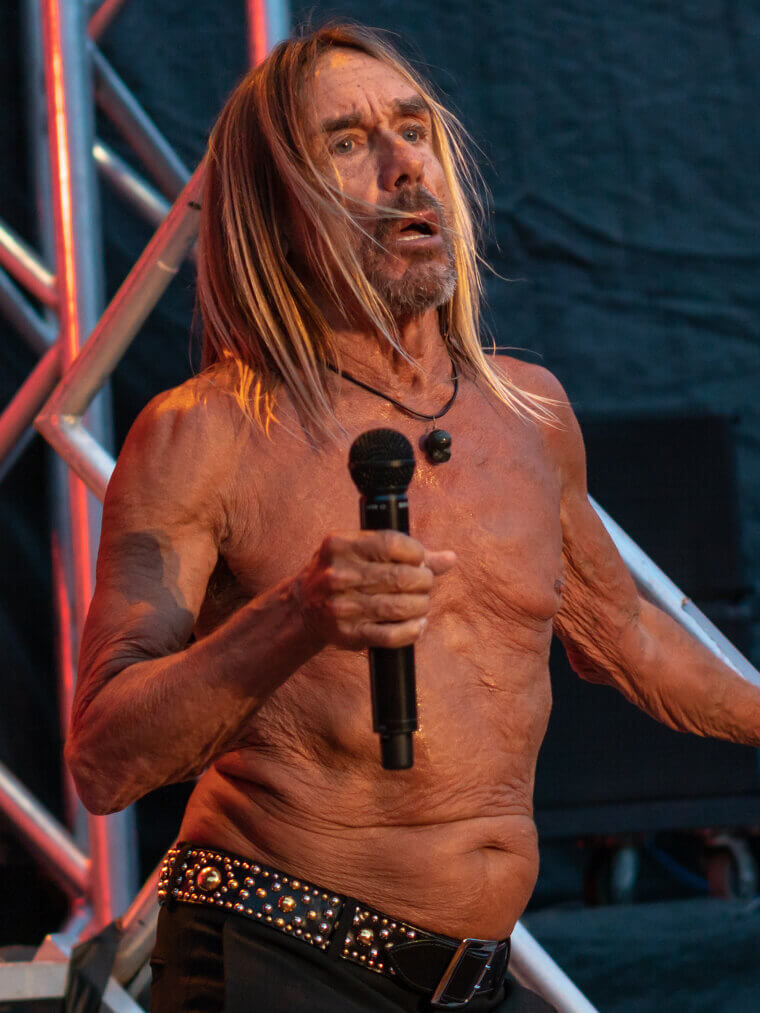
He allegedly decided early on that traditional clothing felt too restrictive for his wild contortions, opting instead to let his bruised and battered body serve as his primary costume.
Joey Ramone's Torn Jeans and Leather Biker Jackets
The towering punk pioneer helped establish a uniform that would define a global musical subculture for decades to come. He and his bandmates strictly adhered to a wardrobe of customized leather Schott motorcycle jackets, distressed denim, and simple canvas sneakers. This affordable, street-level attire rejected the flashy, expensive glam rock costumes popular in the mid-1970s. The accessible style allowed working-class fans to easily replicate the look, democratizing rock fashion. This specific combination of leather and denim remains the undisputed, timeless uniform for punk rock enthusiasts around the world.
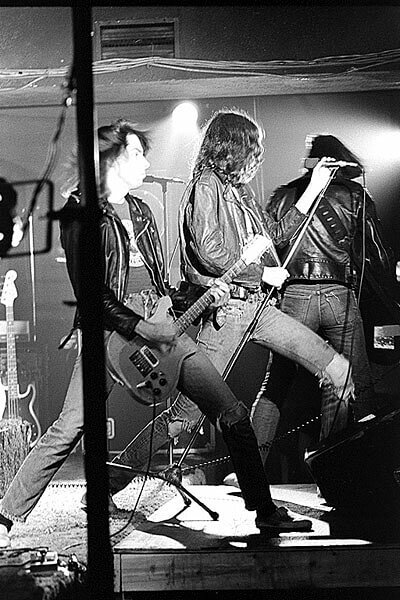
The band allegedly adopted this matching aesthetic to present a unified gang mentality, ensuring they looked like a cohesive unit whether they were hanging out in an alley or playing a sold-out venue.
Ozzy Osbourne's Round Teashade Glasses
The influential metal vocalist adopted small, perfectly circular tinted sunglasses that became an essential part of his public persona. Originally associated with the 1960s peace movement, he recontextualized the eyewear to look dark, manic, and vaguely sinister. He paired these glasses with a mop of dark hair and heavy silver jewelry, creating a distinctively gothic, eccentric silhouette. Fans immediately associate the small round frames with his unique brand of heavy metal madness. The enduring appeal of this specific eyewear choice demonstrates how a single accessory can permanently define an artist's visual legacy.
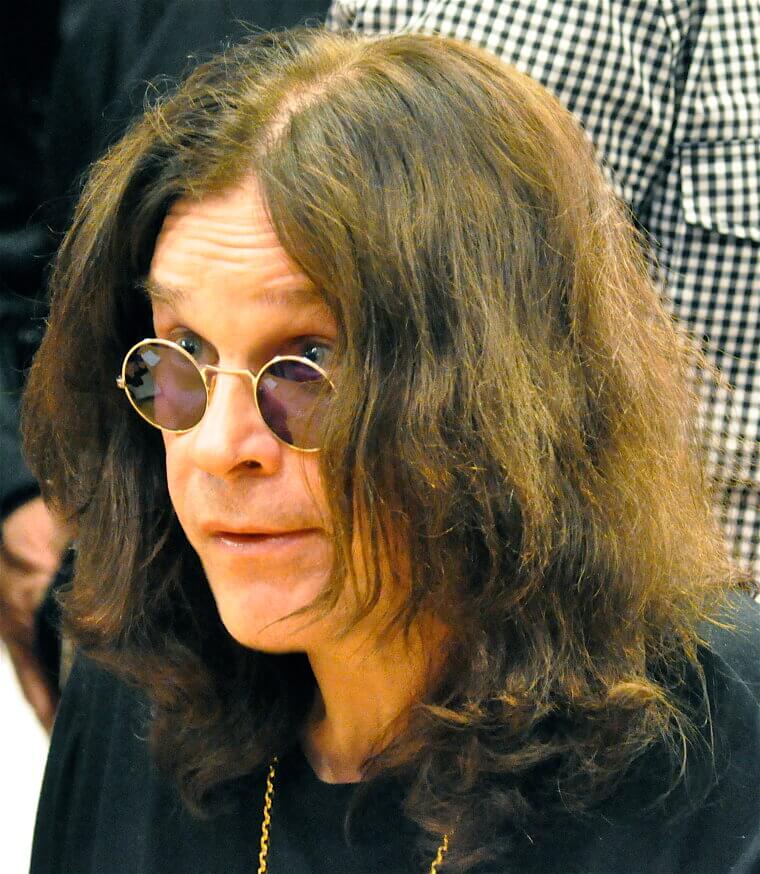
He reportedly relies heavily on the tinted lenses to shield his eyes from blinding stage spotlights, turning a practical necessity into one of rock history's most famous fashion statements.
Sid Vicious' Padlock Necklace and Spiked Hair
The controversial bass player became the ultimate poster child for the British punk movement through his aggressive, chaotic styling. He famously wore a heavy brass padlock on a chain around his neck, complementing his violently spiked, messy dark hair. This abrasive look was designed entirely to shock conservative society and visually represent the nihilistic attitude of the late 1970s youth culture. The raw, DIY aesthetic encouraged fans to use safety pins, razor blades, and household items as provocative jewelry.
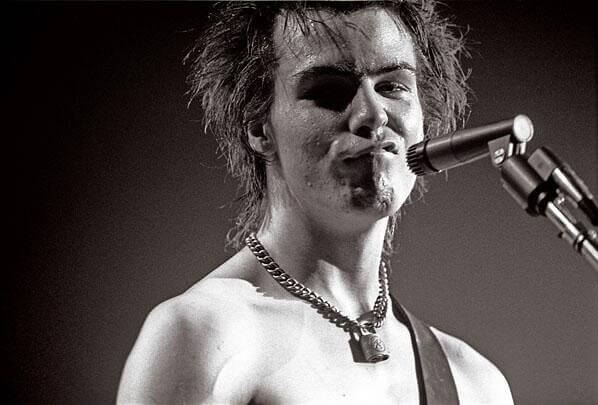
His confrontational fashion choices laid the permanent visual foundation for hardcore punk styling. He allegedly lost the key to the heavy brass padlock shortly after locking it, meaning he wore the cumbersome piece of hardware continuously until it was eventually removed with bolt cutters.
Billy Idol's Spiky Bleach Blonde Hair and Leather
Bridging the gap between raw punk and commercial new wave, the charismatic singer crafted a sleek, camera-ready aesthetic. He combined heavily studded leather jackets and fingerless gloves with a meticulously styled, bright peroxide-blonde spiky haircut. This polished but edgy look translated perfectly to the early days of music television, making him a massive visual icon of the 1980s. Fans eagerly copied the trademark sneer and the sharp, structured hairstyle. The fusion of punk attitude with pop-star grooming continues to influence modern artists looking for a rebellious but highly marketable image.
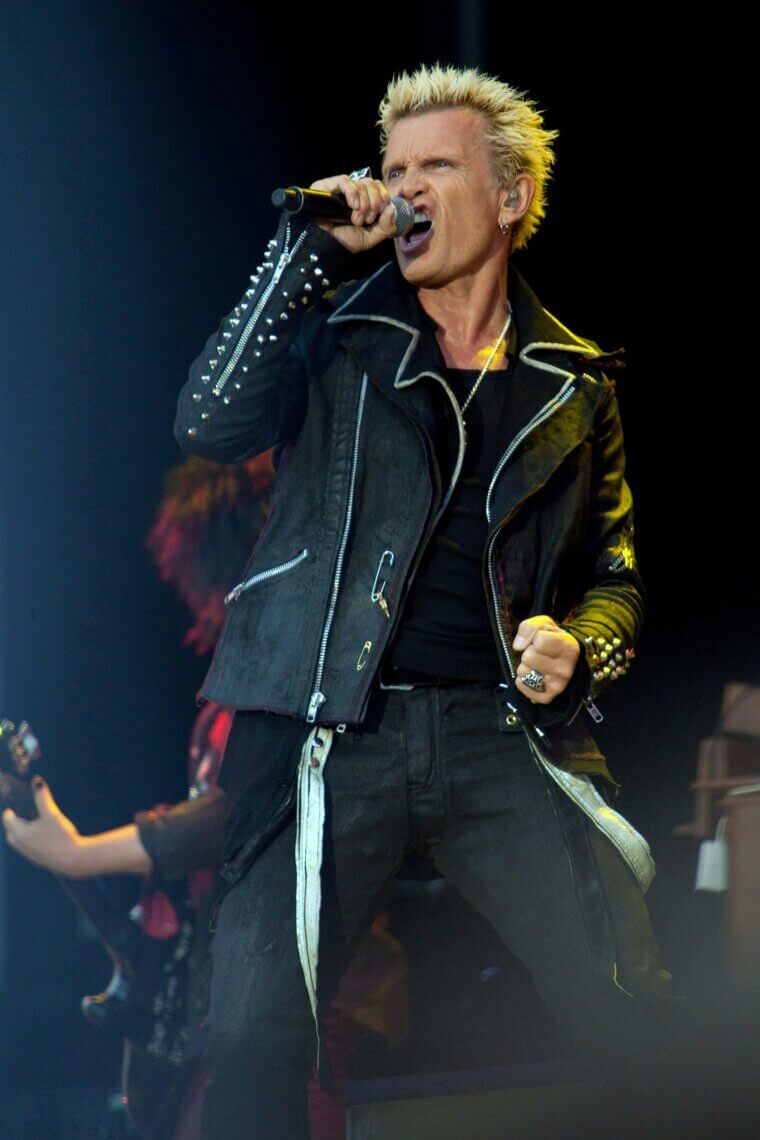
He reportedly spent hours before every concert using industrial-strength hairspray to ensure his signature spikes remained perfectly vertical throughout his sweaty, high-energy performances.
Patti Smith's Androgynous White Shirt and Suspenders
The poet and punk laureate changed the landscape of rock photography with one iconic, deeply influential album cover. She presented herself in a crisp, oversized men's white dress shirt, a loose black tie, and dark trousers with suspenders, slung casually over her shoulder. This stark, androgynous minimalism shattered expectations of how female artists were supposed to present themselves in the 1970s. Her brilliant intellectual approach to fashion inspired a generation of women to embrace menswear and prioritize comfort over traditional glamour.
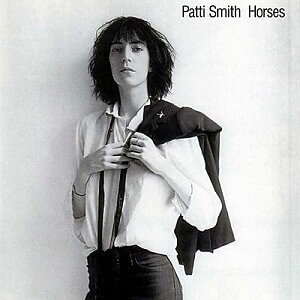
The timeless, unpretentious silhouette remains a touchstone for high-fashion designers celebrating empowered minimalism. She allegedly purchased the famous white shirt at a salvation army thrift store just days before the photo shoot, proving that monumental style does not require an expensive wardrobe budget.
Suzi Quatro's Full Leather Jumpsuits
The pioneering bass player and vocalist broke major barriers by adopting a tough, head-to-toe leather aesthetic in the early 1970s. She famously zipped herself into skin-tight black leather jumpsuits, wielding a massive bass guitar with undeniable authority. This powerful, utilitarian garment rejected the expectation that female performers had to wear delicate dresses or skirts. Her commanding visual presence directly inspired the next generation of female rockers to adopt aggressive, functional stage wear. The sleek, one-piece leather look remains a classic symbol of female empowerment and unapologetic rock and roll attitude.
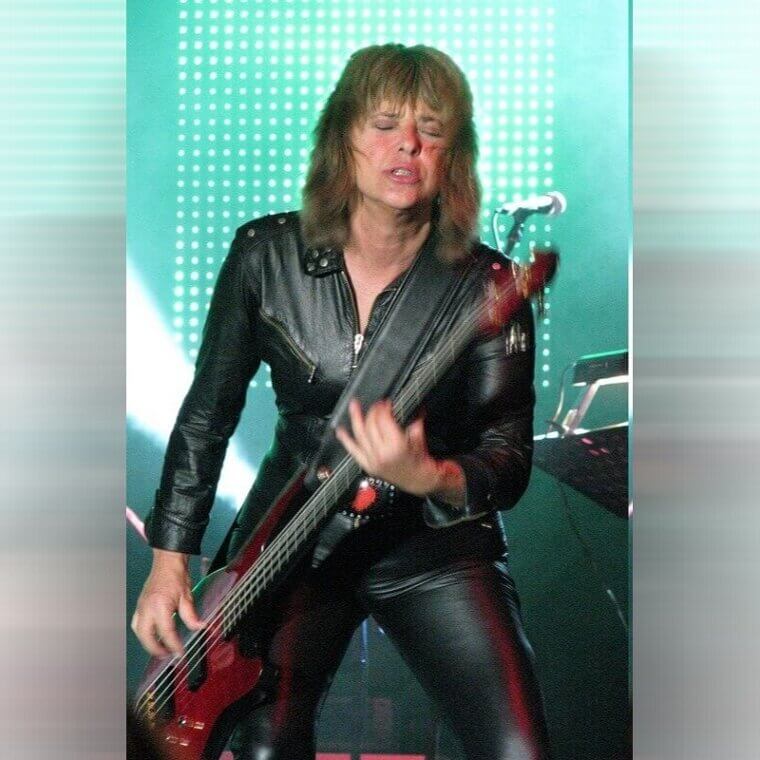
She allegedly insisted on the customized jumpsuits because they provided maximum comfort and durability during long international tours, proving that high fashion could also be incredibly functional for a working musician.
John Lennon's New York City Ringer T-Shirt
In a legendary series of 1970s photographs, the iconic songwriter wore a remarkably simple garment that became historically significant. He donned a sleeveless, white ringer t-shirt featuring the bold words 'New York City' printed across the chest. This casual, tourist-style shirt represented his love for his adopted home and his transition into a more grounded, accessible solo artist. The striking simplicity of the image resonated deeply with fans, turning the specific shirt design into a massive global phenomenon.
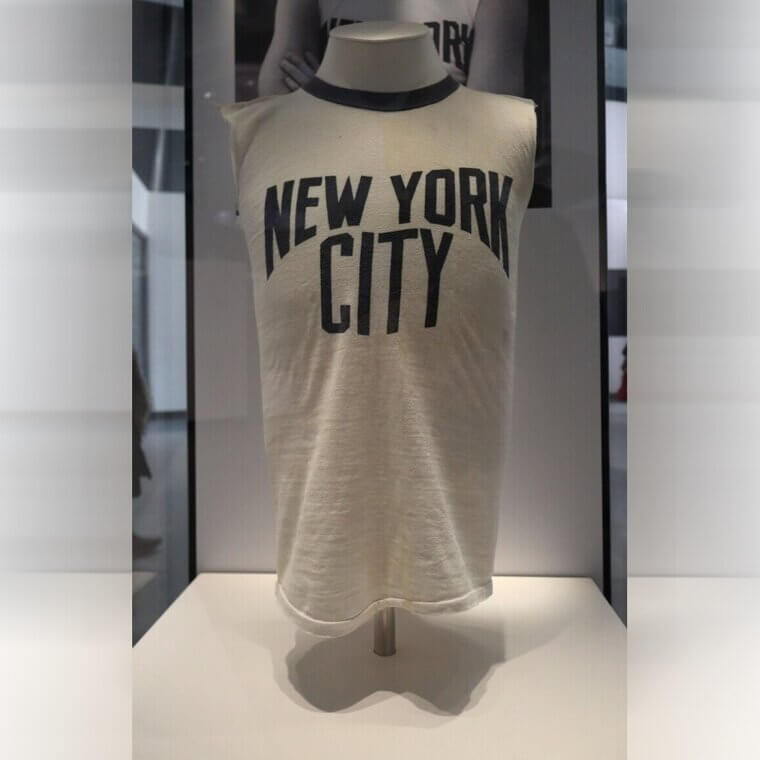
It stands today as one of the most famous and widely reproduced graphic t-shirts in music history. He reportedly bought the shirt for mere pennies from a street vendor in Times Square, forever transforming a cheap tourist souvenir into a priceless piece of rock iconography.
Rod Stewart's Rooster Haircut and Tartan Plaid
The raspy-voiced singer developed a highly textured, chaotic hairstyle that matched his flamboyant, energetic stage persona perfectly. The famous heavily layered, spiky cut, combined with a wardrobe full of loud Scottish tartan patterns and tight satin pants, created an unforgettable visual signature. This playful, unapologetically flashy approach to fashion made him a massive superstar in the glam and disco eras. Audiences loved the sheer audacity and fun of his outfits, which always projected a sense of celebratory excess.
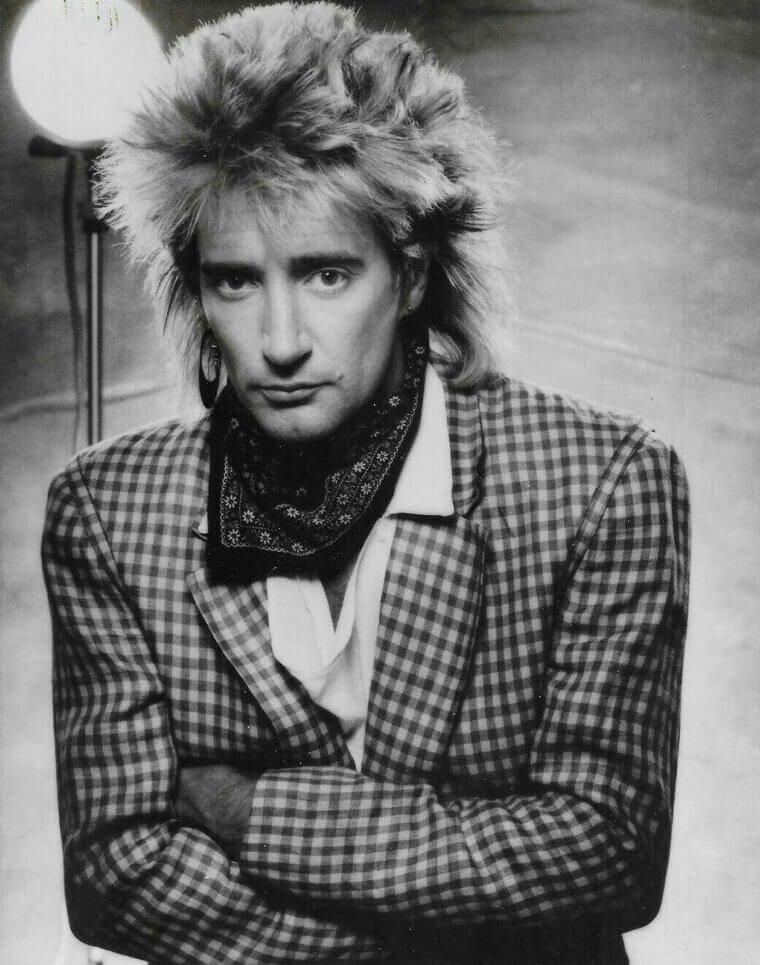
His iconic rooster hair remains one of the most distinctive and enduring hairstyles in classic rock history. He reportedly spent a significant amount of time teasing his hair with a comb and hairspray before stepping out of the dressing room, ensuring maximum volume.