
Welcome to the ultimate celebration of rhythm and groove! We are counting down the greatest rock bassists who forever changed modern music. Dive into these legendary stories, discover iconic riffs, and let us know your favorite low-end hero below!
John Entwistle (The Who) - The Revolutionizer of the Bass as a Screaming Lead Instrument
John Entwistle permanently changed rock history by transforming the bass from a background rhythm instrument into a dominant lead voice. His pioneering tapping technique allowed him to play with breathtaking speed during live shows. The sheer volume and treble-heavy tone he favored cut through the chaotic noise of concerts, making his intricate parts impossible to ignore. Fans reportedly stood in awe as his fingers flew across the fretboard during marathon 1970s performances.
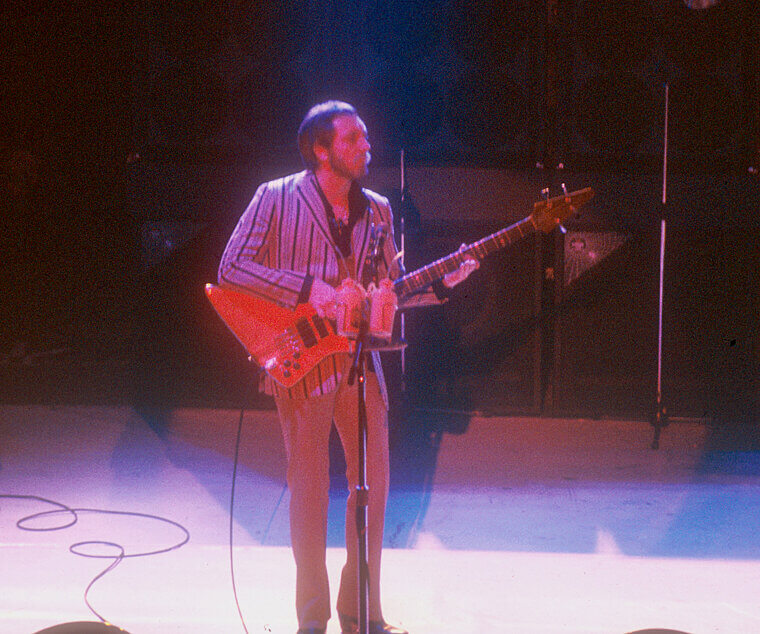
He provided a complex melodic counterpoint that elevated the entire band to new artistic heights. The technical prowess displayed on his classic recordings remains a benchmark for musicians today.
Geddy Lee (Rush) - The Progressive Mastermind Bringing Unprecedented Dexterity to the Power Trio
Geddy Lee redefined what a three-piece band could accomplish by introducing staggering technical complexity to his bass playing. Juggling vocal duties and synthesizer pedals simultaneously, his hands commanded the fretboard with a speed that left audiences mesmerized. His distinctive punchy tone became the driving force behind some of progressive rock's most beloved anthems. Critics often note how his intricate lines operate as independent melodies rather than simple rhythmic anchors.
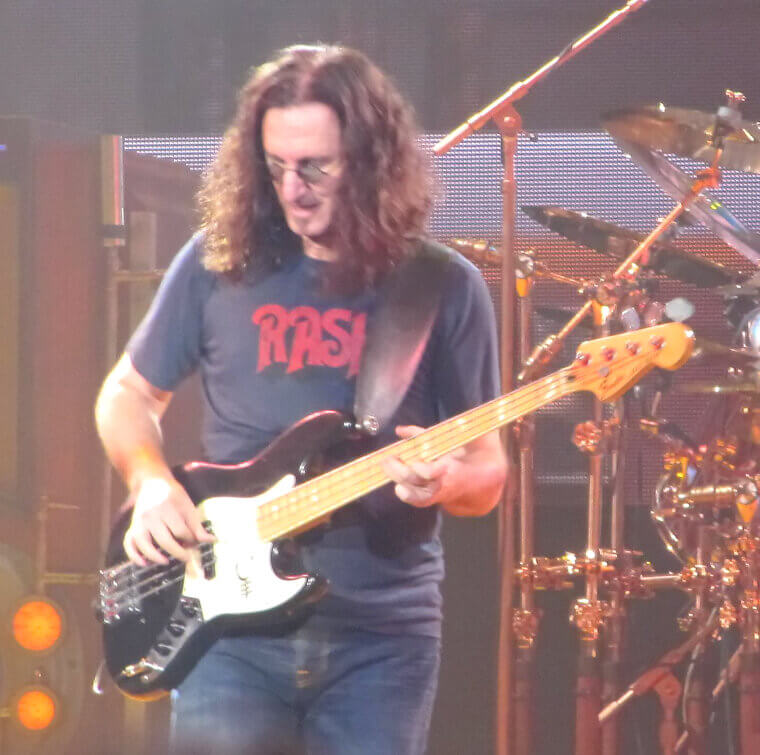
He reportedly practiced for hours daily to maintain his remarkable stamina during long global tours. His lifelong dedication to musical excellence continues to inspire generations of aspiring progressive performers worldwide.
Paul McCartney (The Beatles) - The Ultimate Melodic Architect Who Reshaped Rhythm and Songwriting
Paul McCartney shifted the paradigm of pop music by crafting basslines that served as memorable counter-melodies to lead vocals. Instead of merely following the root notes of chords, he wove intricate musical tapestries that gave classic songs their distinctive bounce and charm. His use of a violin-shaped bass contributed to a warm, round sound that became a signature element of his band's early studio recordings. Fellow musicians allegedly marveled at his ability to sing lead parts while executing complex rhythmic patterns flawlessly.
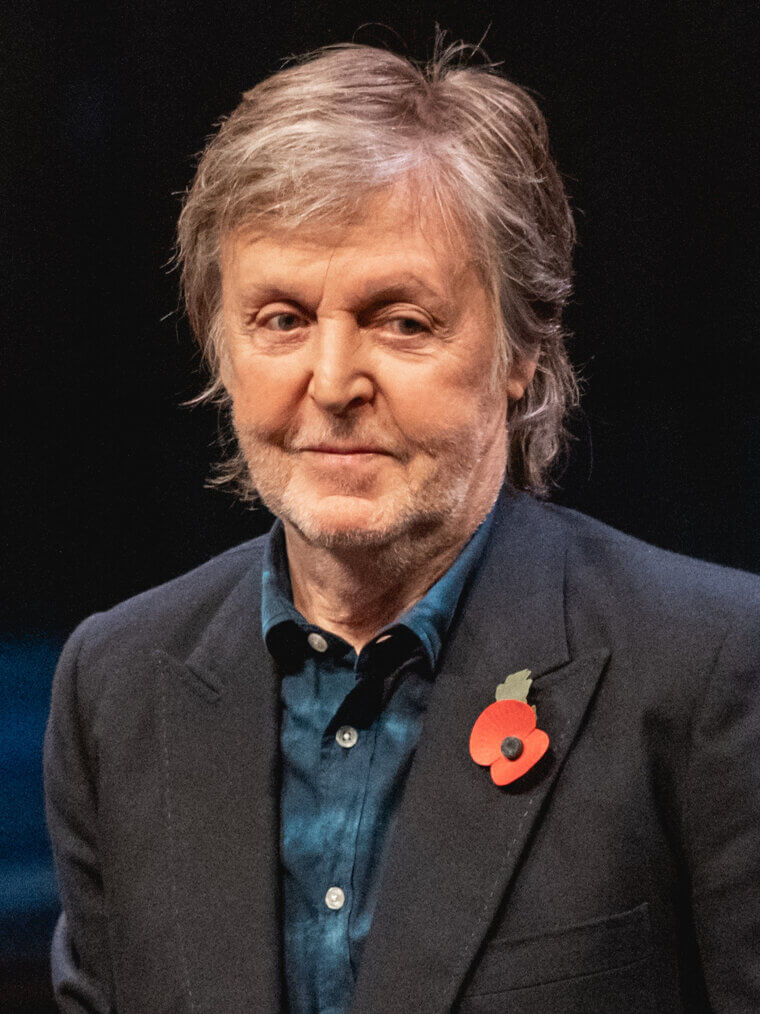
His intuitive understanding of harmony allowed him to elevate simple chord progressions into timeless artistic masterpieces. Millions of fans still cherish his unparalleled contributions to modern music.
John Paul Jones (Led Zeppelin) - The Classically Trained Groove Engine Beneath Heavy Blues Architecture
John Paul Jones provided the essential groove that anchored the heavy blues architecture of his legendary band. His classical training allowed him to introduce sophisticated musical arrangements into hard rock settings. He wove intricate, funky basslines that perfectly complemented the bombastic drumming and soaring guitar solos. Audiences reportedly marveled at his quiet demeanor while delivering earth-shattering low-end frequencies on stage. His versatile playing style seamlessly bridged the gap between thunderous rock and soulful rhythm.
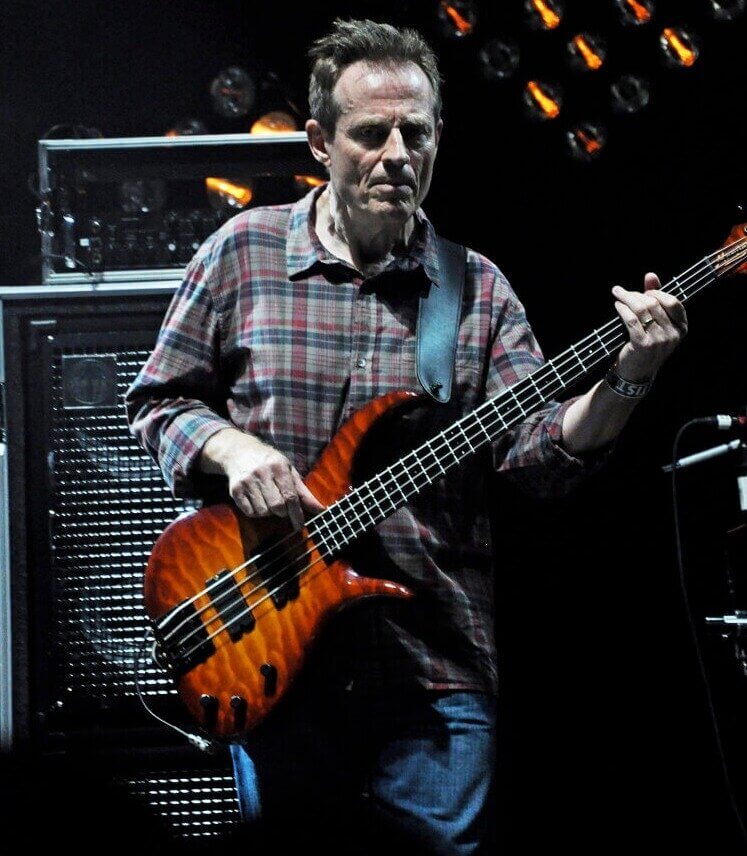
He played a pivotal role in shaping the iconic sound of 1970s hard rock. Modern musicians continually study his isolated tracks to understand his masterful sense of timing and space.
Flea (Red Hot Chili Peppers) - The Energetic Pioneer of Punk-Infused Slap Bass
Flea fused the aggressive energy of punk rock with the rhythmic complexity of funk to create an instantly recognizable signature sound. His frantic slapping technique brought a fresh dynamic to alternative rock during its formative years. He treated the bass as a percussive weapon, delivering rapid-fire notes that drove the band's energetic performances. Concertgoers reportedly felt the physical impact of his thunderous grooves bouncing off stadium walls. His unique approach helped bring funk elements to a mainstream rock audience.
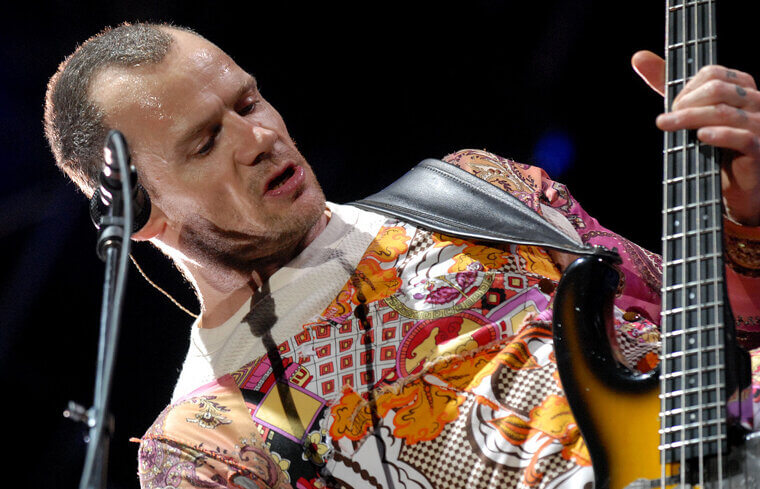
He remains a highly influential figure for aspiring players seeking to combine speed with melodic sensibility. His memorable riffs continue to define the landscape of modern alternative music.
Jack Bruce (Cream) - The Jazz-Influenced Innovator of Heavy Blues Counter-Melodies
Jack Bruce introduced a new level of jazz improvisation to the burgeoning heavy blues-rock scene of the late 1960s. He matched the intensity of his bandmates note for note, creating a swirling trio dynamic that forever altered rock music. His driving counter-melodies pushed the boundaries of what a bassist could achieve within a standard blues format. Critics reportedly praised his ability to weave complex vocal harmonies while navigating intricate fretboard patterns. He demonstrated that the bass could be just as expressive as a lead guitar.
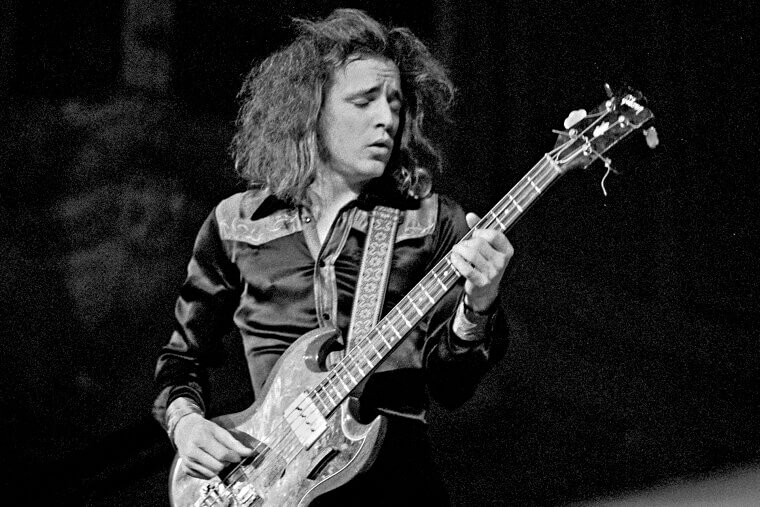
His pioneering work laid the crucial groundwork for future generations of progressive musicians. The enduring power of his legendary studio sessions still captivates listeners around the globe.
Chris Squire (Yes) - The Punchy Melodic Anchor of Progressive Rock Artistry
Chris Squire defined the bright, punchy sound of progressive rock using his trademark modified bass guitar. His aggressive picking style and liberal use of effects created a massive tone that became the melodic anchor for his band's complex compositions. He routinely stepped out of the traditional rhythm role to deliver soaring lead lines that intertwined with majestic keyboards. Bandmates reportedly relied on his impeccable sense of timing to navigate shifting time signatures and intricate song structures. His commanding stage presence made him a fan favorite.
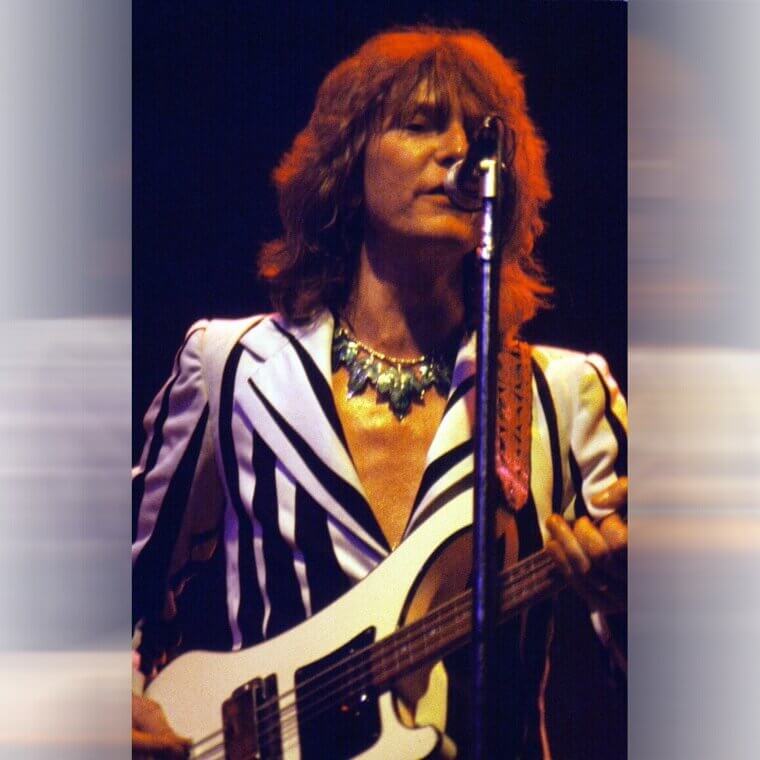
He set a new standard for technical proficiency within the progressive music community. His distinct sonic fingerprint remains one of the most recognizable in rock history.
Cliff Burton (Metallica) - The Classical Visionary Who Brought Lead Guitar Mentality to Thrash
Cliff Burton injected classical phrasing and a fierce lead-guitar mentality into the aggressive world of thrash metal. He utilized heavy distortion and wah-wah pedals to create a roaring tone that completely defied traditional expectations for the instrument. His intricate solos and rapid finger-picking added a layer of profound musicality to the band's blistering tempos. Fans reportedly stood mesmerized as he executed sweeping arpeggios that sounded more like a symphony than a heavy metal concert. His fearless experimentation pushed the genre into uncharted creative territories.
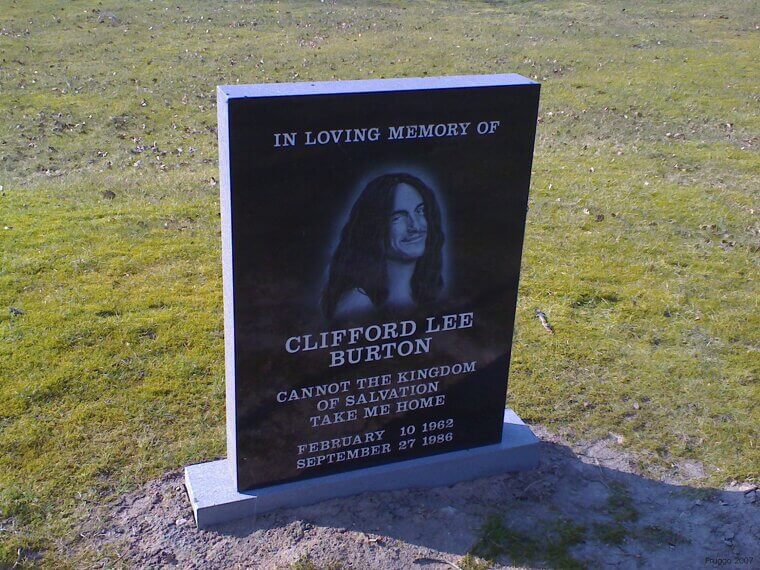
His tragic early passing cemented his status as a legendary icon in the heavy music scene. Countless modern metal players cite his visionary approach as their primary inspiration.
Geezer Butler (Black Sabbath) - The Architect of Doom-Laden Heavy Metal Basslines
Geezer Butler established the dark, doom-laden sonic template that would define heavy metal for decades to come. He tuned his instrument down to match the sludgy, ominous riffs of his guitarist, creating a massive wall of sound. His jazz-influenced fingerstyle playing allowed him to weave surprisingly nimble runs beneath the crushing weight of the music. Listeners reportedly felt a sense of impending dread when his thunderous introductory notes echoed through concert halls. His lyrical contributions also helped shape the band's distinctive occult-themed aesthetic.
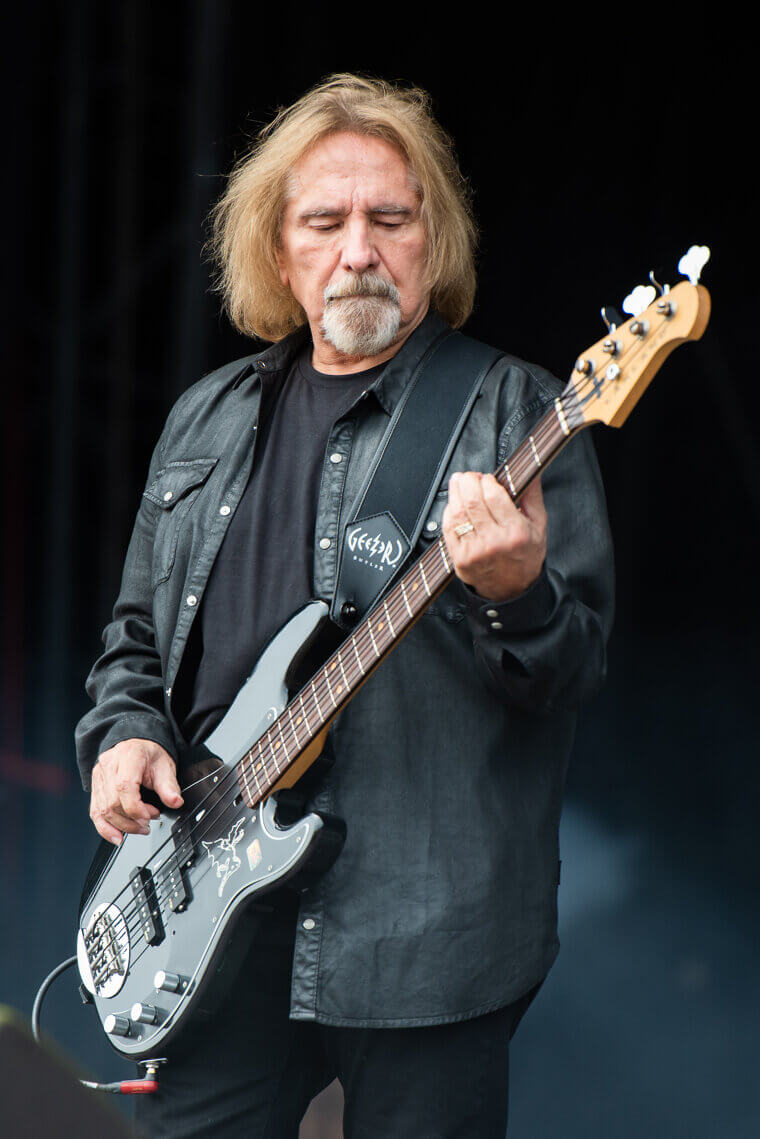
He remains the undisputed godfather of heavy metal bass playing across the globe. His iconic swinging grooves continue to influence new generations of hard rock performers.
Les Claypool (Primus) - The Eccentric Innovator Pushing Alternative Rock Boundaries
Les Claypool expanded the avant-garde boundaries of alternative rock with his wildly eccentric slap-and-tap technique. He transformed the bass into a strange, percussive lead instrument that dominated the sonic landscape of his quirky trio. His cartoonish vocals and peculiar stage antics provided a stark contrast to his undeniable technical virtuosity. Audiences reportedly stared in disbelief as his hands danced furiously across the neck of his multi-stringed instruments. He proved that complex, challenging musicianship could still achieve massive commercial success on mainstream radio and television.
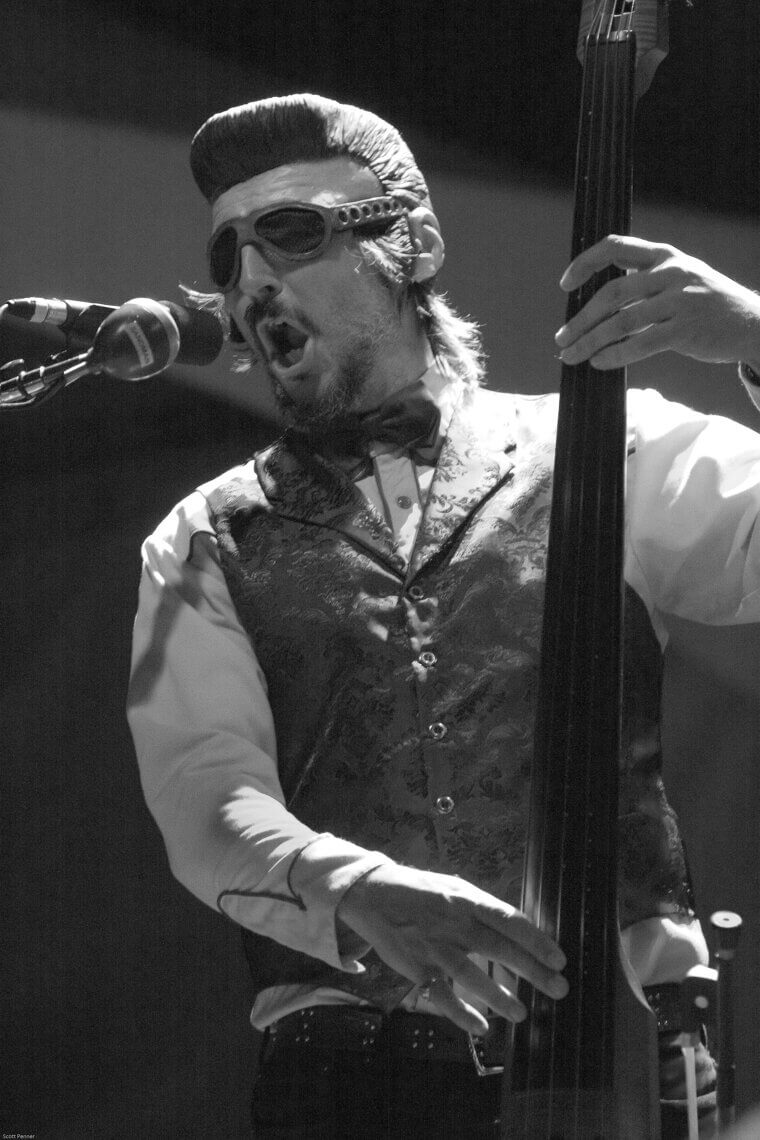
His wholly original approach defies easy categorization within any single musical genre. He stands alone as a singular creative force in the modern rock pantheon.
John Deacon (Queen) - The Unassuming Mastermind Behind Iconic Commercial Grooves
John Deacon penned and anchored some of the most commercially successful and recognizable basslines in rock history. His flawless ability to blend pop sensibilities with hard rock energy gave his band a distinct rhythmic advantage. He favored a smooth, precise fingerstyle technique that locked in perfectly with the theatrical drumming and soaring vocal harmonies. Industry insiders reportedly admired his quiet professionalism amid the flamboyant chaos of his famous bandmates. His iconic riff on "Another One Bites the Dust" remains a masterclass in minimalist funk-rock.
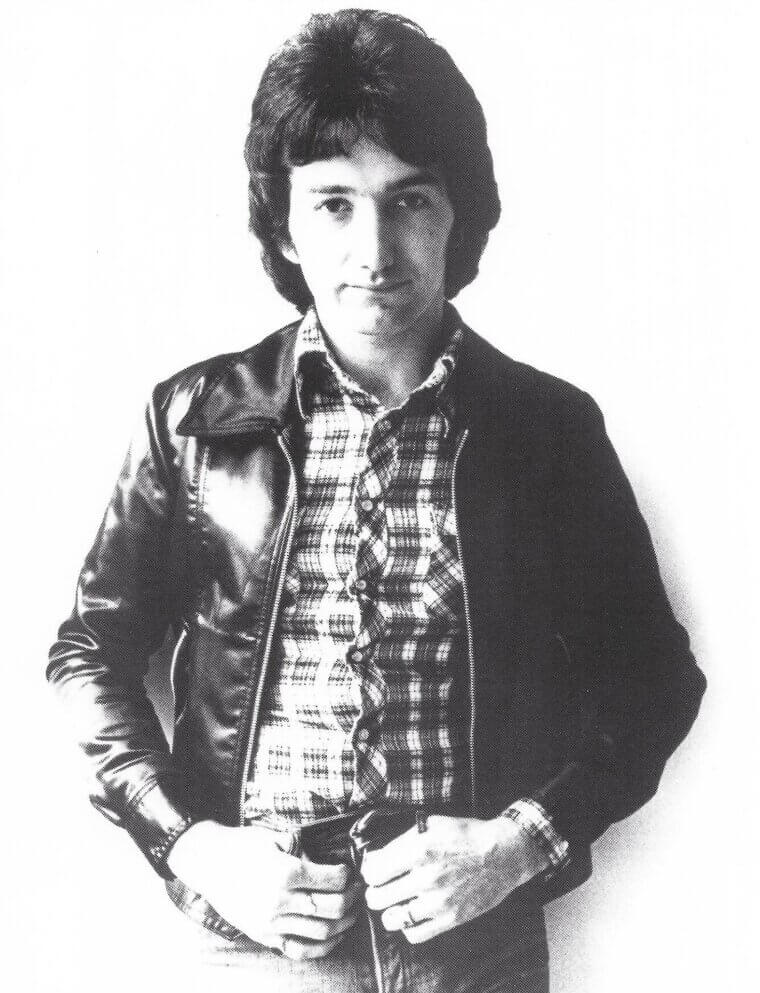
He provided the essential foundation that allowed the group to explore diverse musical styles. His legendary studio contributions will continue to pack dance floors for generations.
Steve Harris (Iron Maiden) - The Galloping Rhythmic Engine of Heavy Metal
Steve Harris drove the sound of heavy metal's biggest band with his signature galloping rhythm and relentless right-hand technique. His percussive, clanking tone became the definitive pulse of the new wave of British heavy metal. As the primary songwriter, he structured epic, soaring compositions around his driving basslines. Fans reportedly marveled at his ability to sprint across massive stages while maintaining flawless precision at breakneck speeds. His unwavering dedication to the genre helped build a global empire of fiercely loyal followers.
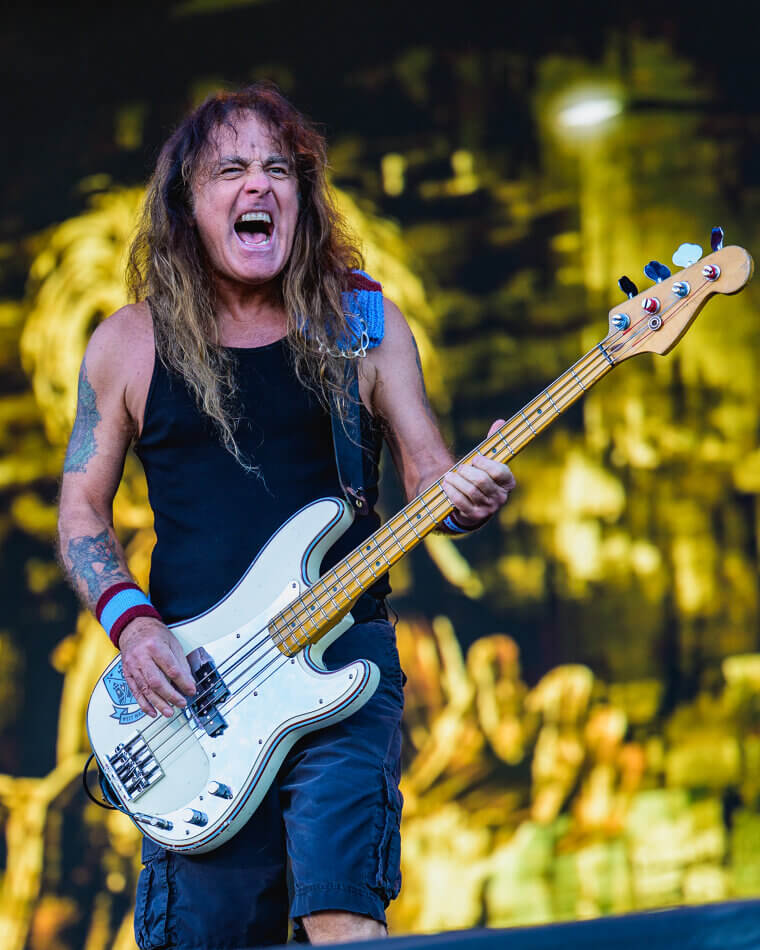
He transformed the bass into a commanding frontline instrument that demands immediate attention. His unique playing style remains a required study for any aspiring metal musician.
Lemmy Kilmister (Motörhead) - The Bone-Rattling Pioneer of Overdriven Rhythm Bass
Lemmy Kilmister played his bass like a rhythm guitar, utilizing bone-rattling distortion to create a furious wall of sound. His aggressive strumming technique and heavy use of power chords completely disregarded traditional low-end playing methods. He cranked his amplifiers to maximum volume, delivering a gritty, mid-range growl that defined the crossover between punk and metal. Concert attendees reportedly felt the sheer physical force of his colossal rig shaking the floorboards beneath their feet. His unwavering commitment to playing fast and loud made him an enduring cultural icon.
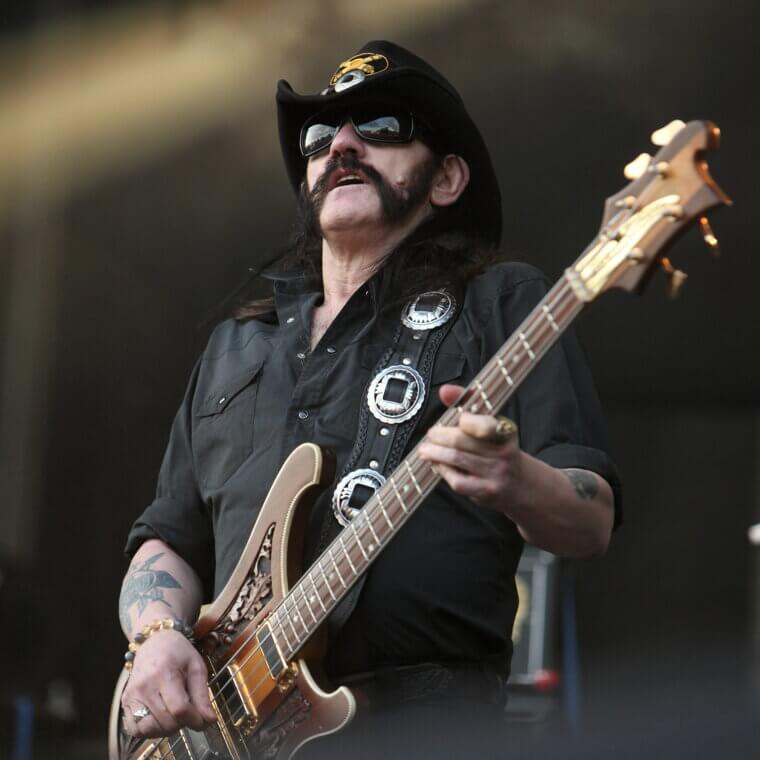
He embodied the rebellious spirit of rock and roll more than any other figure. His distinctive sonic assault remains unmatched in the annals of heavy music.
Phil Lynott (Thin Lizzy) - The Expressive Melodic Guide of the Twin-Guitar Attack
Phil Lynott utilized a warm, deeply expressive tone to guide the harmonized twin-guitar attack of his legendary band. His rhythmic intuition allowed him to craft rolling, melodic lines that elevated the storytelling aspect of his songwriting. He often played with a heavy plectrum attack, giving his notes a distinct punch that cut through the dual guitar solos. Contemporaries reportedly praised his charismatic stage presence and effortless ability to lock in with the drum grooves. His poetic lyrics were always perfectly supported by his fluid musicianship.
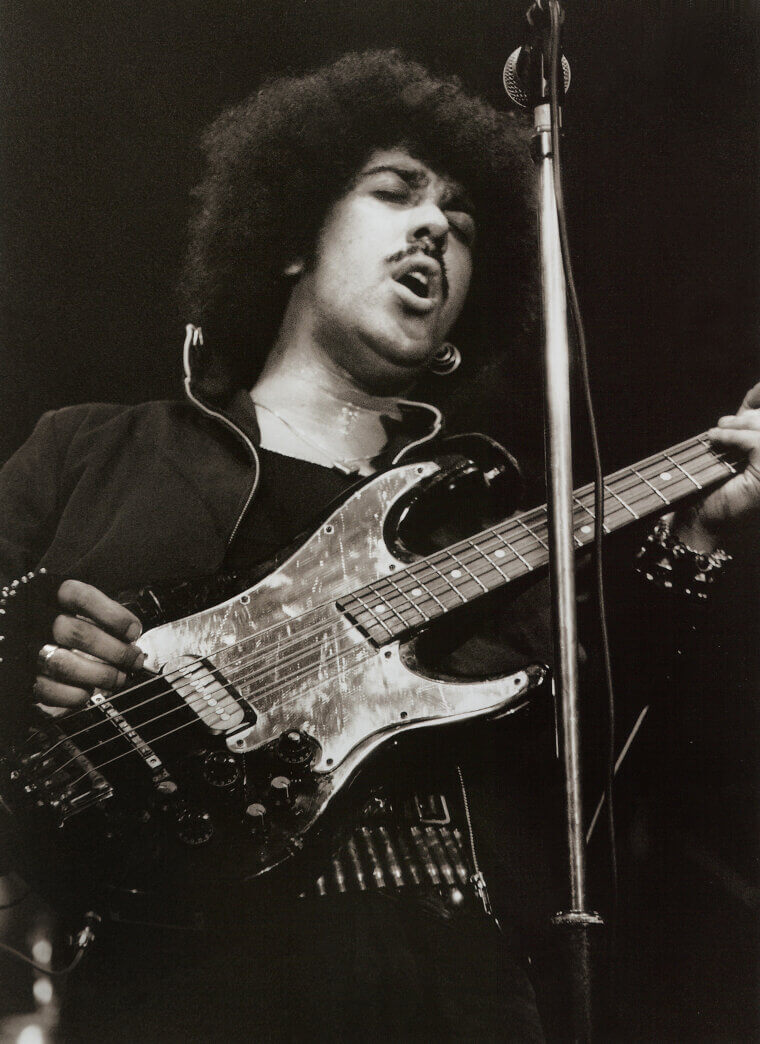
He remains a beloved figure whose romanticized vision of rock music inspired countless followers. His soulful playing continues to resonate deeply with fans around the world.
Sting (The Police) - The Master of Space and Reggae-Infused Pop Rhythms
Sting mastered the delicate use of space and syncopation to drive the sparse sound of his famous rock trio. He seamlessly integrated reggae rhythms and jazz phrasing into high-energy pop songs, creating a sophisticated new template for modern music. His smooth, rolling basslines provided a steady foundation beneath the band's shimmering guitar textures and complex drumming. Studio engineers reportedly admired his meticulous attention to tonal clarity during grueling recording sessions. His ability to sing challenging vocal melodies while playing intricate syncopated patterns remains a towering achievement.
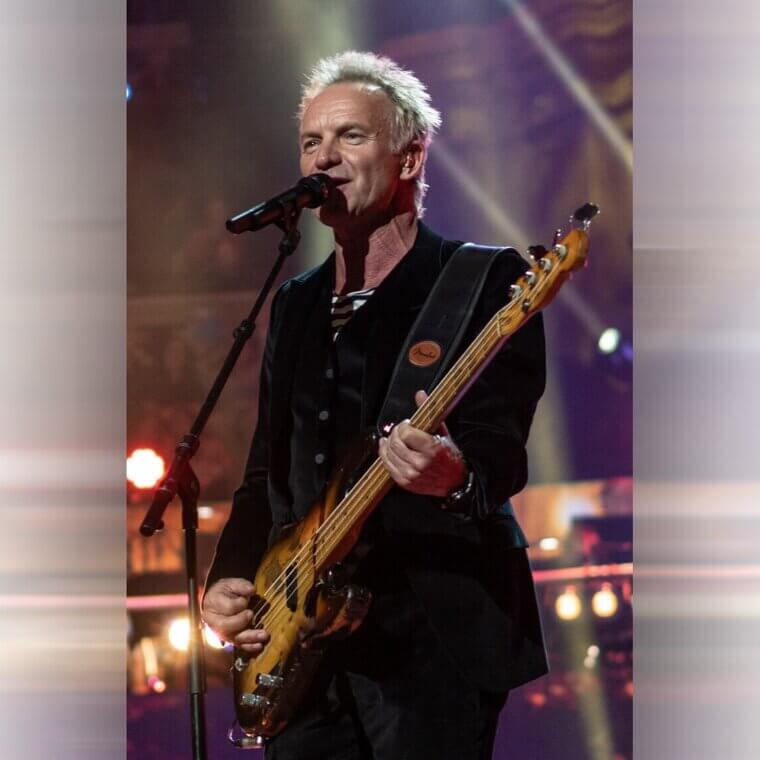
He proved that rhythmic restraint can often be more powerful than playing numerous notes. His intelligent approach to the instrument influenced a vast array of modern pop artists.
Phil Lesh (Grateful Dead) - The Exploratory Architect of Jam Band Improvisation
Phil Lesh transformed his early classical training into a visionary approach to improvisational jam band basslines. He actively avoided traditional root-note playing, opting instead to weave exploratory melodic counterpoints throughout massive, sprawling live jams. His unique customized instruments delivered a clean, articulate tone that allowed every note to ring clearly through the mix. Devoted followers reportedly traveled thousands of miles to hear his spontaneous musical conversations unfold on stage. His fearless willingness to take musical risks helped define the psychedelic concert experience.
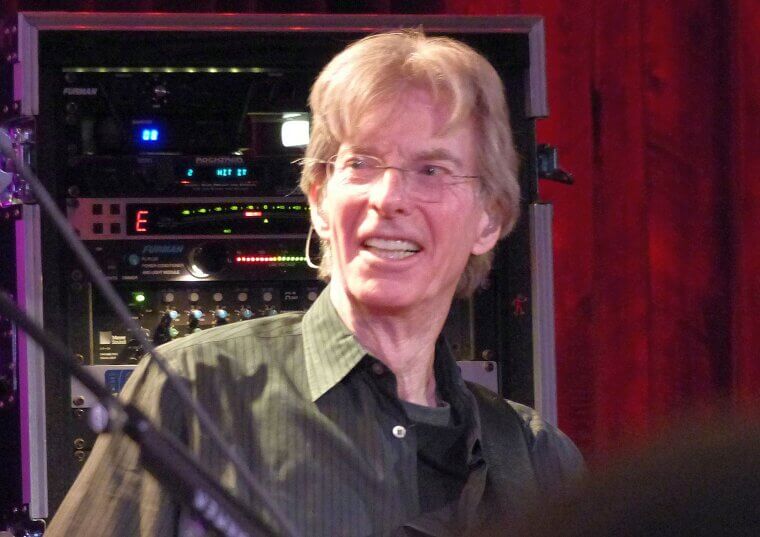
He expanded the vocabulary of the bass guitar by treating it as an equal conversational partner. His legacy rests firmly on his unparalleled dedication to musical freedom.
Billy Sheehan (Mr. Big) - The Shred-Bass Virtuoso of Two-Handed Tapping
Billy Sheehan introduced a staggering level of technical virtuosity to hard rock, earning him a reputation as a shred-bass pioneer. His mastery of chording, two-handed tapping, and rapid-fire scaling pushed the physical limits of what the instrument could do. He utilized a unique dual-output bass that allowed him to separate his low-end frequencies from his distorted high notes. Fellow musicians reportedly watched in disbelief as he matched the fastest guitar solos note for note during spectacular live duels. His energetic performances brought a new level of showmanship to the bass.
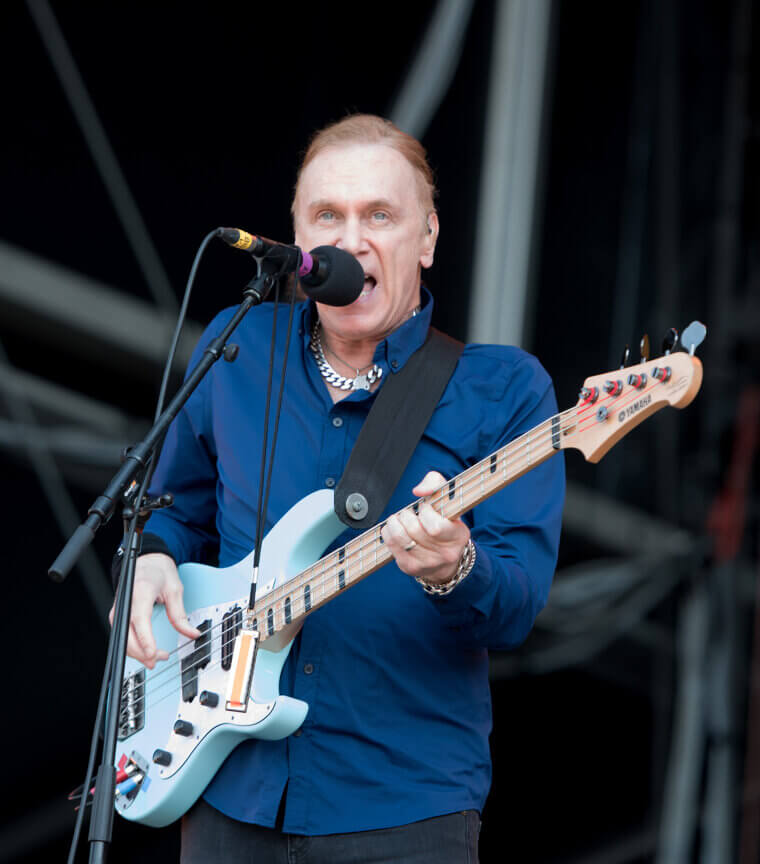
He inspired an entire generation of players to explore advanced techniques and relentless speed. His jaw-dropping solos remain a highlight of any concert he participates in.
Tony Levin (King Crimson) - The Groove Master Who Pioneered the Chapman Stick
Tony Levin expanded the sonic possibilities of progressive rock through his pioneering use of the Chapman Stick and various synthesizers. He invented "funk fingers"—small drumsticks attached to his fingers—to create a uniquely percussive, snapping tone. His deep, locking grooves provided a sturdy foundation for some of the most complex, cerebral music of the era. Producers reportedly sought out his impeccable session skills to add sophisticated rhythmic depth to platinum-selling pop albums. His bald head and stoic stage presence made him an instantly recognizable visual icon.
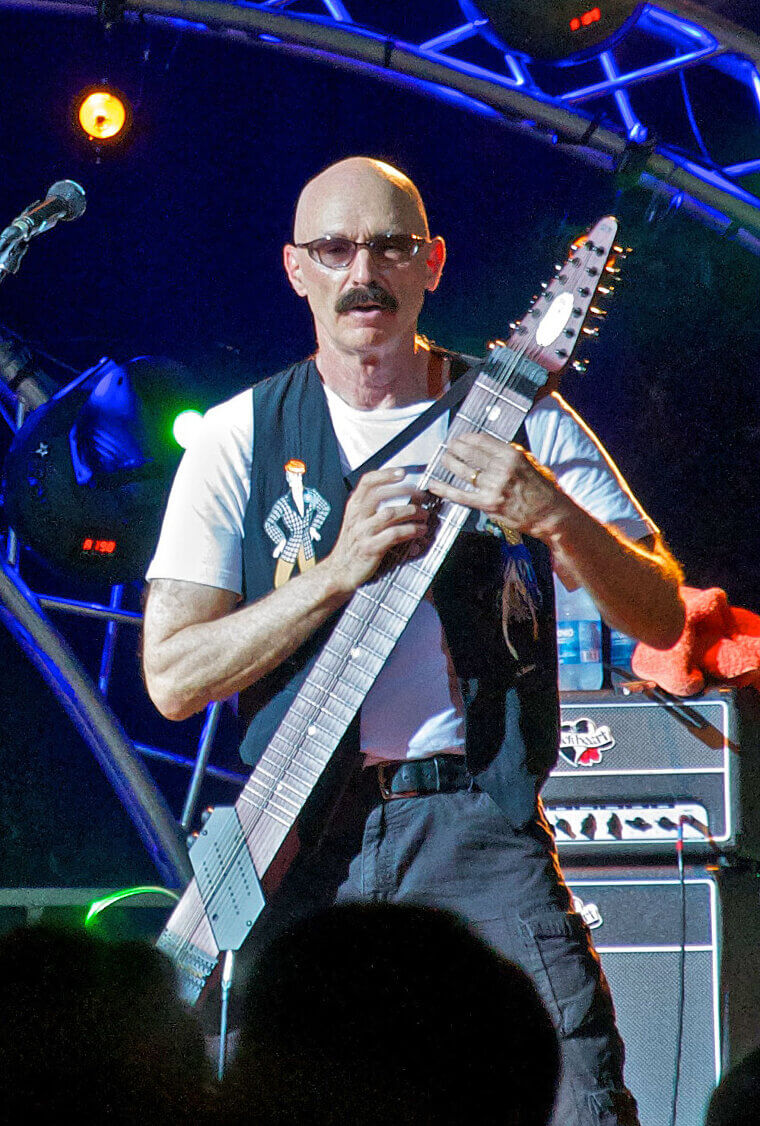
He effortlessly blurred the lines between experimental art rock and mainstream pop sensibilities. His expansive body of work showcases a musician who constantly seeks new creative horizons.
Justin Chancellor (Tool) - The Foundation of Effect-Heavy Progressive Metal
Justin Chancellor serves as the atmospheric foundation for modern progressive metal, known for his heavily effected and rhythmically complex riffs. He utilizes a vast array of pedals to create swirling, hypnotic tones that often mimic the sound of a rhythm guitar. His precise picking technique locks perfectly with the band's tribal, shifting drum patterns to create a monolithic wall of sound. Fans reportedly spend hours analyzing the odd time signatures and mathematical precision of his mesmerizing compositions. His playing provides a crucial melodic anchor amid the band's dense sonic landscapes.
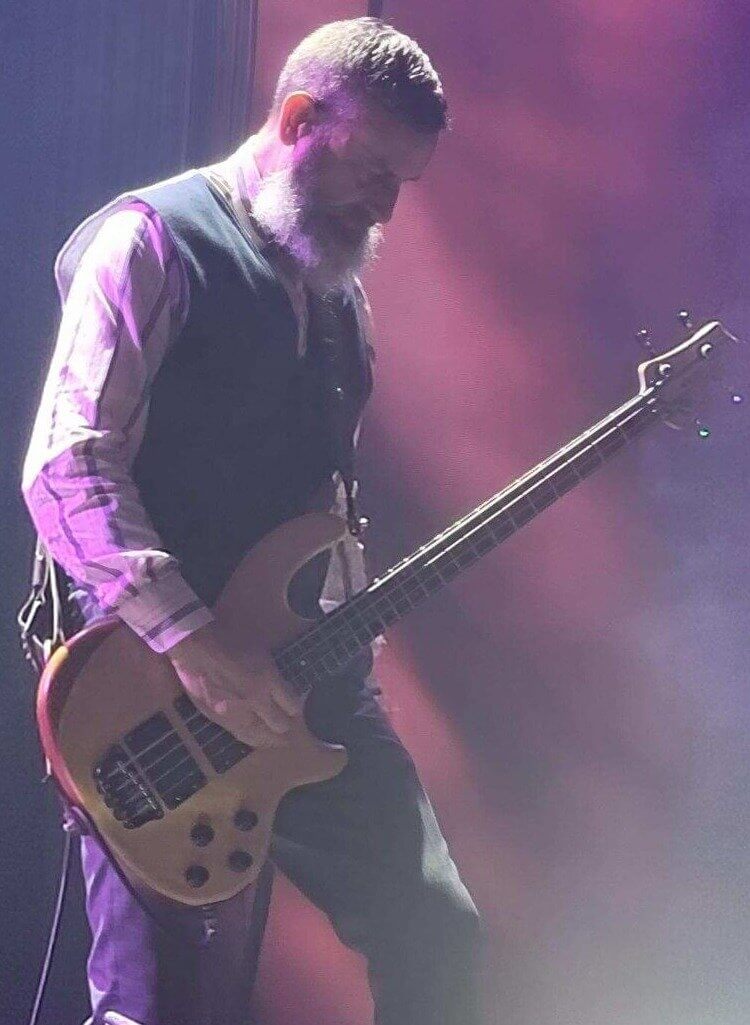
He proved that the bass can be the primary driving force in a modern heavy rock ensemble. His distinctive gritty tone is highly sought after by contemporary studio engineers.
Roger Waters (Pink Floyd) - The Conceptual Genius Re-defining Atmospheric Rock
Roger Waters redefined concept-rock playing by utilizing simple, atmospheric basslines that perfectly served the overarching narrative of his albums. While not a technical shredder, his compositional genius allowed him to create moody, memorable grooves that anchored sprawling psychedelic epics. He utilized flatwound strings and a muted picking technique to achieve a warm, thumping tone that sat perfectly in the studio mix. Audiences reportedly felt a deep emotional connection to the heartbeat-like rhythms he pulsed out during massive stadium spectacles. His focus on thematic storytelling elevated rock music to high art.
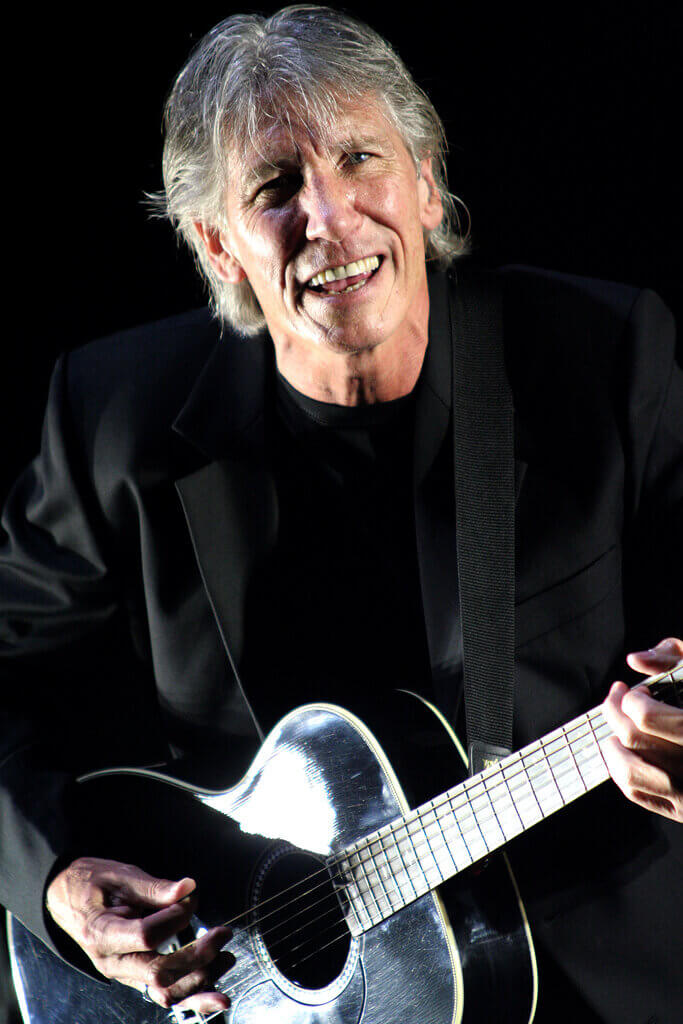
He demonstrated that the space between the notes is often as important as the notes themselves. His legendary concept albums remain essential listening for any serious music fan.
Mike Dirnt (Green Day) - The Walking Punk-Rock Engine of the 90s Mainstream
Mike Dirnt crafted the iconic, walking basslines that helped drive 1990s pop-punk out of underground clubs and into the mainstream. His aggressive, treble-heavy picking style cut fiercely through a wall of distorted guitars to deliver unforgettable melodic hooks. He played with a relentless energy that gave the band's three-chord anthems a surprising amount of musical depth and forward momentum. Fellow punk musicians reportedly admired his ability to write intricate parts that were still incredibly catchy and fun to play. His steady rhythm work anchored the trio during their explosive rise to global fame.
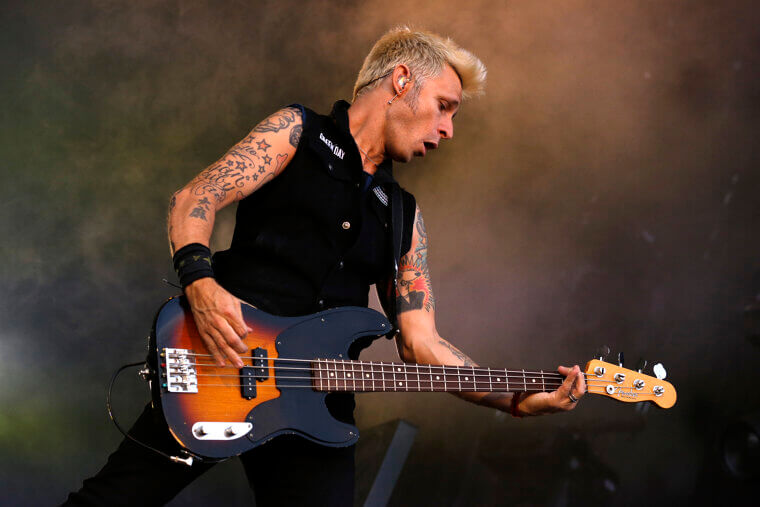
He remains a crucial figure in the popularization of modern punk rock. His energetic stage presence continues to captivate massive festival crowds around the world.
Tim Commerford (Rage Against the Machine) - The Aggressive Jazz-Funk Anchor of Rap-Metal
Tim Commerford anchored the explosive rap-metal genre with locking, aggressive grooves deeply rooted in jazz and funk traditions. He utilized heavy distortion and wah pedals to craft menacing, syncopated riffs that perfectly matched the political fury of his band's vocalist. His incredibly tight rhythmic interplay with the drummer created an unstoppable, bouncing pocket that forced crowds to move. Studio technicians reportedly marveled at the sheer physical power of his custom-built amplifier rigs. His muscular playing style provided the necessary weight to support massive, stadium-shaking guitar riffs.
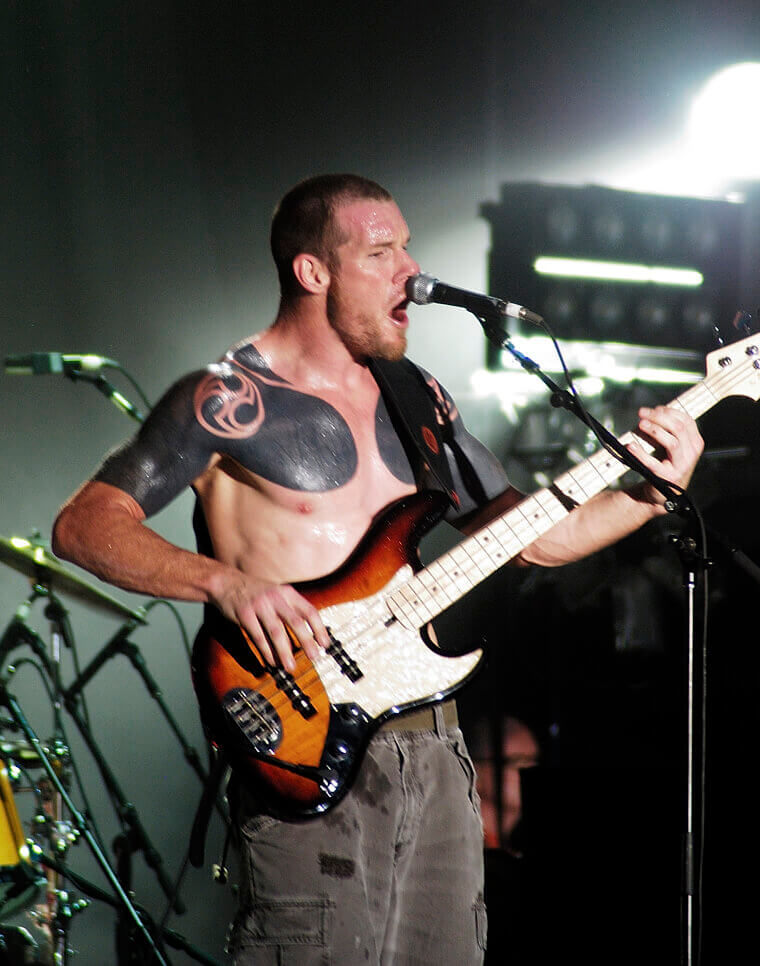
He proved that heavy music could retain a deeply funky, danceable core. His towering bass tone remains a gold standard for aggressive modern rock production.
Duff McKagan (Guns N' Roses) - The Chorus-Heavy Punk Ethos of Stadium Hard Rock
Duff McKagan infused the glitz of stadium hard rock with a sharp, gritty punk rock ethos that gave his band a dangerous edge. He favored a bright, chorus-drenched tone played with a heavy pick attack, creating a swirling low-end that filled the arenas. His melodic, walking basslines provided a crucial counterpoint to the chaotic, blues-based guitar solos and soaring vocals. Critics reportedly noted how his steady, driving eighth-notes kept the band grounded during their most notoriously unpredictable live performances. His background in the underground punk scene heavily influenced his straightforward, no-nonsense playing style.
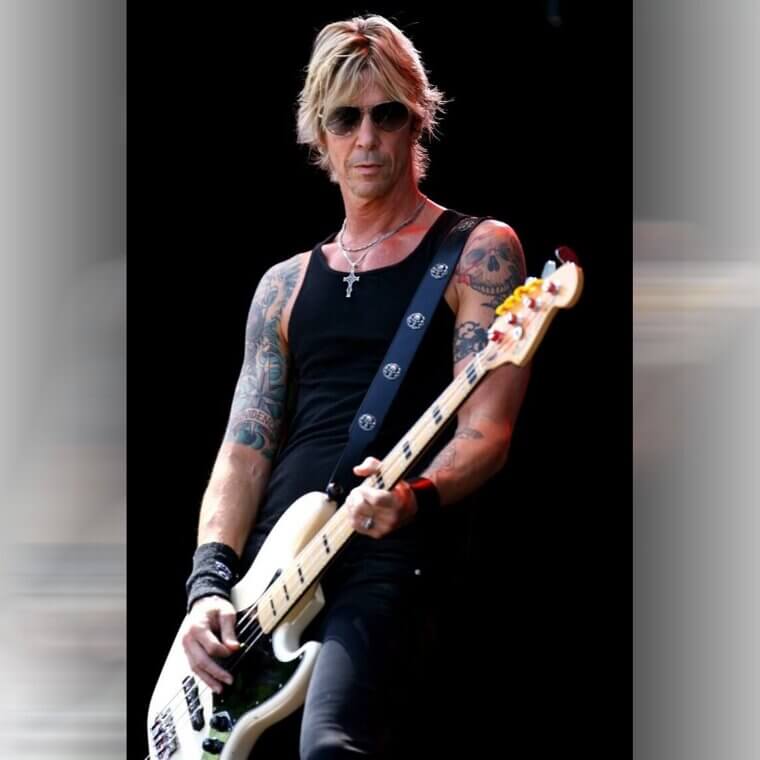
He remains a quintessential figure in the late 1980s hard rock explosion. His enduring rock-solid grooves continue to power massive global reunion tours.
Rex Brown (Pantera) - The Unsung Hero of Devastatingly Heavy Groove Metal
Rex Brown served as the unsung hero who maintained a devastatingly heavy low-end beneath some of metal's most iconic guitar solos. He utilized a percussive, clanking tone that perfectly matched the aggressive, southern-fried swing of his legendary band. His ability to effortlessly follow complex, syncopated rhythm patterns ensured the music never lost its crushing momentum. Fans reportedly appreciated his stoic reliability while the rest of the band unleashed pure sonic chaos on stage. His tight lock with the kick drum created the quintessential "groove metal" pocket.
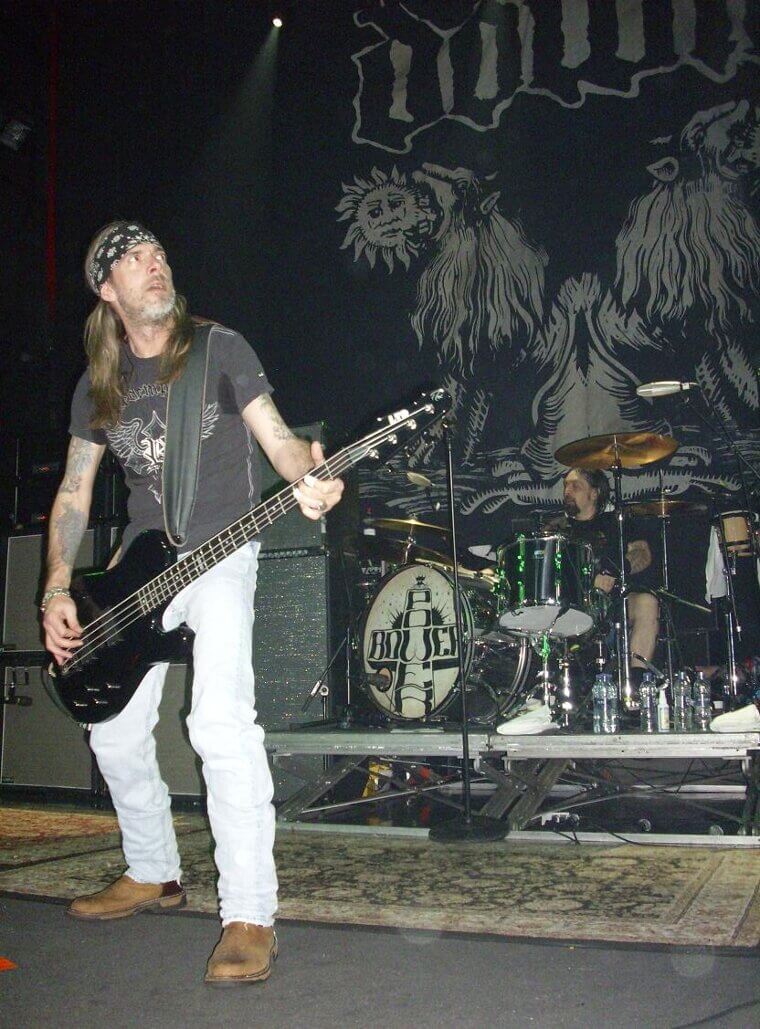
He laid the blueprint for modern heavy metal rhythm sections. His thunderous contributions remain essential to understanding the evolution of 1990s aggressive music.
Krist Novoselic (Nirvana) - The Melodic Undercurrent Defining the Grunge Movement
Krist Novoselic provided the melodic, heavy undercurrent that fundamentally defined the sound of the 1990s grunge movement. He often tuned his instrument down to create a sludgy, massive tone that filled the space left by a single guitar. His deceptively simple, bouncy basslines offered a catchy pop sensibility beneath a layer of abrasive distortion and angst-ridden vocals. Listeners reportedly felt the raw emotional power of his playing during the band's legendary, chaotic live television appearances. His towering physical presence and low-slung instrument became iconic visual staples of the era.
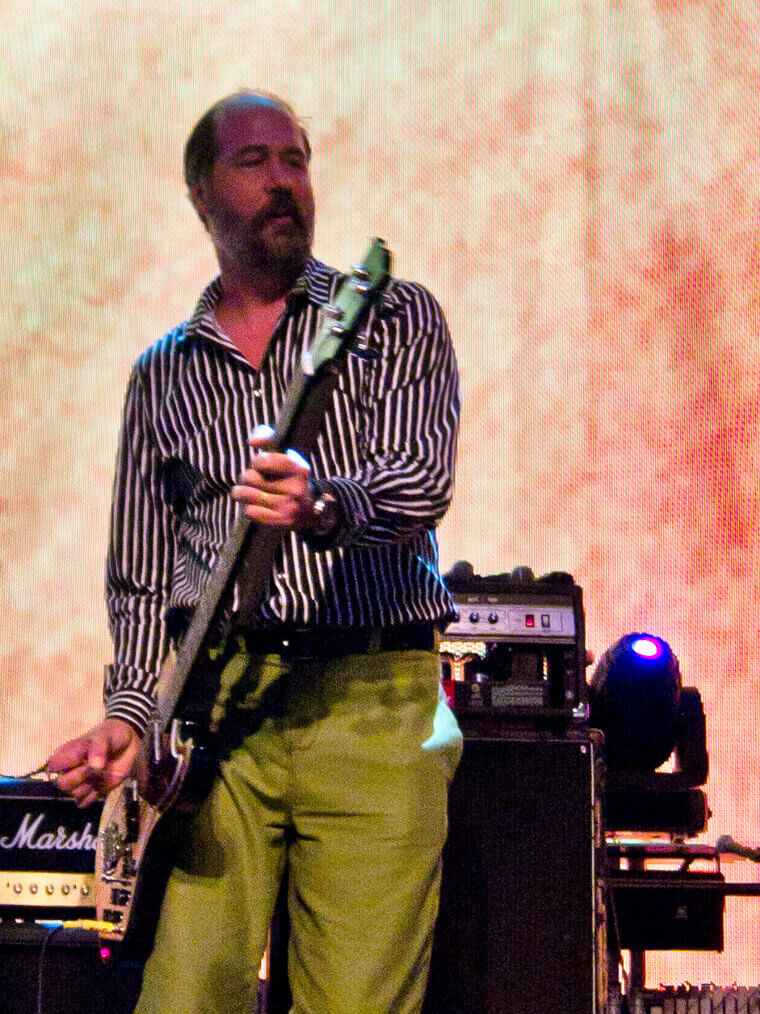
He helped bridge the gap between underground punk aesthetics and massive commercial success. His memorable riffs remain cultural touchstones for an entire generation of music fans.
Kim Deal (Pixies) - The Driving Minimalist Cornerstone of 90s Indie Rock
Kim Deal created driving, minimalist basslines that quickly became the foundational cornerstone of the 1990s alternative indie rock explosion. She favored a clean, punchy tone played with a heavy pick, locking perfectly into hypnotic, repetitive grooves. Her unassuming, straightforward playing style provided the crucial anchor for the band's groundbreaking loud-quiet-loud dynamic shifts. Fellow musicians reportedly cited her infectious melodies as a primary influence when forming their own alternative rock bands. Her effortless cool and breathy vocal harmonies added a unique, captivating texture to the music.
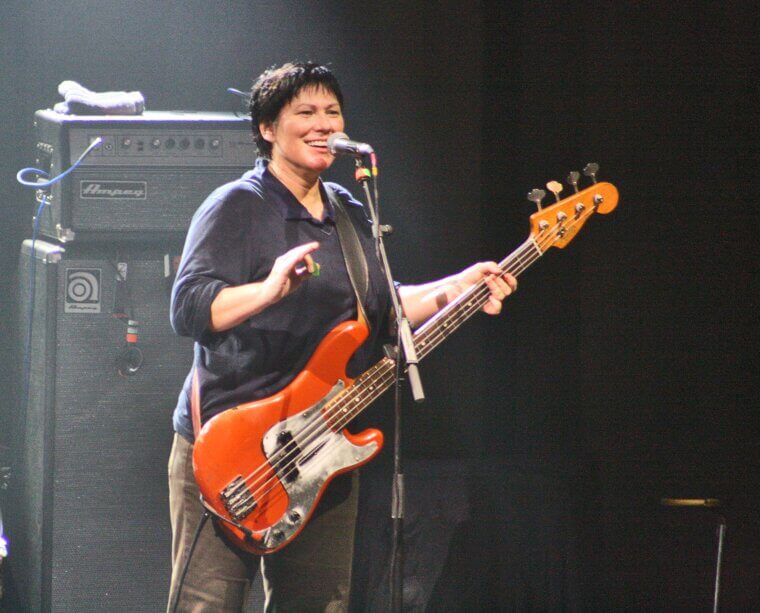
She proved that technical flash is never a requirement for writing legendary, influential music. Her iconic riffs continue to echo through modern indie rock playlists.
Paul Simonon (The Clash) - The Reggae-Infused Heart of British Punk Rock
Paul Simonon brought the swaying rhythms of reggae and ska directly into the aggressive heart of British punk rock. He initially learned to play by painting notes on the neck of his instrument, resulting in a wholly unique, intuitive style. His heavy, dub-inspired basslines provided a surprisingly danceable foundation beneath chaotic political anthems and slashing guitars. Photographers reportedly captured his raw intensity in what became one of the most famous album covers in rock history. His impeccable fashion sense and undeniable charisma made him the ultimate punk rock icon.
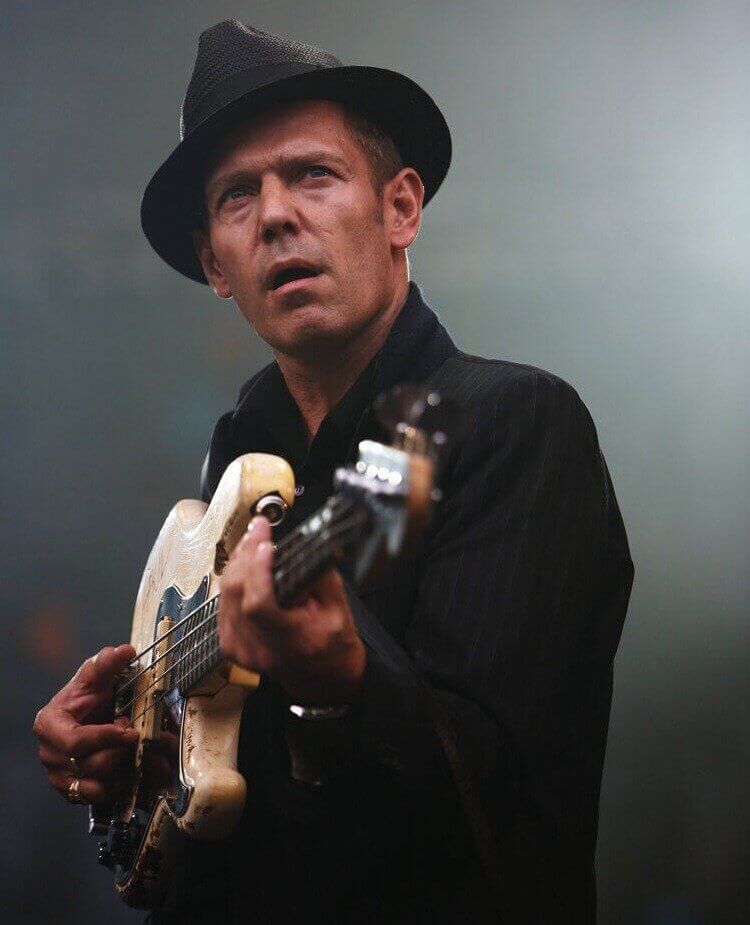
He expanded the musical vocabulary of the punk movement beyond rapid-fire three-chord songs. His culturally diverse musical approach remains a vital part of rock history.
David Ellefson (Megadeth) - The Precise Plectrum Speed of Thrash Metal History
David Ellefson utilized a precise, plectrum-driven picking technique to match some of the fastest, most complex riffs in thrash metal history. He crafted a bright, metallic tone that cut perfectly through a dense wall of heavily distorted, dual-rhythm guitars. His ability to execute lightning-fast string skipping and intricate time changes gave the band its signature surgical precision. Audiences reportedly marveled at his seemingly effortless stamina during grueling, fast-paced live concerts around the world. His steady rhythmic foundation allowed the lead guitars to soar into blazing, chaotic solos.
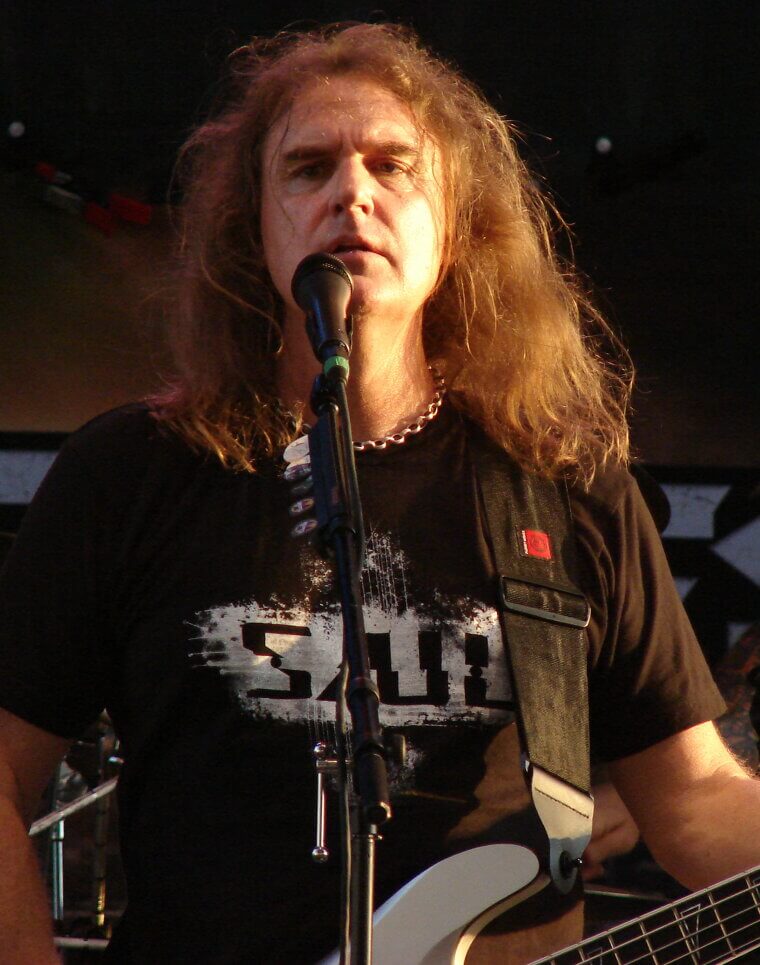
He remains a highly respected educator and ambassador for the heavy metal bass community. His disciplined approach to the instrument set a benchmark for extreme music.
Jack Casady (Jefferson Airplane) - The Fluid Improvisational Voice of Psychedelic Rock
Jack Casady brought a fluid, highly improvisational voice to the booming psychedelic rock scene of the late 1960s. He utilized heavily modified equipment to achieve a booming, articulate tone that drove the band's sprawling, drug-fueled concert jams. His background in traditional blues and jazz allowed him to weave complex, walking counter-melodies that constantly pushed the music forward. Critics reportedly praised his ability to turn the bass into a soaring lead instrument during monumental outdoor music festivals. His exploratory style became a defining characteristic of the San Francisco sound.
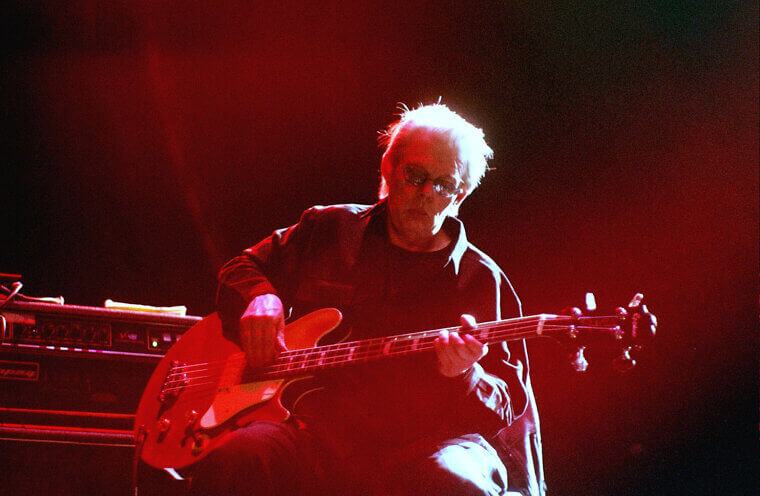
He continues to tour and inspire musicians with his unyielding dedication to musical exploration. His pioneering use of tone-shaping electronics remains highly influential today.
John Wetton (King Crimson) - The Powerful Blend of Rock Tone and Progressive Sophistication
John Wetton blended a massive, overdriven rock tone with a high level of intricate progressive musical sophistication. He attacked the strings with incredible ferocity, creating a gritty, roaring sound that perfectly suited his band's dark, improvisational explorations. His commanding, soulful singing voice provided a striking contrast to the aggressive, mathematically complex music he was playing. Studio engineers reportedly struggled to capture the sheer volume and power of his massive live amplification rigs. His versatile talent allowed him to transition seamlessly into massive stadium-rock success later in his career.
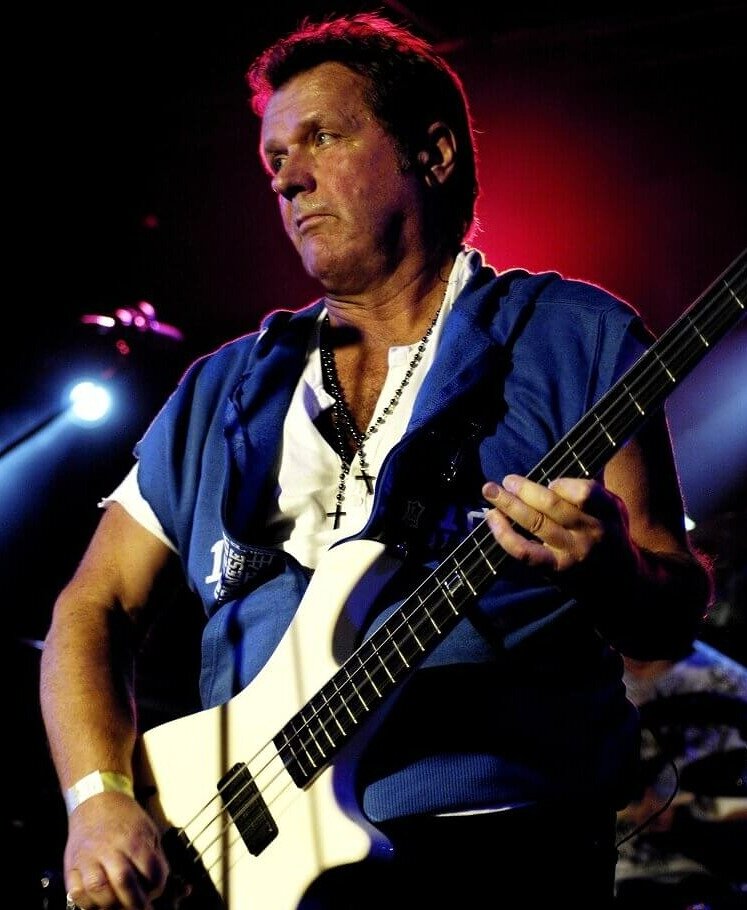
He left behind a remarkable catalog of beautifully complex and emotionally resonant music. His dynamic playing remains a touchstone for heavy progressive rock fans.
Bill Wyman (The Rolling Stones) - The Unassuming Pocket of Flawless Blues-Rock Feel
Bill Wyman held down the rhythmic pocket for decades, providing an unassuming but absolutely flawless blues-rock feel. He held his instrument in a unique vertical position, crafting understated, swinging grooves that allowed the guitars to weave their magic. His deep, thumping tone was the secret weapon that gave the world's greatest rock and roll band its undeniable danceable swing. Bandmates reportedly relied on his steady, metronomic timing to keep their famously loose and chaotic live shows from falling apart. His minimalist approach perfectly served the song every single time.
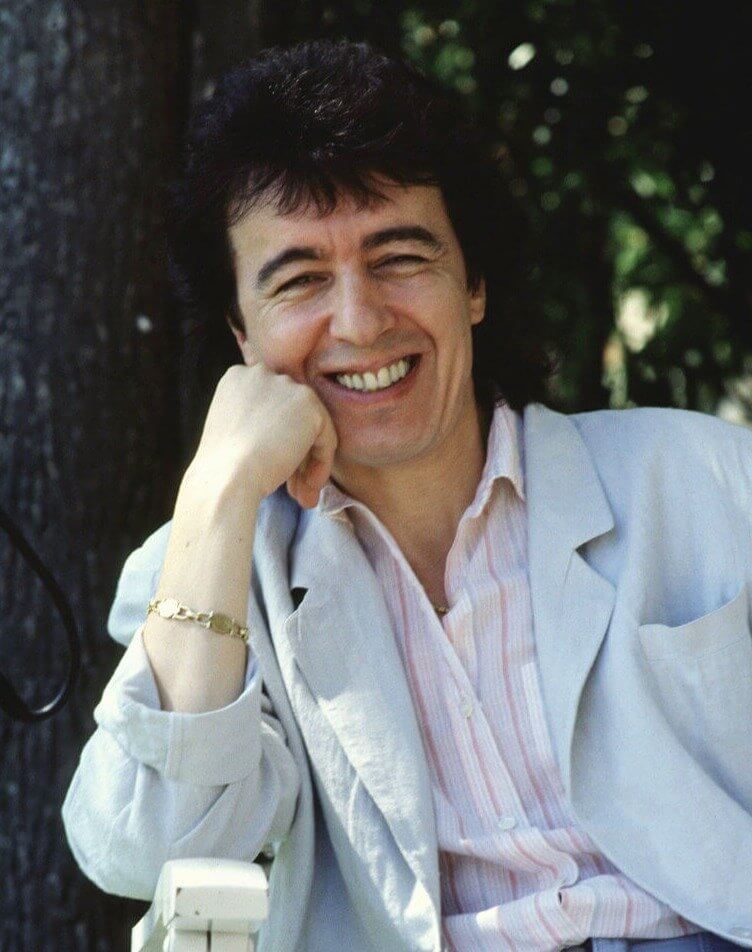
He proved that a great rock bassist does not need the spotlight to be essential. His legendary catalog of recorded work remains a masterclass in tasteful accompaniment.
Tina Weymouth (Talking Heads) - The Danceable Grooves Merging Art-Punk and Disco
Tina Weymouth merged the nervous energy of art-punk with the infectious rhythms of funk and disco to create an entirely new sound. She developed a highly syncopated, melodic playing style that served as the primary hook for many of her band's biggest hits. Her use of a short-scale bass contributed to a round, punchy tone that sat perfectly beneath layers of polyrhythmic percussion. Listeners reportedly found themselves compelled to dance as her bouncing grooves drove the cerebral, avant-garde music forward. Her pioneering work helped bridge the gap between downtown rock clubs and mainstream dance floors.
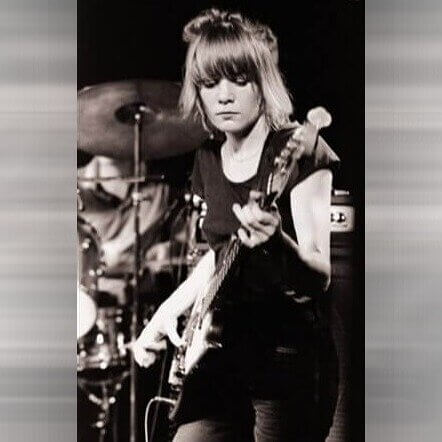
She remains an icon for female musicians and a monumental figure in new wave history. Her brilliantly simple riffs are still heavily sampled in modern pop music.
Cliff Williams (AC/DC) - The Epitome of Restraint Powering Rock's Hardest Anthems
Cliff Williams serves as the ultimate epitome of musical restraint, delivering metronomic, driving eighth notes that power legendary rock anthems. He purposefully avoids flashy fills or complex runs, focusing entirely on locking in with the hi-hat to create an immovable groove. His grinding, overdriven tone provides the perfect bedrock for the blistering, blues-based guitar solos of his bandmates. Fans reportedly appreciate his stoic, reliable presence at the back of the stage while chaotic theatrical antics unfold in front of him. His relentless pumping rhythm is the literal heartbeat of stadium hard rock.
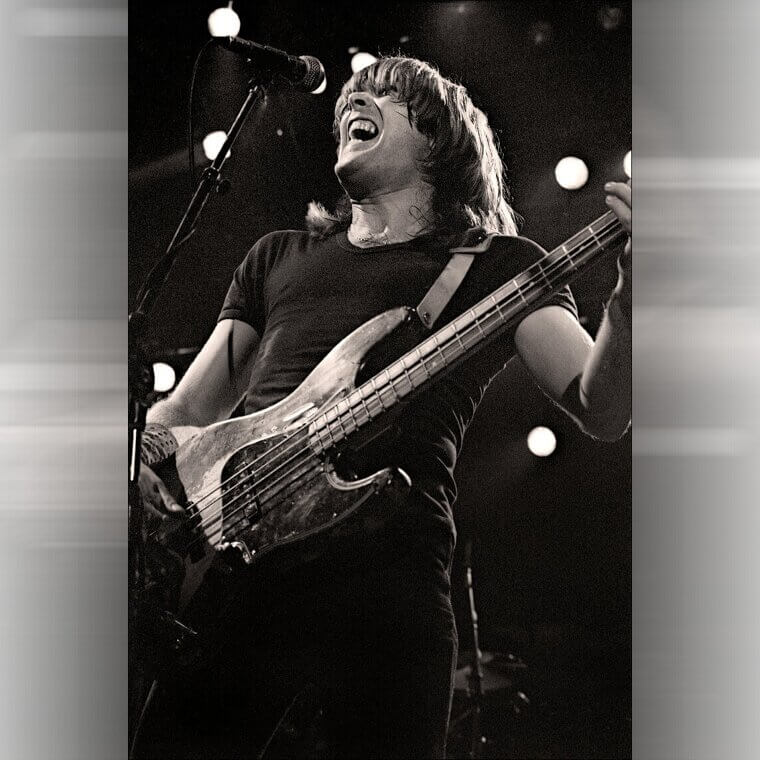
He demonstrates that unyielding consistency is the true secret to a legendary rhythm section. His highly disciplined playing style is the gold standard for straightforward rock and roll.
Dusty Hill (ZZ Top) - The Relentless Texas-Boogie Foundation of a Legendary Trio
Dusty Hill provided the relentless, fuzzy Texas-boogie foundation that drove one of the most enduring trios in rock history. He utilized heavy distortion and synthesizer pedals to create a massive, synthesized low-end that sounded like a much larger band. His impeccable fingerstyle playing locked perfectly with the tight, shuffling drum beats to create an irresistible, foot-stomping groove. Concertgoers reportedly loved his synchronized stage moves and iconic bearded appearance, which became pop culture touchstones. His gritty vocal contributions also added a soulful depth to the band's bluesy sound.
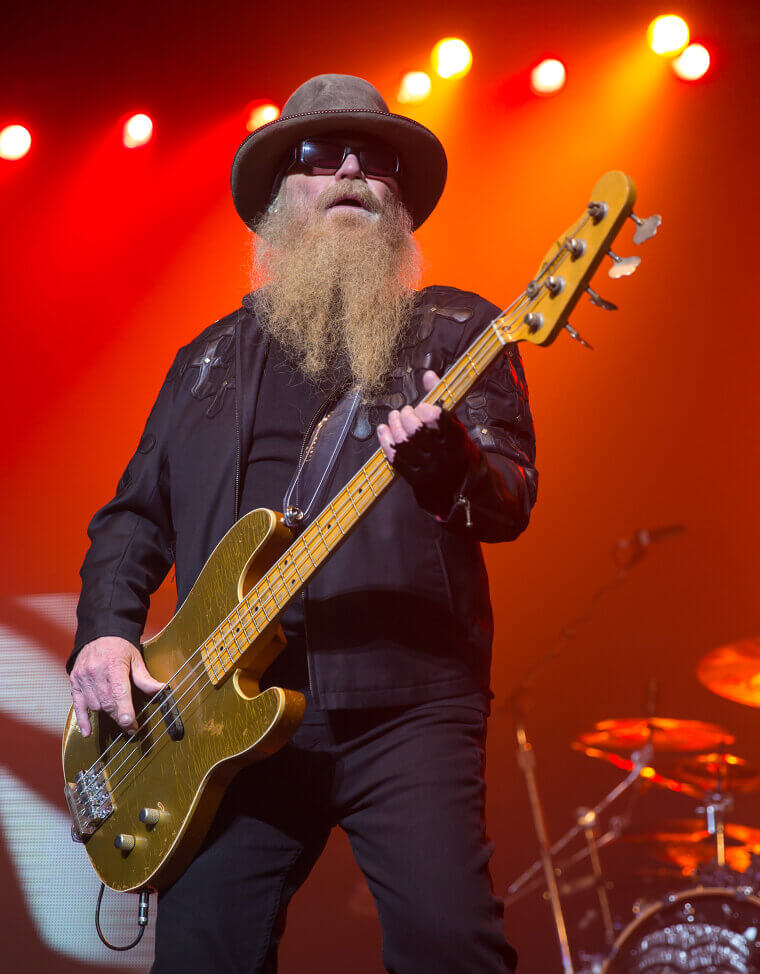
He remained a steadfast pillar of rock solidity for over fifty years of relentless touring. His unique tone continues to define the sound of southern blues-rock.
Mike Watt (Minutemen) - The Jazzy Indie-Punk Hero Who Defied Genre Constraints
Mike Watt stands as an indie-punk hero whose hyper-active, jazzy playing completely defied traditional genre constraints. He treated the bass like a frantic lead instrument, constantly moving across the fretboard with a flurry of complex, nervous energy. His aggressive, popping tone cut sharply through the mix, driving short, explosive songs that rarely followed standard structures. Fellow musicians reportedly stood in awe of his relentless touring schedule and fiercely independent, do-it-yourself work ethic. His deeply personal lyrics and spoken-word vocal delivery added an artistic depth to the underground punk scene.
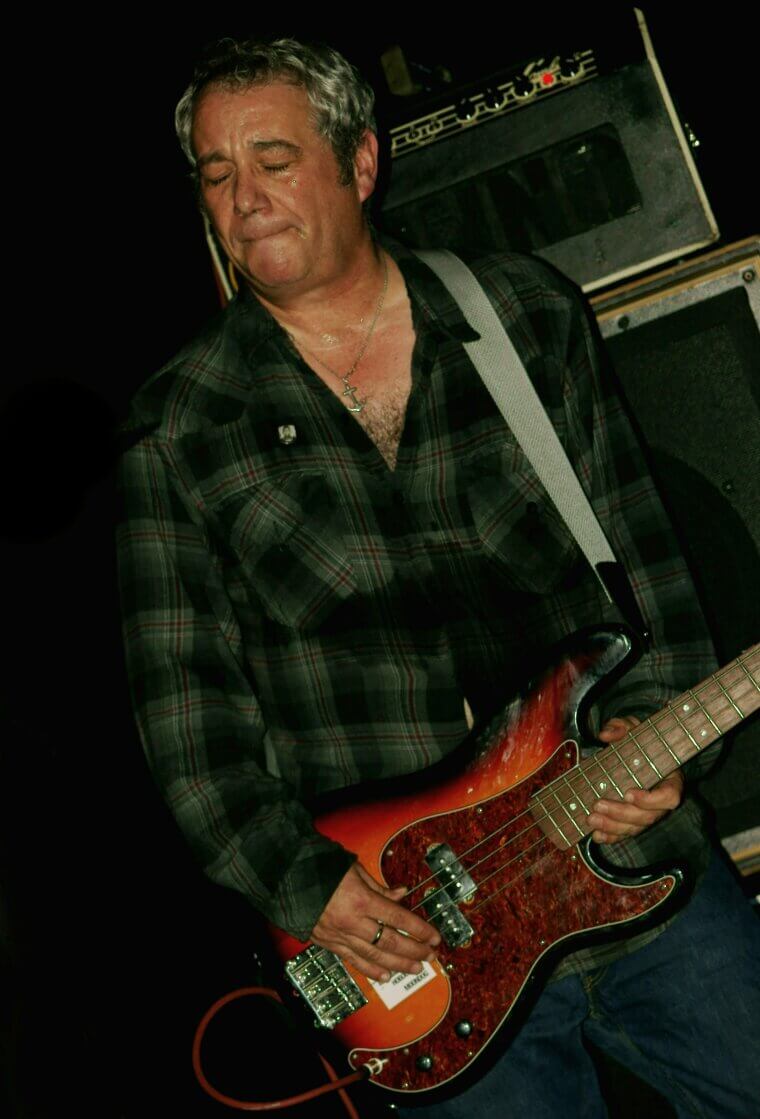
He remains a fiercely beloved elder statesman of the alternative rock community. His endlessly creative approach to the instrument continues to inspire free-thinking musicians everywhere.
Tom Petersson (Cheap Trick) - The Innovator of the Massive 12-String Bass Sound
Tom Petersson revolutionized rock instrumentation by innovating and popularizing the massive sound of the 12-string bass guitar. He utilized the multi-stringed instrument to create a roaring, chorused wall of sound that filled out the sonic space of his quartet. His heavy, driving chord progressions provided a colossal foundation for the band's infectious, Beatles-esque power-pop melodies. Producers reportedly loved how his gigantic tone eliminated the need for complex rhythm guitar overdubs in the recording studio. His impeccably cool stage presence made him an unforgettable visual component of the group.
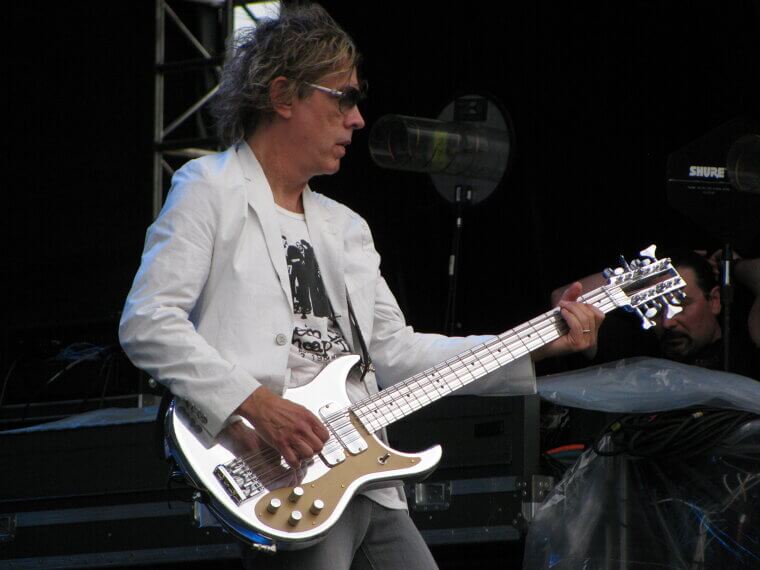
He expanded the tonal possibilities of the bass guitar in a hard rock context forever. His signature rumbling sound remains a highly sought-after texture in modern rock production.
Doug Pinnick (King's X) - The Soul-Infused Master of Down-Tuned 12-String Riffs
Doug Pinnick combined incredibly soul-infused vocal melodies with distorted, down-tuned 12-string progressive metal riffs. He crafted a grinding, metallic tone that provided a heavy, sludgy contrast to his band's soaring, Beatles-inspired vocal harmonies. His deep, rhythmic pocket heavily relied on gospel and R&B influences, bringing a unique groove to the rigid world of progressive hard rock. Listeners reportedly marveled at his ability to seamlessly blend intense metallic aggression with smooth, emotional vocal performances. His pioneering use of extended-range instruments heavily influenced the alternative metal scene of the 1990s.
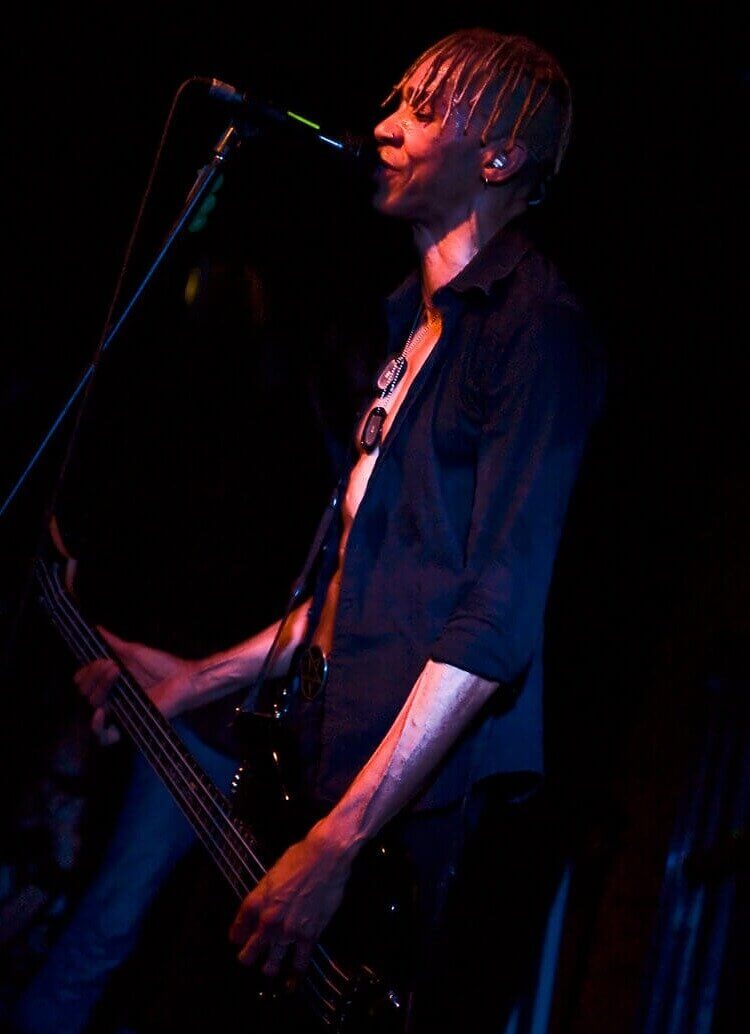
He remains one of the most criminally underrated musicians in heavy rock history. His incredibly massive tone is still revered by tone-chasers and gear enthusiasts worldwide.
Colin Moulding (XTC) - The Melodic Post-Punk Architect of McCartney-Esque Lines
Colin Moulding crafted incredibly melodic, bouncy basslines that perfectly suited the quirky, cerebral sound of the post-punk era. He possessed a McCartney-esque sensibility, weaving intricate, lyrical counter-melodies that constantly surprised and delighted the listener. His smooth, fretless playing added a warm, sophisticated texture to the band's complex, pastoral pop arrangements. Critics reportedly praised his ability to write undeniable hit singles while maintaining a fiercely avant-garde artistic vision. His intricate musical interplay with the guitars created beautifully dense, layered studio masterpieces.
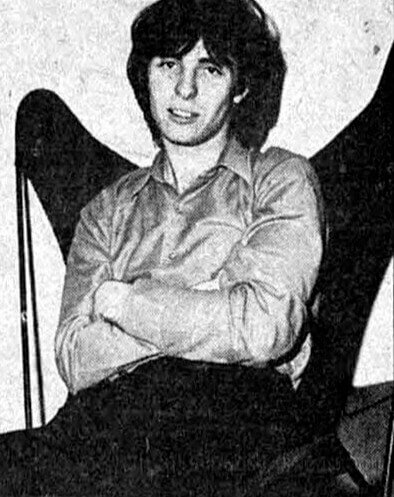
He proved that progressive pop music could be both intellectually stimulating and incredibly catchy. His highly inventive playing style remains a benchmark for alternative pop musicians.
Matt Freeman (Rancid) - The Blistering Ska-Punk Master of Complex Walking Lines
Matt Freeman elevated modern punk rock with his blistering, ska-infused solos and highly complex walking basslines. He attacked his instrument with lightning-fast fingerstyle speed, playing intricate scales that sounded more like jazz fusion than traditional punk. His aggressive, growling tone punched fiercely through the fast-paced, distorted guitars to become the focal point of the music. Fans reportedly eagerly anticipated his jaw-dropping, high-speed bass solos during sweaty, high-energy underground club shows. His impeccable timing allowed the band to seamlessly transition between aggressive hardcore and relaxed Jamaican ska rhythms.
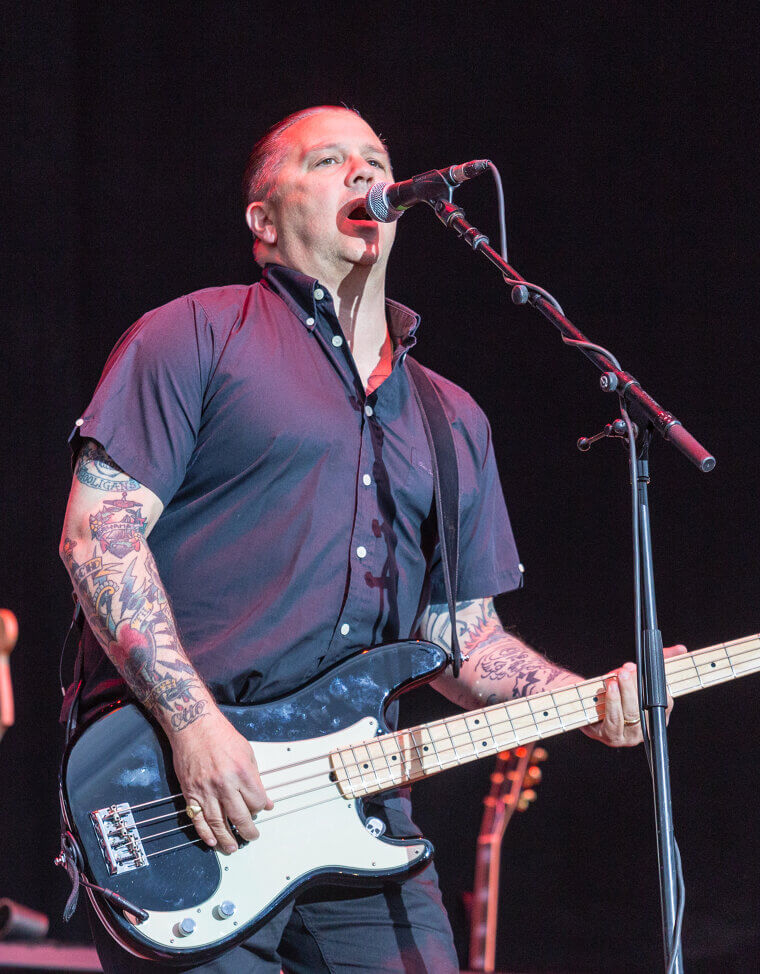
He remains one of the most technically gifted players in the history of punk rock. His jaw-dropping speed and melodic sensibility continue to inspire young musicians globally.
Simon Gallup (The Cure) - The Driving Chorus-Drenched Pulse of Gothic Post-Punk
Simon Gallup utilized driving, chorus-drenched basslines to define the moody, atmospheric sound of gothic post-punk. He favored a booming, repetitive picking style that provided an inescapable, hypnotic pulse for the band's dark, synthesizer-heavy compositions. His low-slung stance and aggressive stage pacing added a vital rock and roll energy to the typically stoic alternative music scene. Devoted listeners reportedly found deep emotional resonance in the sorrowful, melodic hooks he crafted for their biggest hits. His reliable, steady groove allowed the ethereal guitars and vocals to float freely above the mix.
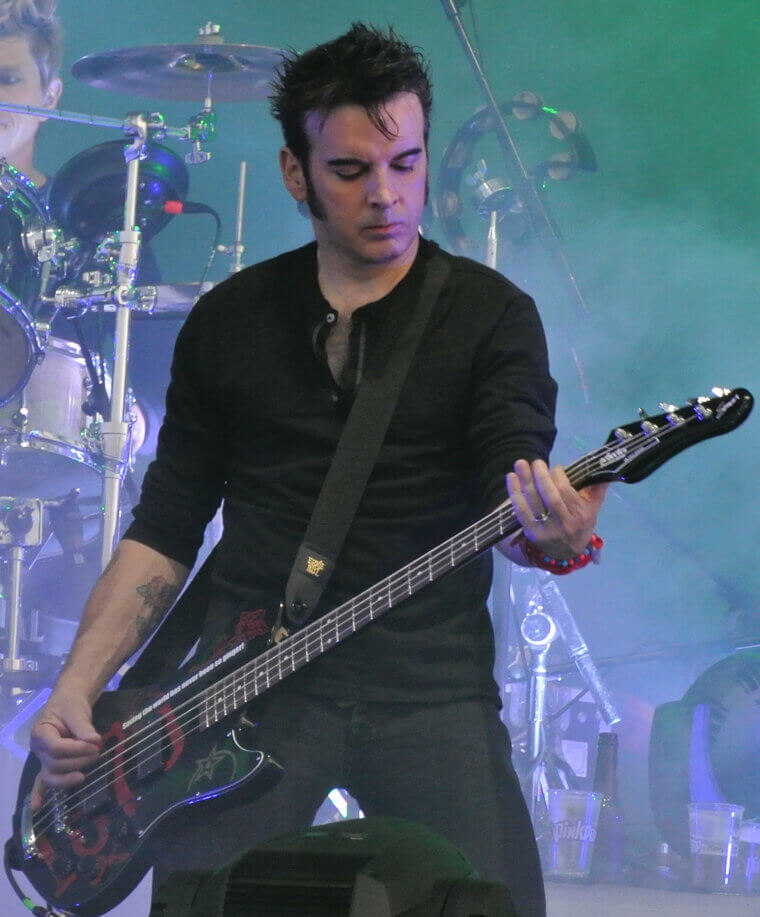
He remains the essential rhythmic backbone of one of the most influential alternative bands in history. His signature melancholic tone has been endlessly imitated by modern indie groups.