
Ever wonder how the biggest names in rock history managed to lose massive fortunes? From bad management deals to extravagant spending, check out these legendary rockers who saw millions vanish. Dive in to see who bounced back!
Mick Fleetwood and the Real Estate Collapse
Mick Fleetwood, the famous drummer and co-founder of Fleetwood Mac, reportedly faced financial ruin multiple times despite the massive success of his musical group. Following the blockbuster release of their biggest album, Fleetwood earned millions but allegedly funneled a vast portion of his wealth into extravagant real estate purchases. In the late 1970s and 1980s, he reportedly poured huge sums into Australian properties and a sprawling farm, investments that failed to yield any positive returns.

Furthermore, poor financial advice and a series of mismanaged business ventures severely drained his bank accounts. He eventually filed for bankruptcy in 1984, losing almost everything he had built over the previous decade. Fortunately, Fleetwood managed to rebuild his financial portfolio in later years through relentless touring and renewed interest in the band's extensive catalog, proving his enduring resilience.
Meat Loaf and the Legal Battles
The legendary theatrical rocker Meat Loaf experienced severe financial turbulence during the height of his fame, largely due to complicated legal disputes. After his monumental breakthrough record sold millions of copies worldwide, he reportedly found himself entangled in massive lawsuits with his longtime collaborator and songwriter. These brutal court battles, combined with a period where he lost his singing voice, prevented him from touring or recording new material to generate income.

The mounting legal fees and lack of revenue allegedly forced him into bankruptcy in the early 1980s. He reportedly lost his publishing rights and was left with massive debts that took years to resolve. Eventually, he staged an unbelievable comeback in the 1990s with a sequel album that restored his wealth and solidified his legacy in the industry.
Tom Petty and the Record Label Dispute
Tom Petty famously declared bankruptcy in 1979 as a strategic move rather than a result of lavish spending, though it still cost him millions initially. His original record label was sold to a larger corporation, and Petty reportedly refused to be transferred like a piece of property without a new contract. To break free from the unfavorable agreement, he allegedly funded his own recording sessions, sinking him deeply into debt. The legal standoff froze his assets and prevented him from releasing his completed 3rd album.

By filing for bankruptcy, he reportedly forced the label to renegotiate his terms, eventually securing a much more lucrative deal. While the ordeal temporarily wiped out his finances, it ultimately paved the way for greater wealth and creative control over his long and storied career.
Elton John and the Extravagant Lifestyle
Elton John is universally celebrated for his glittering career, but his legendary spending habits once brought him to the brink of financial disaster. During the 1990s, the iconic piano player allegedly spent over 2 million dollars a month on luxury cars, designer clothing, and an astonishing amount of fresh flowers. His extravagant lifestyle reportedly drained his massive fortune faster than he could replenish it. Furthermore, he engaged in a bitter legal dispute with his former management company, claiming they had mismanaged his funds and cost him millions in tour revenues.

Although he lost the lawsuit and faced staggering legal fees, his unparalleled work ethic saved him. By embarking on continuous global tours and securing lucrative Las Vegas residencies, he reportedly restored his colossal wealth and learned to manage his finances more responsibly.
Billy Joel and the Mismanaged Funds
The renowned Piano Man suffered a devastating financial blow when he reportedly discovered his former manager and brother-in-law had mismanaged his vast earnings. Billy Joel filed a massive lawsuit in 1989, claiming millions of dollars were missing from his accounts and pointing to allegedly fraudulent investments made without his knowledge. The dispute highlighted how vulnerable even the biggest superstars could be to financial mismanagement from those they trust most. He reportedly lost millions paying off loans that had been taken out in his name, forcing him to tour relentlessly just to cover his mounting debts.

While the lawsuit was eventually settled out of court, the betrayal left a lasting impact on his business approach. Joel reportedly rebuilt his empire by taking strict control of his touring revenues and personal investments.
Sting and the Deceptive Accountant
Sting, the former frontman of The Police, amassed a colossal fortune through his chart-topping hits, but he reportedly fell victim to a devastating financial betrayal. In the mid-1990s, the celebrated bassist discovered that his trusted financial advisor had allegedly siphoned millions of dollars from his accounts over several years. The advisor reportedly used the stolen funds to make disastrous investments in a chain of restaurants and property developments, all completely hidden from the musician.

Sting allegedly noticed the missing money only after an anonymous tip prompted a thorough audit of his finances. The subsequent court case resulted in a prison sentence for the accountant, though much of the money was permanently lost. Despite the massive financial hit, Sting's robust catalog and continuous touring allowed him to bounce back effortlessly.
Leonard Cohen and the Embezzled Retirement
The legendary poet and songwriter Leonard Cohen experienced a heartbreaking financial crisis late in his life that forced him back on the road. In 2004, he reportedly discovered that his longtime manager had allegedly drained his retirement accounts, leaving him with only a fraction of his lifelong earnings. The manager had reportedly forged his signature to sell off his valuable publishing rights and siphoned millions into personal accounts. Despite winning a massive civil judgment against the former manager, Cohen allegedly never recovered the stolen funds because she refused to pay.

Facing severe financial distress, the septuagenarian embarked on a massive global tour to rebuild his nest egg. Fortunately, these highly acclaimed late-career concerts grossed millions, allowing him to restore his wealth and leave a substantial inheritance for his family.
Chuck Berry and the Tax Evasion Penalties
Chuck Berry, one of the primary architects of rock and roll, faced severe financial and legal hurdles largely due to his complicated relationship with the government. Despite earning massive sums from his groundbreaking hits and relentless touring schedule, he reportedly insisted on being paid in large amounts of physical cash before every performance. This unconventional business practice allegedly caught the attention of federal authorities, leading to a high-profile investigation into his finances.
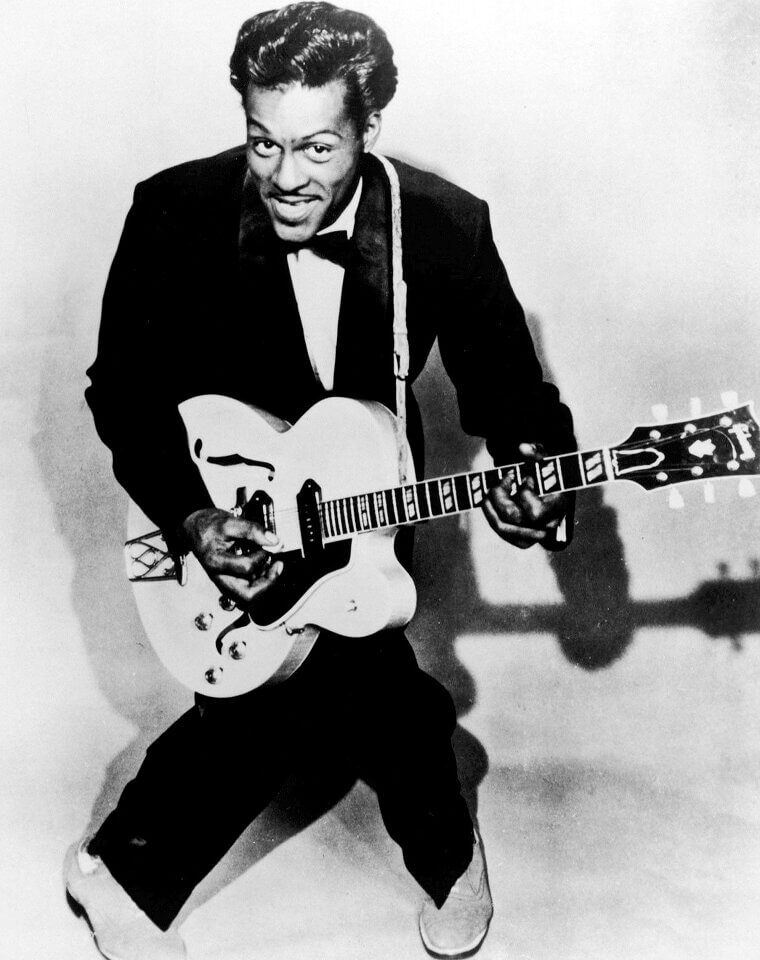
He was reportedly charged with tax evasion in 1979 for failing to report hundreds of thousands of dollars in income. The ensuing legal battle resulted in hefty fines, back taxes, and a brief prison sentence, costing him millions in lost revenue. However, his enduring popularity ensured he remained financially secure through continued touring and licensing deals until his passing.
David Bowie and the Disastrous Management Deal
David Bowie revolutionized music and fashion, but his early career was reportedly plagued by a devastating management contract that drained his earnings. In the early 1970s, he signed with a management company that allegedly took an unprecedented 50 percent cut of all his royalties and touring profits. While the firm reportedly spent lavishly to promote his otherworldly persona, the massive expenses were allegedly charged back to the artist's personal accounts. By 1975, despite widespread global fame, Bowie reportedly found himself effectively broke and drowning in debt.

To escape the suffocating agreement, he allegedly had to pay a massive settlement that severely impacted his finances for years. It was only after completely restructuring his business affairs in the 1980s that Bowie finally achieved the monumental wealth his talent deserved.
Ronnie Wood and the Costly Divorces
Ronnie Wood, the legendary guitarist for the Rolling Stones, reportedly lost substantial portions of his massive wealth through turbulent personal relationships and lavish habits. Despite earning millions from decades of massive stadium tours, his highly publicized divorces allegedly cost him a significant chunk of his fortune in settlements and ongoing alimony payments. Furthermore, he reportedly spent heavily on expensive art collections and a lavish lifestyle that frequently outpaced his income between tours.

At one point, his financial situation allegedly became so precarious that his bandmates had to step in and offer financial guidance. Fortunately, his acclaimed talents as a visual artist provided a lucrative secondary income stream, allowing him to sell his paintings for hefty sums and stabilize his financial standing in his later years.
Pete Townshend and the Failed Investments
Pete Townshend, the brilliant songwriter and guitarist for The Who, reportedly lost a substantial portion of his wealth through disastrous investments and early career mismanagement. Like many artists in the 1960s, his band reportedly signed unfavorable contracts that funneled most of their massive touring revenues to managers and promoters. Later in his career, Townshend allegedly invested heavily in various business ventures, including a massive recording studio complex, which ultimately failed and drained his personal finances.

Moreover, he reportedly poured millions into an extravagant lifestyle before realizing his accounts were running dangerously low. By the early 1980s, the financial strain allegedly forced the band to undertake highly lucrative reunion tours specifically to generate cash. Through prudent financial planning later in life, he successfully protected his remaining publishing royalties.
Sly Stone and the Tragic Royalty Surrender
Sly Stone, the visionary leader of Sly and the Family Stone, experienced one of the most tragic financial downfalls in music history. Despite creating some of the most influential funk and soul music of his generation, he reportedly signed disastrous contracts that gave away his publishing and royalty rights. He allegedly trusted his managers completely, failing to realize they were reportedly siphoning his earnings into shell companies. By the 2000s, Stone was reportedly homeless, living in a camper van in Los Angeles despite his music still generating massive revenue worldwide.
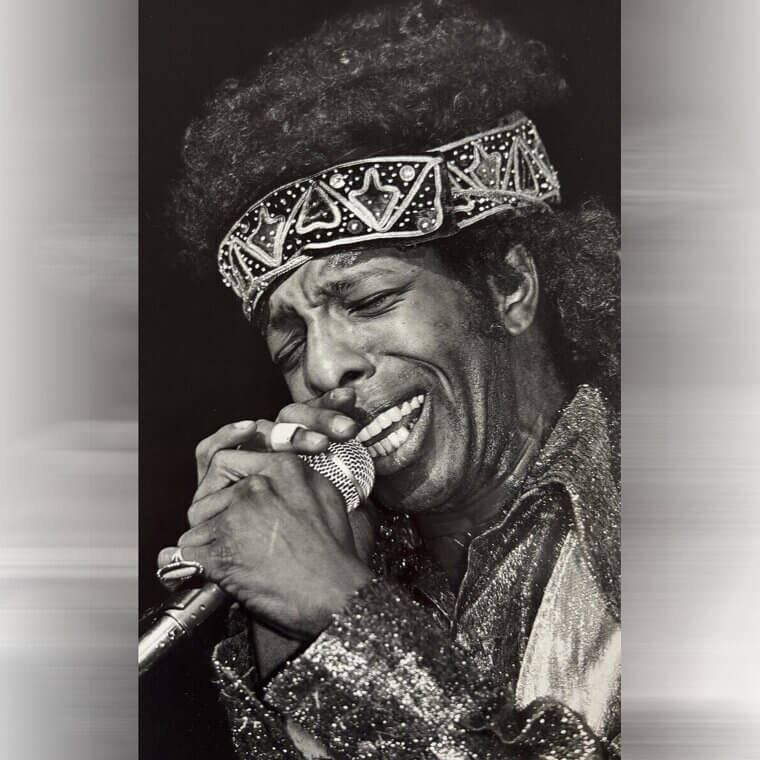
He launched a high-profile lawsuit in 2010 to reclaim his millions, initially winning a 5 million dollar judgment, but an appeals court allegedly overturned the decision. His story remains a stark warning about the importance of retaining legal ownership of creative work.
David Crosby and the Bankruptcy Filing
David Crosby, the brilliant harmony singer of Crosby, Stills, and Nash, faced severe financial distress multiple times due to legal woes and poor planning. In 1985, he famously filed for bankruptcy after reportedly squandering his massive earnings on an extravagant lifestyle and accumulating massive debts. He allegedly owed hundreds of thousands of dollars to the government in unpaid taxes, leading to the seizure of his assets. Furthermore, serious legal troubles resulted in significant attorney fees that further drained his bank accounts.

Even in his later years, Crosby openly discussed his financial vulnerability, revealing that he had to sell the publishing rights to his catalog because he reportedly lacked substantial savings. Despite his monetary struggles, his immense contribution to vocal harmony remains a priceless part of music history.
Gregg Allman and the Extravagant Expenses
Gregg Allman, the pioneering southern rock vocalist and organist, earned vast sums of money but reportedly lost millions through a combination of lavish spending and multiple expensive divorces. With the massive success of the Allman Brothers Band, he allegedly embraced an incredibly opulent lifestyle, purchasing huge properties and numerous vehicles. Furthermore, his famously turbulent romantic life resulted in 6 different marriages, leading to substantial divorce settlements and ongoing alimony payments that severely depleted his resources.
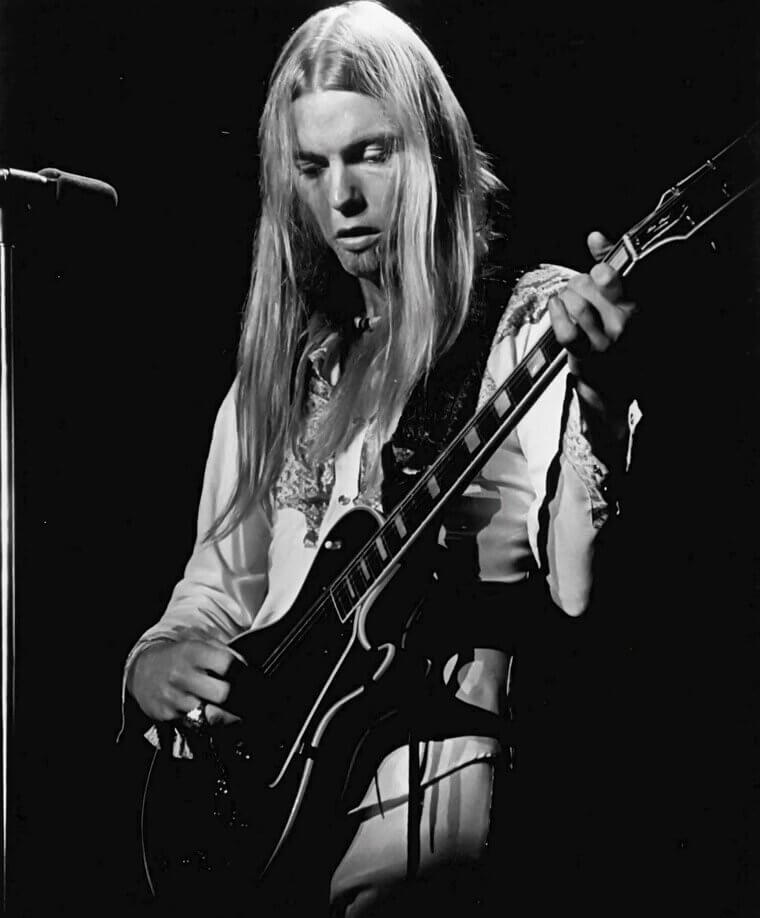
He reportedly struggled to maintain his wealth during the 1980s when the band's popularity temporarily waned, facing significant cash flow issues. However, the legendary group's massive resurgence in the 1990s provided a lucrative touring revenue stream that stabilized his finances and allowed him to live comfortably in his final years.
Mick Jagger and the Sixties Copyright Loss
Mick Jagger is widely considered one of the smartest businessmen in music, but he reportedly lost millions early on due to a ruthless management deal. The Rolling Stones allegedly surrendered the copyrights to their entire 1960s catalog to their former manager during a bitter legal dispute. Consequently, the band reportedly receives no publishing royalties from some of their biggest early anthems, losing out on immense wealth from commercials and movie placements.

This massive financial sting reportedly transformed Jagger into a fierce negotiator, determined never to lose control of his assets again. He subsequently revolutionized the music industry by pioneering massive corporate sponsorships and taking unprecedented control over the band's touring revenue. While the early losses were substantial, his later financial strategies made him a billionaire.
Ronnie Spector and the Withheld Royalties
Ronnie Spector, the iconic lead singer of the Ronettes, reportedly lost millions in potential earnings due to the oppressive control of her former husband and producer. Despite providing the unforgettable voice for massive hits in the 1960s, she allegedly received virtually no royalties for decades. After fleeing her abusive marriage, she reportedly walked away with no financial assets and was forced to rebuild her life from scratch. In the late 1990s, she finally launched a massive legal battle against him, claiming he had intentionally withheld millions of dollars in licensing fees and record sales.

After years of litigation, a court finally awarded her over 2 million dollars in unpaid royalties. Her arduous battle brought crucial awareness to the financial exploitation many early rock pioneers endured.
Ozzy Osbourne and the Disastrous Early Contracts
Ozzy Osbourne is now a wealthy television personality and metal icon, but his early financial journey was reportedly fraught with massive losses. During the initial success of Black Sabbath in the 1970s, the band allegedly signed incredibly poor management deals that funneled their massive earnings into the pockets of their handlers. They reportedly saw very little of the incredible wealth generated by their multi-platinum albums and sold-out stadium tours. After being fired from the group, Osbourne allegedly found himself broke in a cheap hotel room with massive debts.

It was only through the shrewd business acumen of his future wife and manager that he regained control of his career. By establishing his own touring festival and television shows, he reportedly built an empire that completely erased his earlier financial disasters.
Jim Morrison and the Miami Trial Fees
Jim Morrison, the enigmatic frontman of The Doors, generated immense wealth during his brief career but reportedly spent it as quickly as it arrived. Known for his wildly unpredictable behavior, he allegedly squandered massive sums on an extravagant lifestyle, lengthy hotel stays, and generous gifts to friends. His most significant financial drain, however, reportedly came from mounting legal fees stemming from his controversial trial in Miami. He allegedly spent heavily on top-tier attorneys to fight charges of indecent exposure, draining his bank accounts substantially.

When he relocated to Paris in 1971, he reportedly had very little liquid cash remaining, living off a modest allowance from his band's management. Despite the massive earnings of his band, his estate was remarkably modest at the time of his passing.
Eric Clapton and the Early Royalty Losses
Eric Clapton is a massively wealthy guitar legend today, but he reportedly missed out on millions during the early stages of his legendary career. While playing with groundbreaking groups like the Yardbirds and Cream, he allegedly signed standard industry contracts that heavily favored the record labels and promoters. He reportedly received minimal royalties for some of the most influential guitar recordings of the 1960s. Furthermore, during the 1970s, he allegedly maintained an incredibly lavish lifestyle, purchasing huge estates, luxury cars, and expensive art collections that strained his finances.

It reportedly took years of massive solo success and careful financial restructuring to build the massive fortune he holds today. His journey from exploitative early contracts to immense wealth is a testament to his enduring global appeal.
Rod Stewart and the Tax Exile Years
Rod Stewart generated massive wealth with his raspy voice and charismatic performances, but he reportedly faced severe financial challenges due to crushing tax liabilities. In the mid-1970s, the British government allegedly imposed a staggering marginal tax rate on high earners, threatening to consume the vast majority of his income. To protect his rapidly growing fortune, he reluctantly became a tax exile, abandoning his home country to live in Los Angeles. The abrupt relocation reportedly caused immense stress and forced him to sell off significant assets at a loss.

Furthermore, he allegedly battled his early management over unpaid royalties and poor investment advice that cost him millions. By carefully managing his massive international tours and classic songbooks, he eventually solidified a highly secure financial empire.
Marvin Gaye and the Costly Divorce Settlement
Marvin Gaye produced some of the most profound music of the 20th century, but his financial life was reportedly a constant struggle involving massive debts. In 1976, he was forced to file for bankruptcy after failing to pay back taxes and accumulating massive expenses from his lavish lifestyle. His financial ruin was further compounded by an incredibly expensive divorce settlement with his first wife. To satisfy the alimony demands, he allegedly agreed to give her all the royalties from his next album, an unprecedented move that left him without income from his own work.
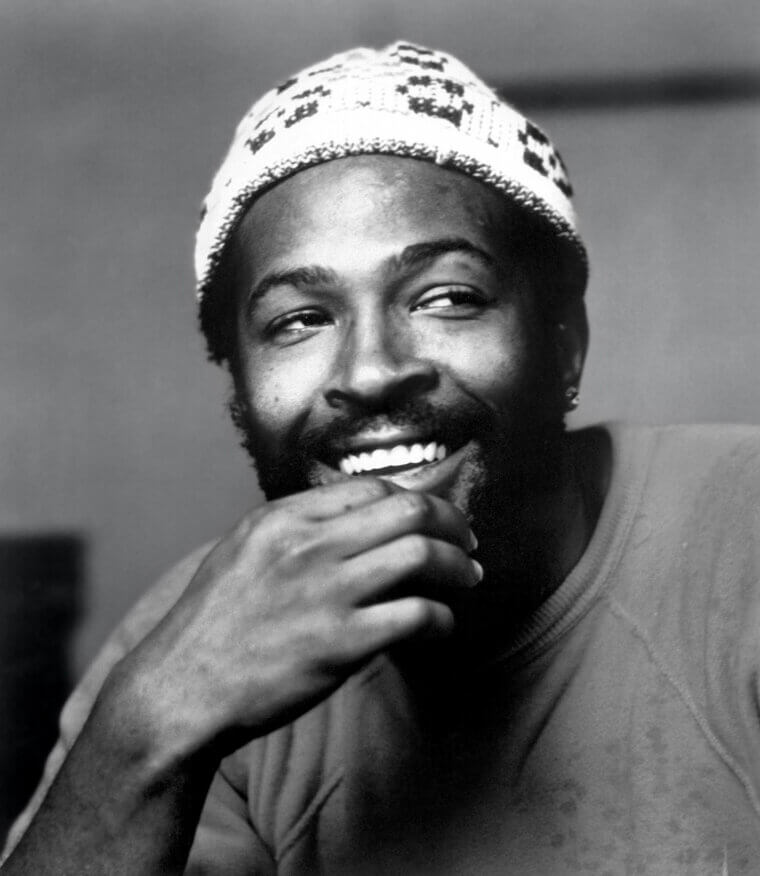
He reportedly spent his later years living in exile in Europe to avoid tax collectors before making a massive comeback. His financial difficulties highlighted the immense pressure faced by artists dealing with personal and professional turbulence simultaneously.
Paul McCartney and the Lost Publishing Empire
Paul McCartney is one of the wealthiest musicians alive, but he famously lost millions in potential revenue when he lost the publishing rights to his own iconic songs. During the 1960s, he and his bandmates reportedly signed away the ownership of their legendary catalog to a publishing company, receiving only a fraction of the profits. When the company was sold in 1985, McCartney allegedly attempted to buy back his own songs but was outbid by his friend Michael Jackson.

The loss reportedly cost him hundreds of millions of dollars in licensing fees over the following decades. He reportedly spent years agonizing over the situation, advocating for creators' rights in the industry. Eventually, legal reforms allowed him to reclaim the rights to his earliest compositions, rectifying a massive financial grievance.
Jerry Lee Lewis and the Government Seizures
Jerry Lee Lewis, the explosive pioneer of rock and roll piano, repeatedly clashed with the government over unpaid taxes, costing him millions. Despite earning massive sums from his legendary hits and global performances, he reportedly failed to file tax returns for several years during his chaotic career. The IRS reportedly placed numerous liens on his property, eventually seizing his massive fleet of luxury cars, expensive jewelry, and even his beloved grand pianos to cover his substantial debts.

He allegedly owed millions in back taxes and penalties, forcing him to continue performing grueling concert schedules late into his life. His rebellious attitude toward financial administration kept him in constant debt, yet his loyal fan base ensured he always had a stage to play on to generate much-needed income.
John Lennon and the Publishing Surrender
John Lennon, alongside his primary songwriting partner, generated billions of dollars in revenue, yet he lost control of his own musical legacy due to a bad business deal. In 1963, they allegedly agreed to form a publishing company with a prominent music executive who quietly retained the majority ownership. When the company went public and was eventually sold, Lennon reportedly lost the rights to manage and profit fully from his own iconic compositions.

He repeatedly expressed deep bitterness over the situation, feeling betrayed by the executives who profited massively from his creative genius. The financial loss was staggering, estimated in the hundreds of millions over the decades. Despite this massive setback, his solo career and other investments ensured he remained incredibly wealthy until his tragic passing.
John Fogerty and the Publishing Nightmare
John Fogerty endured one of the most infamous financial and creative disputes in classic rock history, losing millions in royalties. As the primary songwriter for Creedence Clearwater Revival, he reportedly signed a devastatingly poor contract early in his career that gave away the publishing rights to his own songs. When the band dissolved, he allegedly owed his record label additional albums and had to surrender his rights just to get out of the deal.

For decades, he reportedly watched his former manager profit immensely from his iconic anthems while he received nothing. He even faced a bizarre lawsuit for allegedly plagiarizing himself on a solo record. It took decades of legal battles and a change in label ownership before Fogerty finally regained control of his legendary catalog and restored his financial legacy.
George Clinton and the Endless Legal Battles
George Clinton, the mastermind behind Parliament-Funkadelic, reportedly lost millions of dollars and the rights to his most famous compositions due to complicated legal disputes. During the chaotic 1970s, he allegedly signed complex agreements without proper legal counsel, inadvertently surrendering the copyrights to his expansive musical catalog. For decades, his widely sampled music reportedly generated massive profits for his former record label, while he allegedly received little to nothing. Clinton spent years embroiled in massive lawsuits, claiming his signature had been forged on key documents that stripped him of his assets.

The relentless legal fees reportedly forced him to tour constantly well into his 70s just to pay his bills. Despite the financial hardships, his immense influence on modern music and undeniable legacy remain completely intact.
Peter Frampton and the Mismanaged Millions
Peter Frampton achieved astronomical success with his live acoustic album in 1976, but his massive fortune reportedly vanished due to alleged financial mismanagement. His record-breaking album sold millions of copies, generating incredible revenue, yet the guitarist allegedly saw only a fraction of the profits. He reportedly discovered that his longtime manager had channeled his earnings into disastrous investments and hidden accounts without his explicit consent. When Frampton finally audited his finances, he allegedly found himself practically broke and facing massive debts.

The betrayal reportedly fractured his trust in the music industry, leading to a long period of professional and personal rebuilding. Through resilient touring and regaining control over his business affairs, he eventually managed to secure a stable and comfortable financial future.
Little Richard and the Pennies on the Dollar
Little Richard essentially laid the foundation for rock and roll, but he reportedly missed out on massive generational wealth due to an exploitative early contract. Eager to record his music in the 1950s, he allegedly signed a deal that gave his record label the vast majority of his publishing rights for a mere 50 dollars. As his electrifying songs became global anthems covered by countless other artists, the record executives reportedly collected millions while he received only tiny performance fees.
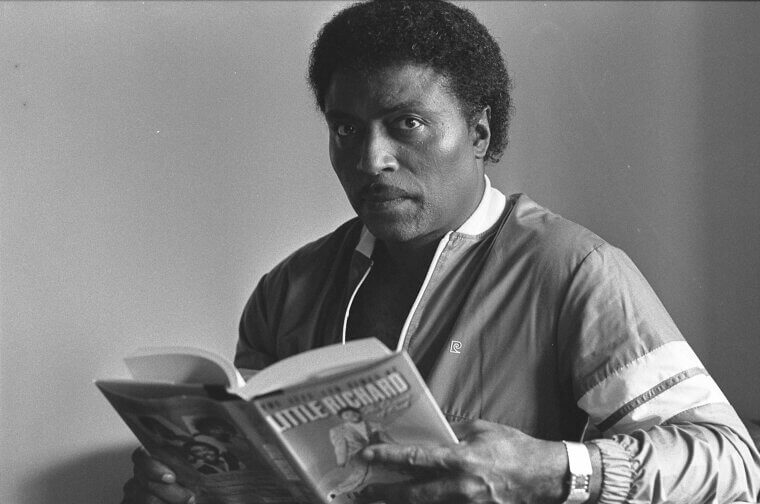
He spent decades expressing deep frustration over the massive financial injustice, claiming he was tricked because he lacked legal representation. He eventually successfully sued his former label in the 1980s for unpaid royalties, finally securing a small portion of the massive fortune his incredible talent had generated.
Ray Davies and the Exploitative Promoters
Ray Davies, the primary songwriter for The Kinks, created some of the most enduring hits of the British Invasion but reportedly saw very little money initially. The band allegedly fell victim to exploitative promoters and managers who kept the vast majority of their touring and recording revenue. They reportedly signed contracts that obligated them to produce massive amounts of material for tiny advances, leaving them constantly in debt to their label.

Furthermore, a ban on touring in the United States during their peak years allegedly cost them millions in potential ticket sales. Davies reportedly spent years fighting relentless legal battles to untangle the band from these terrible agreements. Eventually, his undeniable songwriting genius prevailed, and he secured the financial stability he was long denied.
Jimi Hendrix and the Tangled Estate
Jimi Hendrix revolutionized the electric guitar and became the highest-paid performer of his era, yet his finances were reportedly a tangled mess. Before achieving global fame, he allegedly signed a hasty 1-page contract for just 1 dollar, which later resulted in massive lawsuits that froze his royalties for years. His management reportedly charged exorbitant fees and funnelled his earnings into building a massive recording studio that went massively over budget. Because he tragically passed away without leaving a clear will, his estate reportedly became the subject of brutal, decades-long legal battles.
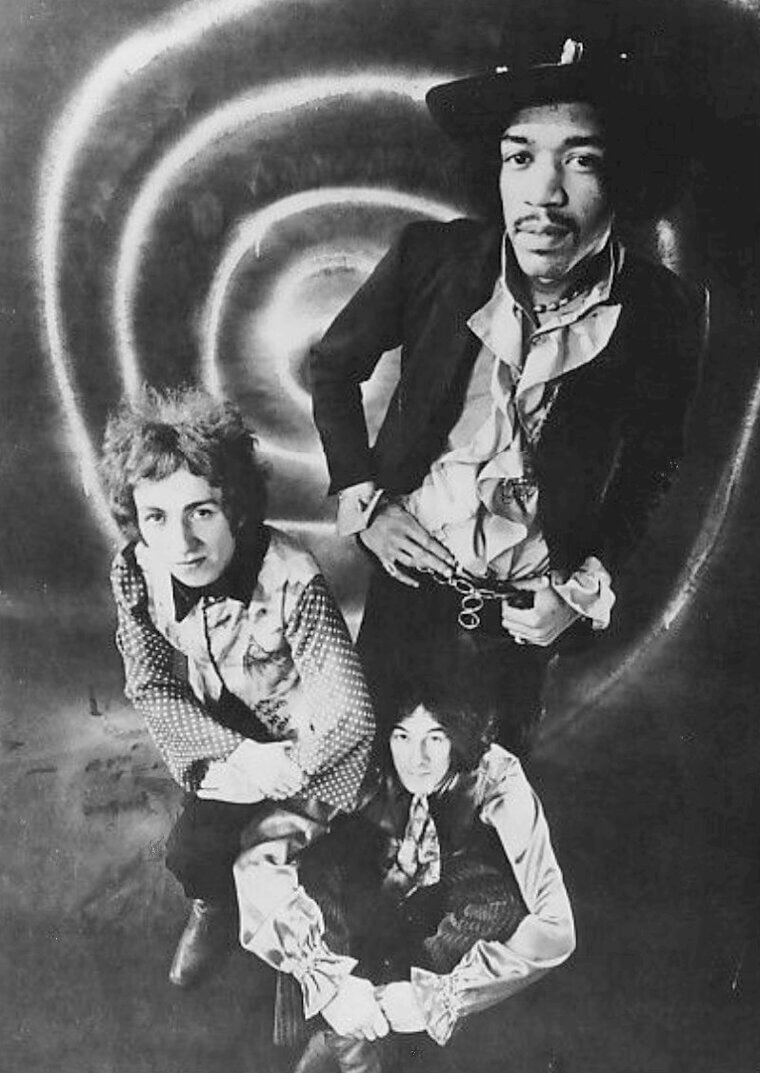
Lawyers and distant relatives allegedly drained millions from the estate in administrative costs before his legacy was properly secured. His story remains a cautionary tale about the importance of proper legal planning in the music business.
Brian Wilson and the Stolen Catalog
Brian Wilson, the musical genius behind the Beach Boys, reportedly suffered an unimaginable financial betrayal at the hands of his own family. During a period of immense personal struggle, his father allegedly sold the rights to the band's entire publishing catalog for a mere fraction of its true value. Wilson reportedly had no idea the transaction had taken place until years later, losing out on tens of millions of dollars in continuous royalties.

He later launched a massive lawsuit to reclaim his rights, arguing that he was mentally unfit at the time the documents were allegedly signed. Although he won a substantial financial settlement in the millions, he was reportedly unable to regain ownership of his legendary songs. The loss remains one of the most heartbreaking financial stories in rock.
Florence Ballard and the Tragic Dismissal
Florence Ballard, a founding member of the legendary vocal group The Supremes, experienced a devastating financial downfall after leaving the immensely successful trio. Despite singing on numerous chart-topping hits that generated millions for her record label, she reportedly received a meager flat salary during her tenure. When she was unceremoniously dismissed from the group, she allegedly signed away her rights to future royalties for a small settlement. Her subsequent solo career reportedly failed to gain traction, and she quickly depleted her remaining funds.

Tragically, she allegedly lost her home to foreclosure and spent her final years relying on government assistance to support her family. Her heartbreaking story exposed the severe lack of financial protection for many pioneering female artists during the 1960s music boom.
Mary Wells and the Contract Dispute
Mary Wells was the first major female star for Motown Records, but her pursuit of better financial terms reportedly derailed her lucrative career. After recording several massive hits, she allegedly discovered that her contract severely underpaid her compared to the massive revenue she generated. She boldly sued the label to break her contract, ultimately winning her freedom but allegedly sacrificing significant future royalties in the process. She subsequently signed a massive deal with a different studio, but her new records reportedly failed to achieve the same commercial success.

A series of poor management decisions and a battle with illness later in life severely drained her remaining savings. She tragically passed away in financial distress, despite having paved the way for countless other artists.
Janis Joplin and the Exploitative Management
Janis Joplin delivered some of the most powerful vocal performances in rock history, but she reportedly saw only a fraction of the immense wealth her talent generated. She allegedly signed with a notoriously aggressive manager who took massive commissions from her recording and touring revenues. While her manager reportedly grew incredibly wealthy from her success, Joplin allegedly remained on a relatively modest salary that barely covered her expenses. Her lifestyle and generous nature with friends also reportedly depleted her funds rapidly.
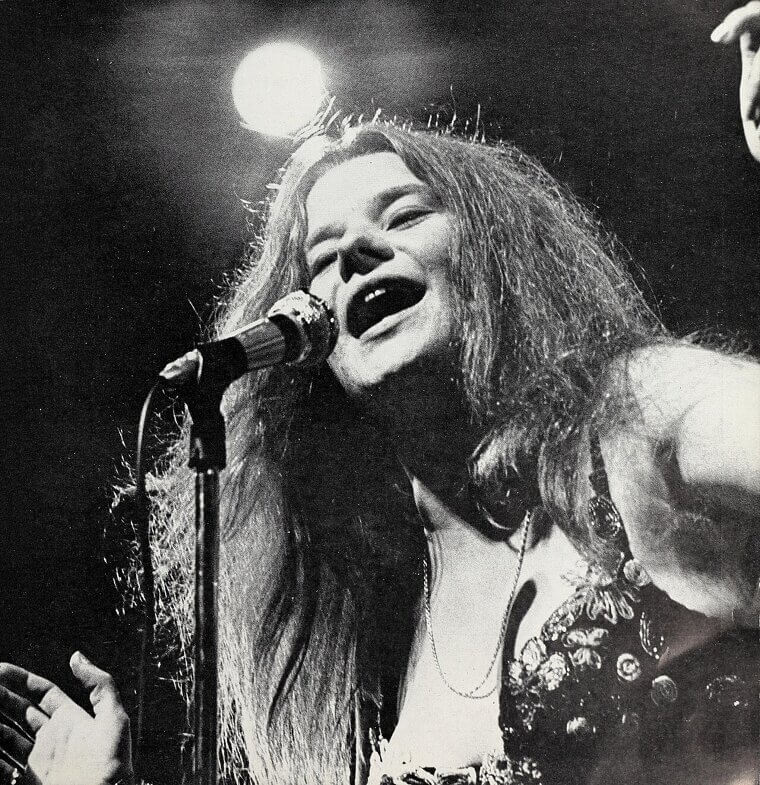
Because she passed away just before the release of her biggest, multi-platinum album, she never got to enjoy the massive financial windfall it created. Her estate eventually earned millions, but during her life, she reportedly struggled with the financial inequities of the music industry.
Iggy Pop and the Early Career Bankruptcy
Iggy Pop is celebrated as the godfather of punk rock, but his early career was reportedly marked by severe financial instability and near-constant debt. Despite producing critically acclaimed and highly influential albums, his music reportedly failed to achieve significant commercial success during the 1970s. His management company eventually dropped him, allegedly leaving him with massive unpaid bills and no steady source of income. He reportedly spent several years virtually homeless, crashing on friends' couches and struggling to fund his next recording sessions.

At one point, his close friend David Bowie allegedly had to step in and produce his solo albums just to help him generate some much-needed revenue. Thanks to decades of relentless touring and eventual royalty payouts, he finally achieved total financial security later in life.