
Ever wonder which of your favorite classic rock anthems ruffled the feathers of radio censors? From hidden messages to alleged obscenities, these tracks pushed the boundaries and faced the ban hammer. Dive into our list to discover the rebellious history behind these iconic hits!
Lola by The Kinks, 1970, Mention of a Specific Brand Name and Controversial Subject Matter
This iconic hit faced immediate resistance from network executives primarily due to its lyrics mentioning a specific popular cola brand by name. Regulations at the time strictly prohibited product placement or unauthorized advertising on public airwaves, forcing the band to re-record that specific section of the vocal track to say cherry cola instead. The censorship failed to stop the catchy tune from becoming a massive chart success.
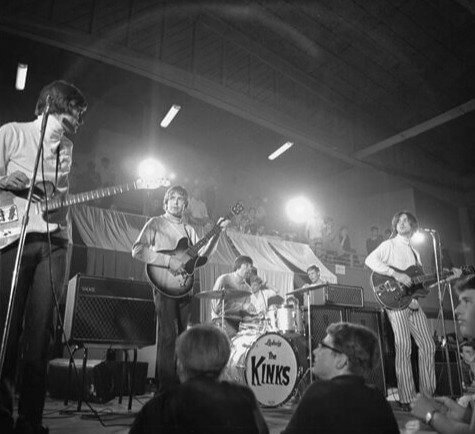
Beyond the branding issue, conservative stations were allegedly uncomfortable with the narrative of a young man encountering a romantic partner who might have been born male. This nuanced storytelling challenged mainstream sensibilities during that era, leading several influential broadcasters to pull the record from their daily rotation. Fans embraced the progressive themes and memorable guitar riffs with great enthusiasm.
Sympathy for the Devil by The Rolling Stones, 1968, Alleged Satanic References
Telling a story from the perspective of the ultimate villain drew fierce condemnation from religious organizations across the globe. Broadcasters received thousands of complaints from listeners who firmly believed the hypnotic percussion and dark lyrics were part of a literal occult ritual. Many radio stations permanently banned the track, fearing boycotts from powerful community leaders and vocal moral crusaders.
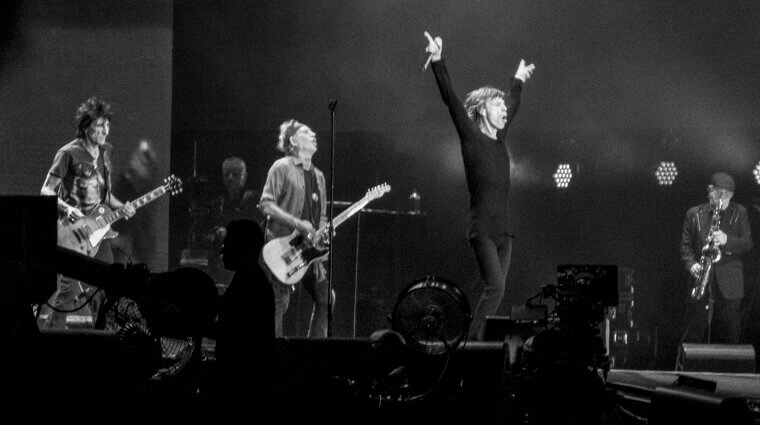
The artist reportedly explained the lyrics were inspired by classic literature and served as a commentary on the dark side of human nature. This intellectual defense did little to satisfy critics who viewed the musicians as a corrupting force on modern society. The song's enduring popularity proves that controversial subjects often generate the most compelling art.
Light My Fire by The Doors, 1967, Lyrics Allegedly Referencing Being High
Network executives expressed significant concern over a specific line in this psychedelic classic that seemed to promote the use of illicit substances. The band was explicitly asked to alter the lyrics before a major television appearance to appease nervous sponsors and producers. During the live broadcast, the charismatic frontman ignored these instructions and sang the original controversial words anyway, cementing their rebellious image forever.
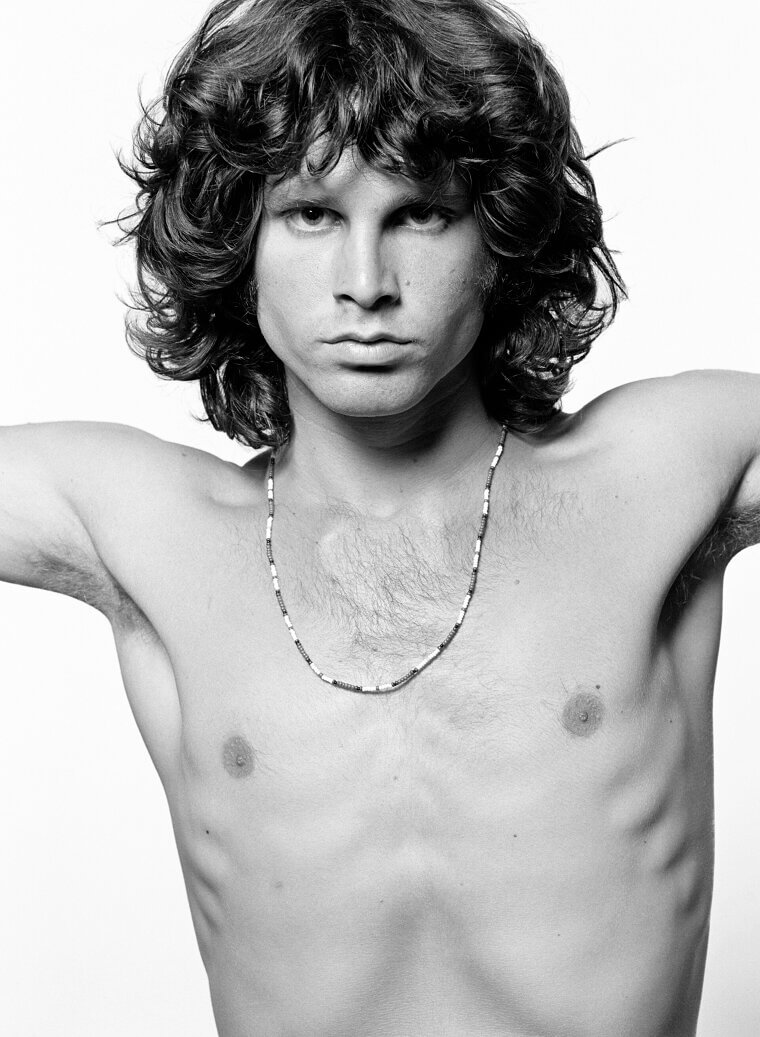
Consequently, numerous radio programmers decided the song was too dangerous for their listeners and removed it from their playlists. This rebellious act angered industry professionals but endeared the musicians to a generation seeking authenticity and defiance against strict societal norms. The prolonged instrumental solos also made it difficult for top 40 stations to fit into their standard programming schedules.
Brown Eyed Girl by Van Morrison, 1967, Lyrics Describing Intimate Relations in the Green Grass
The nostalgic tune features a line referencing romantic escapades behind the stadium, which raised eyebrows among conservative radio programmers. Censors felt the imagery was too suggestive for daytime audiences and demanded an edited version that replaced the offending lyric with something more innocent. Even with the sanitized recording available, certain regions reportedly banned the track entirely because they felt the underlying theme was still too mature.

Programmers feared losing their broadcasting licenses if they promoted content that local community leaders deemed immoral or inappropriate. The artist expressed frustration with the censorship, arguing that the song merely captured the innocent romance of youth. Ultimately, the catchy melody and upbeat rhythm proved impossible to suppress, turning the single into a timeless classic despite early pushback.
God Only Knows by The Beach Boys, 1966, Using a Religious Term in the Title
Releasing a pop record with a religious term prominently featured in the title was a massive risk during the mid-60s. Many station managers felt that invoking the creator in a secular pop tune was inherently disrespectful and bordered on blasphemy. Southern US broadcasters were particularly strict and seriously considered dropping the track from rotation as soon as they received the promotional copies.
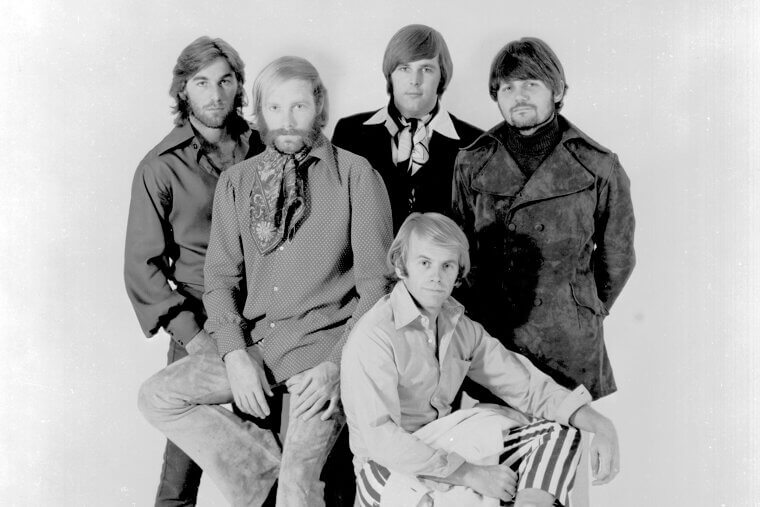
The composer allegedly worried about this exact outcome but believed the phrase perfectly captured the depth of affection expressed in the lyrics. Despite the widespread initial reluctance from conservative networks, the sheer musical brilliance and complex vocal harmonies eventually won over most critics and it played over the airwaves. Today, the composition is widely celebrated as a masterpiece, showing how cultural standards shift significantly over the decades.
My Generation by The Who, 1965, Vocal Stuttering Sounding Like a Curse Word
The lead singer's distinctive vocal delivery caused a massive uproar because listeners suspected he was attempting to sneak a severe profanity onto the airwaves. Programmers argued the stuttering technique was a deliberate provocation aimed at mocking authoritative figures and polite society. Consequently, the track was temporarily blacklisted by several prominent networks who feared fines from broadcasting regulators.
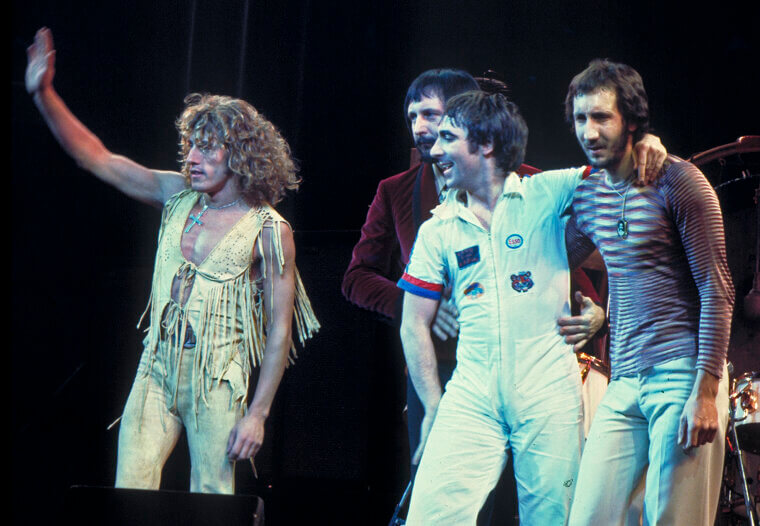
The band reportedly claimed the stylistic choice was actually meant to emulate the speech patterns of a frustrated youth struggling to express himself. This explanation did little to calm the anxieties of conservative commentators who viewed the rock genre as a disruptive influence. The anthem resonated deeply with teenagers who related to the feelings of alienation, making it an enduring symbol of youthful rebellion.
Ticket to Ride by The Beatles, 1965, Alleged References to Women Riding the Streets in Germany
Early in their career, the iconic group faced scrutiny over this catchy tune because of its supposedly hidden meaning. Rumors suggested the title referenced health certificates carried by workers in the red-light districts of Hamburg, where the band had previously performed. Some local authorities allegedly deemed this connection inappropriate for a wholesome pop audience, leading to scattered bans in certain conservative markets.
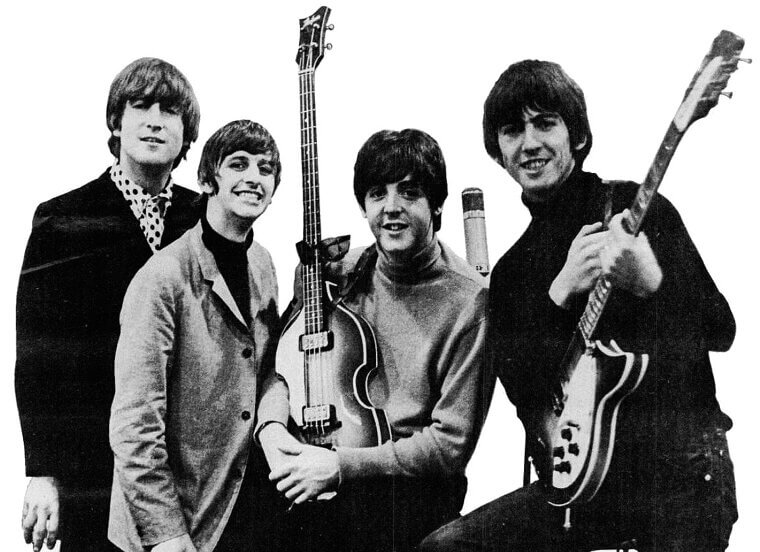
The songwriters maintained that the narrative simply detailed a sad romantic breakup and a literal train journey. While the censorship was not universally enforced, it marked 1 of the first times the musicians faced significant backlash over their lyrical content. The driving drum pattern and heavy guitar sound ultimately overshadowed the controversy, marking a pivotal shift in their musical evolution.
Let's Spend the Night Together by The Rolling Stones, 1967, Suggestive Title About Sleeping Over
The blunt request featured in the chorus of this classic rock anthem caused immediate panic among television producers and radio station managers. Asking a romantic interest to stay until morning was considered far too explicit for mainstream broadcasting standards during the late 60s. 1 prominent television host demanded the band alter the lyrics to something more vague and acceptable for a family viewing audience.
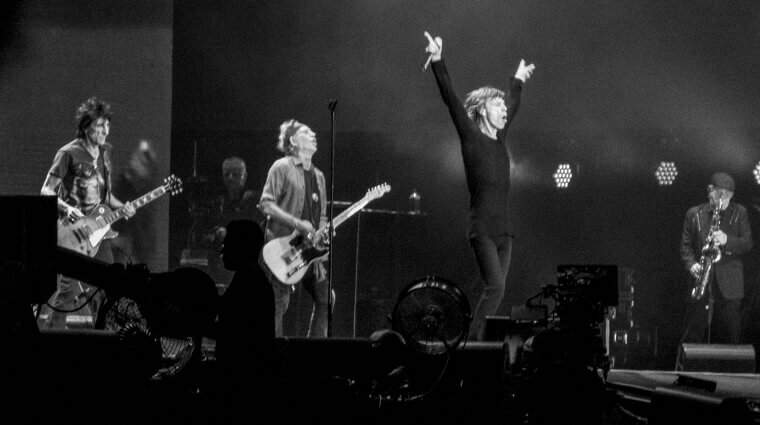
The frontman mockingly rolled his eyes while delivering the sanitized version on live television, showing his clear disdain for the censorship. Radio stations followed suit by refusing to play the original recording, opting instead to promote the B-side of the single. The pushback only solidified the group's reputation as dangerous bad boys of the British invasion.
White Rabbit by Jefferson Airplane, 1967, Alice in Wonderland References Linked to Substances
Adapting a beloved children's literary classic into a psychedelic rock anthem drew immediate suspicion from watchful parents and broadcasting authorities. The lyrics describe pills that alter physical size and explicitly mention mind-expanding concepts, which censors quickly associated with the emerging hippie culture. Many radio stations pulled the track from their rotation, convinced it was a thinly veiled instruction manual for exploring altered states of consciousness.
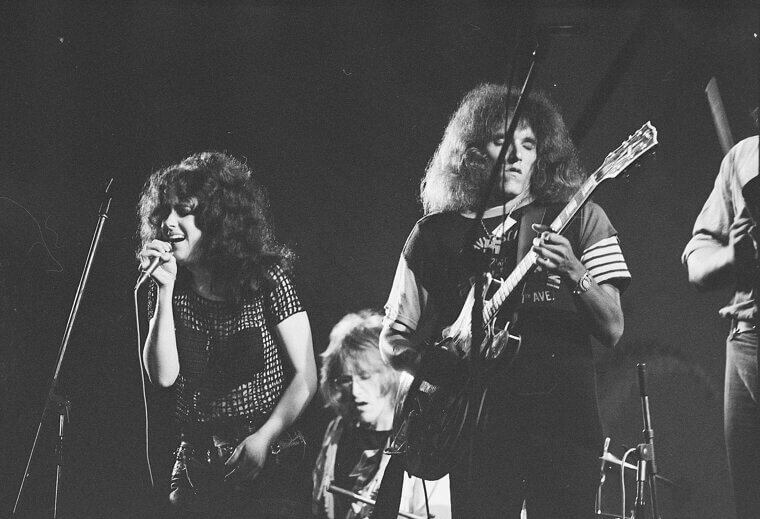
The lead singer reportedly argued that the song was actually a critique of parents who read strange fantasy tales to their children and then wonder why those same kids grow up to experiment. The powerful vocal performance and marching band rhythm ensured the song became a massive hit despite the widespread bans.
Eight Miles High by The Byrds, 1966, References to Altitude Linked to Substance Use
The shimmering 12-string guitars and complex vocal harmonies were initially embraced by fans, but the title quickly landed the group in serious trouble. An influential industry publication published an article asserting the lyrics were a deliberate homage to illegal recreational activities, prompting an immediate nationwide radio boycott. Broadcasters ignored these explanations, choosing instead to play it safe and avoid any potential association with the controversial youth movement.
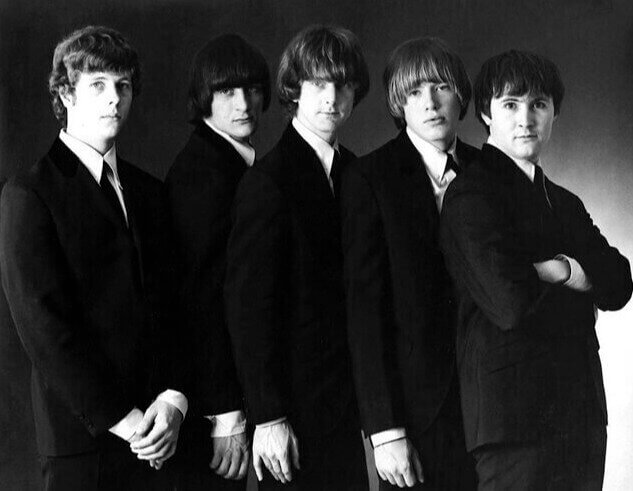
The band members vigorously defended their work, explaining the song was merely a literal recount of their recent airplane journey across the Atlantic to London. This severe overreaction stunted the single's commercial momentum just as it was climbing the charts. It remains a fascinating case study in how media paranoia can derail a brilliant piece of art.
Wake Up Little Susie by The Everly Brothers, 1957, Teenagers Falling Asleep Together
The innocent tale of 2 young lovers accidentally sleeping through their curfew at a movie theater sparked ridiculous levels of moral outrage. Censors believed the narrative strongly implied that the teenagers had engaged in inappropriate physical intimacy while parked in their vehicle. Several prominent radio stations banned the record, arguing it promoted juvenile delinquency and encouraged teenagers to blatantly disrespect the rules set by their parents.
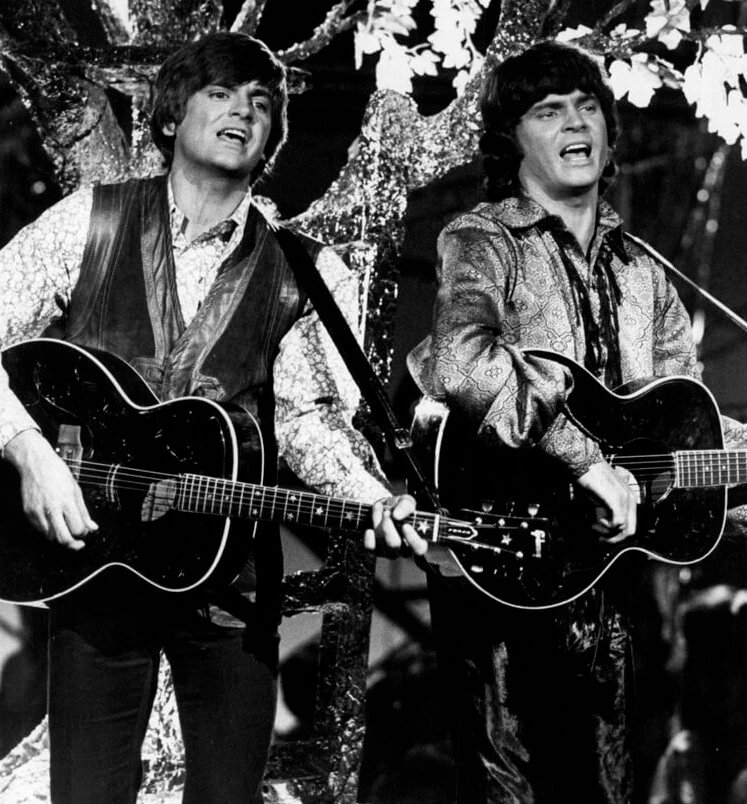
The artists were reportedly shocked by the reaction, noting that the lyrics explicitly state the couple simply fell asleep because the movie was boring. The catchy acoustic guitar riff and flawless harmonies eventually propelled the song to the top of the charts despite the frantic efforts of conservative moralists.
Splish Splash by Bobby Darin, 1958, Walking Out of a Bath Naked
A humorous novelty song about stepping out of the tub and unexpectedly stumbling into a wild party seems harmless by modern standards. However, the initial verse detailing the narrator leaving his bath without any clothes on was deemed scandalous by strict late 50s censors. Certain radio stations refused to broadcast the track, claiming the implied nudity was highly inappropriate for family-oriented programming.
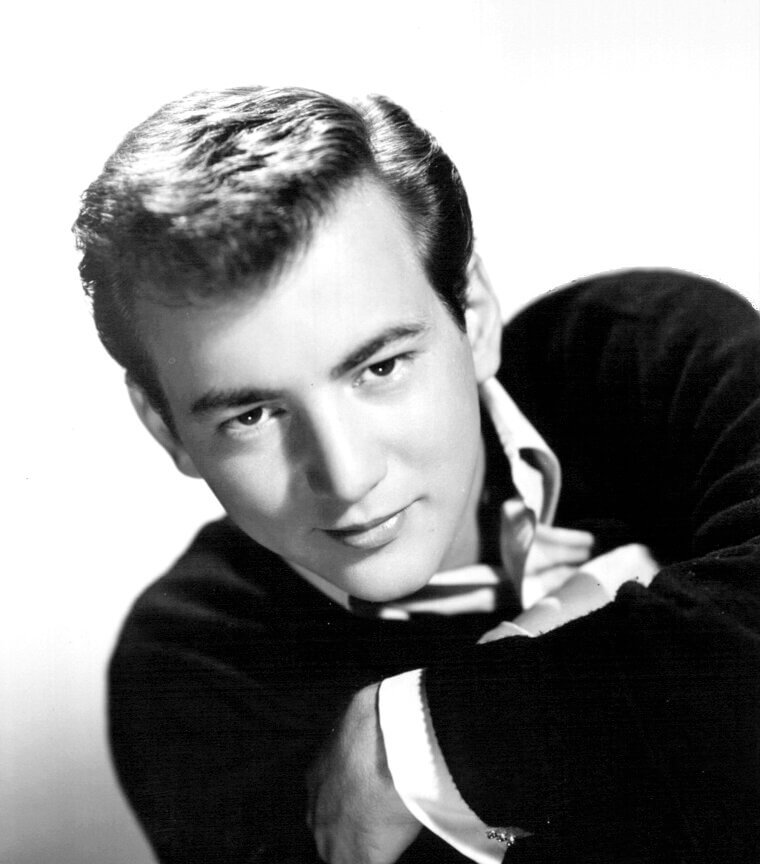
The artist reportedly laughed off the controversy, pointing out that the protagonist immediately puts on his dancing shoes and joins the festivities. The infectious rhythm and playful vocal delivery made it a massive dance floor hit, proving that audiences were not as prudish as the network executives assumed. The ban is now viewed as a hilarious example of historical overreaction.
A Day in the Life by The Beatles, 1967, Alleged References to Turning People on
The closing track of the landmark concept album drew immediate ire from international broadcasting corporations due to a specific line about altering someone's mood. Executives interpreted the phrase as a blatant endorsement of illegal substance consumption and banned the record from their networks. The musicians reportedly argued the lyric was an innocent comment on emotional elevation rather than anything nefarious or illegal.
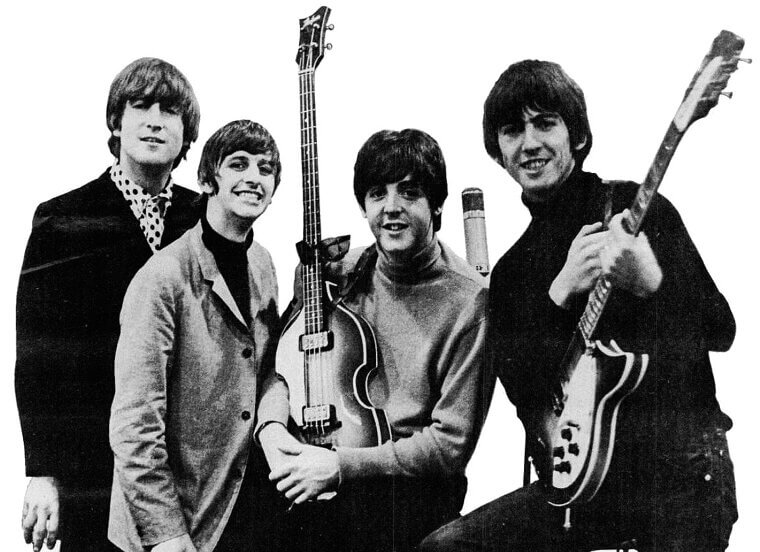
Furthermore, the sweeping orchestral crescendos and unconventional song structure confused traditional pop radio stations, giving them another reason to avoid playing the masterpiece. The resulting controversy only added to the mystique surrounding the release, prompting curious fans to purchase the full record. It remains a staggering artistic achievement that pushed the boundaries of what popular music could be.
Ohio by Crosby, Stills, Nash & Young, 1970, Anti-Government and References to the President
Written in direct response to a tragic clash between student protesters and armed authorities at a midwestern university, this raw anthem was instantly controversial. The lyrics explicitly called out the sitting President by name, holding him personally responsible for the violence that shook the entire nation. Mainstream radio networks panicked at the sheer political aggression and refused to broadcast the song, fearing retaliation from government regulators and conservative advertisers.
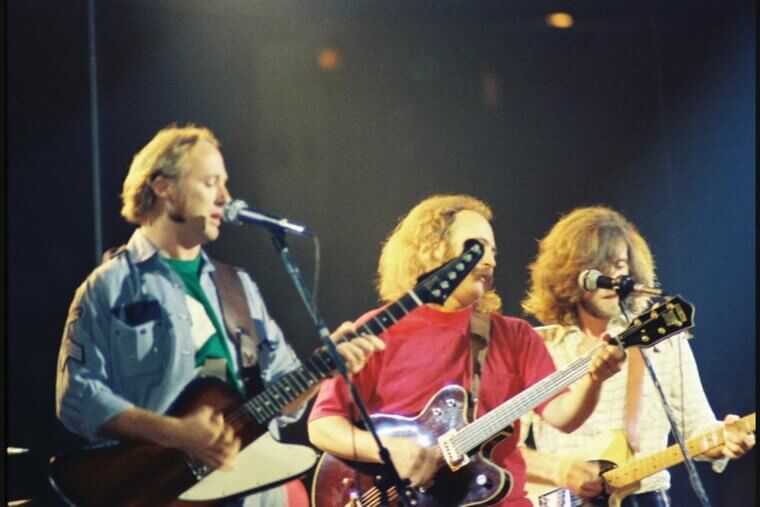
The band allegedly rushed the recording process specifically to ensure the message reached the public while the emotional wounds were still fresh. The courageous release cemented their legacy as fearless activists willing to sacrifice commercial success to speak truth to power. Their defiance resonated with countless frustrated citizens.
Radio Radio by Elvis Costello, 1978, Biting the Hand That Feeds
Openly criticizing the corporate nature of the broadcasting industry is a surefire way to get your latest single blacklisted by network executives. The energetic new wave track attacked programmers for homogenizing music and manipulating the minds of their listening audience with bland content. Predictably, station managers took the lyrics as a personal insult and refused to provide any airplay for the defiant artist.

The situation famously escalated when the musician performed the song live on a major comedy sketch show against the explicit wishes of the television producers. This rebellious stunt resulted in a lengthy ban from the network but instantly transformed the performer into a legendary figure among punk rock enthusiasts. The message remains highly relevant in today's media landscape.
Whole Lotta Love by Led Zeppelin, 1969, Suggestive Vocalizations
The thundering guitar riff is widely considered 1 of the greatest in rock history, but the vocal performance during the bridge caused significant problems. The frontman delivered a series of passionate groans and heavily breathing sounds that censors found far too explicit for a general audience. Radio stations demanded an edited version that removed the controversial middle section, essentially butchering the artistic vision of the heavy metal pioneers.
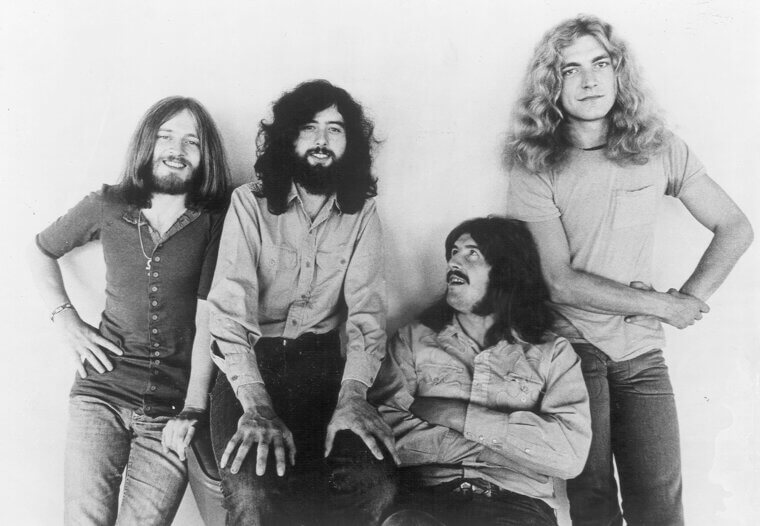
The band notoriously despised releasing shortened singles and initially fought back against the network demands. Eventually, the compromised version found its way onto the airwaves, but dedicated fans knew they had to purchase the full album to experience the raw power of the original recording. The uncut track remains a definitive hard rock masterpiece.
Money for Nothing by Dire Straits, 1985, Problematic Slur in Lyrics
The massive hit featured a catchy synthesizer hook and innovative computer-animated music video, but 1 specific verse generated significant backlash decades later. The songwriter penned lyrics from the perspective of an ignorant appliance deliveryman who uses an offensive slur to describe glamorous rock stars on television. While the artist argued the character study was clearly satirical, modern listeners and radio programmers felt the language was inappropriate and harmful.
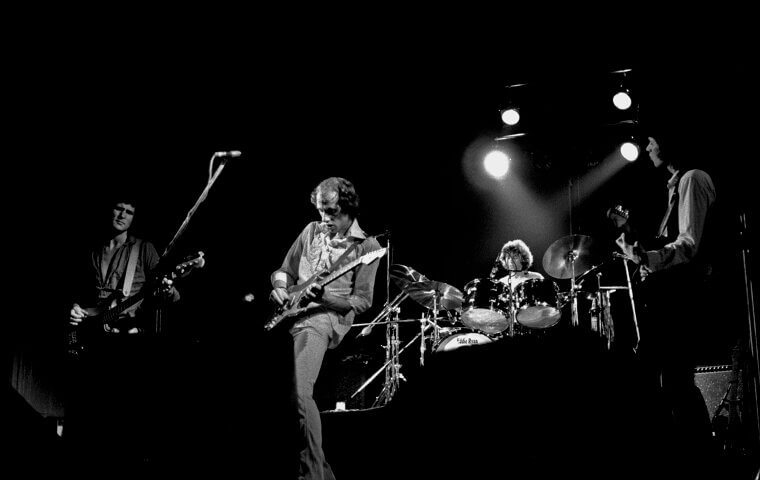
Several networks permanently banned the original version, forcing the record label to distribute an edited cut that removed the controversial verse. The debate surrounding this track highlights the evolving nature of acceptable language and how historical context often clashes with modern sensibilities. Broadcasters remain highly cautious about airing the unedited recording.
Walk on the Wild Side by Lou Reed, 1972, Taboo Subjects and Suggestive Acts
This jazzy, acoustic-driven narrative reads like a detailed documentary of the eccentric characters surrounding a famous modern art studio in New York City. The lyrics openly discussed topics that were considered strictly taboo in the early 70s, including gender fluidity and engaging in desperate acts for cash. Amazingly, the song initially slipped past censors who simply did not understand the dense street slang utilized by the clever songwriter.

Once network executives finally deciphered the meaning behind the catchy chorus, they panicked and immediately pulled the track from their daytime rotations. The smooth saxophone solo and infectious bassline ensured the song remained an underground classic despite the delayed censorship efforts. It beautifully captures a unique moment in pop culture history.
Physical by Olivia Newton-John, 1981, Suggestive Themes
The wholesome country-pop singer entirely reinvented her public image with this aerobics-themed dance track that pushed the boundaries of early 80s radio. While the music video cleverly focused on gym workouts to mask the true meaning, the lyrics clearly demanded a much more intimate kind of exercise. Broadcasters in conservative regions, particularly in Utah, banned the record from their stations, arguing the aggressive romantic demands were inappropriate for a family audience.

The artist reportedly embraced the controversy, realizing that the media attention only helped to drive record sales even higher. The infectious melody and iconic headband fashion trend became defining cultural touchstones of the decade, overshadowing the frantic efforts of regional censors. Pop music was forever altered by this daring release.
Bicycle Race by Queen, 1978, References to Unclothed Girls on Bikes
The operatic rock band decided to promote this complex musical composition by staging a highly controversial stunt at a prominent sports stadium. They filmed dozens of unclothed female models riding bicycles, which immediately drew the ire of moral crusaders and traditional media outlets. While the song itself only briefly references the event, the associated marketing materials caused radio stations to distance themselves from the chaotic release.
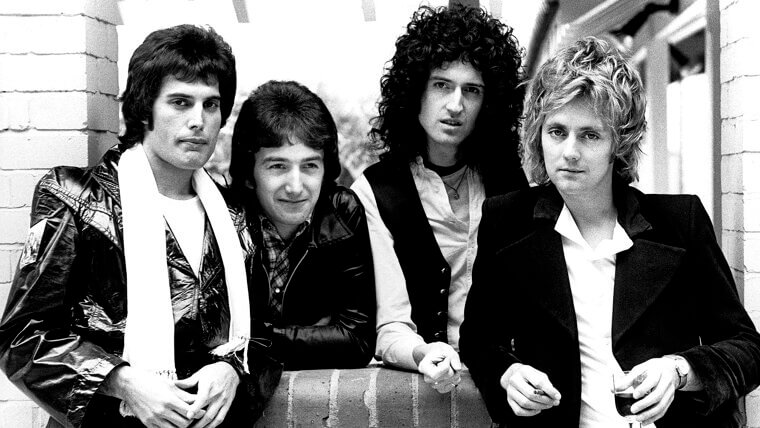
Censors argued the promotional tactics were distasteful and refused to support the single on their networks. The musicians refused to apologize for their theatrical antics, believing that pushing boundaries was an essential component of their larger-than-life artistic persona. The bold promotional strategy definitely secured their place in rock history.
Lucy in the Sky With Diamonds by The Beatles, 1967, Alleged References to Illicit Substances
Rumors quickly spread that the initials of this psychedelic masterpiece intentionally spelled out the name of a popular hallucinogen. The primary songwriter vehemently denied these accusations, reportedly claiming the title was inspired by a whimsical drawing brought home by his young son. Despite this innocent explanation, the surreal lyrics featuring marmalade skies and kaleidoscope eyes convinced many listeners that the track promoted an altered state of consciousness.
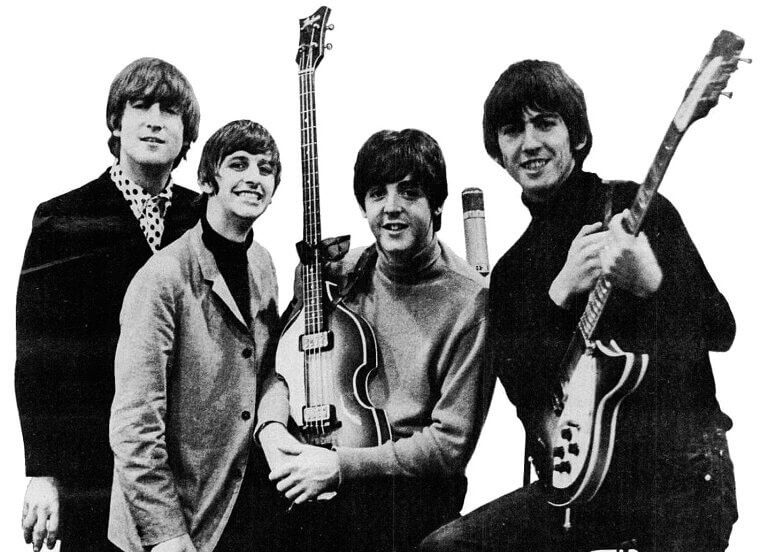
Although censors wanted swift action to protect impressionable young minds, the song remained on the airwaves. The vibrant imagery and innovative production techniques continued to captivate fans who bought the album in record numbers. This incident perfectly illustrates the massive cultural divide between the conservative establishment and the counterculture movement.
Louie Louie by The Kingsmen, 1963, Indecipherable Lyrics Allegedly Containing Obscenities
The infectious garage rock anthem sparked immense controversy upon its release because listeners could not understand the garbled vocals delivered by the lead singer. Panicked parents and authority figures convinced themselves that the mumbled words secretly contained highly inappropriate themes meant to corrupt the youth. An official investigation was launched by government agents who spent over 2 years analyzing the audio at various speeds trying to uncover hidden profanities.
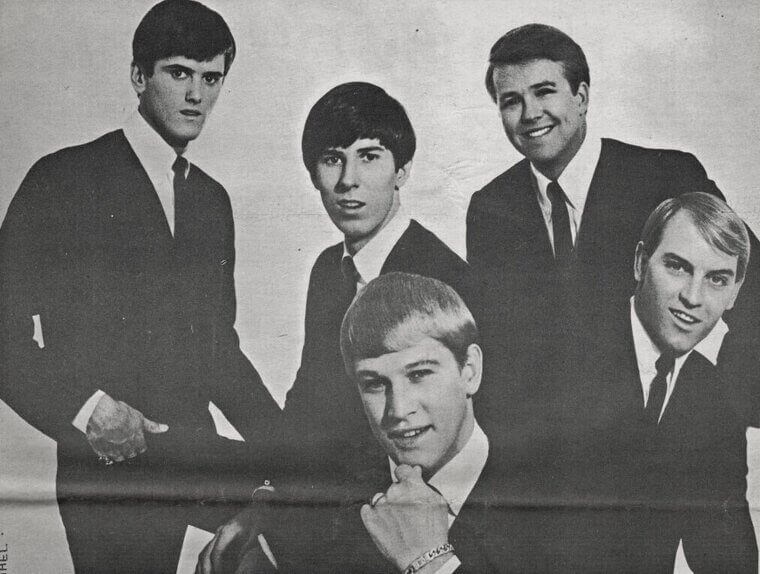
They ultimately concluded that the recording was unintelligible at any speed and contained nothing offensive. Despite this official clearance, many radio stations continued to refuse to broadcast the track. Broadcasters remained paranoid about potential backlash from conservative listener groups who were already on edge. The ban only fueled the track's immense popularity among rebellious teenagers everywhere.
Rumble by Link Wray, 1958, Instrumental Sounding Too Rebellious and Promoting Gang Fights
It is exceedingly rare for an instrumental track lacking any lyrics to face censorship, yet this gritty guitar piece managed that exact feat. Broadcasters allegedly felt the heavy distortion and slow, menacing tempo perfectly captured the aggressive atmosphere of juvenile delinquency. They feared playing the tune would incite violent clashes among rival teenage factions in major urban centers.
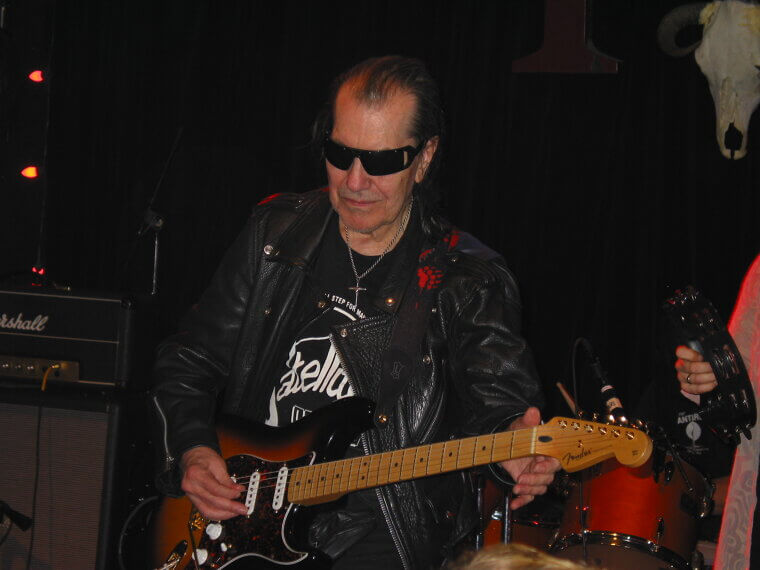
Network managers ordered their disc jockeys to avoid the record, believing it promoted a dangerous lifestyle without uttering a single word. The pioneering use of power chords influenced countless future guitarists who admired the raw energy and innovation on display. This unique ban highlights the intense paranoia that gripped the older generation during the early days of rock and roll.
Star Star by The Rolling Stones, 1973, Profane Lyrics
Filled with explicit references and harsh profanity, this gritty rocker was destined for the censorship block from the moment it was recorded. The lyrics unabashedly detailed the chaotic lifestyle of a groupie chasing fame, crossing several lines of acceptability for daytime radio play. Broadcasters outright refused to touch the original mix, forcing the record label to create a heavily edited version that masked the most offensive words.
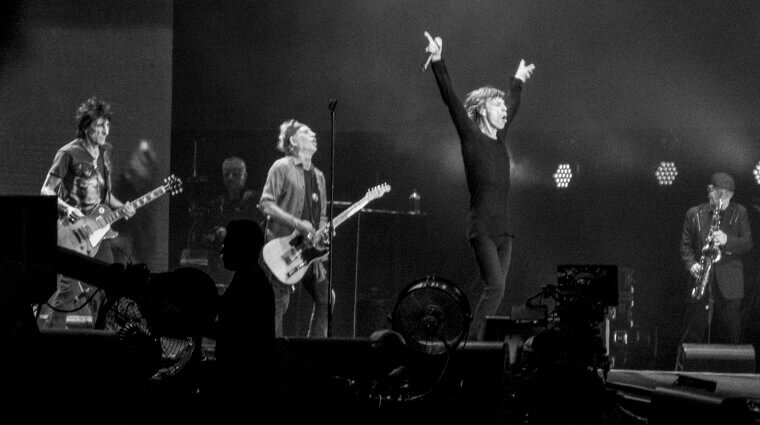
Even with the modifications, many station managers felt the underlying theme remained far too inappropriate for their general audience demographics. The controversy resulted in a rare missed opportunity for chart success, though it remained a staple of their live performances. It serves as a prime example of the ongoing battle between artistic expression and commercial viability.
Working Class Hero by John Lennon, 1970, Use of a 4-Letter Curse Word
Releasing a raw acoustic ballad that featured a prominent expletive was a bold artistic choice that guaranteed minimal radio support. The songwriter used the harsh language to emphasize the pain and frustration experienced by individuals trapped in a rigid social hierarchy. Network executives were unwilling to risk their broadcasting licenses, resulting in an immediate and widespread ban across almost all major commercial stations.
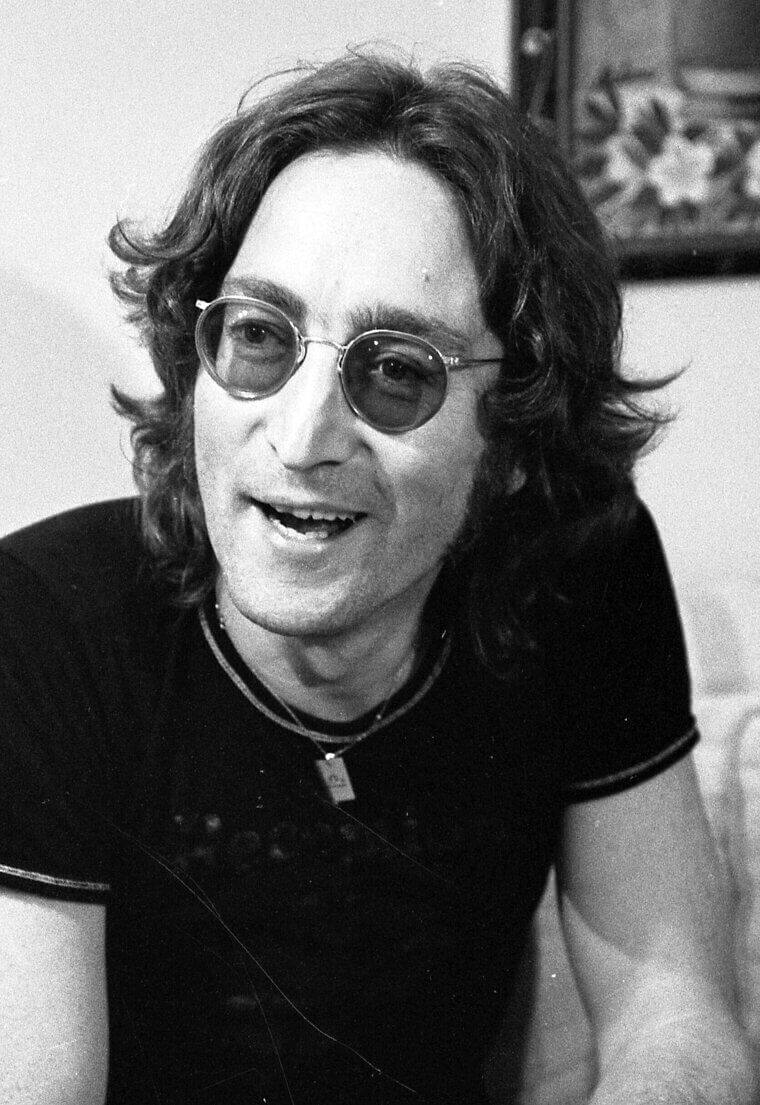
Some rebellious disc jockeys allegedly played the track late at night, risking their careers to share the powerful political message with their listeners. The artist defended the lyrical choice, arguing that the word was necessary to convey the true harshness of the working-class experience. The censorship highlighted the limitations placed on popular musicians attempting to tackle serious societal issues.
Imagine by John Lennon, 1971, Anti-Religious Sentiments
While now considered a universal anthem for peace, the gentle piano ballad initially faced significant resistance due to its opening verse. Asking listeners to visualize a world without heaven or organized religion sparked outrage among conservative groups who labeled the message as unpatriotic and heretical. Several influential radio stations in the southern US explicitly forbade their disc jockeys from playing the record, fearing a severe backlash from their devout audience base.
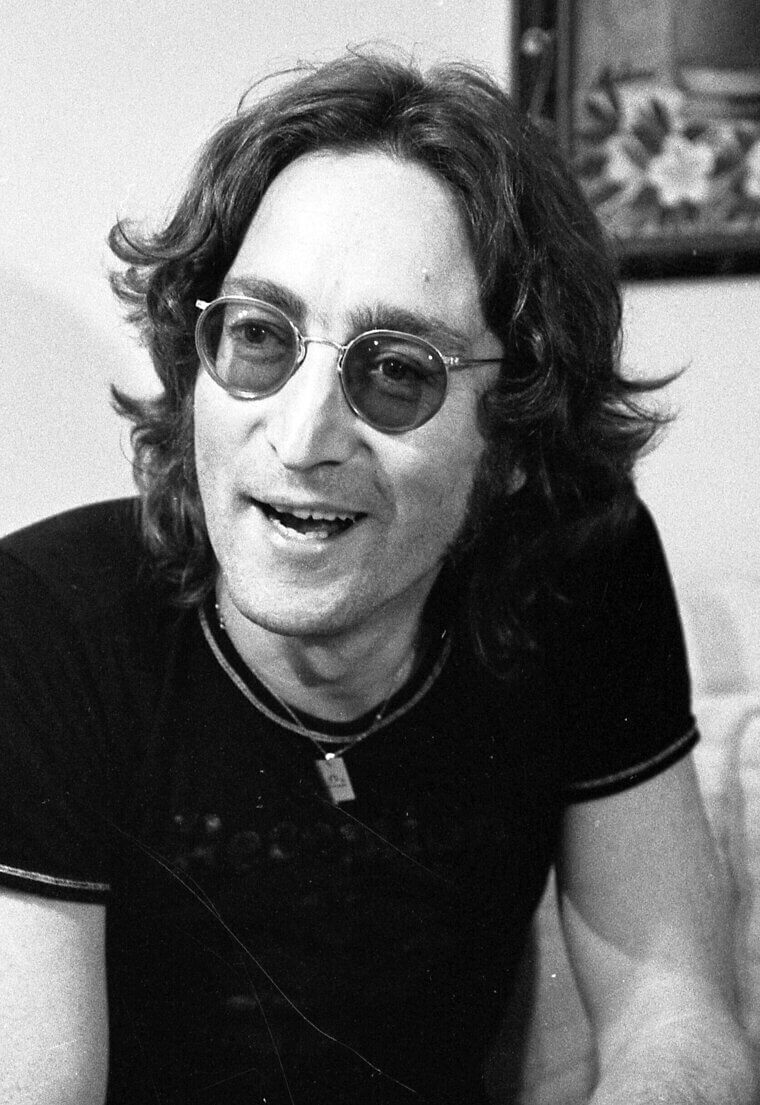
The composer reportedly maintained that the song was simply an exercise in conceptualizing a more unified and peaceful human existence. Over time, the soothing melody and hopeful chorus managed to eclipse the initial controversy, transforming the track into a beloved classic. The early censorship is rarely remembered today given its massive cultural impact.
In-A-Gadda-Da-Vida by Iron Butterfly, 1968, Overly Long and Alleged Substance Influence
Clocking in at over 17 minutes, this heavy psychedelic epic presented a logistical nightmare for top 40 radio formats built on short, catchy singles. Programmers initially rejected the track simply because it took up too much airtime, which drastically reduced their capacity to play lucrative commercial advertisements. The massive popularity of the full-length version proved that audiences were hungry for more experimental and complex musical arrangements.
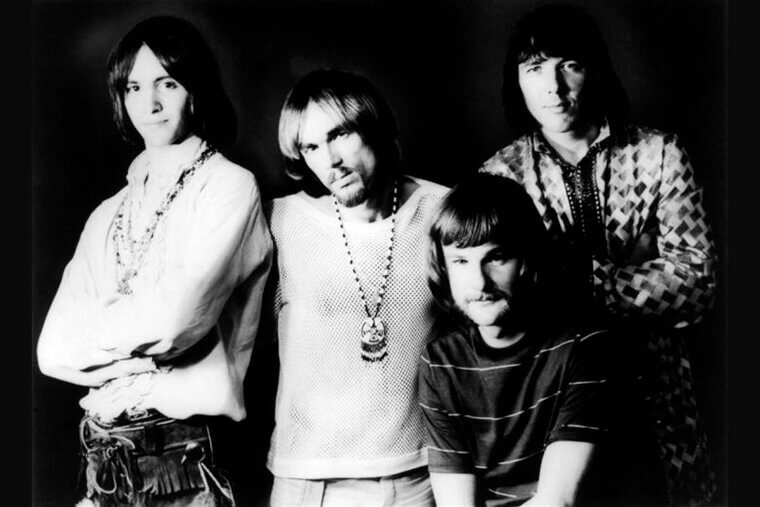
Beyond the runtime, critics allegedly claimed the slurred vocals and extended drum solos were clear evidence that the musicians were heavily intoxicated during the recording session. A severely shortened edit was eventually released to appease network executives, but many still viewed the composition as a dangerous endorsement of the counterculture lifestyle.
Will You Love Me Tomorrow by The Shirelles, 1960, Suggestive Themes of Intimacy
As the first number 1 hit by a black girl group, this beautiful ballad broke significant ground but also faced intense scrutiny from radio programmers. The lyrics explored the anxiety of a young woman questioning if her romantic partner will remain committed after they cross a physical boundary. Many station managers felt the subject matter was far too mature for a demographic consisting primarily of young teenage girls.
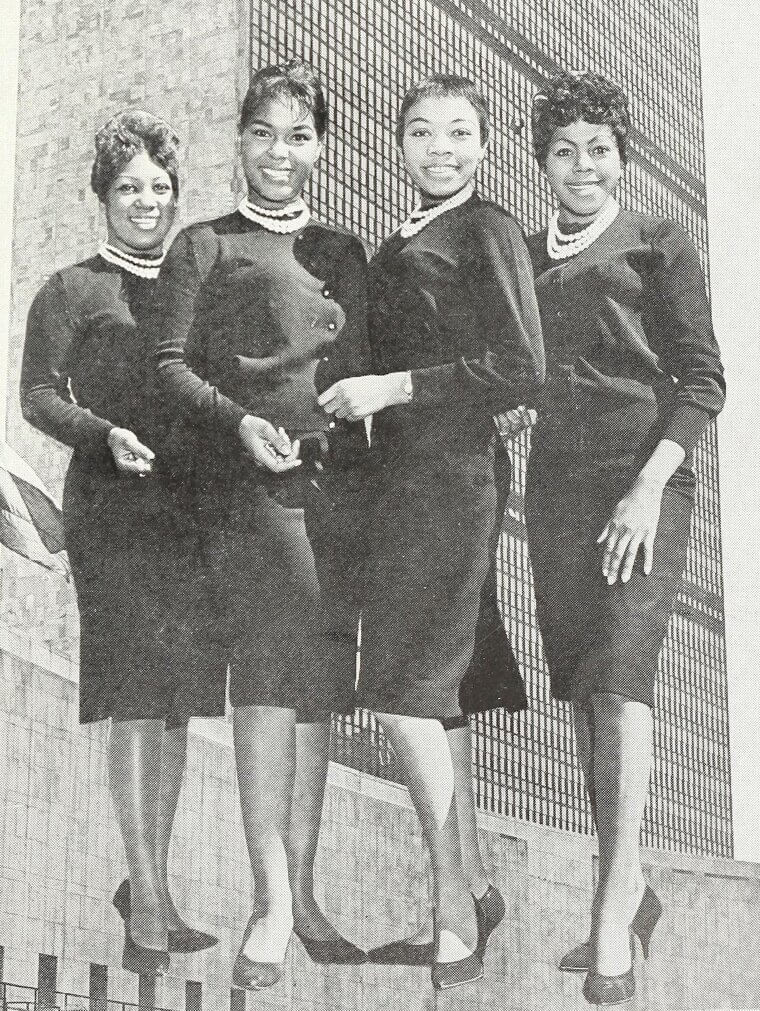
They feared the song would encourage premarital indiscretions and briefly banned the track from various regional markets. The honest vulnerability expressed in the vocal performance resonated so deeply with listeners that the censorship efforts quickly crumbled. It stands as a pivotal moment when popular music began addressing realistic emotional complexities.
Monster Mash by Bobby Pickett, 1962, Deemed Too Morbid
Creating a spooky novelty record designed for Halloween celebrations seemed like a fun and harmless idea to the eccentric artist behind this smash hit. Surprisingly, several international broadcasting organizations banned the track entirely because they felt the lyrical content was far too morbid and gruesome for young listeners. Censors allegedly argued that making light of monsters, graveyards, and reanimated corpses was in poor taste and could traumatize sensitive children.

The creator was reportedly baffled by the decision, as the song was clearly a lighthearted parody of popular horror films featuring humorous vocal impressions. The ban was eventually lifted, and the tune became a perennial seasonal favorite that continues to generate massive royalties every October.
Tell Laura I Love Her by Ray Peterson, 1960, Teen Tragedy Song
The subgenre of teenage tragedy songs was highly lucrative in the early 60s, but this particular tearjerker pushed the boundaries too far for some. The narrative follows a desperate young man who enters a dangerous stock car race to win money for a wedding ring, only to perish in a fiery crash. The morbid subject matter made network executives incredibly uncomfortable, leading to widespread removal from daytime playlists.
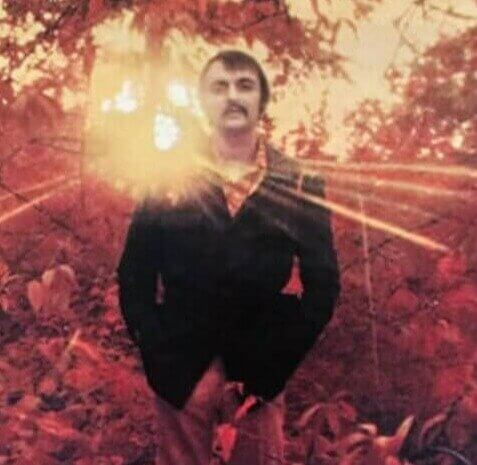
Broadcasters in several countries banned the record, citing concerns that it might encourage reckless driving and romanticize tragic outcomes among impressionable youth. Despite the lack of radio support, the emotionally charged performance struck a chord with listeners who actively sought out the physical record. The song found massive success despite the attempts to silence it.
Eve of Destruction by Barry McGuire, 1965, Too Politically Pessimistic
Offering a bleak assessment of global politics, nuclear proliferation, and civil rights struggles, this gravelly protest anthem angered traditionalists everywhere. Conservative media outlets launched a massive campaign against the record, claiming it demoralized the youth and offered no constructive solutions to the world's problems. Numerous radio stations banned the track, arguing that top 40 programming should be reserved for lighthearted entertainment rather than depressing political commentary.

The artist reportedly argued that ignoring these serious issues was far more dangerous than singing about them on the public airwaves. The raw passion and timely subject matter resonated strongly with a generation facing the reality of military drafts and social upheaval. It quickly reached the top of the charts despite the coordinated resistance.
Gloria by Them, 1964, Suggestive Lyrical Implications
The raw garage rock track detailed a young woman visiting a man's room late at night, which proved too scandalous for mid-60s radio. Broadcasters interpreted the energetic vocal delivery and pounding rhythm as an endorsement of youthful indiscretions outside of marriage. Network managers ordered their stations to pull the record, fearing intense backlash from religious groups who monitored public airwaves for moral decay.
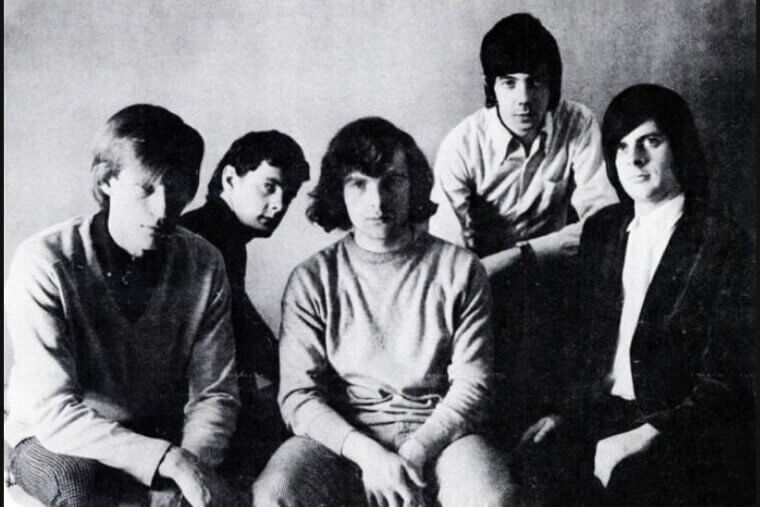
The fiery performance inspired countless aspiring musicians to form their own bands in local garages across the country. The ban did not prevent the infectious guitar riff from becoming a staple of the era. The controversy only added to the rebellious appeal of the frantic composition.
Let It Bleed by The Rolling Stones, 1969, Suggestive References
The title track of this iconic album featured lyrics heavily laced with euphemisms that alarmed conservative network executives. Station managers felt the gritty vocal delivery and raw acoustic arrangement highlighted the suggestive themes far too prominently for a mainstream audience. Radio programmers quickly moved to ban the track, citing numerous complaints from older listeners who found the lyrical content highly offensive and crude.
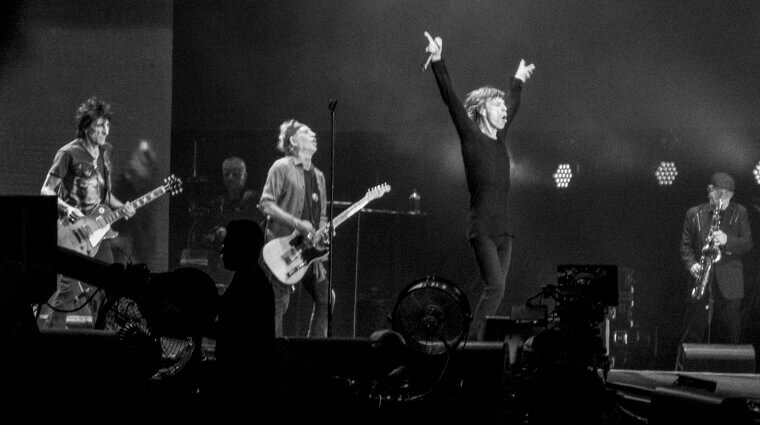
The musicians ignored the outcry, knowing their dedicated fanbase would actively seek out the music regardless of official radio support. The intricate guitar work and unique production remain celebrated by critics who appreciate the raw authenticity. It stands as a testament to the band's refusal to sanitize their artistic vision.
The Stroke by Billy Squier, 1981, Suggestive Title and Lyrics
Featuring a massive, stomping drum beat and aggressive guitar squeals, this arena rock anthem was universally misinterpreted by eager radio listeners. The artist reportedly wrote the track as a scathing critique of the predatory music industry, comparing record executives to individuals who demand constant ego stroking. However, the repetitive chorus and aggressive delivery led censors to believe the song was actually about a highly inappropriate physical act.
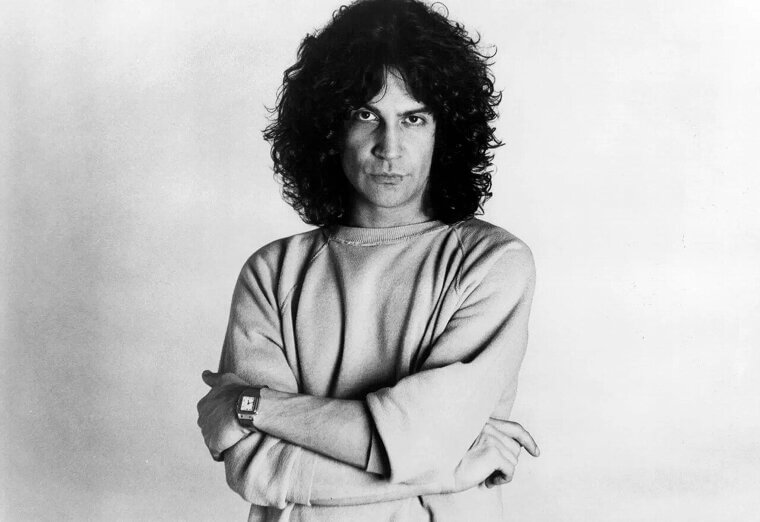
Several conservative markets banned the tune, refusing to broadcast what they considered blatant locker-room humor to a youthful audience. The misunderstanding ironically helped propel the single up the charts, as teenagers embraced the track specifically for its perceived rebellious and cheeky subject matter. It remains a staple of classic rock radio today.
Fat Bottomed Girls by Queen, 1978, Controversial Title and Subject Matter
Released as a double A-side alongside their bicycle-themed anthem, this stomping rock track faced its own unique set of broadcasting hurdles. The bold title and unapologetic celebration of fuller-figured women ruffled the feathers of sensitive network executives who preferred more traditional romantic subjects. Certain stations requested promotional copies that omitted the provocative title from the artwork, while others simply refused to add the tune to their standard rotation.
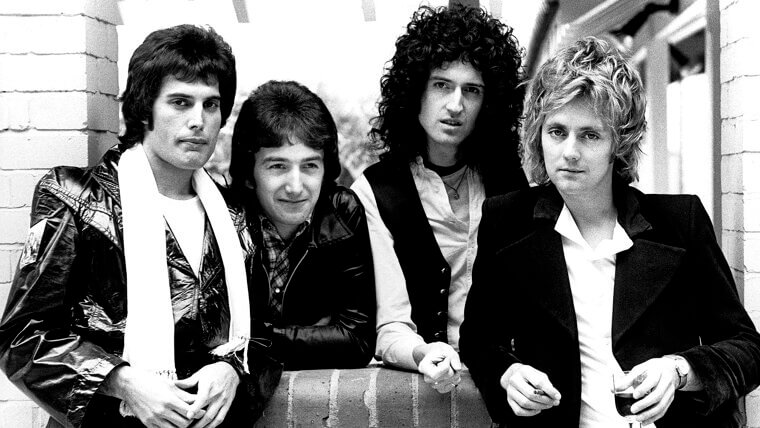
The lead guitarist reportedly wrote the infectious riff specifically to accommodate the unique vocal harmony arrangement that defines the memorable chorus. The song has since transformed into a beloved stadium anthem, proving that early censorship rarely stops a genuinely fantastic rock composition from finding its audience. The track is now celebrated universally.