
Ever wonder what your favorite albums would sound like if they were missing their biggest hits? You might be surprised to learn how many legendary rock anthems almost got tossed in the trash before reaching our ears! Let's dive right in to discover the fascinating stories behind these near-misses.
Black Sabbath's 'Paranoid' Almost Didn't Make 'Paranoid'
Black Sabbath recorded their second studio effort in 1970 and allegedly thought they were finished with the tracking sessions. The heavy metal pioneers needed about 3 more minutes of audio material to fulfill their contractual obligations for the record's final runtime. Guitarist Tony Iommi reportedly started playing a frantic, fast-paced guitar riff while the other musicians were on a lunch break. When the rest of the group returned, they quickly joined in and finished the musical arrangement in under 20 minutes.
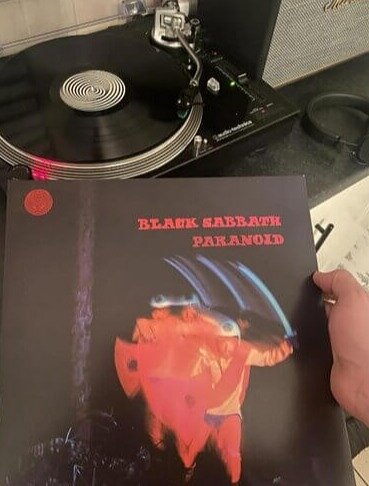
Bassist Geezer Butler hastily scribbled down some lyrics about feeling isolated and confused. Vocalist Ozzy Osbourne read those words directly off the crumpled paper as he recorded the vocal track. The record label eventually chose this last-minute filler track as the lead single, and it became their defining signature anthem.
Guns N' Roses Nearly Dropped 'Sweet Child O' Mine' From 'Appetite for Destruction'
Slash viewed the opening guitar riff of this iconic track as a silly string-skipping exercise and a joke. He reportedly played it during a jam session just to annoy his bandmates. Axl Rose heard the melody from his bedroom upstairs and immediately started writing lyrics inspired by his girlfriend at the time. The band began building a full arrangement around the riff, but Slash allegedly hated the song because it felt too upbeat and poppy for their gritty hard rock image.
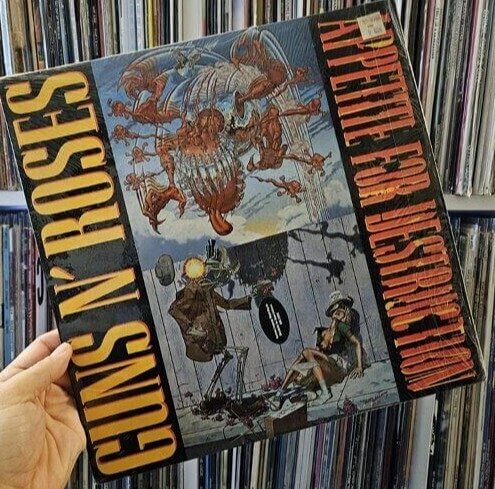
Producer Mike Clink had to convince them to record it for the album. It eventually became their only number 1 single in the United States and a defining anthem for the era, despite the guitarist's persistent initial reservations about its commercial sound.
Nirvana's 'Smells Like Teen Spirit' Was Almost Scrapped From 'Nevermind'
Kurt Cobain allegedly felt very insecure about this track because he thought it sounded too much like a blatant rip-off of the Pixies. When he first introduced the main riff to his bandmates, Krist Novoselic reportedly called it ridiculous. Cobain forced the band to play the riff repeatedly for over an hour until it clicked. Dave Grohl then added the heavy drum beat, which helped transform the dynamic of the arrangement. Despite their initial reservations, producer Butch Vig recognized its potential and pushed them to refine the structure.
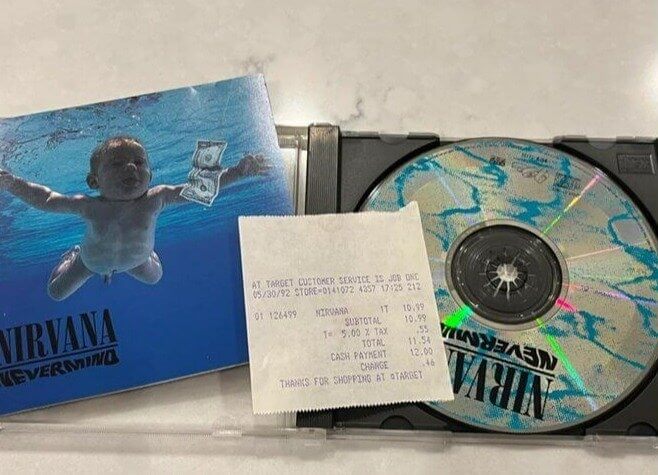
It ultimately went on to define an entire generation, though the band initially considered burying it on the tracklist or leaving it off entirely because they feared it sounded too derivative.
Metallica Almost Left 'Nothing Else Matters' Off 'The Black Album'
James Hetfield wrote this vulnerable acoustic ballad while on the phone with his girlfriend while on tour. He never intended for the rest of the band to hear it, as he felt it was far too personal and strayed too far from their thrash metal roots. Lars Ulrich allegedly heard a demo tape by accident and insisted they develop it for their upcoming record. Hetfield was reportedly very reluctant to include a love song on a heavy metal record, fearing a massive backlash from their loyal fanbase.
However, the track's inclusion broadened their appeal immensely, featuring a lush orchestral arrangement by Michael Kamen that helped them reach a massive mainstream audience worldwide and solidified their legacy.
The Beatles Almost Left 'Here Comes the Sun' Off 'Abbey Road'
George Harrison wrote this uplifting melody while playing hooky from a tense band business meeting. He retreated to the garden of his friend Eric Clapton and found solace in the arrival of spring after a long winter. Despite bringing a fully realized masterpiece to the studio, he reportedly struggled to get John Lennon and Paul McCartney to give it the attention it deserved. The other members were allegedly focused on their own compositions and often treated his contributions as afterthoughts.
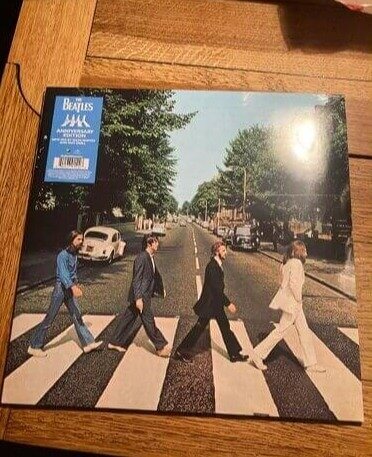
Harrison eventually recorded the basic track with only McCartney and Ringo Starr, as Lennon was recovering from a car accident. The track ultimately became one of the most streamed classic rock songs in music history, proving his songwriting prowess.
Aerosmith Almost Cut 'Walk This Way' From 'Toys in the Attic'
The band had composed the instrumental foundation for this funky rocker but lacked any lyrics or a vocal melody. They left the track sitting without vocals for months during the recording process. Steven Tyler finally found inspiration after watching a comedy film and wrote the words in a frantic burst of creativity. Unfortunately, he reportedly left his notebook containing the lyrics in a taxi on his way to the recording studio. Tyler had to rewrite the entire song from memory while standing in the stairwell of the studio.
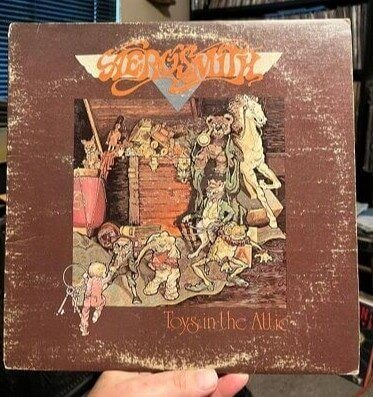
If he had not been able to recall the rapid-fire phrasing, the band would have likely dropped the instrumental jam from the final tracklist altogether.
Queen Nearly Abandoned 'Under Pressure' From 'Hot Space'
This famous collaboration emerged from an impromptu jam session in Switzerland, but it almost fell apart due to clashing egos. Freddie Mercury and David Bowie were both strong-willed perfectionists who reportedly argued extensively over the vocal arrangements and the final mix. Bowie allegedly threatened to block the release entirely because he was unhappy with how certain elements sounded. The legendary bassline was nearly lost when bassist John Deacon forgot the notes after the band returned from getting food.
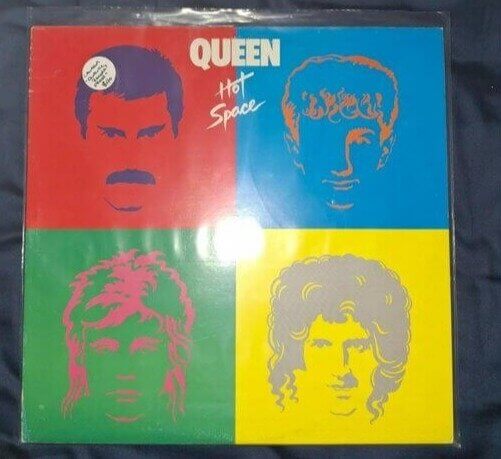
Fortunately, drummer Roger Taylor remembered the exact rhythm and reminded him how to play it. Despite the immense tension, they managed to complete the recording, delivering an iconic duet that remains a staple of radio broadcasting.
Lynyrd Skynyrd Almost Shelved 'Sweet Home Alabama' From 'Second Helping'
The southern rock group penned this spirited response to Neil Young quite rapidly during a casual rehearsal session. Producer Al Kooper allegedly felt the song was far too regional and lacked the broad appeal necessary for a national radio hit. He reportedly fought the band over its inclusion, preferring they focus on other material for their sophomore release. The musicians remained adamant about keeping the track on the record, believing strongly in the catchy guitar hook and the defiant lyrics.
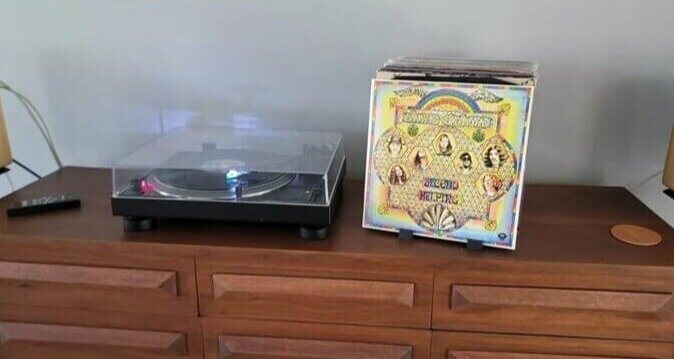
The record executives ultimately sided with the band and released it as the lead single. It quickly became their highest-charting hit and firmly established their reputation in the mainstream music industry.
Journey Almost Scrapped 'Don't Stop Believin'' From 'Escape'
Keyboardist Jonathan Cain brought the core concept of this timeless anthem to the group, inspired by encouraging words from his father. Guitarist Neal Schon reportedly disliked the underlying bass sequence initially, finding it too repetitive and unorthodox for their usual style. Steve Perry also struggled to find the right vocal approach for the verses, leading to immense frustration during the recording sessions. The unique structure, which saves the famous chorus until the very end of the track, made label executives nervous about its radio potential.
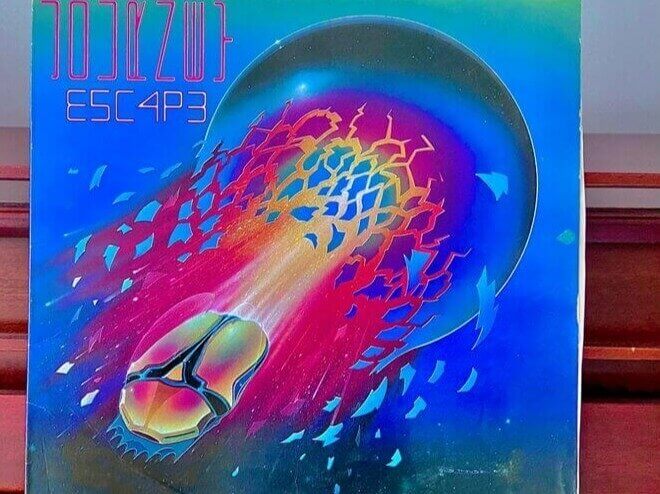
The band persevered and finalized the arrangement, inadvertently creating one of the most enduring and popular digital downloads of the modern era despite the early creative friction.
The Rolling Stones Almost Excluded 'Start Me Up' From 'Tattoo You'
The original version of this track was recorded back in 1978 during the sessions for 'Some Girls' under the working title 'Never Stop.' At that time, it was styled as a reggae song, and the band reportedly recorded over 40 takes before abandoning it. Years later, they were looking for material to fill out their 1981 release and tasked engineer Chris Kimsey with digging through their archives. Kimsey discovered a single rock take of the track buried among the reggae versions and brought it to Mick Jagger and Keith Richards.
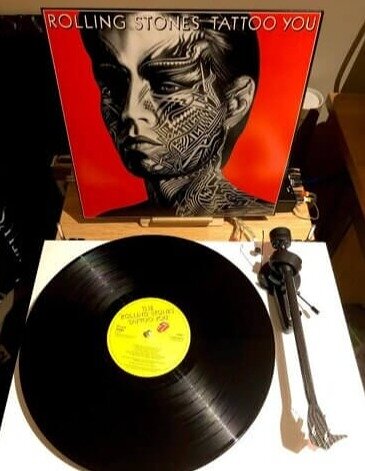
They added some new vocal parts and finalized the mix, turning a discarded outtake into one of their most recognizable stadium anthems that continues to open their live shows today.
The Police Almost Kept 'Every Breath You Take' Off 'Synchronicity'
The recording sessions for this moody track were famously fraught with intense interpersonal conflicts between the band members. Sting had written the piece on a synthesizer and presented it with a fairly standard chord progression. Guitarist Andy Summers reportedly found the original arrangement incredibly boring and demanded they change the musical approach. They allegedly argued fiercely over the guitar parts, nearly coming to physical blows in the studio.
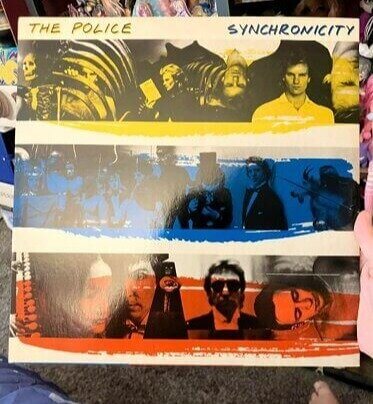
Summers eventually crafted the iconic muted guitar riff, which transformed the entire atmosphere of the track. Despite the bitter animosity during its creation, the haunting melody dominated the charts and won multiple industry awards, becoming their most successful international release.
Eagles Almost Left 'Hotel California' Off 'Hotel California'
Don Felder presented an instrumental demo tape containing the initial musical progression to his bandmates. The group playfully referred to the working track as 'Mexican Reggae' due to its unique rhythmic feel. Don Henley and Glenn Frey reportedly struggled for weeks to develop appropriate lyrics that matched the haunting atmosphere of the music. The complex dual-guitar finale also took multiple days to arrange and record properly, leading to significant fatigue in the studio.
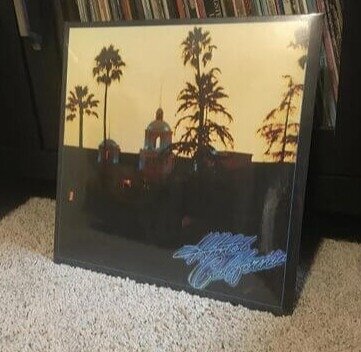
Several members allegedly suggested scrapping the epic piece in favor of shorter, more radio-friendly country rock tunes. They ultimately decided to finish it, creating an atmospheric narrative that defined their legacy and became a cultural touchstone.
Pink Floyd Almost Cut 'Comfortably Numb' From 'The Wall'
The creation of this emotional centerpiece involved immense conflict between Roger Waters and David Gilmour. Gilmour had originally composed the chord progression for a separate solo project but brought it to the band's demanding sessions. Waters reportedly disliked the orchestral arrangement that Gilmour wanted and insisted on a more stripped-down, aggressive approach. The 2 musicians allegedly argued for days over which vocal take and rhythm track to use for the final album mix.

They nearly scrapped the song entirely because neither was willing to compromise their artistic vision. They eventually merged their preferred elements together, resulting in a soaring cinematic masterpiece featuring one of the greatest guitar solos ever recorded.
The Rolling Stones Almost Discarded 'Satisfaction' From 'Out of Our Heads'
Keith Richards woke up in the middle of the night, recorded a rough acoustic version of the main riff on a cassette player, and promptly fell back asleep. When he listened to the tape the next morning, he allegedly hated the sound and considered it a weak attempt at copying a horn section. Mick Jagger immediately recognized the brilliant potential of the melody and insisted they develop it further.
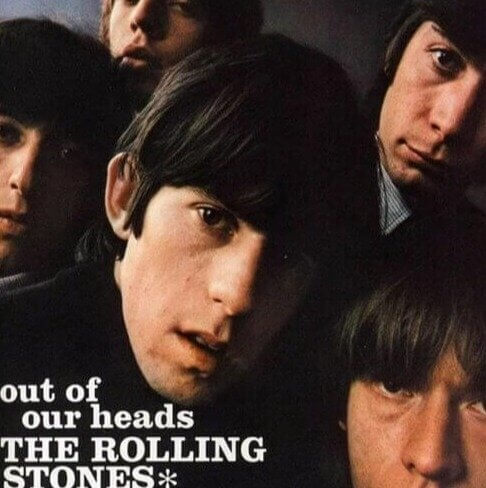
Richards reportedly remained unconvinced even after they recorded the final electric version with a fuzz pedal, believing it was too unfinished for release. The band's manager overruled his objections and leaked the track to American radio stations, where it quickly became a massive global sensation.
Queen Nearly Left 'Bohemian Rhapsody' Off 'A Night at the Opera'
Freddie Mercury presented this ambitious, multi-part operatic suite to a highly skeptical record label executive board. The executives allegedly insisted that a 6-minute track would never receive airplay and demanded the band significantly edit the running time. Mercury and his bandmates reportedly refused to alter a single note, threatening to walk away from the label if they did not support it. The group secretly leaked the full uncut track to radio DJ Kenny Everett, who played it repeatedly over a single weekend.
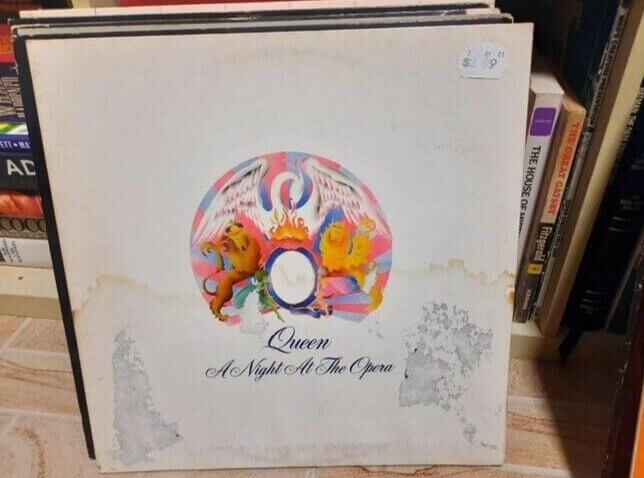
Public demand became so overwhelming that the label was forced to release the unedited version as a single. It revolutionized the music industry and popularized the concept of promotional music videos.
Lynyrd Skynyrd Almost Abandoned 'Free Bird' From 'Pronounced'
Guitarist Allen Collins had composed the beautiful opening chord progression but could not convince anyone to write lyrics for it. Ronnie Van Zant allegedly felt the underlying melody had too many chord changes and refused to sing over it for 2 full years. The instrumental track sat dormant in their rehearsal space until the band needed a longer song to allow the singer to rest his voice during live shows.
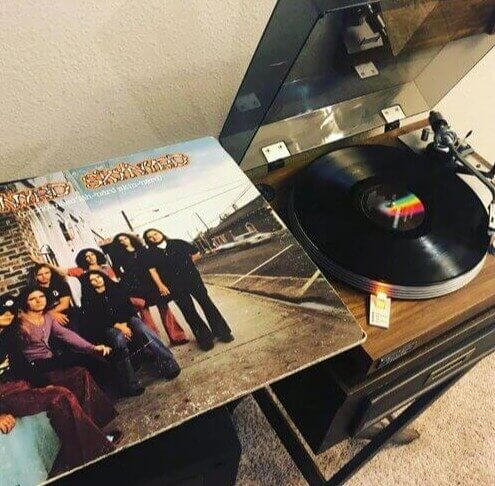
They added a lengthy, fast-paced guitar solo to the end of the ballad structure to fill time. This practical live performance necessity transformed a neglected idea into an epic closing number that defined the southern rock genre for decades.
The Police Almost Kept 'Roxanne' Off 'Outlandos D'Amour'
Sting originally composed this famous track with a slow, traditional bossa nova rhythm and acoustic instrumentation. The other band members allegedly found the jazzy arrangement too polite and completely out of place with their energetic punk rock aesthetic. Drummer Stewart Copeland reportedly suggested they speed up the tempo and add a distinctive reggae backbeat to give it more aggressive edge. Even after finishing the new energetic recording, they viewed it as a mere filler track and did not want to submit it to the record label.
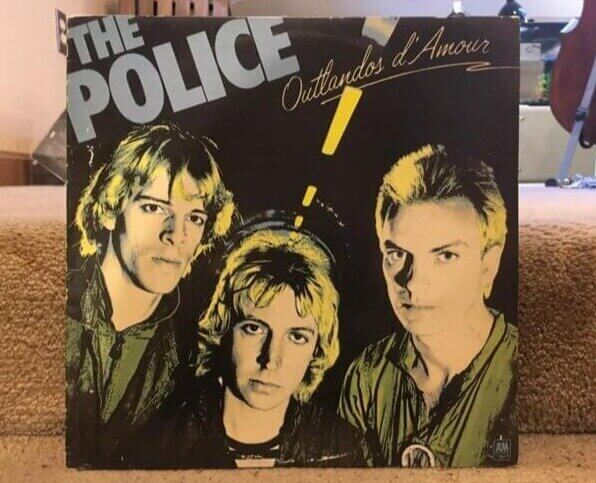
Their manager heard the tape by accident and insisted it was a massive hit. He forced them to release it, launching their international mainstream career.
Radiohead Almost Excluded 'Creep' From 'Pablo Honey'
Thom Yorke originally presented this self-deprecating anthem to the band as a quiet, melancholic acoustic song. The group allegedly felt it sounded too similar to older British pop records and generally disliked the initial arrangement. Guitarist Jonny Greenwood reportedly hated the quiet dynamic so much that he violently struck his guitar strings during the chorus to ruin the take. The producers absolutely loved the jarring burst of aggressive static and instructed the band to keep the mistake in the final mix.

Despite the brilliant addition, the record label initially refused to release it as a single because they considered the lyrical content too depressing. It eventually gained traction on alternative radio and launched their massive career.
Bruce Springsteen Nearly Scrapped 'Born to Run' From 'Born to Run'
The legendary rock musician spent 6 agonizing months trying to perfect the production of this ambitious title track. He was reportedly attempting to replicate the grand "Wall of Sound" style but struggled to capture the immense energy on tape. Springsteen allegedly became so frustrated with the tedious mixing process that he threatened to throw the master tapes into a nearby river. The intense pressure to deliver a hit after 2 commercially disappointing records only added to his anxiety.
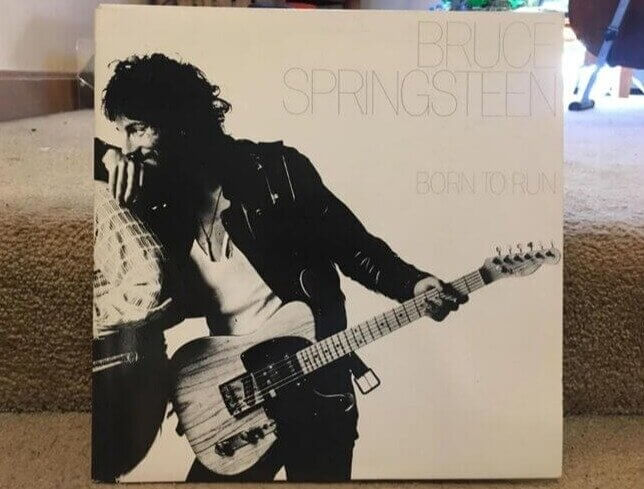
His manager Jon Landau finally convinced him to step back and accept the slightly raw mix they had achieved. The resulting track saved his career and elevated him to the status of a working-class musical hero.
The Rolling Stones Almost Lost 'Gimme Shelter' From 'Let It Bleed'
The band originally recorded a rough version of this apocalyptic rocker with just Mick Jagger and Keith Richards on vocals. The producer reportedly felt the track lacked emotional depth and suggested they bring in a powerful female vocalist to elevate the chorus. They contacted Merry Clayton late at night, and she allegedly arrived at the studio in her pajamas to record the demanding parts. The sheer intensity of her vocal performance famously caused her voice to crack during the final take, which they kept in the final mix.
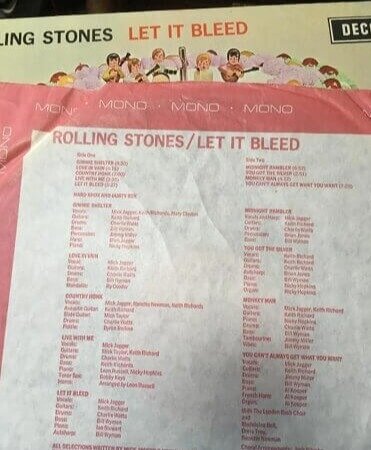
If the producers had not insisted on adding her spontaneous contribution, the track would likely have remained a forgotten, lackluster outtake in their vast catalog.
The Doors Almost Cut 'Light My Fire' From 'The Doors'
Guitarist Robby Krieger brought the foundational chords and lyrics to the band, but the early version lacked a distinctive identity. Drummer John Densmore allegedly hated the initial arrangement, feeling it sounded too much like standard folk music. The group almost discarded the idea until keyboardist Ray Manzarek composed the famous classical-inspired introductory motif. Even after finishing the recording, the lengthy instrumental solos made radio stations hesitant to play it.
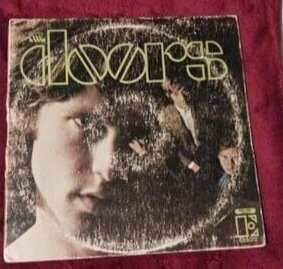
The band had to reluctantly agree to edit the track down to under 3 minutes for the single release. This compromise allowed the song to reach a wider audience, eventually skyrocketing to the top of the charts and launching their mainstream career.
Fleetwood Mac Almost Left 'The Chain' Off 'Rumours'
This iconic track is the only song on the legendary album credited to all 5 members of the band. It was famously stitched together from several entirely different discarded recordings and unfinished ideas during highly tense studio sessions. Lindsey Buckingham allegedly took the ending bassline from a rejected John McVie song and attached it to a vocal melody written by Stevie Nicks. The band members were reportedly barely speaking to each other at the time, making the collaborative editing process incredibly difficult.
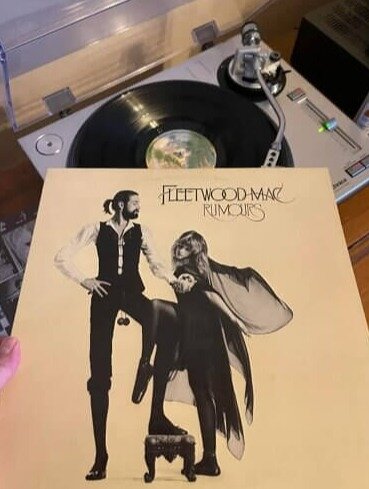
They nearly gave up on the fragmented piece because they could not agree on the final tempo. The seamless splicing of these disparate parts ultimately produced a powerful symbol of their resilient musical chemistry.
Boston Almost Ditched 'More Than a Feeling' From 'Boston'
Tom Scholz spent over 5 years meticulously crafting this sonic masterpiece in his basement recording studio. He was allegedly so exhausted by the endless tinkering and layering of guitar parts that he considered abandoning the project entirely. The initial demo tapes were rejected by several major labels, causing Scholz to lose confidence in the material. When they finally secured a recording contract, the label demanded they rerecord the tracks in a professional studio.
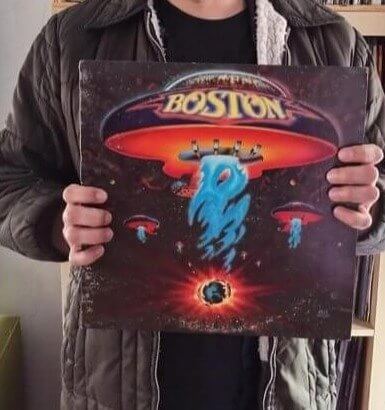
Scholz reportedly ignored their instructions and quietly used his original basement tapes, transferring them to the final master. This defiant move preserved the unique sound he had painstakingly developed, resulting in one of the highest-selling debut albums in music history.
The Kinks Barely Included 'You Really Got Me' On 'Kinks'
The initial studio recording of this heavy guitar anthem was allegedly a sluggish, bluesy number that dissatisfied the entire band. Producer Shel Talmy reportedly refused to spend any more money booking studio time to rerecord the track, deeming the first take perfectly adequate. Ray Davies was completely determined to capture the aggressive energy of their live performances and threatened to withhold his other songs. The band eventually convinced their management to fund another session out of their own pockets.
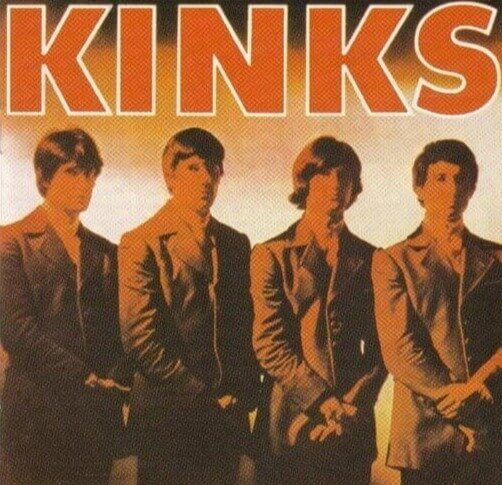
Guitarist Dave Davies famously sliced his amplifier speaker with a razor blade to achieve the distorted, fuzzy tone. This rebellious decision essentially invented the sound of hard rock and saved the track from obscurity.
Rush Nearly Dropped 'Tom Sawyer' From 'Moving Pictures'
The Canadian progressive rock trio found the recording process for this synthesizer-heavy track to be incredibly difficult. The band allegedly struggled to perfectly synchronize the complex time signature changes with the new electronic equipment they were utilizing. Guitarist Alex Lifeson reportedly felt the song lacked the organic warmth of their previous material and debated abandoning it altogether. The mixing phase proved even more tedious, as they spent days trying to balance the heavy bass pedals with the sharp drum fills.
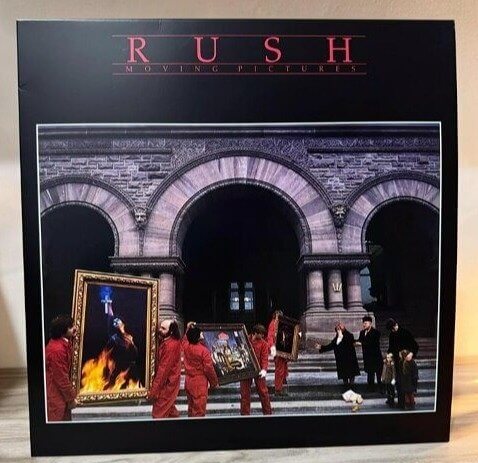
They almost relegated the track to a forgotten outtake before finally achieving the desired sonic balance. It went on to become their most famous signature song and a staple of their extensive touring history.
The Who Nearly Lost 'Baba O'Riley' Before 'Who's Next'
Pete Townshend originally composed this synthesizer-driven epic for a massive multimedia science fiction project called 'Lifehouse.' When that ambitious concept completely collapsed under its own weight, the band was left with hours of confusing, disjointed musical material. Townshend was reportedly so depressed by the failure that he considered throwing all the recorded tapes away. Producer Glyn Johns had to step in and aggressively sift through the wreckage to salvage the best individual tracks.
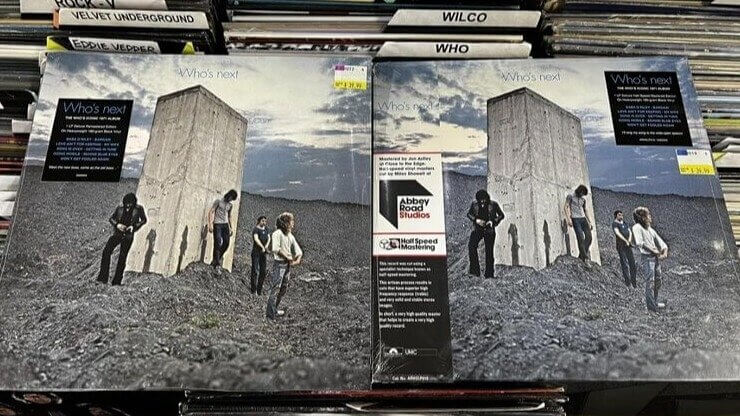
He convinced the reluctant band to record the song as a standalone piece without the complicated narrative baggage. The distinctive synthesized opening and powerful climax helped rescue the group's career and establish a new direction for 1970s stadium rock.
R. E. M. Almost Dropped 'Losing My Religion' From 'Out of Time'
Guitarist Peter Buck stumbled upon the primary riff while he was trying to learn how to play the mandolin while watching television. He recorded the practice session and presented the unusual acoustic idea to the rest of the alternative rock band. The group allegedly felt the instrumentation was too folk-oriented and lacked the driving rhythm needed for a successful single. Bassist Mike Mills reportedly struggled to compose a bassline that fit the unconventional folk arrangement, leading to significant frustration in the studio.
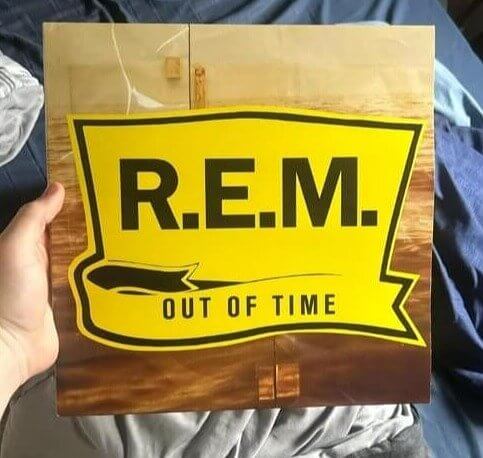
They almost left the track off the final record before adding subtle string flourishes that glued the mix together. The unique sound unexpectedly became their biggest commercial triumph on mainstream radio.
The Who Almost Discarded 'Won't Get Fooled Again' From 'Who's Next'
Much like their other material from this era, this aggressive political anthem was salvaged from the ruins of the abandoned 'Lifehouse' project. Pete Townshend allegedly struggled for weeks to translate the complex synthesizer sequencer patterns into a playable format for the rest of the band. Roger Daltrey reportedly found the original lyrical phrasing clunky and had difficulty capturing the necessary vocal intensity over the electronic backing track.
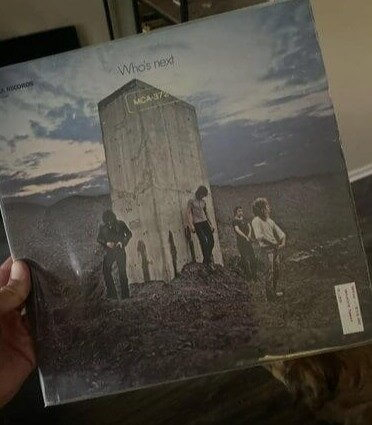
The band almost dropped the lengthy 8-minute epic because they were unsure how to recreate the massive sound during live performances. They ultimately managed to seamlessly blend the early electronic elements with their explosive hard rock style, creating a definitive closing statement for the album.
The Rolling Stones Nearly Abandoned 'Sympathy for the Devil' From 'Beggars Banquet'
Mick Jagger initially wrote this controversial classic as a gentle, acoustic folk song modeled after the works of Bob Dylan. The band reportedly recorded dozens of takes in this slow, plodding style but felt the music lacked the necessary sinister energy. Keith Richards allegedly grew frustrated with the lack of progress and suggested they try playing it with a fast samba rhythm instead. The dramatic shift in tempo revitalized the recording session, but they still struggled to finalize the dense percussion arrangement.
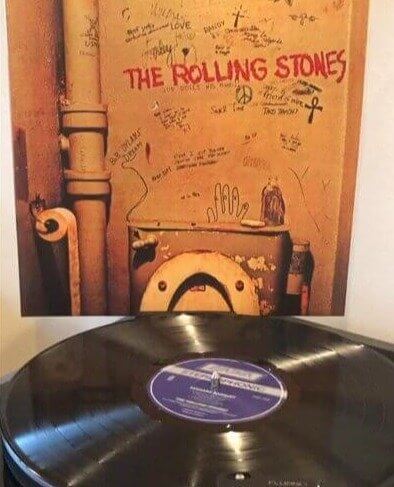
They almost abandoned the entire concept before inviting external musicians to add layers of congas and backing vocals. The resulting rhythmic transformation created one of their most enduring and infamous compositions.
David Bowie Nearly Scrapped 'Heroes' From 'Heroes'
The acclaimed artist recorded the instrumental backing track for this influential anthem in Berlin but struggled to write any vocal melodies. The track allegedly sat completely unfinished for weeks, and the producer considered removing it from the final tracklist altogether. Bowie reportedly found inspiration while looking out the studio window and observing his producer embracing a lover near the Berlin Wall. He rushed to the microphone and recorded the passionate vocals in a single, emotional take.
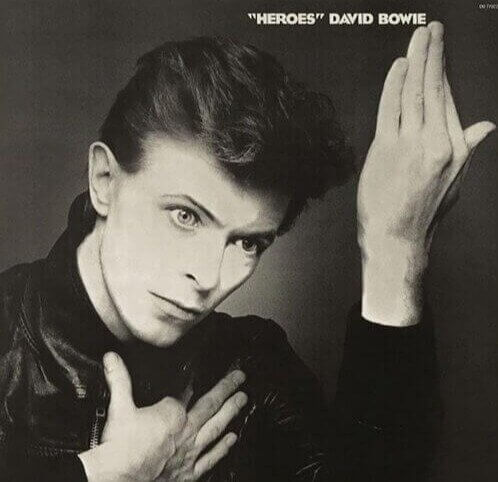
The unique recording technique, utilizing multiple microphones placed at varying distances, was highly experimental and almost ruined the audio fidelity. The bold technical risk paid off, resulting in one of his most celebrated and enduring vocal performances.
Tom Petty Almost Left 'Free Fallin'' Off 'Full Moon Fever'
The legendary songwriter crafted this breezy acoustic track during a relaxed studio session with producer Jeff Lynne. They reportedly recorded the basic arrangement in just 2 days, feeling it was a fun but relatively minor addition to his solo album. When Petty presented the finished record to MCA executives, they allegedly rejected the entire project, claiming they did not hear a single hit song. The artist was reportedly furious and briefly considered shelving the album entirely rather than making the demanded changes.
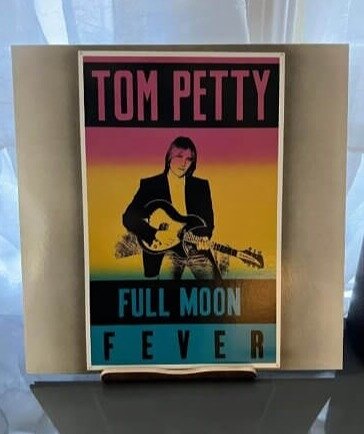
He quietly waited several months until the label's management changed before submitting the exact same recording again. The new executives immediately recognized its brilliance, and it became his highest-charting solo endeavor.
Pink Floyd Nearly Dropped 'Another Brick in the Wall Part 2' From 'The Wall'
Roger Waters originally envisioned this track as a very brief, stripped-down acoustic transition piece between larger thematic concepts. Producer Bob Ezrin allegedly saw greater potential and secretly instructed the studio engineers to loop the drum beat and add a driving disco rhythm. Waters reportedly hated the new danceable arrangement and furiously demanded they remove it from the final album mix. Ezrin also secretly recorded a local school choir to sing the second verse, completely without the band's prior knowledge or permission.
When Waters finally heard the finished composite track, he reluctantly admitted the producer was right. The bold changes transformed a minor interlude into their only number 1 single on the pop charts.
U2 Considered Leaving 'With or Without You' Off 'The Joshua Tree'
The Irish rock band struggled immensely with the musical direction of this atmospheric ballad during their early studio sessions. Bono reportedly wanted a deeply emotional vocal delivery, but the rhythm section felt the traditional chord structure sounded too much like predictable pop music. The Edge allegedly spent days trying to invent a unique guitar tone, almost giving up entirely on the frustrating creative process. Producers Brian Eno and Daniel Lanois essentially ordered the band out of the studio so they could electronically manipulate the backing tracks in peace.
The Edge finally discovered the sustained 'infinite guitar' effect that completely altered the mood. This sonic breakthrough saved the song and secured their global superstardom.
U2 Nearly Scrapped 'I Still Haven't Found What I'm Looking For' From 'The Joshua Tree'
The foundational elements of this uplifting anthem began as an uninspired reggae jam session that the band found completely unusable. Drummer Larry Mullen Jr. reportedly disliked the loose rhythmic feel and suggested they scrap the recording entirely. Producer Daniel Lanois allegedly heard a tiny vocal fragment in the chaotic mix and convinced the group to rebuild the entire structure from scratch. Bono rewrote the lyrics to incorporate elements of traditional gospel music, but they struggled to find the appropriate backing harmonies.
They almost left the track off the record before deciding to layer multiple vocal takes to simulate a massive choir. The resulting spiritual urgency helped define their signature sound for the following decade.
Led Zeppelin Barely Included 'Whole Lotta Love' On 'Led Zeppelin II'
Jimmy Page composed the iconic distorted guitar riff, but the band allegedly struggled to capture the desired heavy sound on tape. They reportedly recorded the basic rhythm tracks in various small studios while aggressively touring across the United States. During the mixing phase, the master tapes were allegedly nearly lost or damaged in transit between different audio facilities. Engineer Eddie Kramer had to salvage the noisy recordings by creatively using tape delay effects to cover up significant audio bleed from the vocal tracks.
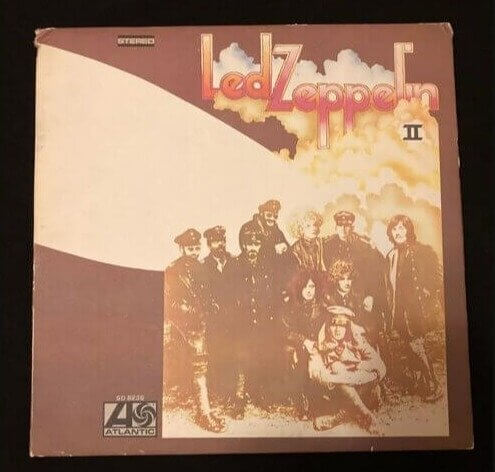
The famous chaotic middle section was created spontaneously to mask these severe technical imperfections. This brilliant studio improvisation rescued the track and firmly established their reputation as heavy metal pioneers.