Ever wonder how music history might look if your favorite bands stuck with their original names? We gathered legendary classic rock groups who almost went by very different monikers. Check out this fascinating list and discover the surprising origins of these legends!
Queen Almost Had The Name Smile
Before becoming stadium rock legends, the London musicians operated under a much friendlier moniker. Formed in 1968, the original lineup featured guitarist Brian May and drummer Roger Taylor working alongside vocalist Tim Staffell. The trio gigged around local colleges and even recorded 6 tracks together in 1969. Staffell ultimately departed the project in 1970 to join a different outfit called Humpy Bong. This exit paved the way for Farrokh Bulsara to take over vocal duties.
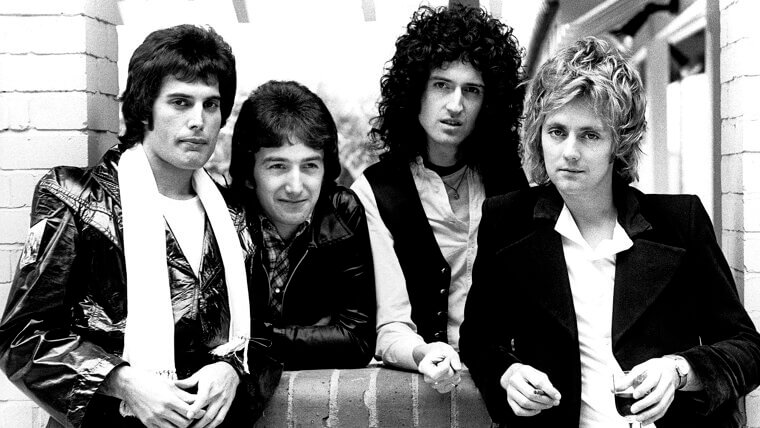
The new frontman reportedly urged his bandmates to adopt a regal sounding identity that would look grand and visually striking on stage. Fans worldwide now know that singer as Freddie Mercury, who passed away in 1991. His vision helped propel the reorganized quartet to unprecedented global fame over the next 2 decades.
Led Zeppelin Almost Had The Name The New Yardbirds
Guitarist Jimmy Page faced a major career hurdle in 1968 when his previous group disbanded, leaving him with unfulfilled tour obligations in Scandinavia. Eager to honor these 9 concert dates, Page quickly recruited vocalist Robert Plant, drummer John Bonham, and bassist John Paul Jones. The fresh quartet played those initial overseas shows under a moniker that directly referenced Page's former project. Following their return to England, the musicians recognized they needed a distinct identity to separate themselves from past associations.
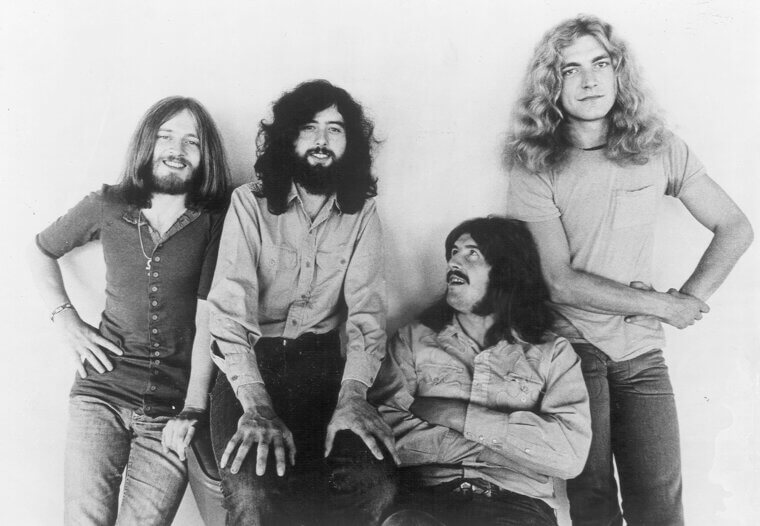
The Who's drummer Keith Moon allegedly joked that this new endeavor would sink like a lead balloon. Embracing the critique, they dropped the letter 'a' from 'lead' to prevent mispronunciation and adopted a heavy, imposing title that redefined 1970s rock music.
The Beatles Almost Had The Name The Quarrymen
The most famous musical act in history started out with a title inspired by a high school. John Lennon, who tragically died in 1980, formed a skiffle group in 1956 and named it after Quarry Bank High School in Liverpool. Over the next 3 years, Paul McCartney and George Harrison joined the ranks, playing local parties and dances. As the 1950s came to a close, the teenagers outgrew the skiffle genre and transitioned toward rock and roll.
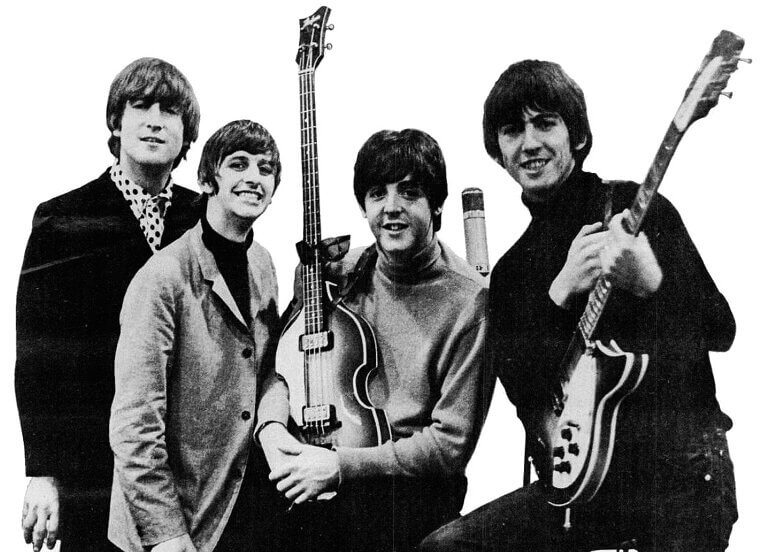
The members cycled through several temporary titles, including Johnny and the Moondogs, before settling on a bug inspired concept. Influenced by Buddy Holly's backing group the Crickets, Lennon reportedly suggested changing the spelling to include 'beat' as a clever nod to their rhythm-driven sound.
The Who Almost Had The Name The Detours
During the early 1960s, a group of London teenagers banded together to play American rhythm and blues covers. Pete Townshend, Roger Daltrey, and John Entwistle performed across local venues under a moniker that implied a scenic detour. In 1964, the musicians discovered another regional act was already using the exact same title, forcing an immediate rebrand. Townshend and his roommate Richard Barnes spent an evening brainstorming alternative options, focusing on punchy, memorable words.
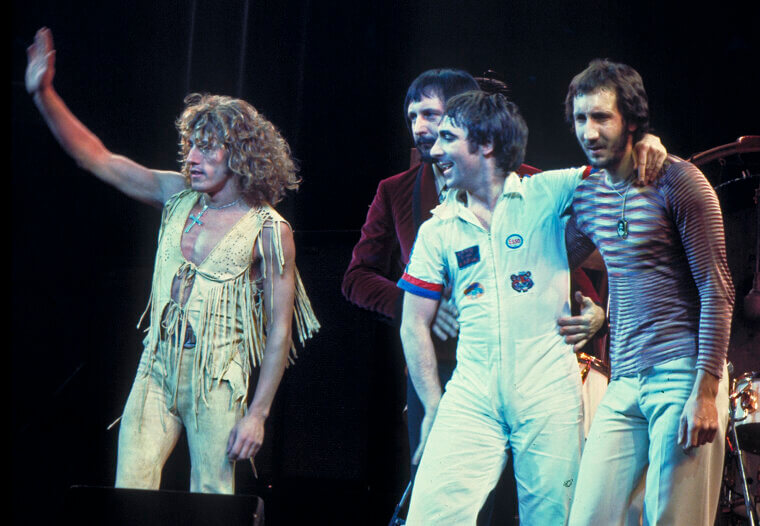
Barnes reportedly pitched an interrogative pronoun as a joke, but Townshend loved the confusing nature of the suggestion. They briefly performed as the High Numbers later that year, but quickly reverted to their chosen question-based identity, ultimately defining the British Invasion with their explosive stage antics.
Black Sabbath Almost Had The Name Earth
The pioneers of heavy metal originally played bluesy rock under a very grounded, pastoral title. Formed in Birmingham in 1968, Ozzy Osbourne, Tony Iommi, Geezer Butler, and Bill Ward spent their early days playing small clubs as a 4 piece blues band. The musicians ran into a frustrating obstacle in 1969 when they were mistakenly booked for a gig meant for another pop group using the exact same earthly moniker.
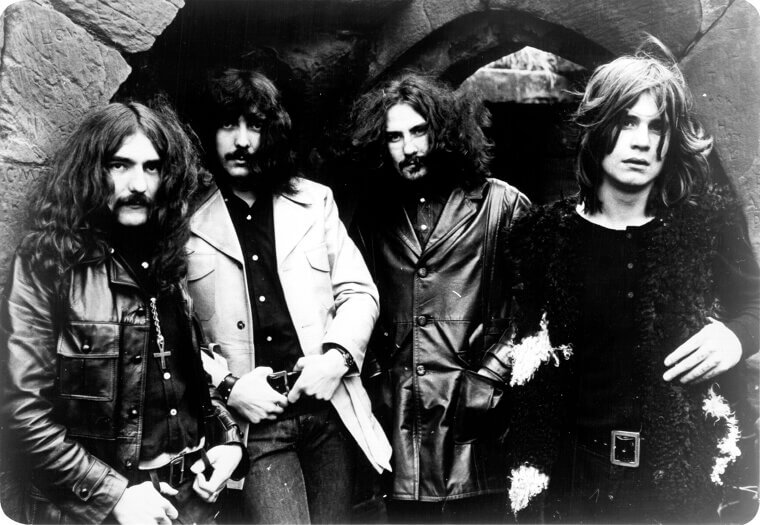
Seeking a darker, more distinctive identity, the quartet found inspiration across the street from their rehearsal space. A local movie theater was showing a classic horror film starring Boris Karloff. Butler reportedly noticed how much money people paid to be frightened, prompting the band to adopt a heavy, ominous tone and name themselves after the scary movie.
Pink Floyd Almost Had The Name The Tea Set
Before achieving massive commercial success with concept albums, the progressive rock innovators utilized a rather polite, domestic moniker. Syd Barrett, Roger Waters, Richard Wright, and Nick Mason gigged around London underground clubs in 1965 using this quaint title. During a performance at a Royal Air Force base, the musicians were shocked to discover another act on the bill shared their exact name. Barrett, who passed away in 2006, had to come up with an alternative on the spot to avoid stage confusion.
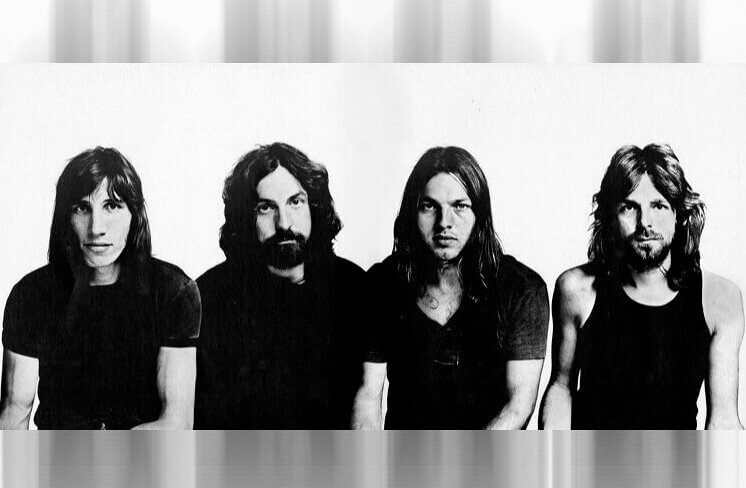
He allegedly combined the first names of 2 obscure blues musicians from his record collection, Pink Anderson and Floyd Council. The resulting title perfectly matched their transition into psychedelic music and remained intact long after Barrett left the lineup in 1968.
Def Leppard Almost Had The Name Atomic Mass
The Sheffield stadium rockers started out in 1977 as an ambitious group of teenagers playing under a science inspired title. Rick Savage, Pete Willis, and Tony Kenning rehearsed in a cramped spoon factory, dreaming of mainstream success. When vocalist Joe Elliott auditioned and joined the ranks, he brought a notebook filled with ideas from his school days. Elliott had previously designed posters in art class for a fictional band featuring a deliberately misspelled animal name.
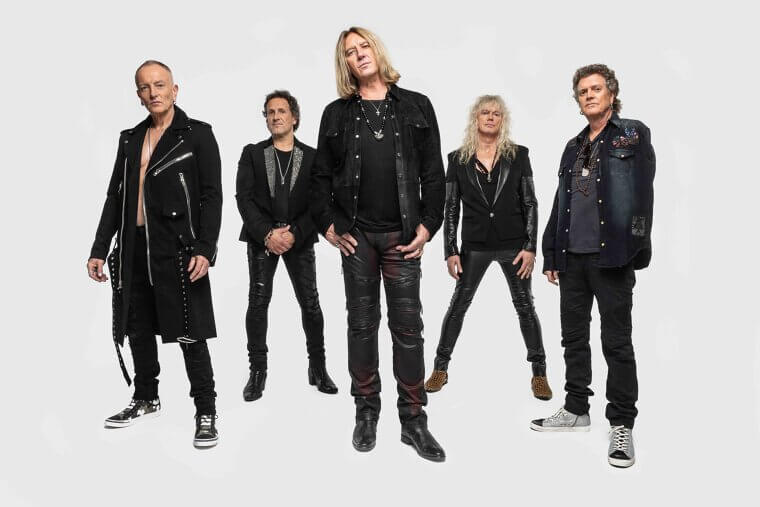
He reportedly proposed this concept to his new bandmates, who loved the unique spelling and edgy vibe. They dropped the radioactive concept immediately, cementing an identity that would eventually dominate the 1980s hard rock scene and sell over 100 million records worldwide.
Kiss Almost Had The Name Wicked Lester
New York musicians Paul Stanley and Gene Simmons spent the early 1970s trying to secure a record deal with a sprawling, folk rock ensemble. They recorded a full album in 1972, but Epic Records shelved the project due to a lack of commercial appeal. Frustrated by this failure, Stanley and Simmons fired their bandmates and decided to create a leaner, tougher sounding hard rock group. The duo recruited drummer Peter Criss and guitarist Ace Frehley, agreeing that a fresh start required a dramatic visual and conceptual overhaul.
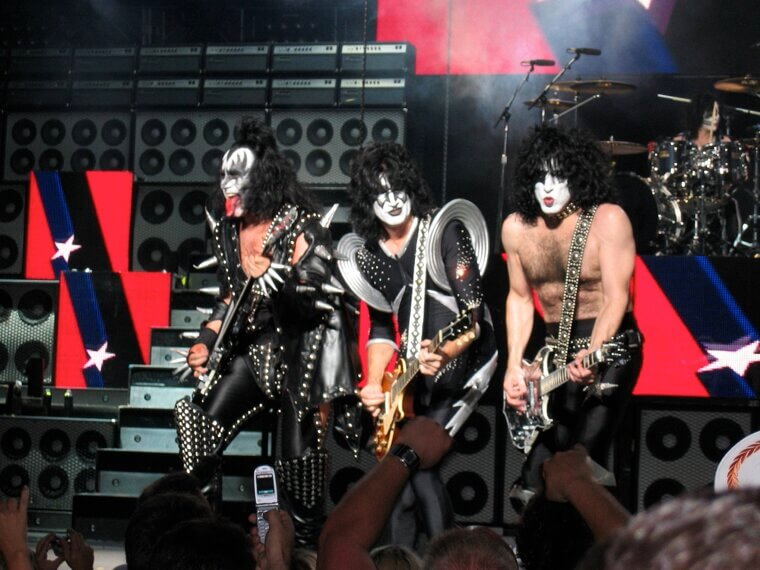
Stanley reportedly suggested a simple, 4 letter word while driving around the city, wanting something that sounded romantic but looked dangerous. The new moniker paired perfectly with their iconic face paint and fiery theatrical performances.
The Rolling Stones Almost Had The Name Little Boy Blue and the Blue Boys
The legendary British rock institution began as a humble blues tribute project in the early 1960s. Childhood friends Mick Jagger and Keith Richards reconnected over a mutual love for imported American records and formed a scrappy garage group. The teenagers rehearsed classic Muddy Waters and Chuck Berry tracks in their living rooms, using a long winded title that referenced a popular nursery rhyme. When guitarist Brian Jones joined and helped secure their first official gig at the Marquee Club in 1962, the venue owner asked for a proper band name for the advertisement.
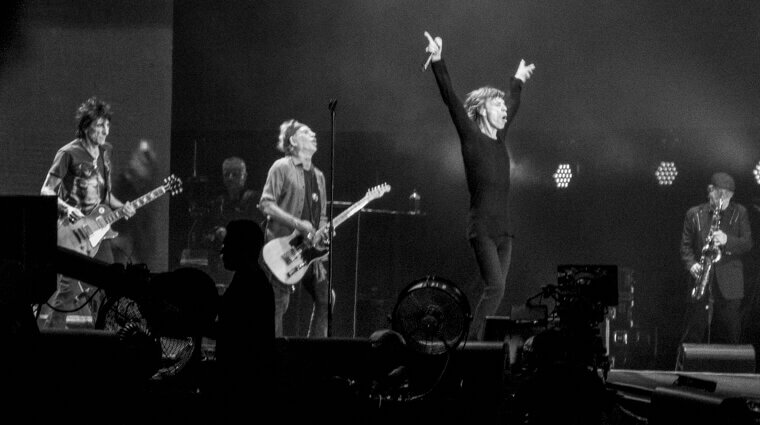
Jones reportedly panicked while on a phone call with a local jazz news outlet, glancing down at a Muddy Waters compilation album on the floor. He lifted the title of the first track he saw, establishing a permanent legacy.
U2 Almost Had The Name Feedback
In 1976, a 14 year old drummer named Larry Mullen Jr. posted a notice on his Dublin high school bulletin board seeking musicians. Paul Hewson, David Evans, and Adam Clayton answered the call, crowding into Mullen's tiny kitchen to practice. The teenagers barely knew how to play their instruments, choosing a technical audio term as their first moniker because it was one of the few musical words they understood. After a few months of rehearsals, the teenagers rebranded to The Hype, playing local talent shows and small community halls.
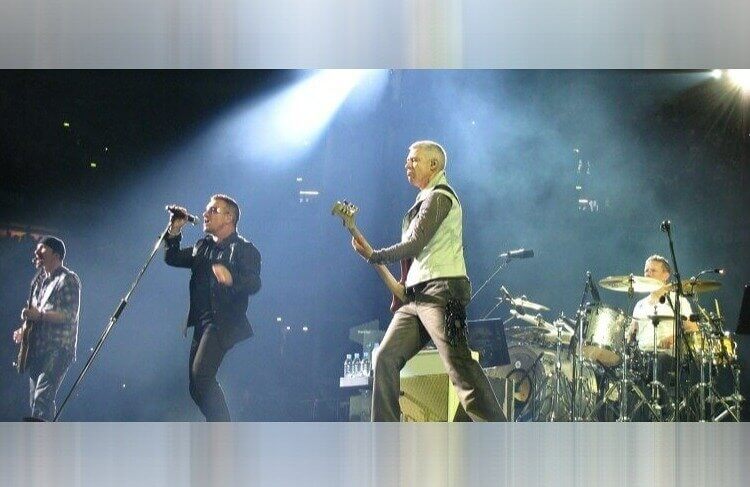
By 1978, the quartet wanted a sleeker, more professional identity to match their growing post punk ambitions. A local friend reportedly suggested a 2 character name referencing a famous spy plane, which the group reluctantly adopted because they felt it was ambiguous.
Aerosmith Almost Had The Name The Jam Band
Before becoming the bad boys from Boston, Joe Perry and Tom Hamilton performed across New Hampshire resort towns as a bluesy power trio. The instrumentalists eventually relocated to Massachusetts in 1970, where they met vocalist Steven Tyler and drummer Joey Kramer. The newly assembled musicians shared a crowded apartment and spent their days working menial jobs while rehearsing at night. When discussions about a permanent moniker began, Kramer reportedly pitched a word he had scribbled in his high school notebooks for years.
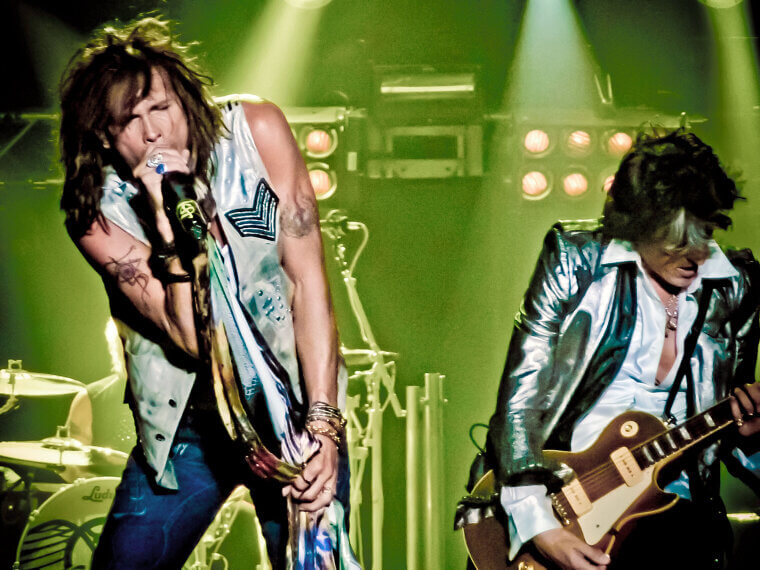
The drummer claimed the title was inspired by a Harry Nilsson album and had no actual connection to aviation. The rest of the members initially dismissed the idea, but Kramer convinced them it sounded dynamic and tough enough for their raucous blues rock style.
Creedence Clearwater Revival Almost Had The Name The Golliwogs
Brothers John and Tom Fogerty, along with Stu Cook and Doug Clifford, spent the mid 1960s struggling to break into the California music scene. Their record label, Fantasy Records, forced the quartet to adopt a quirky, childish title in an attempt to capitalize on the British Invasion trend. The musicians reportedly despised the moniker, wearing matching fuzzy wigs during promotional photo shoots to appease the studio executives. After scoring minor regional success, the label ownership changed hands in 1967, offering the group a chance to finally pick their own identity.
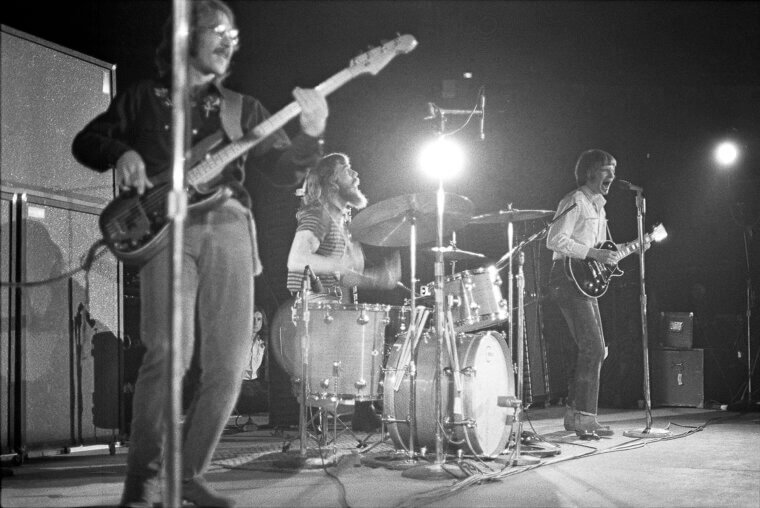
John Fogerty combined the name of a friend, a beer commercial catchphrase, and a word representing their renewed commitment to the project. The fresh start propelled them to massive chart success over the next 5 years.
The Beach Boys Almost Had The Name The Pendletones
The quintessential California surf vocal group originally paid tribute to a popular style of flannel shirts. Brothers Brian, Dennis, and Carl Wilson teamed up with their cousin Mike Love and friend Al Jardine in 1961. The teenagers wore thick, striped wool shirts during their early local performances, hoping to capture the rugged aesthetic of the regional surfing culture. When the musicians recorded their debut single and sent it to a small independent record label, a distribution executive decided to rebrand the act without asking for permission.
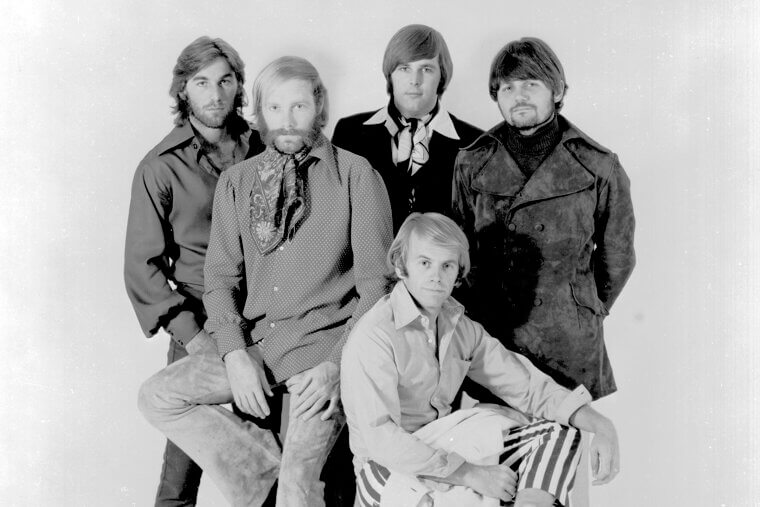
The group allegedly discovered their new coastal identity when they unpacked the first box of freshly pressed vinyl records. Despite their initial surprise, the sunny new moniker perfectly matched their harmonious tributes to ocean waves and fast cars.
Journey Almost Had The Name Golden Gate Rhythm Section
Following a stint playing with Carlos Santana, guitarist Neal Schon and keyboardist Gregg Rolie formed a new jazz fusion project in 1973. Based in San Francisco, the instrumentalists initially adopted a cumbersome title that celebrated their home city and highlighted their technical proficiency. The group quickly realized the lengthy moniker felt too regional and lacked the punch needed for national radio play. The musicians decided to host a local radio contest, asking fans to submit suggestions for a better, more evocative title.
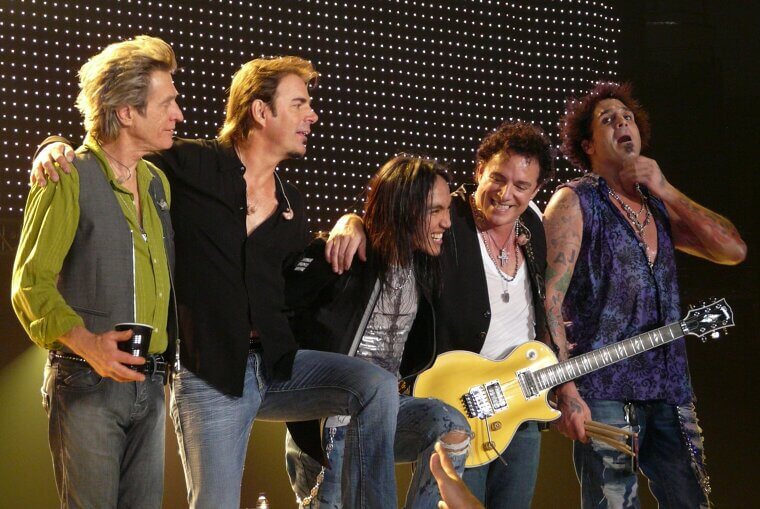
A listener reportedly submitted a word that perfectly captured the concept of traveling and musical exploration. The streamlined identity helped the group transition into arena rock superstars, paving the way for string of massive platinum selling albums in the 1980s.
Genesis Almost Had The Name Garden Wall
During their time at the prestigious Charterhouse School in 1967, Peter Gabriel and Tony Banks formed an amateur songwriting collective. The teenagers played small campus events using a leafy, architectural title that reflected their quiet, pastoral surroundings. Meanwhile, classmates Mike Rutherford and Anthony Phillips operated a rival student outfit called The Anon. The 2 student groups eventually merged, creating a more complex progressive sound that caught the attention of pop producer Jonathan King.
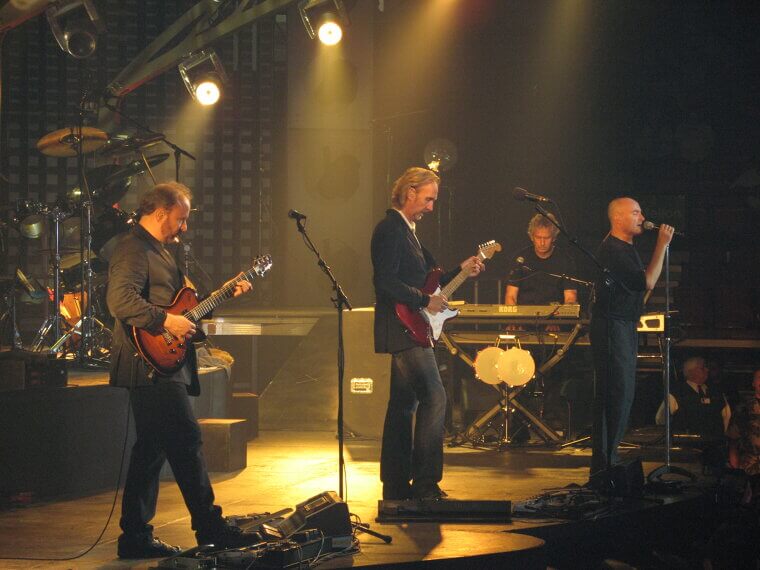
King reportedly suggested they adopt a biblical moniker to signify the beginning of a new musical era. The musicians embraced the concept, releasing their debut album in 1969 and embarking on a decades long career that pushed the boundaries of theatrical rock and complex time signatures.
Red Hot Chili Peppers Almost Had The Name Tony Flow and the Miraculously Majestic Masters of Mayhem
In 1983, a group of Los Angeles high school friends agreed to play a one off gig at a local Hollywood club. Vocalist Anthony Kiedis, bassist Flea, and guitarist Hillel Slovak adopted an absurdly long, theatrical title for the 1 performance. The musicians took the stage in bizarre costumes and delivered a frantic, high energy set that shocked the venue owners. The crowd response proved so enthusiastic that the club manager immediately booked the quartet for another show the following week.
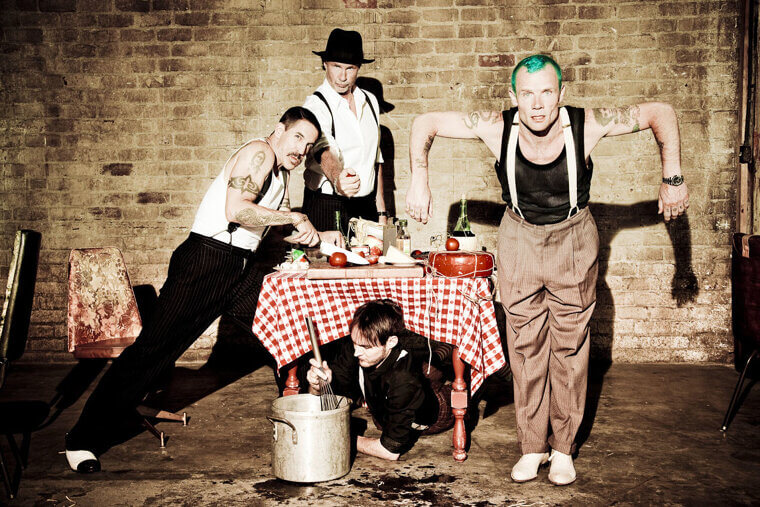
Realizing the original novelty moniker was too difficult to fit on venue marquees, Kiedis reportedly searched for something punchy that conveyed heat and energy. He settled on a spicy vegetable theme, creating a legendary brand that would dominate alternative rock for the next 4 decades.
Lynyrd Skynyrd Almost Had The Name My Backyard
The southern rock pioneers spent their teenage years in Jacksonville, Florida, practicing in a sweltering carport during the late 1960s. Ronnie Van Zant, Gary Rossington, and Allen Collins cycled through various informal titles, reflecting their laid back regional lifestyle. The musicians frequently clashed with Leonard Skinner, a strict high school gym teacher who constantly sent male students to the principal for having long hair. Seeking a clever way to mock the authority figure, Van Zant reportedly suggested adopting the teacher's name with a deliberately altered spelling.
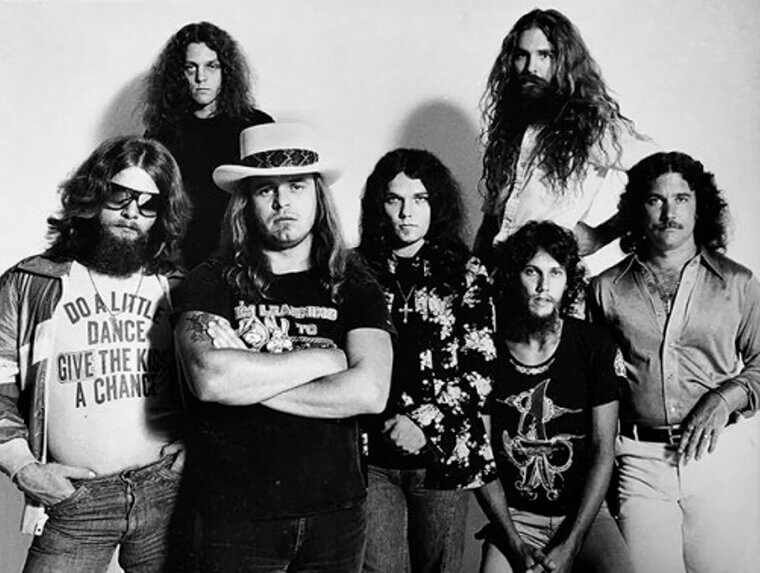
The rebellious inside joke stuck, giving the group a defiant, distinctive identity. The gym teacher allegedly learned to appreciate the tribute years later, remaining forever linked to the band responsible for defining the 1970s southern rock sound.
Blue Oyster Cult Almost Had The Name Soft White Underbelly
Formed by a group of Long Island college students in 1967, the heavy psychedelic rockers originally utilized a rather vulnerable sounding title. Manager Sandy Pearlman crafted the anatomical moniker based on a Winston Churchill quote describing Italy during the second world war. The band played numerous gigs under this name, but negative reviews from local music critics forced a hasty rebranding effort in 1969. They briefly transitioned to the Stalk-Forrest Group, recording an album for Elektra Records that never saw an official release.
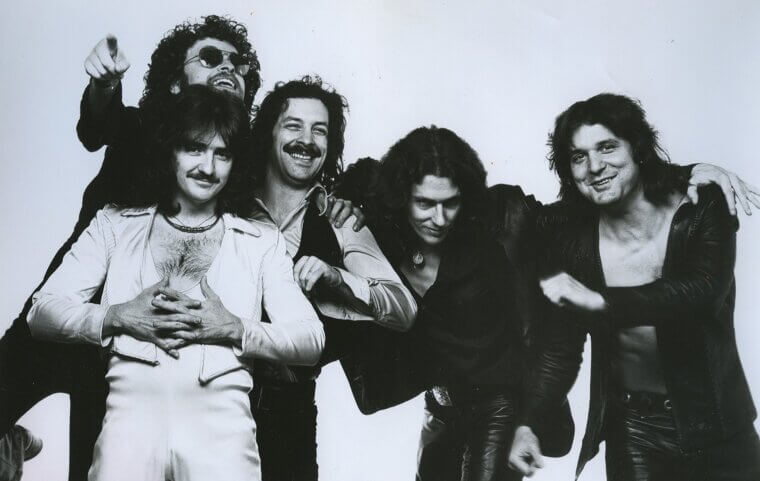
Pearlman reportedly intervened again in 1971, pulling a mysterious phrase from a collection of cryptic poems he had written in the 1960s. The occult sounding concept perfectly complemented the group's transition into dark, riff heavy hard rock that defined their legendary career.
Deep Purple Almost Had The Name Roundabout
In 1968, a group of English session musicians united to form an experimental classical rock hybrid. Keyboardist Jon Lord and guitarist Ritchie Blackmore initially operated under a vehicular moniker that referenced the concept of a musical carousel, where members could easily hop on and off. The musicians quickly realized the traffic themed title sounded too playful for their aggressive, organ driven sound. During a tour of Scandinavia, the members compiled a list of potential replacements on a chalkboard, debating various heavy sounding words.
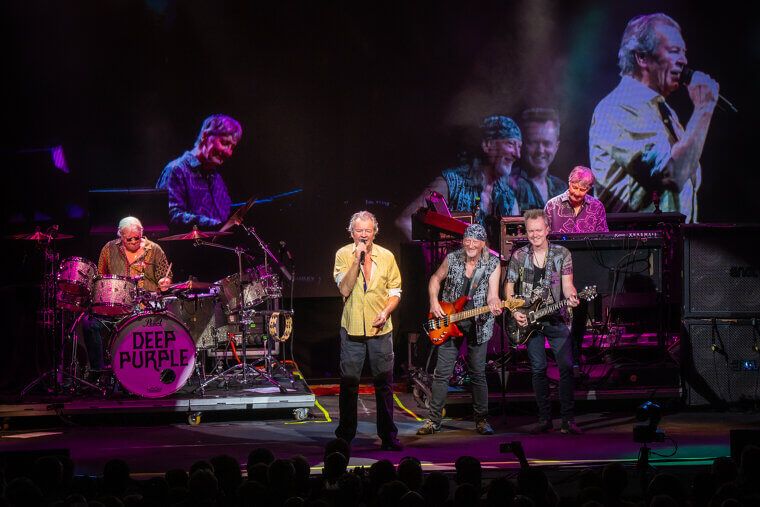
Blackmore reportedly lobbied for a specific color themed title that happened to be his grandmother's favorite song. The vibrant moniker survived numerous lineup changes and became synonymous with the loudest, most blistering hard rock of the 1970s.
Simon And Garfunkel Almost Had The Name Tom And Jerry
Childhood friends Paul Simon and Art Garfunkel began singing tight vocal harmonies together in their New York neighborhood during the 1950s. The teenage duo managed to score a minor radio hit in 1957, performing under a cartoonish alias designed to mask their ethnic sounding surnames. The singers drifted apart during their college years, but reunited in 1963 as the Greenwich Village folk revival gained massive momentum. When they signed a record deal with Columbia Records, label executives assumed they would resurrect their old, animated moniker for their debut acoustic album.
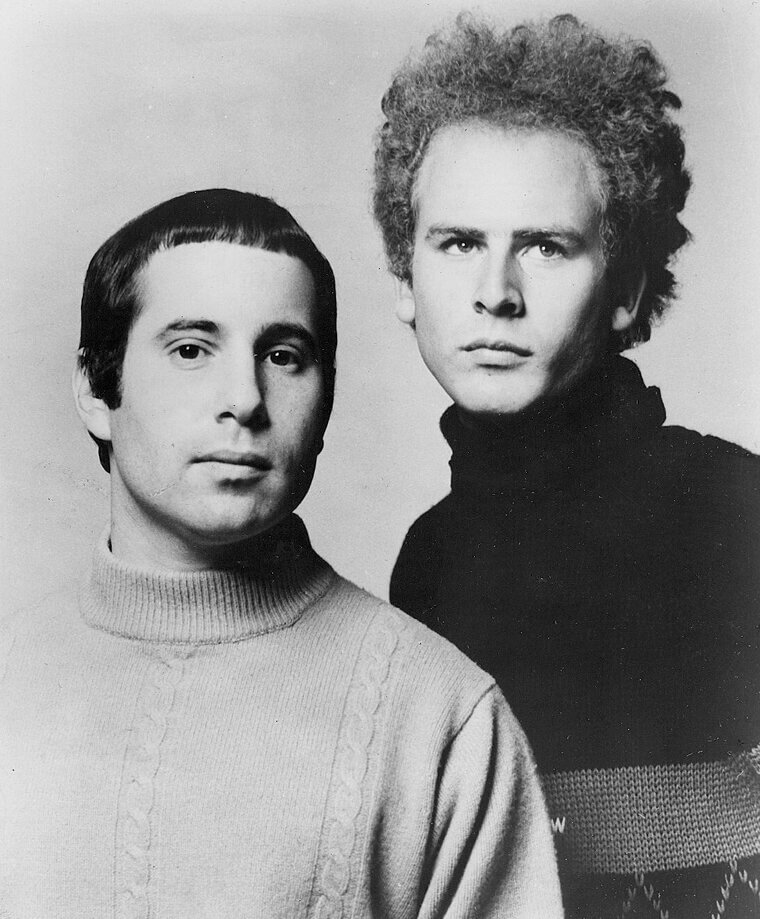
Simon reportedly insisted on using their actual birth names, arguing that honesty and vulnerability were essential to the folk music ethos. The bold choice resulted in 1 of the most successful acoustic partnerships of the 20th century.
Grateful Dead Almost Had The Name The Warlocks
The ultimate San Francisco jam band originally played electric blues under a mystical, sorcery themed title. Jerry Garcia, who passed away in 1995, joined forces with Bob Weir and Phil Lesh in 1965 to entertain crowds at local pizza parlors. The musicians soon discovered that a different prominent group, featuring Lou Reed, was already releasing records under the exact same magical moniker. Forced to abandon their original identity, the members gathered at Lesh's apartment to brainstorm new ideas while flipping through a heavy folklore dictionary.
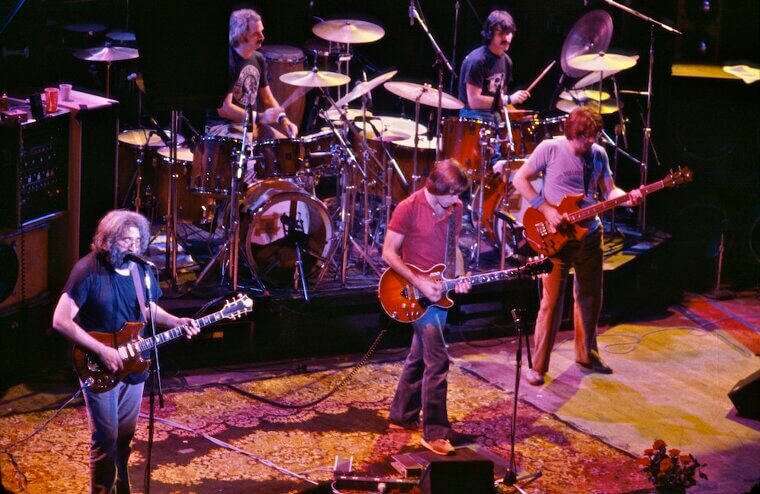
Garcia reportedly placed his finger blindly on a random page, landing on a phrase detailing a specific type of supernatural folk tale. The eerie, contradictory concept perfectly matched their psychedelic improvisations and cemented their legacy in American counterculture history.
The Byrds Almost Had The Name The Jet Set
Roger McGuinn, Gene Clark, and David Crosby formed a harmony driven folk trio in Los Angeles during 1964. Influenced by the soaring popularity of the British Invasion, the musicians adopted an aviation inspired moniker that sounded sleek and modern. They recorded several demos using this futuristic title, but soon realized they needed something punchier to compete with acts like the Beatles. Manager Jim Dickson reportedly suggested finding a word that started with a 'B' to mimic the chart topping success of the Liverpool quartet.
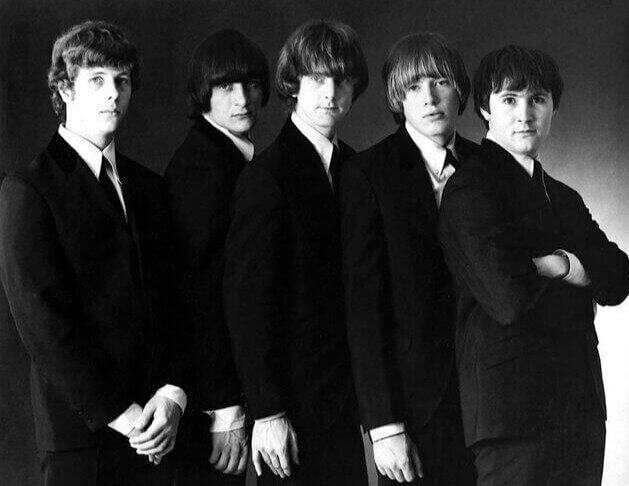
The musicians settled on an avian concept, intentionally altering the spelling to create a distinct, memorable brand. The clever adjustment helped launch the folk rock movement, scoring 2 massive number 1 hits within their first year of operation.
The Yardbirds Almost Had The Name The Metropolitan Blues Quartet
The influential English blues rock group featured a rotating cast of legendary guitarists throughout the 1960s, including Eric Clapton and Jimmy Page. Before adopting their famous moniker, the founding members rehearsed in southwest London under a very rigid, formal title. The musicians felt the academic sounding name failed to capture the raw energy and gritty realism of the Chicago blues tracks they loved to cover. Vocalist Keith Relf reportedly suggested adopting slang term used by hobos who hung around train stations waiting for empty boxcars.
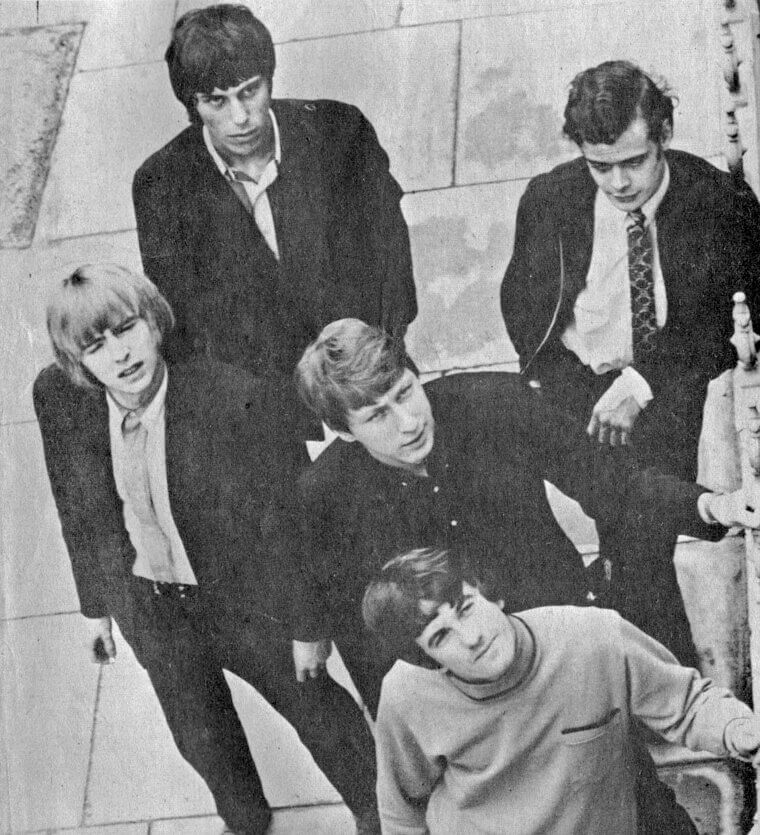
The gritty, working class aesthetic perfectly aligned with their blues purist attitude and paved the way for a string of frantic, rave up performances that shaped the future of hard rock.
The Kinks Almost Had The Name The Ravens
Brothers Ray and Dave Davies burst out of North London in 1964 with a revolutionary guitar sound that altered rock history forever. The siblings initially performed under a gloomy, avian title that they felt sounded too polite and traditional for their aggressive style. The musicians actively sought a moniker that would shock older generations and convey a sense of youthful rebellion and unconventional fashion. Their manager allegedly noticed the band's penchant for wearing bizarre, brightly colored stage outfits and suggested a word associated with eccentric or unusual behavior.
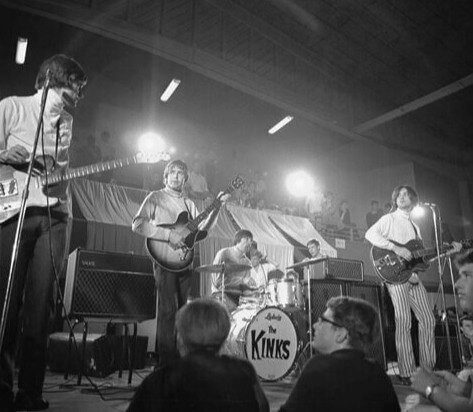
Ray Davies supposedly hated the suggestion at first, but the record label insisted the edgy concept would generate immediate press coverage. The provocative title proved successful, helping their distorted 1964 debut single reach number 1 on the UK charts.
Alice Cooper Almost Had The Name The Spiders
Vincent Furnier, a high school track star from Arizona, formed a scruffy garage rock group in the mid 1960s. The teenage musicians gained a local following performing under an arachnid inspired title, playing raw rhythm and blues covers in matching stage outfits. Relocating to Los Angeles in 1967, the band discovered another regional act already owned the rights to their web spinning moniker. Seeking a dramatic pivot, Furnier reportedly wanted a name that sounded like an innocent, sweet elderly woman to contrast with their gruesome, theatrical stage antics.
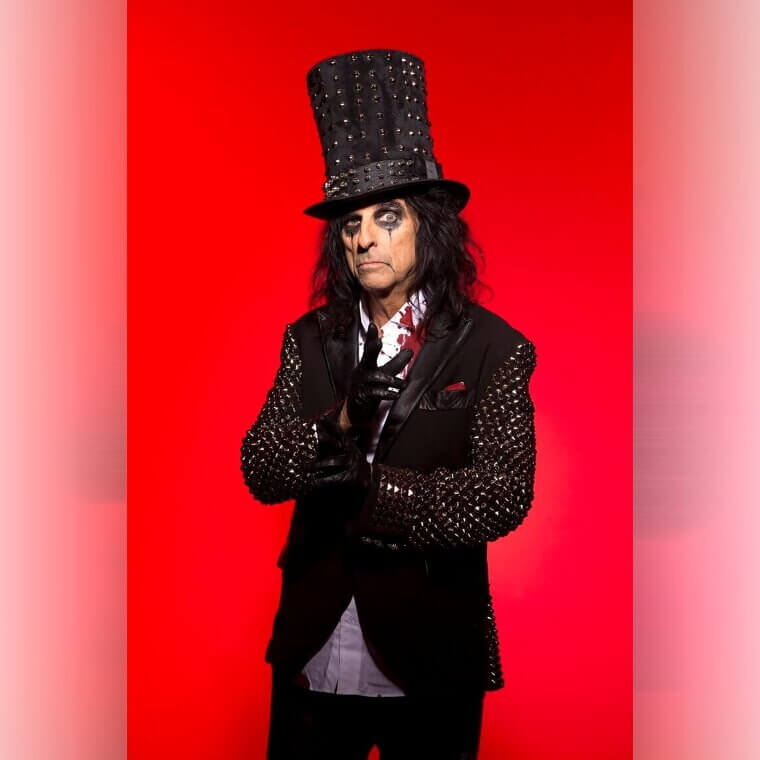
The frontman allegedly used a ouija board during a brainstorming session, though he later admitted the tool was just a publicity stunt. Furnier ultimately adopted the spooky female persona permanently, becoming the uncontested architect of 1970s shock rock.
Dire Straits Almost Had The Name Cafe Racers
Guitarist Mark Knopfler spent the mid 1970s working as an English teacher and playing pubs in a casual rockabilly outfit. The band utilized a moniker that referenced a popular style of lightweight British motorcycles, reflecting their fast, stripped down musical approach. Despite their formidable musical chops, the musicians struggled to pay rent and frequently had to borrow money from friends to repair their faulty amplifiers. A roommate of the band's drummer reportedly observed their dire financial situation and jokingly suggested a title that accurately described their economic hardship.
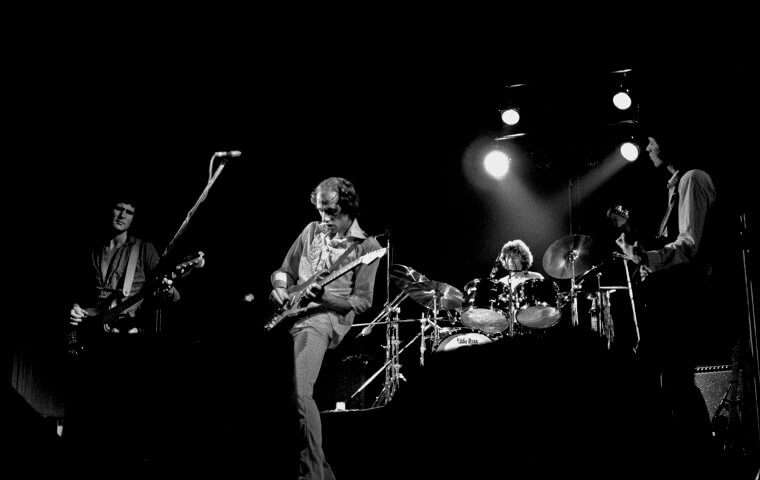
Knopfler appreciated the self deprecating humor and adopted the moniker just before recording a demo tape. The clever name stuck as their intricate, finger picked guitar style conquered global charts during the 1980s.
The Doobie Brothers Almost Had The Name Pud
Guitarist Tom Johnston and drummer John Hartman joined forces in San Jose, California, in 1969, playing biker bars under a rather unimpressive 1 syllable moniker. The duo jammed with various local musicians, honing a gritty, dual guitar sound that blended rhythm and blues with country rock. As the lineup solidified with the addition of bassist Dave Shogren and guitarist Patrick Simmons, the members realized their chosen title lacked commercial appeal.
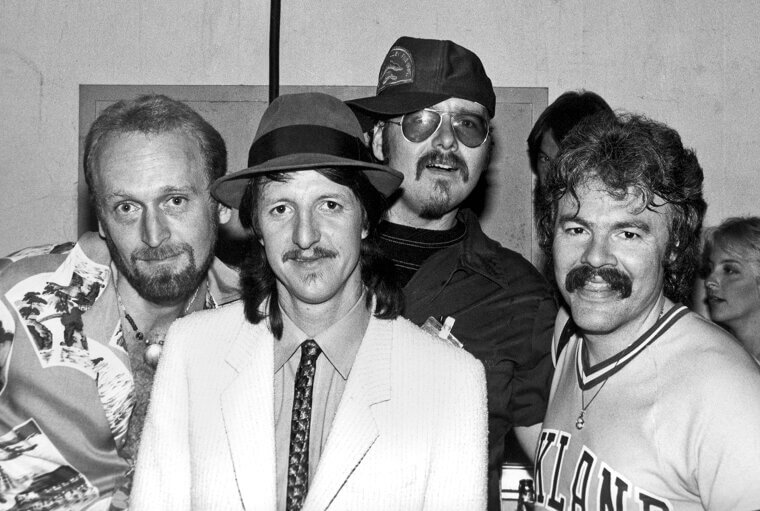
A friend who lived in the same communal house reportedly noted the musicians' fondness for smoking marijuana and suggested a slang term for a joint. The group intended to use the herbal reference only temporarily until they found something better, but the catchy moniker resonated with early 1970s audiences and became entirely permanent.
Steely Dan Almost Had The Name The Leather Canary
Songwriting partners Donald Fagen and Walter Becker met at Bard College in New York during the late 1960s. The sophisticated jazz rock duo played in a series of amateur campus outfits, utilizing a bizarre avian title for 1 early project. They even recruited a fellow student named Chevy Chase to play drums for a handful of gigs before abandoning the concept. Relocating to Los Angeles in 1971 to work as staff songwriters, Fagen and Becker realized they needed a permanent identity to release their own complex compositions.
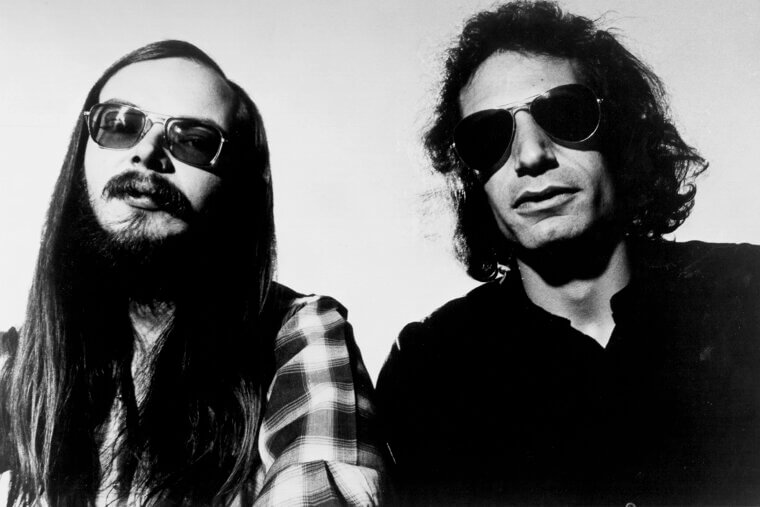
Both men were avid fans of Beat Generation literature and reportedly borrowed the name of a steam powered adult toy from a famous William S. Burroughs novel. The literary reference perfectly captured the cynical, subversive tone of their legendary studio albums.
The Band Almost Had The Name The Hawks
The iconic roots rock ensemble spent the late 1950s and early 1960s backing a popular Arkansas rockabilly singer named Ronnie Hawkins. Robbie Robertson, Levon Helm, and Rick Danko toured relentlessly across North America, honing their formidable chops under a bird themed moniker. When the musicians amicably split from Hawkins in 1964, they struck out on their own, eventually catching the ear of Bob Dylan. The group served as Dylan's backing musicians during his controversial 1966 electric tour, earning a reputation for intense, volume heavy performances.
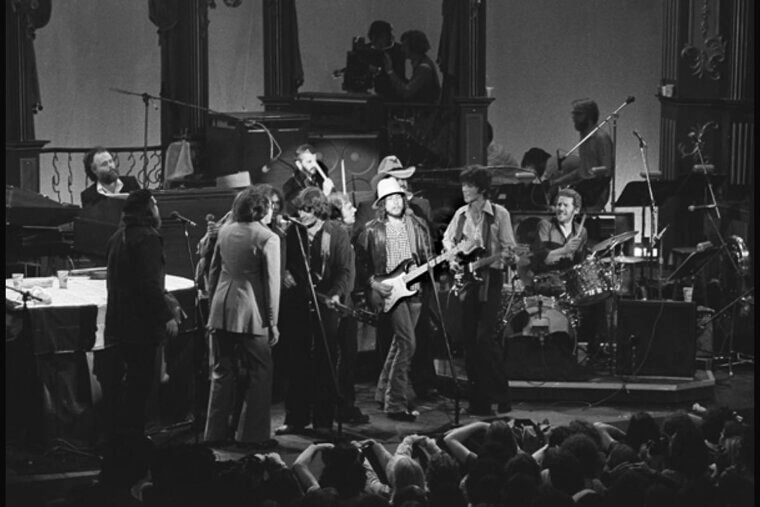
Living together in a pink house in upstate New York, the musicians reportedly noticed that local residents simply referred to them as a generic musical entity. They officially adopted the unpretentious title in 1968, reflecting their focus on tight ensemble playing rather than individual stardom.
Yes Almost Had The Name Mabel Greers Toyshop
During the psychedelic explosion of 1968, bassist Chris Squire played in a London based underground act with a lengthy, whimsical title. The group struggled to gain traction in the crowded local scene, prompting Squire to recruit vocalist Jon Anderson to help steer the project in a more disciplined direction. The 2 musicians shared a passion for complex vocal harmonies and ambitious musical structures, leading them to fire several original members.
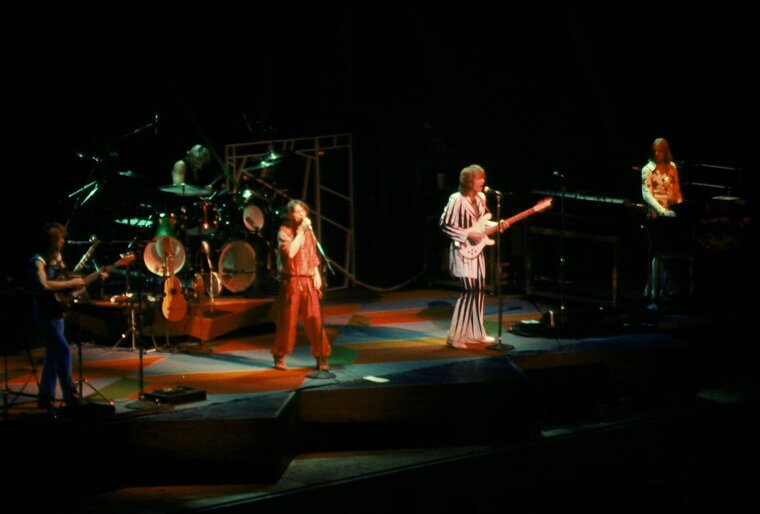
Anderson reportedly argued that their playful moniker was far too long to print on promotional posters and lacked the punch needed for national success. Guitarist Peter Banks suggested a single 3 letter word representing positivity and affirmation, giving the progressive rock pioneers a bold, instantly recognizable brand that defied industry conventions for decades.
Jethro Tull Almost Had The Name Navy Blue
Flautist Ian Anderson and his bandmates struggled to secure steady gigs in the highly competitive London club circuit during 1967. The musicians operated under a bizarre strategy where they changed their moniker every single week, utilizing various color themed titles to trick venue managers into booking them again. They cycled through dozens of options, hoping 1 specific identity would finally catch the attention of an influential booking agent. A history enthusiast working at their booking agency reportedly suggested using the name of an 18th century agricultural pioneer.

The group performed under the historical farming moniker at the Marquee Club and unexpectedly landed a permanent residency. Anderson allegedly regretted the decision for years, feeling trapped by the identity of a dead agrarian inventor as their progressive rock fame exploded.
Cheap Trick Almost Had The Name Fuse
Guitarist Rick Nielsen and bassist Tom Petersson spent the early 1970s playing in a Midwest rock group that struggled to secure national attention. The musicians recorded a largely forgotten album in 1970 using a brief, explosive title that failed to resonate with local audiences. Following a trip to Europe and a handful of lineup changes, Nielsen and Petersson regrouped in Illinois with a fresh vision for combining heavy guitars with pop melodies.
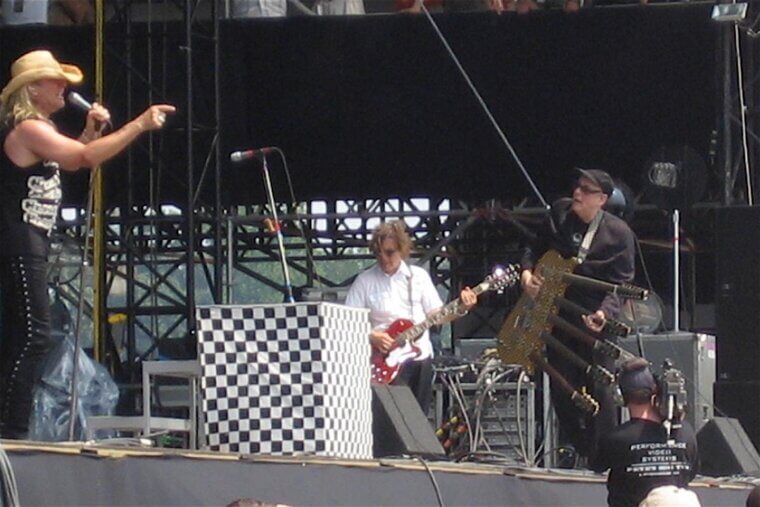
After attending a Slade concert, Petersson reportedly observed that the British glam rockers relied on a very transparent, gimmicky performance style. He cynically noted the strategy was highly effective, inspiring the band to adopt a moniker that celebrated raw entertainment value. The catchy identity perfectly complemented their quirky stage presence and undeniable arena rock anthems.
Chicago Almost Had The Name Chicago Transit Authority
Formed in 1967, the ambitious horn driven ensemble originally sought to honor their Midwestern roots with a hyper local identity. The 7 piece group moved to Los Angeles and released an acclaimed debut double album using the exact title of the regional public transportation department. The complex blend of jazz, rock, and political commentary immediately grabbed the attention of music critics and fans across the country. Following the release of their first record, the actual city transportation agency reportedly threatened the musicians with a massive trademark infringement lawsuit.
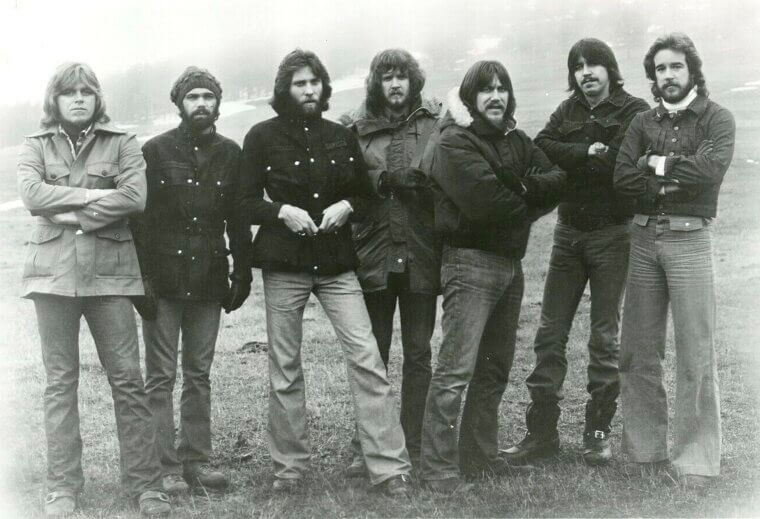
To avoid a lengthy and expensive legal battle, the group wisely shortened their moniker to just the city name. The streamlined brand graced the covers of numerous multi platinum albums throughout the 1970s and 1980s.
Heart Almost Had The Name Hocus Pocus
Before sisters Ann and Nancy Wilson took control of the legendary rock outfit, the Seattle based group operated under several magical themed titles. Formed by bassist Steve Fossen in the late 1960s, the musicians played local venues using a moniker referencing a popular spellcasting phrase. Ann Wilson joined the lineup as a lead vocalist in 1970, bringing a powerful dynamic that demanded a more serious and evocative identity. The members briefly shortened their title to White Heart before stripping it down entirely to a single, essential organ.
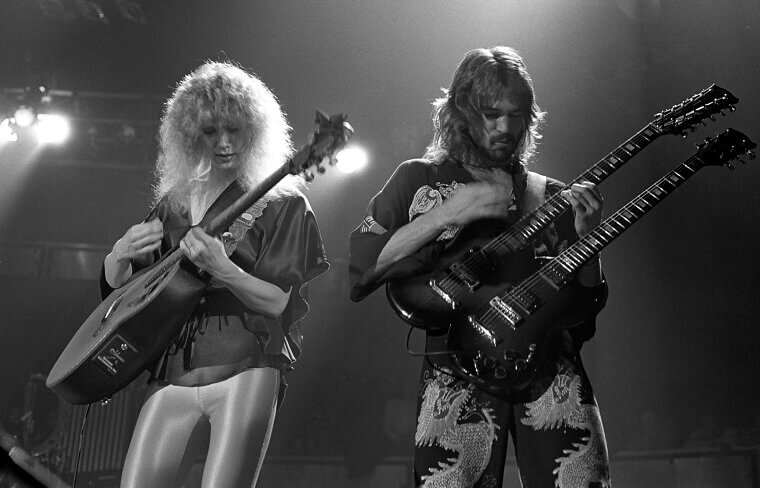
Nancy Wilson reportedly joined the ranks a few years later, cementing a formidable sibling partnership that dominated FM radio. The straightforward, emotional brand perfectly captured the soaring ballads and aggressive guitar riffs that defined their multi decade career.
Steppenwolf Almost Had The Name The Sparrow
German born vocalist John Kay formed a bluesy Canadian rock outfit in 1965, performing under a delicate, bird themed moniker. The group relocated to California hoping to secure a record deal, but struggled to break out of the crowded West Coast folk rock scene. The musicians eventually disbanded in 1967, only for Kay to reform the project a few months later with a heavier, more aggressive musical direction. The producer of their debut album reportedly suggested adopting the title of a famous 1927 novel by Hermann Hesse to match their new intellectual, hard edge sound.
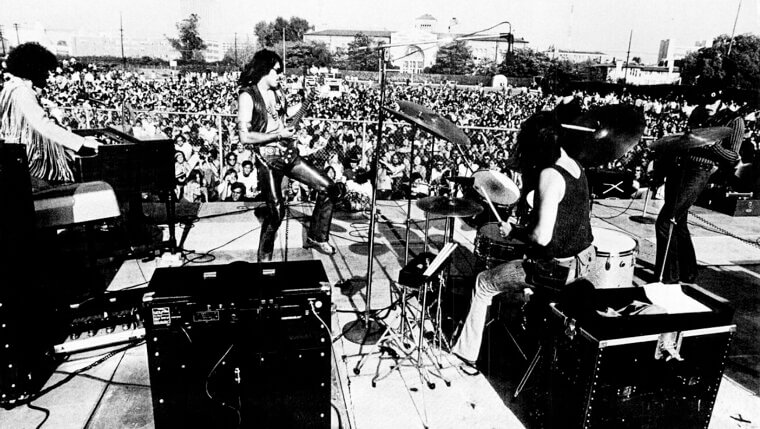
Kay embraced the literary reference, leading the newly christened group to massive international success. The band cemented their permanent legacy by introducing the phrase heavy metal into the pop culture lexicon.