
Many legendary musicians faced harsh rejection before finding fame - even the most iconic bands were once told they lacked talent or commercial appeal. Here's which rock legends were initially dismissed by major record labels.
Decca Records Told The Beatles That Guitar Groups Were Fading
Decca Records famously passed on the iconic Liverpool quartet, reportedly telling their manager that guitar groups were fading from popularity. This monumental error in judgment occurred after the musicians performed an audition featuring 15 songs on New Year's Day in 1962. The label executives allegedly felt the group lacked commercial potential and would not appeal to a broad audience. Instead, they opted to sign a different local act, a decision that remains an infamously poor choice in music history.
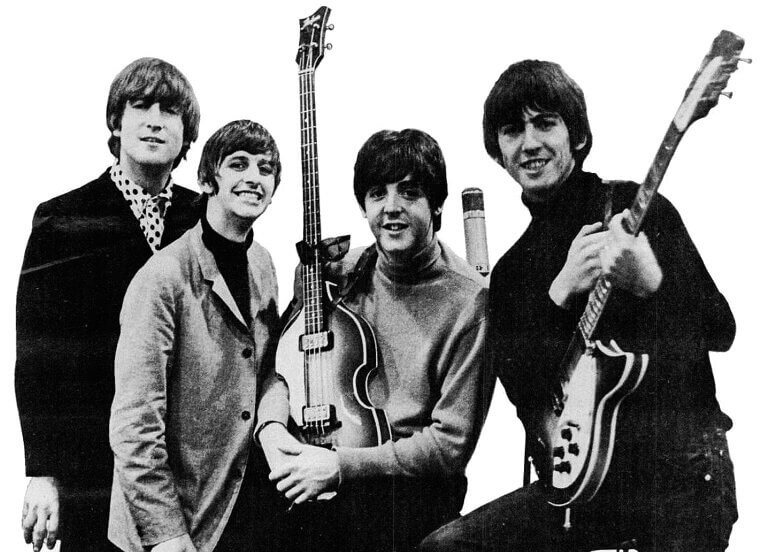
The group eventually found a home with Parlophone. They went on to redefine popular music, while Decca executives lived with missing out on the biggest act of the 20th century. Their legacy remains unmatched today.
RSO Records Passed On U2 After Hearing Their Early Demos
An executive at RSO Records reportedly sent a rejection letter to a young Irish rock band in 1979, stating that their demo tape was not suitable for the label. The aspiring musicians had submitted their early recordings in hopes of securing a major breakthrough in the industry. Unfortunately, the company failed to see the global stadium-filling potential that these 4 young men possessed at the time. This dismissal merely fueled their ambition to succeed on their own terms. They eventually signed with Island Records in 1980 and released their debut album soon after.

This decision paved the way for them to become one of the most recognizable and enduring rock outfits in global history. RSO missed out on something truly monumental, leaving a significant mark on industry history.
Columbia Records Dropped The Doors Before They Could Release Anything
Columbia Records signed a fledgling rock act from Los Angeles but reportedly dropped them before they ever had the chance to record a full album. The label executives allegedly struggled to figure out how to market the band and their unpredictable frontman. After languishing on the roster for 6 months without any clear direction, the group requested to be released from their contract. Elektra Records soon stepped in and recognized the poetic brilliance and magnetic stage presence that Columbia overlooked. The subsequent debut release became a massive cultural milestone for the late 1960s rock scene.
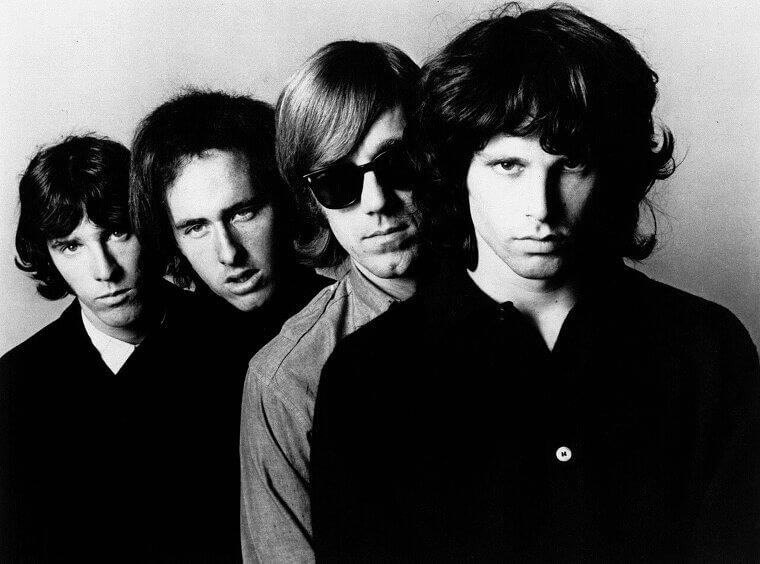
The original label missed a prime opportunity to host the defining sound of an entire generation on their catalog. That missed opportunity remains legendary in classic rock lore.
Liberty Records Rejected Elton John But Accidentally Sparked A Legendary Duo
A talent scout at Liberty Records reportedly turned down a young piano player named Reggie Dwight after an audition in 1967. The label executives allegedly felt his vocal performance and songwriting lacked the specific commercial edge needed for their roster. However, the rejection came with a silver lining that altered music history forever. The person who turned him down handed the aspiring musician an envelope of unopened lyrics penned by another rejected hopeful named Bernie Taupin. This chance exchange initiated a songwriting partnership that produced numerous chart-topping hits over the next 5 decades.

The pianist changed his name and became a global superstar. Liberty Records inadvertently facilitated a legendary collaboration while missing the profits. Their legacy lives on in every famous track.
Epic Records Executives Dismissed Kiss Over Their Heavy Sound
An A&R representative for Epic Records allegedly walked out of a rehearsal space after hearing a very loud rock band from New York City. The executive reportedly hated their aggressive sound and bizarre conceptual look, assuming they were nothing more than a passing gimmick. The label passed on the chance to sign the theatrical performers, dismissing their potential to sell records. Shortly after this harsh rejection, Neil Bogart signed them to his newly formed Casablanca Records.

The band went on to build a massive empire based on live performances, merchandise, and a highly dedicated fan base. The original executive failed to realize that rock music was shifting toward massive visual spectacles and theatrical arena shows. That misjudgment shaped an entire era of rock.
Clive Davis At CBS Records Told Meat Loaf To Quit Music
Clive Davis at CBS Records reportedly rejected a theatrical rock project, allegedly telling the lead singer that he did not understand rock music. The executive supposedly criticized the operatic style of the songs and dismissed the entire concept as unmarketable to mainstream audiences. The singer and his songwriting partner faced numerous rejections from almost every major label before finally securing a deal with Cleveland International Records. Their dramatic album eventually sold over 40 million copies worldwide and became a massive cultural phenomenon.

The initial dismissal by such a prominent industry figure stands out as a colossal miscalculation. The theatrical rock masterpiece remains one of the best-selling albums of all time across multiple continents. It is a stunning triumph of perseverance.
Atlantic Records Hesitated On Bruce Springsteen Leaving Room For Columbia
Atlantic Records reportedly had an early opportunity to sign a promising singer-songwriter from New Jersey but ultimately let the chance slip away. Executives allegedly debated his commercial viability and whether he fit into the folk or rock category. While they deliberated, legendary talent scout John Hammond swooped in and secured him for Columbia Records. The artist faced early struggles with his first 2 albums but eventually broke through with a legendary third release in 1975. His working-class anthems and marathon live shows turned him into an American rock icon.

The hesitation from the initial label allowed a rival company to nurture one of the most prolific and respected rock musicians of his era. Patience truly pays off in unexpected ways for musical icons.
EMI Passed On The Who For Being Too Rebellious
EMI Records allegedly passed on a destructive London rock act because their sound was considered too abrasive for the current pop market. The label reportedly preferred clean-cut acts and found the aggressive guitar smashing and loud feedback off-putting. This early rejection did not deter the ambitious musicians, who quickly found a home with Brunswick Records and later Track Records. They channeled their raw energy into massive concept albums and pioneered the rock opera genre. Their explosive live performances became legendary, solidifying their status as pioneers of hard rock.
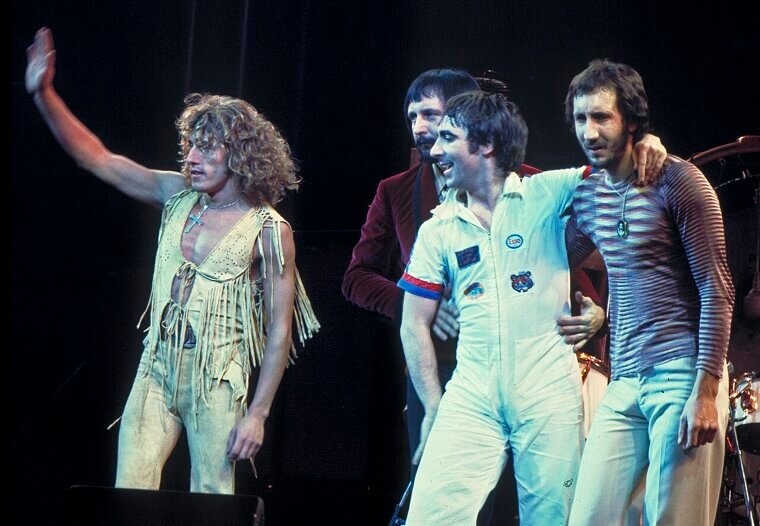
The executives who turned them down failed to anticipate the shifting cultural tide towards rebellion. The band influenced countless punk and hard rock acts in the following decades. Their unique aggressive approach changed history entirely.
Apple Records Apparently Ignored David Bowie Before His Major Breakthrough
The Beatles-owned Apple Records reportedly received a demo submission from a young British artist in 1968 but chose not to sign him. The executives allegedly failed to see a clear artistic direction in his early acoustic material, which lacked the flamboyant style he later developed. This rejection meant the label missed out on one of the most innovative and visually striking musicians in history. He eventually found his footing with Philips and Mercury, reinventing himself multiple times to massive critical acclaim.

His ability to blend theater, fashion, and rock music made him a singular force in the industry. The initial dismissal highlights how difficult it is to predict the evolution of a visionary artist. His constant reinvention made him an unforgettable rock icon.
Elektra Records Allegedly Initially Rejected The Byrds Before A Competitor Stepped In
Elektra Records reportedly passed on an early incarnation of a California folk-rock band after hearing their initial acoustic demos. The label founder allegedly felt the material was not strong enough to compete in the rapidly changing music scene. After this early setback, the group secured a deal with Columbia Records and recorded a legendary cover of a Bob Dylan song. This electrifying single topped the charts and effectively launched the folk-rock movement of the 1960s.
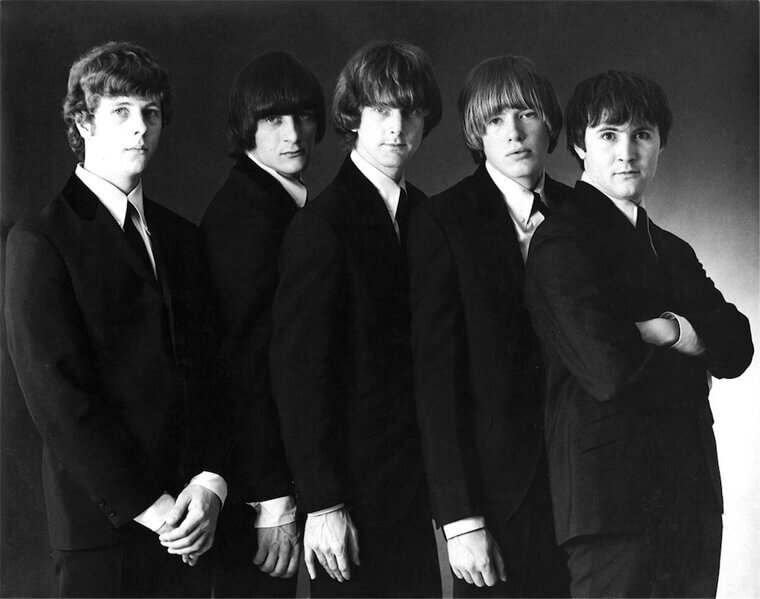
The band introduced complex vocal harmonies and chiming 12-string guitars to the mainstream rock landscape. The initial label missed the chance to be at the forefront of a major musical revolution. Their signature sound influenced countless subsequent artists. Their chiming guitars are still revered today.
London Records Dropped Tom Petty During His Early Career Struggles
London Records signed a southern rock outfit featuring a young songwriter from Florida but allegedly abandoned the project before it gained traction. The label reportedly felt the band lacked a defining hit and chose not to invest further resources into their development. The frustrated frontman eventually formed a new backing group and secured a contract with Shelter Records. He combined heartland rock with a pop sensibility, resulting in a string of massive radio hits throughout the late 1970s and 1980s. His distinctive voice and straightforward songwriting resonated with millions of fans across the globe.
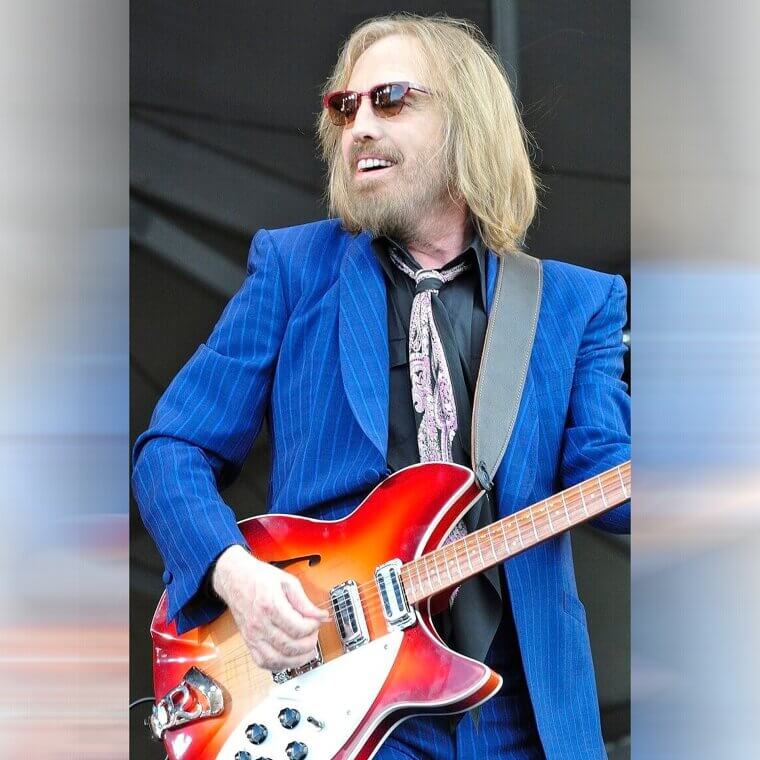
The initial company failed to recognize the immense staying power of this uniquely American rock visionary. He became a staple of classic rock radio, earning his spot among music royalty.
Numerous Labels Rejected Black Sabbath For Being Too Dark
Several prominent British record companies reportedly turned down a heavy rock band from Birmingham, claiming their music was far too grim for mainstream consumption. The executives allegedly found the detuned guitars and lyrical themes of doom to be a severe commercial liability. Despite the numerous rejections, the musicians maintained their heavy sound and eventually signed with Vertigo Records. Their self-titled debut album effectively created the heavy metal genre and resonated with a disenfranchised youth culture. The band built a massive international following without relying on traditional radio support or pop crossover appeal.
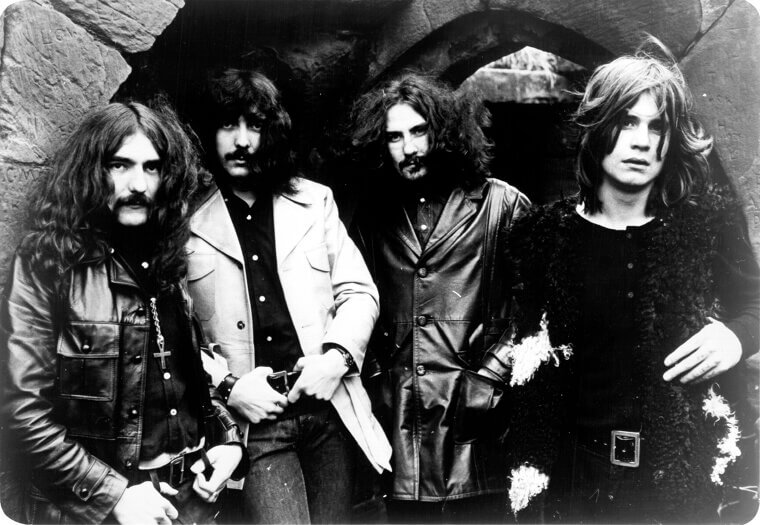
The early detractors failed to realize that audiences were looking for something heavier. This dark musical vision birthed an entirely new subculture. They remain founding fathers of a massive heavy genre.
EMI Hesitated On Def Leppard Thinking They Were Just Another Local Act
EMI Records allegedly passed on a young rock band from Sheffield, reportedly assuming they were merely another local act without international appeal. The executives supposedly felt the market was already saturated with similar hard rock groups during the late 1970s. The ambitious musicians ignored the rejection and self-financed an EP that caught the attention of Phonogram Records. They subsequently paired with a visionary producer and crafted a polished, arena-ready sound that dominated the 1980s. Their meticulously layered vocals and huge guitar riffs resulted in 2 of the best-selling rock albums in history.

The initial label failed to spot the massive crossover potential of their melodic hard rock style. They conquered both MTV and global stadiums, establishing an unmatched legacy of melodic hard rock.
Columbia Records Overlooked Alice Cooper Due To Theatrical Antics
Columbia Records reportedly passed on a shock rock pioneer after attending an early, chaotic performance that left executives thoroughly confused. The label representatives allegedly could not see past the bizarre stage props and aggressive theatricality to recognize the underlying musical talent. After struggling to find a receptive audience, the group caught the eye of Frank Zappa, who signed them to his Straight Records imprint. They eventually refined their sound with a legendary producer and scored massive hits that blended hard rock with horror aesthetics.

The frontman became a pop culture icon, pioneering a highly visual style of rock performance. The original scouts missed a highly lucrative opportunity to market a theatrical mastermind. The spectacle of shock rock owes everything to this visionary approach.
Capricorn Records Passed On Lynyrd Skynyrd For Being Too Rough
Capricorn Records, the premier label for southern rock, reportedly rejected a gritty band from Jacksonville because executives allegedly felt they lacked polish. The company supposedly preferred acts that fit a more jam-oriented profile and passed on the group's rougher, more aggressive approach. Undeterred, the musicians secured a deal with MCA Records and released a stunning debut album in 1973. They combined triple-guitar attacks with poignant songwriting, creating some of the most enduring anthems in the classic rock canon.
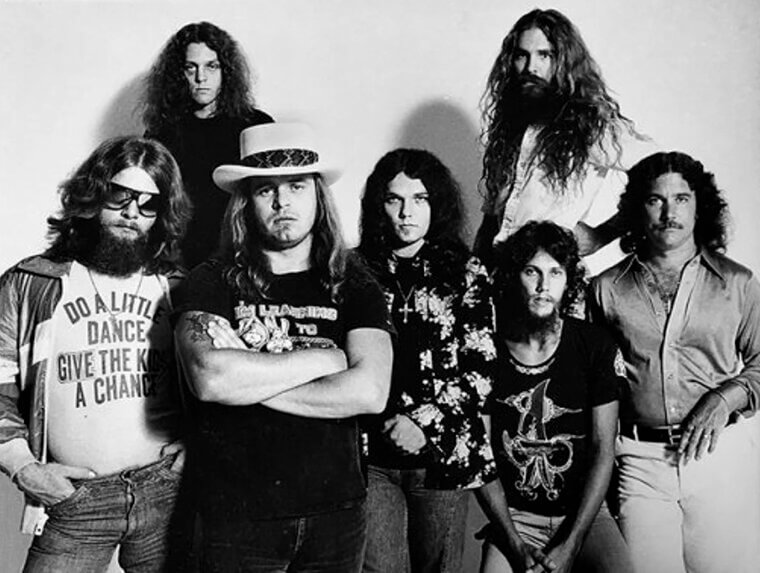
The band established a massive following through relentless touring and explosive live performances. The initial label missed out on the most commercially successful southern rock act of the decade. Their legacy continues to thrive, celebrated for authentic storytelling and southern grit.
Polydor Records Allegedly Dropped Pink Floyd Early In Their Development
Polydor Records reportedly worked with an early version of a psychedelic rock band but chose not to offer them a long-term contract. The label allegedly struggled to market their extended instrumental passages and unconventional approach to songwriting. The musicians eventually landed at EMI, where they pushed the boundaries of studio technology and progressive rock. They crafted massive concept albums that explored themes of madness, isolation, and the passage of time. Their atmospheric soundscapes and spectacular live shows turned them into one of the most successful acts in music history.
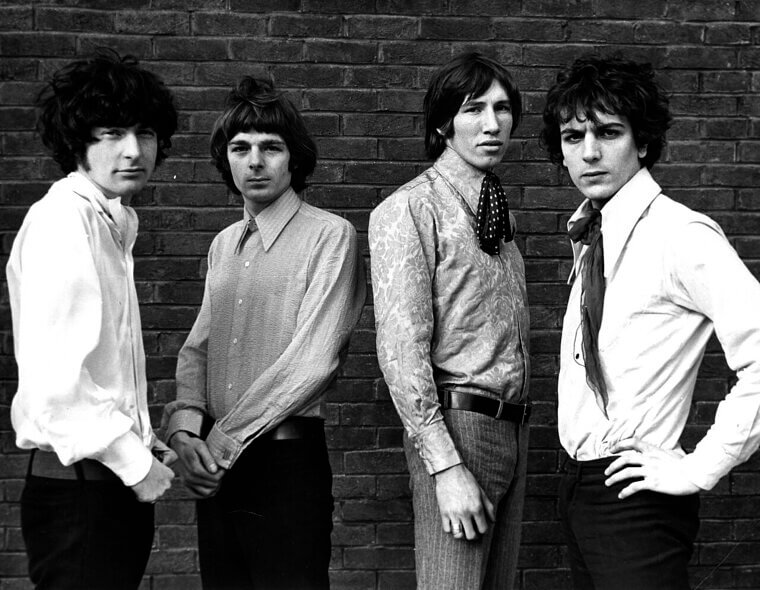
The original label failed to foresee the commercial viability of progressive rock. This monumental misstep remains a fascinating footnote in their long career, while the band ascended to unseen heights of sonic exploration.
Pye Records Allegedly Rejected Jimmy Page Before Led Zeppelin Formed
Pye Records reportedly passed on various early projects involving a talented young studio guitarist before he formed his legendary hard rock band. The executives allegedly felt his heavy blues-rock experiments were too loud and disjointed for their traditional pop roster. The guitarist eventually assembled a new lineup and secured a groundbreaking deal with Atlantic Records, largely due to fierce management negotiations. The new group blended acoustic folk with thunderous electric blues, becoming the biggest stadium attraction of the 1970s.

They set massive attendance records and sold millions of albums without releasing standard pop singles. The initial label missed the opportunity to work with a defining architect of heavy rock. He changed the industry forever, cementing a lasting legacy built on crushing riffs.
Elektra Records Dropped Blue Oyster Cult Before Their Name Change
Elektra Records reportedly signed an early iteration of a New York rock band but dropped them before releasing their completed album. The label executives allegedly felt the music lacked a clear commercial hook and shelved the project entirely. The group reorganized, changed their name, and eventually signed with Columbia Records, where they found massive success. They blended intelligent, literary lyrics with heavy guitar riffs, earning critical acclaim and a devoted cult following.
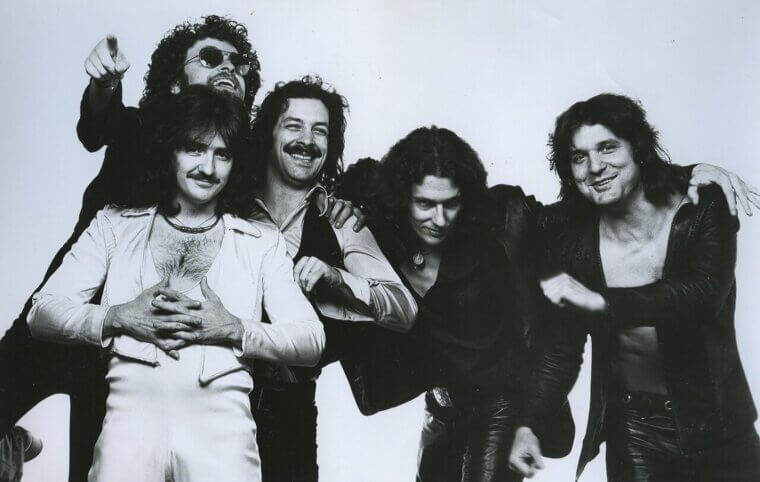
Their signature hit about overcoming the fear of death remains a staple on classic rock radio stations worldwide. The original label gave up on the project right before the band refined their winning formula. They became true hard rock legends, celebrated for their unique and literate approach.
Multiple Labels Rejected The Police For Not Being Punk Enough
Several major record labels reportedly rejected a blonde-haired rock trio because they allegedly did not fit neatly into the burgeoning punk scene. Executives supposedly felt their reggae-infused rock sound was too polished and complex for an audience demanding raw aggression. The band independently released their first single before finally securing a unique deal with A&M Records. They quickly evolved into a global phenomenon, scoring numerous chart-topping hits with their sophisticated songwriting and tight musicianship. The frontman became a highly successful solo artist, while the group packed stadiums around the world.

The early detractors failed to recognize that blending different genres would result in a massive commercial breakthrough. They defined the early 1980s, creating an unforgettable sonic footprint.
MCA Records Passed On Dire Straits Early Demo Tapes
MCA Records reportedly received a demo tape from a British rock band in 1977 but allegedly chose not to pursue a contract. The label representatives supposedly felt the group's pub-rock style and intricate guitar fingerpicking were outdated compared to the rising punk movement. The musicians eventually signed with Vertigo Records and gained massive international attention with their debut single. Their laid-back grooves and storytelling lyrics provided a stark contrast to the aggressive music dominating the era. They later released one of the best-selling albums of the 1980s, driven by innovative music videos and pristine production.
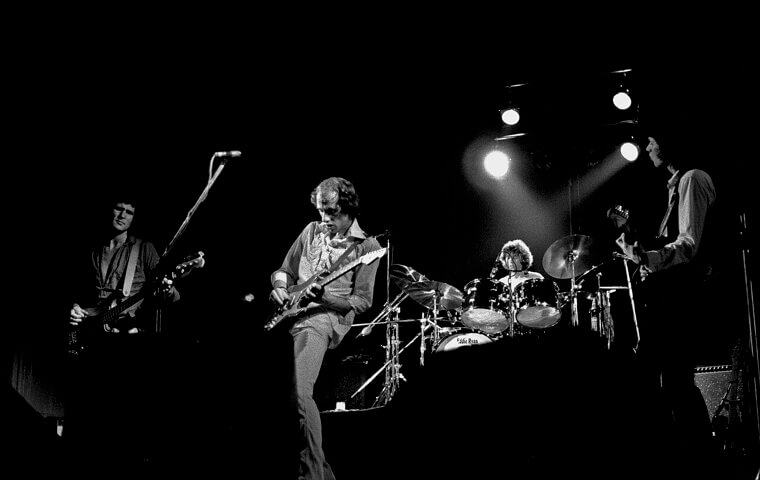
The initial label missed out on a band that perfectly bridged the gap between classic rock and the digital age. Their cinematic songs remain beloved by fans everywhere.
Epic Records Rejected Heart Before A Small Independent Label Stepped In
Epic Records reportedly passed on a hard-rocking band led by 2 talented sisters, allegedly claiming their sound lacked commercial direction. The major label executives supposedly struggled to categorize a group that seamlessly blended delicate acoustic folk with heavy metal guitar riffs. The musicians eventually signed with Mushroom Records, a small independent label in Canada, and released a massively successful debut album. They proved that women could front a hard rock band and write their own enduring anthems. The group secured numerous hits across multiple decades, adapting to changing musical trends with remarkable ease.

The major label missed out on groundbreaking pioneers who shattered gender barriers in the male-dominated rock industry. Their influence is undeniable, and their powerhouse vocals still dominate classic radio formats.
Epic Records Initially Passed On Cheap Trick Because Of Their Look
Executives at Epic Records reportedly hesitated to sign a quirky rock band from Illinois, allegedly confused by their unconventional visual presentation. The label supposedly loved the music but felt the pairing of 2 glamorous rock stars with 2 bizarrely dressed musicians was unmarketable. After further consideration, they finally offered a contract, though the band struggled to find domestic success with their early studio albums. They achieved massive international stardom after releasing a legendary live album recorded in Japan.

Their unique blend of Beatles-esque melodies and hard rock power chords heavily influenced the alternative rock boom of the 1990s. The initial hesitation highlights how often industry professionals misjudge the appeal of an eccentric image. Their power-pop mastery set a new standard for rock groups.
MCA Records Dropped John Mellencamp After His Initial Flops
MCA Records reportedly dropped a young heartland rocker after his early releases failed to make a significant impact on the charts. The label allegedly forced him to use a stage name he despised and struggled to market his gritty, working-class aesthetic. He eventually moved to Riva Records and reverted to his real name, finding massive success with socially conscious rock anthems. His straightforward songwriting captured the struggles of rural life and resonated deeply with a vast American audience.

He became a defining voice of the 1980s heartland rock movement, alongside peers like Tom Petty and Bruce Springsteen. The original label failed to allow the artist to develop his authentic voice. Authenticity proved to be his greatest asset, leading to decades of continued success.
Decca Records Dropped Genesis After Their Debut Album Failed
Decca Records signed a progressive rock band formed by boarding school students but reportedly dropped them after their debut album flopped. The label allegedly failed to promote the record properly, leaving the young musicians without crucial industry support during their formative years. The group eventually found a more nurturing environment at Charisma Records, where they developed their signature theatrical style. They expanded their sound with complex time signatures and elaborate stage costumes, building a massive cult following.

The band later transitioned into a highly successful pop-rock act, dominating the charts in the 1980s. The original label abandoned them just as they were beginning to refine their ambitious musical vision. They missed decades of success from one of rock's most adaptable groups.
Atlantic Records Hesitated On Aerosmith Because They Thought the Band Copied Others
Atlantic Records reportedly passed on a gritty rock band from Boston, allegedly believing they were merely a knock-off of existing British rock acts. The executives supposedly felt the frontman closely mirrored Mick Jagger and dismissed their raw blues-rock sound as unoriginal. The band eventually signed with Columbia Records and released a string of legendary albums in the 1970s. They established their own distinct identity through blistering guitar riffs and charismatic swagger, surviving numerous personal struggles to mount a massive comeback in the 1980s.

Their music transcended generations, bridging the gap between classic rock and modern hip-hop through a famous collaboration. The initial label failed to see the unique energy the musicians brought to the stage. They became a quintessential piece of American rock history.
Private Stock Records Dropped Blondie Before Their Pop Breakthrough
Private Stock Records reportedly dropped a pioneering New York rock band, allegedly feeling their sound was too disjointed for mainstream success. The label executives supposedly failed to recognize the massive commercial potential of blending punk energy with disco and pop melodies. Chrysalis Records quickly acquired their contract and helped launch them to international superstardom. The group scored multiple hit singles that defined the late 1970s and early 1980s, anchored by their photogenic and charismatic lead singer.

They successfully navigated various musical styles, from reggae to early hip-hop influences, proving their incredible versatility. The original label let go of an act that became a massive cultural force and fashion inspiration. Their cross-genre appeal was unmatched, setting trends that lasted for decades.
Warner Bros Passed On The Doobie Brothers First Demo
Warner Bros Records initially passed on a demo tape from a California rock band, reportedly feeling the music lacked a strong pop sensibility. The executives allegedly viewed them as just another local biker band without the necessary polish for national radio airplay. However, the label quickly reconsidered after witnessing their massive local following and energetic live shows. The group rewarded this second chance by delivering a string of massive hits that defined 1970s classic rock radio. They seamlessly transitioned from a rough guitar-driven sound to a smooth, keyboard-heavy approach later in the decade.
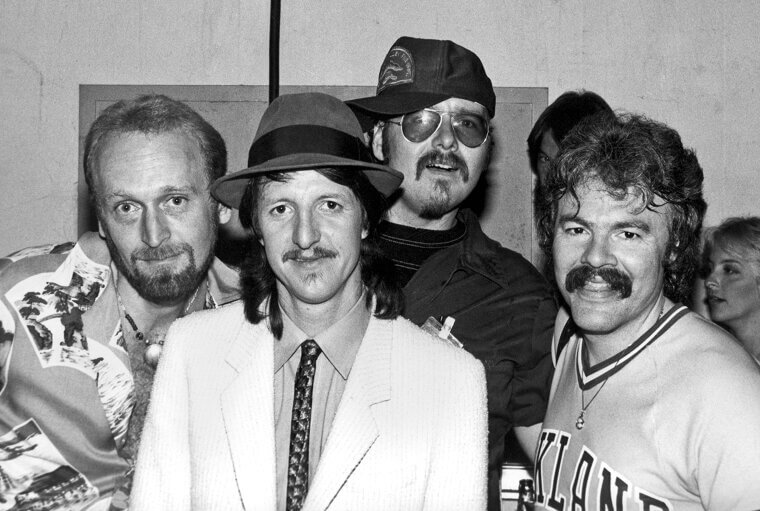
The initial rejection demonstrates how difficult it is to capture a band's live energy on a preliminary recording. They became industry giants, known for their infectious rhythms and smooth vocal harmonies.
Apple Records Passed On Yes Before Atlantic Signed Them
The Beatles-founded Apple Records reportedly auditioned an ambitious progressive rock band but ultimately decided not to offer them a recording contract. The label allegedly felt their complex arrangements and soaring vocal harmonies were not a good fit for their specific roster. Atlantic Records subsequently signed the group, allowing them the creative freedom to explore lengthy instrumental passages and conceptual themes. They achieved massive commercial success with intricate musicianship and stunning album artwork that defined the progressive rock era.

The band packed arenas worldwide and maintained a dedicated fan base through numerous lineup changes. The original label missed out on a group that elevated rock music to new heights of technical proficiency. They created sonic masterpieces, setting a high bar for intricate arrangements.
Warner Bros Hesitated To Sign The Grateful Dead Over Commercial Concerns
Warner Bros Records reportedly hesitated to sign a psychedelic jam band from San Francisco, allegedly worried about their lack of radio-friendly singles. The executives supposedly struggled to understand how to market a group known primarily for endless live improvisations rather than standard pop songs. The label eventually took a chance and signed them, leading to one of the most unique careers in music history. The band built an enormous, dedicated community of traveling fans and created a lucrative business model based on live performances and merchandise.
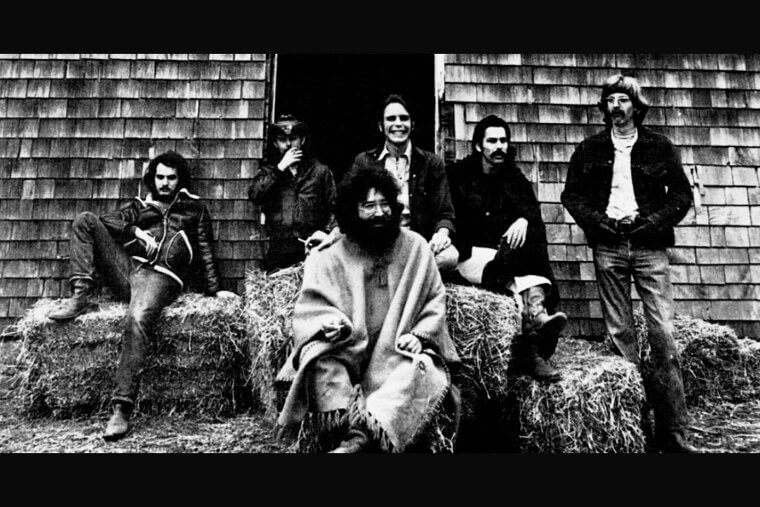
They rarely relied on radio hits, proving that a loyal grassroots following could sustain a massive touring operation. The initial hesitation highlights the industry reliance on traditional hit singles. Their touring model completely revolutionized the live music industry.
Columbia Records Hesitated On Janis Joplin Believing She Was Too Wild
Executives at Columbia Records reportedly expressed severe doubts before signing a fiery rock vocalist, allegedly concerned about her unpredictable behavior. The label supposedly feared that her raw, unpolished vocal style would not translate well to mainstream audiences accustomed to refined pop singers. Despite these early reservations, they moved forward, and she quickly became the defining female voice of the psychedelic rock era. Her electrifying performance at a famous pop festival cemented her legendary status and captivated millions of fans.
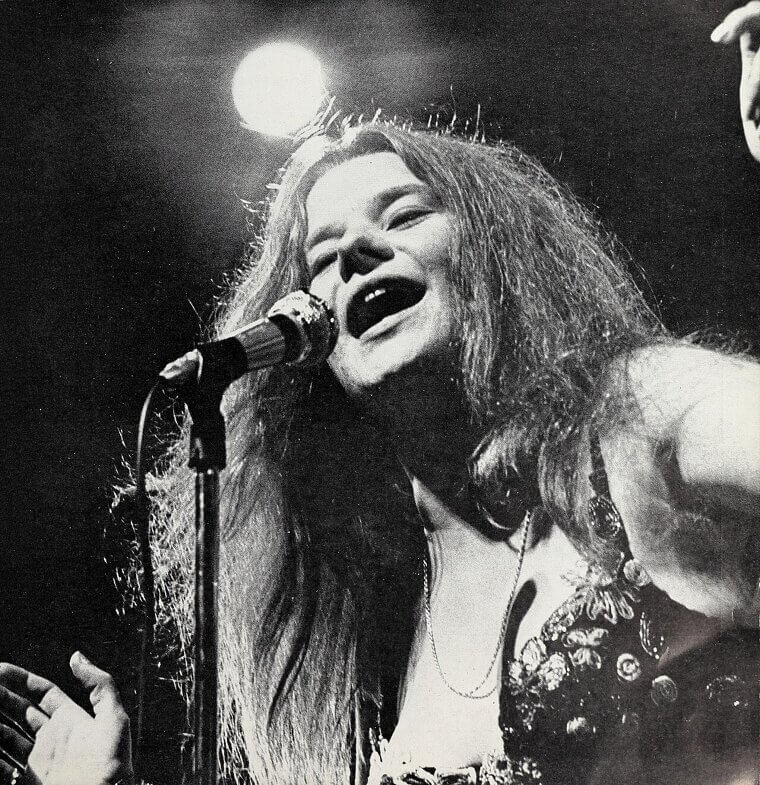
She poured immense emotion into her blues-rock performances, leaving an indelible mark on the music industry. The initial hesitation underestimated the public desire for genuine, unfiltered emotional expression on stage. She remains an iconic figure whose raw power is still deeply admired.
Decca Records Passed On The Jimi Hendrix Experience
Decca Records reportedly passed on a groundbreaking guitar virtuoso in 1966, allegedly feeling his wildly experimental sound was far too aggressive. The British label executives supposedly did not understand his heavy use of distortion and feedback, dismissing it as chaotic noise. Track Records quickly signed the trio, and they revolutionized the way the electric guitar was played within a matter of months. His flamboyant stage presence and innovative studio techniques changed the trajectory of rock music forever. He headlined major festivals and became a massive cultural icon despite his tragically short career.
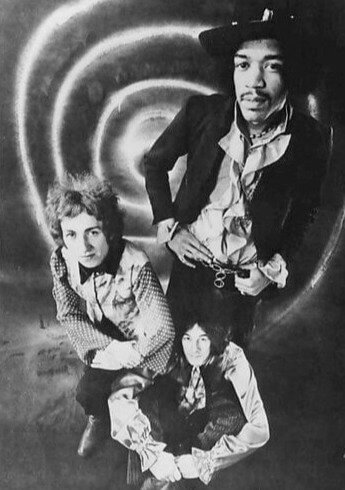
The original label added another massive blunder to their history by failing to recognize a once-in-a-generation musical genius. He changed everything, reshaping the sonic possibilities of rock guitar.
London Records Passed On Rush Citing A Lack Of Commercial Appeal
London Records reportedly rejected a Canadian progressive rock trio, allegedly claiming their complex musical structures would not appeal to a mainstream audience. The label supposedly felt the high-pitched vocals and fantasy-driven lyrics were too unusual for traditional rock radio formats. Mercury Records eventually picked them up after an obscure DJ started playing their independent single, leading to massive regional sales. The band built a fiercely loyal fan base over 4 decades, releasing numerous gold and platinum albums without relying on mainstream media support.

They became highly respected musicians known for their incredible technical proficiency and intellectual lyrics. The original label failed to see the value in a group that ignored conventional pop trends. They succeeded anyway, earning massive respect for their dedication to musical complexity.
Probe Records Passed On Steely Dan Before They Found Their Sound
An executive at Probe Records reportedly passed on a talented songwriting duo, allegedly stating that their jazz-infused rock music was too complicated. The label supposedly felt the intricate chord progressions and cynical lyrics would alienate listeners looking for straightforward pop hits. The musicians eventually secured a deal with ABC Records and crafted a series of meticulously produced albums that became massive commercial successes. They utilized a rotating cast of elite studio musicians to achieve absolute sonic perfection on every track.
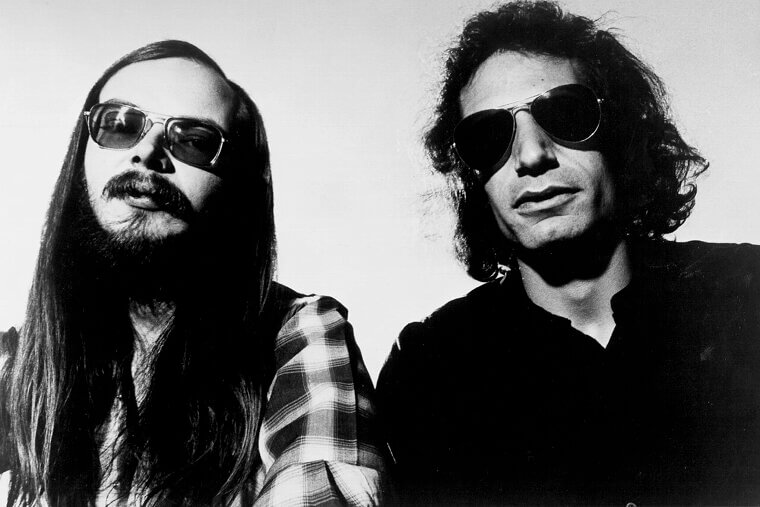
Their unique blend of jazz, rock, and sophisticated pop remains a staple of classic rock radio today. The initial label missed an opportunity to host one of the most critically acclaimed acts of the 1970s. Perfection takes time, and their meticulous craft certainly rewarded their ultimate label.
Pye Records Almost Dropped The Kinks After Their First Few Singles Floped
Pye Records reportedly considered dropping a prominent British Invasion band after their first 2 single releases failed to generate any chart success. The label executives allegedly gave the group one last chance to produce a hit before terminating their recording contract entirely. The musicians responded by recording a distorted, power-chord driven anthem that revolutionized hard rock and became a massive global smash. The main songwriter developed a uniquely observant and satirical lyrical style that heavily influenced generations of subsequent British rock acts.
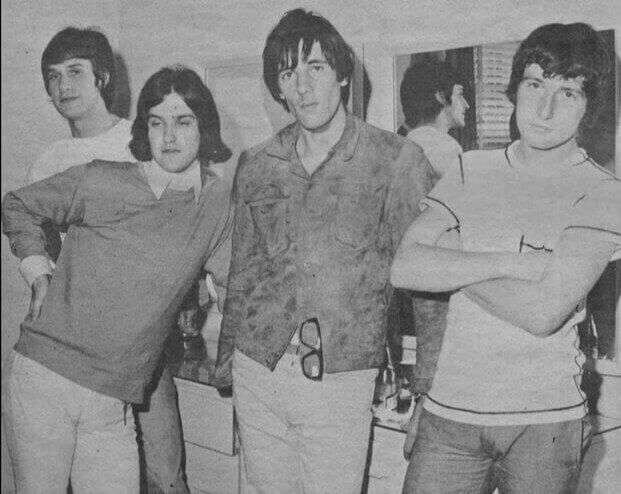
They survived the early label pressure to become one of the most important and enduring bands of their era. The near-dismissal forced the group to innovate and capture their raw, aggressive live sound on tape. They went on to release some of the most cherished concept albums of all time.
Decca Records Rejected The Animals Before Columbia Signed Them
Decca Records reportedly auditioned a gritty rhythm and blues band from Newcastle but allegedly decided against offering them a contract. The executives supposedly felt their traditional blues sound was not commercial enough to compete with the rising pop groups of 1964. The band quickly signed with Columbia Records and released a massive transatlantic hit that featured a distinctive, brooding organ riff. The powerful vocals of the frontman brought a new level of intensity to the British Invasion movement.

They heavily influenced the development of folk-rock and hard rock over the following years. The original label missed yet another significant opportunity to capitalize on a major shift in the musical landscape. Their legendary hit remains a classic, defining the gritty edge of the era.